
The Historical Context of Property Taxes in Ancient Indian Civilizations


Welcome to Ancient India History, where we embark on a fascinating journey through the rich tapestry of ancient Indian civilizations. Today, we delve into the intriguing world of property taxes in ancient India, uncovering how these early legal systems and law codes shaped societal structures and economic practices. What strategies did these civilizations employ to manage resources and wealth?
As you explore this captivating article, prepare to discover not just the mechanics of taxation, but the profound implications they had on governance and daily life. Join us as we unravel the complexities of an era that laid the foundations for modern legal frameworks!
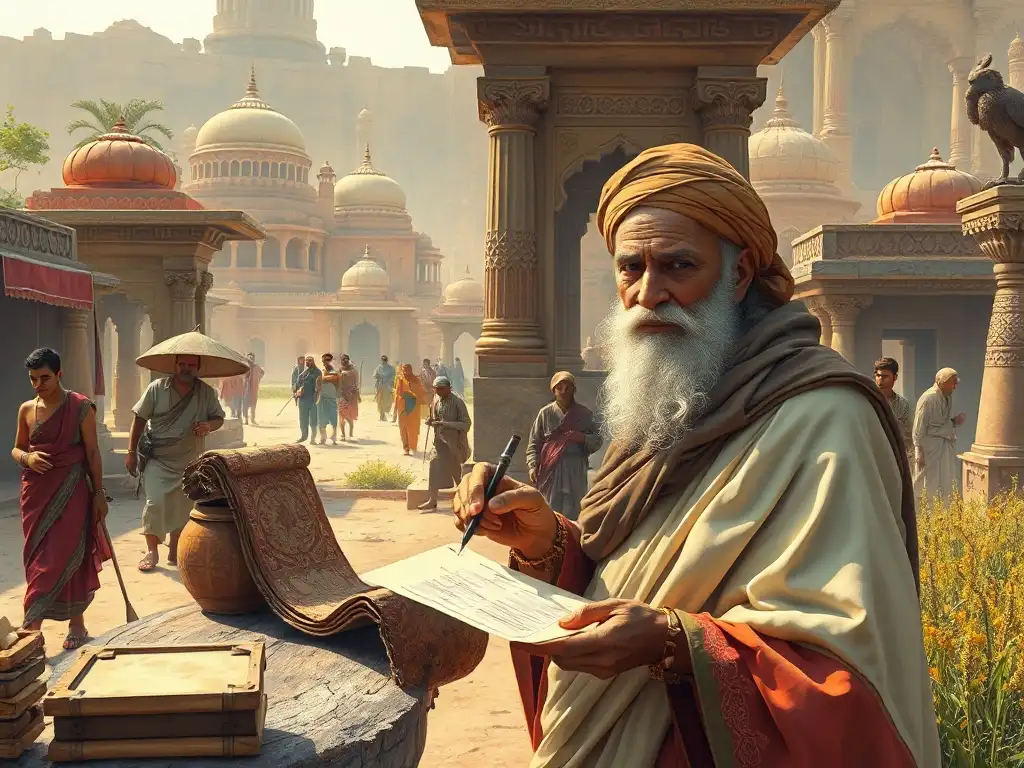
Introduction to Property Taxes in Ancient India
The concept of property taxes in ancient India offers a profound insight into the economic, social, and legal frameworks that governed the various civilizations of the subcontinent. Property taxes were not merely a means of revenue generation for the state; they reflected the values and structures of society, influencing land ownership, agricultural practices, and social hierarchies.
Understanding the historical context of these taxes allows us to appreciate their significance in shaping ancient Indian societies, from the urban planning of the Indus Valley to the feudal systems that prevailed during the Gupta Empire. As we delve into this topic, we will explore how property taxes were established, regulated, and evolved within the intricate tapestry of ancient India's legal systems.
Definition and significance of property taxes in ancient Indian society
Property taxes in ancient India can be defined as the levies imposed on land and property ownership, which served as critical mechanisms for financing state activities and public works. These taxes were significant for several reasons:
- Economic sustenance: Property taxes provided essential funding for the maintenance of infrastructure, such as roads, irrigation systems, and public buildings, which facilitated trade and agricultural productivity.
- Social stratification: The imposition of property taxes often reflected the social hierarchy, delineating the roles and responsibilities of different classes within society.
- Legal framework: Property taxes were integrated into the broader legal systems, which governed transactions, inheritance, and ownership rights, thus reinforcing social norms and expectations.
In ancient texts and inscriptions, we find references to these taxes, indicating their role in sustaining the administrative and economic frameworks of various dynasties.
Overview of legal systems and their evolution in ancient India
The legal systems of ancient India were remarkably diverse, adapting to the socio-political changes over centuries. Early legal codes, such as the Manusmriti, laid the groundwork for property laws, outlining the rights and duties of individuals concerning land ownership and taxation. The evolution of these systems can be categorized into several key periods:
- Pre-Vedic Period: Initial informal practices surrounding property ownership likely existed, relying on community consensus.
- Vedic Period: The emergence of written texts began to codify property rights and taxes, integrating them into the broader socio-religious context.
- Mauryan and Gupta Empires: These periods saw sophisticated administrative structures that institutionalized property taxes, with detailed regulations governing their collection and enforcement.
Through these phases, the legal frameworks surrounding property taxes evolved, reflecting the changing dynamics of power, economy, and society.
Early Civilizations and the Foundation of Property Taxation
The Indus Valley Civilization: Initial concepts of property ownership
The Indus Valley Civilization (c. 3300–1300 BCE) represents one of the earliest urban societies in the world, characterized by advanced city planning and trade networks. While direct evidence of property taxation from this era is scarce, archaeological findings suggest concepts of land ownership and management.
- Urban planning: The layout of cities like Harappa and Mohenjo-Daro indicates organized land use, hinting at an early understanding of property rights.
- Trade and commerce: The presence of standardized weights and measures implies a system of economic transactions that may have included informal taxation on property.
These elements suggest that while formal property taxes may not have been established, the foundation for property ownership and regulation was being laid.
Vedic Period: Emergence of property taxes and land grants
The Vedic Period (c. 1500–500 BCE) marks a significant transition in the conceptualization of property and taxation in ancient India. This era saw the codification of social norms and legal practices, resulting in the emergence of property taxes and land grants.
- Land grants: Kings often bestowed land to brahmins and religious institutions, which were sometimes accompanied by tax exemptions, illustrating the intertwining of property ownership and societal obligations.
- Taxation practices: Texts from this period, such as the Arthashastra by Kautilya, provide insights into the systematic collection of taxes, including those on land, highlighting their importance in statecraft and governance.
The evolution of property taxation during the Vedic Period laid the groundwork for subsequent legal systems, shaping the trajectory of property rights and management in ancient India.
Ancient Texts and Property Taxation
The foundational texts of ancient India provide significant insights into the property tax systems that were prevalent in various civilizations. These texts, written by renowned scholars and legal experts, outline the principles of governance, administration, and taxation, demonstrating how property taxes played a crucial role in maintaining the socio-economic fabric of ancient Indian society. Understanding these texts is essential for comprehending the evolution and implementation of property taxes in ancient India.
Manusmriti: Legal codes and property tax implications
The Manusmriti, or the Laws of Manu, is one of the earliest and most influential texts in Hindu legal tradition, dating back to around 200 BCE to 200 CE. This ancient legal code outlines various aspects of dharma (law/righteousness), including property rights and taxation.
In the Manusmriti, property taxes are primarily tied to land ownership and agricultural productivity. The text emphasizes the obligation of landowners to contribute a portion of their produce to the state, reflecting an early form of taxation based on agricultural output. The rates of taxation are not explicitly defined, but the text suggests that taxes should be fair and proportionate to the wealth of the individual. Additionally, the Manusmriti highlights the responsibility of rulers to ensure the welfare of their subjects, indicating that taxes collected should be used for public good, such as infrastructure and defense.
The implications of the Manusmriti extend beyond mere taxation; it establishes a moral framework that governs the relationship between the state and its citizens, advocating for just taxation practices that promote social harmony.
Arthashastra: Kautilya's insights on taxation and governance
The Arthashastra, attributed to the ancient philosopher Kautilya (Chanakya), offers a pragmatic approach to governance, including detailed strategies on taxation. Written in the 4th century BCE, this text serves as a manual for rulers and administrators, detailing various methods of statecraft and economic management.
Kautilya's insights into property taxation are notable for their sophistication. He categorizes taxes into different types, including land revenue, sales tax, and excise duties, providing a comprehensive framework for tax collection. The Arthashastra emphasizes the importance of efficient tax administration and the need for a bureaucratic structure to ensure compliance and minimize corruption.
One significant aspect highlighted by Kautilya is the principle of taxation based on the individual’s capacity to pay, advocating for a progressive tax system. He also suggests that the state should balance tax rates to avoid overburdening citizens, which could lead to social unrest. This text not only influenced taxation policies in ancient India but also laid the groundwork for future economic theories and practices in the region.
Regional Variations in Property Tax Practices

Property tax practices in ancient India varied significantly across regions, influenced by local customs, economic conditions, and administrative structures. These variations reflect the diverse nature of ancient Indian civilization and its approach to governance and taxation.
North India: Taxation systems during the Maurya Empire
During the Maurya Empire (circa 322-185 BCE), one of the most powerful and expansive empires in ancient India, property taxation was efficiently organized and implemented. The Mauryan administration established a comprehensive system of revenue collection, which included land revenue as a primary source of income for the state.
The tax system during this period was characterized by its reliance on a well-documented land survey and assessment process. Land was classified based on its productivity, and taxes were levied accordingly. Officials known as ammatyas were appointed to oversee tax collection, ensuring that the process remained fair and systematic. The revenue collected was not only used for the maintenance of the empire but also for public welfare projects, military expenditures, and infrastructure development.
The Mauryan approach to property taxes was notable for its emphasis on justice and accountability, with provisions for addressing grievances related to taxation, thus fostering a sense of trust between the rulers and the ruled.
South India: Property taxes in the Chola and Pandya dynasties
In South India, particularly during the Chola (circa 300 BCE to 1279 CE) and Pandya (circa 6th century BCE to 17th century CE) dynasties, property taxation exhibited distinct characteristics reflective of agrarian society. Both dynasties relied heavily on agriculture and developed intricate systems to manage land revenue.
The Chola dynasty is known for its advanced revenue administration, which included detailed land measurement and classification. Tax rates were often fixed based on the type and productivity of the land, with a portion of the agricultural produce required to be paid as tax. The Cholas also implemented a system of local self-governance, allowing village councils ( sabhas) to manage tax collection and expenditure, thus promoting local accountability.
Similarly, the Pandya dynasty adopted a structured approach to property taxation, emphasizing the importance of maintaining records and transparency in tax collection. Taxes were often collected in kind, with a focus on agricultural produce, and were used to fund public projects, temples, and local governance.
These regional practices highlight how property taxes in ancient South India were closely linked to agricultural productivity and local governance, reinforcing the socio-economic stability of these dynasties while catering to the needs of their subjects.
The Role of Religion in Property Taxation
In ancient Indian civilizations, religion played a crucial role in shaping the systems of property taxation. The intertwining of religious beliefs with governance influenced both the rationale behind taxation and its implementation. The two dominant religions during this period, Hinduism and Buddhism, provided distinct frameworks that guided the principles of taxation and property rights.
Hindu principles and taxation: Dharma and ethics in property taxes
In Hindu philosophy, the concept of Dharma—often translated as duty or righteousness—was fundamental to the societal framework, including taxation. According to ancient texts like the Manusmriti, property taxes were seen as a form of religious duty that individuals owed to the state, which in turn was responsible for the welfare of its citizens. The ethics surrounding taxation emphasized fairness and the moral obligation to contribute to the community.
Taxation in Hindu society was not merely viewed as a financial obligation; it was also considered a sacred duty. The revenue collected from property taxes was often used for public goods, including the maintenance of temples, roads, and irrigation systems. This ethical framework ensured that taxes were felt as a collective responsibility, reinforcing the social contract between rulers and the ruled.
Buddhist influences on property and taxation systems
Buddhism introduced a different perspective on property and taxation, emphasizing compassion and equity. The teachings of the Buddha encouraged a system where wealth was shared for the benefit of all, leading to the establishment of tax systems that aimed to reduce inequality. Buddhist texts often advocated for minimal taxation to ensure that essential needs were met without overburdening the populace.
The Mauryan Emperor Ashoka, a significant proponent of Buddhism, implemented policies that reflected these principles. Under his rule, tax rates were adjusted to improve the welfare of farmers and traders, and a significant portion of tax revenue was allocated to public works and welfare programs. This approach highlighted the Buddhist influence on property taxation, focusing on the welfare of the community rather than merely state revenue.
Economic Impacts of Property Taxes
Property taxes had profound economic implications in ancient Indian civilizations, significantly influencing agricultural productivity, trade, and overall economic growth. Understanding these impacts provides insight into how taxation systems were integrated into the daily lives of ancient Indians.
Agricultural productivity and land revenue systems
Agriculture was the backbone of ancient India's economy, and property taxes played a vital role in sustaining this sector. The land revenue system, often based on the assessment of land productivity, required farmers to pay a portion of their harvest as tax. This system incentivized landowners to maximize productivity, as higher yields would directly correlate with their ability to pay taxes without compromising their livelihoods.
Land revenue was typically structured as a fixed rate or a proportional share of the crop, depending on the region and prevailing policies. The collection of these taxes ensured that the state could invest in agricultural infrastructure, such as irrigation systems and protective measures against natural disasters. This reciprocal relationship between taxation and agricultural productivity fostered a more resilient economy.
Trade and commerce: The relationship between taxes and economic growth
Trade and commerce flourished in ancient India, supported by extensive road networks and favorable geographical positioning. Property taxes were crucial in this context, as they generated revenue that facilitated trade by funding infrastructure development and maintaining market regulation.
The imposition of taxes on trade goods enabled the state to regulate commerce effectively. However, excessive taxation could stifle economic growth by discouraging trade activities. Consequently, rulers needed to strike a balance between generating revenue and promoting a thriving economic environment.
In many instances, ancient Indian rulers adopted progressive taxation policies that favored traders and artisans, recognizing the importance of commerce in driving economic prosperity. The relationship between property taxes and economic growth was thus characterized by a dynamic interplay that shaped the livelihoods of countless individuals throughout ancient India.
Challenges and Reforms in Property Tax Systems

The property tax systems in ancient Indian civilizations were not without their challenges. Over the centuries, various dynasties faced numerous issues that affected the efficiency and fairness of tax collection. These challenges prompted rulers to introduce reforms aimed at improving the system, which ultimately shaped the landscape of property taxation.
Historical challenges faced in tax collection and administration
One of the primary challenges in the administration of property taxes in ancient India was the lack of standardized measurement and valuation systems. With diverse land types and agricultural practices across regions, it became difficult for tax collectors to determine fair tax rates. Additionally, the absence of formal land records often led to disputes over land ownership, creating confusion and resistance among landowners.
Moreover, corruption among tax officials was a significant issue. Local agents often exploited their positions to extort more than the legal tax rates, leading to widespread discontent among the peasantry. The agrarian economy's dependency on monsoon seasons added another layer of complexity; farmers who faced crop failures struggled to pay their taxes, leading to irregular revenues for the state.
Social and political factors also played a role in the challenges of property tax administration. Frequent invasions and changes in ruling powers disrupted the continuity of tax systems, causing instability in fiscal policies. Such political turmoil often resulted in the temporary suspension of tax collection or the imposition of heavy taxes to fund military campaigns, further exacerbating the situation.
Reforms introduced by various rulers: An overview of changes in property tax laws
In response to these challenges, various rulers implemented reforms to streamline property tax systems. For instance, during the Maurya Empire (circa 322-185 BCE), Emperor Ashoka introduced systematic land surveys and established a more organized bureaucracy for tax collection. This initiative aimed to create a more equitable system, reducing the power of local landlords and ensuring that taxes were collected fairly.
Later, during the Gupta Empire (circa 320-550 CE), there was a focus on codifying tax laws. The Arthashastra, an ancient Indian treatise on statecraft attributed to Kautilya, outlined detailed guidelines for taxation, including principles of fairness and the importance of maintaining accurate records. This period saw the introduction of fixed tax rates based on land productivity, which helped stabilize revenue collection.
Additionally, the introduction of tax exemptions for certain groups, such as religious institutions and scholars, reflected an evolving understanding of the social fabric of the time. These reforms not only aimed to enhance revenue but also sought to reduce social tensions and promote stability within the empire.
Conclusion: Legacy of Property Taxes in Ancient India
The legacy of property taxes in ancient India is profound, with implications that extend into modern taxation systems. The historical practices established by ancient rulers laid the groundwork for contemporary tax policies and administration.
The impact of ancient property tax systems on modern taxation in India
Modern India continues to grapple with challenges reminiscent of those faced by ancient civilizations. The principles of land assessment and valuation that emerged during ancient times still influence current property tax regulations. For example, the concept of progressive taxation, where tax rates increase with the value of property, can be traced back to the practices of ancient rulers who recognized the need for equity in tax systems.
Moreover, the emphasis on record-keeping and land surveys introduced by ancient rulers is mirrored in today's efforts to digitize land records and streamline tax collection processes. These historical foundations have undoubtedly shaped the evolution of India's complex tax framework, illustrating a continuity of thought in addressing fiscal responsibilities.
Reflections on the historical significance of property taxes in shaping legal frameworks
The historical significance of property taxes in ancient India extends beyond mere revenue generation; they were instrumental in shaping legal frameworks and governance structures. The interplay between taxation and property rights established a legal context that recognized the importance of land ownership, ultimately leading to the development of property laws in subsequent centuries.
Furthermore, the evolution of property tax systems reflected broader socio-economic trends, including the transition from feudalism to more centralized forms of governance. The recognition of property as a significant economic asset highlighted the importance of legal rights associated with land ownership, contributing to the development of laws that protect property rights today.
The study of property taxes in ancient India reveals not only the challenges and reforms of the past but also their lasting impact on contemporary legal systems, emphasizing the integral role of taxation in the governance and economic stability of civilizations.
References
[List of scholarly articles, books, and historical texts related to property taxes in ancient India]
-
"The Economics of Ancient India: A Study of Property and Taxation" by R. Sharma
This book delves into the economic frameworks of ancient Indian societies, highlighting the structures of property ownership and taxation. It provides a comprehensive analysis of various tax systems and their implications for social and economic development.
-
"Ancient Indian Law: A Historical Perspective" by K. B. Gupta
This historical text examines the evolution of legal systems in ancient India, including property laws and taxation practices. Gupta offers insights into how these laws shaped societal norms and governance.
-
"Taxation in Ancient India: A Study of the Arthashastra" by P. N. Rao
This scholarly article focuses on Kautilya’s Arthashastra, exploring its teachings on taxation and property management. Rao's analysis illustrates how ancient Indian rulers implemented property taxes and the rationale behind these systems.
-
"Property Rights in Ancient India" by S. R. Mehta
This research paper discusses the concept of property rights in ancient Indian civilizations, detailing how these rights were protected and regulated by law, including the taxation processes associated with them.
-
"The Role of Revenue Administration in Ancient India" by A. V. Deshpande
This book provides a detailed account of the revenue systems in place during different ancient Indian empires. Deshpande emphasizes the relationship between property taxes, state revenue, and economic stability.
-
"Taxation and Revenue in Ancient Indian History" by M. K. Chatterjee
In this comprehensive study, Chatterjee analyzes various forms of taxation in ancient India, discussing how property taxes were levied and their impact on society and governance.
-
"Legal Traditions and Property Rights in Ancient India" by T. R. Narasimhan
This scholarly article investigates the interplay between legal traditions and property rights in ancient Indian civilizations, providing insights into how laws shaped taxation policies.
-
"The Indus Valley: Taxation Practices and Economic Systems" by J. P. Singh
Singh’s research explores the economic practices of the Indus Valley civilization, including their methods of taxation related to property ownership and trade.
-
"The Mauryan Empire: An Overview of Taxation and Governance" by S. K. Verma
This book offers a detailed examination of the Mauryan Empire, focusing on its taxation systems, including property taxes, and how they facilitated governance and economic growth.
-
"Property and Inheritance in Ancient Indian Texts" by L. S. Rao
This text analyzes ancient scriptures and legal texts, discussing how property and inheritance laws were established and their implications for taxation practices.
These references provide a rich foundation for understanding the historical context of property taxes in ancient Indian civilizations, encompassing a range of scholarly perspectives and interpretations.
- Introduction to Property Taxes in Ancient India
- Early Civilizations and the Foundation of Property Taxation
- Ancient Texts and Property Taxation
- Regional Variations in Property Tax Practices
- The Role of Religion in Property Taxation
- Economic Impacts of Property Taxes
- Challenges and Reforms in Property Tax Systems
- Conclusion: Legacy of Property Taxes in Ancient India
- References
Frequently Asked Questions
What were property taxes in ancient India?
Property taxes in ancient India were levies imposed on landowners, typically calculated based on the value of their land or crops. These taxes were essential for funding state activities and public welfare.
How did the Indus Valley Civilization handle property taxes?
The Indus Valley Civilization had a sophisticated system of taxation, likely based on agricultural output and property value. Evidence suggests that they maintained records to track taxes, indicating an organized governance structure.
What role did property taxes play during the Gupta Empire?
During the Gupta Empire, property taxes served as a critical source of revenue for the state. They were used to support extensive infrastructure projects and cultural pursuits, reflecting the empire's economic prosperity.
Were property taxes uniform across ancient Indian civilizations?
No, property taxes varied significantly among different ancient Indian civilizations. Factors such as geography, economic conditions, and local governance influenced the rates and methods of taxation.
How did ancient Indians perceive property taxes?
Property taxes were generally viewed as a necessary obligation to support the community and governance. However, there were instances of discontent among landowners, especially during times of economic hardship.
Final Reflection: Understanding the Legacy of Property Taxes in Ancient India
The exploration of property taxes in ancient India reveals a profound connection between governance, economy, and societal structure that remains relevant today. As we navigate modern fiscal policies and debates surrounding taxation, it is essential to recognize how historical practices have shaped contemporary systems. The intricate relationship between property ownership and taxation in ancient civilizations offers valuable insights into the evolution of economic frameworks that continue to influence our lives.
Clearly, the legacy of property taxes in ancient India has left an indelible mark on our cultural and social landscape. The principles established during those times resonate in today's discussions about equity, justice, and the role of taxation in society. As we reflect on these historical practices, we can draw parallels to current challenges in tax reform and social equity. History is not a burden on the memory but an illumination of the soul.
This quote encapsulates the importance of understanding our past to navigate the complexities of the present and future.
As you consider the lessons from the historical context of property taxes in ancient India, I invite you to reflect on your own relationship with taxation and civic responsibility. How can the insights gained from the past inspire you to engage in meaningful discussions about property taxes and their implications in today's society? By embracing this knowledge, we can contribute to a more equitable and informed dialogue about taxation, ensuring that the lessons of history guide us toward a more just future.
Uncover the Legacy of Property Taxes in Ancient India!
Thank you for exploring the fascinating world of property taxes in ancient Indian civilizations! Your curiosity has revealed the intricate relationship between governance and economic systems that shaped society. Now, it’s time to take your newfound knowledge further.
Here are a few engaging steps you can take:
- Dive deeper: Investigate specific case studies of property tax systems in various ancient kingdoms. You might uncover remarkable practices that have influenced modern taxation!
- Share your insights: Discuss what you've learned with friends or on social media. How do you think ancient property taxes compare to contemporary systems?
- Join the conversation: Participate in our online community by sharing your thoughts below. Consider how these historical practices impact our current views on taxation.
What surprising connections can you draw between ancient property taxes and today’s economic principles?