
Property Disputes in Ancient India: Case Studies and Resolutions

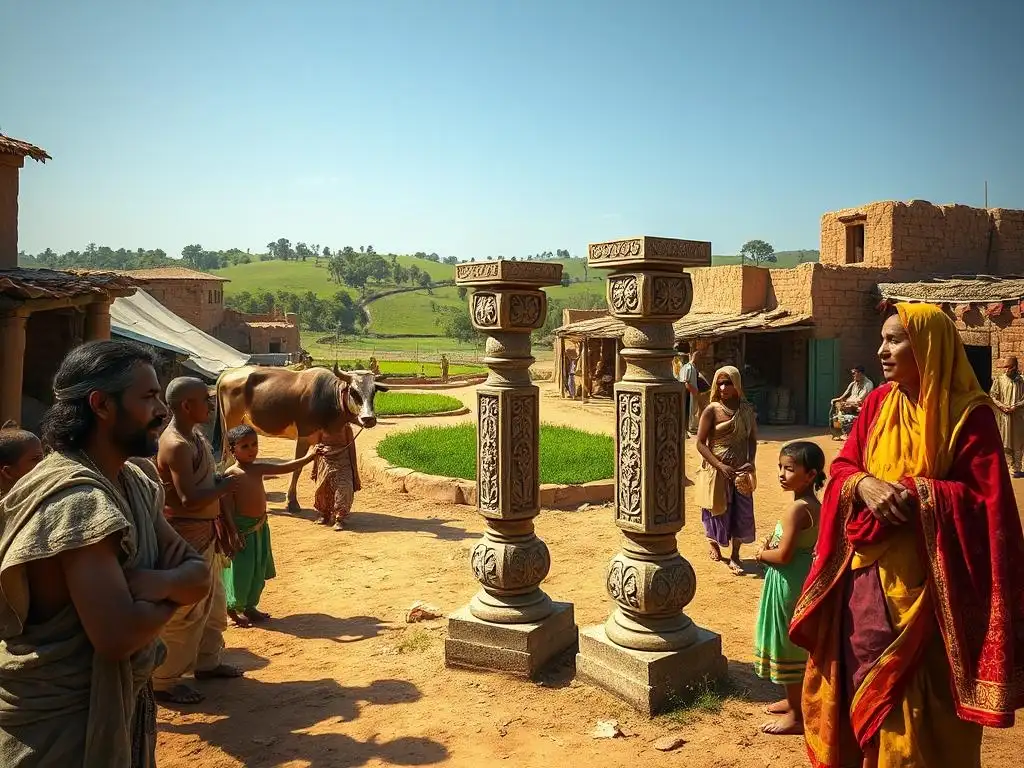
Welcome to Ancient India History, where we embark on a fascinating journey through the rich tapestry of India's past. In our featured article, "Property Disputes in Ancient India: Case Studies and Resolutions," we delve into the intriguing world of legal systems and law codes that governed ancient civilizations. Discover how property disputes shaped the social and economic landscape from the Indus Valley to the Gupta Empire.
What resolutions were reached, and what can they teach us about conflict and justice in a time long gone? Join us as we uncover the complexities of ancient legal practices and the lessons they hold for us today. Your exploration begins here!
- Introduction to Property Disputes in Ancient India
- Historical Background of Property Disputes in Ancient India
- Case Studies of Property Disputes in Ancient India
- Mechanisms for Resolving Property Disputes in Ancient India
- Comparison of Property Dispute Resolutions Across Different Periods
- Lessons Learned from Property Disputes in Ancient India
- Conclusion
-
Frequently Asked Questions
- What were the common causes of property disputes in ancient India?
- How did ancient Indian societies resolve property disputes?
- Were there specific laws or texts governing property disputes?
- Did property disputes reflect the social hierarchy in ancient India?
- How did the Gupta Empire address property disputes?
- Final Reflection: Understanding Property Disputes in Ancient India and Their Lasting Legacy
- Unveil the Lessons of Ancient Property Disputes Today!
Introduction to Property Disputes in Ancient India
Property disputes have been an integral aspect of human society throughout history, and ancient India was no exception. The complexity of property rights and inheritance laws in ancient Indian civilizations reveals much about their social structure, economic practices, and cultural values.
From the sophisticated urban planning of the Indus Valley Civilization to the nuanced legal frameworks of the Gupta Empire, issues surrounding ownership, inheritance, and property disputes provide valuable insights into the lives of our ancestors. Understanding how these disputes were navigated not only helps us appreciate the legal systems of the time but also sheds light on broader societal norms and conflicts.
This article aims to delve into the various facets of property disputes in ancient India, examining specific case studies that illustrate the resolutions employed within historical contexts. By exploring the evolution of property and inheritance laws, we can gain a deeper understanding of how these ancient societies balanced individual rights with communal responsibilities.
Overview of Property and Inheritance Laws in Ancient India
The legal landscape of ancient India was characterized by a rich tapestry of customs, texts, and regional practices that governed property and inheritance. Various sources, including the Manusmriti, Yajnavalkya Smriti, and regional legal codes, provided frameworks that defined property rights and the distribution of wealth among family members. Key features of property and inheritance laws included:
- Types of Property: Property was typically categorized into two main types:
- Moveable Property: Includes items such as livestock, jewelry, and household goods.
- Immoveable Property: Primarily land and buildings, which held significant economic and social value.
- Inheritance Patterns: Inheritance laws varied across different communities, with some emphasizing patrilineal descent, while others recognized matrilineal systems. The distribution of property often reflected the status and role of the individual within the family or community structure.
- Legal Mechanisms: Disputes over property were addressed through various means, including:
- Mediation by Elders: Community leaders often played a crucial role in resolving disputes amicably.
- Formal Adjudication: In certain cases, disputes escalated to formal courts, where judges applied legal texts to reach decisions.
These laws not only governed property ownership but also underscored the cultural values of justice, equity, and familial duty that permeated ancient Indian society.
Importance of Studying Property Disputes in Historical Context
Studying property disputes in ancient India is vital for several reasons:
- Understanding Social Hierarchies: Property rights often reflect societal hierarchies and power dynamics. Analyzing disputes can reveal how different classes, genders, and communities interacted with the legal system.
- Cultural Insights: Property disputes and their resolutions offer insights into the cultural practices and beliefs of ancient civilizations, including concepts of justice, morality, and familial obligations.
- Legal Evolution: Examining historical property disputes helps trace the evolution of legal principles over time. This understanding can inform contemporary discussions around property laws and inheritance rights.
- Conflict Resolution Mechanisms: The methods employed to resolve disputes in ancient India can provide valuable lessons for modern legal systems, particularly in areas of mediation and community-based conflict resolution.
Overall, a thorough exploration of property disputes in ancient India enriches our understanding of legal systems, societal values, and the historical context that shaped the lives of countless individuals. This examination not only highlights the challenges faced by our ancestors but also underscores the enduring significance of property rights in human society.
Historical Background of Property Disputes in Ancient India
Property Rights in Ancient Indian Civilizations
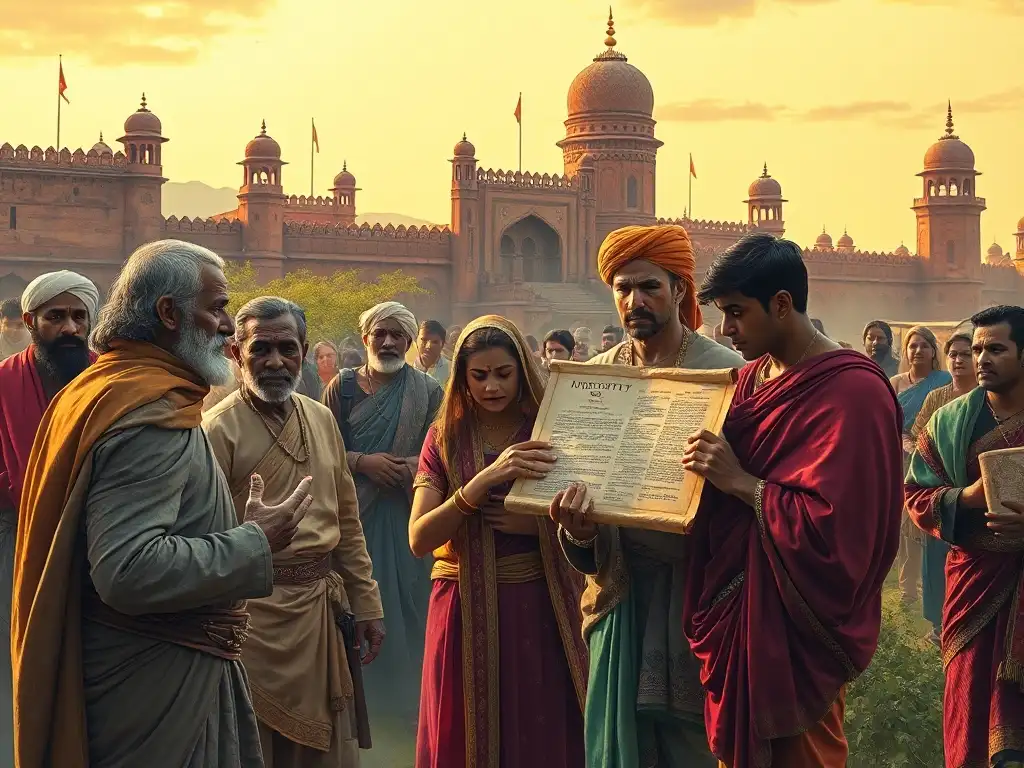
Property rights in ancient Indian civilizations were complex and multifaceted, governed by various legal systems that evolved over centuries. The two prominent sources of property law were customary practices and religious texts, primarily the Manusmriti and other Dharma Shastras. These texts provided a framework for property ownership, inheritance, and disputes.
- Types of Property:
- Movable Property: Included items like livestock, household goods, and personal possessions.
- Immovable Property: Primarily land, which was central to agrarian society and significantly influenced social status.
- Ownership Structures:
- Individual Ownership: Common among wealthier families, where land and resources were typically inherited and passed down through generations.
- Joint Ownership: Often practiced in joint family systems, allowing multiple family members to share property rights, reflecting the communal approach prevalent in society.
- Women’s Rights:
- Women had limited property rights, primarily focusing on maintenance and support. However, texts like the Manusmriti recognized women's rights to inherit property under certain conditions, marking a notable aspect of property rights in ancient India.
Influence of Religious Texts on Property Disputes
The religious and philosophical foundations of ancient India heavily influenced property disputes. Key texts shaped the understanding of ownership and the resolution of conflicts.
- Manusmriti: This foundational legal text delineated the rights and duties of individuals concerning property. It emphasized the importance of dharma (duty) in property ownership and disputes. Key points include:
- Inheritance: It prescribed specific rules regarding the distribution of property among sons, daughters, and widows, often favoring male heirs.
- Dispute Resolution: It advocated for mediation and arbitration, preferring peaceful resolution over litigation, reflecting the societal value placed on harmony.
- Dharma Shastras: Other texts built upon the principles established by the Manusmriti, providing additional guidelines for property transactions and dispute resolutions. They often stressed the importance of local customs and practices in adjudicating disputes.
- Role of Brahmins: As custodians of religious texts, Brahmins played a crucial role in interpreting property laws and resolving disputes. Their involvement added a layer of religious authority to legal proceedings, often complicating matters for common citizens.
Evolution of Property Laws Through Different Periods
The evolution of property laws in ancient India can be divided into distinct periods, each marked by unique socio-political changes that influenced property disputes and resolutions.
- Indus Valley Civilization (c. 3300–1300 BCE):
- Evidence suggests a form of property ownership, likely involving communal land use, as indicated by urban planning and agricultural practices.
- Vedic Period (c. 1500–500 BCE):
- The emergence of written texts led to more defined property laws. The concept of ownership began to solidify, influenced by agrarian expansion.
- Maurya and Gupta Empires (c. 322 BCE–550 CE):
- The legal framework became more formalized, with the establishment of royal courts to adjudicate property disputes. The role of state intervention in property matters increased, reflecting the growing complexity of society.
- Post-Gupta Period (c. 550 CE onward):
- Fragmentation of authority led to regional variations in property laws. Local customs began to play a more significant role, resulting in diverse practices across different regions of India.
Property disputes in ancient India were deeply rooted in the historical context, influenced by religious texts and evolving legal norms. Understanding these dynamics provides insight into the complexities of property and inheritance laws that shaped societal interactions and the resolution of conflicts in ancient Indian civilizations.
Case Studies of Property Disputes in Ancient India

Case Study 1: Property Dispute in the Indus Valley Civilization
Context and Background
The Indus Valley Civilization, flourishing around 2500 BCE, is renowned for its advanced urban planning and societal organization. Evidence suggests that property ownership and land use were significant aspects of their economy. Archaeological findings, particularly from sites like Mohenjo-Daro and Harappa, indicate the existence of residential and commercial properties, leading to potential disputes over land ownership and rights.
One notable case involved the ownership of a shared well, which was essential for the community’s water supply. Disputes arose between two neighboring households regarding the right to access and use the water from this well. The gravity of this issue was heightened due to the arid climate of the region, making water a precious resource.
Resolution Mechanism Used
Resolution of property disputes in the Indus Valley likely involved community elders or local leaders, who played a significant role in mediating conflicts. Evidence suggests that there may have been established practices in place, possibly codified in local customs, to address such disputes. The community would gather to discuss the issue, allowing each party to present their claims.
This communal approach not only fostered social cohesion but also emphasized the importance of collective decision-making in resolving conflicts. The resolution might have involved negotiations leading to a compromise, such as shared access to the well or compensation from one party to another.
Outcome and Significance
The resolution of disputes during this time likely reinforced social norms and communal relationships within the Indus Valley Civilization. By resolving the conflict through mediation rather than escalation, the community maintained harmony and ensured the continued access to vital resources. This case highlights the significance of cooperative conflict resolution mechanisms that were essential for the survival of early urban societies.
Case Study 2: Property Conflicts During the Vedic Period
Overview of the Dispute
The Vedic Period, spanning approximately 1500 to 500 BCE, saw the rise of agrarian societies where land ownership became increasingly important. Property disputes during this time often revolved around agricultural land, which was crucial for sustenance and social status. A prominent case involved a dispute between two clans over the ownership of fertile land near a river, essential for irrigation.
The conflict escalated as both clans claimed ancestral ties to the land, with each presenting genealogical evidence to support their claims. This dispute was emblematic of the larger tensions surrounding land ownership in a society that was increasingly stratified.
Involvement of Social and Religious Institutions
The resolution of property disputes in the Vedic Period often involved the participation of social and religious institutions. Brahmins, as scholars and priests, played a crucial role in mediating conflicts by invoking religious texts and customs. They would assess the claims made by both parties, often referring to the Dharmashastras, which contained guidelines on property rights and inheritance.
Community assemblies, known as Sabhas or Samitis, also facilitated discussions. These assemblies acted as platforms where grievances could be aired, and decisions could be made collectively, often guided by the wisdom of elders.
Resolution and Its Implications
The resolution of the land dispute in this case typically concluded with a ruling that aimed to balance the interests of both parties, possibly through shared use or a division of land. This approach not only resolved the immediate conflict but also reinforced the authority of social and religious institutions in maintaining order and justice.
The implications of such resolutions were profound, as they helped establish precedents for property rights and reinforced the social order. They also highlighted the interplay between law, religion, and social customs in ancient Indian society, laying the groundwork for future legal frameworks concerning property disputes.
Case Study 3: Land Disputes in the Mauryan Empire
Historical Context of the Dispute
Land disputes during the Mauryan Empire, which spanned from approximately 322 to 185 BCE, were prevalent due to a complex socio-economic structure and the vast territories under Mauryan control. The empire was characterized by a highly organized administrative system, which included land revenue systems that often led to conflicts over land ownership and usage rights.
One notable case involved a dispute between local farmers and the state regarding land that had been traditionally cultivated by the villagers but was appropriated for state projects, such as road construction or irrigation systems. The farmers argued that they had ancestral claims to the land, citing generations of cultivation, while the state, under the leadership of Emperor Ashoka, claimed the right to requisition land for the greater good of the empire.
This situation reflected a tension between the needs of an expanding empire and the rights of local landholders. The Mauryan Empire’s emphasis on infrastructure and economic development often overshadowed the traditional land rights of its subjects, leading to numerous disputes across its territories.
Legal Framework Applied
The resolution of land disputes in the Mauryan Empire was governed by a combination of customary laws and royal edicts. The Arthashastra, an ancient Indian treatise on statecraft attributed to Chanakya (Kautilya), provided a foundational legal framework for property rights and disputes. It emphasized the importance of maintaining social order and encouraged the king to act as a mediator in conflicts.
Under this framework, land ownership was often documented through written records, and disputes were typically resolved in local courts presided over by village elders or officials appointed by the king. In some cases, the king himself would intervene, showcasing the central authority's role in maintaining justice and order. The legal system encouraged arbitration and negotiation, with an emphasis on restoring harmony within the community rather than merely punishing offenders.
Final Resolution and Its Impact on Society
In many instances, land disputes in the Mauryan Empire were resolved through compensation or reallocation of land. For example, in a notable case, after prolonged negotiations, the state agreed to compensate farmers for the land taken for public projects, allowing them to retain a portion of their ancestral land for cultivation. This resolution was crucial in maintaining goodwill among the populace and reinforcing the legitimacy of the state’s authority.
The final resolutions often had lasting impacts on society. They not only restored harmony but also set precedents for future land disputes, strengthening the legal framework surrounding property rights in the empire. Moreover, these disputes highlighted the importance of balancing state interests with the rights of local communities. The Mauryan approach to conflict resolution contributed to the development of more structured property laws in subsequent Indian legal traditions, influencing property and inheritance laws for centuries to come.
Mechanisms for Resolving Property Disputes in Ancient India
Role of Local Governance in Property Disputes
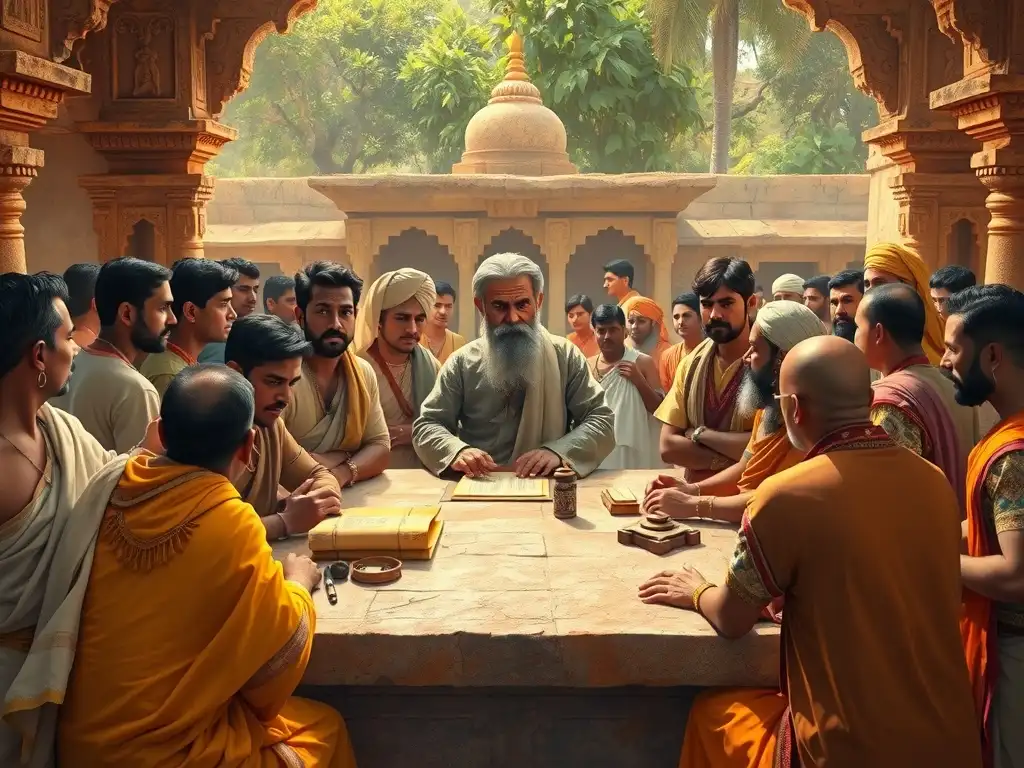
In ancient India, local governance played a pivotal role in resolving property disputes. Each village or locality typically had a governing body known as the panchayat, which consisted of community elders and leaders. This council was responsible for adjudicating various disputes, including property-related issues. The panchayat functioned on principles of consensus and local customs, allowing for a resolution process that was accessible to all community members.
The panchayat relied on established customary laws, which were deeply rooted in the traditions and practices of the community. This approach ensured that the resolution methods were culturally relevant and respected by the local populace. For instance, disputes over land boundaries often involved on-site inspections by the panchayat, where they would engage in discussions with the concerned parties to arrive at a fair decision.
| Aspect | Description |
|---|---|
| Structure | Comprised of local elders and influential figures |
| Decision Making | Based on consensus and traditional customs |
| Resolution Process | Included site visits and community discussions |
Furthermore, the outcomes of these local governance processes were generally respected due to the reputation of the elders involved. They often served as mediators, aiming not only for justice but also for maintaining harmony within the community. In cases where disputes could not be settled amicably, the parties involved might seek the intervention of higher authorities or formal legal systems.
Influence of Religious Leaders and Community Elders
Religious leaders and community elders held significant sway in the resolution of property disputes in ancient India. Their authority stemmed from a combination of spiritual influence and societal respect, positioning them as key figures in mediating conflicts. Often, disputes involving inheritance or property rights were brought before these leaders, who would employ moral and ethical reasoning to guide the parties towards resolution.
The involvement of religious leaders was particularly pronounced in cases where disputes had implications for social cohesion or community welfare. For example, in Hindu communities, the principles laid out in texts like the Manusmriti provided guidelines on property rights and inheritance, which religious leaders would reference during adjudication processes. Their interpretations of these texts often shaped the outcomes of disputes, fostering a sense of legitimacy in the resolutions provided.
Moreover, community elders, respected for their wisdom and experience, acted as trusted arbiters. They would often conduct informal gatherings to discuss disputes, encouraging open dialogue among the involved parties. The decisions made in such settings were typically seen as binding, given the social standing of the elders and their role in maintaining community integrity.
“The words of the elders are like the roots of a tree; they provide stability and guidance.”
Use of Written Laws and Legal Codes
The use of written laws and legal codes in ancient India introduced a structured approach to resolving property disputes. Notable texts such as the Arthashastra by Kautilya and various dharmashastras outlined explicit rules regarding property rights, inheritance, and dispute resolution. These legal documents served not only as guidelines but also as a means to standardize practices across different regions.
The establishment of written codes allowed for the documentation of laws related to property disputes, making them accessible to a broader audience. This accessibility empowered individuals to understand their rights and obligations, thereby reducing the likelihood of disputes escalating unreasonably. For instance, the Dharma Shastras provided detailed instructions on property division among heirs, ensuring that disputes over inheritance were minimized through clear legal frameworks.
| Legal Code | Key Features |
|---|---|
| Arthashastra | Comprehensive governance and economic principles |
| Dharma Shastras | Ethical guidelines and inheritance laws |
Written laws also facilitated formal court proceedings in urban centers, where disputes could be escalated if local resolution efforts failed. Courts would rely on these legal texts to adjudicate cases, often invoking the authority of the rajā or king, who was seen as the ultimate arbiter of justice.
The mechanisms for resolving property disputes in ancient India were multifaceted, involving local governance, religious influence, and formal legal codes. This complex interplay not only shaped the legal landscape of the time but also reflected the values and cultural norms of ancient Indian society.
Comparison of Property Dispute Resolutions Across Different Periods
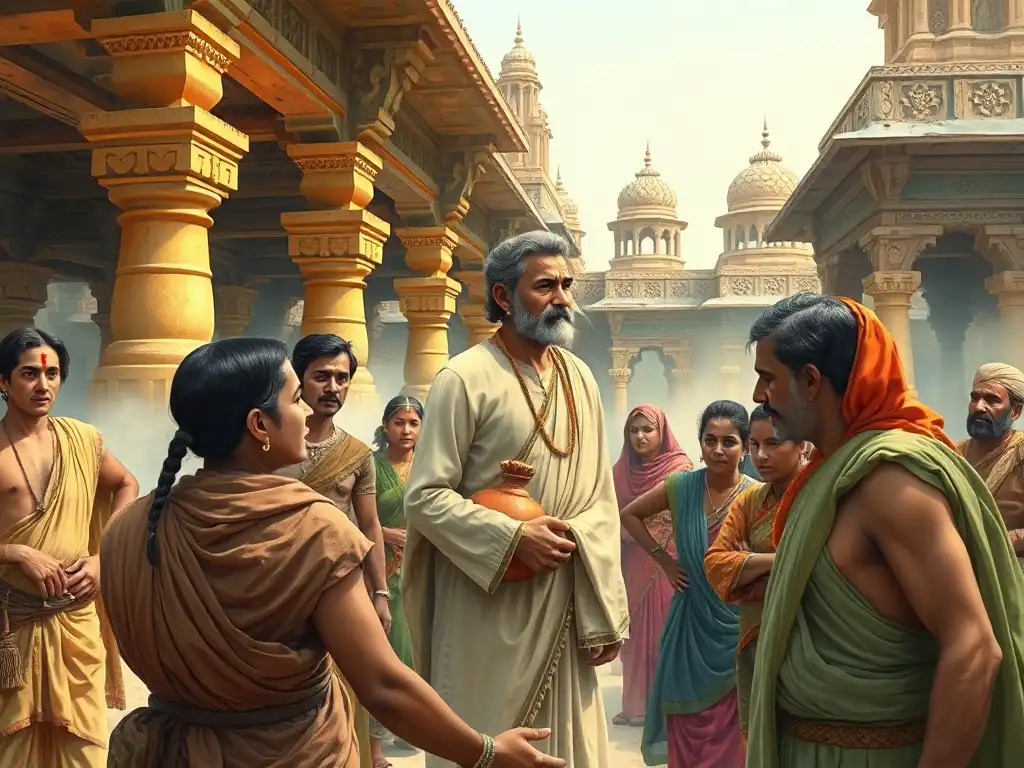
Property disputes in ancient India present a fascinating glimpse into the evolution of legal practices and social norms over time. The resolution of these disputes varied significantly across different historical periods, influenced by prevailing cultural, religious, and societal frameworks. This section delves into the comparative analysis of property dispute resolutions between the Vedic Period and the Mauryan Empire, highlighting the distinctive characteristics and methodologies used in each era.
Vedic Period vs. Mauryan Empire: A Comparative Analysis
The Vedic Period (approximately 1500 – 500 BCE) and the Mauryan Empire (approximately 322 – 185 BCE) are two significant epochs in ancient Indian history that reflect contrasting approaches to property disputes.
Vedic Period
- Legal Framework: The Vedic society operated primarily on oral traditions and the principles laid out in the Vedas, which emphasized dharma (moral duty) and artha (wealth). The Grhya Sutras and Dharma Shastras, texts from this period, provide insight into property rights and family law.
- Dispute Resolution Mechanisms:
- Panchayati System: Local assemblies known as Panchayats played a crucial role in resolving disputes, including those related to property. Elders of the community would mediate discussions, emphasizing reconciliation over litigation.
- Role of Brahmins: Brahmins often acted as advisors in legal matters, providing interpretations of sacred texts that influenced dispute resolution.
- Cultural Influences: The agrarian lifestyle and joint family systems contributed to collective ownership concepts, impacting how property disputes were perceived and resolved.
Mauryan Empire
- Legal Framework: The Mauryan Empire saw the emergence of a more structured legal system, significantly influenced by the Arthashastra, a treatise by Kautilya that detailed administrative and legal procedures.
- Dispute Resolution Mechanisms:
- Royal Courts: Disputes escalated to royal courts, where professional judges presided over cases. This marked a shift from community-based resolutions to a more formalized judicial system.
- Documentation: The use of written records became prevalent, allowing for clearer evidence and formal claims regarding property ownership.
- Cultural Influences: The expansion of trade and urbanization during the Mauryan Empire led to increased complexity in property ownership, necessitating more sophisticated legal frameworks and dispute resolution methods.
The Impact of Culture and Religion on Dispute Resolution
The resolution of property disputes in ancient India was profoundly affected by cultural and religious contexts, shaping the practices and principles that governed these legal matters.
Role of Religion
- Hinduism: The principles of Hindu law, based on texts like the Manusmriti, provided a religious framework for property rights, inheritance, and dispute resolution. The belief in karma influenced individuals' approaches to conflict resolution, often promoting peaceful reconciliation.
- Buddhism and Jainism: These religions introduced alternative perspectives on property and attachments, advocating for non-attachment and communal ownership, which influenced dispute resolution practices in regions where these beliefs were prevalent.
Social Structure
- Caste System: The rigid caste hierarchy affected property ownership and inheritance rights, leading to disputes based on social status. Higher castes often had advantages in legal proceedings, while lower castes faced systemic challenges in dispute resolution.
- Gender Roles: Women’s rights to property varied significantly across periods and regions. In the Vedic Period, women enjoyed certain rights to inheritance, but these diminished in later periods, influencing the nature of property disputes.
Conclusion
The evolution of property dispute resolutions in ancient India illustrates the interplay of legal frameworks, cultural beliefs, and societal structures across different periods. From the community-based approaches of the Vedic Period to the more formalized judicial systems of the Mauryan Empire, these disputes reveal the complexities of ancient Indian society and its legal traditions. Understanding these historical contexts not only enriches our knowledge of ancient Indian law but also sheds light on the enduring legacy of these practices in contemporary legal systems.
Lessons Learned from Property Disputes in Ancient India

Insights into Ancient Legal Systems
The legal frameworks governing property disputes in ancient India were complex and deeply influenced by the prevailing social, economic, and religious paradigms. The ancient texts, such as the Manusmriti and the Arthashastra, provide a wealth of information about the principles underlying property law during different periods, highlighting how these laws evolved to address the needs of society.
- Dharma and Property Rights: The concept of dharma (duty, law) was central to property rights. Each individual had specific duties and rights, which were often linked to their social status and family lineage. For instance, in the case of joint families, property was considered a collective asset, and disputes often arose over its division. This necessitated a clear understanding of individual rights within the collective framework.
- Judicial Processes: Disputes were typically resolved through local assemblies known as panchayats, where community elders would mediate and provide judgment. This system emphasized community involvement and consensus, contrasting sharply with modern adversarial legal processes. The panchayat system not only facilitated quicker resolutions but also reinforced social cohesion and responsibility.
- Role of Customary Laws: Local customs played a significant role in property disputes. These customs, often unwritten, were recognized alongside formal laws and could influence the outcome of legal decisions. For example, in many regions, agricultural practices and land-use customs were crucial in adjudicating land disputes, reflecting local economic realities.
- Gender and Property Rights: Ancient Indian texts indicate that women had limited property rights, often contingent upon their relationships with male relatives. However, there were exceptions, such as in the case of widows or women who inherited property from their fathers. Understanding these nuances provides insight into the gender dynamics of property ownership and inheritance in ancient societies.
- Economic Implications: The resolution of property disputes had broader economic implications. For example, disputes over land ownership could disrupt agricultural productivity and impact local economies. Thus, the swift resolution of such disputes was critical for maintaining economic stability and ensuring social harmony.
Relevance to Modern Property Disputes and Laws
The lessons learned from property disputes in ancient India continue to resonate in contemporary legal frameworks. While the context has evolved, several core principles remain relevant in addressing modern property disputes.
- Community-Based Resolution: The ancient practice of resolving disputes through community assemblies is mirrored in modern alternative dispute resolution (ADR) methods, such as mediation and arbitration. These approaches emphasize collaborative problem-solving and can often lead to more satisfactory outcomes for all parties involved.
- Importance of Customary Practices: Just as ancient legal systems recognized customs alongside codified laws, modern legal frameworks increasingly acknowledge the importance of local customs and practices in property disputes. This recognition can enhance the legitimacy of legal processes and ensure that outcomes are culturally sensitive.
- Gender Equality in Property Rights: The historical context of gender and property rights informs ongoing discussions about equity in property ownership today. Many jurisdictions are now working to reform laws to ensure equal property rights for women, drawing on lessons from the past to promote fairness and justice.
- Legal Education and Awareness: The complexities of ancient property disputes underscore the importance of legal education and awareness in contemporary society. Understanding historical precedents can help legal practitioners and legislators create more effective laws that address current issues while learning from past mistakes.
- Holistic Approach to Property Rights: Finally, the interconnectedness of social, economic, and legal aspects of property disputes in ancient India highlights the need for a holistic approach in modern legal systems. Addressing property disputes requires not only legal solutions but also an understanding of the social dynamics at play.
The study of property disputes in ancient India offers valuable insights that are applicable to modern legal frameworks. By examining these historical contexts, contemporary societies can work towards more equitable and efficient resolutions to property disputes.
Conclusion
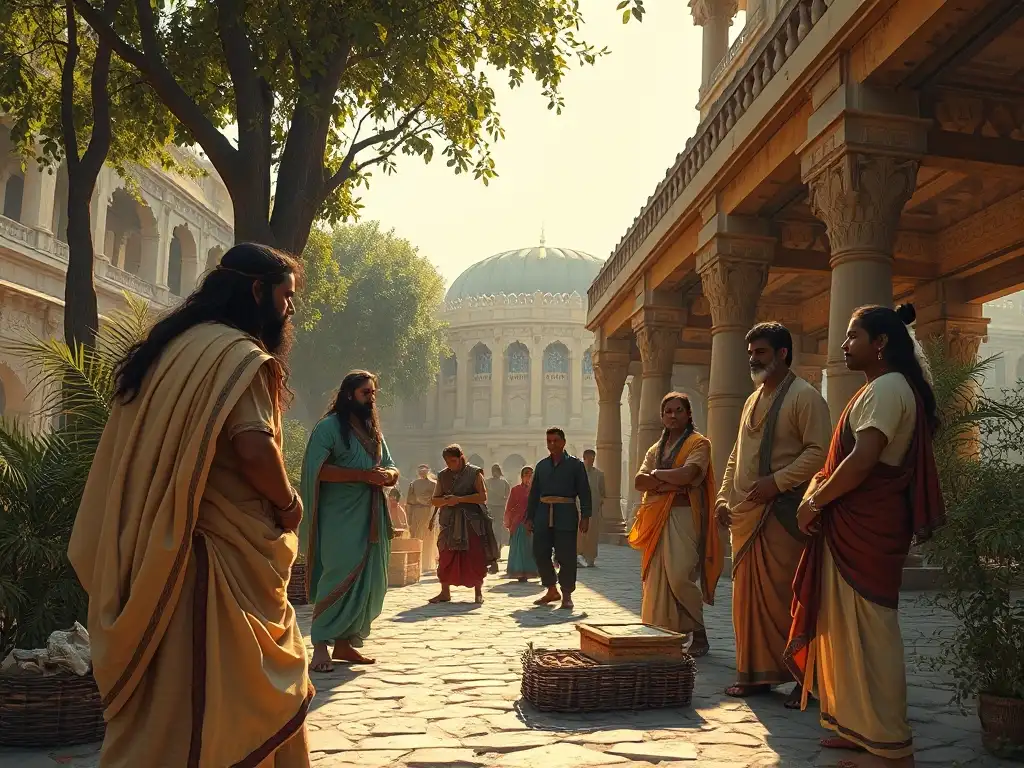
Summary of Key Findings on Property Disputes in Ancient India
In examining the property disputes in ancient India, several key findings emerge that highlight the complexities and nuances of the legal landscape during that era.
- Inheritance Practices: Ancient Indian societies often followed diverse inheritance practices, which varied significantly across different regions and communities. For instance, in some cases, property was inherited through male heirs, while in others, women were afforded rights to inherit property, reflecting a more egalitarian approach.
- Legal Codes: The Manusmriti, one of the earliest legal texts, outlines the principles governing property rights and disputes. It provided guidelines on how property should be divided, emphasizing the importance of fairness and justice. Key provisions included:
- The prioritization of male heirs in inheritance.
- Special provisions for women, particularly widows, which allowed them certain rights to property.
- Case Studies: Various case studies reveal the methods of dispute resolution utilized in ancient India. For example:
- Village Assemblies: Local assemblies played a crucial role in mediating property disputes, relying on community consensus and traditional customs.
- Judicial Procedures: There were established judicial procedures, often involving a series of hearings and the presentation of evidence, which mirrored modern legal practices.
- Cultural Influences: The influence of religion and culture on property laws cannot be overlooked. Religious texts and cultural beliefs shaped societal norms around property ownership, particularly the role of women and lower castes in property matters.
- Role of The State: The state's involvement in property disputes often depended on the rulers and their legal philosophies. Some empires, like the Mauryan and Gupta, enacted laws that sought to regulate property rights to prevent disputes, while others allowed more autonomy to local governance.
Final Thoughts on the Importance of Understanding Ancient Property Laws
Understanding property disputes in ancient India is crucial for several reasons. First, it provides insights into the socio-economic structures of ancient Indian society, revealing how property rights were intertwined with issues of gender, class, and power dynamics.
Moreover, these historical precedents have laid the groundwork for contemporary property laws in India. By examining how ancient societies approached property disputes, legal scholars and practitioners can better understand the evolution of property law and its implications today.
Additionally, the study of these disputes sheds light on the cultural values and ethical considerations that shaped ancient Indian civilization. It highlights the importance of justice, community, and the role of tradition in resolving conflicts.
Delving into the intricacies of property disputes in ancient India not only enriches our knowledge of legal history but also serves as a reminder of the enduring significance of property rights in shaping human relations and societal structures throughout history.
Frequently Asked Questions
What were the common causes of property disputes in ancient India?
Property disputes in ancient India often arose from inheritance issues, land boundaries, and marital conflicts. These disputes were influenced by the social structure and customary laws of the time.
How did ancient Indian societies resolve property disputes?
Ancient Indian societies employed various methods for resolution, including mediation by village elders, arbitration, and, in some cases, formal legal proceedings. The role of local governance was crucial in enforcing decisions.
Were there specific laws or texts governing property disputes?
Yes, ancient texts like the Manusmriti and Yajnavalkya Smriti provided guidelines on property rights, inheritance, and dispute resolution. These texts were pivotal in shaping the legal framework of their time.
Absolutely. Property disputes often mirrored the social hierarchy, with land ownership and rights typically concentrated among the upper classes. This disparity often influenced the outcomes of disputes.
How did the Gupta Empire address property disputes?
The Gupta Empire implemented a more structured legal system that included judicial officers to oversee property disputes. Their approach was marked by a blend of traditional customs and formal law, promoting stability in property ownership.
Final Reflection: Understanding Property Disputes in Ancient India and Their Lasting Legacy
The exploration of property disputes in ancient India reveals not only the complexities of legal frameworks but also the profound societal values that shaped them. As we navigate through modern legal systems, the lessons learned from historical case studies remind us that the roots of property rights and conflict resolution are deeply embedded in our cultural heritage. The intricate balance between ownership and communal responsibility in ancient times continues to resonate today, highlighting the timeless nature of these disputes and their resolutions.
The impact of property disputes in ancient India extends far beyond mere historical interest; it influences contemporary discussions on land rights, social justice, and community dynamics. Reflecting on these ancient cases allows us to understand the evolution of our legal systems and the importance of equitable resolutions. As Mahatma Gandhi once said, “The true measure of any society can be found in how it treats its most vulnerable members.” This perspective underscores the necessity of learning from the past to ensure that our current and future approaches to property disputes are just and inclusive.
As we conclude this exploration, I invite you to reflect on the significance of property rights in your own life and community. Consider how the historical context of these disputes can inform your understanding of justice and equity today. Let the lessons from ancient India inspire you to advocate for fair resolutions and to appreciate the intricate tapestry of rights and responsibilities that bind us all. Embrace the opportunity to engage with these themes, not only as a matter of legal interest but as a vital part of our shared human experience.
Unveil the Lessons of Ancient Property Disputes Today!
Thank you for diving into the fascinating world of property disputes in ancient India! You've gained valuable insights into how historical case studies can guide modern conflict resolution. Now, it's time to apply these lessons to foster understanding and collaboration in your own context.
Here are some actions you can take to bring these insights into your life:
- Engage with History: Research a significant property dispute from ancient India that resonates with you, and share your findings with friends or in community forums.
- Start a Discussion: Organize a dialogue or a reading group centered around historical property laws and resolutions — how can they inform today's practices?
- Explore Mediation Techniques: Experiment with ancient conflict resolution methods in personal or community settings to discover how they can offer new perspectives on modern disagreements.
Which of these actions speaks to you the most, and how do you envision implementing it in your community? Let's bridge the gap between history and the present together!