
Women in Ancient India: Inheritance Rights and Property Ownership

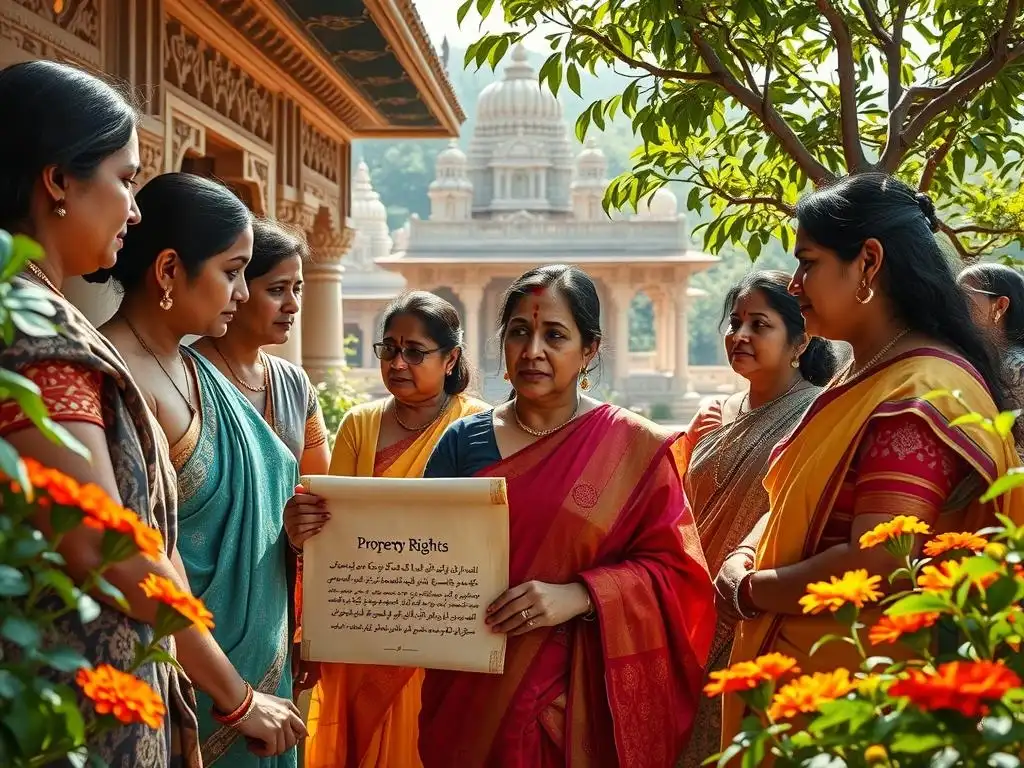
Welcome to Ancient India History, where we embark on a captivating journey through the rich tapestry of India's past. In this exploration, we delve into the intriguing topic of women's inheritance rights in ancient India, uncovering the legal frameworks and cultural nuances that shaped property ownership for women. Did you know that the inheritance rights of women in ancient civilizations were far more progressive than many realize?
Join us as we unravel the complexities of legal systems and law codes that governed women's lives, revealing the profound contributions they made to society. Your adventure into the depths of history begins here—let's dive deeper into the remarkable stories that await!

Introduction to Women's Inheritance Rights in Ancient India
The history of women's inheritance rights in ancient India is a complex narrative woven into the broader tapestry of social, cultural, and legal frameworks that defined the lives of women across various civilizations. From the flourishing Indus Valley Civilization to the transformative Gupta Empire, women's roles were multifaceted, and their rights to inherit property and manage assets varied significantly over time.
Understanding these rights is essential not only for appreciating the status of women in ancient Indian society but also for recognizing how these historical precedents have shaped modern perspectives on women's rights and legal entitlements. This article delves into the intricacies of women's inheritance rights in ancient India, exploring the legal frameworks, societal norms, and key texts that influenced property ownership and inheritance laws.
Overview of Inheritance Rights in Ancient Indian Society
In ancient India, the inheritance rights of women were intricately linked to societal structures and cultural norms. Women were often seen primarily in the context of their familial roles, which influenced their legal standing in matters of property. Key points regarding women's inheritance rights include:
- Patriarchal Structures: The patriarchal nature of Indian society predominantly favored male heirs, often limiting women's rights to inherit property.
- Varied Practices: Different regions and communities exhibited diverse practices regarding women's inheritance, with some granting more rights than others.
- Legal Codes: Ancient legal texts, such as the Manusmriti, outlined specific guidelines on inheritance, reflecting the societal norms of their times.
Despite the challenges, there were instances where women could claim rights to property, particularly in the context of their familial contributions and roles within the household.
Importance of Property Ownership for Women
Property ownership held significant importance for women in ancient India, impacting their social status, financial independence, and overall security. Several factors underline the importance of property rights:
- Economic Security: Property provided women with economic stability, allowing them to support themselves and their families.
- Social Status: Ownership of property often conferred higher social status within the community, enhancing a woman's standing and respect.
- Legal Empowerment: Having property rights could empower women legally, enabling them to engage in transactions and assert their rights in disputes.
The interplay between property ownership and women's status highlights the critical role that inheritance rights played in shaping their lives and identities.
Historical Context of Women's Property Rights in Ancient India
To understand the evolution of women's inheritance rights in ancient India, it is vital to examine the historical context and the socio-legal factors that influenced these rights over time.
Evolution of Inheritance Laws through Different Eras
The evolution of inheritance laws in ancient India can be divided into several key eras, each contributing to the changing landscape of women's rights:
- Indus Valley Civilization (c. 3300–1300 BCE): Evidence suggests that women may have had certain rights to property, as indicated by artifacts and burial practices.
- Vedic Period (c. 1500–500 BCE): The Vedic texts provide insights into women's roles, with some mention of their rights to inherit property, albeit limited.
- Post-Vedic Era (c. 500 BCE–200 CE): Legal texts began to formalize women's inheritance rights, with varying interpretations across different regions.
- Gupta Empire (c. 320–550 CE): This period witnessed a more structured approach to property laws, with certain rights granted to women, influenced by evolving social norms.
Throughout these eras, the interpretation of laws and societal attitudes towards women played a pivotal role in shaping inheritance rights.
Key Texts Influencing Women's Rights to Property
Several ancient texts provided a framework for understanding women's inheritance rights and property ownership in India. Notable among them are:
- Manusmriti: This ancient legal text outlines various aspects of Dharma, including inheritance laws, though its interpretations often favored male heirs.
- Yajnavalkya Smriti: This text offers a slightly more favorable view of women's rights, suggesting that women had the right to inherit property under certain conditions.
- Arthashastra: Composed by Kautilya, this treatise on statecraft includes insights into property management and the economic roles of women, suggesting a recognition of their rights.
These texts reflect the evolving perspectives on women's rights and provide a basis for understanding the legal frameworks that governed property ownership in ancient India.
Types of Property Ownership for Women in Ancient India
In ancient India, women's property rights were complex and varied significantly across different time periods and social classes. Understanding these types of property ownership is essential to grasp the broader context of women's inheritance rights. Generally, women's property ownership can be categorized into two primary types: Stridhan and Joint Family Property.
- Stridhan: This refers to the personal property that a woman possesses and which is considered her own, distinct from that of her husband or family. Stridhan could include gifts received during her marriage, her parental property, and anything she earned through her own efforts.
- Joint Family Property: Under this system, property is owned collectively by the family, and women had certain rights within this framework. However, the extent of these rights could vary, with women often having limited control over the property compared to male family members.
Stridhan: Women's Personal Property
Stridhan represents an essential aspect of women's economic rights in ancient India. It is defined as the property that a woman acquires through various means, such as:
- Gifts during marriage (including jewelry and cash),
- Inheritance from her parents or other relatives,
- Earnings from her own work or trade.
The significance of Stridhan lies in its recognition as a woman's personal property, which she could manage independently. This ownership allowed women to have a degree of financial security and autonomy. Stridhan was not to be taken away by her husband or in-laws, ensuring a level of protection for women during their lifetime. In case of divorce or the husband's death, women retained their Stridhan, making it a critical element in understanding women's inheritance rights in ancient India.
Joint Family Property and Women's Rights
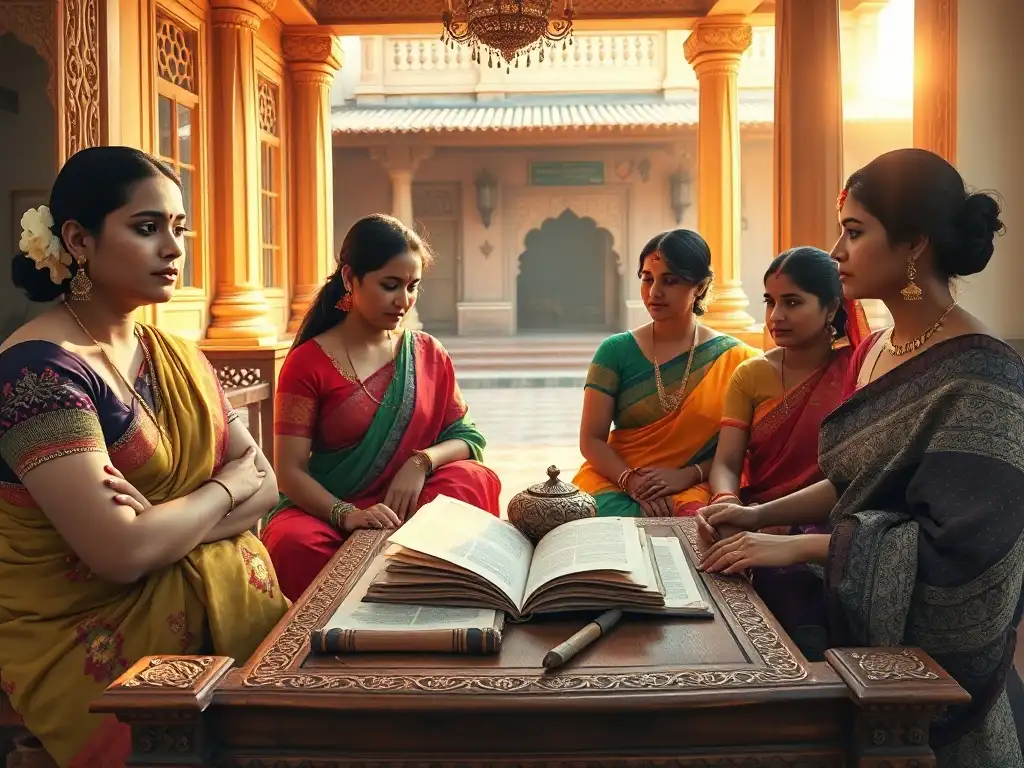
The concept of Joint Family Property in ancient India was foundational to the Indian family structure. In this system, property was owned collectively by male family members, but women also had certain rights and claims to this property, particularly in the following ways:
- Participation in Family Assets: Women, especially mothers and daughters, were seen as integral to the family unit and entitled to a share in the family properties.
- Maintenance Rights: Women had rights to maintenance from the joint family property, ensuring their sustenance even if they did not have direct ownership.
However, the actual extent of these rights often depended on several factors, including the prevailing customs, the interpretation of religious texts, and regional variations. While women were often considered part of the family property, their ability to control or inherit property was generally limited compared to men.
Legal Framework Governing Women's Inheritance Rights
The legal framework governing women's inheritance rights in ancient India was shaped by various texts and societal norms. Key among these were the Manusmriti and other legal codes that influenced property ownership and inheritance.
The Manusmriti and Its Impact on Women’s Rights
The Manusmriti, one of the most prominent ancient Indian legal texts, provides insights into women's rights regarding property and inheritance. It established several principles:
- Limited Inheritance Rights: Women were generally not granted equal inheritance rights as men. The Manusmriti often relegated women to secondary positions concerning property ownership.
- Stridhan as a Safeguard: While it restricted women's rights to inherit ancestral property, it recognized Stridhan as a form of personal property that women could retain. This acknowledgment provided women with some degree of financial independence.
The impact of the Manusmriti on women's rights was profound, as it laid the groundwork for the societal norms that governed inheritance and property ownership for centuries.
Other Legal Texts and Their Influence on Women's Property Ownership
In addition to the Manusmriti, several other legal texts and scriptures contributed to the understanding of women's inheritance rights in ancient India. These texts, including the Yajnavalkya Smriti and Narada Smriti, offered varying perspectives:
- Yajnavalkya Smriti: This text provides more progressive views on women's rights, suggesting that women could inherit property under certain conditions, especially if there were no male heirs.
- Narada Smriti: This text emphasized that women should receive a share of the family property, although it still reinforced the idea of male primacy in inheritance matters.
These legal frameworks collectively illustrated the evolving nature of women's rights regarding property ownership and inheritance in ancient India, highlighting both the restrictions and the avenues for asserting their rights.
Case Studies of Women's Inheritance Rights in Ancient India
Understanding women's inheritance rights in ancient India requires a closer examination of certain case studies that highlight the real experiences of women and their property ownership. These case studies reveal the complexity and diversity of inheritance practices throughout various periods and regions.
One notable example is the case of Vasanti, a woman from the Maurya Empire (322-185 BCE), who successfully claimed her father's estate despite societal norms that typically favored male heirs. Vasanti's case was significant as it showcased a legal framework that allowed women to inherit property, particularly in instances where there were no male heirs. This reflects the recognition of women's rights to property in certain contexts.
Another important case is that of Kshama, a woman from the Gupta period (approximately 320-550 CE), who inherited her husband's wealth after his death. Kshama's story is telling of the changing attitudes toward women's property rights, as it illustrates the shift towards a more patriarchal society where women began to face considerable challenges in claiming their inheritance.
These case studies not only highlight individual narratives but also serve as a lens through which to view the broader social and legal dynamics influencing women's rights in ancient India.
Prominent Women and Their Inheritance Stories
Throughout ancient Indian history, several prominent women exemplified the complexities of inheritance rights and property ownership. One of the most renowned figures is Rani Durgavati, the warrior queen of Gondwana. After her husband’s death, she inherited the throne and maintained her kingdom, demonstrating that women could hold significant property and power in certain contexts.
Another notable figure is Maitreyi, a philosopher and scholar mentioned in the Brahmanas. She famously challenged her husband, Yajnavalkya, regarding the nature of wealth and inheritance, asserting her right to her spouse's wealth. Her story illustrates that women were not only aware of their rights but were also willing to assert them in philosophical and practical matters.
These women serve as critical examples of how inheritance rights were not merely theoretical but were actively contested in the historical narrative of ancient India. Their stories inspire ongoing discussions about gender equality and property rights today.
Regional Variations in Property Ownership Among Women
The question of women's inheritance rights varied significantly across different regions of ancient India, influenced by local customs, legal codes, and socio-political structures. In North India, particularly among the Kshatriya and Brahmin classes, women often had more legal rights to inherit property, especially in the absence of male heirs. Hindu texts such as the Manusmriti provide guidelines that allowed women to inherit property, although the extent of this right could vary by region and caste.
Conversely, in South India, matrilineal systems prevailed in certain communities, such as the Nairs of Kerala, where women inherited property through their mother's lineage. This unique system allowed women not only to inherit but also to manage family estates, showcasing a stark contrast to the patriarchal norms found in many other regions.
In areas influenced by Islamic law, like parts of North India, women's inheritance rights were defined by the Shari'ah, which granted women a fixed share of their father’s estate, though often less than their male counterparts. This regional diversity highlights the complex interplay between local customs and overarching legal frameworks regarding women's property rights.
Challenges Faced by Women in Claiming Inheritance Rights
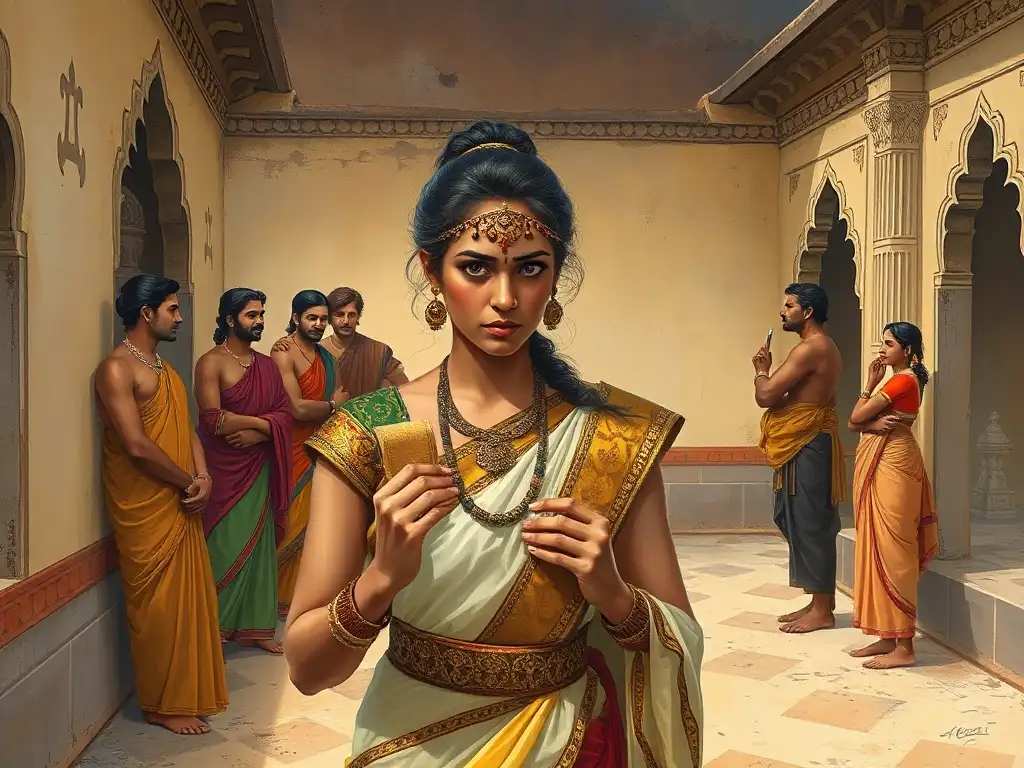
Despite the existence of laws and customs that recognized women's inheritance rights in ancient India, women faced numerous challenges in claiming these rights. Understanding these obstacles provides insight into the broader societal context of women's rights during this era.
Societal Norms and Their Impact on Women's Property Rights
Societal norms played a critical role in shaping women’s inheritance rights. In many communities, traditional beliefs and customs held that property should remain within the male lineage. This patriarchal mindset often discouraged women from claiming their rightful inheritance, as familial pressure and societal expectations dictated that women should prioritize marriage and motherhood over property ownership.
Moreover, women who attempted to assert their rights were frequently met with resistance from their male relatives, who may have seen such actions as a threat to the family's honor and stability. The stigma attached to women seeking to inherit property led to many relinquishing their claims or being coerced into forgoing their rights, perpetuating the cycle of inequality.
Legal Barriers and Limitations in Inheritance Laws
In addition to societal pressures, legal barriers further complicated women's ability to claim inheritance rights. While texts like the Hindu Succession Act provided some legal recognition of women's rights, interpretations and enforcement often leaned heavily in favor of male heirs. For instance, the smritis (ancient texts) suggested that women were dependent on their fathers, husbands, or sons, thereby limiting their autonomy in property matters.
The legal system of ancient India was also often inaccessible to women, who lacked the education and resources to navigate complex legal frameworks. This exclusion from legal processes meant that many women could not advocate for their rights, further entrenching the disparities in property ownership.
While women's inheritance rights in ancient India were acknowledged in various forms, significant societal and legal challenges hindered their full realization, creating a complex landscape of property ownership that varied widely across time and space.
Modern Interpretations of Women's Inheritance Rights in Ancient India
The examination of women's inheritance rights in ancient India reveals a complex landscape characterized by various interpretations and applications across different periods and regions. Scholars have debated the extent and nature of these rights, often reflecting broader societal norms and legal frameworks of the time. In ancient texts such as the Manusmriti, women were generally viewed as dependents, which influenced their inheritance rights. However, certain interpretations suggest that women could own property and inherit wealth, particularly in the absence of male heirs.
Modern interpretations have sought to reconcile these ancient practices with contemporary views on gender equality and property rights. For instance, some legal scholars argue that the foundational principles of women's rights found in ancient texts can be leveraged to advocate for equitable property laws today. Furthermore, feminist legal theorists emphasize the importance of understanding these historical contexts as they assess current legal frameworks and work towards reforms that promote gender equality in property ownership.
Influence of Ancient Laws on Contemporary Legal Systems
The legal traditions established in ancient India have left a significant mark on contemporary legal systems, particularly in matters concerning property and inheritance. The Dharmashastras, which include texts like the Manusmriti and the Yajnavalkya Smriti, provided frameworks that govern inheritance rights and property ownership. These texts, while often patriarchal, contained provisions that acknowledged women's rights to inheritance, albeit limited.
In modern India, the Hindu Succession Act of 1956 marked a transformative shift by granting equal inheritance rights to daughters. This legislation can be traced back to the evolving interpretations of ancient laws, indicating a continuous dialogue between historical practices and modern legal reforms. The influence of ancient laws is also evident in the ongoing debates surrounding the rights of women, as many contemporary legal provisions draw inspiration from these historical precedents.
Relevance of Ancient Women's Rights to Current Discussions on Property Ownership
The rights of women in ancient India serve as a critical reference point in today's discussions on property ownership and gender equality. As contemporary society grapples with issues of equity and justice in property laws, the historical context of women's rights offers valuable insights into the evolution of these rights.
For instance, the acknowledgment of women as potential heirs in ancient texts highlights the need for a more inclusive approach in modern property laws. Legal scholars and activists often cite examples from ancient practices to advocate for reforms that ensure women's equal rights in property ownership. Additionally, understanding the historical nuances of women's rights in inheritance can inform policy-making and legal reforms that address the complexities surrounding property ownership today.
Conclusion: The Legacy of Women’s Inheritance Rights in Ancient India
The legacy of women's inheritance rights in ancient India is a testament to the evolving nature of gender roles and legal frameworks throughout history. While women faced numerous challenges in asserting their rights, the existence of legal provisions that acknowledged their ability to inherit and own property signifies a progressive aspect of ancient Indian society.
Summary of Key Findings
Through an exploration of ancient texts and legal practices, it is evident that women's inheritance rights were multifaceted, ranging from limited to more progressive interpretations depending on the context. Modern legal frameworks, influenced by these historical precedents, have made significant strides toward achieving gender equality in property ownership. The ancient acknowledgment of women's rights serves as a foundation upon which contemporary discussions can build.
The Importance of Recognizing Historical Context in Modern Legal Discussions
Recognizing the historical context of women's inheritance rights in ancient India is crucial for informing modern legal discussions. It allows for a deeper understanding of the roots of current property laws and the ongoing challenges women face in asserting their rights. By studying the past, contemporary society can better navigate the complexities of gender and property ownership, ensuring that the legacy of women's rights in ancient India continues to inspire future legal reforms aimed at achieving true equality.
- Introduction to Women's Inheritance Rights in Ancient India
- Historical Context of Women's Property Rights in Ancient India
- Types of Property Ownership for Women in Ancient India
- Stridhan: Women's Personal Property
- Joint Family Property and Women's Rights
- Legal Framework Governing Women's Inheritance Rights
- Case Studies of Women's Inheritance Rights in Ancient India
- Challenges Faced by Women in Claiming Inheritance Rights
- Modern Interpretations of Women's Inheritance Rights in Ancient India
- Conclusion: The Legacy of Women’s Inheritance Rights in Ancient India
- What were women's inheritance rights in ancient India?
- How did the status of women affect their property ownership?
- Did all regions in ancient India have the same inheritance laws for women?
- What role did religious texts play in women's inheritance rights?
- How have women's inheritance rights evolved from ancient India to modern times?
Frequently Asked Questions
What were women's inheritance rights in ancient India?
Women in ancient India had limited inheritance rights depending on the period and region. Under certain texts, women could inherit property, but often these rights were restricted or dependent on marital status.
How did the status of women affect their property ownership?
The status of women significantly influenced their property ownership rights. While some texts granted women ownership, societal norms often dictated that property would primarily pass through male lineage.
Did all regions in ancient India have the same inheritance laws for women?
No, inheritance laws varied across different regions and communities in ancient India. Some regions had more progressive laws, while others adhered to stricter patriarchal systems.
What role did religious texts play in women's inheritance rights?
Religious texts like the Manusmriti outlined specific guidelines regarding women's rights to inheritance. These texts often reflected the cultural beliefs of the time, influencing women's property rights.
How have women's inheritance rights evolved from ancient India to modern times?
Over centuries, women's inheritance rights in India have gradually improved, especially with legal reforms in the 20th century, granting women equal rights to inheritance and property ownership, reflecting changing societal values.
Final Reflection: The Legacy of Women's Inheritance Rights in Ancient India
The exploration of women’s inheritance rights in ancient India reveals a profound connection to contemporary discussions on gender equality and property ownership. As we delve into the historical context, it becomes evident that the rights afforded to women in ancient societies were not merely relics of the past but rather foundational elements that continue to resonate in today's ongoing fight for gender justice. The recognition of women's rights to inheritance and property ownership serves as a powerful reminder that progress is often built upon the legacies of those who came before us.
Cultural narratives surrounding women's roles and rights have evolved, yet the echoes of ancient practices still influence modern society. The examination of women's inheritance rights in ancient India highlights the complexities of gender dynamics and the ongoing struggle for equality. As we reflect on this history, we are reminded of the words of Mahatma Gandhi: To call woman the weaker sex is a libel; it is man's injustice to woman.
This sentiment underscores the importance of acknowledging and honoring the rights that women have fought for throughout history, as well as the need to continue advocating for their rightful place in society.
As we look to the future, let us take a moment to reflect on our own roles in this ongoing narrative. Consider how you can contribute to the empowerment of women in your community by advocating for equal rights and supporting initiatives that promote gender equality.
By recognizing the significance of women's inheritance rights in ancient India, we can inspire a new generation to uphold these values and ensure that the legacy of equality and justice is not only preserved but also expanded. Together, we can create a world where every woman has the opportunity to claim her rightful place, both in history and in the present.
Empower Your Understanding of Women’s Rights!
Thank you for embarking on this enlightening journey about women’s inheritance rights and property ownership in ancient India! You've uncovered valuable insights that highlight the strength and resilience of women throughout history. Now, let's transform this knowledge into meaningful action!
- Explore further: Research local organizations dedicated to women's rights and discover how you can support ongoing initiatives focused on gender equality.
- Share your insights: Discuss what you've learned with friends and family to raise awareness about both historical and contemporary issues related to women’s rights.
- Engage with the community: Join online forums or social media groups focused on women's history to connect with like-minded individuals who are eager to create positive change.
What steps can you take today to advocate for women's rights in your community?