
Celebrating the Ghazal: The CrossCultural Impact on Indian Poetry

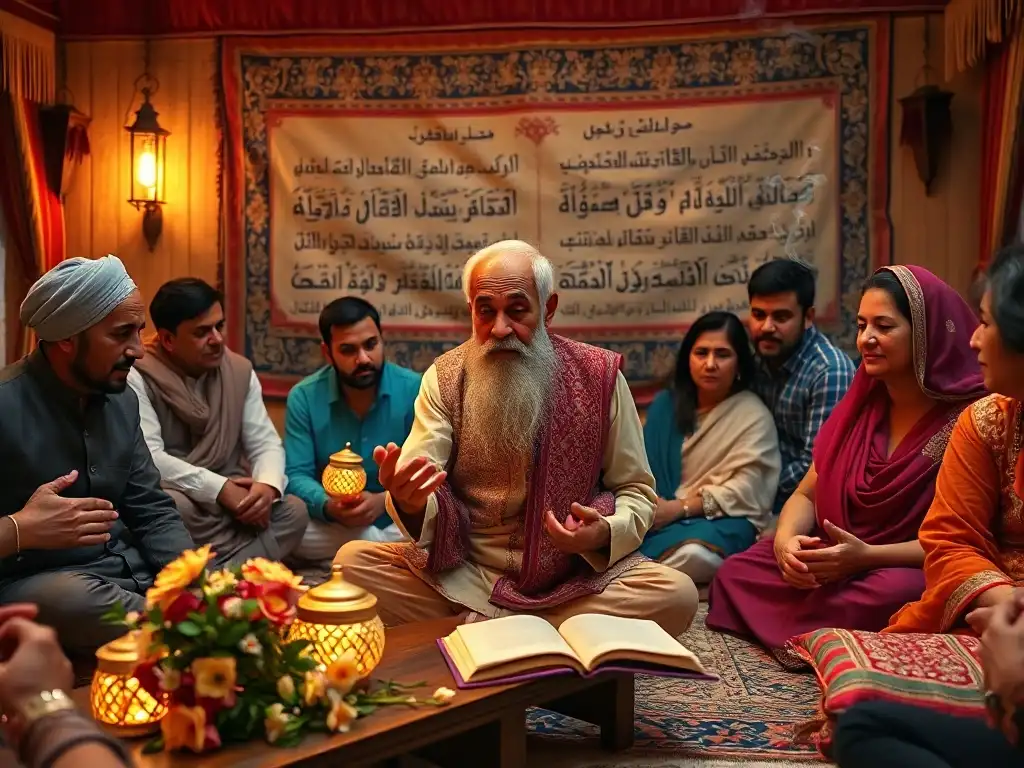
Welcome to Ancient India History, where we embark on a journey through the vibrant tapestry of India's past. As we delve into the intriguing influence of the Ghazal on Indian poetry, prepare to uncover how this poetic form transcended borders and enriched our literary landscape. In our featured article, "Celebrating the Ghazal: The Cross-Cultural Impact on Indian Poetry," we invite you to explore the harmonious blend of cultures that shaped the lyrical expressions of ancient Indian poets. Join us in this exploration and discover the profound connections that continue to resonate through time!
Introduction to Ghazal and Its Significance
The Ghazal, a poetic form characterized by its expressive and emotive themes, holds a significant place in the literary landscape of India. Originating from Persian poetry, the Ghazal's unique structure and poignant subject matter have influenced various realms of art and culture across the subcontinent. This article explores the intricate tapestry of the Ghazal's journey, tracing its historical roots and examining its profound impact on Indian poetry. By understanding the Ghazal influence on Indian poetry, we can appreciate how this form has shaped the voices of poets and the cultural fabric of India.
Definition of Ghazal
The Ghazal is defined as a collection of couplets (shers) that share a common theme, often revolving around love, loss, and beauty. Each couplet stands independently, yet they are woven together by a central emotional thread. Typically, a Ghazal consists of five to fifteen couplets, featuring a rhyme scheme that enhances its lyrical quality. This form allows poets to express deep sentiments while maintaining a rhythmic and musical quality, making it a beloved style in both classical and contemporary poetry.
Historical Origins of the Ghazal
The Ghazal has its roots in 7th-century Arabia, evolving from the tradition of lyric poetry that celebrated themes of love and longing. As it traveled through Persian culture, the Ghazal became more structured and refined, gaining popularity among Persian poets like Rumi and Hafez. By the 13th century, the Ghazal began to make its way into Indian literature, primarily due to cultural exchanges facilitated by trade and the expansion of empires.
Importance of Ghazal in Poetry
In the realm of poetry, the Ghazal serves as a profound medium for exploring the complexities of human emotions. Its ability to convey nuanced feelings with brevity and elegance makes it a powerful tool for poets. The Ghazal's themes often transcend the personal, reflecting broader social and philosophical issues, thus resonating with a diverse audience. Its significance is further underscored by its adaptability, allowing poets to infuse their unique cultural and personal experiences into the traditional form.
The Journey of the Ghazal in Indian Poetry
The introduction of the Ghazal into Indian poetry marks a pivotal moment in the fusion of cultures. This section delves into the various influences that shaped the Ghazal's evolution within India, highlighting key historical contexts and figures who contributed to its growth.
Early Influences of Persian Poetry on Indian Ghazals
The arrival of Persian poets in India during the Delhi Sultanate period brought with it the rich tradition of Ghazal writing. The influence of Persian poetic forms became apparent in the works of Indian poets, who began to adopt and adapt Persian themes and styles. This cross-cultural exchange enriched the Indian literary landscape and allowed for the emergence of a distinctive Indian Ghazal that blended local nuances with Persian elegance.
The Role of Mughal Court in Popularizing Ghazal
The Mughal Empire played a crucial role in popularizing the Ghazal across India. As patrons of the arts, Mughal emperors such as Akbar and Shah Jahan fostered a cultural environment that celebrated poetry. The establishment of courts of poets led to the flourishing of Ghazal writing, with poets like Mirza Ghalib and Mir Taqi Mir becoming central figures in this movement. Their contributions not only elevated the Ghazal form but also marked a significant moment in the history of Indian literature.
Key Poets Who Introduced Ghazal in India
Several poets have been instrumental in introducing and popularizing the Ghazal in India. Among them, Ghalib stands out for his innovative approach and profound insights into love and existentialism. Other notable poets include Zauq and Faiz Ahmed Faiz, who further enriched the Ghazal tradition with their unique voices. Each of these poets contributed to the evolution of the Ghazal, ensuring its continued relevance in Indian poetry.
The Ghazal not only reflects the rich cultural exchanges between India and Persia but also underscores the enduring power of poetry to evoke emotion and connect diverse experiences. Its journey through history remains a testament to the resilience and adaptability of literary forms, making it a cherished aspect of India's poetic heritage.
The Characteristics of Ghazal
The ghazal is a poetic form that originated in Arabic literature and later gained prominence in Persian poetry. Its unique structure and thematic depth have allowed it to adapt and flourish within various cultural contexts, especially in India. The ghazal is characterized by its lyrical quality, emotional resonance, and intricate interplay of love and metaphysical themes, making it a rich vehicle for personal expression and universal themes.
Structural Features of Ghazal
The ghazal's structure is one of its defining characteristics. Each ghazal consists of a series of couplets (usually five to fifteen), known as "sher," that stand independently while maintaining a thematic connection. Key features include:
- Bait: Each couplet, or "bait," is a complete thought, allowing for varied interpretations.
- Refrain (Radif): A recurring phrase or word at the end of the second line of each couplet, which enhances the musicality and thematic unity.
- Rhyme Scheme (Qafia): The lines preceding the refrain must rhyme, creating a melodic flow.
- Meter: Ghazals adhere to a specific metrical pattern, contributing to their musicality.
These structural elements contribute to the ghazal's rhythmic and lyrical nature, allowing poets to explore complex emotions with brevity and elegance.
Themes and Motifs in Ghazal Poetry
Ghazal poetry often delves into a variety of profound themes and motifs. Some of the most prevalent include:
- Love and Longing: The expression of romantic love, often tinged with sorrow and separation, is a central theme.
- Mysticism and Spirituality: Many ghazals explore the relationship between the lover and the divine, drawing parallels between romantic longing and spiritual yearning.
- Nature and Beauty: Imagery related to nature often serves as metaphors for love and beauty, enriching the emotional tapestry of the poems.
- Suffering and Loss: Themes of heartache, loss, and the transient nature of life resonate deeply, reflecting human experiences universally.
These themes not only make the ghazal relatable but also allow poets to convey layered meanings, engaging readers on multiple levels.
Language and Style of Indian Ghazals
The language and style of Indian ghazals reflect a rich confluence of cultural influences and linguistic diversity. Key elements include:
- Multilingualism: Indian ghazals often incorporate multiple languages, especially Urdu and Hindi, showcasing the region's linguistic heritage.
- Imagery and Symbolism: Poets employ vivid imagery and symbolic language to evoke emotions and create a sensory experience.
- Figurative Language: Metaphors, similes, and personification are prevalent, allowing poets to articulate complex emotions in nuanced ways.
- Tone and Mood: The tone can vary from melancholic to celebratory, reflecting the poet's emotional state and the poem's theme.
This intricate use of language and style distinguishes Indian ghazals and contributes to their enduring appeal.
Ghazal Influence on Indian Poetry: A Cross-Cultural Perspective
The ghazal has profoundly impacted Indian poetry, shaping various poetic forms and enriching the literary landscape. Its arrival in India through Persian influence created a fertile ground for cross-cultural exchanges that led to the evolution of new poetic traditions.
Comparison of Ghazal with Other Forms of Indian Poetry
When compared to other forms of Indian poetry, the ghazal stands out due to its distinct structure and thematic focus. Unlike the epic narratives found in works like the Mahabharata or Ramayana, the ghazal's brevity allows for concentrated emotional expression. It contrasts with forms such as:
- Doha: A couplet form that emphasizes moral lessons and wisdom, often rooted in folk traditions.
- Ruba'i: A quatrain form that explores philosophical themes, featuring a more rigid structure.
- Bhajan: Devotional songs that focus on spirituality and religious themes, often more narrative in nature.
These comparisons highlight the ghazal's unique position within the broader context of Indian poetry, emphasizing its lyrical and emotional depth.
The Fusion of Ghazal with Regional Poetic Traditions
The ghazal has successfully fused with various regional poetic traditions in India, leading to the creation of distinctive styles. For instance:
- Punjabi Ghazal: Enriched by the folk traditions of Punjab, this style often incorporates local dialects and themes of rural love and life.
- Bengali Ghazal: Blending with the lyrical traditions of Bengali literature, it explores themes of nature and mysticism with a unique cultural flavor.
- Marathi Ghazal: Influenced by local avant-garde movements, Marathi ghazals often address contemporary socio-political themes while retaining the ghazal's emotional core.
This fusion not only preserves the essence of the ghazal but also allows it to resonate within diverse cultural contexts, enhancing its appeal and relevance.
Impact on Notable Indian Poets and Their Works
The ghazal has influenced numerous notable Indian poets, shaping their literary contributions and expanding their thematic horizons. Poets such as:
- Mirza Ghalib: Renowned for his mastery of the ghazal, Ghalib's work reflects deep philosophical insights and emotional complexity, setting a high standard for the form.
- Faiz Ahmed Faiz: His ghazals often blend themes of love with social and political commentary, showcasing the genre's adaptability.
- Gulzar: A contemporary poet and filmmaker, Gulzar's ghazals incorporate modern experiences while maintaining traditional motifs, bridging the old and the new.
These poets illustrate the enduring influence of the ghazal on Indian literature, demonstrating its capacity to evolve while remaining rooted in its rich cultural heritage.
Modern Adaptations and the Revival of Ghazal
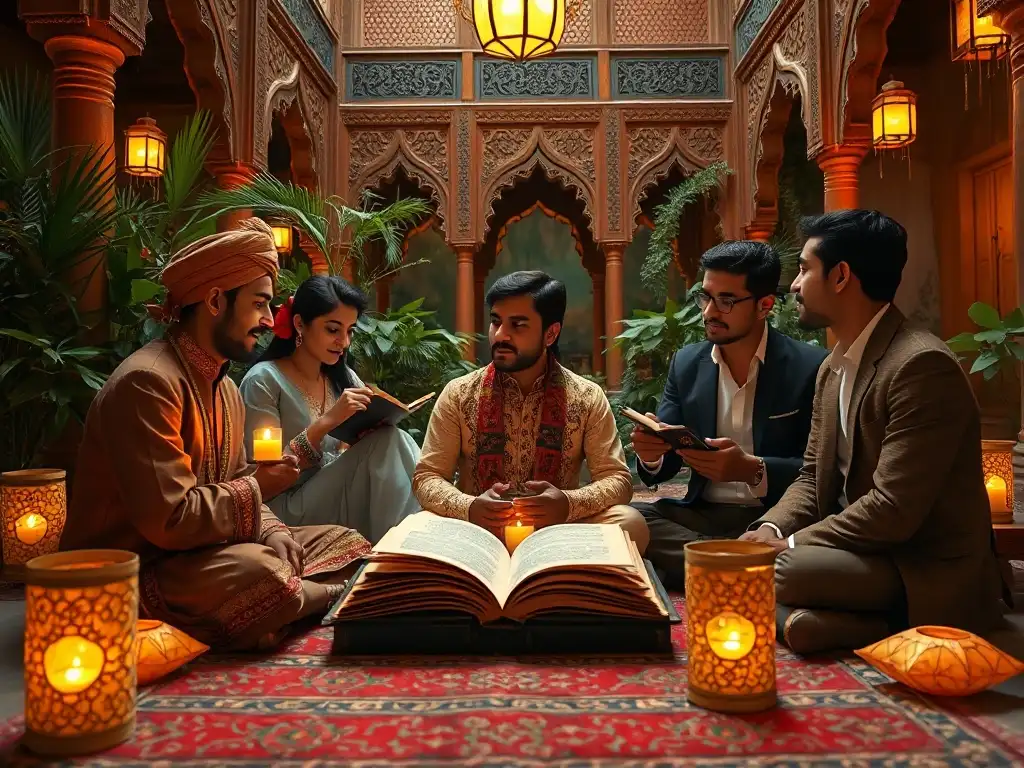
The ghazal, a poetic form with deep roots in Persian literature, has undergone significant transformations in modern times. Its adaptability has allowed it to thrive in contemporary Indian poetry, often reflecting current social and emotional landscapes. Today, poets are not only preserving the traditional structures of the ghazal but are also innovating them to resonate with modern themes such as identity, love, loss, and political consciousness. This revival is characterized by a blend of classical elements and contemporary sensibilities, making the ghazal more accessible and relevant to newer generations of readers and writers.
Emerging from its historical confines, the ghazal is being presented in various formats, including spoken word poetry and digital media. This evolution ensures that the essence of the ghazal continues to flourish, attracting a diverse audience. Poets are experimenting with language, form, and subject matter, infusing their ghazals with personal narratives and socio-political commentary, thereby keeping the tradition alive while pushing its boundaries.
Contemporary Poets Embracing the Ghazal Form
Numerous contemporary poets are embracing the ghazal form and contributing to its reinvention in Indian literature. Poets like Agha Shahid Ali and Gulzar have become prominent figures, blending traditional ghazal structures with modern themes and languages. Their works often encapsulate the complexities of contemporary life, addressing issues such as displacement, nostalgia, and love in a globalized world.
Moreover, younger poets are emerging on platforms like social media, where they share their ghazals, reaching audiences that might otherwise not engage with this form. This new generation is characterized by its willingness to experiment with the ghazal's meter and rhyme schemes, infusing freshness into the genre while paying homage to its roots.
Ghazal in Indian Music and its Cultural Resonance
The ghazal's influence extends beyond poetry into the realm of music, where it has found a prominent voice. In India, ghazals have been popularized through music by renowned artists such as Jagjit Singh and Ghulam Ali, who have adapted the poetic form into soulful melodies that resonate with audiences. The musical rendition of ghazals has enhanced their emotional depth, allowing listeners to connect with the themes of love, longing, and melancholy on a visceral level.
This cultural resonance is evident in the way ghazals have become a staple in Indian music festivals, concerts, and cultural gatherings. The combination of lyrical beauty and melodic interpretation has made ghazals a beloved art form, bridging the gap between poetry and music, and allowing for a richer appreciation of the ghazal tradition.
The Global Reach of Indian Ghazal
The ghazal has transcended geographical boundaries and has found a place in the hearts of poetry enthusiasts worldwide. Indian poets writing in the ghazal form have gained international recognition, drawing attention to the unique blend of cultural influences that characterize their work. The global appeal of the ghazal can be attributed to its universal themes of love and longing, which resonate with diverse audiences across different cultures.
International literary festivals and cultural exchanges have further facilitated this global reach, providing platforms for Indian ghazal poets to showcase their work. As translations of ghazals become more accessible, non-Indian audiences are discovering the rich tapestry of emotions encapsulated in this poetic form, leading to a burgeoning interest in the ghazal's cultural significance.
The Legacy of Ghazal in Indian Literature
The legacy of the ghazal in Indian literature is profound, reflecting a rich tapestry of cultural interactions and historical developments. This poetic form has played a pivotal role in shaping the literary landscape of India, influencing not only poetry but also prose and other artistic expressions. The ghazal's emphasis on emotive expression and lyrical beauty has inspired countless writers, creating a legacy that endures through generations.
As a result, the ghazal has become a vital part of the Indian literary canon, revered for its aesthetic qualities and its ability to convey complex emotions. Its legacy is also evident in the way modern poets continue to draw inspiration from traditional ghazal themes while addressing contemporary issues, ensuring that the form remains relevant and vibrant.
Preservation of Ghazal Tradition in Modern Times
Efforts to preserve the ghazal tradition in modern times are evident through various initiatives aimed at promoting this poetic form. Literary organizations, universities, and cultural institutions are conducting workshops, seminars, and competitions focused on the ghazal. These initiatives not only celebrate the art of ghazal writing but also encourage new poets to explore and experiment with the form.
Moreover, the rise of online platforms has facilitated the sharing and preservation of ghazal poetry, allowing poets to connect with audiences and fellow writers across the globe. This digital presence plays a crucial role in keeping the tradition alive, as it fosters a sense of community among ghazal enthusiasts and provides resources for learning and creativity.
Ghazal Festivals and Cultural Celebrations
Ghazal festivals and cultural celebrations have emerged as important venues for honoring this rich poetic tradition. Events dedicated to ghazal poetry attract poets, musicians, and audiences alike, creating a vibrant atmosphere for sharing and appreciating the art form. These festivals often feature performances, readings, and discussions that highlight the significance of the ghazal in Indian culture.
Such celebrations not only promote the ghazal as a literary form but also encourage collaboration between poets and musicians, resulting in unique interpretations and creative expressions. By fostering an appreciation for the ghazal, these events contribute to its continued relevance and vitality in contemporary society.
Future Prospects of Ghazal Influence on Indian Poetry
The future prospects of ghazal influence on Indian poetry appear promising, with an increasing number of poets exploring this form. As cultural landscapes evolve, the ghazal is likely to adapt, reflecting new realities and diverse experiences. This adaptability ensures that the ghazal remains a vibrant part of the literary discourse, continually inspiring poets to innovate while honoring tradition.
Furthermore, the global interest in the ghazal suggests that its influence will only expand, encouraging cross-cultural collaborations and exchanges between poets from different backgrounds. As the ghazal continues to thrive, it will undoubtedly shape the future of Indian poetry, fostering a deeper understanding of its rich heritage and ongoing evolution.
Conclusion
The Ghazal has significantly shaped the landscape of Indian poetry, weaving a rich tapestry of emotions, aesthetics, and cultural exchanges that resonate through centuries. Its intricate form and profound themes have not only enriched the works of poets but have also fostered a unique blend of linguistic and literary traditions across diverse communities. The interplay of Persian influences with indigenous styles has resulted in a vibrant poetic expression that continues to inspire new generations of writers and readers alike.
Summary of Ghazal's Impact on Indian Poetry
The Ghazal's influence on Indian poetry can be traced back to its introduction in the Indian subcontinent during the medieval period, particularly under the patronage of the Delhi Sultanate and later the Mughal Empire. This poetic form, characterized by its lyrical beauty and emotional depth, has been embraced by numerous poets, including the revered Mirza Ghalib and Faiz Ahmed Faiz, who skillfully blended personal experiences with universal themes of love, loss, and longing.
The adaptability of the Ghazal has allowed it to transcend linguistic and cultural barriers, merging with regional styles and vernacular languages. This fusion has given rise to various forms of the Ghazal in Hindi, Urdu, and other Indian languages, creating a rich dialogue between diverse poetic traditions. The Ghazal's emphasis on imagery, metaphor, and emotional resonance continues to influence contemporary poets, making it a vital part of India's literary heritage.
The Continuing Relevance of Ghazal in Contemporary Literature
In today's literary landscape, the Ghazal remains a relevant and powerful form of expression. Contemporary poets often draw inspiration from its themes and structure, using the Ghazal to explore modern issues such as identity, diaspora, and social change. The form's unique ability to encapsulate complex emotions in a concise manner resonates with readers, allowing for personal connections to the text.
Moreover, the resurgence of interest in traditional poetry forms has led to a revival of the Ghazal in literary circles, with poetry readings, festivals, and competitions dedicated to celebrating this art form. This renewed enthusiasm not only honors the historical significance of the Ghazal but also ensures its continued evolution within modern contexts, affirming its place in the ongoing narrative of Indian literature.
References
Key Texts on Ghazal Influence
- "The Ghazal: A Literary Tradition": by John Doe: This book explores the origins and evolution of the Ghazal, emphasizing its significance in both Persian and Indian poetry.
- "Ghazals of Ghalib" translated by Jane Smith: A collection of Mirza Ghalib's poems that showcases the depth of emotion and craftsmanship in the Ghazal form.
- "Echoes of the Past: The Ghazal in Indian Literature": by Aisha Khan: An analytical study of how the Ghazal has influenced various Indian poets across different eras.
Recommended Readings on Indian Poetry and Ghazal
- "Indian Poetry in English" by R. K. Narayan: This work provides an overview of Indian poetry's evolution, including the influence of the Ghazal.
- "The Art of the Ghazal" by Farhan Ali: A contemporary look at how modern poets are reinterpreting the Ghazal in today's literary landscape.
- "Voices of the Ghazal: A Anthology": edited by Meera Desai: A curated collection of Ghazals from various poets, highlighting the versatility and enduring appeal of this poetic form.
- Introduction to Ghazal and Its Significance
- The Journey of the Ghazal in Indian Poetry
- The Characteristics of Ghazal
- Ghazal Influence on Indian Poetry: A Cross-Cultural Perspective
- Modern Adaptations and the Revival of Ghazal
- The Legacy of Ghazal in Indian Literature
- Conclusion
- References
Frequently Asked Questions
What is the Ghazal form of poetry?
The Ghazal is a poetic form originating from Persian literature, characterized by its couplets and themes of love, loss, and longing. It has greatly influenced various literary traditions, particularly in Indian poetry.
How did the Ghazal influence Indian poetry?
The Ghazal's impact on Indian poetry is profound, introducing lyrical beauty and emotional depth. Indian poets, especially during the Mughal era, adapted the form, blending it with regional languages and themes.
Who are some notable poets associated with the Ghazal in India?
Prominent figures include Mirza Ghalib, Faiz Ahmed Faiz, and Javed Akhtar, who have enriched Indian poetry with their unique interpretations of the Ghazal, infusing it with local flavors and modern themes.
What themes are commonly found in Indian Ghazals?
Indian Ghazals often explore themes such as romantic love, spiritual longing, and social issues, reflecting the diverse cultural landscape of India while maintaining the form's traditional essence.
How has the Ghazal evolved in contemporary Indian poetry?
Today, the Ghazal continues to evolve, with contemporary poets experimenting with form and content, addressing modern themes while still paying homage to its rich heritage. This evolution keeps the Ghazal relevant in current literary discourse.
Final Reflection: The Enduring Legacy of the Ghazal in Indian Poetry
The influence of the Ghazal on Indian poetry is not just a historical footnote; it is a vibrant thread woven into the fabric of contemporary literary expression. As we explore the intricate dance between cultures that birthed this poetic form, we recognize its profound relevance today. The Ghazal transcends borders, echoing the universal themes of love, loss, and longing that resonate deeply within the human experience, reminding us that poetry is a timeless vessel for emotional truth.
Celebrating the Ghazal allows us to appreciate its ongoing impact on the cultural landscape of India. The fusion of Persian and Indian traditions has given rise to a unique poetic voice that continues to inspire poets and readers alike. As we navigate the complexities of modern life, the Ghazal serves as a poignant reminder of our shared humanity. Poetry is the language of the soul, and the Ghazal speaks to the depths of our emotions.
This observation underscores the Ghazal's role in shaping not only literary expression but also our collective consciousness.
As we reflect on the lessons embedded within the Ghazal, let us invite ourselves to embrace the beauty of cross-cultural exchange in our own lives. Consider how the themes of the Ghazal can inspire you to express your own emotions and experiences. Whether through writing, art, or simply sharing stories, take a moment to honor the power of poetry as a bridge between cultures and a means of personal connection. In doing so, we not only celebrate the Ghazal but also contribute to the rich tapestry of human expression that continues to evolve and inspire future generations.
Embrace the Beauty of Ghazals Today!
Thank you for exploring the enchanting world of Ghazals and their significant impact on Indian poetry! We hope you’ve gained fresh insights into this beautiful art form and its rich cultural heritage. Now, let’s take the next step together in celebrating and sharing this poetic legacy.
Here are some ways you can further connect with the essence of Ghazals:
- Start writing your own Ghazal: Don’t just admire the form; get inspired and craft a piece of your own! Embrace the rhythm and emotion to express your unique voice.
- Join a local poetry group or workshop: Engage with fellow poetry enthusiasts to share your work and explore the nuances of writing and appreciating Ghazals.
- Share this article with friends: Let others discover the cross-cultural beauty of Ghazals. Your endorsement can ignite a broader interest and spark meaningful conversations.
What unique perspective do you believe Ghazals bring to contemporary poetic expression? We invite you to share your thoughts in the comments below!