
The Role of Fables and Folk Tales in Ancient Indian Prose and Poetry

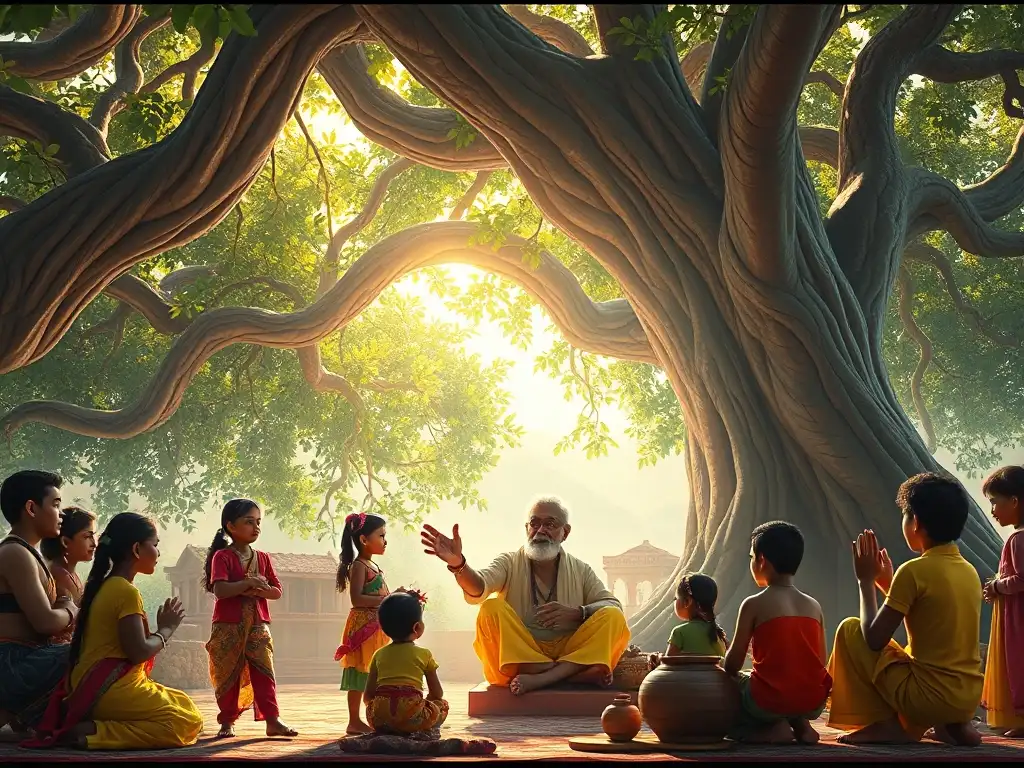
Welcome to Ancient India History, where we invite you to embark on a captivating journey through the rich tapestry of ancient Indian civilizations. In this exploration, we delve into the enchanting realm of Ancient Indian fables and folklore, uncovering how these timeless tales shaped the prose and poetry of their era. As you navigate through the intricate narratives that have echoed through generations, prepare to be intrigued by the profound wisdom and cultural significance embedded in these stories.
Join us as we illuminate the lesser-known aspects of literature beyond the epics, and discover how fables and folk tales continue to resonate in the heart of India's literary heritage. Your adventure into the past begins here!
Introduction to Ancient Indian Fables and Folklore
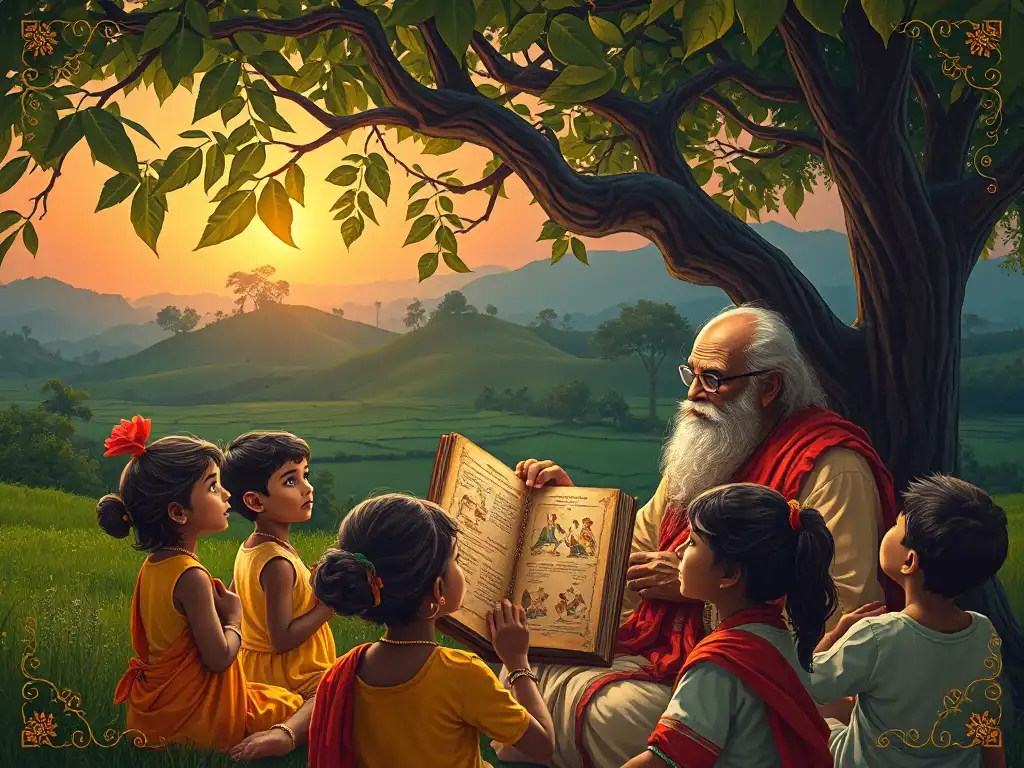
Ancient Indian fables and folklore hold a significant place in the literary landscape of India, serving as a rich tapestry that interweaves moral lessons, cultural values, and the collective wisdom of society. These narratives, often featuring anthropomorphic animals and mythical beings, not only entertain but also educate, imparting essential life lessons through engaging storytelling.
As part of the broader category of classical poetry and prose, fables and folk tales reflect the diverse cultural heritage of India, showcasing the unique perspectives of various regions and communities. This article delves into the pivotal role that fables and folk tales play in ancient Indian literature, exploring their definitions, historical context, and the lasting impact they have had on the literary tradition of India.
Definition of Fables and Folk Tales in Ancient India
Fables in ancient India are succinct, didactic tales that convey moral lessons, often featuring animals exhibiting human traits. They serve to impart wisdom and ethical guidance in a manner that is accessible and relatable to all ages. Folk tales, on the other hand, encompass a broader range of narratives that include myths, legends, and stories passed down through generations, reflecting the cultural and social norms of the communities from which they originate. Both forms of storytelling are integral to the oral tradition and have evolved over time, adapting to the changing societal context while preserving their core messages.
Importance of Fables in Ancient Indian Literature
Fables are not merely stories; they are vessels of cultural heritage and moral instruction. In ancient Indian literature, they serve several essential functions:
- Moral Education: Fables often encapsulate morals that guide individuals in making ethical choices.
- Cultural Preservation: Through storytelling, these narratives preserve the customs, beliefs, and values of ancient Indian society.
- Entertainment: With their engaging plots and characters, fables provide entertainment, making them a popular choice for oral recitation among families and communities.
- Reflection of Society: These tales often mirror the social dynamics, challenges, and aspirations of the time, offering insight into the historical context of ancient India.
Historical Context of Ancient Indian Fables and Folklore
Origins of Fables and Folk Tales in Ancient Indian Culture
The origins of fables and folk tales in ancient Indian culture can be traced back to the Vedic period, where oral traditions flourished. The "Panchatantra," a collection of fables attributed to Vishnu Sharma, exemplifies the rich legacy of storytelling in ancient India. These tales, designed to teach political science and governance, reflect the complexities of human behavior and social interactions, thereby highlighting the significance of wisdom in leadership.
Influence of Oral Tradition on Fables and Folk Tales
Oral tradition has played a crucial role in the development and transmission of ancient Indian fables and folk tales. Before the advent of written texts, stories were passed down orally, allowing for variations and adaptations that reflect local culture and context. This oral storytelling tradition not only preserved the narratives but also fostered a sense of community, as storytelling often took place in communal settings, engaging listeners and encouraging participation. The adaptability of these tales ensured their survival through centuries, allowing them to remain relevant even in contemporary times.
Key Themes and Morals in Ancient Indian Fables
Ancient Indian fables and folklore are characterized by a rich tapestry of themes and morals that reflect the societal values and philosophical thoughts of the time. These stories often served as vehicles for imparting wisdom, navigating ethical dilemmas, and offering insights into human nature. The narratives typically embody diverse elements, ranging from the interplay of wisdom and folly to the consequences of greed and jealousy.
The use of animals as protagonists is a prevalent motif in these tales, allowing for a unique exploration of human traits through anthropomorphism. Through the cleverness of the fox or the naivety of the hare, these stories often deliver poignant lessons that resonate across generations. The simplicity of the narratives belies the depth of the moral teachings, making them accessible and relatable to audiences of all ages.
Moreover, these fables often encapsulate philosophical concepts, such as Dharma (duty/righteousness) and Artha (prosperity), guiding individuals towards a balanced and virtuous life. They invite readers to reflect on their actions and decisions, promoting a sense of introspection that is fundamental to personal growth and development.
Common Themes Found in Ancient Indian Fables
Several recurring themes can be identified in ancient Indian fables, each illustrating vital aspects of moral and ethical living:
- Wisdom vs. Folly: Many fables highlight the importance of wisdom, often contrasting it with foolishness. For instance, the celebrated tale of the "Tortoise and the Hare" underscores that slow and steady wins the race, emphasizing perseverance over arrogance.
- Justice and Retribution: The theme of justice is prevalent, where wrongdoers eventually face consequences for their actions. Stories like "The Monkey and the Crocodile" illustrate how deceit ultimately leads to downfall.
- Friendship and Loyalty: The bonds of friendship are tested in various tales, showcasing the significance of loyalty and trust. The narrative of "The Lion and the Mouse" exemplifies how even the smallest acts of kindness can yield great rewards.
- Nature and Harmony: Many fables reflect the relationship between humans and nature, advocating for respect and harmony with the environment. This theme is notably evident in tales where animals symbolize natural elements or human traits.
Morals and Lessons Conveyed through Folk Tales
The morals conveyed through ancient Indian folk tales are not only entertaining but also serve as timeless life lessons. These narratives are imbued with ethical considerations, encouraging readers to adopt virtuous behavior. Some prominent morals include:
- The Value of Humility: Many tales emphasize the importance of humility, teaching that pride often leads to one's downfall. For example, stories of kings who become overconfident and face dire consequences serve as cautionary tales.
- The Dangers of Greed: Greed is frequently depicted as a destructive force in these fables. Tales like "The Greedy Dog" illustrate how excessive desire can lead to loss and suffering.
- The Importance of Wisdom and Cunning: Characters often rely on their intelligence to overcome challenges, highlighting that cleverness can triumph over brute strength. This moral is vividly portrayed in stories featuring the clever fox outsmarting larger beasts.
- Unity and Cooperation: Many folk tales advocate for teamwork and collaboration, illustrating that collective effort can overcome formidable obstacles, as seen in stories where animals join forces to achieve a common goal.
Prominent Collections of Ancient Indian Fables and Folklore
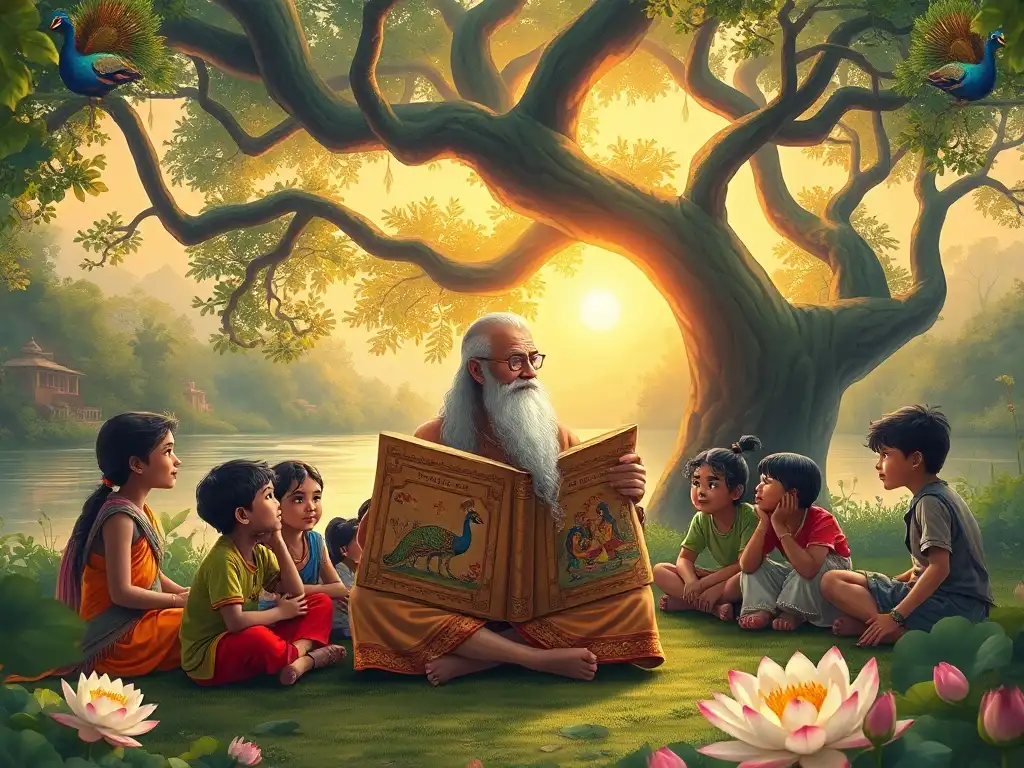
Ancient Indian literature boasts several prominent collections that encapsulate the essence of fables and folklore, each contributing uniquely to the cultural heritage of India. These works have served as foundational texts for moral education and entertainment for centuries.
The Panchatantra: An Overview
The Panchatantra, attributed to the sage Vishnu Sharma, is perhaps the most celebrated collection of ancient Indian fables. Composed in Sanskrit, this compilation dates back to around the 3rd century BCE. The text is structured as a series of interrelated stories, each featuring animals that embody various human traits.
The overarching theme of the Panchatantra is to impart practical wisdom through entertaining narratives. The stories are organized into five books, with each book focusing on distinct moral lessons such as the importance of friendship, the dangers of envy, and the value of intelligence. The Panchatantra has been translated into numerous languages and remains influential across cultures, underlining its universal appeal.
The Hitopadesha: Stories and Significance
The Hitopadesha, compiled by Narayana, serves as a companion text to the Panchatantra and is similarly structured around moral tales featuring animals. Written in the 12th century CE, this collection expands upon the themes presented in the Panchatantra, offering additional insights into human behavior and ethics.
Each story in the Hitopadesha concludes with a clear moral, making it an effective tool for teaching ethics and virtues. The text emphasizes the importance of wisdom, adaptability, and the consequences of one's actions. Its role in shaping moral education in ancient Indian society cannot be overstated, as it continues to be a source of inspiration for educators and storytellers alike.
Other Notable Works Featuring Fables and Folklore
In addition to the Panchatantra and Hitopadesha, other notable works contribute to the rich tradition of ancient Indian fables and folklore.
- The Jataka Tales: These stories recount the previous lives of the Buddha, often featuring animals and moral lessons that promote compassion and selflessness. They are integral to Buddhist literature and offer insights into ethical living.
- The Aesop's Fables: While not originally Indian, these fables have influenced Indian storytelling traditions and have been adapted in various forms, demonstrating the cross-cultural exchanges that have shaped folklore.
- Folktales from Regional Traditions: Various regions in India boast their own collections of folklore, such as the Bengali folk tales and Rajasthani tales, each reflecting the local culture, values, and beliefs, adding to the diversity of ancient Indian fables.
These collections and their narratives continue to resonate with audiences today, preserving the cultural and moral fabric of ancient Indian society.
The Influence of Ancient Indian Fables on Prose and Poetry
Ancient Indian fables and folklore have played a significant role in shaping both prose and poetry throughout history. These narratives, often passed down orally before being documented, serve not only as entertainment but also as vehicles for moral and ethical teachings. The intricate storytelling techniques utilized in these fables have influenced narrative forms across various literary genres, embedding themselves deeply into the cultural fabric of ancient Indian society.
Fables, often featuring anthropomorphic animals and divine beings, provide insights into human behavior and societal norms. The moral lessons embedded in these tales resonate with the principles of dharma (duty/righteousness), urging individuals to reflect on their actions and the consequences that follow. As a result, these narratives are not merely stories but serve as important educational tools that contribute to the philosophical and ethical discourse within ancient Indian literature.
Impact on Classical Indian Poetry
Classical Indian poetry is rich with influences derived from fables and folklore. Poets like Kalidasa and Bhasa often incorporated themes from these narratives, weaving intricate tales that reflect the values and wisdom embedded in folk traditions. For instance, the use of vivid metaphors and allegorical references in works such as "Shakuntala" can be traced back to the moralistic tones found in ancient fables.
The poetic form of dohas (couplets) and sargams (narrative verses) frequently echoes the simplicity and clarity of folk tales. This alignment enhances the accessibility of poetry, allowing it to communicate profound truths in a manner that resonates with audiences of all ages. Furthermore, the rhythmic and melodic qualities of these poems often reflect the oral traditions of storytelling, making them memorable and impactful.
Contributions to Narrative Prose in Ancient India
The narrative prose of ancient India, exemplified in texts like the Panchatantra and the Hitopadesha, owes much to the structure and morals found in fables. These prose works are characterized by their episodic nature, where each chapter often conveys a distinct moral lesson, echoing the thematic essence of folklore. The storytelling techniques used in these texts, such as the framing narrative and character-driven plots, have been instrumental in the development of prose as a literary form.
Moreover, the fables' emphasis on wit, cunning, and the interplay of virtues and vices has enriched the narrative style of ancient prose. The characters, often reflecting societal archetypes, allow readers to engage with the text on a personal level, facilitating a deeper understanding of human nature and societal dynamics. This interplay between fables and prose has resulted in a rich tapestry of literature that continues to influence modern storytelling.
Comparative Analysis: Ancient Indian Fables and Folklore vs. Global Fables
The examination of ancient Indian fables and folklore reveals both similarities and distinctive features when compared to global fable traditions. These narratives not only reflect the cultural context of India but also share universal themes found in fables worldwide, allowing for an intriguing comparative analysis.
Similarities between Ancient Indian and Global Fables
Ancient Indian fables share several commonalities with global fables, particularly in their use of animals as protagonists to convey moral lessons. This anthropomorphism is a hallmark of fable literature across cultures, serving to simplify complex human traits and behaviors. Much like Aesop's Fables, Indian fables often conclude with clear moral lessons, making them accessible and instructive for audiences of all ages.
Both traditions also utilize humor and satire to critique societal norms and human folly, highlighting the universal nature of these themes. The structure of presenting a problem followed by a resolution, often through cleverness or virtue, can be seen across various cultures, illustrating a shared understanding of storytelling as a means of imparting wisdom.
Unique Aspects of Ancient Indian Fables and Folk Tales
While ancient Indian fables align with global narratives in many respects, they also possess unique characteristics that set them apart. One notable distinction is the intricate linkage to the philosophical concepts of karma and dharma, which are deeply embedded in Indian culture. These concepts provide a framework for understanding the consequences of actions, influencing the moral lessons presented in the fables.
Additionally, the richness of mythology in Indian fables introduces a plethora of divine and semi-divine characters that are often absent in global fables. These figures, such as gods and goddesses, add layers of spiritual significance to the narratives, often illustrating the intersection of morality with the divine order. This blend of folklore with spiritual teachings creates a unique narrative style that reflects the complexities of ancient Indian thought and culture.
Ancient Indian fables and folklore not only illuminate the rich literary heritage of the region but also contribute to the broader understanding of storytelling as a means of cultural expression and moral education. Their influence on prose and poetry continues to resonate, emphasizing the timeless relevance of these narratives in exploring human nature and societal values.
Preservation and Legacy of Ancient Indian Fables and Folklore
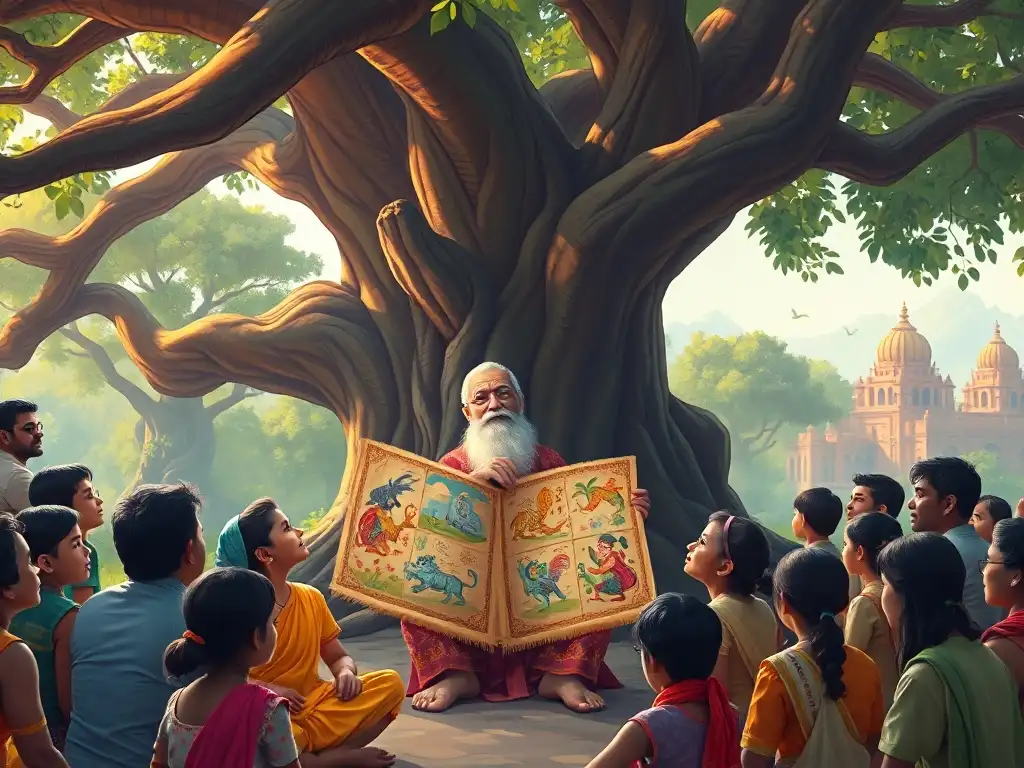
The preservation of ancient Indian fables and folklore is a testament to the rich oral traditions that have thrived across generations. These narratives were initially passed down verbally, often adapting to the cultural contexts and societal norms of different regions. Fables, such as those found in the famous Panchatantra and Hitopadesha, were not merely entertainment; they served as moral guides, encapsulating ethical lessons and practical wisdom.
Over time, these stories were transcribed into written form, ensuring their survival against the backdrop of history. Manuscripts composed in languages such as Sanskrit, Tamil, and Pali played a crucial role in this process. Scholars and poets meticulously documented these tales, which contributed to a collective cultural memory. The legacy of these fables is evident today, as they continue to inspire various art forms, including theater, dance, and literature, keeping the essence of ancient Indian folklore alive.
Transmission of Fables through Generations
The transmission of fables in ancient Indian society was primarily an oral endeavor, with storytellers, known as kathakars, playing a pivotal role. These narrators would engage audiences with their vibrant storytelling techniques, often incorporating local dialects and expressions to make the tales relatable. This form of storytelling not only entertained but also educated listeners about societal values, ethics, and cultural norms.
In familial settings, grandparents often recited fables to children, embedding moral lessons within engaging narratives. This intergenerational sharing fostered a sense of community and continuity, as tales reflected the collective experiences and wisdom of the people. As a result, the oral tradition became a vital means of preserving cultural identity, reinforcing social norms while adapting to changing times.
Modern Adaptations and Reinterpretations of Ancient Fables
In contemporary times, ancient Indian fables have undergone numerous adaptations and reinterpretations, reflecting modern sensibilities and societal changes. Authors and playwrights have reimagined these stories, infusing them with contemporary themes and characters while retaining their core moral messages. For instance, adaptations of the Panchatantra have found their way into children's literature, animated series, and theatrical productions, captivating new generations.
Moreover, modern storytellers often blend traditional fables with current issues such as environmental conservation, gender equality, and social justice. This evolution ensures that the tales remain relevant and resonate with today's audience. Through these adaptations, ancient fables continue to serve as a bridge, connecting past wisdom with present-day challenges and dialogues.
Conclusion: The Enduring Influence of Ancient Indian Fables and Folk Tales
The influence of ancient Indian fables and folk tales extends far beyond their original contexts, embedding themselves into the cultural fabric of society. These narratives have shaped moral understanding, provided entertainment, and offered insights into the human condition. Their timeless nature allows them to transcend generations, making them a crucial part of not only Indian literature but global storytelling traditions as well.
Reflection on the Cultural Significance of Fables
Fables hold significant cultural importance as they reflect the values, beliefs, and aspirations of a society. They serve as vehicles for ethical teachings and social commentary, often mirroring the socio-political landscape of their time. In ancient India, fables were instrumental in imparting wisdom, nurturing moral character, and fostering a sense of community among diverse populations. This cultural significance has contributed to the lasting appeal of these tales, ensuring they remain an integral part of Indian heritage.
The Role of Fables in Shaping Modern Indian Literature
Ancient Indian fables have significantly influenced modern Indian literature, inspiring contemporary authors and poets. The narrative techniques, character archetypes, and moral dilemmas presented in these fables continue to serve as a foundation for storytelling. Writers like R. K. Narayan and Kamala Das have drawn from these rich traditions, weaving fables' moral complexities into their narratives.
Additionally, the resurgence of interest in folklore studies has led to a renewed appreciation for these ancient tales, with scholars exploring their relevance in modern contexts. As a result, ancient Indian fables and folklore not only enrich literary discourse but also challenge contemporary writers to engage with timeless themes in innovative ways. The enduring legacy of these tales ensures that they will continue to shape and inspire future generations of storytellers.
References
Key Texts and Resources on Ancient Indian Fables and Folklore
The rich tapestry of ancient Indian fables and folklore has been preserved through various texts and oral traditions. Some of the key texts that serve as foundational resources for understanding this aspect of ancient Indian literature include:
- Panchatantra: A collection of interrelated animal fables in Sanskrit, attributed to Vishnu Sharma. This ancient text is one of the earliest known works to use storytelling as a means of imparting moral lessons.
- Hitopadesha: Similar to the Panchatantra, this collection contains fables and stories that convey ethical and moral teachings. It serves as a guide for kings and leaders, demonstrating the importance of wisdom and strategy.
- Jataka Tales: A significant part of Buddhist literature, these tales recount the previous lives of the Buddha in various forms, often featuring animals and moral lessons. They highlight the themes of rebirth and ethics in human conduct.
- Kathasaritsagara: A legendary anthology of stories from ancient India, compiled by Somadeva in the 11th century. This text includes numerous folk tales and fables, showcasing the narrative style and cultural ethos of the time.
These texts not only provide insight into the storytelling traditions of ancient India but also reflect the societal values and philosophies that have shaped Indian culture over centuries.
Suggested Further Reading on Classical Literature in Ancient India
For those interested in delving deeper into the folklore and fables of ancient India, the following readings are highly recommended:
- "The Life of the Buddha" by Bhikkhu Nanamoli: This work provides an extensive analysis of the Jataka tales, offering insights into the moral and philosophical dimensions of these ancient stories.
- "The Panchatantra: The Book of India's Fables" translated by Arthur W. Ryder: This translation captures the essence of the original text while making it accessible to modern readers. It is a valuable resource for understanding the wit and wisdom embedded in these fables.
- "Myth and Meaning in Early India" by Patrick Olivelle: This book explores various myths and folklore in early Indian literature, providing context and analysis that enrich our understanding of their significance.
- "Folk Tales from India" edited by A.K. Ramanujan: A collection of folk tales that highlight the diversity and richness of Indian storytelling traditions across different regions and communities.
These readings will deepen your appreciation of ancient Indian fables and folklore, illustrating how they have influenced not only literature but also cultural practices and societal norms throughout history.
- Introduction to Ancient Indian Fables and Folklore
- Historical Context of Ancient Indian Fables and Folklore
- Key Themes and Morals in Ancient Indian Fables
- Prominent Collections of Ancient Indian Fables and Folklore
- The Influence of Ancient Indian Fables on Prose and Poetry
- Comparative Analysis: Ancient Indian Fables and Folklore vs. Global Fables
- Preservation and Legacy of Ancient Indian Fables and Folklore
- Conclusion: The Enduring Influence of Ancient Indian Fables and Folk Tales
- References
- What are ancient Indian fables and folklore?
- How did fables and folk tales influence ancient Indian literature?
- What are some examples of famous ancient Indian fables?
- How did the Gupta Empire contribute to the preservation of these stories?
- Why are fables and folk tales important in understanding ancient Indian culture?
Frequently Asked Questions
What are ancient Indian fables and folklore?
Ancient Indian fables and folklore are traditional stories that convey moral lessons, cultural values, and the rich diversity of Indian civilization through prose and poetry.
How did fables and folk tales influence ancient Indian literature?
Fables and folk tales played a crucial role in shaping narrative techniques and thematic elements in ancient Indian literature, contributing to its rich tapestry of storytelling across generations.
What are some examples of famous ancient Indian fables?
Some notable examples include the Panchatantra and the Jataka Tales, which feature animal characters and impart important moral lessons through engaging narratives.
How did the Gupta Empire contribute to the preservation of these stories?
During the Gupta Empire, there was a flourishing of arts and literature, which led to the documentation and preservation of ancient fables and folklore, ensuring their continuity through time.
Why are fables and folk tales important in understanding ancient Indian culture?
These narratives provide insights into the values, beliefs, and social norms of ancient Indian society, reflecting the cultural heritage and wisdom that continues to influence modern India.
Final Reflection: The Timeless Wisdom of Ancient Indian Fables and Folklore
The enduring legacy of ancient Indian fables and folklore continues to resonate in our modern world, reminding us of the profound lessons embedded within these narratives. In an age where technology often overshadows traditional storytelling, the wisdom of these tales remains relevant, serving as a bridge connecting generations and cultures. The moral teachings and cultural values encapsulated in these stories are not merely relics of the past; they are vital threads in the fabric of our contemporary society.
The influence of ancient Indian fables and folklore extends far beyond mere entertainment; they shape our cultural identity and social values. These narratives have the power to inspire empathy, instill moral integrity, and foster a sense of community. As we navigate the complexities of modern life, the lessons from these tales remind us of our shared humanity. Stories are the most powerful way to connect with others, to share our truths, and to understand the world around us.
This quote encapsulates the essence of how these fables continue to impact our lives, encouraging us to reflect on our actions and the values we uphold.
As we close this exploration of ancient Indian fables and folklore, I invite you to reflect on the stories that have shaped your own life and the lessons they impart. Consider how you can carry forward the wisdom of these narratives in your daily interactions and decisions. Let the timeless teachings of these fables inspire you to cultivate compassion, understanding, and resilience in your journey ahead. Embrace the power of storytelling, for within each tale lies the potential to transform not only ourselves but the world around us.
Unveil the Timeless Wisdom of Fables!
Thank you for exploring the intriguing world of ancient Indian prose and poetry with us! You have gained valuable insights into how fables and folk tales have shaped narratives and cultural understanding. Now, it's time to deepen that knowledge and connect with the rich heritage they represent.
Here are a few actions you can take today:
- Dive deeper into a fable that interests you by researching its origins and the lessons it imparts.
- Share your favorite fable from your own culture with friends or on social media to spark conversations about storytelling traditions.
- Join a local book club or an online community focused on folklore and storytelling to engage with like-minded individuals.
What lesson from a fable resonates with you the most, and how can you incorporate it into your life today?