
The Cultural Significance of Festivals in Ancient Indian Literature

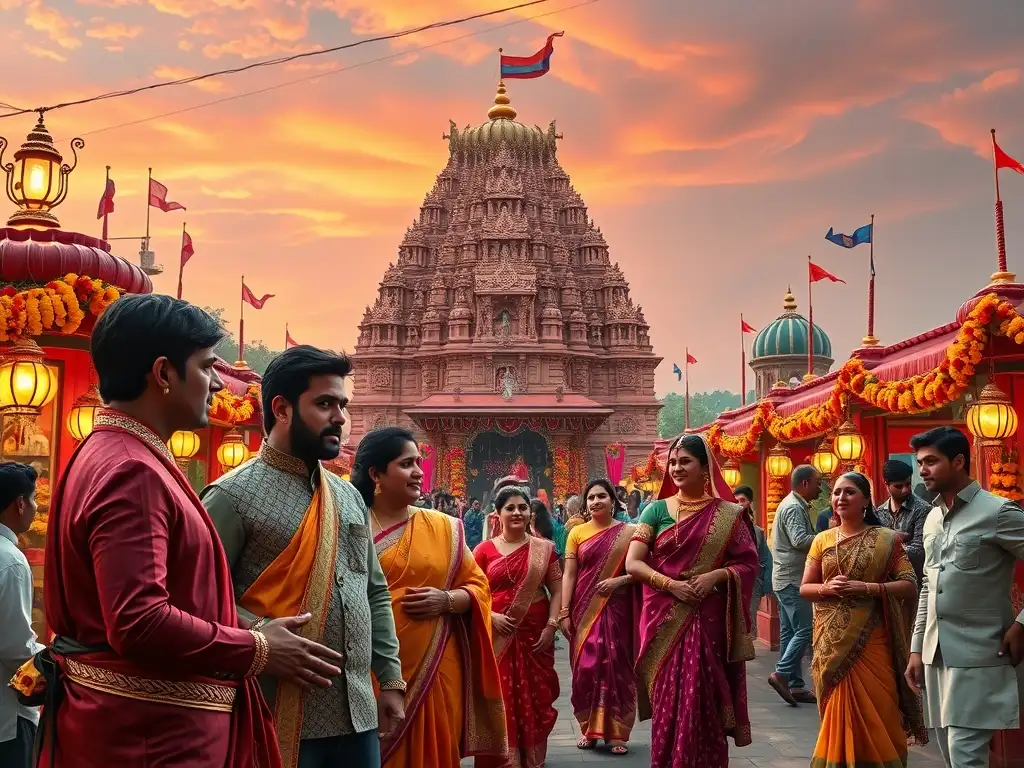
Welcome to Ancient India History, where we delve into the rich tapestry of ancient Indian civilizations, uncovering their cultural treasures and historical marvels. In our featured article, The Cultural Significance of Festivals in Ancient Indian Literature, we explore how vibrant festivals not only shaped the lives of the people but also influenced literary works beyond the well-known epics.
What deeper meanings and traditions lie beneath these celebrations? Join us on this fascinating journey as we unravel the stories and insights that illuminate the cultural significance of Indian festivals and invite you to explore the vibrant heritage that has shaped a civilization for millennia.
Introduction to the Cultural Significance of Indian Festivals
Festivals have long been a vibrant thread woven into the fabric of Indian culture, serving not only as occasions for celebration but also as reflections of the rich historical and literary heritage of the subcontinent. The cultural significance of Indian festivals is deeply embedded in ancient literature, where they are depicted as pivotal events that unite communities, honor deities, and mark the passage of time.
From the majestic celebrations of the Indus Valley Civilization to the elaborate festivities described in classical poetry and prose, each festival carries a unique narrative that reveals the values, beliefs, and artistic expressions of the era.
In ancient Indian literature, festivals are not merely events; they are celebrated as manifestations of spirituality, social cohesion, and cultural identity. As we delve into the texts of the past, we encounter an array of festivals that resonate with themes of joy, sacrifice, and renewal. These literary representations provide us with insight into the societal roles these festivals played, their significance in the lives of people, and their lasting impact on contemporary practices.
Overview of Indian Festivals in Ancient Texts
The exploration of festivals in ancient Indian literature reveals a multitude of celebrations, each uniquely tied to the cultural and religious landscape of the time. Notable texts such as the Mahabharata, Ramayana, and various Puranas extensively reference festivals, illustrating their importance in both mythological narratives and daily life. Here’s a closer look at some of the key aspects:
- Variety of Festivals: Ancient texts describe numerous festivals such as Diwali, Holi, and Makar Sankranti, each with specific rituals and symbolic meanings.
- Literary Depictions: Festivals are often depicted in poetry and prose, demonstrating the artistic expressions of the time. For example, the joyous celebration of Holi is portrayed in works like the Gita Govinda by Jayadeva, emphasizing themes of love and devotion.
- Rituals and Practices: The rituals associated with festivals, such as offerings, dances, and communal gatherings, are meticulously detailed in ancient literature, highlighting their social and religious dimensions.
As we continue to explore the cultural significance of Indian festivals, we will uncover how these ancient celebrations have shaped the literary traditions and continue to influence contemporary practices, thus reinforcing their timeless relevance in Indian culture.
- Introduction to the Cultural Significance of Indian Festivals
- Overview of Indian Festivals in Ancient Texts
- What role did festivals play in ancient Indian society?
- How are festivals depicted in ancient Indian literature?
- What are some major festivals mentioned in ancient Indian literature?
- How did festivals influence art and architecture in ancient India?
- What is the relevance of ancient festivals in contemporary India?
Festivals in Ancient Indian Literature: An Overview
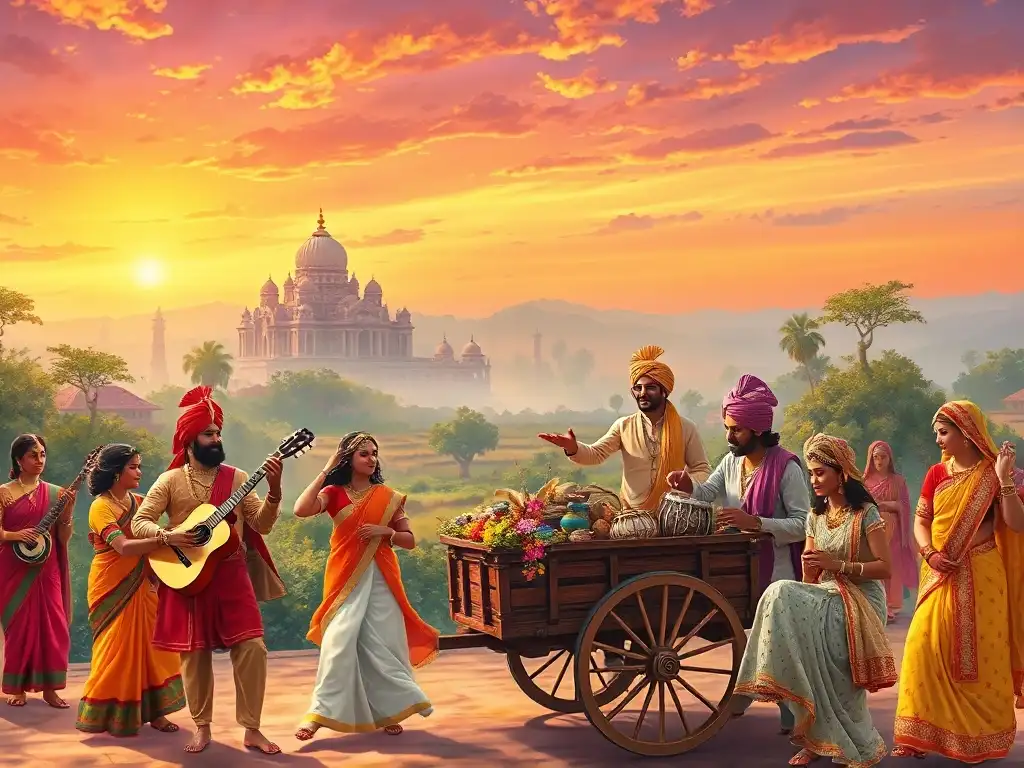
Festivals in ancient India are a vibrant and integral part of its rich cultural tapestry, often celebrated with great zeal and enthusiasm. Ancient Indian literature, ranging from classical poetry to prose, reflects the significance of these festivals in the social, spiritual, and cultural lives of the people.
At the heart of many literary works, festivals serve as a backdrop for exploring themes of love, devotion, and community. They are not merely events but are woven into the fabric of society, highlighting the values, beliefs, and traditions of ancient Indian civilizations. Through poetic verses and narratives, we can glean insights into the practices, rituals, and the emotional resonance of these celebrations.
The cultural significance of Indian festivals is manifested in various forms, including religious observances, agricultural rituals, and seasonal celebrations. These festivities often symbolize the cyclic nature of life and the deep connection between humanity and the cosmos. Ancient texts, such as the Vedas, Puranas, and works of poets like Kalidasa, provide a window into these time-honored traditions, showcasing how festivals were a means of reinforcing communal bonds and cultural identity.
Key Festivals Celebrated in Ancient India
Ancient India was home to a plethora of festivals, each with its unique customs and significance. Some of the key festivals include:
- Diwali (Deepavali): Known as the Festival of Lights, Diwali marks the victory of light over darkness and good over evil. Ancient texts describe the joyous celebrations, including the lighting of oil lamps and fireworks.
- Holi: This vibrant festival of colors celebrates the arrival of spring and the end of winter. It emphasizes love, joy, and the playful spirit of life, with references found in various poetic works.
- Makar Sankranti: Celebrated as a harvest festival, it signifies the transition of the sun into the zodiac of Capricorn. Ancient scriptures highlight the importance of this festival in agricultural societies.
- Navaratri/Dussehra: This festival honors the goddess Durga and symbolizes the triumph of good over evil. It involves elaborate rituals and performances, as depicted in classical literature.
- Pongal: A harvest festival celebrated mainly in Southern India, it is dedicated to the Sun God and reflects agrarian customs and traditions.
These festivals not only celebrate various deities but also embody the changes in nature, agricultural cycles, and the communal spirit of ancient Indian society.
Historical Context of Festivals in Ancient Indian Society
The historical context of festivals in ancient Indian society is deeply intertwined with its religious beliefs, agricultural practices, and social dynamics. Festivals served several important functions:
- Religious Significance: Many festivals were rooted in religious beliefs and mythology, often commemorating divine events or honoring deities. The rituals performed during these festivals were believed to bring blessings, prosperity, and harmony to the community.
- Agricultural Roots: Festivals were closely linked to the agricultural calendar, marking seasonal changes, sowing, and harvesting periods. They provided an opportunity for communities to celebrate the fruits of their labor, reinforcing agricultural ties and communal cooperation.
- Social Cohesion: Festivals acted as a unifying force in ancient societies. They fostered a sense of belonging and identity among the people, encouraging participation across different social strata. Through communal celebrations, various groups within society came together, enhancing social harmony.
- Artistic Expression: Festivals were occasions for artistic expression, where dance, music, and drama flourished. Literature from this era often captures these artistic performances, illustrating the role of festivals in cultural advancement.
The cultural significance of Indian festivals is deeply embedded in ancient literature, reflecting the values and traditions of the time. These celebrations were not just events but vital components of societal life, shaping the cultural heritage of ancient India. The exploration of festivals in literature provides a comprehensive understanding of their role in the historical context of Indian civilization.
Symbolism and Themes of Festivals in Classical Poetry
Depiction of Festivals in Sanskrit Literature
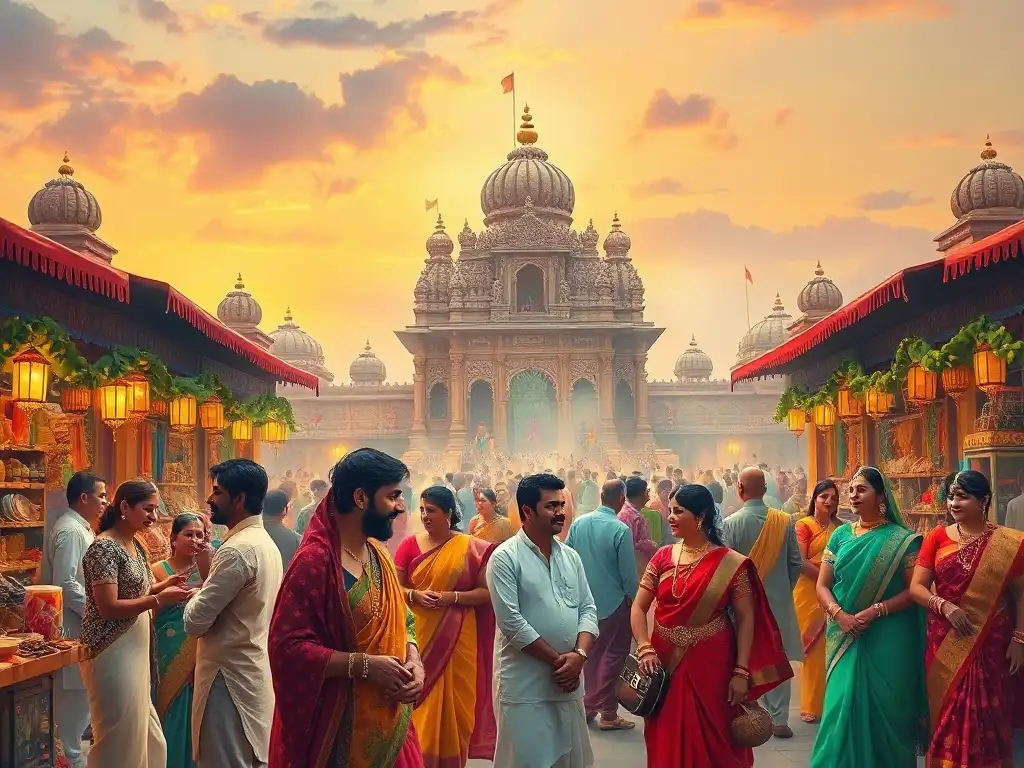
In exploring the cultural significance of Indian festivals, Sanskrit literature serves as a vital window into the manifold ways in which these celebrations were interwoven into the social and spiritual fabric of ancient Indian life. Festivals are depicted not merely as occasions for merriment but as profound expressions of community, devotion, and cosmic harmony.
Sanskrit texts often illustrate festivals through vivid imagery and rich symbolism. For instance, the Mahabharata and Ramayana include references to various festivals that denote the cycles of nature, such as the harvest festival Pongal, which celebrates agricultural abundance. These texts highlight the importance of seasonal changes, portraying festivals as moments to express gratitude towards deities for their blessings.
Moreover, the poetic verses of Kalidasa, especially in works like Raghuvamsa, present festivals as grand events that bring together people from diverse backgrounds, creating an atmosphere of unity and joy. The descriptions often feature elaborate rituals, colorful processions, and communal feasting, reflecting the interconnectedness of individuals within society.
Thematic Representations of Joy and Community in Festivals
The thematic representations of joy and community in Indian festivals are prominent in classical poetry, emphasizing the collective spirit that these occasions fostered. Festivals in ancient India were not only personal celebrations but communal events that reinforced social bonds and cultural identity.
- Joyful Gatherings: Festivals evoke a sense of joy that transcends individual experiences. In Kumarasambhava, Kalidasa illustrates the joyous gathering of people during the Maha Shivaratri festival, where the community comes together to celebrate the divine union of Shiva and Parvati. Such depictions highlight the shared happiness that festivals bring, fostering a sense of belonging among participants.
- Rituals and Ceremonies: The rituals associated with festivals are depicted as profound communal expressions. In Natyashastra, Bharata Muni articulates how theatrical performances during festivals serve to unite audiences, creating a shared emotional experience. The enactment of stories through dance and drama during these celebrations reflects the cultural narratives that bind the community together.
- Symbolic Acts of Giving: Festivals are often characterized by acts of giving and charity, symbolizing community welfare. The Bhagavad Gita emphasizes the importance of selfless acts during festivals, encouraging individuals to contribute to the well-being of others. This theme resonates throughout various literary works, showcasing how festivals inspire generosity and communal support.
- Cosmic and Spiritual Connections: The connection between the earthly and the divine is a recurring theme in classical poetry related to festivals. In many texts, celebrations are depicted as times when the divine presence is felt more profoundly, reinforcing the community's spiritual dimensions. The imagery of lights, music, and dance during these occasions symbolizes the transcendence of the mundane, inviting participants to experience a deeper connection with the cosmos.
The cultural significance of Indian festivals in classical poetry transcends mere celebration. They embody themes of joy, community, and spirituality, reflecting the rich tapestry of ancient Indian civilization. Through the lens of Sanskrit literature, we gain insights into how these festivals were integral to the social and cultural identity of the time, fostering unity and shared experiences among diverse communities.
Role of Festivals in Ancient Indian Prose
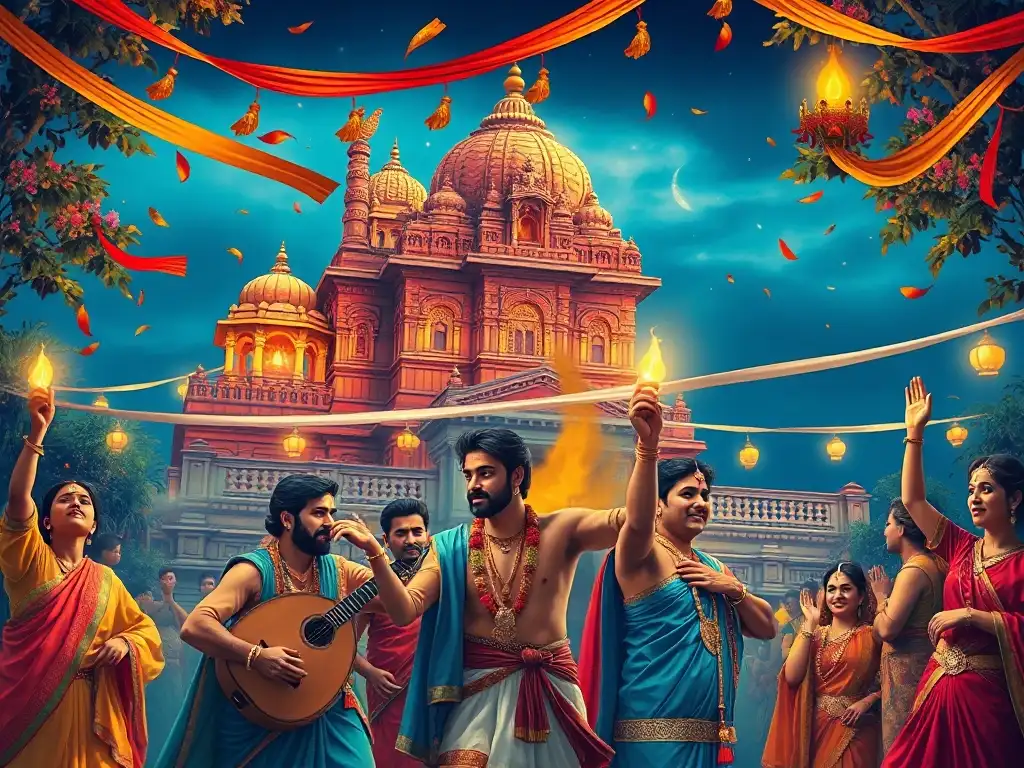
Festivals in ancient Indian prose serve as a pivotal narrative device, encapsulating the rich tapestry of cultural practices, beliefs, and societal values. They are not merely celebrations; they are intricate reflections of the ethos of the time, often depicted through various literary forms such as poems, plays, and prose narratives. The portrayal of festivals in ancient texts provides insight into the collective consciousness of society, illuminating how these events shaped interpersonal relationships, community cohesion, and cultural identity.
Festivals as a Reflection of Societal Values
In ancient Indian literature, festivals often embody the core values that define a community. These values are intricately woven into the narratives that describe the festivals, showcasing a symbiotic relationship between cultural practices and societal norms.
- Religious Significance: Many festivals are rooted in religious traditions and serve to reinforce the spiritual beliefs of the people. For instance, the celebration of Diwali, depicted in various texts, symbolizes the victory of light over darkness and good over evil. This festival emphasizes the importance of dharma (righteousness) and the collective effort to uphold moral values within the community.
- Seasonal Changes and Agricultural Cycles: Festivals also reflect the agrarian lifestyle of ancient Indian society. Celebrations like Makar Sankranti mark the transition of seasons, celebrating the harvest and the cyclical nature of life. This connection to the land underscores the value placed on nature and sustenance, highlighting the community's dependence on agricultural cycles for their livelihoods.
- Social Cohesion and Community Bonding: The communal aspect of festivals is vividly portrayed in ancient prose. Texts often describe gatherings, feasts, and rituals that bring people together, reinforcing social bonds and fostering a sense of belonging. For example, during Holi, the festival of colors, ancient literature illustrates how shared joy and mutual forgiveness strengthen relationships within the community.
- Cultural Diversity and Inclusivity: Ancient Indian festivals also celebrate the diversity of cultures and communities. The inclusion of various regional practices within literary works emphasizes the pluralistic nature of Indian society. Festivals like Pongal and Onam, celebrated in different parts of India, reflect local traditions and customs, showcasing the rich cultural mosaic that defines ancient India.
Narratives and Stories Surrounding Major Festivals
The narratives surrounding major festivals in ancient Indian literature are often rich with symbolism and moral lessons. These stories are not only entertaining but serve as vehicles for imparting wisdom and ethical teachings.
- The Ramayana and Diwali: The narrative of Lord Rama's return to Ayodhya after defeating Ravana is celebrated during Diwali. This story encapsulates themes of loyalty, virtue, and the triumph of good over evil. Prose accounts emphasize the collective joy of the citizens of Ayodhya, symbolizing the societal recognition of righteousness.
- Krishna and Holi: The playful exploits of Lord Krishna during Holi are often recounted in poetry and prose. These narratives highlight themes of love, camaraderie, and the breaking of barriers, encouraging inclusivity and joy. The vibrant descriptions of color and celebration serve to transport readers to the lively atmosphere of this festival.
- The Mahabharata and Makar Sankranti: The Mahabharata includes references to Makar Sankranti, where the significance of honoring the sun god is emphasized. The festival is portrayed as a time for reflection and gratitude, reinforcing the value of humility and respect for nature.
- Regional Festivals and Local Legends: Each region of ancient India has its own unique festivals accompanied by local legends. For instance, the celebration of Onam in Kerala is tied to the myth of King Mahabali, representing the ideals of prosperity and equality. Such stories enrich the cultural landscape and highlight the diverse practices that coexist within the broader framework of Indian festivals.
The cultural significance of Indian festivals in ancient literature transcends mere celebrations; they are profound reflections of societal values, ethical teachings, and communal harmony. Through detailed narratives and rich symbolism, these festivals continue to resonate, offering insights into the ancient Indian psyche and its enduring legacy.
Cultural Significance of Indian Festivals in Religious Texts
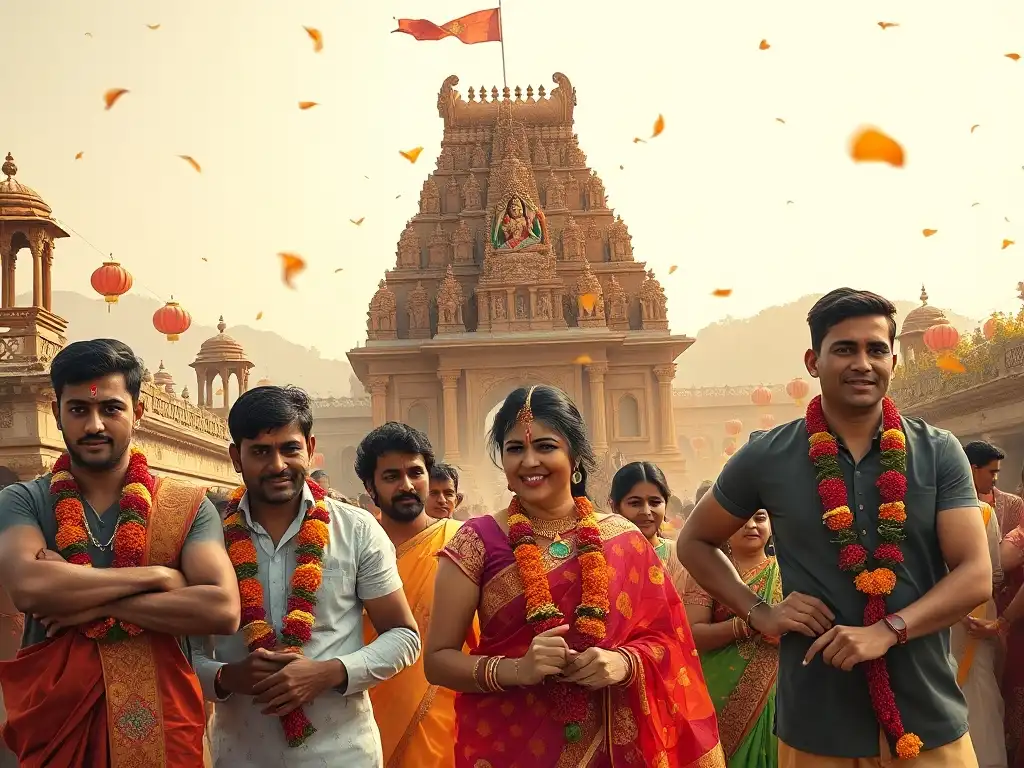
The cultural significance of Indian festivals is deeply embedded in the religious texts of ancient India, where these celebrations are not merely occasions for merrymaking, but also serve as vital expressions of spirituality, community, and tradition. Festivals often align with the changing seasons, agricultural cycles, and religious observances, reflecting the harmonious relationship between nature and society.
Festivals in these texts symbolize the victory of good over evil, the arrival of prosperity, and the renewal of life. They are depicted as times of communal bonding, where rituals and traditions are passed down through generations, thus preserving the cultural ethos of ancient Indian civilization. The narratives surrounding these festivals often invoke a sense of identity and belonging, reinforcing social hierarchies and duties within the community.
Festivals in Vedic Literature
Vedic literature provides a rich tapestry of rituals and festivals that were integral to the lives of ancient Indians. The Rigveda, Yajurveda, Samaveda, and Atharvaveda contain hymns and verses that celebrate various deities, seasons, and agricultural practices.
- Agricultural Festivals:
- Pongal: This festival, celebrated primarily in Tamil Nadu, marks the harvest season and is dedicated to the Sun God, Surya. It is a time for gratitude and community feasting.
- Makar Sankranti: A significant festival that signifies the end of winter and the beginning of longer days, it is associated with the harvest of crops and is celebrated with kite flying and various rituals.
- Seasonal Celebrations:
- Holi: Mentioned in various texts as a symbol of the arrival of spring, Holi represents the victory of good over evil through the legend of Prahlada and Holika.
- Diwali: While more prominently featured in later texts, the roots of Diwali can be traced back to Vedic times, celebrating the return of light and prosperity.
The Vedic texts also emphasize the importance of rituals (yajnas) that coincide with these festivals, depicting them as necessary for maintaining cosmic order (rita). The performance of these rituals is seen as a way to connect with the divine and ensure the well-being of the community.
The Influence of Festivals on Hindu Mythology
The cultural significance of Indian festivals is further reflected in Hindu mythology, where many festivals are associated with mythological events involving gods and goddesses. These narratives not only highlight the importance of the festivals but also serve to instruct moral values and societal norms.
- Dussehra and Ramayana:
- The festival of Dussehra commemorates Lord Rama's victory over the demon king Ravana, as narrated in the Ramayana. This festival symbolizes the triumph of dharma over adharma and reinforces the idea of righteousness in daily life.
- Navaratri and Devi Worship:
- Navaratri, a festival dedicated to the worship of the goddess Durga, celebrates her victory over the buffalo demon Mahishasura. Each day of this nine-night festival is associated with different forms of the goddess, emphasizing feminine power and the concept of shakti.
- Krishna Janmashtami:
- Celebrated as the birth of Lord Krishna, this festival is rich with stories of his childhood exploits, particularly his playful interactions with the gopis (milkmaids) and his role as a divine protector. It serves to illustrate the themes of love, devotion, and divine play (lila).
The narratives associated with these festivals often serve as moral tales, instilling values such as courage, devotion, and perseverance. They are a reminder of the cyclical nature of time, reflecting the belief in rebirth and renewal within Hindu philosophy.
The cultural significance of Indian festivals, as seen through the lens of religious texts, offers profound insights into the spiritual, social, and agricultural life of ancient India. These festivals not only celebrate the divine but also reinforce community bonds, moral values, and the cultural identity that has persisted through the centuries.
Festivals and Their Connection to Nature in Ancient Literature
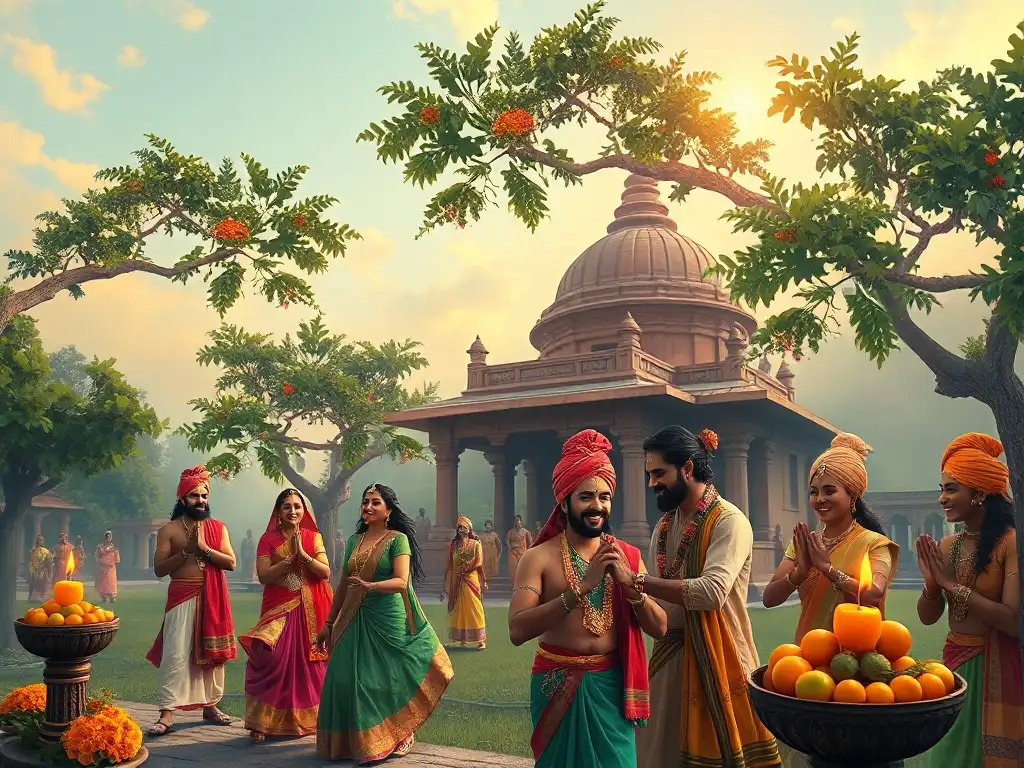
Ancient Indian literature reflects a profound connection between festivals and the natural world, emphasizing the cyclical patterns of nature that governed agrarian societies. This relationship is visible across various literary forms, including poetry, prose, and dramas, where the changing seasons and agricultural practices play pivotal roles in the celebration of life through festivals.
Seasonal Festivals and Agricultural Practices
Seasonal festivals in ancient India were deeply rooted in agricultural cycles, marking critical phases in the farming calendar. These celebrations were not merely rituals; they represented the community's gratitude towards nature for its bountiful gifts and its role in sustaining life. For instance:
- Harvest Festivals: Festivals like Pongal in Tamil Nadu and Baisakhi in Punjab were celebrated to mark the harvest season. Literary texts describe vibrant scenes of community gatherings, where people express their joy and gratitude through songs, dances, and offerings to deities.
- Sowing Festivals: Makar Sankranti, observed during the winter solstice, signifies the beginning of the harvest season. Ancient texts highlight the importance of this festival in invoking blessings for a prosperous yield, showcasing prayers and rituals that emphasize the connection between humans and the earth.
- Seasonal Changes: Festivals such as Holi, linked to the arrival of spring, symbolize renewal and fertility. Literature from this period often depicts the vibrant colors of spring, and the rejuvenation of nature becomes a central theme in poetry, symbolizing hope and new beginnings.
The integration of these seasonal festivals into literature underscores their cultural significance, demonstrating how they not only marked time but also served as a narrative device to explore themes of life, death, and rebirth.
The Role of Festivals in Celebrating Natural Cycles
The celebration of festivals in ancient Indian literature extends beyond mere agricultural significance; it encapsulates the reverence for natural cycles and the deities that govern them. Festivals served as a medium to reflect upon and honor these cycles, connecting the human experience with the rhythm of nature.
- Cosmological Significance: Festivals such as Diwali and Navaratri embody the transition from darkness to light, symbolizing the victory of good over evil. Ancient texts often use metaphors drawn from nature to describe these transformations, emphasizing the cyclic nature of existence.
- Rituals and Offerings: The rituals associated with festivals often include offerings to nature, such as fruits, flowers, and grains. Literary descriptions highlight the beauty of these offerings, emphasizing the community's relationship with the earth and its resources. For example, the Sankranti festival is about expressing gratitude to the sun for its life-giving properties, a theme frequently echoed in classical poetry.
- Cultural Identity: Festivals also serve to reinforce cultural identity, as they are often accompanied by stories and mythologies that explain their origins and significance. Works of classical literature reflect these narratives, detailing how festivals help communities bond over shared beliefs and practices, thereby enriching their cultural fabric.
The cultural significance of Indian festivals as depicted in ancient literature is multifaceted, intertwining agricultural practices, natural cycles, and communal identities. These festivals not only celebrate the bounty of nature but also highlight the intricate relationship between humanity and the environment, making them a vital aspect of ancient Indian civilization's cultural heritage.
The Impact of Festivals on Ancient Indian Art and Music
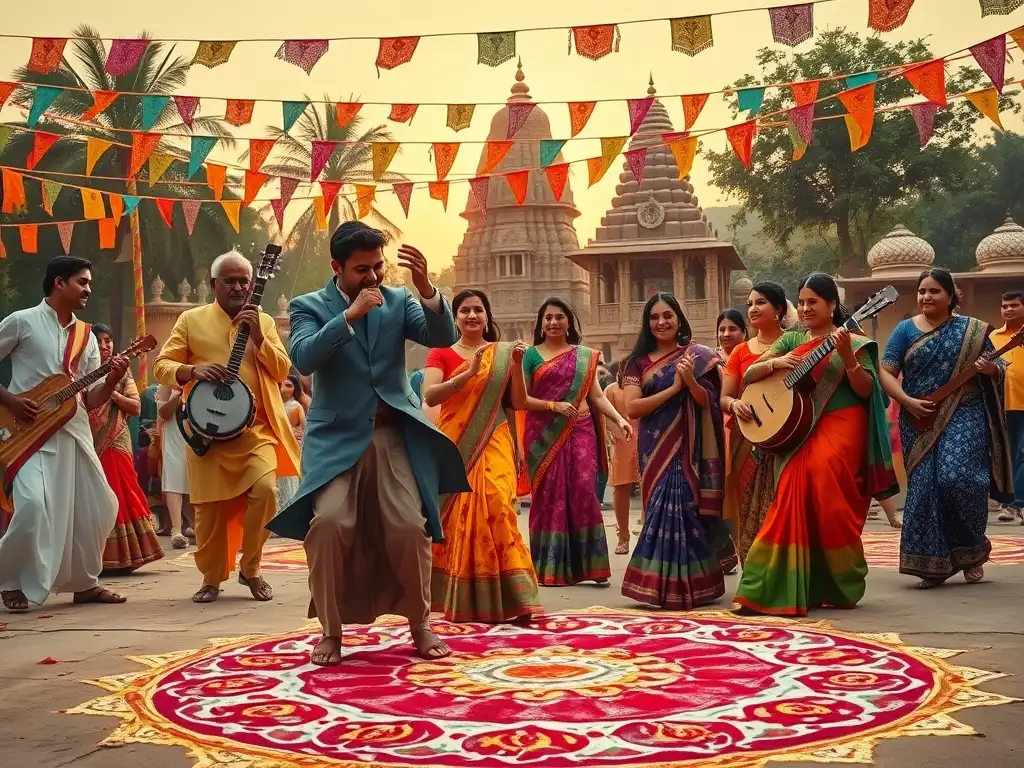
The cultural significance of Indian festivals extends far beyond the mere celebration of events; it has profoundly influenced ancient Indian art and music. This influence is evident in classical art forms and musical traditions that reflect the themes, narratives, and emotions associated with various festivals. By examining these artistic and musical expressions, we gain insight into how festivals shaped the cultural landscape of ancient India.
Artistic Representations of Festivals in Classical Art
Art in ancient India served as a medium to express and celebrate the cultural significance of festivals. Numerous classical artworks depict scenes from festivals, showcasing a vibrant tapestry of rituals, participants, and symbolic elements.
- Murals and Sculptures: Temples and caves, such as those found in Ajanta and Ellora, feature murals and sculptures that illustrate festival scenes. These artworks often capture the essence of celebrations, such as the joyous processions during the festival of Navaratri or the grandeur of Diwali with its intricate depictions of lamps and fireworks.
- Iconography: The iconography associated with festivals is rich and varied. For instance, the imagery of Lord Krishna during Janmashtami is prevalent in many artistic representations, highlighting his playful and divine nature. Similarly, the goddess Durga is frequently depicted in art during Durga Puja, symbolizing the victory of good over evil.
- Miniature Paintings: The Mughal and Rajput miniature paintings from the 16th to 19th centuries often illustrated courtly life and festivities. These paintings not only showcase the grandeur of royal celebrations but also reflect the socio-cultural aspects of festivals, capturing the attire, rituals, and communal sentiments.
The artistic representations of festivals in ancient Indian art not only served aesthetic purposes but also conveyed deeper meanings related to spirituality, community, and identity.
Musical Traditions and Their Link to Festivals
Music in ancient India was intricately woven into the fabric of festivals, serving both as a form of entertainment and as a means of spiritual expression. Various musical traditions emerged, each linked to specific festivals and their cultural significance.
- Vedic Chanting: The roots of Indian classical music can be traced back to the Vedic period, where chanting during rituals and festivals played a crucial role. The recitation of Vedic hymns during sacrificial ceremonies and festivals such as Makar Sankranti illustrates the connection between music and spirituality.
- Folk Music: Different regions of India developed unique folk music traditions tied to local festivals. For example, the Garba dance and music associated with Navaratri in Gujarat reflect the joyous spirit of the festival, characterized by rhythmic clapping and singing. Similarly, the Bhangra music during Baisakhi celebrates the harvest season and community spirit.
- Classical Music Forms: The classical music genres of Hindustani and Carnatic also feature compositions specifically created for festivals. Ragas associated with particular times of the day or seasons are often performed during festivals, enhancing the celebratory atmosphere. For instance, the Raga Yaman is commonly played during evening celebrations, adding to the festive mood.
The integration of music into festival celebrations underscores its cultural significance, as it fosters social cohesion, conveys emotions, and enhances the overall experience of the festivities.
The cultural significance of Indian festivals is intricately linked to the realms of art and music. The artistic representations and musical traditions not only celebrate the festivals themselves but also encapsulate the values, beliefs, and communal identities that have persisted throughout ancient Indian history.
Conclusion: The Enduring Legacy of Festivals in Ancient Indian Literature
The cultural significance of Indian festivals is deeply woven into the fabric of ancient Indian literature, reflecting the multifaceted nature of society during those times. Festivals served as a means of community bonding, spiritual expression, and a celebration of the cosmos. Their portrayal in classical poetry and prose highlights the values, beliefs, and social structures prevalent in ancient Indian civilizations.
Festivals in ancient texts often symbolize the cyclical nature of life, encompassing themes of rebirth, renewal, and the harmony between humanity and the divine. For instance, the celebration of Makar Sankranti in various literary works signifies the transition of seasons, reinforcing the idea of nature's enduring cycles. This not only emphasizes the agricultural significance of the festival but also showcases the philosophical understanding of life's temporality and continuity.
Moreover, the literary representation of festivals acts as a mirror reflecting the diverse cultural practices across different regions. From Diwali to Holi, each festival is depicted with its unique rituals, customs, and narratives, illustrating the regional variations and the unifying themes that connect them. The intricate descriptions found in classical poetry not only preserve these traditions but also convey the emotional and spiritual dimensions associated with each celebration.
The legacy of these festivals, as captured through ancient literature, continues to resonate today, reminding us of our historical roots and cultural identity. They serve as a bridge linking past and present, providing insights into the collective consciousness of ancient Indian society.
Reflection on the Cultural Importance of Festivals Today
In contemporary society, the cultural significance of Indian festivals remains profound, echoing the sentiments expressed in ancient literature. Festivals continue to play a pivotal role in strengthening community ties, fostering a sense of belonging, and promoting cultural heritage. They are not merely occasions for celebration but are imbued with values that encourage unity, compassion, and reverence for nature.
The rituals and customs associated with these festivals, many of which have their origins in ancient texts, serve as a reminder of the teachings and philosophies that have shaped Indian culture over centuries. For instance, the festival of Pongal, rooted in agrarian practices, highlights the importance of gratitude towards nature and the significance of sustainable living. This reflects a broader cultural ethos that values harmony with the environment, a theme prevalent in classical literature.
Moreover, festivals today provide an opportunity for cultural exchange, as they attract participation from diverse communities, thereby promoting inclusivity and understanding. This aspect resonates with the historical narratives found in ancient texts, where festivals were often occasions for diverse groups to come together, share stories, and celebrate their unique identities while recognizing common threads.
The cultural significance of Indian festivals, as articulated in ancient literature, not only enriches our understanding of the past but also shapes our present and future. They remind us of the enduring values that define our cultural identity and the importance of preserving these traditions for generations to come.
Frequently Asked Questions
What role did festivals play in ancient Indian society?
Festivals were crucial for promoting social cohesion and community bonding. They provided an opportunity for people to come together, celebrate, and reinforce cultural values.
How are festivals depicted in ancient Indian literature?
Ancient texts highlight the mythological origins, rituals, and spiritual significance of festivals. These writings often reflect the philosophical and moral teachings associated with various celebrations.
What are some major festivals mentioned in ancient Indian literature?
Festivals such as Diwali, Holi, and Makar Sankranti are frequently referenced. Each festival carries unique symbolism and is tied to seasonal changes or harvest cycles.
How did festivals influence art and architecture in ancient India?
Festivals inspired a wide range of artistic expressions, including dance, music, and temple architecture. They often served as a backdrop for cultural performances and ritualistic art.
What is the relevance of ancient festivals in contemporary India?
Many ancient festivals continue to be celebrated today, reflecting their enduring cultural significance. They promote a sense of identity and heritage, uniting generations through shared traditions.
Final Reflection: The Enduring Legacy of Indian Festivals
The cultural significance of Indian festivals transcends time, echoing through the corridors of history and resonating in contemporary society. As we explored in this article, festivals in ancient Indian literature are not merely celebrations; they are profound expressions of identity, spirituality, and community. Today, as we navigate a rapidly changing world, the essence of these festivals remains a vital thread that connects us to our roots and fosters a sense of belonging. The vibrancy of these traditions serves as a reminder that amidst modernity, we must cherish and uphold our cultural heritage.
Celebrating festivals is not just about the rituals; it is about the stories, values, and connections they foster. The influence of these ancient celebrations continues to shape our cultural landscape, inspiring art, literature, and social practices. Festivals like Diwali and Holi are not only occasions for joy but also platforms for social cohesion and cultural exchange. As Mahatma Gandhi once said, "> A nation's greatness is measured by how it treats its weakest members." This sentiment underscores the role of festivals in promoting inclusivity and mutual respect within diverse communities.
As we reflect on the cultural significance of Indian festivals, let us embrace the lessons they impart. Consider how you can integrate the values of these celebrations into your daily life. Whether it’s through acts of kindness, community engagement, or simply taking the time to appreciate your heritage, each small action contributes to a richer, more connected existence. I invite you to explore the festivals that resonate with you, to celebrate their stories, and to share their significance with others. In doing so, we not only honor our past but also pave the way for a vibrant future.
Unveil the Vibrant Legacy of Indian Festivals!
Thank you for diving into the rich tapestry of festivals in ancient Indian literature with us! You've explored how these celebrations reflect deep cultural values and traditions that continue to resonate today. Now, let’s turn this knowledge into action!
Here’s how you can connect further:
- Join a local festival: Experience the colors and flavors of an Indian festival firsthand! Find an event in your area and immerse yourself in its vibrant culture.
- Share your favorite festival story: Write about a festival you’ve celebrated or learned about in the comments section—let’s celebrate together!
- Explore ancient texts: Dive deeper into the literature that shaped these celebrations; choose a classic text related to festivals and discover the insights it offers.
Which festival from ancient Indian literature resonates with you the most, and how will you celebrate its legacy in your life today?