
The Role of Translation in Preserving Ancient Indian Poetry and Prose

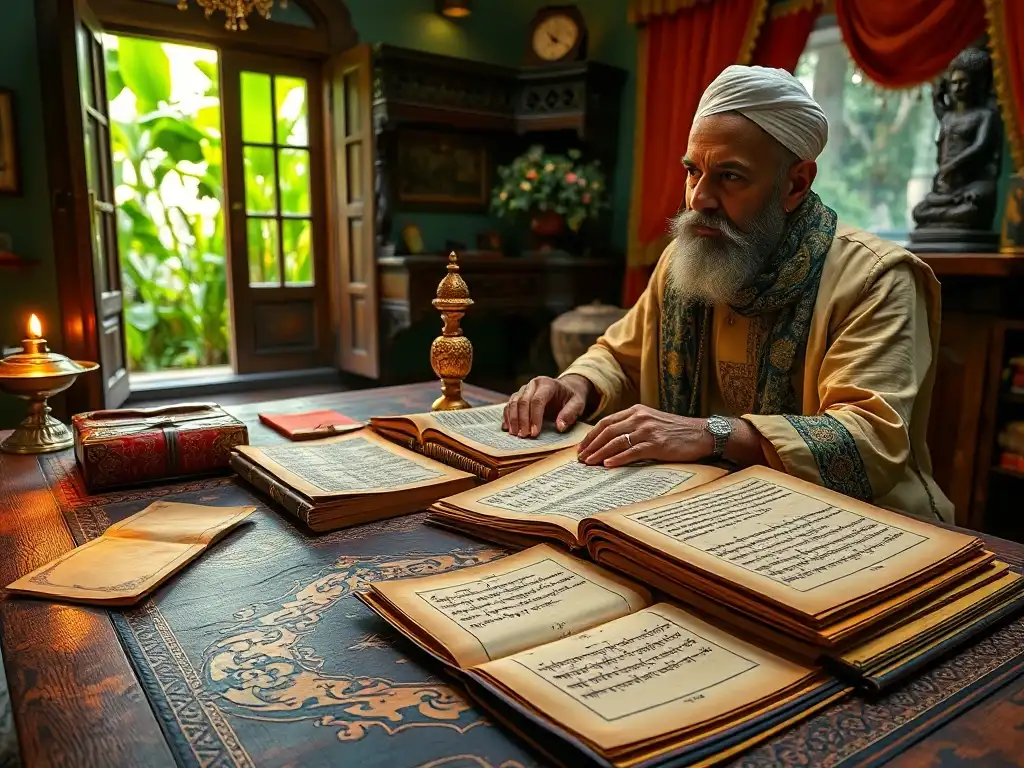
Welcome to Ancient India History, where we embark on a fascinating journey through the vibrant tapestry of ancient Indian civilizations. From the majestic Indus Valley to the illustrious Gupta Empire, this is a space dedicated to uncovering the richness of our past. In our featured article, "The Role of Translation in Preserving Ancient Indian Poetry and Prose," we delve into the profound significance of translating ancient Indian poetry.
Discover how these translations not only preserve the essence of our literary heritage but also connect us to the wisdom and artistry of our ancestors. Join us as we explore the delicate interplay between language, culture, and time, and unlock the treasures of ancient Indian literature beyond the epics. Your adventure into history starts here!
- Introduction to Ancient Indian Poetry Translation
- The Historical Context of Ancient Indian Poetry
- The Significance of Translation in Preserving Ancient Texts
- Techniques and Challenges in Translating Ancient Indian Poetry
- Case Studies: Notable Translations of Ancient Indian Poetry
- The Impact of Translation on Modern Understanding of Ancient Indian Prose
- Conclusion: The Continuing Role of Translation in Ancient Indian Poetry and Prose
-
Frequently Asked Questions
- What is the significance of translation in ancient Indian poetry?
- How did ancient Indian poetry influence later literary traditions?
- What are some notable examples of ancient Indian poetry that have been translated?
- What challenges do translators face when translating ancient Indian texts?
- Why is it important to focus on ancient Indian poetry translation today?
- Final Reflection: The Enduring Legacy of Ancient Indian Poetry Translation
- Uncover the Beauty of Ancient Indian Literature!
Introduction to Ancient Indian Poetry Translation
The translation of ancient Indian poetry and prose plays a pivotal role in preserving the rich literary heritage of one of the world's oldest civilizations. As we explore the depths of ancient Indian literature, we uncover a treasure trove of poetic forms and philosophical discourses that reflect the cultural, spiritual, and social fabric of the time.
This article delves into how translation acts as a bridge, allowing contemporary audiences to access and appreciate the profound wisdom and artistic expression embedded within texts ranging from the Vedas and Upanishads to the works of Kalidasa and Bhasa. By understanding the significance of translation, we can better appreciate the nuances of ancient Indian poetry and prose and their continued relevance in today's literary landscape.
Importance of Translation in Literature
Translation is not merely about converting text from one language to another; it is an art that requires a deep understanding of both the source and target cultures. In the context of ancient Indian poetry, translation serves several essential purposes:
- Cultural Preservation:
- Translations help preserve the cultural nuances and historical contexts of ancient texts, ensuring that future generations can learn from them.
- Accessibility:
- By translating ancient works into modern languages, scholars make these texts accessible to a wider audience, promoting a greater appreciation of ancient Indian culture and literature.
- Interdisciplinary Connections:
- Translations often draw connections between literature and other fields such as philosophy, religion, and history, enriching the understanding of ancient texts.
- Literary Interpretation:
- Translators act as interpreters, providing insights into the aesthetic and thematic elements of the original poetry and prose, which might be lost in literal translations.
Overview of Ancient Indian Poetry and Prose
Ancient Indian poetry and prose encompass a diverse range of works, reflecting the richness of Indian literary traditions. This literature can be broadly categorized into several forms, including:
- Vedic Literature:
- The earliest form of literature in India, comprising hymns, rituals, and philosophical texts, primarily found in the Rigveda, Samaveda, Yajurveda, and Atharvaveda.
- Epic Literature:
- The Mahabharata and Ramayana, which not only narrate grand tales of heroism and morality but also contain profound philosophical discourses.
- Classical Poetry:
- Works by renowned poets such as Kalidasa, who is celebrated for his lyrical beauty and mastery of language in plays like "Shakuntala" and poems like "Meghaduta."
- Bhakti and Sufi Poetry:
- A rich tradition of devotional poetry that expresses deep personal devotion to deities and the divine, exemplified by poets like Mirabai and Kabir.
By examining these forms, we see how ancient Indian poetry and prose have been shaped by cultural, religious, and social influences, making their translation essential for understanding the complexities of ancient Indian civilization.
The Historical Context of Ancient Indian Poetry
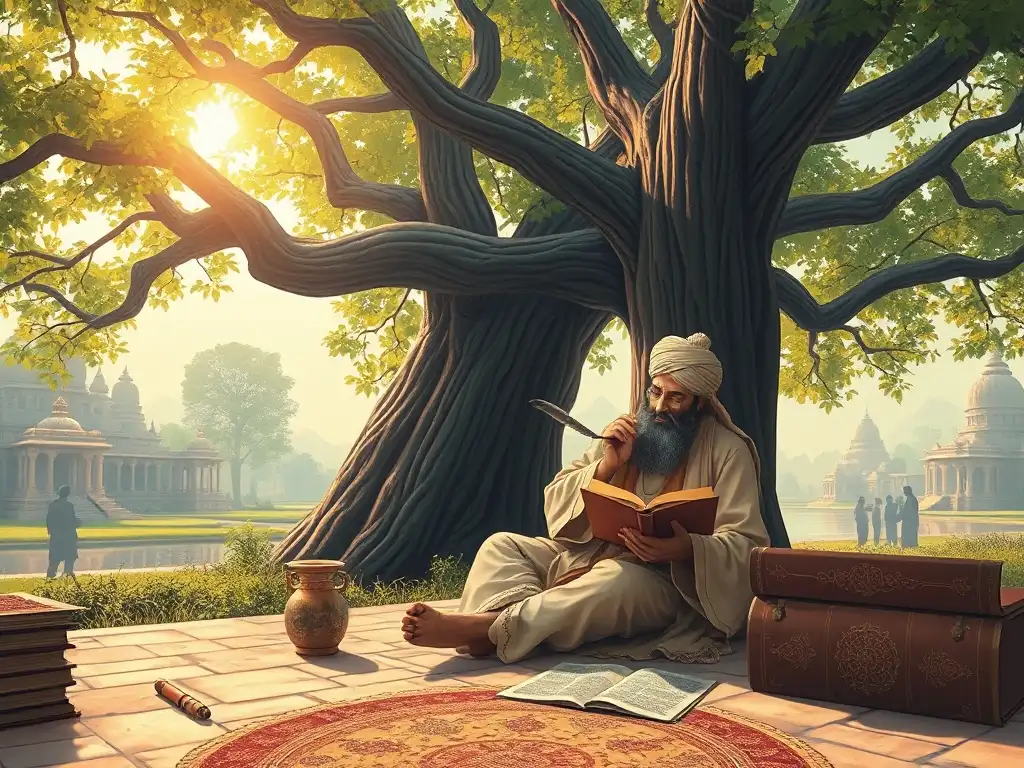
Ancient Indian poetry reflects the rich tapestry of cultural, spiritual, and philosophical influences that shaped the subcontinent over millennia. From the Vedic hymns to the works of classical poets, the historical context of this literary form is deeply intertwined with the sociopolitical landscape, religious beliefs, and linguistic evolution of the time.
Key Periods in Ancient Indian Literary History
Ancient Indian poetry can be categorized into several key periods, each marked by distinctive characteristics and themes:
- Vedic Period (circa 1500 - 500 BCE):
- Characteristics: The earliest form of poetry in India is found in the Vedas, which include hymns, prayers, and rituals. The language used is Sanskrit, and the poetic form often adheres to strict metrical patterns.
- Significance: The Vedic hymns not only served religious purposes but also laid the groundwork for later literary traditions, emphasizing themes of creation, cosmic order, and the relationship between humans and the divine.
- Epic Period (circa 500 BCE - 200 CE):
- Key Works: This period is notable for the composition of the great epics, the Mahabharata and the Ramayana.
- Themes: The poetry from this era explores complex human emotions, moral dilemmas, and the intricacies of dharma (duty/righteousness). The narratives are rich with allegory and symbolism, providing profound insights into human nature.
- Classical Period (circa 200 - 1200 CE):
- Characteristics: Marked by the emergence of regional languages alongside Sanskrit, this period saw the flourishing of various poetic forms, including the Sanskrit Kavya and regional literatures such as Tamil Sangam poetry.
- Notable Contributions: Poets like Kalidasa and Bhavabhuti significantly advanced the art of poetry, incorporating elements of nature, love, and divine themes into their works.
- Medieval Period (circa 1200 - 1700 CE):
- Cultural Influences: The arrival of Persian culture and linguistic influences transformed the poetic landscape, leading to the emergence of forms like the ghazal and nazm in Indian poetry.
- Integration of Themes: Poets began to engage more with social issues, spirituality, and the blending of cultures, evident in the works of figures like Kabir and Mirabai.
- Modern Period (18th Century onwards):
- Dynamics of Change: The British colonial period brought about significant changes in the literary scene, leading to the introduction of Western literary forms and themes.
- Revival and Renaissance: Despite external influences, there was a revival of interest in classical forms, resulting in translations and adaptations of ancient works, which helped preserve the essence of ancient Indian poetry.
Major Poets and Writers of Ancient India
Several poets and writers from ancient India have left an indelible mark on the literary world, renowned for their contributions to the poetic canon:
- Valmiki (circa 500 BCE):
- Notable Work: Author of the Ramayana, Valmiki is often regarded as the first poet (Adikavi) in Indian literature. His work intricately weaves moral lessons, devotion, and the complexities of human relationships.
- Kalidasa (circa 4th - 5th century CE):
- Signature Style: Known for his exquisite use of language and deep understanding of human emotions, Kalidasa's works such as Meghaduta (The Cloud Messenger) and Shakuntala are celebrated for their lyrical beauty and thematic depth.
- Bhartrihari (circa 5th century CE):
- Philosophical Insights: His poetry often reflects on the transient nature of life, love, and the pursuit of knowledge. The Sringara Shataka and Niti Shataka are significant for their philosophical and didactic content.
- Bhavabhuti (circa 8th century CE):
- Dramatic Influence: A contemporary of Kalidasa, Bhavabhuti is known for his dramatic poetry, especially Malatimadhava, which explores themes of love and devotion, interspersed with philosophical reflections.
- Jayadeva (circa 12th century CE):
- Devotional Poetry: His Gita Govinda is a seminal work that combines poetry and music, celebrating divine love through the lens of Radha and Krishna's relationship. This work has influenced various forms of dance and music in Indian culture.
These poets not only contributed to the richness of ancient Indian poetry but also laid the foundation for future generations, ensuring that their works would be translated and preserved, thus continuing to resonate through the ages.
By understanding the historical context and the major figures of ancient Indian poetry, one can appreciate the intricate layers of meaning and cultural significance embedded in these timeless works. The act of translation plays a crucial role in bridging the gap between ancient texts and contemporary audiences, allowing the profound wisdom of ancient Indian poetry to be shared and cherished across cultures and languages.
The Significance of Translation in Preserving Ancient Texts
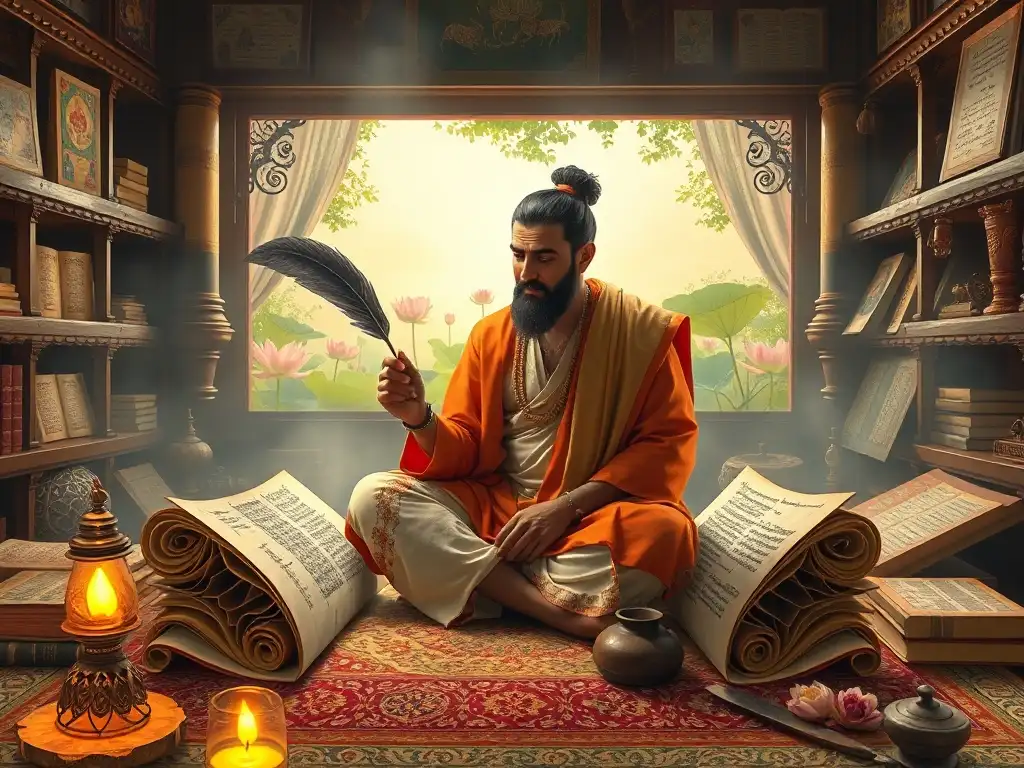
Translation has played a pivotal role in preserving ancient Indian poetry and prose, serving as a bridge that connects the timeless wisdom of past civilizations with the contemporary world. By translating texts from languages such as Sanskrit, Pali, and Prakrit into modern languages, translators have not only facilitated access to these rich literary works but have also ensured that the cultural and philosophical ideas embedded within them continue to thrive.
How Translation Affects Cultural Heritage
The act of translation extends beyond mere linguistic conversion; it is a vital process that influences the transmission of cultural heritage. Ancient Indian poetry, often steeped in religious, philosophical, and social contexts, contains intricate layers of meaning that can be lost in translation. A well-executed translation captures the essence of the original text, allowing readers to appreciate the nuances of cultural beliefs, traditions, and values.
Some critical impacts of translation on cultural heritage include:
- Accessibility: Translations make ancient texts available to non-native speakers, broadening the audience. This accessibility opens doors for further scholarly research and public interest in ancient Indian literature.
- Cultural Exchange: By translating ancient Indian poetry into languages like English, French, or German, translators facilitate a cultural dialogue, allowing for exchanges of ideas and artistic expressions across borders. This interaction enriches the global understanding of Indian culture.
- Preservation of Knowledge: Translations can serve as a means to preserve ancient knowledge that might otherwise fade into obscurity. By documenting and translating works, scholars help safeguard the intellectual heritage of ancient civilizations for future generations.
- Interpretative Layers: Each translation introduces a new layer of interpretation, reflecting the translator's understanding and cultural context. This can lead to diverse readings of a single text, enriching the literary tradition and encouraging critical discourse about its themes and meanings.
Translators as Cultural Mediators
Translators occupy a unique position as cultural mediators, tasked with the responsibility of navigating the complexities of language and meaning. Their role extends beyond just converting words; they must also convey the emotional and cultural weight of the original text.
Some key aspects of the translator's role include:
- Cultural Contextualization: Translators must possess a deep understanding of both the source and target cultures. This knowledge allows them to provide context, ensuring that idiomatic expressions, metaphors, and cultural references resonate with modern readers.
- Creative Interpretation: In cases where direct translation is insufficient, translators often employ creative interpretation to capture the spirit of the original work. This may involve reimagining poems in a way that retains their aesthetic quality while making them comprehensible to new audiences.
- Ethical Responsibility: A translator bears the ethical duty to remain faithful to the original text while acknowledging their interpretive choices. This balance is crucial in maintaining the integrity of ancient Indian poetry, as misrepresentations can lead to misconceptions about the culture and its literature.
- Promotion of Literary Appreciation: Through their translations, translators play a significant role in promoting the appreciation of ancient Indian poetry and prose. They introduce readers to the beauty of literary forms such as shlokas and kavyas, fostering a greater understanding of India's literary heritage.
Translation is not merely a technical skill but an art form that contributes significantly to the preservation and appreciation of ancient Indian poetry and prose. As cultural mediators, translators ensure that the rich tapestry of India's literary tradition continues to inspire and educate future generations.
Techniques and Challenges in Translating Ancient Indian Poetry
Understanding Literary Devices in Ancient Texts
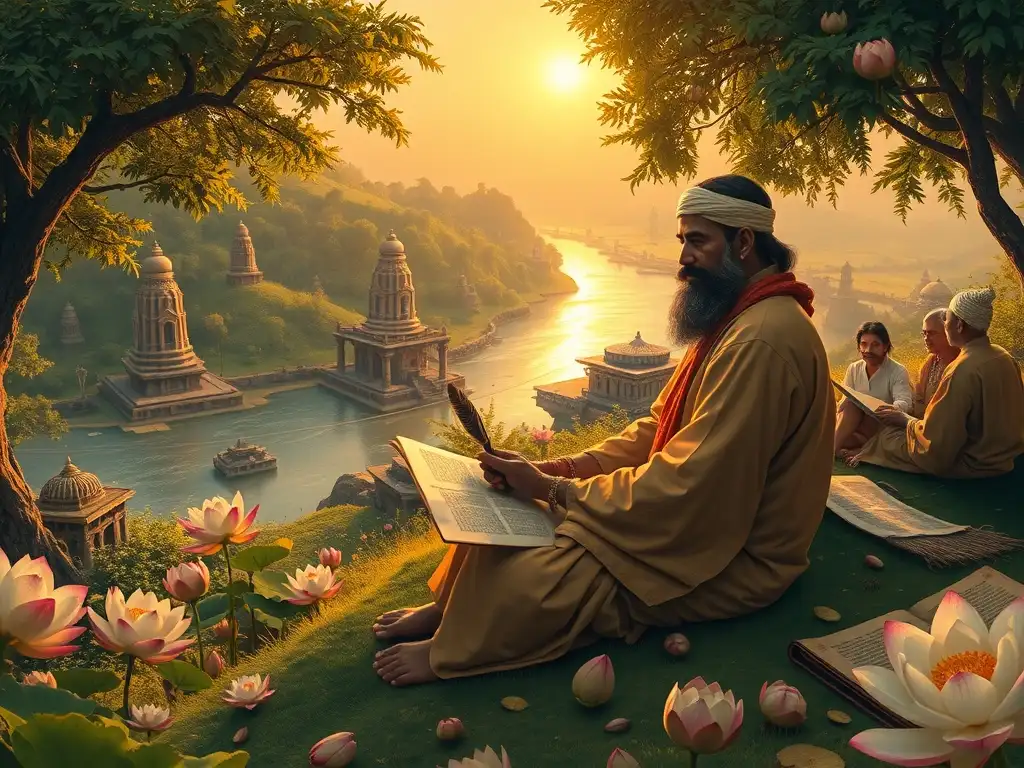
Translating ancient Indian poetry involves a deep understanding of the literary devices unique to the time and culture. Ancient Indian poets employed a variety of techniques such as metaphor, alliteration, simile, and symbolism, which convey complex emotions and ideas. These devices not only enrich the text but also reflect the cultural and philosophical context of the era.
For instance, metaphors in works like the Rigveda often draw comparisons between nature and divine presence, creating layers of meaning that are crucial to the text's interpretation. Similarly, the use of alliteration and assonance enhances the phonetic quality of the poetry, making it more rhythmic and memorable. Translators must carefully consider these devices, as a direct translation may strip the text of its original beauty and impact.
Moreover, the cultural references embedded within the poetry pose another layer of complexity. Terms and symbols that resonate deeply within the context of ancient Indian society may not have direct equivalents in modern languages. For example, concepts such as Dharma (righteousness) and Karma (action) carry extensive philosophical weight that requires detailed explanation in translation to preserve their significance.
Common Challenges Faced by Translators
Translating ancient Indian poetry is fraught with challenges that can hinder the preservation of the original text's essence. Some of the most common hurdles include:
- Language Evolution: Ancient Sanskrit and Prakrit languages have significantly evolved, making it difficult to find exact matches in contemporary languages. This evolution can lead to multiple interpretations of a single term or phrase, complicating the translator's task.
- Cultural Nuances: Ancient texts often contain cultural references that may be obscure or entirely foreign to modern readers. Translators must bridge this gap, providing context without losing the original meaning or poetic form.
- Ambiguity: Many ancient Indian poems are inherently ambiguous, allowing for multiple interpretations. While this richness is a hallmark of the genre, it poses a challenge for translators who must decide which interpretation to emphasize.
- Maintaining Poetic Form: Poetry inherently has a structure that includes rhythm, meter, and rhyme. Translators face the daunting task of preserving these elements while ensuring that the translated text remains meaningful. This often requires creative liberties that can alter the original intent.
- Philosophical Depth: The philosophical ideas embedded in ancient Indian poetry are profound and often complex. Capturing the essence of concepts like Bhakti (devotion) or Moksha (liberation) demands not just linguistic skill but also an understanding of the underlying philosophy.
Strategies for Effective Translation of Poetry
To navigate the complexities of ancient Indian poetry translation, several strategies can be employed:
- Collaborative Approach: Engaging with scholars of ancient Indian literature and philosophy can provide invaluable insights. This collaboration helps in deciphering cultural references and philosophical nuances, ensuring a more accurate translation.
- Contextual Annotations: Including footnotes or endnotes that explain cultural references, literary devices, and philosophical concepts can enhance reader comprehension. These annotations serve as a bridge, allowing modern readers to appreciate the depth of the original text.
- Preserving Rhythm and Sound: While literal translations may sacrifice poetic form, translators can experiment with sound patterns and rhythms in the target language. Techniques such as free verse or blank verse can be employed to maintain a lyrical quality while adapting the content.
- Iterative Process: Translation should be viewed as an iterative process. Revising drafts and seeking feedback from peers can help refine the translation, ensuring that it resonates with both the original intent and the target audience.
- Embracing Creativity: Effective translation may require creative reinterpretation of phrases and ideas. Translators should feel empowered to adapt metaphors and allusions in ways that resonate with contemporary readers while remaining faithful to the original text's spirit.
By employing these strategies, translators can work towards preserving the beauty and depth of ancient Indian poetry, ensuring that these timeless works continue to inspire future generations.
Case Studies: Notable Translations of Ancient Indian Poetry
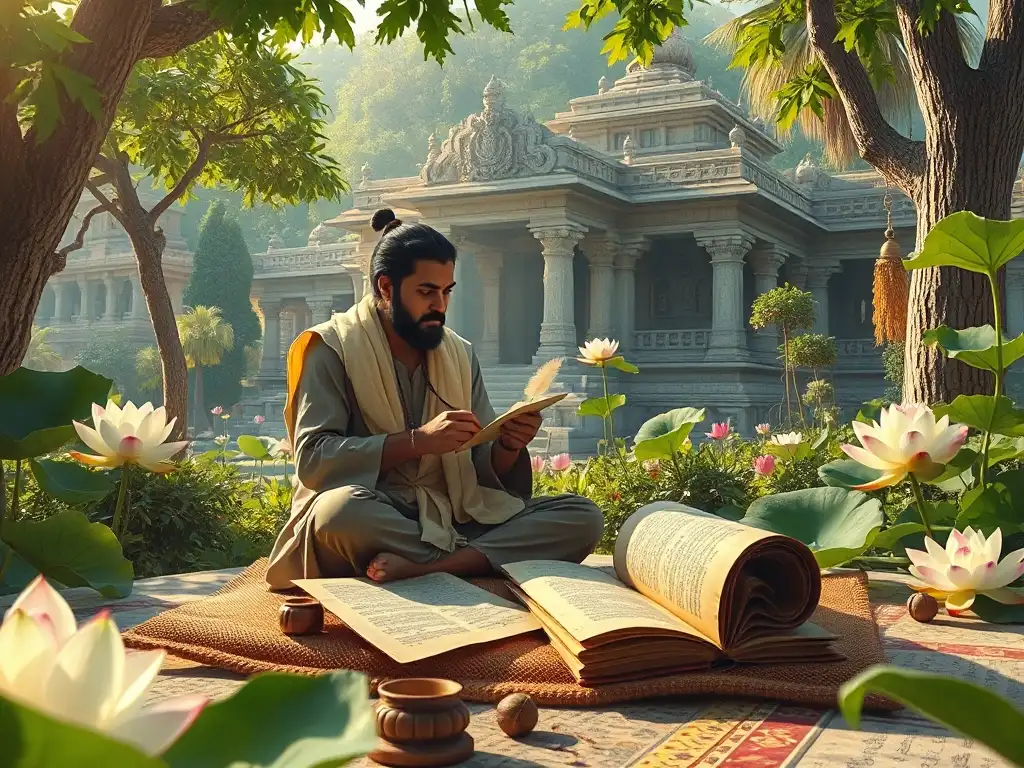
Translation of the Rigveda
The Rigveda, one of the oldest known texts in the world, is a crucial component of ancient Indian literature and spirituality. Composed in Sanskrit around 1500 BCE, this collection of hymns addresses various deities and natural phenomena, offering insights into the early Indo-Aryan culture. The translation of the Rigveda has played a vital role in preserving its essence and making it accessible to a global audience.
Key Translations
- Max Müller (1849): One of the first comprehensive translations, Müller’s work focused on the spiritual and philosophical aspects of the text, allowing Western readers to appreciate its depth. His translations, while not always literal, introduced the hymns' themes and cultural significance.
- Ralph T.H. Griffith (1896): Griffith’s translation aimed to maintain the poetic quality of the original text. By utilizing English meter, he sought to convey the rhythmic beauty of the Rigveda, facilitating a better understanding of its literary style.
- Stephanie W. Jamison and Joel P. Brereton (2014): Their modern translation is noted for its accuracy and scholarly approach. By employing contemporary linguistic methodologies, they brought new insights into the text, shedding light on its historical context and literary nuances.
Impact on Understanding Ancient Indian Poetry
These translations have not only preserved the hymns but have also opened avenues for further research and interpretation. The varying styles of translation reflect differing approaches to ancient texts, from literal interpretations to more artistic renditions. This diversity enriches the understanding of the Rigveda, illustrating how ancient Indian poetry can resonate across cultures and eras.
Translation of Kalidasa’s Works
Kalidasa, often regarded as the greatest Sanskrit poet and dramatist, has had a profound impact on the literary world. His works, including Shakuntala and Meghaduta, showcase his mastery of language and emotional depth. The translation of Kalidasa’s works into various languages has been instrumental in establishing his global significance.
Noteworthy Translations
- Arthur W. Ryder (1905): Ryder’s translation of Shakuntala was one of the earliest and most influential English versions. His ability to capture the lyrical beauty of Kalidasa’s poetry helped introduce this classic to Western audiences, emphasizing themes of love and nature.
- A. N. D. Haksar (2005): Haksar’s translations have been praised for their fidelity to the original Sanskrit text. He incorporates footnotes and commentary that provide context, making the intricacies of Kalidasa's works more accessible to modern readers.
- R. Parthasarathy (1989): Known for his poetic sensibility, Parthasarathy's translations retain the original's rhythm and tone. His interpretation of Meghaduta has been particularly lauded for its evocative imagery and emotional resonance.
Contribution to World Literature
The translations of Kalidasa's works have influenced various literary traditions around the world. His themes of love, nature, and longing resonate universally, and the translations have inspired countless writers and poets. This cross-cultural exchange underscores the value of translating ancient Indian poetry, fostering appreciation for its rich literary heritage.
Influence of Translated Texts on Global Literature
The translations of ancient Indian poetry have had a significant impact on global literature, serving as a bridge between cultures and enriching literary traditions worldwide. The nuances of ancient Indian poetic forms and themes have inspired a multitude of writers, scholars, and artists across the globe.
Cross-Cultural Influences
- Romanticism: The translations of texts like the Rigveda and Kalidasa’s works contributed to the Romantic movement in Europe, where poets sought inspiration from nature and spirituality, drawing parallels with themes found in ancient Indian poetry.
- Modernist Literature: The exploration of existential themes and inner emotions in translated works has influenced modernist writers. The emotive depth of Kalidasa's poetry resonates with literary giants such as T.S. Eliot and Ezra Pound.
- Postcolonial Discourse: Translations have also played a role in postcolonial studies, allowing scholars to analyze the cultural exchanges between the East and West. They highlight how ancient Indian poetry can challenge and enrich contemporary narratives.
Educational and Cultural Impact
By making ancient Indian poetry accessible, translations foster a greater understanding of India's diverse cultural heritage. They serve as educational tools in universities worldwide, encouraging comparative literature studies and cross-cultural dialogue. Furthermore, they have inspired adaptations in various art forms, including theater, dance, and music, showcasing the timelessness of ancient Indian literary traditions.
The role of translation in preserving ancient Indian poetry is indispensable. By bridging the gap between languages and cultures, translations not only safeguard these literary treasures but also ensure their continued relevance and appreciation in the modern world.
The Impact of Translation on Modern Understanding of Ancient Indian Prose
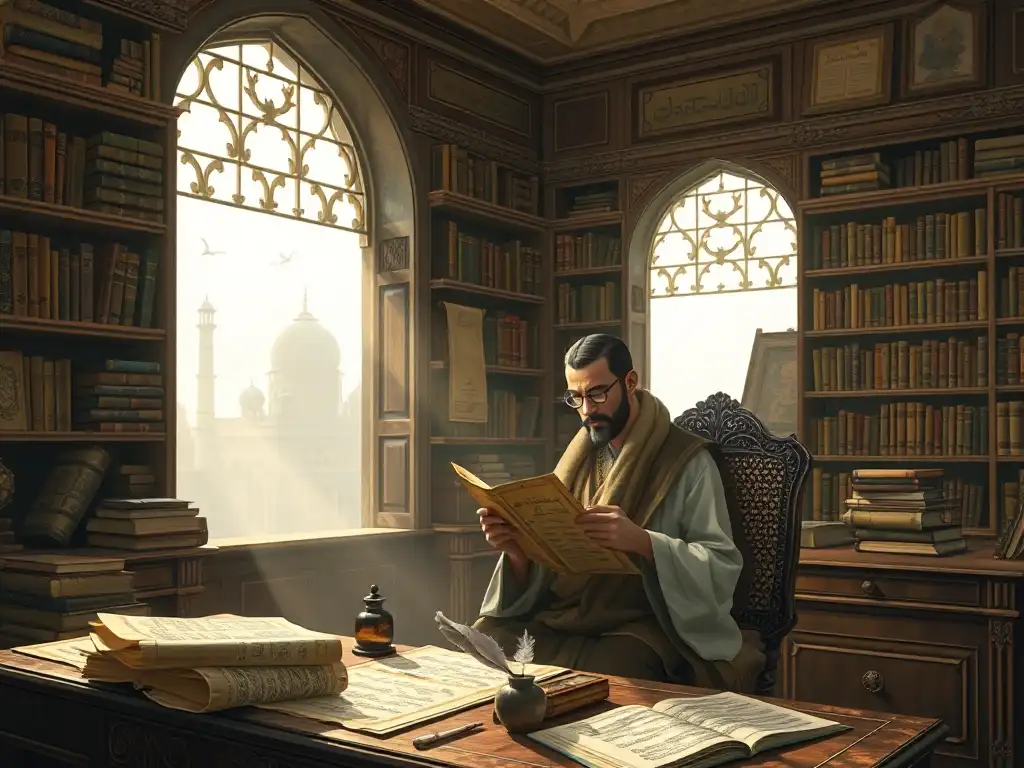
Translation plays a crucial role in bridging the gap between ancient Indian prose and contemporary readers. By rendering texts into modern languages, translators not only make these works accessible but also provide insights into the cultural, philosophical, and historical contexts of ancient India. This impact is particularly significant in the realm of ancient Indian literature, where nuances of language, idiomatic expressions, and cultural references can often be lost in translation.
Relevance of Translations in Contemporary Studies
Translations contribute immensely to the academic study of ancient Indian prose. They allow scholars to analyze and interpret texts that would otherwise remain obscure due to language barriers. For instance, key texts such as the Mahabharata, Ramayana, and the Panchatantra offer rich narratives and moral lessons that are pivotal in understanding Indian ethos and values.
- Accessibility: Translations make ancient texts available to a wider audience, including those who may not have the opportunity to learn classical languages like Sanskrit or Prakrit. This democratization of knowledge encourages a diverse range of interpretations and analyses.
- Cultural Exchange: Translated works foster cross-cultural dialogues, allowing readers worldwide to engage with ancient Indian thought. For example, the translation of works by Kalidasa has influenced various literary movements across the globe, showcasing the universal themes of love, nature, and human emotion found in his poetry.
- Scholarly Discourse: The existence of translations enables more comprehensive scholarly discussions. Academic conferences and journals increasingly publish works that analyze translations, examining the fidelity and creative liberties taken by translators and how these choices affect the understanding of the original texts.
Contributions of Translated Works to Global Literature
The translation of ancient Indian prose has significantly enriched global literature, influencing writers and poets worldwide. These translations not only preserve the essence of ancient Indian narratives but also inspire creative expressions in various literary traditions.
- Inspiration for Modern Writers: Many Western writers and poets have drawn inspiration from translated ancient Indian texts. For example, the translations of the Bhagavad Gita have profoundly impacted thinkers like Ralph Waldo Emerson and Aldous Huxley, who integrated its philosophical concepts into their works.
- Literary Styles and Techniques: Translators often adapt literary styles to resonate with contemporary audiences, introducing innovative narrative techniques and poetic forms. This adaptation can lead to the evolution of new genres and styles within global literature.
- Cultural Awareness: Translated ancient Indian prose serves as a conduit for cultural awareness, allowing readers to appreciate the richness of Indian heritage and its philosophical inquiries. Texts that explore concepts such as dharma, karma, and moksha offer profound insights that transcend cultural boundaries.
The role of translation in preserving ancient Indian poetry and prose cannot be overstated. By facilitating understanding and appreciation of these texts, translations play a vital part in both academic studies and the broader literary landscape, ensuring that the wisdom of ancient Indian civilizations continues to inspire future generations.
Conclusion: The Continuing Role of Translation in Ancient Indian Poetry and Prose
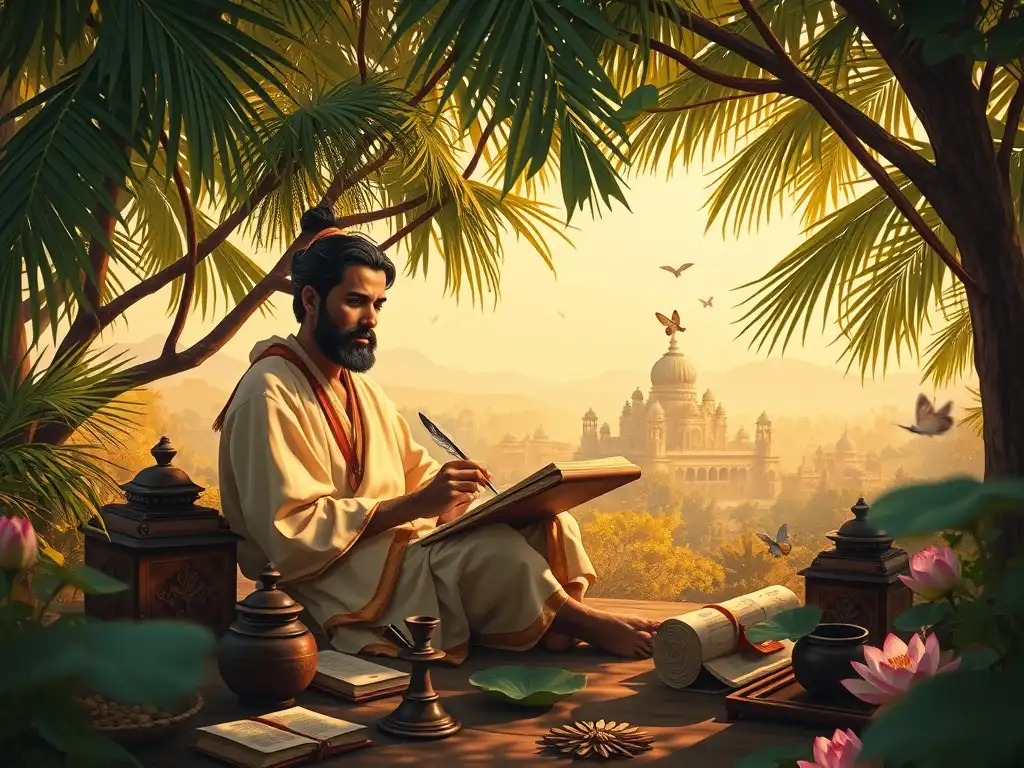
In the context of ancient Indian poetry and prose, translation has played a pivotal role in bridging cultural and linguistic divides. It has been instrumental in ensuring that the wisdom, artistic expression, and philosophical insights embedded in ancient texts continue to resonate with contemporary audiences. The nuances of language, coupled with the richness of cultural context, make translation not merely a task of word substitution but an art form in itself.
By translating ancient Indian poetry, translators serve as custodians of cultural heritage, allowing timeless works to reach new audiences. This process not only preserves the original text's meaning but also adapts it to ensure relevance in today's world. As scholars and enthusiasts continue to engage with these translations, the impact and appreciation of ancient Indian literature can be expected to flourish.
Future Prospects for Translation in Preserving Literary Heritage
The future of translation in preserving ancient Indian poetry and prose appears promising, with several key factors shaping its trajectory:
- Technological Advancements:
- Digital Platforms: The rise of e-books, online journals, and digital archives facilitates wider access to translated texts, making them more available to global audiences.
- Machine Translation: While human translation remains irreplaceable for its nuance, advancements in AI can assist translators by providing preliminary translations, which can then be refined for accuracy and cultural sensitivity.
- Interdisciplinary Approaches:
- Collaborations between literary scholars, linguists, and cultural historians are likely to yield richer translations that better capture the essence of the original works.
- Workshops and seminars focusing on translation studies can foster a community of translators who share techniques and insights.
- Increased Interest in Global Literature:
- As readers become more curious about diverse cultures, there is a growing demand for translations of ancient texts.
- This interest can lead to more funding and support for translation projects, ensuring that ancient Indian poetry and prose are not only preserved but also celebrated.
- Cultural Exchange Initiatives:
- Programs promoting cultural exchange can encourage translations of ancient texts into various languages, fostering a deeper understanding of India’s literary heritage across the globe.
Final Thoughts on the Importance of Translation in Cultural Preservation
Translation is not just a means of communication; it is a vital process in the preservation of cultural identity and heritage. For ancient Indian poetry and prose, translation serves multiple functions:
- Cultural Continuity: It ensures that the voices of past civilizations are not lost to time. By making these texts accessible, translation aids in the continuity of cultural narratives.
- Educational Value: Translated works serve as educational resources for students and scholars, providing insights into ancient philosophies, ethical values, and artistic expressions that shaped Indian civilization.
- Fostering Global Understanding: Translation cultivates an appreciation for the diversity of human experience. It allows readers from different backgrounds to engage with ancient Indian literature, promoting empathy and cultural awareness.
The role of ancient Indian poetry translation is crucial in safeguarding the literary treasures of the past. As we move forward, embracing innovative approaches and fostering collaborative efforts will ensure that the rich tapestry of ancient Indian literature continues to inspire and educate future generations.
Frequently Asked Questions
What is the significance of translation in ancient Indian poetry?
Translation plays a crucial role in preserving and disseminating ancient Indian poetry, allowing a wider audience to appreciate its cultural and literary richness.
How did ancient Indian poetry influence later literary traditions?
Ancient Indian poetry laid the foundations for many literary traditions, inspiring poets across the world and contributing to the development of various literary forms.
What are some notable examples of ancient Indian poetry that have been translated?
Well-known works include the Rigveda, Mahabharata, and Ramayana, each offering profound insights into philosophy, mythology, and society of ancient India.
What challenges do translators face when translating ancient Indian texts?
Translators often grapple with cultural nuances, metaphorical language, and the intricacies of ancient scripts, which can affect the accuracy and interpretation of the texts.
Why is it important to focus on ancient Indian poetry translation today?
Focusing on translation today preserves the heritage of ancient texts, ensuring that their wisdom and artistry continue to resonate with modern audiences and scholars.
Final Reflection: The Enduring Legacy of Ancient Indian Poetry Translation
The preservation of ancient Indian poetry and prose through translation is not just a scholarly endeavor; it is a vital act of cultural continuity. In today's globalized world, where diverse voices often compete for attention, the translation of ancient texts serves as a bridge connecting us to our rich literary heritage. This act of translation allows us to appreciate the beauty and wisdom of ancient Indian literature, reminding us that these works are not relics of the past but living texts that resonate with contemporary themes and experiences.
The influence of ancient Indian poetry and prose transcends geographical boundaries and cultural divides, enriching the global literary landscape. As we engage with these texts through translation, we not only honor the original authors but also invite new interpretations and insights that can inspire future generations. Translation is the art of failure,
said Umberto Eco, highlighting the challenges and triumphs inherent in this process. This ongoing dialogue between languages and cultures fosters a deeper understanding of our shared humanity, emphasizing the importance of preserving and celebrating our literary traditions.
As we reflect on the significance of ancient Indian poetry translation, I invite you to consider how these timeless works can inform your own life and perspective. Embrace the opportunity to explore these texts, whether through reading, discussion, or creative expression. Let the wisdom of the past guide you in your journey, reminding you that literature has the power to transcend time and space, enriching our lives and shaping our futures. Together, we can ensure that the voices of ancient poets continue to echo in our modern world.
Uncover the Beauty of Ancient Indian Literature!
Thank you for dedicating your time to explore the captivating world of ancient Indian poetry and prose with us! You’ve gained valuable insights into how translation plays a crucial role in preserving these timeless masterpieces. Now, let’s take the next step in celebrating and sharing this rich heritage.
Here’s how you can get involved:
- Dive deeper into the beauty of ancient texts by accessing translated works—start by visiting your local library or exploring an online archive!
- Share your insights with friends and family—discuss your favorite poems or prose pieces over coffee to inspire others to appreciate this literary legacy.
- Join a community or book club focused on ancient literature—explore new interpretations and broaden your understanding with others who are passionate about this subject.
Which ancient poem or prose piece resonates with you the most, and why do you believe it deserves more attention in today's world?