
Experience the Grandeur of Mughal Gardens: A Heritage Tour of Opulence

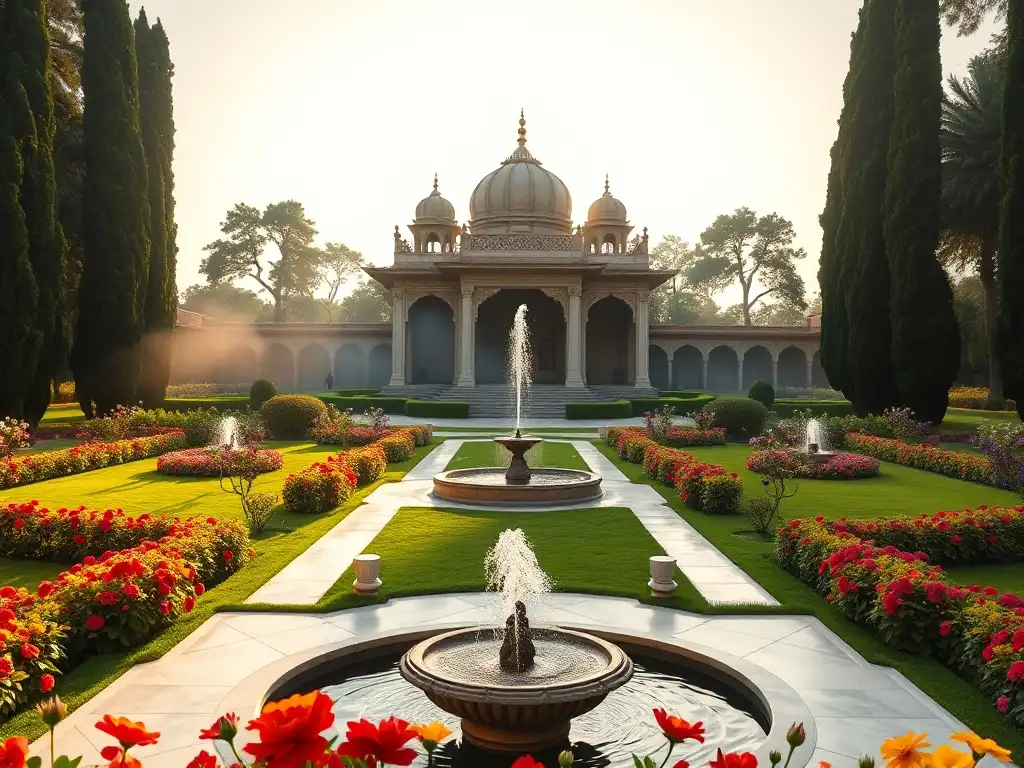
Welcome to Ancient India History, where we embark on a journey through the captivating tapestry of India's past! Dive into the enchanting world of the Mughal Gardens heritage tour, a true testament to the opulence and ingenuity of ancient Indian civilizations. As we explore the lush landscapes and intricate designs that characterize these majestic gardens, you'll uncover stories of artistry, culture, and history that have stood the test of time. Ready to experience the grandeur that awaits? Let your adventure begin as you uncover the secrets of India’s rich historical legacy!
- Introduction to Mughal Gardens Heritage Tour
- The Architectural Marvels of Mughal Gardens
- Planning Your Mughal Gardens Heritage Tour
- Experiencing the Grandeur: What to Expect on Your Tour
- The Legacy of Mughal Gardens in Modern Times
- Conclusion: Embrace the Opulence of Mughal Gardens
- Additional Resources for Planning Your Heritage Tour
- Frequently Asked Questions
- Final Reflection: Embracing the Legacy of Mughal Gardens
- Unveil the Beauty of Mughal Gardens Today!
Introduction to Mughal Gardens Heritage Tour
The Mughal Gardens stand as a testament to the grandeur and sophistication of ancient Indian architecture and landscaping, reflecting the cultural synthesis that flourished during the Mughal Empire. This heritage tour offers a unique opportunity to delve into a world where nature and artistry converge, showcasing the opulence of a bygone era. From the meticulously designed layouts to the intricate waterworks, the Mughal Gardens symbolize a harmonious blend of Persian aesthetics and Indian traditions.
As we explore these lush landscapes, we embark on a journey through time, uncovering the stories of emperors, poets, and visionaries who nurtured these paradisiacal retreats. Whether you are a history enthusiast, a lover of nature, or a traveler seeking luxury experiences, the Mughal Gardens heritage tour promises an enriching encounter with India's rich legacy.
Understanding the Significance of Mughal Gardens in Indian History
The Mughal Gardens are not just beautiful landscapes; they are steeped in historical significance. Established during the reign of the Mughal emperors from the 16th to the 18th centuries, these gardens were designed as a representation of paradise on earth. They serve as a physical embodiment of the Persian concept of a “paradise garden,” known as Pairidaeza, which translates to 'walled enclosure.'
- Cultural Fusion: The design of Mughal Gardens is a synthesis of Persian, Islamic, and Indian architectural styles, illustrating the rich cultural interplay of the time. This fusion is evident in the geometric layouts, flowing water channels, and the use of vibrant flora.
- Symbolism of Gardens: The gardens were often used as retreats for emperors and their courts, symbolizing power and wealth. They featured intricate pathways, terraced lawns, and ornamental fountains, enhancing the aesthetic pleasure and providing a serene environment for reflection and leisure.
- Historical Importance: Many Mughal Gardens, such as the famous Shalimar Bagh and Nishat Bagh in Kashmir, played a significant role in the cultural and social life of the Mughal era. They were venues for royal gatherings, poetry recitals, and celebrations, leaving an indelible mark on India's historical narrative.
Overview of the Opulence and Design of Mughal Gardens
The opulence of Mughal Gardens is reflected in their elaborate designs and the meticulous attention to detail in their layouts. Each garden is a masterpiece, showcasing the artistic vision of the Mughal emperors.
- Architectural Features:
- Symmetry and Geometry: The gardens are typically laid out in a symmetrical pattern, with a central water channel that divides the garden into quadrants, representing the four gardens of paradise.
- Fountains and Waterworks: Water plays a crucial role in the design, symbolizing life and purity. The use of fountains, reflecting pools, and waterways not only enhances the aesthetic appeal but also provides a cooling effect in the hot climate.
- Flora and Fauna:
- The gardens are adorned with a variety of flowering plants, trees, and exotic herbs, meticulously chosen for their colors, fragrances, and seasonal blooms.
- The inclusion of fruit-bearing trees, such as pomegranates and citrus, adds an element of abundance and sustenance.
- Artistic Elements:
- Pavilions and Structures: Many gardens feature beautifully crafted pavilions, terraces, and seating areas, providing visitors with spaces to relax and take in the surroundings.
- Inscriptions and Decorative Arts: The walls and pathways often carry inscriptions of poetry or religious texts, further enriching the experience and connecting visitors with the intellectual heritage of the Mughal era.
As we embark on this heritage tour of the Mughal Gardens, we invite you to immerse yourself in the opulence and historical richness that these landscapes offer, experiencing a slice of India's glorious past.
The Architectural Marvels of Mughal Gardens
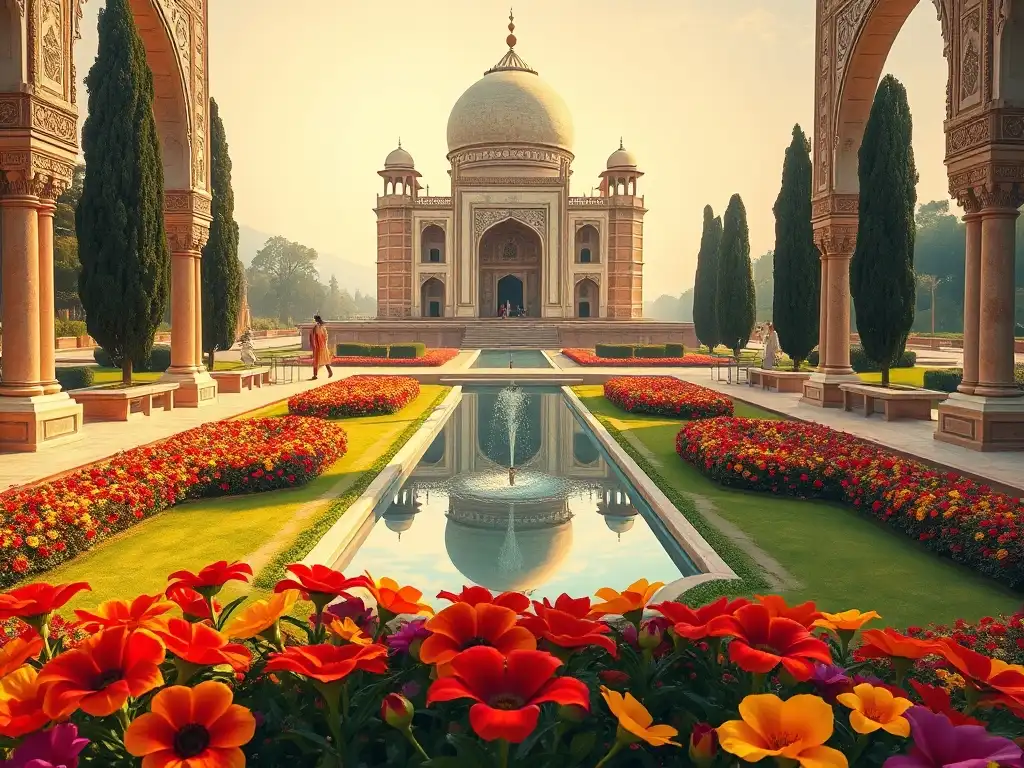
The Mughal Gardens stand as a testament to the grandeur and sophistication of the Mughal Empire, showcasing an intricate blend of Persian, Indian, and Islamic architectural styles. These gardens were not merely recreational spaces but were deeply symbolic, embodying the Mughal ethos of harmony, beauty, and order. A heritage tour through these gardens provides a unique opportunity to explore their rich history, innovative designs, and cultural significance.
Key Features of Mughal Garden Design
Mughal Gardens are renowned for their meticulous planning and design, which reflect the philosophical and aesthetic principles of the time. The following features are essential to understanding their architectural brilliance:
Symmetry and Waterworks: The Essence of Mughal Aesthetics
One of the defining characteristics of Mughal Gardens is their symmetrical layout, which is often centered around a water feature. This reflects the Persian influence, where water is considered a symbol of life and purity. The gardens typically follow a quadrilateral design, divided into four main parts by waterways, creating a harmonious balance.
- Canals and Fountains: Water channels flow through the gardens, often adorned with fountains that enhance the serene ambiance.
- Reflective Pools: These pools not only serve as a cooling element but also mirror the surrounding beauty, adding to the visual splendor.
Use of Flora: Plants and Flowers that Define the Gardens
The selection of flora in Mughal Gardens was deliberate and symbolic. The gardens are often filled with a variety of plants and flowers, each chosen for its beauty and cultural significance.
- Champa and Jasmine: Commonly used for their fragrance, these flowers enhance the sensory experience of visitors.
- Fruit Trees: Pomegranate and citrus trees are frequently found, symbolizing abundance and prosperity.
This careful selection of plants serves to create a vibrant and enchanting atmosphere, inviting visitors to immerse themselves in nature's beauty.
Iconic Mughal Gardens to Explore
Each Mughal Garden is steeped in history and showcases unique elements that contribute to its charm. Here are some of the most iconic gardens worth exploring on a heritage tour:
Shalimar Bagh: A Glimpse into Royal Luxury
Shalimar Bagh, located in Srinagar, is perhaps one of the most celebrated Mughal gardens. Built in the 17th century by Emperor Shah Jahan, it exemplifies the luxury and grandeur of Mughal architecture.
- Terraced Levels: The garden is designed in three descending terraces, reminiscent of the heavenly abode of the Mughals.
- Pavilions and Fountains: Intricate pavilions and stunning fountains enhance the garden's opulence.
Visitors can enjoy a leisurely stroll through the garden while soaking in the breathtaking views of the Dal Lake.
Nishat Bagh: The Garden of Joy
Nishat Bagh, also situated in Srinagar, translates to "Garden of Joy." This garden, designed in 1633, is known for its spectacular views of the surrounding mountains.
- Flower Beds: The colorful flower beds, especially during spring, create a picturesque landscape.
- Symbolism: The garden reflects the joy of life, with pathways leading to various sections that evoke a sense of discovery.
The garden's design allows for an intimate experience with nature, making it a perfect spot for relaxation and reflection.
Humayun’s Tomb Gardens: A UNESCO World Heritage Site
The gardens surrounding Humayun's Tomb in Delhi are a remarkable example of Mughal landscaping and architecture. Designated a UNESCO World Heritage Site, this garden exemplifies the Mughal garden style with its structured layout and exquisite beauty.
- Char Bagh Layout: The garden follows the traditional Char Bagh (four-part) layout, symbolizing paradise.
- Heritage Significance: The gardens are an integral part of the tomb complex, reflecting the importance of nature in Mughal culture.
Visitors to Humayun's Tomb Gardens can appreciate the harmonious blend of architecture and landscape, providing a glimpse into the imperial ambitions of the Mughal era.
Exploring the Mughal Gardens offers not only a journey through lush landscapes but also an insight into the rich cultural heritage that has shaped India's historical narrative. A Mughal Gardens heritage tour is an opportunity to experience the elegance and artistry that define this remarkable period in Indian history.
Planning Your Mughal Gardens Heritage Tour
Best Time to Visit Mughal Gardens
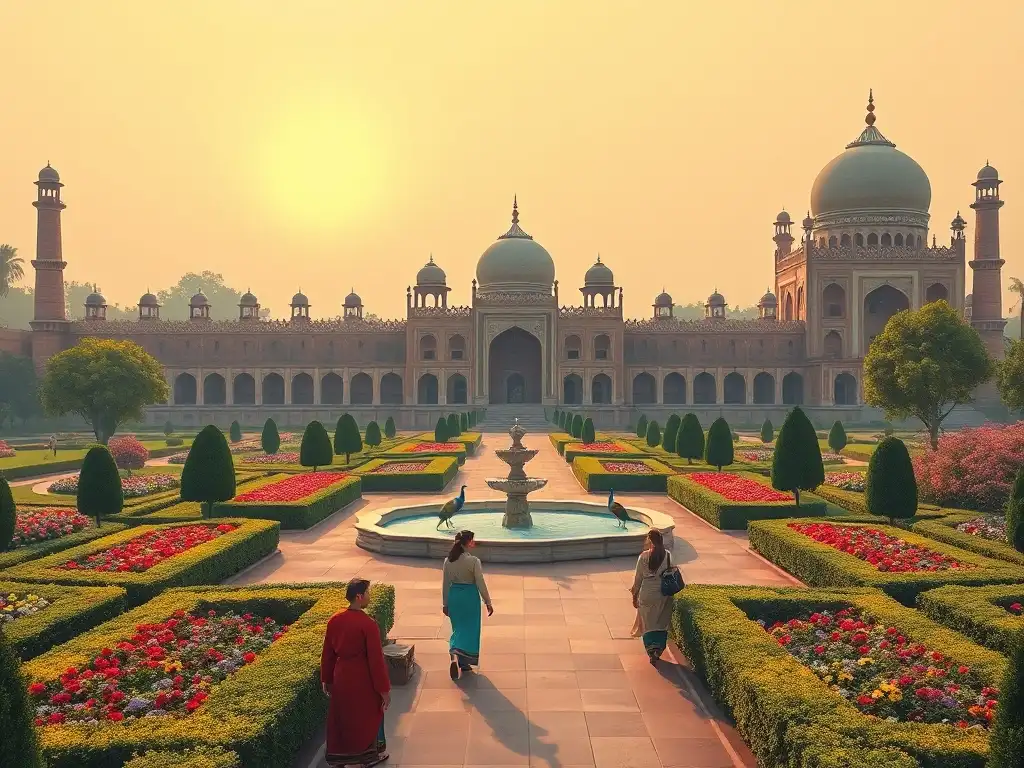
The Mughal Gardens heritage tour is best experienced during specific times of the year when the gardens are at their most vibrant. Understanding the seasonal variations can significantly enhance your visit, allowing you to enjoy the opulence and beauty that these gardens have to offer.
Seasonal Highlights: When to Experience the Gardens in Full Bloom
- Spring (February to March):
- This is arguably the best time to visit the Mughal Gardens. During spring, the gardens are adorned with a colorful display of flowers, including tulips, roses, and marigolds. The weather is mild, making it perfect for leisurely strolls.
- Key Events: The annual Tulip Festival in Jammu and Kashmir typically occurs during this season, showcasing stunning floral arrangements.
- Monsoon (July to September):
- The monsoon season brings a unique charm to the Mughal Gardens. The lush greenery and rejuvenated water features present a serene landscape, although heavy rains can sometimes disrupt tours.
- Considerations: Visitors should prepare for potential rain, wearing appropriate footwear and carrying umbrellas.
- Autumn (October to November):
- Autumn is another favorable time for a heritage tour. The gardens are less crowded, and the weather is pleasantly cool, allowing for more comfortable exploration.
- Floral Highlights: Seasonal flowers such as dahlias and chrysanthemums bloom, adding to the gardens' beauty.
- Winter (December to January):
- While the gardens may not be in full bloom, the winter months offer a unique atmosphere. The cool air and misty mornings create a picturesque backdrop for photography.
- Festive Occasions: Visitors can partake in cultural events and festivals that are often celebrated during this time, adding to the heritage experience.
Choosing the right time to embark on your Mughal Gardens heritage tour can make a significant difference in your overall experience. Each season offers its distinctive allure, ensuring that there is something captivating to discover year-round.
Recommended Heritage Tour Packages
Exploring the Mughal Gardens through curated heritage tour packages can elevate your experience. Various options cater to different preferences and budgets, allowing you to immerse yourself in the grandeur of Mughal architecture and horticulture.
Luxury Tour Options: Exploring Mughal Gardens in Style
For those seeking a lavish experience, luxury tour packages provide exclusive access and personalized services.
- Inclusions:
- Private Guided Tours: Expert guides provide in-depth historical insights, enriching your understanding of the gardens' significance.
- Luxury Accommodations: Stay at premium hotels that offer opulent amenities and proximity to the gardens.
- Culinary Experiences: Indulge in gourmet dining featuring Mughal-inspired cuisine, often prepared by renowned chefs.
- Transportation: Comfortable, air-conditioned vehicles ensure a smooth travel experience between sites.
- Example Package:
- Mughal Splendor: This package includes a 7-day tour covering key Mughal sites, including the iconic Shalimar Bagh and Nishat Bagh, along with a visit to the Taj Mahal.
Budget-Friendly Tours: Affordable Options for Heritage Lovers
For travelers on a budget, there are several affordable tour packages that still offer an enriching experience of the Mughal Gardens.
- Inclusions:
- Group Tours: Join a group of like-minded travelers, which can enhance the experience through shared insights and camaraderie.
- Standard Accommodations: Comfortable yet economical lodging options are available, allowing you to save on accommodation costs.
- Local Cuisine: Experience local dining options that provide authentic Mughal dishes at reasonable prices.
- Public Transportation: Utilize local transport for an immersive experience of the region’s culture.
- Example Package:
- Heritage Trails: This budget package offers a 5-day guided tour of the most significant Mughal gardens, with stops at lesser-known but equally beautiful locations, providing a comprehensive understanding of Mughal horticulture.
By selecting a suitable tour package, you can enjoy the Mughal Gardens heritage tour tailored to your preferences, ensuring a memorable exploration of India's rich historical tapestry.
Experiencing the Grandeur: What to Expect on Your Tour

The Mughal Gardens heritage tour offers visitors an exquisite opportunity to immerse themselves in the architectural splendor, lush landscapes, and rich history of one of India's most opulent eras. These gardens, known for their intricate layouts and serene water features, were designed to reflect paradise on earth, embodying the harmonious relationship between nature and man-made beauty. During your tour, you can expect to encounter not only stunning beauty but also a deep connection to the cultural and historical narratives that shaped these iconic sites.
As you wander through the meticulously manicured pathways, you will be greeted by vibrant floral displays, flowing fountains, and the soothing sounds of water, all of which evoke the luxurious lifestyle of the Mughal emperors. The gardens are often characterized by their geometric patterns, terraced layouts, and the strategic use of water, which symbolizes life and purity in Islamic culture. Each garden tells a story, from the famed Shalimar Bagh in Srinagar to the intricate designs of the gardens in Agra, where the Taj Mahal stands as a testament to Mughal artistry.
Guided Tours vs. Self-Exploration: Choosing Your Adventure
When planning your Mughal Gardens heritage tour, one of the first decisions you'll face is whether to join a guided tour or explore the gardens independently. Each option has its unique advantages and can cater to different preferences and travel styles.
Benefits of a Guided Mughal Gardens Heritage Tour
- Expert Insight: Guided tours provide access to knowledgeable historians and guides who can share fascinating stories and historical contexts that enrich your experience. They can explain the symbolism behind the garden designs and the significance of various elements.
- Convenience: With a guided tour, logistics such as transportation, entry fees, and itineraries are all taken care of, allowing you to focus on enjoying the experience without the stress of planning.
- Access to Exclusive Areas: Some guided tours may offer access to areas not typically open to the public, providing a deeper understanding of the gardens' heritage and the Mughal dynasty.
- Cultural Engagement: Many guided tours include cultural activities such as traditional music performances or cooking classes, giving you a more immersive experience of the Mughal heritage.
Top Tour Operators for Mughal Gardens Heritage Tours
When considering a guided Mughal Gardens heritage tour, selecting a reputable tour operator is crucial. Here are some top-rated operators known for their exceptional service and insightful experiences:
| Tour Operator | Special Features |
|---|---|
| Heritage India Tours | Focuses on personalized experiences and small group sizes. |
| Incredible India Travels | Offers comprehensive tours covering multiple Mughal sites. |
| Mughal Gardens Tours | Specializes in garden heritage, providing expert guides. |
| Royal Heritage Journeys | Combines luxury travel with cultural experiences. |
Cultural Activities to Engage in During Your Visit
The Mughal Gardens heritage tour is not just about the visual splendor; it also offers a rich tapestry of cultural activities that enhance your understanding and appreciation of Mughal history.
Traditional Music and Dance Performances in the Gardens
One of the highlights of visiting the Mughal Gardens is the opportunity to witness traditional music and dance performances. These events often take place in the evenings, creating a magical atmosphere as the sun sets over the gardens.
- Qawwali Music: Experience this soulful form of Sufi devotional music, which echoes the spiritual heritage of the Mughal era.
- Classical Dance: Enjoy performances of Kathak or Bharatanatyam, which narrate historical tales and mythological stories through intricate movements and expressions.
These performances often take place in iconic locations within the gardens, allowing you to soak in the ambiance while being entertained by artists dressed in traditional attire.
Heritage Walks: Connecting with History
Heritage walks in the Mughal Gardens provide a unique opportunity to engage directly with history. Led by experienced guides, these walks can include:
- Historical Narratives: Learn about the Mughal emperors, their architectural innovations, and the symbolism behind garden features.
- Botanical Knowledge: Discover the diverse plant species that were introduced during the Mughal period and their significance in Mughal culture.
- Photography Sessions: Capture the stunning landscapes and intricate details of the gardens, guided by experts who can suggest the best vantage points.
These walks not only enhance your understanding of the gardens but also create a deeper connection to the rich cultural heritage of ancient India.
The Legacy of Mughal Gardens in Modern Times

The Mughal Gardens, a symbol of opulence and aesthetic brilliance, have left an indelible mark on the landscape of modern garden design. Their intricate layouts, harmonious symmetry, and the use of water features have inspired contemporary landscape architects and designers across the globe. The principles derived from these gardens continue to influence various aspects of garden design, from public parks to private estates.
Influences on Contemporary Landscape Design
The Mughal Garden style, characterized by geometric layouts, elevated terraces, and the strategic use of water, has significantly influenced modern landscape design. Key elements include:
- Symmetry and Geometry: The Mughal Gardens are renowned for their meticulous symmetry. This design philosophy has been adopted in modern gardens, where balance and proportion are prioritized.
- Water Features: The use of water as a central element not only enhances the aesthetic appeal but also serves a cooling function, vital in hot climates. Many contemporary designs incorporate fountains, pools, and cascading water features, echoing the Mughal tradition.
- Plant Selection: The diverse flora of Mughal Gardens, including flowering shrubs, fragrant herbs, and fruit-bearing trees, has inspired modern horticulture. Designers often select a mix of native and exotic plants that provide seasonal interest and sensory experiences.
- Cultural Fusion: As global gardening practices evolve, the Mughal influence can be seen in various cultural contexts, with modern designers integrating Mughal elements into local gardening traditions. This fusion creates spaces that honor heritage while embracing innovation.
The impact of Mughal Gardens extends beyond mere aesthetics; they embody a philosophy of design that emphasizes the relationship between nature and architecture, a principle that remains relevant in today’s sustainable landscape practices.
Preservation Efforts: Ensuring the Future of Mughal Heritage
Preserving the Mughal Gardens is crucial for maintaining the rich cultural heritage they represent. Various organizations and governmental bodies have initiated efforts to safeguard these historical sites, ensuring they remain intact for future generations. Key preservation strategies include:
- Restoration Projects: Ongoing restoration efforts aim to restore these gardens to their original grandeur. Specialists in historical landscape architecture are involved in carefully restoring features like pathways, terraces, and water channels, ensuring historical accuracy.
- Sustainable Tourism Practices: Promoting responsible tourism helps mitigate the impact of visitors on these delicate ecosystems. Initiatives such as limiting visitor numbers, providing education on the importance of preservation, and encouraging eco-friendly practices are crucial for the sustainability of Mughal Gardens.
- Community Engagement: Involving local communities in preservation efforts fosters a sense of ownership and responsibility. Educational programs and workshops highlight the significance of Mughal heritage, empowering locals to participate actively in maintenance and advocacy.
- Policy and Advocacy: Strong policies are essential for the protection of these sites. Advocacy for heritage conservation laws and funding for preservation initiatives ensures that Mughal Gardens receive the attention and resources necessary for their upkeep.
The concerted efforts of preservationists, landscape architects, and the community play a vital role in ensuring that the legacy of Mughal Gardens continues to thrive, allowing future generations to experience their beauty and cultural significance. Through these efforts, the Mughal Gardens remain not just historical relics but living testaments to the artistic and architectural prowess of ancient India.
Conclusion: Embrace the Opulence of Mughal Gardens
Final Thoughts on the Mughal Gardens Heritage Tour Experience
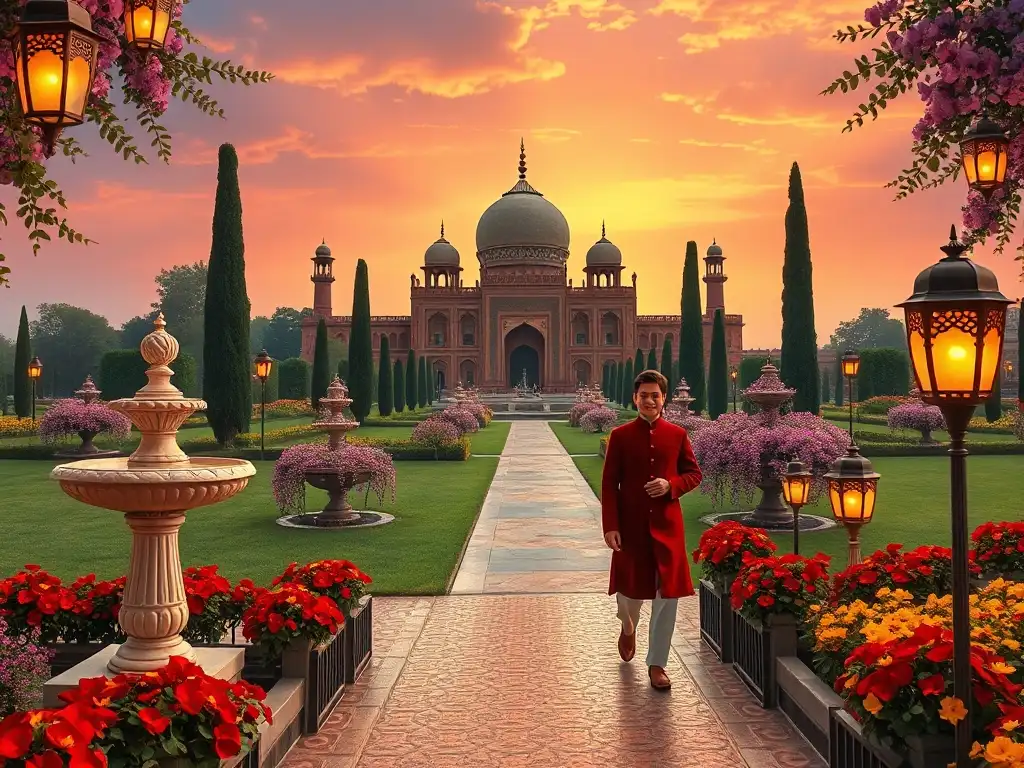
The Mughal Gardens stand as a testament to the architectural brilliance and artistic vision of the Mughal era. These lush landscapes, characterized by their symmetrical layouts, intricate water features, and vibrant floral displays, offer a unique glimpse into the opulence and grandeur that defined ancient Indian aesthetics. Each garden, from the iconic Shalimar Bagh in Srinagar to the serene Mughal Gardens of Delhi, encapsulates the essence of Mughal philosophy, where nature and architecture intertwine to create spaces of tranquility and beauty.
Visitors embarking on a Mughal Gardens heritage tour will not only witness stunning horticultural designs but also delve into the historical narratives that shaped these iconic sites. Each garden tells a story, whether it is the romantic tales of Emperor Jahangir and his beloved Noor Jahan or the strategic significance of these gardens in the Mughal empire's vast territorial expansion. The meticulous planning and execution of these gardens reflect the Mughal rulers' appreciation for nature and their desire to create a paradise on earth.
As you explore these gardens, take note of the distinct Mughal architectural features, such as the charbagh layout—a Persian-inspired four-part garden design that symbolizes the four gardens of paradise described in the Quran. The use of water channels, fountains, and reflective pools further enhances the beauty and serenity of these spaces, inviting visitors to pause and appreciate the artistry involved. The gardens are also adorned with intricate stone carvings and pathways that guide you through a sensory experience of colors, scents, and sounds.
A Mughal Gardens heritage tour is not just an exploration of beautiful landscapes but a journey through time, revealing the stories, artistry, and cultural significance behind these magnificent sites.
Call to Action: Book Your Mughal Gardens Heritage Tour Today!
Are you ready to immerse yourself in the splendid beauty of the Mughal Gardens? Don't miss the opportunity to experience this unique heritage tour that combines luxury with history.
- Plan Your Visit: Start by selecting the gardens you wish to explore. Consider adding iconic locations such as:
- Shalimar Bagh
- Hindola Mahal
- Chashme Shahi
- Choose Your Tour Package: Options may include guided tours, private excursions, or luxury travel packages that provide comprehensive insights into the gardens' rich history.
- Secure Your Spot: Book your Mughal Gardens heritage tour now to ensure a memorable experience filled with opulence and historical significance.
Let the beauty of the Mughal Gardens captivate your senses as you embark on this extraordinary journey through the heritage of ancient India! 🌺💧
Additional Resources for Planning Your Heritage Tour

Recommended Reading on Mughal Architecture and Gardens
To enhance your understanding and appreciation of the Mughal Gardens and their architectural significance, consider diving into the following recommended readings:
- "The Mughal Gardens: A History" by George Michell
- This book provides a comprehensive overview of the origins, evolution, and cultural significance of Mughal Gardens. It explores their design principles and how they reflect the grandeur of the Mughal Empire.
- "Mughal Architecture: An Outline of Its History" by Ebba Koch
- Koch’s work delves into the architectural achievements of the Mughal era, detailing the aesthetic and technical innovations that characterize Mughal architecture, including gardens.
- "The Garden of Heaven: The History and Culture of the Mughal Gardens" by David W. P. Houghton
- This text examines the symbolic meanings behind the gardens and their roles in Mughal society, alongside their influence on contemporary design.
- "Shah Jahan: The Rise and Fall of the Mughal Emperor" by David L. Hancock
- Focusing on the life of Shah Jahan, this book illustrates how his vision for the gardens and architecture reflected the opulence of the time, including insights into the creation of the famous Taj Mahal.
- "Mughal Gardens of India" by K. K. Sharma
- A detailed exploration of various Mughal gardens across India, this book includes vivid descriptions, historical contexts, and beautiful illustrations that capture the essence of these exquisite landscapes.
By immersing yourself in these texts, you will gain a richer perspective on the Mughal Gardens' heritage and their role in shaping India’s historical narrative.
Useful Websites for Tour Bookings and Information
To streamline your planning for a Mughal Gardens heritage tour, here are some valuable online resources:
-
Archaeological Survey of India (ASI)
This official site provides comprehensive information on all protected monuments and sites, including Mughal Gardens. It includes historical data, visiting guidelines, and preservation efforts.
-
Incredible India
The official tourism website of India offers insights into various heritage sites, including the Mughal Gardens. It features travel itineraries, tips for tourists, and information on local guides and services.
-
Viator
A reliable platform for booking tours, Viator offers various options for guided tours of Mughal Gardens, often including skip-the-line tickets and expert commentary.
-
MakeMyTrip
This travel website allows you to book comprehensive tour packages that include visits to Mughal Gardens, along with hotel accommodations and transportation.
-
TripAdvisor
A useful resource for reviews and recommendations, TripAdvisor provides user-generated content on experiences at Mughal Gardens, helping you to choose the best tour options based on real traveler feedback.
Using these resources, you can effectively plan your heritage tour, ensuring a rich experience of the opulence and historical significance of Mughal Gardens.
Frequently Asked Questions
What are Mughal Gardens?
Mughal Gardens are landscape gardens designed in the Persian style, characterized by their symmetrical layouts, flowing water features, and lush greenery. They represent the opulence and artistry of the Mughal Empire.
Why are Mughal Gardens significant in Indian history?
Mughal Gardens are a testament to the rich cultural heritage of India, showcasing the fusion of Persian and Indian architectural styles. They reflect the aesthetic values and gardening techniques of the time.
What can visitors expect on a Mughal Gardens heritage tour?
Visitors can expect to explore stunning landscapes, learn about the historical significance of each garden, and enjoy the artistic elements that highlight the grandeur of the Mughal era.
Which Mughal Gardens are must-see attractions?
Must-see Mughal Gardens include the Shalimar Bagh and Nishat Bagh in Kashmir, as well as the Gardens of the Taj Mahal in Agra. Each offers a unique glimpse into Mughal architecture and design.
How can one prepare for a Mughal Gardens heritage tour?
To prepare for a Mughal Gardens heritage tour, visitors should research the history of the gardens, wear comfortable clothing, and bring a camera to capture the breathtaking beauty of these historical sites.
Final Reflection: Embracing the Legacy of Mughal Gardens
The Mughal Gardens heritage tour is not just a journey through beautifully manicured landscapes; it is a profound exploration of a rich cultural legacy that continues to resonate in our modern world. Today, as we navigate the complexities of urban life, the serene beauty and historical significance of these gardens remind us of the artistry and vision of the Mughal emperors. Their opulence is a testament to the enduring allure of nature intertwined with human creativity, urging us to appreciate and preserve such treasures in our ever-evolving society.
The influence of the Mughal Gardens extends far beyond their physical beauty; they serve as a symbol of cultural synthesis and historical depth. These gardens encapsulate the essence of a bygone era, where art, architecture, and nature coalesced to create spaces of tranquility and reflection. As we walk through these lush landscapes, we are reminded of the words of the poet and philosopher, Khalil Gibran: Beauty is not in the face; beauty is a light in the heart.
This sentiment resonates deeply as we engage with the gardens, inviting us to reflect on how beauty can transcend time and connect us to our shared heritage.
As we conclude our exploration of the Mughal Gardens, I invite you to take a moment to reflect on your own relationship with heritage and beauty. Consider how the lessons of the past can inspire your present and future. Let the grandeur of these gardens encourage you to seek out and cherish the cultural legacies in your own life, fostering a deeper appreciation for the artistry that surrounds us. Embrace the opportunity to not only witness but also to preserve the beauty of our shared history, ensuring that it continues to inspire generations to come.
Unveil the Beauty of Mughal Gardens Today!
Thank you for embarking on this journey through the majestic Mughal Gardens! We hope you’ve discovered the opulence and rich heritage that these historical wonders embody. Now, it’s time to take that inspiration and turn it into action.
Here are a few steps you can take to further immerse yourself in the splendor of Mughal culture:
- Plan your visit to a nearby Mughal Garden or one of the magnificent sites in India. Experience the grandeur firsthand and appreciate the artistry that defines these remarkable landscapes.
- Join online forums or local clubs focused on heritage tours to connect with fellow history enthusiasts who share your passion.
- Share this article with friends and family to inspire them to explore the beauty of these ancient gardens, and perhaps even plan a group visit together!
What aspect of the Mughal Gardens captivates your imagination the most— the intricate designs, their historical significance, or the tranquility they offer?