
The Essence of Dharma: Understanding Ancient Indian Philosophy


Welcome to Ancient India History, where we embark on a captivating journey through the rich tapestry of ancient Indian civilizations. In this exploration, we delve into the profound concepts of ancient Indian philosophy, unraveling the essence of Dharma and its influential role in shaping thought and culture. Prepare to be intrigued as we connect the dots between timeless ideas and their impact on the modern world. Join us as we uncover the wisdom that has transcended centuries and continues to resonate today. Your adventure into the depths of history and philosophy begins now!
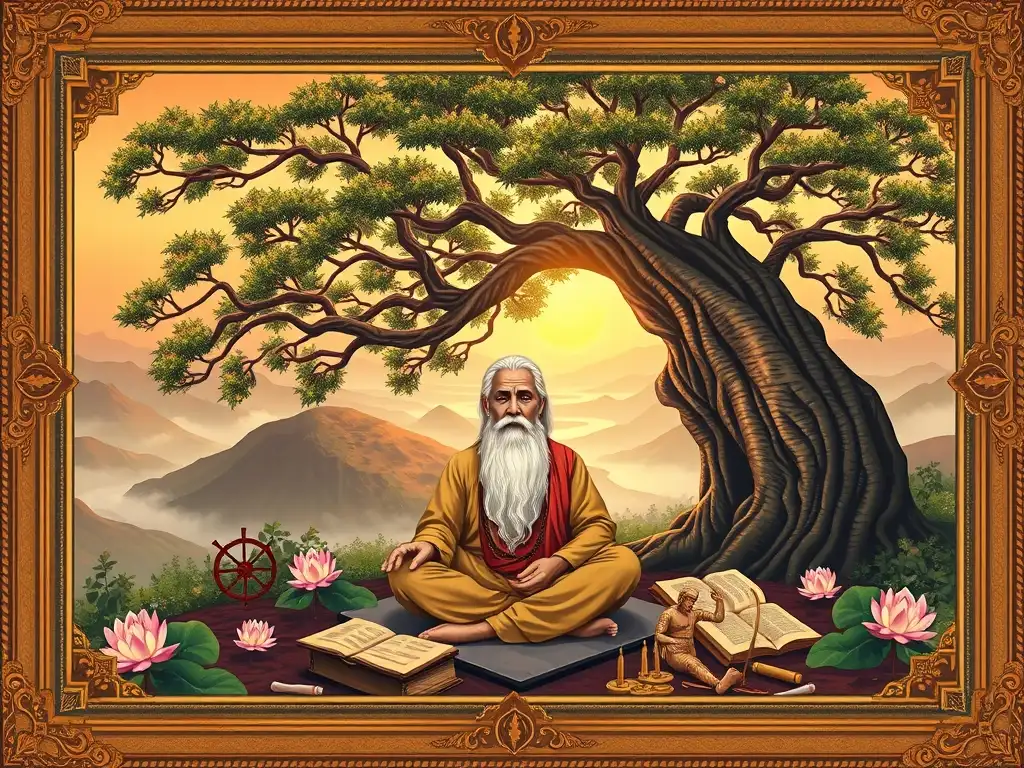
Introduction to Ancient Indian Philosophy Concepts
Ancient Indian philosophy is a vast and intricate tapestry that weaves together various thoughts, beliefs, and practices that have evolved over millennia. At the heart of this philosophical discourse lies the concept of Dharma, a term that encapsulates duty, morality, law, and righteousness. Understanding ancient Indian philosophy concepts requires delving into the nuanced interpretations of Dharma and how it shapes the ethical framework of Indian civilization.
This article aims to unpack the layers of Dharma, exploring its historical roots, significance, and the pivotal texts that have influenced its development. By examining these elements, we can gain a deeper appreciation for how ancient Indian thought continues to resonate in contemporary philosophical discussions.
Overview of Ancient Indian Philosophy
Ancient Indian philosophy encompasses diverse schools of thought, including Hinduism, Buddhism, Jainism, and Sankhya, each contributing uniquely to the understanding of existence, ethics, and the cosmos. Central to these philosophies is the pursuit of knowledge ( jnana), self-realization, and the quest for liberation ( moksha).
- Key Philosophical Schools:
- Hindu Philosophy: Focuses on the concepts of Brahman (ultimate reality) and Atman (soul).
- Buddhism: Emphasizes the Four Noble Truths and the Eightfold Path.
- Jainism: Advocates for non-violence ( ahimsa) and asceticism.
These schools collectively address the notions of morality, ethics, and the nature of reality, with Dharma serving as a crucial underpinning across various philosophical frameworks.
Importance of Dharma in Indian Thought
Dharma is not merely a set of rules but a dynamic concept that adapts to the context of individual lives and societal norms. It represents the moral order that sustains the universe, guiding individuals in their actions and decisions. The significance of Dharma in Indian thought can be articulated through several perspectives:
- Ethical Framework: It provides a moral compass, dictating what is right and wrong.
- Social Order: Dharma preserves societal harmony by defining roles and responsibilities within various contexts, including family, community, and the broader cosmos.
- Spiritual Growth: Adhering to Dharma fosters spiritual development and aids in the pursuit of liberation.
In essence, Dharma is foundational to understanding ancient Indian philosophy concepts and their application to everyday life.
Historical Context of Dharma in Ancient Indian Philosophy
To fully grasp the depth of Dharma in ancient Indian philosophy, it is essential to consider its historical context. The evolution of Dharma can be traced through various periods, each contributing to its rich conceptualization.
The Vedic Period and Its Philosophical Foundations
The Vedic period (approximately 1500 to 500 BCE) marks the inception of ancient Indian philosophy, with the Vedas as its cornerstone. These sacred texts lay the groundwork for Dharma, encapsulating rituals, hymns, and philosophical musings.
- Key Contributions:
- The establishment of Rta (cosmic order), which is closely related to Dharma.
- The emphasis on rituals and duties that align with one's societal role (varṇa) and stage of life (āśrama).
As the Vedic texts evolved, so did the interpretation of Dharma, leading to more nuanced discussions in subsequent philosophical works.
Key Texts Influencing Dharma: Vedas, Upanishads, and Smritis
Several texts have played a pivotal role in shaping the understanding of Dharma throughout ancient Indian history:
- Vedas: The oldest scriptures that outline rituals and duties.
- Upanishads: Philosophical treatises that explore metaphysical concepts and the nature of reality, further refining the idea of Dharma.
- Smritis: Texts like the Manusmriti and Bhagavad Gita, which provide practical guidelines for ethical living and the application of Dharma in daily life.
These texts collectively contribute to a comprehensive understanding of ancient Indian philosophy concepts, illustrating how Dharma integrates into the moral and ethical fabric of society.
Core Concepts of Dharma in Ancient India
Dharma is a foundational concept in ancient Indian philosophy, representing a complex interplay of duties, rights, laws, conduct, virtues, and the moral responsibilities of individuals within society. It embodies the guiding principles that govern ethical behavior and social order, establishing the framework within which individuals can fulfill their roles in the cosmic order. Understanding the core concepts of dharma requires delving into how it is defined, the role of karma, and its interconnection with other pivotal concepts such as artha and moksha.
Definition of Dharma: A Multifaceted Term
The term "dharma" originates from the Sanskrit root "dhr," which means "to hold" or "to sustain." Thus, dharma can be understood as that which sustains society, the moral law that upholds order and harmony. It encompasses a broad range of meanings, including:
- Moral Duties: These are individual responsibilities that vary based on age, caste, gender, and social circumstances.
- Righteousness: Dharma embodies ethical conduct and principles guiding individuals to live virtuously.
- Cosmic Order: It also refers to the universal laws that govern the cosmos, reflecting the interconnectedness of all living beings.
Dharma is not static; it evolves with context and is influenced by time, place, and individual circumstances, making it a dynamic and adaptable concept in ancient Indian philosophy.
The Role of Karma in Shaping Dharma
Karma, the law of cause and effect, plays a crucial role in shaping one's dharma. According to this principle, every action has consequences that affect not only the individual but also their environment and society. The relationship between karma and dharma can be summarized as follows:
- Karmic Accountability: Individuals are encouraged to act in accordance with their dharma, as failure to do so may lead to negative karmic repercussions.
- Guidance in Decision-Making: Understanding one's karmic past provides insights into one's current dharma, allowing individuals to navigate their responsibilities more effectively.
- Cycle of Rebirth: In many philosophical interpretations, karma influences the cycle of birth and rebirth (samsara), where one's adherence to dharma in previous lives determines their current circumstances.
Thus, karma and dharma are intertwined, guiding individuals toward ethical living and social responsibility.
The Interconnection of Dharma, Artha, and Moksha
Dharma is closely linked to two other critical concepts in ancient Indian philosophy: artha (wealth and prosperity) and moksha (liberation). Together, these three concepts form the foundational pillars of a balanced life:
- Dharma and Artha: While dharma emphasizes moral duties, artha focuses on the pursuit of material success and security. The two must coexist harmoniously; pursuing wealth should not come at the expense of ethical conduct.
- Dharma and Moksha: Dharma is seen as a pathway to moksha, the ultimate goal of liberation from the cycle of birth and death. By fulfilling one’s dharma, individuals purify their souls and progress toward spiritual enlightenment.
- Holistic Living: The interconnectedness of these three concepts advocates for a well-rounded approach to life, where ethical living, material success, and spiritual growth are balanced.
The Evolution of Dharma through Different Philosophical Schools
Throughout history, various philosophical schools in ancient India have interpreted dharma in diverse ways, reflecting their unique beliefs and practices. This evolution illustrates how dharma adapts to cultural and ideological shifts.
Hinduism and Its Diverse Interpretations of Dharma
In Hinduism, dharma is interpreted through the lens of sacred texts such as the Vedas, Upanishads, and the epics like the Mahabharata and Ramayana. Key aspects include:
- Varna System: Dharma is often associated with one’s caste (varna), prescribing specific duties and responsibilities for each class.
- Personal Dharma (Svadharma): Emphasis is placed on individual duties based on personal circumstances, suggesting that adherence to one’s unique path is crucial for social harmony.
- Ethical Dilemmas: Hindu texts frequently explore the complexities of dharma, illustrating situations where moral choices must be made, highlighting that dharma is not merely a set of rules, but a nuanced guide for ethical living.
Buddhism's Perspective on Dharma: The Middle Path
In Buddhism, dharma (or dhamma in Pali) represents the teachings of the Buddha and the path to enlightenment. Key concepts include:
- The Middle Path: This principle advocates for a balanced approach to life, avoiding extremes of indulgence and asceticism.
- Moral Precepts: Buddhists follow ethical guidelines, known as the Five Precepts, which outline the moral duties individuals should uphold.
- Interdependence: Dharma in Buddhism emphasizes understanding the interconnectedness of all beings and the importance of compassion, which guides ethical conduct.
Buddhism's focus on personal experience and understanding of dharma fosters a pragmatic approach to ethical living.
Jainism and the Principle of Ahimsa in Dharma
Jainism presents a unique perspective on dharma that centers around the principle of ahimsa, or non-violence. Important aspects include:
- Ahimsa as the Highest Virtue: For Jains, non-violence is the ultimate ethical principle, extending to all living beings.
- Religious Conduct: Adhering to dharma in Jainism involves rigorous self-discipline, including dietary restrictions and practices aimed at minimizing harm.
- Spiritual Liberation: Following the path of ahimsa and other ethical practices leads to liberation (moksha), emphasizing the spiritual dimension of dharma as a guiding force toward ultimate freedom.
Jainism’s strict adherence to non-violence and ethical living showcases a profound interpretation of dharma that prioritizes compassion and respect for all forms of life.
Practical Applications of Dharma in Ancient Indian Society
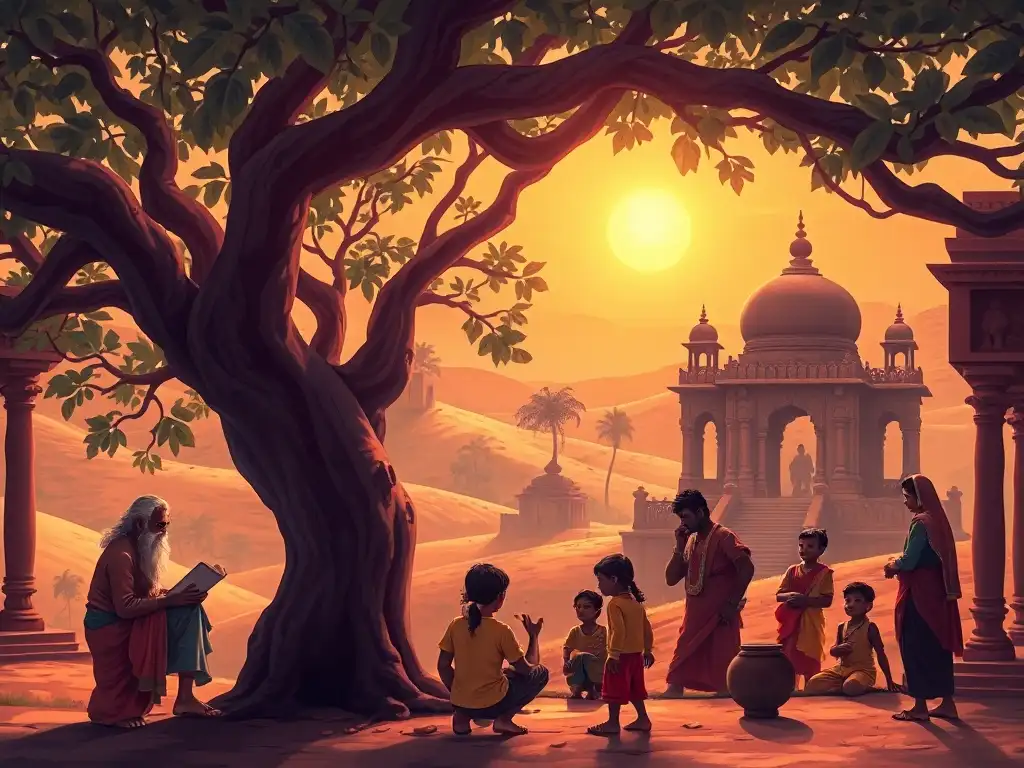
Dharma, a central concept in ancient Indian philosophy, served as a cornerstone for various aspects of life in ancient Indian society. It was not merely a set of moral principles; it was deeply embedded in the social fabric, guiding individual behavior, governance, and community interactions. The practical applications of dharma were evident in various domains, including personal conduct, social obligations, and legal frameworks, which collectively shaped the ethos of ancient Indian civilizations.
Dharma as a Guiding Principle in Daily Life
In everyday life, dharma provided individuals with a framework for ethical and moral decision-making. It encompassed duties towards family, society, and the cosmos, ensuring that individuals acted in harmony with the greater order of the universe. For instance, the concept of Svadharma emphasized the importance of personal duty, which varied according to one's age, gender, and caste. This notion encouraged individuals to fulfill their roles diligently, whether as a student, householder, or ascetic.
Moreover, ancient texts like the Bhagavad Gita elaborated on the significance of performing one's duties without attachment to the outcomes, illustrating how adherence to dharma could lead to spiritual growth and societal stability. By following dharma, individuals could cultivate virtues such as honesty, compassion, and self-discipline, which were essential for personal development and communal harmony.
The Role of Dharma in Governance and Leadership
Dharma also played a pivotal role in governance and leadership in ancient Indian societies. Rulers were often seen as the custodians of dharma, tasked with upholding justice, order, and moral conduct within their realms. The Arthashastra, attributed to Kautilya, outlines the responsibilities of kings in ensuring that their governance aligned with dharma, emphasizing the need for wise and just leadership.
Leaders were expected to embody the principles of dharma, making decisions that promoted the welfare of their subjects while maintaining social order. This perspective on governance ensured that the rulers not only focused on political power but also on ethical leadership, reinforcing the connection between dharma and effective governance. The emphasis on dharma in leadership cultivated a sense of accountability and responsibility, fostering trust between rulers and their subjects.
Dharma in Social Structures: Caste and Duty
The concept of dharma was intricately linked to the social structure of ancient India, particularly through the caste system. Each caste, or varna, had its own set of duties and responsibilities, which were considered essential for the stability of society. The Rigveda and other ancient texts outline these duties, emphasizing that adherence to one's dharma was crucial for maintaining cosmic order and social harmony.
While this stratification provided a sense of order, it also sparked debates and discussions about the ethical implications of such divisions. Philosophers like Buddha and Mahavira criticized the rigid interpretations of dharma associated with caste, advocating for a more egalitarian understanding that emphasized morality over social status. This ongoing dialogue illustrates how the application of dharma in social structures was both a guiding principle and a source of contention in ancient Indian society.
Contemporary Relevance of Ancient Indian Philosophy Concepts
The principles of ancient Indian philosophy, particularly those surrounding dharma, continue to resonate in contemporary society. Modern interpretations of these concepts offer valuable insights into ethical dilemmas and societal issues, bridging the wisdom of the past with the complexities of the present.
How Modern Interpretations of Dharma Influence Current Ethics
In today's world, the concept of dharma can be seen reflected in various ethical frameworks, particularly in discussions surrounding social justice, environmental responsibility, and community welfare. Modern thinkers often draw upon ancient Indian philosophy to advocate for a balanced approach to ethics that considers individual rights alongside collective responsibilities.
For instance, the notion of sustainable living resonates with the dharmic principle of living in harmony with nature. This contemporary understanding encourages individuals and communities to act responsibly towards the environment, aligning with the ancient belief that all beings are interconnected. Moreover, in the realm of social justice, the reinterpretation of dharma promotes inclusivity and equity, challenging outdated norms and advocating for the rights of marginalized groups.
The Impact of Ancient Indian Philosophy on Global Thought
Ancient Indian philosophy has significantly influenced global thought, particularly in areas such as ethics, spirituality, and holistic well-being. The ideas surrounding dharma have permeated various cultures, inspiring movements that emphasize mindfulness, compassion, and ethical living.
Philosophers and spiritual leaders worldwide have integrated dharmic principles into their teachings, advocating for a more humane and interconnected approach to existence. The rise of mindfulness practices, which draw from ancient Indian traditions, underscores the relevance of these philosophical concepts in promoting mental well-being and ethical living in contemporary society.
The essence of dharma not only shaped ancient Indian society but continues to provide a rich philosophical framework that informs ethical discussions and practices today, highlighting the timeless relevance of ancient Indian philosophy concepts.
Conclusion: The Lasting Legacy of Dharma in Ancient Indian Philosophy
The concept of Dharma remains a cornerstone of ancient Indian philosophy, shaping not only the spiritual landscape but also the ethical, social, and political frameworks of Indian civilization. Rooted in texts like the Vedas, Upanishads, and the epics, Dharma encapsulates the principles of righteousness and duty that guide individual conduct and societal norms. Its interpretation has evolved, yet its essence persists, influencing various philosophical schools and cultural practices.
As we reflect on Dharma's legacy, we recognize its profound impact on both historical and contemporary thought. The integration of Dharma into daily life encourages harmony, balance, and accountability, serving as a blueprint for ethical living. This enduring relevance speaks to the adaptability of ancient Indian philosophy, allowing it to resonate with diverse audiences across time and cultures. The exploration of Dharma is not merely an academic pursuit; it is a journey into understanding the interconnectedness of existence, morality, and the cosmos, fostering a holistic view of life.
Summary of Key Takeaways
- Foundational Concept: Dharma is central to ancient Indian philosophy, encompassing duty, righteousness, and moral order.
- Influence on Texts: Key texts, including the Vedas, Upanishads, and epics, articulate the principles and applications of Dharma in various contexts.
- Ethical Framework: Dharma provides an ethical framework that governs individual actions and societal norms, promoting harmony and balance.
- Adaptability: The interpretation of Dharma has evolved, demonstrating its relevance in contemporary discussions on ethics, morality, and social responsibility.
- Cultural Impact: The principles of Dharma have influenced various philosophical schools, religious practices, and cultural traditions throughout history.
Future Directions in the Study of Ancient Indian Philosophy Concepts
The study of ancient Indian philosophy concepts, particularly Dharma, is poised for further exploration and interdisciplinary engagement. Several future directions could enhance our understanding:
- Comparative Philosophy: Examining Dharma alongside concepts from other philosophical traditions, such as Western ethics, can yield insights into universal moral questions and cultural differences.
- Interdisciplinary Research: Engaging with fields like sociology, anthropology, and psychology can help contextualize the application of Dharma in contemporary society and its influence on social dynamics.
- Modern Reinterpretations: Scholars can explore how modern thinkers reinterpret Dharma in the light of globalization, technology, and changing moral landscapes.
- Cultural Narratives: Investigating the portrayal of Dharma in literature, art, and media can provide a richer understanding of its impact on cultural identity and values.
- Educational Initiatives: Promoting curricula that include ancient Indian philosophy concepts could foster a deeper appreciation for ethical frameworks and cultural heritage among students.
By pursuing these directions, scholars can continue to unravel the complexities of ancient Indian philosophy, ensuring that the essence of Dharma remains a vital part of philosophical discourse and practice in the modern world.
- Introduction to Ancient Indian Philosophy Concepts
- Historical Context of Dharma in Ancient Indian Philosophy
- Core Concepts of Dharma in Ancient India
- The Evolution of Dharma through Different Philosophical Schools
- Practical Applications of Dharma in Ancient Indian Society
- Contemporary Relevance of Ancient Indian Philosophy Concepts
- Conclusion: The Lasting Legacy of Dharma in Ancient Indian Philosophy
- What is the concept of Dharma in ancient Indian philosophy?
- How did ancient Indian civilizations contribute to the development of philosophical thought?
- What are some key philosophical concepts from ancient India?
- How does ancient Indian philosophy relate to modern ethical practices?
- Why is the study of ancient Indian philosophy concepts important today?
Frequently Asked Questions
What is the concept of Dharma in ancient Indian philosophy?
Dharma refers to the moral and ethical duties that uphold the order of the universe. It is a central theme in ancient Indian philosophy, guiding individuals in their actions and responsibilities.
How did ancient Indian civilizations contribute to the development of philosophical thought?
Ancient Indian civilizations, particularly during the Vedic and Gupta periods, contributed significantly to philosophical thought through texts like the Upanishads and Brahmanas, which explore concepts of reality, ethics, and the self.
What are some key philosophical concepts from ancient India?
Key concepts include Karma (the law of cause and effect), Moksha (liberation from the cycle of rebirth), and Atman (the self), which collectively influence the understanding of life and existence.
How does ancient Indian philosophy relate to modern ethical practices?
Ancient Indian philosophy, particularly through the lens of Dharma, continues to inform modern ethical practices by emphasizing the importance of duty, righteousness, and the interconnectedness of all beings.
Why is the study of ancient Indian philosophy concepts important today?
Studying these concepts is important because they offer valuable insights into human behavior, ethics, and the nature of existence, enriching contemporary discussions in philosophy, psychology, and spirituality.
Final Reflection: Embracing the Wisdom of Ancient Indian Philosophy
The exploration of ancient Indian philosophy concepts reveals profound insights that resonate with our modern lives. In a world increasingly driven by materialism and rapid change, the teachings of Dharma remind us of the importance of purpose, ethics, and the interconnectedness of all beings. This ancient wisdom is not just a relic of the past; it serves as a guiding light in navigating the complexities of contemporary existence.
The influence of these philosophical concepts is evident in various aspects of our cultural and social landscape. From mindfulness practices to ethical leadership, the principles rooted in ancient Indian philosophy continue to shape our understanding of well-being and morality. As Mahatma Gandhi once said, "> The best way to find yourself is to lose yourself in the service of others." This sentiment encapsulates the essence of Dharma, urging us to reflect on our roles within the larger tapestry of life and to act with compassion and integrity.
As you conclude your journey through the essence of Dharma, I invite you to pause and reflect on how these ancient teachings can inform your daily choices and interactions. Consider how you can embody the principles of Dharma in your life, fostering a sense of balance and purpose. By integrating these timeless concepts into our modern lives, we not only honor the wisdom of the past but also pave the way for a more harmonious future.
Embrace Your Path: Take Charge of Your Dharma Today!
Thank you for exploring the rich tapestry of ancient Indian philosophy with us! You've gained valuable insights into the essence of Dharma, a concept that can guide your everyday life and help you align with your true purpose. Now, it's time to put that knowledge into action and cultivate your own path of righteousness.
Here are some steps you can take to deepen your understanding and connection with Dharma:
- Reflect on your personal values: Take a moment to write down the principles that are most important to you and consider how they align with the concept of Dharma.
- Practice mindfulness: Dedicate time each day for meditation to help connect with your inner self and discover your unique path.
- Share your insights: Join our community by commenting below and expressing what Dharma means to you. Your contributions can inspire others on their journey!
What is one change you can make today to align more closely with your Dharma?