
Archaeological Wonders: Discovering the Riches of Eastern India's Past

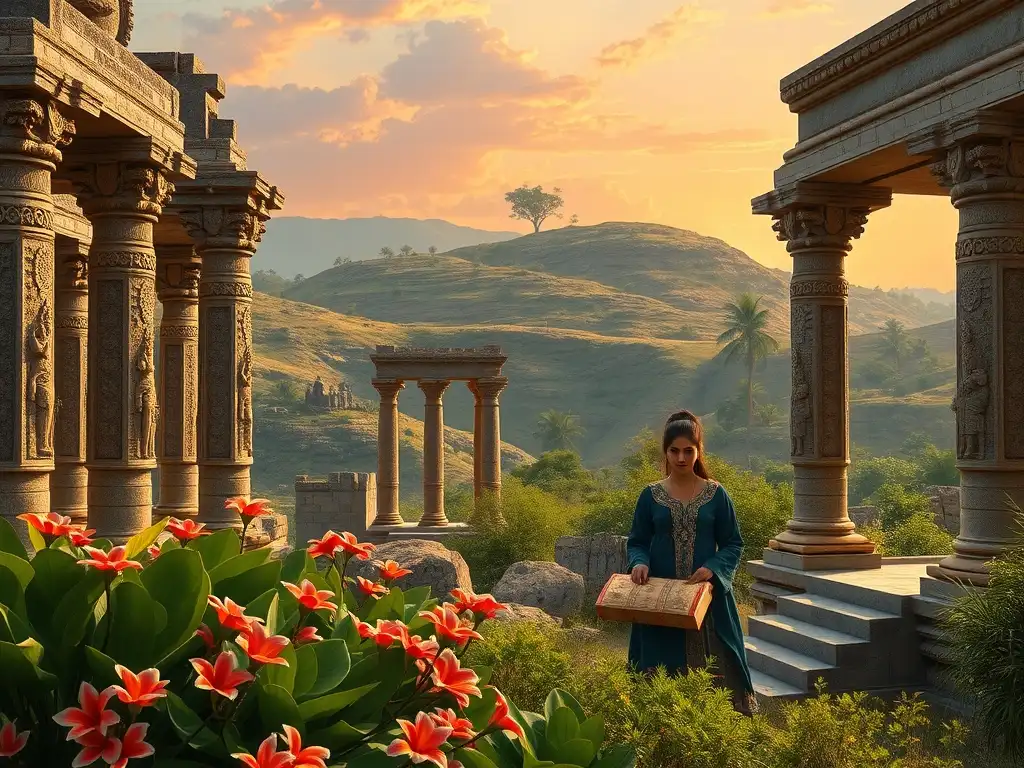
Welcome to Ancient India History, where we delve into the remarkable tapestry of Eastern Indian civilizations that shaped the past and continue to inspire the present. In our featured article, "Archaeological Wonders: Discovering the Riches of Eastern India's Past," you will embark on a journey through time, exploring the awe-inspiring legacies left behind by ancient cultures.
From the enigmatic ruins of the Indus Valley to the flourishing cities of the Gupta Empire, each discovery unveils a piece of a vibrant history waiting to be uncovered. Join us as we unravel the stories, achievements, and cultural contributions that define the essence of ancient Eastern India—your adventure in history begins here!
Introduction to Ancient Eastern Indian Civilizations
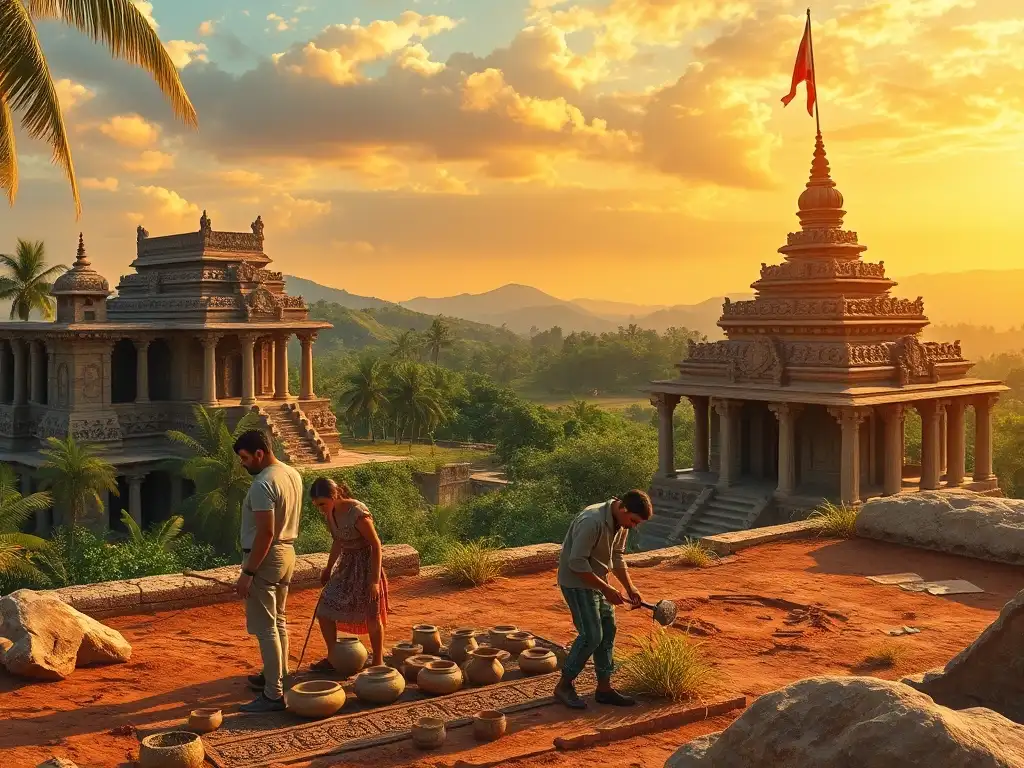
Eastern India, a region steeped in a tapestry of history, culture, and innovation, has been home to some of the most remarkable ancient civilizations. From the flourishing urban centers of the Indus Valley to the intellectual beacons like Nalanda, the ancient Eastern Indian civilizations have left an indelible mark on the cultural and historical landscapes of India.
The study of these civilizations offers invaluable insights into the social structures, economic practices, and spiritual beliefs that shaped the lives of millions. This article aims to explore the archaeological wonders that illuminate the rich past of Eastern India, highlighting the significance of these ancient cultures and their contributions to the broader narrative of Indian history.
Overview of Eastern India's Historical Significance
Eastern India boasts a legacy that dates back thousands of years, with civilizations that played pivotal roles in trade, governance, and cultural exchange. The region was a crossroads for various cultures, facilitating interactions between diverse peoples. Major dynasties such as the Mauryas and Guptas thrived here, contributing significantly to art, literature, and philosophy. The archaeological remnants of cities, temples, and universities in Eastern India not only reflect the grandeur of past civilizations but also serve as critical evidence for historians and archaeologists in reconstructing the narrative of this vibrant region.
Importance of Archaeology in Understanding Ancient Cultures
Archaeology serves as a crucial tool in uncovering the layers of ancient civilizations, providing tangible evidence that enriches our understanding of historical contexts. Through excavations, researchers can gather artifacts, structures, and ecofacts that reveal information about daily life, trade routes, and religious practices. The study of material culture helps historians piece together the social fabric of ancient societies, offering a glimpse into how people lived, interacted, and evolved over time. In the context of Eastern India, archaeological discoveries continue to challenge and refine our perceptions of the region's rich past.
Major Archaeological Sites in Eastern India
Eastern India is home to several archaeological sites that are pivotal for understanding the region's ancient civilizations. Each site offers unique insights into the cultural, economic, and spiritual lives of the people who once thrived there.
The Indus Valley Civilization: A Glimpse into Early Urbanization
The Indus Valley Civilization, one of the world's earliest urban cultures, extended into parts of Eastern India, showcasing advanced urban planning and social organization. Cities like Mohenjo-Daro and Harappa reveal sophisticated drainage systems, granaries, and standardized weights, indicating a well-developed economy and societal structure. The artifacts discovered, including seals and pottery, provide crucial insights into trade practices and religious beliefs that characterized this remarkable civilization.
The Role of Puri in Ancient Eastern Indian Civilization
Puri, known for its majestic Jagannath Temple, played a significant role in the religious and cultural landscape of ancient Eastern India. This coastal town served as a pilgrimage site for devotees and a hub for trade and commerce. The temple's architecture reflects the intricate craftsmanship of ancient artisans, while the rituals and festivals celebrated here continue to be vital components of Eastern Indian culture today. Puri's historical significance extends beyond religion, as it was also a center for learning and artistic expression.
Excavations at Chandraketugarh: Uncovering Trade and Culture
The archaeological site of Chandraketugarh, located near Kolkata, offers a fascinating glimpse into the trade networks and cultural exchanges that flourished in ancient Eastern India. Excavations have uncovered a wealth of artifacts, including pottery, terracotta figurines, and trade goods, indicating that Chandraketugarh was a bustling commercial center. The site's strategic location along the river facilitated trade with distant regions, making it a melting pot of cultures and ideas. This vibrant exchange is critical for understanding the economic dynamics of ancient Eastern India.
The Significance of Nalanda University in Ancient Learning
Nalanda University, one of the first residential universities in the world, stands as a testament to the intellectual prowess of ancient Eastern India. Established in the 5th century CE, Nalanda attracted scholars from across Asia, becoming a hub for Buddhist learning and philosophy. The university's ruins reveal an extensive complex of monasteries and classrooms, highlighting the importance of education and scholarship in ancient India. Nalanda's contributions to knowledge, particularly in fields such as mathematics, astronomy, and medicine, have left a lasting legacy that continues to inspire modern education.
Key Discoveries and Artifacts
Eastern India has been the cradle of numerous ancient civilizations, each leaving behind a wealth of archaeological treasures. These discoveries reveal not only the art and craftsmanship of the time but also provide crucial insights into the social, economic, and spiritual lives of the people who inhabited this vibrant region. From terracotta figurines to intricate coins, the artifacts unearthed in Eastern India paint a vivid picture of its historical narrative.
Terracotta Figurines: Insights into Daily Life and Beliefs
Terracotta figurines are one of the most significant artifacts found in Eastern India, particularly from the sites of the Bengal region and the ancient city of Pataliputra. These small clay figures, often depicting human forms, animals, and mythological creatures, serve as remarkable windows into the daily life and beliefs of ancient Eastern Indians.
The craftsmanship involved in creating these figurines showcases the artistic skills of the time. They often feature intricate details, which reveal a lot about clothing, hairstyles, and ornaments worn by people of that era. Moreover, many of these figurines are believed to have had ritualistic purposes, suggesting the presence of religious or spiritual practices. For instance, certain figurines are thought to represent fertility deities, indicating the importance of agriculture and fertility in their society. Overall, the terracotta figurines provide a rich tapestry of insights into the customs, social structures, and spiritual beliefs of ancient Eastern Indian civilizations.
Coins and Trade Goods: Economic Foundations of Ancient Eastern India
The discovery of ancient coins and trade goods in Eastern India highlights the economic foundations of its civilizations. Coins from different periods, including the Mauryan and Gupta empires, illustrate the evolution of currency and trade practices in the region.
Coins were often inscribed with symbols and figures that were significant to the rulers of the time, serving not only as a medium of exchange but also as a means of propagating political power and identity. The presence of trade goods, such as pottery, textiles, and spices, in archaeological sites indicates that Eastern India was a vibrant center of commerce, engaging in trade with other regions, including Southeast Asia and the Middle East.
This trade network facilitated cultural exchanges and contributed to the economic prosperity of ancient Eastern Indian civilizations. The artifacts left behind serve as a testament to the region's role in the broader economic landscape of ancient India, showcasing its connectivity and influence.
Architectural Marvels: Temples and Structures from the Gupta Period
The Gupta period is often referred to as the Golden Age of India, marked by remarkable advancements in art, architecture, and culture. Architectural marvels from this era, particularly in Eastern India, reflect the sophistication and grandeur of ancient construction techniques.
Temples such as the Dashavatara Temple at Deogarh and the intricate carvings found at the site of Khajuraho exhibit a blend of functionality and artistry. These structures often feature ornate decorations and elaborate sculptures that depict deities and mythological scenes, highlighting the religious fervor of the time.
Moreover, the architectural styles from this period influenced later constructions across India and beyond. The use of stone as a primary building material, along with advanced techniques in sculpture and relief work, showcases the technological prowess of the builders. The temples not only served as places of worship but also played a pivotal role in the community, acting as centers for social and cultural gatherings.
Cultural Contributions of Ancient Eastern Indian Civilizations
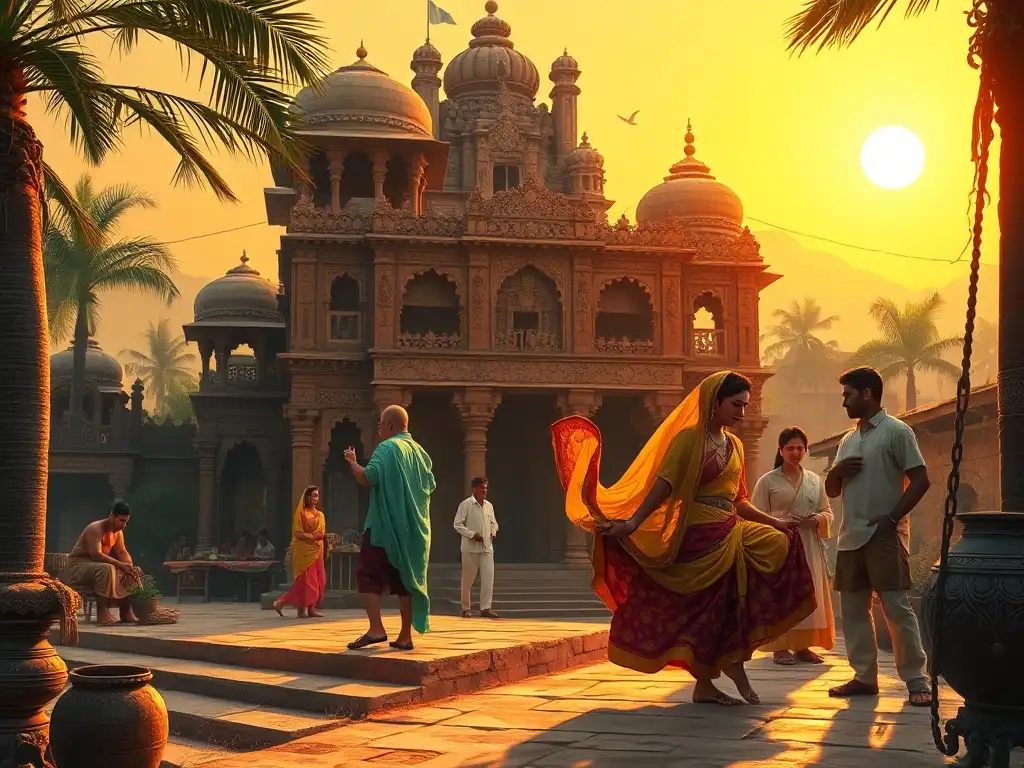
The cultural contributions of ancient Eastern Indian civilizations are profound, influencing various aspects of Indian society and beyond. From literature and philosophy to art and religion, these contributions have left an indelible mark on the historical narrative of the region.
Literature and Philosophy: The Intellectual Legacy
Eastern India has produced a rich literary and philosophical heritage that has shaped the intellectual landscape of the country. Texts from ancient scholars, particularly during the Gupta period, reflect profound insights into various disciplines including ethics, politics, and metaphysics.
The writings of notable figures such as Aryabhatta and Kalidasa are testament to the intellectual flourishing of the time. Aryabhatta's contributions to mathematics and astronomy laid the groundwork for future scientific advancements, while Kalidasa's poetic works beautifully encapsulate the human experience, nature, and divine themes.
These literary contributions not only enriched the cultural fabric of Eastern India but also influenced subsequent generations of thinkers and writers across the subcontinent. The synthesis of various philosophical ideas, including those from Buddhism and Hinduism, created a diverse and dynamic intellectual tradition that continues to resonate today.
Art and Craftsmanship: The Development of Unique Styles
The art and craftsmanship of ancient Eastern Indian civilizations are characterized by unique styles and techniques that have evolved over centuries. The region is known for its exquisite sculptures, intricate paintings, and decorative arts that reflect both aesthetic sensibilities and cultural values.
The art of stone carving, particularly during the Gupta period, reached new heights with the creation of lifelike sculptures that adorned temples and public spaces. The use of vibrant colors and detailed patterns in paintings, especially in the Ajanta and Ellora caves, illustrates the skill and creativity of artisans.
Moreover, the textile industry flourished in Eastern India, with evidence of advanced weaving techniques and dyeing processes. The craftsmanship displayed in textiles not only catered to local needs but also played a significant role in trade, contributing to the economic vitality of the region. The legacy of these artistic traditions continues to inspire contemporary artisans, ensuring that the rich cultural heritage of ancient Eastern India remains alive.
Religion and Spiritual Practices: A Look at Ancient Beliefs
The religious landscape of ancient Eastern India was diverse and complex, encompassing multiple belief systems and practices. The region was a melting pot of Hinduism, Buddhism, and Jainism, each influencing the spiritual life of its inhabitants.
Buddhism, in particular, thrived in Eastern India, especially during the reign of Ashoka, who was instrumental in spreading its teachings. The establishment of stupas and monasteries, such as those found in Bodh Gaya and Nalanda, reflects the significance of religious practice and pilgrimage in the area.
Hinduism also played a central role, with the worship of various deities and the performance of rituals being integral to community life. Temples dedicated to gods like Vishnu and Shiva became centers of social and spiritual gatherings, fostering a sense of community and shared identity.
The spiritual practices of ancient Eastern Indians were not limited to organized religion; they also included folk traditions and local deities, which enriched the cultural tapestry of the region. This spiritual diversity continues to influence contemporary practices, showcasing the enduring legacy of ancient beliefs in Eastern India.
Challenges in Archaeological Research
Archaeological research in Eastern India presents a unique set of challenges that can hinder the exploration and understanding of its ancient civilizations. As scholars delve into the remnants of the past, they encounter a variety of obstacles ranging from environmental factors to political and social issues. These challenges not only affect the efficiency of excavations but also play a significant role in the preservation of cultural heritage.
Environmental Factors Affecting Excavations
Eastern India is characterized by diverse geographical features, including dense forests, rivers, and varied climatic conditions. These elements can complicate archaeological excavations in several ways:
- Seasonal Weather Variability: The monsoon season brings heavy rainfall, which can lead to flooding and erosion, damaging excavation sites and artifacts. This makes timing crucial for successful digs.
- Soil Composition: The region's soil can vary in terms of acidity and moisture levels, impacting the preservation of organic materials. This variability can affect the recovery of artifacts, particularly those made of wood or textiles.
- Vegetation Overgrowth: Dense vegetation can obscure archaeological sites, making it difficult for researchers to identify and access potential excavation areas. Clearing these areas requires significant effort and resources.
These environmental challenges necessitate careful planning and innovative techniques to ensure effective archaeological research in Eastern India.
Political and Social Issues Impacting Heritage Preservation
The political landscape in Eastern India can significantly influence archaeological research and the preservation of its heritage. Several social and political factors come into play:
- Government Policies: The prioritization of infrastructure development over archaeological preservation can lead to the destruction of ancient sites. In some cases, archaeological sites are at risk from urban expansion and industrialization.
- Community Awareness and Involvement: Local communities may not always be aware of the importance of preserving their cultural heritage. Engaging these communities in archaeological efforts is crucial for fostering a sense of ownership and responsibility towards local heritage.
- Funding and Resources: Limited funding for archaeological projects can constrain research efforts. Many excavation teams rely on grants or donations, which can be inconsistent and unpredictable.
Addressing these issues requires collaboration between archaeologists, governmental bodies, and local communities to safeguard Eastern India's rich historical legacy.
Conclusion: The Legacy of Ancient Eastern Indian Civilizations
The legacy of ancient Eastern Indian civilizations is an intricate tapestry woven from diverse cultures, traditions, and innovations. From the sophisticated urban planning of the Mauryan Empire to the artistic achievements of the Gupta period, these civilizations have significantly contributed to the cultural and historical landscape of India. However, to fully appreciate and understand this legacy, it is imperative to address the challenges faced in archaeological research.
The Importance of Preserving Archaeological Wonders
Preserving archaeological wonders is essential for several reasons:
- Cultural Identity: Ancient sites serve as tangible links to the past, helping to define cultural identity for present and future generations. Preserving these sites fosters a sense of belonging and history within communities.
- Educational Opportunities: Archaeological sites provide invaluable insights into the socio-economic, political, and cultural dynamics of ancient civilizations. They are vital for educational purposes, allowing scholars and students to learn directly from the remnants of history.
- Tourism and Economic Benefits: Well-preserved archaeological sites can attract tourism, contributing to the local economy. By promoting cultural tourism, communities can benefit financially while also raising awareness of their heritage.
The preservation of these sites is not merely an academic endeavor; it is a communal responsibility that enriches society as a whole.
Future Prospects for Research and Discovery in Eastern India
Looking ahead, the prospects for research and discovery in Eastern India are promising but require strategic planning and collaboration:
- Technological Advancements: The use of advanced technologies, such as ground-penetrating radar and remote sensing, can enhance the efficiency of archaeological surveys and excavations, allowing researchers to uncover hidden sites without extensive excavation.
- Interdisciplinary Approaches: Collaboration among various fields, including anthropology, history, and environmental science, can lead to a more holistic understanding of ancient Eastern Indian civilizations. Interdisciplinary research can provide new insights and methodologies for studying these cultures.
- Community Engagement: Involving local communities in archaeological efforts can yield a wealth of knowledge and foster greater appreciation for cultural heritage. By empowering communities, researchers can enhance preservation efforts and promote sustainable practices.
As research continues to unfold, the archaeological wonders of Eastern India will undoubtedly reveal new chapters of history, enriching our understanding of this vibrant region and its ancient civilizations.
- Introduction to Ancient Eastern Indian Civilizations
- Major Archaeological Sites in Eastern India
- Key Discoveries and Artifacts
- Cultural Contributions of Ancient Eastern Indian Civilizations
- Challenges in Archaeological Research
- Conclusion: The Legacy of Ancient Eastern Indian Civilizations
- What are the key archaeological sites in Eastern India?
- How did Eastern Indian civilizations contribute to art and culture?
- What role did the Indus Valley Civilization play in Eastern India?
- How did the Gupta Empire impact Eastern India?
- What are the major contributions of ancient Eastern Indian civilizations?
Frequently Asked Questions
What are the key archaeological sites in Eastern India?
Eastern India is home to several significant archaeological sites, including Buddh Gaya, Nalanda, and the ruins of Paharpur, which showcase the region's historical significance.
How did Eastern Indian civilizations contribute to art and culture?
Eastern Indian civilizations contributed immensely to art and culture, particularly in the fields of sculpture, architecture, and the spread of Buddhism, influencing neighboring regions significantly.
What role did the Indus Valley Civilization play in Eastern India?
The Indus Valley Civilization, while primarily located in the northwest, had trade connections and cultural exchanges that influenced the development of later Eastern Indian civilizations.
How did the Gupta Empire impact Eastern India?
The Gupta Empire is often referred to as the Golden Age of India, during which Eastern India saw advancements in science, mathematics, and literature, fostering significant cultural growth.
What are the major contributions of ancient Eastern Indian civilizations?
Ancient Eastern Indian civilizations made major contributions in areas such as philosophy, mathematics, and medicine, laying foundational principles that would shape future generations.
Final Reflection: Unearthing the Legacy of Ancient Eastern Indian Civilizations
The exploration of ancient Eastern Indian civilizations reveals not only the richness of their history but also their profound relevance in today's world. As we delve into the archaeological wonders of this region, we uncover narratives that resonate with our contemporary struggles and aspirations. The legacies of these civilizations remind us that the past is not merely a collection of artifacts but a living testament to human resilience and ingenuity.
The influence of ancient Eastern Indian civilizations extends far beyond their geographical boundaries, shaping cultural identities and social structures even today. The intricate art, philosophy, and governance systems developed by these societies continue to inspire modern thought and creativity. As Mahatma Gandhi once said, "> A nation's greatness is measured by how it treats its weakest members." This sentiment echoes the values upheld by these ancient cultures, urging us to reflect on our own societal responsibilities and the importance of preserving our shared heritage.
As we conclude this journey through time, I invite you to reflect on the lessons learned from these ancient civilizations and consider how their wisdom can inform our actions today. Let us embrace the richness of our history, allowing it to guide us in building a more inclusive and compassionate future. By acknowledging and celebrating the achievements of our ancestors, we can foster a deeper connection to our roots and inspire future generations to honor the legacy of ancient Eastern Indian civilizations.
Unearth Your Curiosity Today!
Thank you for diving into the captivating world of Eastern India's archaeological wonders! We hope this journey has ignited your passion for history and inspired you to explore the stories buried beneath the surface. Now that you're equipped with knowledge, it’s time to take action and deepen your connection with this fascinating past.
- Join a local archaeological society to gain hands-on experience and meet fellow history enthusiasts.
- Visit a nearby museum showcasing ancient artifacts, and share your insights with friends and family to promote appreciation for our heritage.
- Consider volunteering for archaeological digs in your area; it could be a unique adventure filled with discovery.
What historical treasure or site are you most excited to explore next? We invite you to share your thoughts with us below!