
Rediscovering the Silk Routes of Eastern India: A Historical Perspective

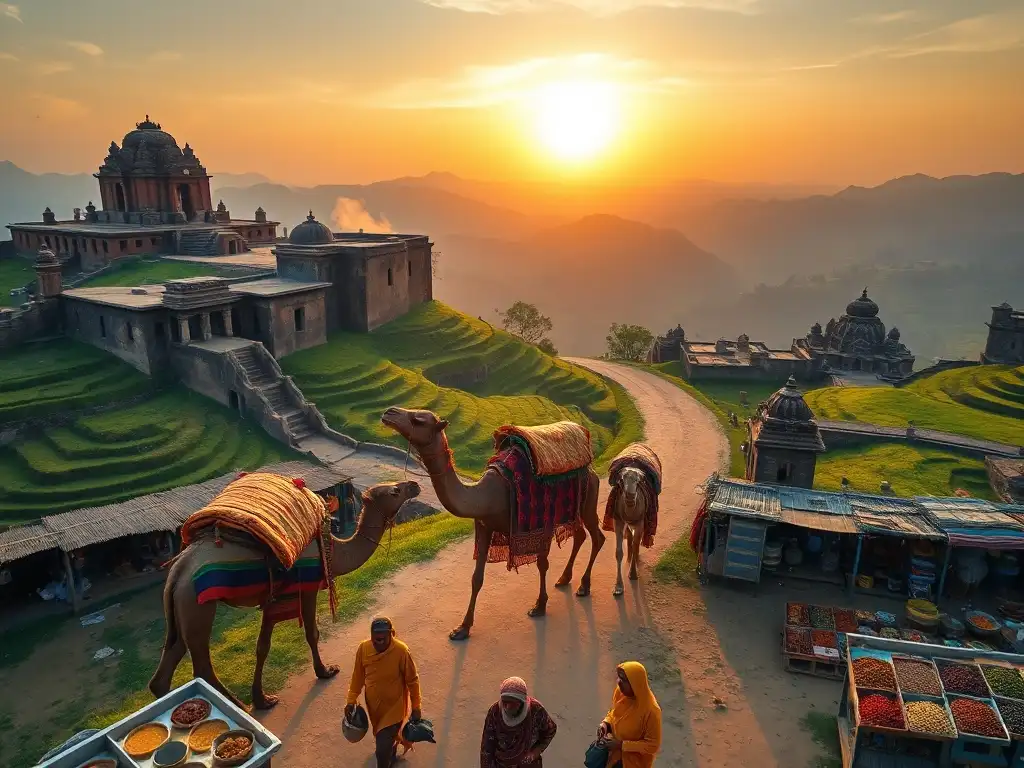
Welcome to Ancient India History, where we embark on a journey through time to unveil the rich tapestry of ancient civilizations that shaped the subcontinent. In our featured article, Rediscovering the Silk Routes of Eastern India: A Historical Perspective, we delve into the fascinating Eastern India Silk Routes history, exploring how trade and cultural exchange transformed societies and left an indelible mark on the region.
Prepare to be captivated by stories of adventure, innovation, and interconnectedness that reveal the profound impact of these ancient pathways. Join us as we uncover the mysteries of the past and ignite your curiosity for the vibrant histories that await!
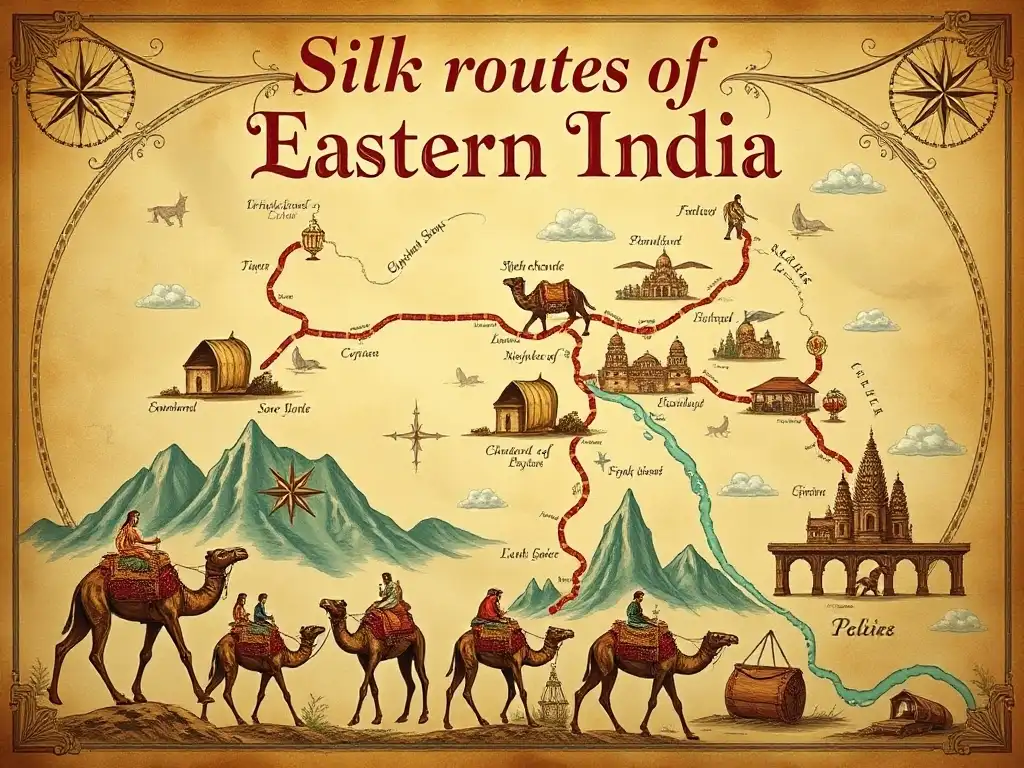
Introduction to Eastern India Silk Routes History
The Eastern India Silk Routes played a pivotal role in shaping the trade, culture, and socio-economic dynamics of ancient civilizations. This intricate network of trade routes not only facilitated the movement of silk and other luxury goods but also served as a conduit for cultural exchange, intellectual discourse, and the dissemination of religious beliefs. As we delve into the historical perspective of these routes, we will uncover how Eastern India emerged as a significant hub of commerce and cultural interaction, influencing both regional and global dynamics throughout its rich history.
In this exploration, we will examine the origins and evolution of the Silk Routes in Eastern India, their importance in ancient trade, and the key historical periods that contributed to their development. This journey through time will reveal the profound impact these routes had on the civilizations that thrived along them, from the flourishing cities of the Indus Valley to the majestic courts of the Gupta Empire.
Overview of the Silk Routes in Eastern India
The Silk Routes in Eastern India were part of a larger network that connected the East with the West, enabling the exchange of goods, ideas, and cultures. These routes traversed diverse landscapes, including lush valleys, mountains, and river basins, making them accessible for traders and travelers.
- Major Routes: The primary Silk Route passed through key urban centers such as Pataliputra (modern-day Patna), which was a bustling hub of trade and commerce.
- Goods Traded: While silk was the most coveted commodity, other goods such as spices, textiles, precious stones, and metals were also exchanged, contributing to the economic prosperity of the region.
The strategic position of Eastern India allowed it to serve as a critical junction for maritime and overland trade, connecting the Indian subcontinent with Central Asia, the Middle East, and beyond. This connectivity not only enriched local economies but also fostered a vibrant cultural tapestry influenced by diverse traditions and practices.
Importance of Eastern India in Ancient Trade
Eastern India’s significance in ancient trade cannot be overstated. The region's fertile lands and abundant resources supported agricultural production, which, in turn, facilitated trade. The following points highlight its importance:
- Cultural Exchange: The routes enabled the exchange of not just goods, but also philosophies, art forms, and religious practices, enriching the cultural landscape of Eastern India.
- Economic Prosperity: The influx of traders and merchants led to the growth of urban centers, boosting local economies and creating jobs.
- Political Influence: Control over these trade routes often translated into political power, with various kingdoms vying for dominance to reap the economic benefits.
Historical Background of the Silk Routes
The history of the Silk Routes in Eastern India is a tapestry woven with various influences, spanning centuries and encompassing numerous civilizations. Understanding this historical background is essential for grasping the significance of these routes.
The Origins of the Silk Routes
The origins of the Silk Routes can be traced back to ancient trade practices that emerged around the 2nd century BCE. Initially, these routes were established for the exchange of luxury goods between the East and West, but they gradually evolved into a complex network that facilitated broader cultural interactions.
- Early Trade Networks: The rise of powerful empires, such as the Maurya and Gupta Empires, played a crucial role in developing these routes, as they sought to expand their territories and influence.
- Cultural Significance: The exchange of ideas and beliefs, particularly Buddhism and Hinduism, along these routes had lasting impacts on the region's cultural and religious landscape.
Key Historical Periods Influencing Eastern India Silk Routes
Several historical periods significantly influenced the development and prominence of the Eastern India Silk Routes:
- Maurya Empire (322-185 BCE): The establishment of a centralized administration under Chandragupta Maurya laid the groundwork for trade expansion.
- Gupta Empire (c. 240-550 CE): This period is often referred to as the "Golden Age" of India, marked by significant advancements in art, science, and commerce.
- Medieval Period (c. 600-1500 CE): The routes continued to thrive, with the emergence of new trade dynamics and the influence of Islamic traders.
These periods not only enhanced the economic viability of the Silk Routes but also fostered a rich cultural exchange that defined Eastern India's historical narrative. By rediscovering these routes, we can gain invaluable insights into the interconnectedness of ancient civilizations and their enduring legacy.
Cultural Significance of the Eastern India Silk Routes
The Eastern India Silk Routes played a pivotal role in shaping the cultural landscape of the region. These routes not only facilitated the movement of goods but also became conduits for the exchange of ideas, religions, and artistic influences. The interactions fostered by these trade networks contributed significantly to the syncretic culture that defines Eastern India today.
The Silk Routes in Eastern India were instrumental in introducing diverse cultural practices and beliefs. For instance, the spread of Buddhism from India to East Asia was heavily influenced by these trade pathways. Monks traveled along these routes, sharing religious texts, art, and philosophy, which led to a fusion of Indian spiritual traditions with local customs in countries like China, Japan, and Korea.
Moreover, the Silk Routes encouraged the development of unique art forms and architectural styles in Eastern India. The influence of foreign traders and travelers can be seen in the intricate designs of temple architecture and the introduction of new motifs in textiles and pottery. This cross-cultural exchange enriched the local heritage and left an indelible mark on Eastern Indian civilization.
Trade and Cultural Exchange Along the Silk Routes
The trade along the Eastern India Silk Routes was characterized by an extensive network facilitating the exchange of not only goods but also cultural practices. Merchants traded silk, spices, textiles, and precious stones, fostering economic prosperity in the region. The bustling markets, especially in cities like Pataliputra and Tamralipti, became melting pots of diverse cultures, languages, and religions.
Cultural exchange was not solely limited to material goods. The movement of people, including traders, artisans, and scholars, contributed to the dissemination of knowledge and technology. For example, the introduction of advanced agricultural practices and new crop varieties from Southeast Asia transformed local farming techniques, enhancing food security and agricultural output.
This exchange also led to the proliferation of literature and philosophy, as texts were translated and adapted across cultures. The blending of local traditions with foreign influences created a rich tapestry of cultural identity that is still evident in Eastern India’s festivals, rituals, and artistic expressions.
Influence on Eastern Indian Civilizations
The influence of the Eastern India Silk Routes on local civilizations is profound and multifaceted. Economic prosperity derived from trade allowed various dynasties to flourish, leading to advancements in governance, art, and science. The wealth generated from trade helped in the patronage of arts and education, resulting in a vibrant cultural milieu.
Moreover, the routes facilitated the spread of religions such as Buddhism and Hinduism, as well as later, the influence of Islam. These religions shaped societal norms and values, leading to the establishment of educational institutions and centers of learning, such as Nalanda and Vikramashila, which attracted students and scholars from across Asia.
Additionally, the interactions along the Silk Routes paved the way for the establishment of diplomatic relations between Eastern India and other regions. Such engagements not only enhanced trade but also led to cooperative endeavors in various fields, including science and technology, thereby enriching the intellectual heritage of Eastern Indian civilizations.
Major Trade Centers in Eastern India
Eastern India was home to several major trade centers that thrived due to their strategic locations along the Silk Routes. These cities served as vital hubs for commerce and cultural exchange, significantly contributing to the region's historical development.
Key Cities Along the Silk Routes
- Pataliputra: As the capital of the Mauryan Empire, Pataliputra was a bustling metropolis and a key trading center. Its strategic location at the confluence of several rivers made it an essential node for trade and cultural exchange along the Silk Routes.
- Tamralipti: Located near the Bay of Bengal, Tamralipti was renowned for its port facilities, facilitating maritime trade. This city acted as a gateway for goods flowing between India and Southeast Asia, showcasing a rich blend of cultures.
- Kalinga: This region, which included modern-day Odisha, was famous for its craftsmanship, especially in textiles and metalworks. Kalinga served as a significant trading hub that connected Eastern India with other parts of Asia.
- Vaishali: Known for its historical and archaeological significance, Vaishali was an important center for trade and the spread of Buddhism. It attracted traders from different regions, contributing to its cosmopolitan character.
- Bengal: The Bengal region, particularly during the Gupta period, emerged as a crucial trade center due to its fertile land and access to waterways, allowing for the movement of goods and ideas.
The Impact of Geography on Trade Routes
The geography of Eastern India significantly influenced the development of trade routes. The region's diverse landscape, comprising rivers, hills, and plains, facilitated various modes of transportation, including overland and maritime routes.
- Rivers: The Ganges, Brahmaputra, and their tributaries served as natural highways, enabling easy navigation for traders. These waterways allowed for the efficient transport of goods, linking inland cities to coastal ports.
- Coastal Proximity: The closeness of Eastern India to the Bay of Bengal provided access to maritime trade routes. This connection allowed for trade with Southeast Asia, China, and beyond, enhancing the economic and cultural exchanges.
- Natural Resources: The presence of rich natural resources, such as spices and textiles, attracted traders from distant lands. The abundance of these resources enriched the local economy and allowed cities to flourish.
- Strategic Locations: Key cities were often situated at crossroad points where multiple trade routes converged, making them bustling centers of commerce and cultural interaction.
The interplay of these geographical factors fostered a dynamic trade environment in Eastern India, establishing it as a vital player in the broader narrative of Silk Route history.
Goods Traded on the Eastern India Silk Routes
The Eastern India Silk Routes, a vital network of trade paths, facilitated the exchange of a diverse array of goods, significantly impacting regional economies and cultures. This intricate web of routes connected not only India to other civilizations but also enabled various commodities to flow across borders, enriching the lives of those involved. The trade was not limited to silk alone; a multitude of goods traversed these routes, shaping the socio-economic landscape of Eastern India.
Types of Goods Exchanged
The goods traded on the Eastern India Silk Routes were varied, reflecting the rich resources and craftsmanship of the region. Some of the key commodities included:
- Silk: As the name suggests, silk was a primary export from Eastern India, particularly from regions like Bengal, where sericulture flourished.
- Spices: Exotic spices such as black pepper, cardamom, and turmeric were highly sought after, both locally and internationally.
- Textiles: Cotton and linen fabrics, often intricately woven and dyed, were traded widely. Bengal muslin, known for its fine quality, was particularly prized.
- Metals and Jewelry: Gold, silver, and precious stones were exchanged, showcasing the skilled craftsmanship of Eastern Indian artisans.
- Medicinal Herbs: Various herbs and traditional medicines found their way along these routes, contributing to the trade in health and wellness.
- Cultural Artifacts: Art, manuscripts, and religious items also formed part of this exchange, facilitating cultural interactions and the spread of ideas.
This diversity of goods highlights the role of Eastern India as a significant player in ancient trade networks, influencing markets as far away as Rome and the Middle East.
The Role of Artisans and Craftsmen in Trade
Artisans and craftsmen played a pivotal role in the Eastern India Silk Routes trade, not only as producers of goods but also as facilitators of cultural exchange. Their contributions can be outlined as follows:
- Skilled Production: Artisans specialized in various crafts, including textile weaving, metalwork, and pottery, ensuring high-quality products that met the demands of traders.
- Cultural Transmission: Through their interactions with foreign merchants, artisans exchanged techniques and styles, leading to a fusion of artistic traditions that enriched local cultures.
- Economic Impact: The work of craftsmen supported local economies, creating jobs and sustaining livelihoods, thereby enhancing community prosperity.
- Networking: Artisans often participated in trade fairs and gatherings, where they connected with traders from different regions, expanding their market reach and fostering relationships that could lead to future trade opportunities.
In essence, the artisans and craftsmen were not just participants in the economy; they were vital contributors to the cultural and social fabric woven through the Eastern India Silk Routes.
The Decline and Transformation of the Silk Routes
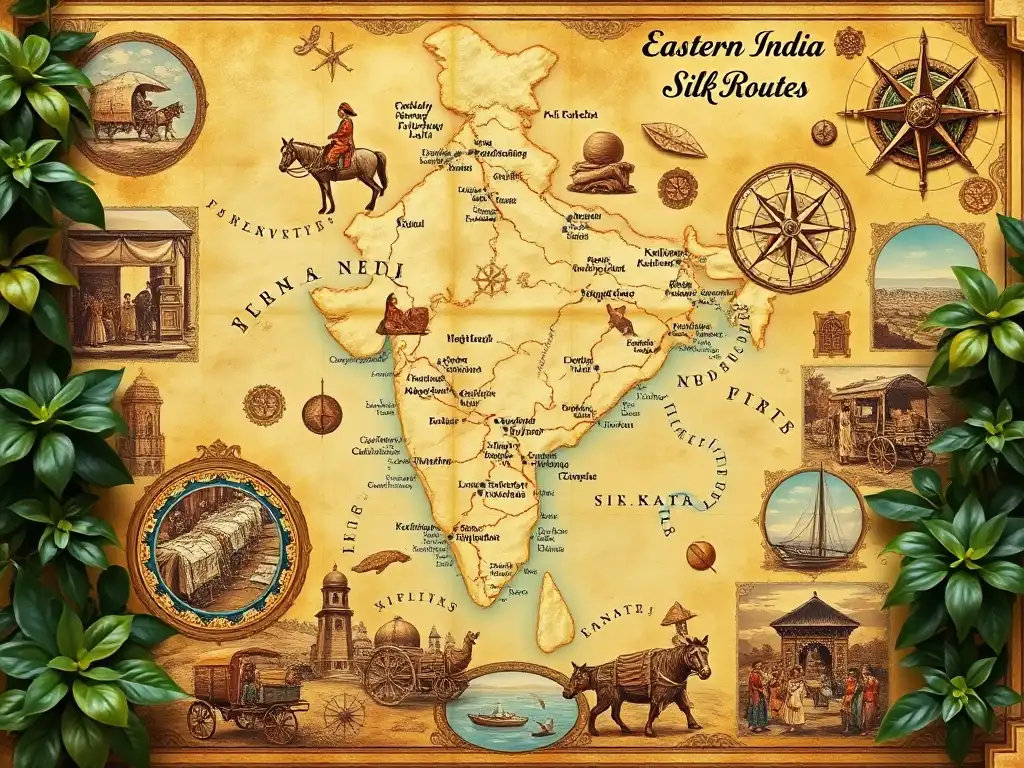
The decline of the Eastern India Silk Routes was a gradual process influenced by a variety of factors that transformed trade dynamics in the region. Understanding these changes is crucial for appreciating the historical significance of these routes.
Factors Leading to the Decline of Eastern India Silk Routes
Several factors contributed to the decline of the Eastern India Silk Routes:
- Political Instability: The rise and fall of empires in India often led to instability, disrupting trade flows and making routes unsafe for merchants.
- Changing Trade Patterns: As maritime trade routes became more prominent, particularly during the Age of Exploration, overland routes lost their significance. The ease of sea travel diminished the reliance on traditional Silk Routes.
- Economic Shifts: The shift towards local production and consumption reduced the demand for imported goods, impacting the profitability of long-distance trade.
- Colonial Influence: The advent of colonial powers in the 18th and 19th centuries altered trade dynamics, imposing new structures that marginalized traditional trade routes.
- Infrastructure Decay: With decreasing use, the infrastructure supporting these trade routes deteriorated, further impeding commerce.
These factors collectively contributed to a decline that transformed the landscape of trade in Eastern India.
Modern Perspectives on Historical Trade Routes
In contemporary times, the historical significance of the Eastern India Silk Routes is being reevaluated, revealing insights into their lasting impact on trade and cultural exchange. Modern perspectives include:
- Cultural Heritage: There's a renewed interest in preserving the cultural heritage associated with the Silk Routes, emphasizing their role in shaping regional identities and histories.
- Economic Opportunities: Current initiatives to revive trade routes, such as the Belt and Road Initiative, draw inspiration from ancient networks, showcasing their relevance in modern economic strategies.
- Research and Education: Academic interest in the Silk Routes has surged, leading to new research that uncovers the complexities of ancient trade, including the socio-political contexts in which they operated.
- Tourism: Many former trade routes are now promoted as historical tourism destinations, allowing visitors to explore the rich tapestry of cultures and exchanges that characterized these pathways.
The Eastern India Silk Routes, once central to ancient trade, continue to inspire discussions about globalization, cultural exchange, and economic development in the modern world.
Rediscovery and Preservation of the Silk Routes Heritage
The rediscovery of the Silk Routes of Eastern India has been a significant endeavor for historians, archaeologists, and cultural enthusiasts alike. This ancient network of trade routes facilitated not only the exchange of goods but also the flow of ideas, culture, and technology between civilizations. Recent efforts have focused on uncovering the remnants of these routes and understanding their historical significance.
Preservation initiatives have highlighted the importance of safeguarding the archaeological sites, ancient texts, and cultural artifacts linked to the Silk Routes. Organizations and local communities are increasingly recognizing that these historical assets are vital for understanding the socio-economic dynamics of ancient trade and cultural exchange. Collaborative projects aim to document and restore these sites, ensuring that future generations can appreciate and learn from this rich heritage. Educational programs and cultural festivals are also being organized to raise awareness and promote the significance of Eastern India’s role in the larger narrative of the Silk Routes.
Archaeological Discoveries Related to the Silk Routes
Archaeological discoveries in Eastern India have unveiled a treasure trove of information related to the Silk Routes. Excavations at sites such as Pataliputra, the ancient capital of the Maurya Empire, have revealed artifacts that indicate extensive trade networks. Items such as silk, spices, and pottery provide evidence of flourishing commerce with distant lands, including China and the Roman Empire.
In addition to material goods, inscriptions and coins found during these excavations point to the cultural exchanges that occurred along these routes. For instance, the discovery of Buddhist relics in trade hubs suggests that the spread of Buddhism was intertwined with trade activities. Moreover, recent findings in regions like Bengal and Odisha have unveiled ancient port cities that served as critical nodes in the maritime Silk Route, further emphasizing Eastern India’s importance in this vast trade network.
Importance of Preserving Eastern India’s Historical Trade Legacy
Preserving Eastern India’s historical trade legacy is crucial for several reasons. First, it serves as a testament to the region’s historical significance as a melting pot of cultures and ideas. By safeguarding this legacy, we can foster a deeper appreciation for the rich tapestry of human interactions that shaped our present.
Furthermore, the preservation of trade routes and related heritage sites can have significant socio-economic benefits. By promoting tourism centered around these historical narratives, local communities can gain economic advantages while simultaneously raising awareness of their cultural heritage. This approach not only helps in the conservation of historical sites but also empowers local populations by creating jobs and stimulating local economies.
Conclusion: The Legacy of the Eastern India Silk Routes
The legacy of the Eastern India Silk Routes continues to influence various facets of contemporary society. As we delve into the rich history of these routes, we uncover invaluable insights into the interconnectedness of ancient civilizations and the profound impact of trade on cultural development.
Impact on Modern Eastern India
The impact of the Eastern India Silk Routes is still palpable in modern times. The routes facilitated not just trade but also the exchange of ideas, which has left lasting impressions on the region's art, architecture, and religious practices. Modern Eastern India reflects this historical amalgamation, with diverse cultural influences visible in daily life, festivals, and even in the local cuisine.
Moreover, the resurgence of interest in these historical trade routes has prompted initiatives aimed at enhancing infrastructure, such as better roads and connectivity that echo the ancient pathways of commerce. This revitalization can lead to increased trade opportunities and strengthen economic ties both nationally and internationally, aligning with the globalized economy of today.
Lessons from the Eastern India Silk Routes History
The history of the Eastern India Silk Routes offers several lessons that remain relevant today. One key takeaway is the importance of cultural exchange in fostering mutual understanding and collaboration. Just as ancient traders navigated diverse cultures, modern societies can learn to embrace diversity and promote inclusivity.
Additionally, the resilience of trade networks during periods of upheaval teaches us about adaptability. The ability to forge new connections and explore alternative routes in response to challenges can inspire contemporary strategies in navigating today’s complex global landscape. Ultimately, the lessons from the Eastern India Silk Routes encourage us to value our historical legacies while seeking pathways to a more interconnected future.
- Introduction to Eastern India Silk Routes History
- Overview of the Silk Routes in Eastern India
- Importance of Eastern India in Ancient Trade
- Historical Background of the Silk Routes
- Cultural Significance of the Eastern India Silk Routes
- Major Trade Centers in Eastern India
- Goods Traded on the Eastern India Silk Routes
- The Decline and Transformation of the Silk Routes
- Rediscovery and Preservation of the Silk Routes Heritage
- Conclusion: The Legacy of the Eastern India Silk Routes
Frequently Asked Questions
What are the Silk Routes in Eastern India?
The Silk Routes in Eastern India refer to the network of trade routes that facilitated the exchange of goods, culture, and ideas between India and other Asian regions, significantly impacting its historical development.
How did the Silk Routes influence Eastern Indian culture?
The Silk Routes enabled the exchange of art, religion, and technology, leading to a rich cultural synthesis in Eastern India, as seen in the spread of Buddhism and Hinduism through trade interactions.
Which civilizations were prominent along the Eastern India Silk Routes?
Prominent civilizations included the Indus Valley Civilization, the Maurya Empire, and the Gupta Empire, each contributing to the growth and significance of these trade routes in ancient history.
What were the primary goods traded along these routes?
Key goods included silks, spices, precious stones, and metals, which were highly sought after in both Eastern and Western markets, boosting the economies of the regions involved.
How did the Eastern India Silk Routes impact trade with other regions?
The Eastern India Silk Routes served as a crucial link between India and Central Asia, facilitating trade and cultural exchanges that enriched both regions and laid the foundation for future economic ties.
Final Reflection: Reviving the Legacy of Eastern India's Silk Routes
The exploration of Eastern India’s Silk Routes history is not merely a journey into the past; it is a vital connection to our present and future. As we uncover the rich tapestry of trade, culture, and interaction that these routes fostered, we realize their profound impact on shaping identities and economies. Today, in an increasingly globalized world, the lessons from these ancient pathways remind us of the importance of connectivity and cultural exchange. The Silk Routes were not just trade routes; they were lifelines that nurtured civilizations and fostered mutual understanding.
The influence of the Silk Routes continues to resonate in our cultural and social landscape. In a time when borders often divide us, the stories of these ancient trade routes remind us of our shared heritage and interconnectedness. The vibrant exchanges of goods, ideas, and traditions along these paths have left an indelible mark on the communities of Eastern India.
As historian John Green aptly stated, ">The past is never dead. It’s not even past." This sentiment echoes the ongoing relevance of the Silk Routes, as they serve as a reminder of how history shapes our present and can guide our future.
As we reflect on the significance of Eastern India’s Silk Routes, I invite you to consider how you can apply these lessons in your own life. Think about the connections you can foster in your community, the cultures you can embrace, and the stories you can share.
Let the spirit of the Silk Routes inspire you to build bridges rather than walls, to celebrate diversity, and to engage in meaningful exchanges that enrich your life and the lives of those around you. The legacy of these ancient pathways is not just a historical account; it is a call to action for all of us to weave our own threads into the vibrant tapestry of human experience.
Unveil the Mysteries of Eastern India's Silk Routes!
Thank you for exploring the captivating journey of Eastern India's Silk Routes with us! We hope you’ve gained a deeper understanding of this historical treasure and its significance in shaping trade and culture in the region. Now, it’s time to take that inspiration and put it into action!
Here’s how you can dive deeper into this fascinating world:
- Explore a Local Museum: Visit a nearby museum that showcases artifacts or exhibits related to the Silk Routes. Experience history up close and share your insights with friends!
- Join a Regional History Tour: Sign up for a guided tour focusing on the historical trade hubs of Eastern India. Engage with experts and fellow history enthusiasts to expand your knowledge.
- Connect with Online Communities: Share your thoughts or discoveries about the Silk Routes on social media or history forums. Your insights could inspire others to learn more!
What aspect of the Silk Routes do you find most intriguing, and how will you explore it further?