
The Cultural Exchange Between Eastern India and Southeast Asia: A Historical Overview

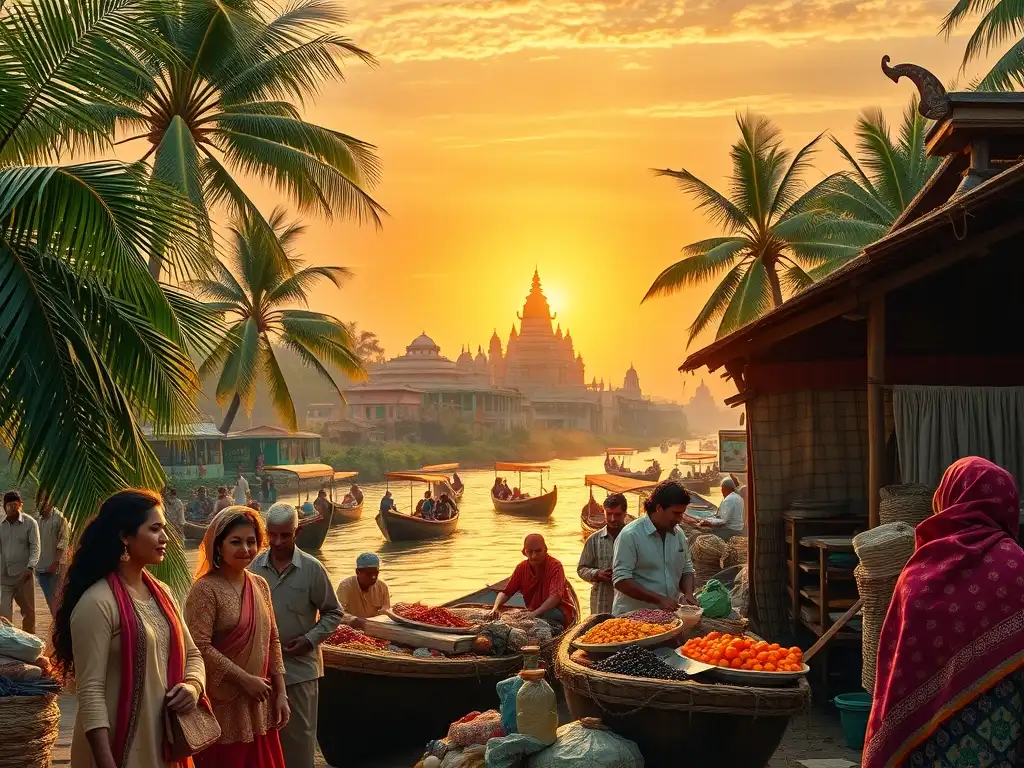
Welcome to Ancient India History, where we embark on a fascinating journey through time to uncover the rich tapestry of ancient Indian civilizations. In our featured article, "The Cultural Exchange Between Eastern India and Southeast Asia: A Historical Overview," we delve into the intricate connections that shaped the cultural landscape of these regions. Discover how trade, art, and ideas flowed across borders, influencing societies and fostering a vibrant exchange of traditions. Prepare to be captivated by the stories that reveal the profound impact of these interactions, and let your curiosity guide you deeper into the annals of history!
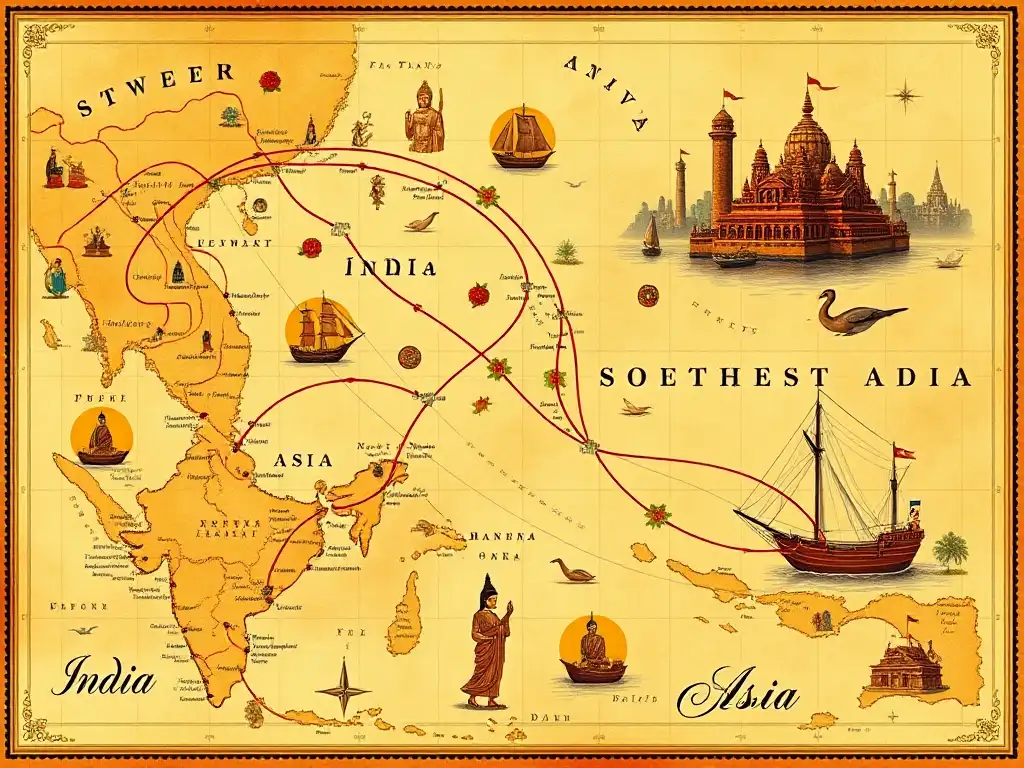
The cultural exchange between Eastern India and Southeast Asia represents a fascinating chapter in the annals of history, characterized by a rich tapestry of interactions that significantly shaped the societies of both regions. This exchange not only facilitated the transfer of ideas, art, and religion but also fostered economic ties and diplomatic relations that endured for centuries.
From the flourishing trade routes that connected the ports of Eastern India to the vibrant kingdoms of Southeast Asia, this historical overview aims to illuminate the profound impact of these exchanges on the cultural landscapes of both areas. Understanding the dynamics of this relationship is essential to appreciate the interconnectedness of ancient civilizations and the lasting legacies they have left behind.
Introduction to Cultural Exchange
Definition of Cultural Exchange
Cultural exchange refers to the process through which different cultures share and adopt elements from one another, including traditions, languages, art, and religious beliefs. This phenomenon often occurs through various means such as trade, migration, conquest, or diplomacy. In the context of Eastern India and Southeast Asia, cultural exchange played a crucial role in shaping the identities and societal frameworks of the civilizations involved.
Importance of Cultural Exchange in History
The significance of cultural exchange in history cannot be overstated. It acts as a catalyst for innovation, fostering creativity and the evolution of ideas. Moreover, it promotes mutual understanding and respect among diverse populations, which can lead to peaceful coexistence and collaboration. In the case of Eastern India and Southeast Asia, this exchange contributed to the spread of Buddhism, Hinduism, and various artistic traditions, enriching the cultural heritage of both regions.
Historical Context of Eastern India
Overview of Eastern India's Civilizations
Eastern India has been home to several prominent civilizations throughout history, including the Maurya, Gupta, and Pala dynasties. Each of these civilizations contributed distinct cultural and intellectual advancements, from the establishment of trade networks to the proliferation of literature and philosophy. Cities like Pataliputra became vital hubs for commerce and culture, facilitating interactions with neighboring regions and beyond.
Key Historical Periods Influencing Cultural Exchange
Several key historical periods significantly influenced cultural exchange between Eastern India and Southeast Asia:
- The Mauryan Empire (c. 322-185 BCE): Established extensive trade routes that connected India with Southeast Asia.
- The Gupta Empire (c. 240-550 CE): Known as the Golden Age of India, it saw advancements in science, mathematics, and art, which traveled to Southeast Asia.
- The Pala Empire (c. 750-1174 CE): Promoted the spread of Buddhism and established educational institutions, further enhancing cultural ties.
Understanding these historical contexts provides insight into the complex interactions that shaped the cultural identities of Eastern India and Southeast Asia, highlighting the enduring impact of their exchanges.
Southeast Asia: A Cultural Mosaic
Southeast Asia is renowned for its rich tapestry of cultures, languages, and traditions that have evolved over millennia. This region, comprising countries such as Indonesia, Malaysia, Thailand, and Vietnam, is characterized by a blend of indigenous customs and external influences that have shaped its unique identity. The complexity of Southeast Asian culture stems from its historical interactions with various civilizations, including Indian, Chinese, and Islamic cultures.
The cultural mosaic of Southeast Asia is evident in its art, architecture, cuisine, and religious practices. For instance, the influence of Indian culture is prominently visible in the region's temple architecture, dance forms, and literature. The cross-pollination of ideas and practices has fostered an environment where cultural diversity thrives, making Southeast Asia a vibrant hub of social and artistic expression.
Overview of Southeast Asian Civilizations
Southeast Asia's civilizations have roots that extend back to ancient times, with notable kingdoms such as Srivijaya, Majapahit, and Cambodia's Khmer Empire. These kingdoms played pivotal roles in regional trade and cultural exchange. The Srivijaya Empire, for instance, emerged as a maritime powerhouse by controlling the Strait of Malacca and facilitating trade between India and China.
The Khmer Empire is renowned for its monumental architecture, particularly Angkor Wat, which reflects the synthesis of local and Indian artistic influences. Similarly, the Majapahit Empire, which dominated the Indonesian archipelago, was instrumental in the spread of Hinduism and Buddhism across the region. The evolution of these civilizations illustrates the dynamic interplay of indigenous cultures and foreign influences that characterize Southeast Asia.
Historical Influences on Southeast Asia
The historical influences on Southeast Asia are diverse and multi-faceted. One of the most significant contributors to the region’s cultural landscape has been the introduction of Hinduism and Buddhism from India. These religions not only provided spiritual frameworks but also influenced governance, social structures, and artistic expressions within the various kingdoms.
Furthermore, trade networks established during ancient times facilitated the exchange of ideas, technologies, and goods. The arrival of Chinese merchants introduced new agricultural practices and innovations, while Islamic traders contributed to cultural and commercial exchanges that reshaped local practices. This confluence of influences has led to the development of unique cultural identities that continue to evolve today.
Early Connections Between Eastern India and Southeast Asia
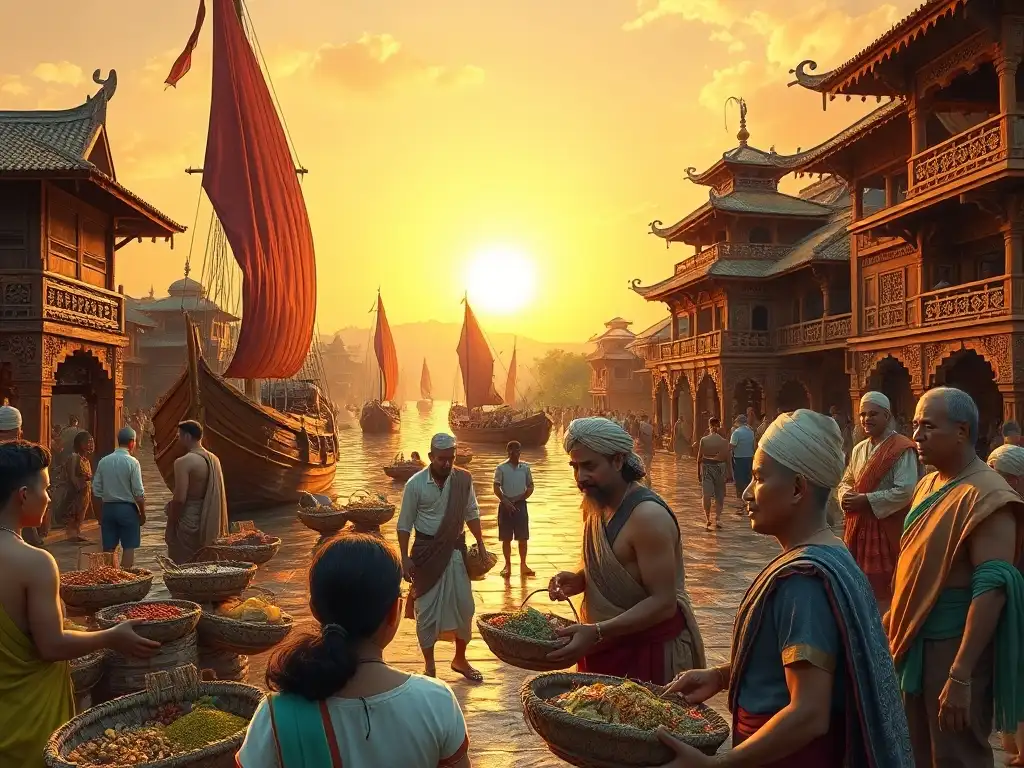
The connections between Eastern India and Southeast Asia date back to ancient times when maritime trade routes began to flourish. These early interactions laid the groundwork for significant cultural, economic, and religious exchanges that enriched both regions.
Trade Routes Linking Eastern India and Southeast Asia
Maritime trade routes played a crucial role in connecting Eastern India with Southeast Asia. The Bay of Bengal served as a vital conduit for merchants traveling between the Indian subcontinent and the islands of Southeast Asia. Major ports like Tamralipti (in present-day West Bengal) became bustling centers for trade, facilitating the movement of goods such as spices, textiles, and precious stones.
These trade routes were not merely economic pathways; they were also conduits for cultural exchange. As traders moved across the seas, they carried with them not only commodities but also ideas, philosophies, and religious beliefs. This exchange was instrumental in spreading Hinduism and Buddhism throughout Southeast Asia, profoundly influencing local cultures.
Influence of Maritime Trade on Cultural Exchange
The influence of maritime trade on cultural exchange between Eastern India and Southeast Asia cannot be overstated. The interactions facilitated the dissemination of art, literature, and religious practices across vast distances. For example, the introduction of Indian epics like the Ramayana and Mahabharata shaped local storytelling traditions, resulting in distinct adaptations within Southeast Asian cultures.
Moreover, the trade connections helped establish a network of cultural diplomacy, where Indian scholars and artisans traveled to Southeast Asia, sharing knowledge and techniques. The blending of artistic styles is evident in temple architecture, sculptures, and dance forms that reflect both Indian and local influences. This cultural symbiosis not only enriched Southeast Asia’s heritage but also underscored the significance of Eastern India as a pivotal player in the region's historical narrative.
Major Aspects of Cultural Exchange
The cultural exchange between Eastern India and Southeast Asia has been a multifaceted process that has significantly influenced the development of both regions. This exchange can be observed across various domains including religion, art, language, and trade practices. The interactions initiated by maritime trade routes and land connections facilitated not only economic transactions but also the sharing of ideas, beliefs, and cultural practices. This rich tapestry of interaction has left a lasting legacy that can still be seen today in the customs, traditions, and practices of Southeast Asian societies.
Religion and Spiritual Practices
One of the most profound aspects of cultural exchange was in the realm of religion and spirituality. Eastern India, being a cradle of major religions like Hinduism and Buddhism, played a pivotal role in disseminating these beliefs throughout Southeast Asia.
- Buddhism's Spread: The advent of Buddhism in the 5th century BCE saw monks and traders travel from the Indian subcontinent to regions like modern-day Thailand, Myanmar, and Indonesia. The establishment of the ancient city of Borobudur in Java is a testament to this influence, showcasing intricate carvings and stupas that reflect Buddhist iconography and philosophy.
- Hindu Influence: Similarly, Hinduism made significant inroads into Southeast Asia, particularly during the reign of the Khmer Empire. The construction of Angkor Wat, originally dedicated to the Hindu god Vishnu, highlights the architectural and spiritual impact of Indian culture.
These spiritual exchanges led to the creation of hybrid practices, where local beliefs were intertwined with Indian philosophies, resulting in unique religious expressions.
Art and Architecture
The artistic and architectural legacy of Eastern India had a profound impact on the cultural landscape of Southeast Asia.
- Sculptural Art: The intricate stone carvings found in Eastern Indian temples, such as those in Khajuraho and Konark, influenced sculptural styles across Southeast Asia. The motifs and themes depicted in Indian art were adopted and adapted by local artisans, giving rise to a unique blend of styles that can be observed in the temples of Bali and Cambodia.
- Architectural Techniques: The architectural principles developed in Eastern India, particularly the use of stone and the design of temple complexes, were emulated in Southeast Asia. For instance, the temple architecture of Angkor reflects Indian influences, particularly in its layout and iconography.
This exchange of artistic and architectural ideas facilitated the establishment of monumental structures that have become cultural symbols for their respective regions.
Language and Literature
Language and literature also played a critical role in the cultural exchange between Eastern India and Southeast Asia.
- Sanskrit and the Influence on Local Languages: Sanskrit, as the liturgical and scholarly language of ancient India, significantly influenced many Southeast Asian languages. Many terms and literary styles were borrowed, leading to the development of rich literary traditions that incorporated Sanskrit vocabulary and themes.
- Epic Narratives: The Ramayana and Mahabharata, two of India's greatest epics, found their way into Southeast Asian culture. Adaptations of these texts in local languages and forms have become integral to the cultural identity of several Southeast Asian nations, demonstrating the lasting impact of Indian narratives on regional literature.
Significant Historical Events in Cultural Exchange
The historical events that marked the cultural exchange between Eastern India and Southeast Asia were driven largely by trade and diplomacy. These interactions paved the way for a deeper understanding and integration of cultural practices.
The Role of Trade Empires
The rise of trade empires in Eastern India, particularly during the first millennium CE, facilitated extensive cultural exchanges with Southeast Asia.
- Maritime Trade Routes: Indian traders established maritime routes that connected the ports of Eastern India with those of Southeast Asia, such as Srivijaya and Funan. This network not only enabled the flow of goods like spices, textiles, and precious metals but also facilitated the exchange of ideas, technologies, and cultural practices.
- Cultural Assimilation: As traders settled in Southeast Asia, they brought with them not only their merchandise but also their customs and beliefs. The establishment of Indian merchant communities in Southeast Asian ports led to a blending of cultures, resulting in the assimilation of Indian customs into local traditions.
This dynamic interplay of trade and cultural exchange significantly shaped the socio-political landscape of Southeast Asia, leading to the emergence of powerful city-states influenced by Indian culture.
Diplomatic Relations and Cultural Missions
Diplomatic relations between Eastern India and various Southeast Asian kingdoms further enhanced cultural exchange.
- Cultural Missions: Historical records indicate that several Indian kings sent missions to Southeast Asian courts, fostering relationships that were both political and cultural. These missions often included scholars, artists, and religious figures who shared knowledge and cultural practices.
- Royal Patronage: Southeast Asian rulers, recognizing the cultural prestige associated with India, often patronized Indian scholars and artisans. This royal endorsement facilitated the establishment of Indian-style institutions, such as universities and temples, which served as centers for learning and cultural exchange.
Through these diplomatic channels, both regions exchanged not only goods but also cultural practices, philosophies, and artistic expressions, further enriching their respective traditions.
Impact of Cultural Exchange on Modern Southeast Asia and Eastern India
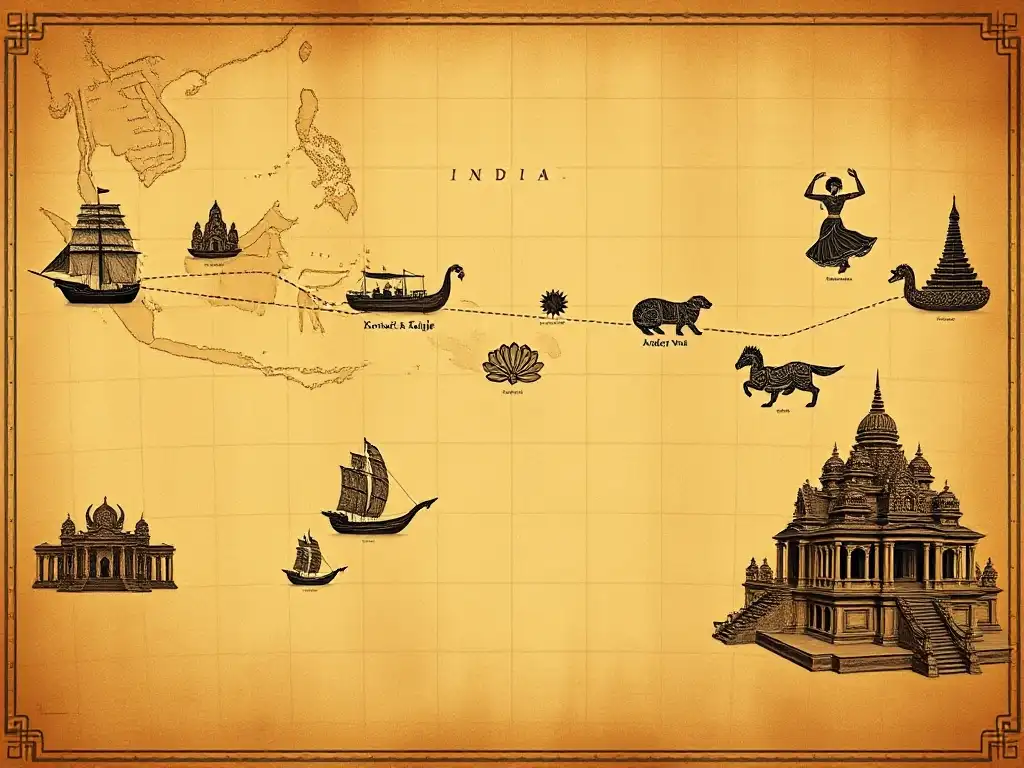
The cultural exchange between Eastern India and Southeast Asia has left an indelible mark on both regions, shaping their societies, traditions, and identities. This exchange has facilitated the transfer of ideas, art forms, religious beliefs, and social practices, which continue to influence contemporary culture in both areas. The historical interactions, primarily through trade routes and maritime connections, fostered a rich tapestry of shared customs and traditions that resonate today.
Lasting Cultural Legacies
Numerous legacies from the cultural exchange can still be observed in modern Southeast Asia and Eastern India. For instance, the spread of Hinduism and Buddhism from Eastern India has deeply influenced the spiritual landscape of Southeast Asian countries like Indonesia, Thailand, and Cambodia. Temples such as Angkor Wat in Cambodia and Borobudur in Indonesia exemplify the architectural brilliance that arose from this exchange, showcasing Indian artistic styles and religious narratives.
Additionally, languages and scripts have been affected by this interaction. Many Southeast Asian languages, such as Khmer and Javanese, have incorporated Sanskrit vocabulary, which reflects the historical significance of Indian culture. Festivals, rituals, and art forms, including traditional dance and music, also reveal the profound influence of Eastern Indian traditions, with many Southeast Asian cultures celebrating Hindu festivals like Diwali and the influence of Indian epics like the Ramayana.
Contemporary Cultural Connections
In the modern era, the cultural connections between Eastern India and Southeast Asia continue to thrive. The Indian diaspora in Southeast Asia plays a crucial role in maintaining these ties, with many communities actively participating in cultural exchanges through festivals, cuisine, and art. The culinary traditions, for example, showcase a blend of Indian spices and cooking techniques with local ingredients, reflecting the intermingling of cultures.
Moreover, contemporary art and literature often draw upon historical themes, with artists and writers exploring their shared heritage. Collaborative efforts in tourism, education, and cultural festivals also highlight the ongoing relationship between the two regions. Initiatives to promote cultural tourism, such as heritage walks and exhibitions, serve as platforms to celebrate and educate people about this rich cultural lineage.
Conclusion: The Enduring Legacy of Cultural Exchange
The historical cultural exchanges between Eastern India and Southeast Asia have produced a legacy that endures in the fabric of both regions. Understanding this legacy is essential for appreciating the complexities of their shared history and for recognizing the contributions of both cultures to the global cultural landscape.
Summary of Key Points
- The cultural exchange between Eastern India and Southeast Asia has resulted in significant influences in religion, art, and language.
- Lasting legacies include the spread of Hinduism and Buddhism, architectural marvels, and shared linguistic elements.
- Contemporary cultural connections continue through the Indian diaspora, culinary practices, and collaborative cultural initiatives.
The Importance of Understanding Historical Cultural Exchanges
Understanding historical cultural exchanges is vital for several reasons. It helps to foster mutual respect and appreciation among cultures, allowing for a deeper comprehension of how historical events shape modern identities. Additionally, recognizing these exchanges can aid in the preservation of cultural heritage, as it encourages communities to celebrate their shared history and to continue promoting cultural dialogue. Ultimately, this understanding not only enriches our knowledge of the past but also enhances the cultural relations between nations in the present and future.
References
The cultural exchange between Eastern India and Southeast Asia is a subject of extensive research and documentation. Scholars have explored various aspects, from trade routes to the diffusion of religious beliefs, art, and architecture. Below are some key references that provide insight into the historical connections and exchanges between these regions.
-
Goh, K. S. "Cultural Interactions between India and Southeast Asia: An Overview." Journal of Southeast Asian Studies, vol. 40, no. 3, 2009, pp. 389-410.
This article discusses the multifaceted cultural interactions between India and Southeast Asia, emphasizing trade, religion, and art.
-
Chaudhuri, K. N. Trade and Civilization in the Indian Ocean: An Economic History from the Rise of Islam to 1750. Cambridge University Press, 1985.
Chaudhuri's work examines trade patterns in the Indian Ocean, shedding light on the economic exchanges that facilitated cultural interactions.
-
Majumdar, R. C. An Advanced History of India. Macmillan, 1960.
This comprehensive history covers the political and cultural developments in India, including the influence of Eastern India on Southeast Asia.
-
Sundaram, K. "Buddhism and the Cultural Exchange between India and Southeast Asia." Asian Studies Review, vol. 31, no. 2, 2007, pp. 201-218.
This paper explores the spread of Buddhism from India to Southeast Asia and its lasting cultural impacts.
Suggested Further Reading on Cultural Exchange
For a deeper understanding of the cultural exchange between Eastern India and Southeast Asia, the following texts are highly recommended:
-
Dehejia, Vidya. Indian Art: A History. Phaidon Press, 1997.
This book provides an in-depth analysis of Indian art and its influence across borders, including Southeast Asia.
-
Fuchs, Stephen. The Indosphere: The Indian Ocean and the Cultures of Southeast Asia. Routledge, 2016.
Fuchs delves into the interconnectedness of cultures across the Indian Ocean, highlighting the role of Eastern India in shaping Southeast Asian identities.
-
Sullivan, Michael. The Arts of China. University of California Press, 1999.
Although primarily focused on China, this book discusses the broader context of cultural exchanges in Asia, including influences from India.
-
Basham, A. L. The Wonder That Was India. Vintage, 2004.
Basham’s classic work outlines the cultural richness of ancient India, touching upon its interactions with Southeast Asia.
Academic Sources on Eastern India and Southeast Asia
Several academic sources provide valuable insights into the historical dynamics between Eastern India and Southeast Asia:
-
Wang, Gungwu. "The Maritime Silk Road and Cultural Exchange." Southeast Asian Studies, vol. 12, no. 1, 2014, pp. 13-29.
This article examines the maritime trade routes that facilitated cultural exchanges across the region.
-
Kumar, Rajesh. Cultural Connections: Eastern India and Southeast Asia. Oxford University Press, 2013.
Kumar's book provides a comprehensive look at the shared cultural heritage and influences between Eastern India and Southeast Asia.
-
Tinker, Hugh. The Bengal Renaissance: New Perspectives on the Cultural Exchange. Cambridge University Press, 2000.
This work discusses the cultural movements in Bengal and their impact on Southeast Asian societies.
-
Loh, Chan Y. "The Influence of Indian Culture on Southeast Asian Societies." Asian Culture and History, vol. 5, no. 1, 2013, pp. 89-102.
Loh examines the various ways Indian culture, particularly from Eastern India, influenced Southeast Asian societies throughout history.
These resources collectively contribute to a richer understanding of the intricate cultural exchanges that have taken place between Eastern India and Southeast Asia, highlighting their historical significance and enduring legacy.
- Introduction to Cultural Exchange
- Historical Context of Eastern India
- Southeast Asia: A Cultural Mosaic
- Early Connections Between Eastern India and Southeast Asia
- Major Aspects of Cultural Exchange
- Significant Historical Events in Cultural Exchange
- Impact of Cultural Exchange on Modern Southeast Asia and Eastern India
- Conclusion: The Enduring Legacy of Cultural Exchange
- References
- What was the significance of cultural exchange between Eastern India and Southeast Asia?
- How did trade routes contribute to this cultural exchange?
- What role did religion play in the cultural exchange?
- Can you name some key contributions from Eastern India to Southeast Asia?
- How did the Gupta Empire influence cultural exchange?
Frequently Asked Questions
What was the significance of cultural exchange between Eastern India and Southeast Asia?
The cultural exchange facilitated trade, religion, and artistic influences, shaping the development of civilizations in both regions. This interaction enriched their cultural identities and laid the foundation for future relationships.
How did trade routes contribute to this cultural exchange?
Trade routes served as vital links, allowing the flow of goods, ideas, and technologies between Eastern India and Southeast Asia. This exchange not only boosted economic growth but also encouraged cultural dissemination.
What role did religion play in the cultural exchange?
Buddhism and Hinduism spread from Eastern India to Southeast Asia, significantly impacting the spiritual landscape. This religious diffusion fostered a shared cultural heritage and influenced local practices and architecture.
Can you name some key contributions from Eastern India to Southeast Asia?
Eastern India contributed various art forms, literature, and architectural styles. Notable examples include the Buddhist stupas and the influence of Sanskrit on local languages and literature.
How did the Gupta Empire influence cultural exchange?
The Gupta Empire was a period of prosperity and intellectual advancement in Eastern India, promoting trade and cultural interactions. Its influence extended to Southeast Asia, where Indian culture became intertwined with local traditions.
Final Reflection: Embracing the Legacy of Cultural Exchange
The historical ties between Eastern India and Southeast Asia serve as a powerful reminder of the enduring impact of cultural exchange on our societies today. As we navigate a world that is increasingly interconnected, understanding these historical interactions helps us appreciate the rich tapestry of influences that shape our identities. The shared heritage of art, religion, and trade between these regions not only highlights their past but also emphasizes the importance of collaboration and mutual respect in our contemporary global landscape.
Cultural exchange is not merely a relic of history; it continues to resonate in our modern lives, influencing everything from cuisine to spirituality. The stories of travelers, traders, and scholars who bridged these two regions remind us of the beauty found in diversity and the strength derived from shared experiences. In diversity, there is beauty and there is strength.
— Maya Angelou. This ongoing dialogue between cultures fosters understanding and empathy, encouraging us to celebrate our differences while recognizing our common humanity.
As we reflect on the lessons drawn from the cultural exchange between Eastern India and Southeast Asia, I invite you to consider how you can contribute to this legacy in your own life. Engage with different cultures, seek out new perspectives, and foster connections that transcend geographical boundaries. By doing so, you not only honor the rich history of these regions but also play a vital role in shaping a more inclusive and harmonious future for all. Let us embrace the spirit of cultural exchange and allow it to guide our actions and interactions in the world today.
Embark on Your Journey of Cultural Discovery!
Thank you for taking the time to explore the fascinating cultural exchange between Eastern India and Southeast Asia! You’ve uncovered stories and insights that illuminate how history shapes our present. Now, it's time to take action and deepen your connection to this rich heritage.
Here are a few ways you can continue your journey:
- Dive deeper into history: Visit local museums or cultural centers that showcase the influences of Eastern Indian culture in Southeast Asia.
- Join the conversation: Share this article with friends or on social media, and encourage discussions about cultural interconnections in your community.
- Get inspired: Participate in workshops or events centered on art, music, or cuisine from these regions to experience the richness of their shared heritage firsthand!
What aspect of the cultural exchange intrigues you the most, and how do you plan to incorporate this newfound knowledge into your life?