
The Cultural Significance of Southern Indian Handicrafts Through the Ages

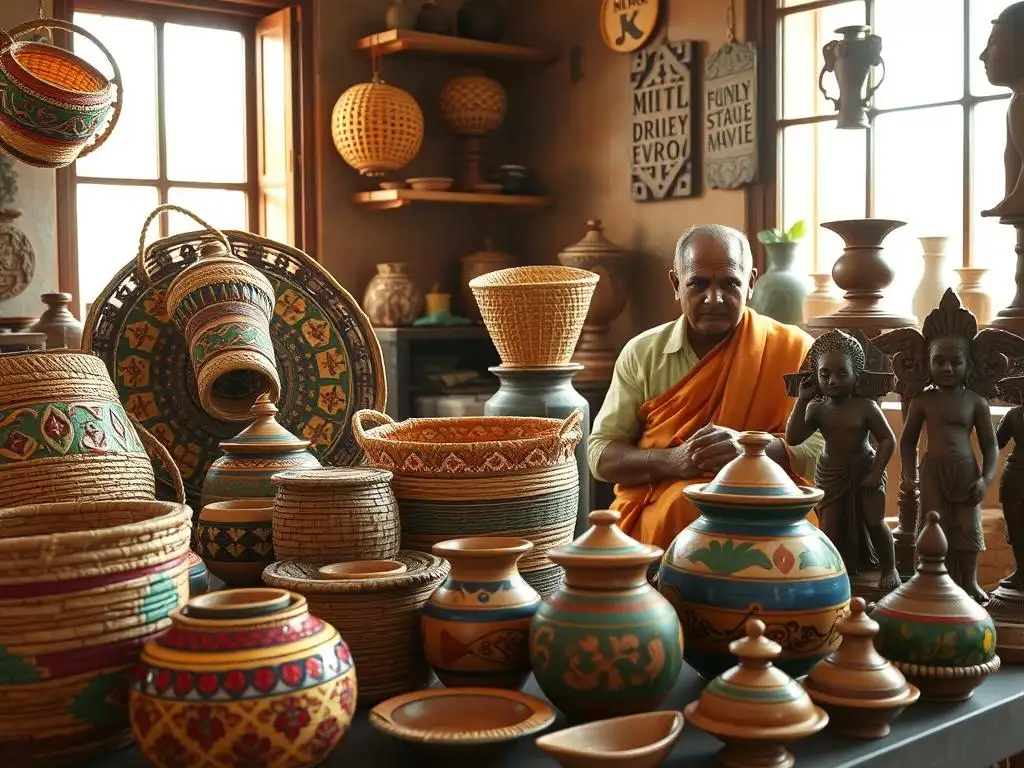
Welcome to Ancient India History, where we embark on an enchanting journey through the rich tapestry of India’s past. Today, we delve into the profound cultural significance of Southern Indian handicrafts through the ages, uncovering the stories, traditions, and artistry that have shaped this vibrant region. What makes these handicrafts not just tools of trade but symbols of identity and heritage? Join us as we explore the intricate skills and timeless artistry that reflect the essence of Southern India, inviting you to discover the depth of its history and the legacy that continues to inspire today.
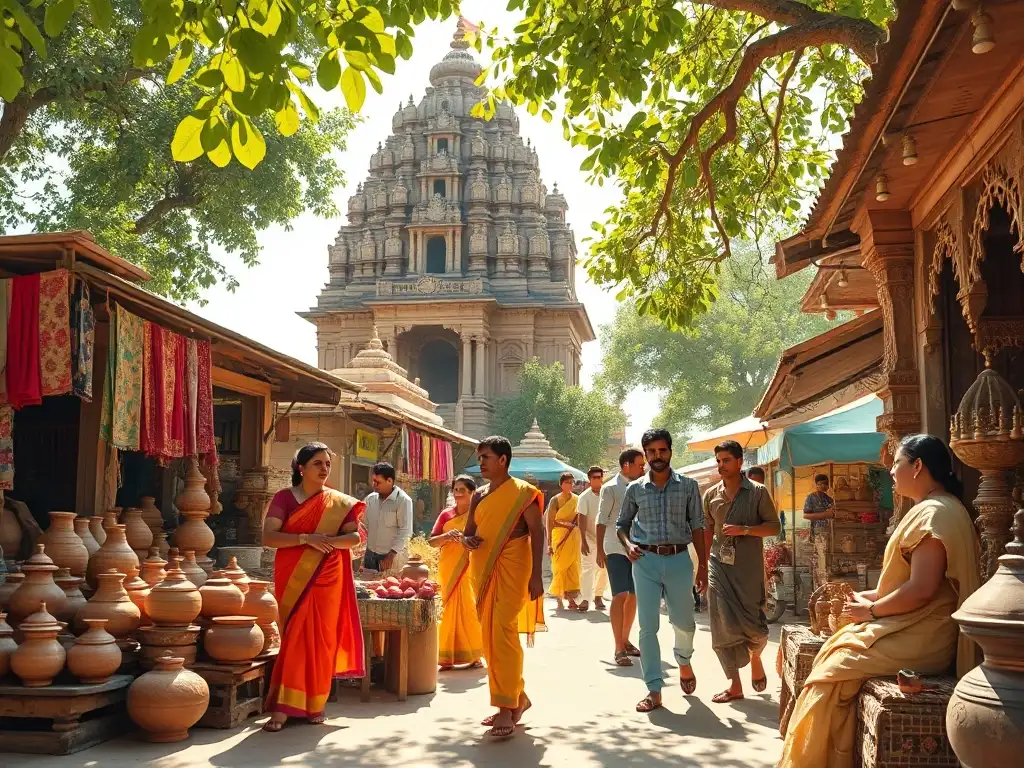
Introduction to Southern Indian Handicrafts History
Southern India boasts a rich tapestry of history and culture, particularly reflected in its vibrant handicrafts. From the intricate weaving of textiles to the delicate art of pottery, the craftsmanship of this region has evolved over millennia, intertwining with the cultural, social, and economic fabric of ancient civilizations.
Understanding the history of Southern Indian handicrafts not only sheds light on the artistic expressions of the time but also highlights the significance of these crafts in the daily lives of the people. This article delves into the origins and development of these handicrafts, exploring how they have been shaped by various influences and continue to thrive in contemporary society.
The Origins of Handicrafts in Southern India
Southern Indian handicrafts trace their roots back to ancient times, reflecting the region's rich cultural heritage. The craftsmanship here is not merely a trade but a means of preserving traditions and expressing identity.
Early Civilizations and Craftsmanship
The foundations of Southern Indian handicrafts can be linked to early civilizations such as the Indus Valley Civilization, where artifacts such as pottery, terracotta figurines, and intricate beadwork were unearthed. These early crafts set the stage for the advancement of various techniques across the ages.
- Indus Valley Civilization (c. 2500–1900 BCE): Known for its skilled artisans, this civilization produced intricate jewelry and textiles.
- Chola Dynasty (c. 300 BCE–1279 CE): The Chola period saw a flourishing of bronze sculptures and temple architecture, showcasing the artisans' skills.
The legacy of these ancient crafts is evident in the continued practices of local artisans who keep these traditions alive.
Influence of Geography on Craft Techniques
The diverse geography of Southern India, ranging from coastal areas to mountainous regions, has significantly influenced the types of handicrafts developed.
- Coastal Regions: The proximity to the sea facilitated the crafting of items from shells and corals, as well as fishing nets and boats.
- Mountainous Areas: The availability of natural resources like clay and stone led to pottery and stone carving techniques that are distinctive to specific locales.
This geographical diversity not only enriched the variety of handicrafts but also allowed for the exchange of ideas and techniques among different communities, further enhancing the cultural significance of Southern Indian handicrafts over time.
Historical Evolution of Southern Indian Handicrafts
The historical evolution of Southern Indian handicrafts reflects a dynamic interplay of culture, tradition, and innovation that has developed over millennia. These handicrafts are not merely decorative items; they embody the rich cultural narratives, beliefs, and practices of Southern India's diverse communities. The craftsmanship seen today can be traced back to ancient times, with influences from various dynasties and socio-political changes that have shaped the region. As artisans adapted to changing materials, techniques, and tastes, Southern Indian handicrafts evolved into distinct forms that continue to thrive and maintain their cultural significance.
Ancient Period: Craft Traditions in the Indus Valley and Beyond
The origins of Southern Indian handicrafts can be traced back to the ancient Indus Valley Civilization (circa 2500-1500 BCE), where evidence of advanced craftsmanship has been unearthed. Artifacts such as terracotta figurines, seals, and pottery indicate a high level of artistry and technical skill. The region's artisans were adept at using local materials, and their creations often featured intricate designs that reflected the socio-religious beliefs of their time.
The continuity of these craft traditions can also be seen in the subsequent kingdoms, such as the Chola and Pandya dynasties. These empires fostered a rich cultural milieu that encouraged the evolution of various crafts, including textiles and metalwork. Temples from this period often displayed exquisite carvings and sculptures, showcasing the artisans' skills and the significance of craftsmanship in religious and everyday life.
Medieval Period: The Rise of Regional Styles
As Southern India transitioned into the medieval period, distinct regional styles of handicrafts began to emerge. The Chola dynasty (circa 300 BCE - 1279 CE) was particularly notable for its contributions to bronze sculpture and temple architecture. The intricate bronze idols produced during this time are celebrated for their aesthetic appeal and technical precision, often used in rituals and worship.
During the Vijayanagara Empire (circa 1336-1646 CE), there was a flourishing of handicrafts that included textiles, pottery, and jewelry. The empire's wealth and cultural patronage led to the development of unique styles such as the famed Kanchipuram silk sarees, characterized by their vibrant colors and gold zari work. The regional influences and techniques continued to diversify, making Southern India a hub of artisanal excellence.
Colonial Impact on Handicrafts in Southern India
The arrival of European colonial powers in the 18th and 19th centuries brought significant changes to Southern Indian handicrafts. British colonial policies favored machine-made goods, leading to a decline in traditional crafts as artisans struggled to compete with industrial products. However, this period also sparked a resurgence in interest in indigenous crafts, as reform movements sought to revive and preserve traditional practices.
The establishment of craft cooperatives and exhibitions helped to promote Southern Indian handicrafts, bringing them to a wider audience both domestically and internationally. Despite the challenges posed by colonialism, the resilience of artisans and their commitment to preserving their heritage has ensured that many traditional handicrafts continue to thrive today.
Key Handicraft Traditions of Southern India
Southern India is renowned for its diverse range of handicraft traditions, each with its unique techniques, materials, and cultural significance. These crafts not only serve functional purposes but also carry rich stories of the societies that produce them. Among the most prominent handicraft traditions are textiles, pottery, woodwork, and metal crafts, each reflecting the region's artistic heritage.
Textiles: Weaving Techniques and Patterns
Textiles in Southern India are characterized by their intricate weaving techniques and vibrant patterns. The region is particularly famous for its handwoven sarees, such as Kanchipuram, Mysore silk, and Ikat. Each of these styles showcases unique motifs and color combinations that often draw inspiration from nature, mythology, and local culture.
The weaving process itself is a labor-intensive art, often passed down through generations. Artisans employ traditional methods, such as the use of pit looms, to create textures and patterns that are distinct to their communities. The cultural significance of these textiles extends beyond aesthetics; they play vital roles in various ceremonies and festivals.
Pottery: Styles and Cultural Significance
Pottery is another prominent handicraft tradition in Southern India, encompassing a range of styles and techniques. Each region has its unique approach to pottery, influenced by local materials and cultural practices. Notable styles include the terracotta pottery of Tamil Nadu, known for its rustic charm, and the blue pottery of Andhra Pradesh, characterized by its intricate designs and vibrant colors.
The significance of pottery extends to its utilitarian and ceremonial uses. Traditional pots are often used in rituals and festivals, symbolizing fertility and prosperity. The craftsmanship involved in pottery-making includes techniques like wheel-throwing and hand-building, showcasing the artisan's skill and creativity.
Woodwork: Traditional Techniques and Artistry
Woodwork in Southern India represents a rich tradition of craftsmanship, with artisans creating intricate carvings and furniture pieces that reflect the region's architectural heritage. Traditional techniques, such as relief carving and inlay work, are employed to transform raw wood into stunning art pieces.
Notable forms of woodwork include the intricately carved doors and window frames found in temples and heritage homes. These pieces often depict mythological figures, floral motifs, and geometric patterns, showcasing the artisan's storytelling ability through their craft. The cultural significance of woodwork is evident in its use in religious settings and its role in preserving the region's architectural identity.
Metal Crafts: Historical Importance and Innovations
Metal crafts have a long-standing history in Southern India, with artisans skilled in working with various metals including brass, bronze, and silver. These crafts encompass a range of products, from intricate jewelry to religious idols and utensils. The lost-wax casting technique, a traditional method still practiced today, allows artisans to create detailed and durable metal objects.
The historical importance of metal crafts is particularly evident in the creation of bronze sculptures during the Chola period, which are celebrated for their artistic and cultural significance. Innovations in metal crafting techniques have also led to contemporary adaptations, blending traditional methods with modern designs, ensuring the relevance of these crafts in today's markets.
The handicrafts of Southern India, with their historical roots and cultural significance, continue to be a vital expression of the region's identity. From textiles to metal crafts, each tradition offers a glimpse into the rich tapestry of Southern Indian history and its enduring legacy.
Cultural Influence of Southern Indian Handicrafts
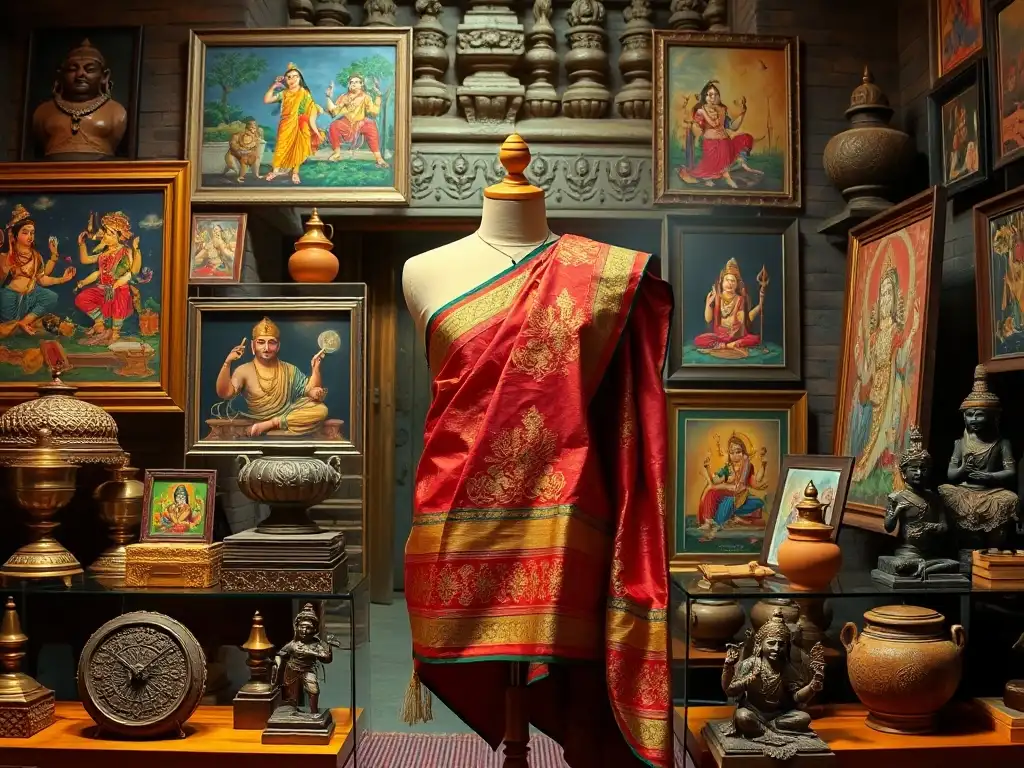
Southern Indian handicrafts are not merely decorative items; they embody a rich tapestry of cultural narratives and practices that have evolved over centuries. From intricate textiles to exquisite sculptures, these handicrafts reflect the region's diverse traditions, artistic expressions, and social values. The craftsmanship often incorporates local materials and techniques passed down through generations, showcasing the unique identity of Southern India.
The influence of handicrafts extends beyond aesthetics; they are integral to various cultural rituals and social functions. For instance, handcrafted items are commonly used in festivals, weddings, and religious ceremonies, thereby reinforcing community bonds and cultural continuity. Additionally, the motifs and designs found in these crafts often symbolize local myths, folklore, and spiritual beliefs, further enriching the cultural landscape of Southern India.
Role in Religious and Ceremonial Practices
Handicrafts in Southern India play a pivotal role in religious and ceremonial practices, acting as conduits of devotion and cultural expression. Items such as intricately carved wooden idols, brass lamps, and decorative textiles are essential in Hindu rituals and celebrations. Each piece often carries specific religious significance, embodying the values and stories of the faith.
For example, during festivals like Diwali and Pongal, handcrafted items are prominently displayed and used in rituals, symbolizing prosperity and spirituality. The use of traditional crafts in ceremonies not only enhances the aesthetic appeal but also fosters a sense of belonging and continuity within the community. The craftsmanship involved in creating these items reflects the artisans' deep understanding of cultural symbols and spiritual themes, making their work a vital part of Southern India's religious life.
Handicrafts as a Reflection of Social Identity
Southern Indian handicrafts serve as a powerful reflection of social identity, encapsulating the diverse cultures, languages, and traditions of the region. Different communities have developed distinct styles and techniques that highlight their unique heritage. For instance, the vibrant Kanchipuram silk saris are emblematic of Tamil culture, while the intricate woodwork of Kerala speaks to its coastal heritage.
Moreover, these handicrafts often represent the socio-economic status and roles of various communities. Artisans traditionally belong to specific castes or groups, each specializing in unique crafts that define their social identity. This connection ensures the preservation of traditional skills and fosters pride within the community. As such, Southern Indian handicrafts are not just artistic expressions but also vital markers of cultural and social identity.
Economic Impact on Southern Indian Communities
The handicraft sector has significantly contributed to the economy of Southern India, providing livelihoods to millions of artisans and their families. This industry not only supports traditional craftsmanship but also plays a crucial role in rural development and poverty alleviation. Artisans often work in cooperatives or small-scale enterprises, which helps in building a sustainable economic ecosystem.
Additionally, the global demand for authentic handicrafts has opened up new markets for Southern Indian artisans, allowing them to reach consumers beyond their local communities. Exporting crafts such as handmade textiles, pottery, and jewelry has become a vital source of income, enhancing the economic prospects of many families. This economic impact is profound, as it helps preserve traditional skills while fostering growth and development in the region.
Preservation and Revival of Southern Indian Handicrafts
The preservation and revival of Southern Indian handicrafts are essential for maintaining the region's cultural heritage and supporting its artisans. Various initiatives focus on promoting traditional crafts, ensuring that they do not fade into obscurity amid modern industrialization. Efforts include documenting traditional techniques, organizing exhibitions, and facilitating training programs for young artisans.
By fostering awareness and appreciation for these crafts, communities can better understand their significance and actively participate in their revival. This process not only helps preserve artistic traditions but also creates a renewed interest in handicrafts, encouraging new generations to engage with their cultural heritage.
Contemporary Challenges Faced by Artisans
Despite the rich legacy of Southern Indian handicrafts, artisans face numerous contemporary challenges. The influx of mass-produced goods has led to a decline in demand for traditional crafts, as consumers often opt for cheaper alternatives. This shift threatens the livelihoods of many artisans, who struggle to compete with industrial production.
Moreover, the lack of access to modern marketing channels and platforms limits artisans' visibility and ability to reach broader markets. Many artisans also face difficulties in sourcing raw materials, which can be expensive and scarce. These challenges necessitate timely interventions to support artisans and ensure the sustainability of their crafts.
Government Initiatives and Support for Handicrafts
Recognizing the importance of handicrafts, the government has launched various initiatives aimed at supporting artisans and promoting traditional crafts. Schemes such as the "Handicrafts Marketing and Service Extension Centre" (HMSEC) and "Geographical Indications" (GI) registration help protect and promote handcrafted products.
Furthermore, the government provides financial assistance, training programs, and skill development workshops to enhance the artisans' capabilities. These initiatives not only help sustain traditional crafts but also empower artisans by providing them with the necessary tools to thrive in a competitive market.
The Role of NGOs in Promoting Traditional Crafts
Non-Governmental Organizations (NGOs) play a crucial role in promoting and preserving Southern Indian handicrafts. They work closely with artisans to provide training, resources, and platforms for showcasing their work. By creating awareness about the cultural significance of handicrafts, NGOs help foster appreciation among consumers.
Additionally, NGOs often facilitate collaborations between artisans and designers, leading to innovative products that respect traditional craftsmanship while appealing to modern markets. Through these efforts, NGOs contribute significantly to the sustainability and revival of Southern Indian handicrafts, ensuring that this important cultural heritage continues to thrive.
Conclusion: The Legacy of Southern Indian Handicrafts
The legacy of Southern Indian handicrafts is a testament to the region's rich cultural heritage and artistic expression. These crafts, which have evolved over centuries, are not merely products but embody the traditions, skills, and stories of the communities that create them. From the intricate carvings of temple architecture to the vibrant textiles that adorn daily life, Southern Indian handicrafts reflect an enduring connection to history, spirituality, and identity.
The significance of these handicrafts extends beyond their aesthetic appeal. They play a crucial role in sustaining local economies and preserving traditional crafts that might otherwise fade into obscurity. The artisans, often belonging to specific castes or communities, pass down their knowledge and techniques through generations, ensuring that the skills remain vibrant and relevant. Furthermore, the global recognition of these crafts has fostered a greater appreciation for the cultural narratives embedded in each piece, encouraging both locals and tourists to engage with and support these artisans.
In essence, Southern Indian handicrafts serve as a bridge between the past and the present, allowing future generations to appreciate and learn from their cultural roots.
The Ongoing Relevance of Handicrafts in Modern Times
In modern times, Southern Indian handicrafts continue to hold significant relevance, adapting to contemporary tastes while retaining their traditional essence. The rise of sustainable and eco-friendly practices has brought handicrafts to the forefront, as consumers increasingly seek products that are not only beautiful but also ethically produced. Handicrafts such as Kanchipuram silk sarees, Mysore sandalwood carvings, and Coorgi coffee blends have found their place in both local and global markets, appealing to a wide audience.
Moreover, the integration of technology in marketing and sales has opened new avenues for artisans. Online platforms allow craftsmen to showcase their work globally, reaching customers who appreciate the uniqueness of handmade products. Social media has played a crucial role in this shift, providing artisans with the means to tell their stories and connect with potential buyers directly. The revival and promotion of handicrafts through exhibitions, fairs, and cultural festivals further enhance their visibility and appreciation in society.
As a result, Southern Indian handicrafts are not simply surviving but thriving, reflecting a blend of heritage and modernity that resonates with consumers today.
Future Prospects for Southern Indian Handicrafts
The future of Southern Indian handicrafts appears promising, driven by a growing interest in cultural heritage and artisanal products. With increased awareness of the importance of preserving traditional crafts, there is a concerted effort from various stakeholders, including government bodies, NGOs, and private enterprises, to support artisans and promote their work. Initiatives aimed at skill development, financial assistance, and access to markets are essential in empowering craftsmen and ensuring the sustainability of their trades.
The trend towards customization and personalization in consumer behavior also presents a unique opportunity for Southern Indian handicrafts. Artisans can tap into this market by offering bespoke products that cater to individual preferences, blending traditional techniques with contemporary designs. Collaboration between designers and craftsmen can lead to innovative products that resonate with modern aesthetics while preserving traditional methods.
Furthermore, the impact of tourism on handicrafts cannot be underestimated. As more visitors seek authentic cultural experiences, the demand for handicrafts as souvenirs and gifts is likely to grow. By showcasing the stories behind the crafts and the artisans themselves, Southern Indian handicrafts can enhance their appeal and significance in the global market.
References and Further Reading on Southern Indian Handicrafts History
- "The Art of Indian Handicrafts" - A comprehensive guide detailing the history, techniques, and cultural significance of various Indian handicrafts, with a focus on Southern India.
- "Crafting Tradition: Handicrafts of Southern India": - This text explores the evolution of Southern Indian handicrafts and their role in contemporary society.
- "Heritage and Handicrafts: A Study of Southern India": - An academic exploration of the socio-economic impact of handicrafts in Southern Indian communities.
- "The Weaving of Traditions: Textiles of Southern India": - A deep dive into the textile heritage of Southern India, including historical context and modern adaptations.
- "Sustainable Crafts: The Future of Handicrafts in India": - Analyzes the shift towards sustainable practices in the handicraft sector and its implications for artisans and consumers alike.
- Introduction to Southern Indian Handicrafts History
- The Origins of Handicrafts in Southern India
- Historical Evolution of Southern Indian Handicrafts
- Key Handicraft Traditions of Southern India
- Cultural Influence of Southern Indian Handicrafts
- Preservation and Revival of Southern Indian Handicrafts
- Conclusion: The Legacy of Southern Indian Handicrafts
- References and Further Reading on Southern Indian Handicrafts History
Frequently Asked Questions
What are Southern Indian handicrafts?
Southern Indian handicrafts refer to the traditional arts and crafts produced in the southern states of India, showcasing unique techniques and cultural heritage.
How have Southern Indian handicrafts evolved over time?
The history of Southern Indian handicrafts reveals a rich evolution, influenced by various dynasties, trade routes, and cultural exchanges that shaped their techniques and styles.
What materials are commonly used in Southern Indian handicrafts?
Artisans often utilize natural materials such as wood, clay, textiles, and metals, which are essential for creating intricate designs and durable products.
What is the significance of Southern Indian handicrafts in culture?
These handicrafts play a crucial role in preserving the cultural identity and traditions of Southern India, reflecting the social values and aesthetic sensibilities of the region.
How do Southern Indian handicrafts contribute to the economy?
Handicrafts are a vital part of the local economy, providing livelihoods to many artisans and promoting sustainable practices while attracting tourism and exports.
Final Reflection: The Enduring Legacy of Southern Indian Handicrafts
The rich tapestry of Southern Indian handicrafts is not just a reflection of artistic expression, but a vital link to our cultural heritage. Today, as we navigate a rapidly globalizing world, the significance of these traditional crafts resonates more than ever, reminding us of the importance of preserving our unique identities. The intricate designs, techniques, and stories woven into each piece serve as a testament to the resilience and creativity of artisans throughout history.
The influence of Southern Indian handicrafts extends beyond mere aesthetics; it shapes our cultural landscape and fosters a sense of community. From the vibrant colors of Kanchipuram silk sarees to the delicate craftsmanship of Tanjore paintings, these handicrafts embody the spirit of the region and connect generations. As Mahatma Gandhi once said, "> The true measure of any society can be found in how it treats its most vulnerable members." This sentiment rings true as we consider the artisans who pour their heart and soul into their work, often facing challenges in a modern economy that overlooks traditional skills.
As we reflect on the cultural significance of Southern Indian handicrafts, let us take a moment to appreciate the stories behind each creation and the artisans who keep these traditions alive. I invite you to explore and support these crafts in your own life, whether by purchasing handmade items, learning about their history, or sharing their stories with others. In doing so, we not only honor the past but also contribute to a future where these invaluable traditions continue to thrive, enriching our lives and communities for generations to come.
Unveil the Beauty of Southern Indian Handicrafts!
Thank you for diving into the rich tapestry of Southern Indian handicrafts! We hope you've discovered the profound cultural significance and timeless artistry inherent in these exquisite creations. Now, let’s take it a step further and embrace the essence of these traditions in your own life.
Here are a few ways you can actively connect with these vibrant crafts:
- Explore local artisan markets to purchase or support hand-crafted items that encapsulate the heritage of Southern India.
- Share your newfound knowledge with friends and family—send them an article or engage in a discussion about a specific craft that inspires you.
- Join workshops or classes in your area where you can learn traditional crafting techniques firsthand!
What unique Southern Indian craft would you love to incorporate into your daily life or home decor? We invite you to share your thoughts below!