
The Impact of Geography on the Development of Eastern Indian Civilizations

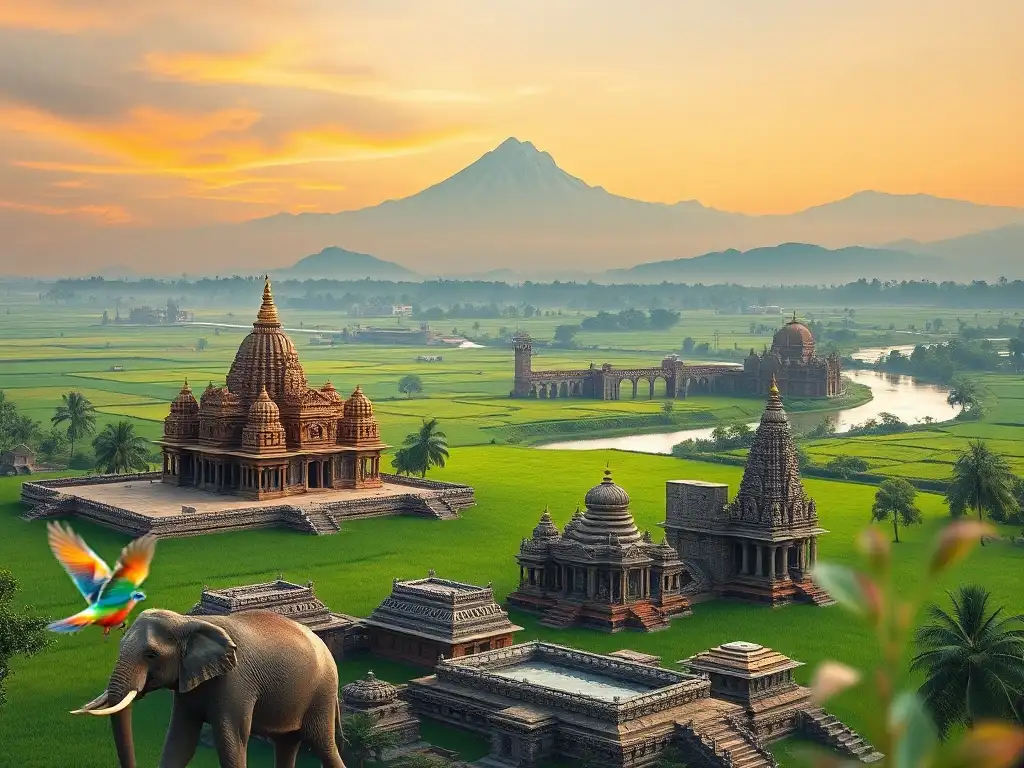
Welcome to Ancient India History, where we embark on a fascinating journey through time to uncover the rich tapestry of cultures and civilizations that shaped this remarkable land. In our featured article, "The Impact of Geography on the Development of Eastern Indian Civilizations," we delve into how the unique landscapes and geographical features of Eastern India influenced the rise and evolution of its societies. What secrets does the geography hold?
Join us as we explore the intricate connections between the land and its people, revealing insights that will deepen your understanding of this ancient world. Prepare to be intrigued and inspired as you navigate through the legacies of the Indus Valley to the Gupta Empire!
Introduction to the Geography of Eastern Indian Civilizations
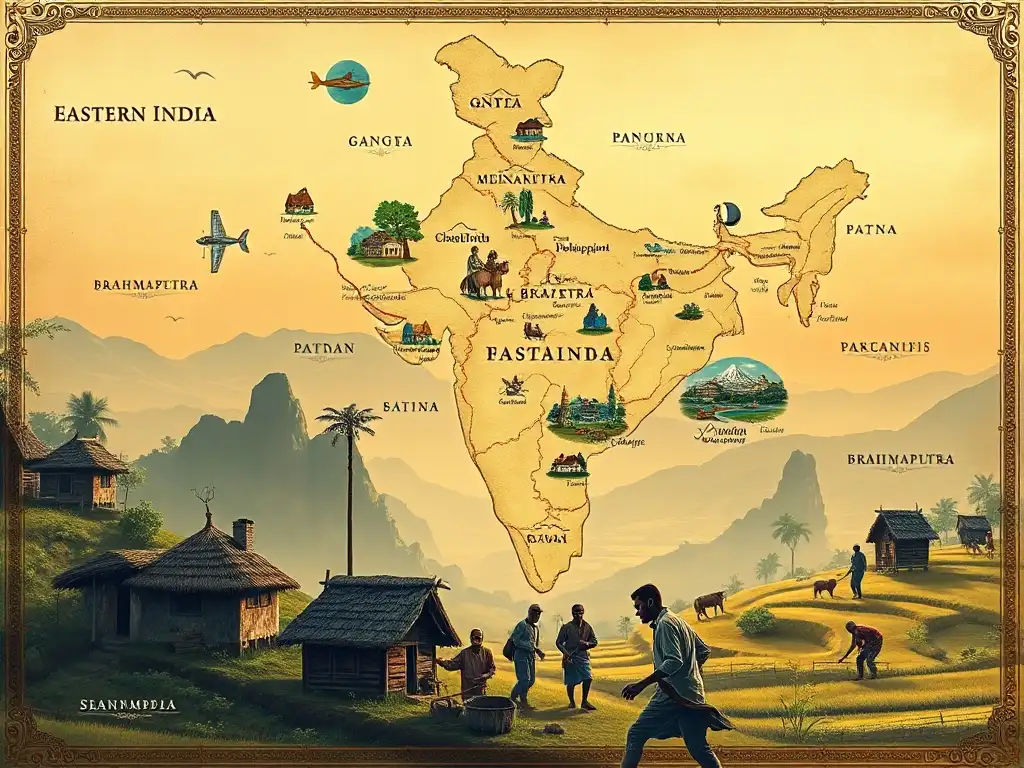
The geography of Eastern India has played a pivotal role in shaping the cultures, societies, and civilizations that flourished in this region from ancient times. Spanning from the fertile plains of the Ganges River to the lush forests of the Sundarbans, Eastern India is characterized by its diverse landscapes, rich natural resources, and climatic variations. These geographic elements have significantly influenced the socio-economic dynamics, settlement patterns, and cultural evolution of the region.
Understanding the geography of Eastern Indian civilizations not only highlights the environmental factors that contributed to their prosperity but also underscores the interconnectedness between geography and human development. From the establishment of trade routes along major rivers to the adaptation of agricultural practices suited to local climatic conditions, the geographic features of Eastern India have been instrumental in fostering advanced urban societies. In this article, we will delve into the key geographic features that influenced the development of these ancient civilizations, providing insight into how geography shaped their historical trajectory.
Key Geographic Features Influencing Eastern Indian Civilizations
Eastern India is a region rich in geographic diversity, encompassing a variety of landscapes that have significantly impacted its civilizations. The following sections will explore the core geographic features that have played a crucial role in the development of Eastern Indian societies.
The Role of Rivers in Civilization Development
Rivers have historically been the lifeblood of civilizations, and Eastern India is home to several major rivers, most notably the Ganges, Brahmaputra, and Yamuna. These rivers have served multiple purposes:
- Fertile Alluvium: The annual flooding of these rivers deposits nutrient-rich silt onto the plains, creating fertile land ideal for agriculture. This agricultural abundance supported large populations and the growth of cities.
- Trade and Transportation: Rivers provided an essential means of transportation and trade routes, facilitating economic exchange and cultural interaction among different communities.
- Cultural Significance: Rivers hold immense spiritual significance in Eastern Indian cultures, often serving as sites for religious ceremonies and pilgrimage, further cementing their importance in societal development.
The Influence of Climate on Eastern Indian Societies
The climate of Eastern India is predominantly tropical, characterized by distinct wet and dry seasons. This climatic variation has had profound effects on agricultural practices, settlement patterns, and social structures:
- Agricultural Cycles: The monsoon rains are crucial for agricultural productivity, influencing crop selection and farming techniques. Societies adapted to these cycles, developing irrigation methods and seasonal practices to maximize yield.
- Settlement Patterns: Regions with favorable climatic conditions attracted larger populations, resulting in the establishment of prominent cities and trade hubs. Conversely, harsher climates led to more dispersed and nomadic lifestyles.
- Cultural Adaptations: The climate also influenced local customs, traditions, and lifestyles, as communities developed unique adaptations to thrive in their specific environments.
Natural Resources and Their Contribution to Civilization
The rich natural resources of Eastern India have significantly contributed to the development and sustainability of its civilizations:
- Minerals and Forests: Eastern India is abundant in minerals such as iron and coal, which played a crucial role in technological advancements and trade. The forests provided timber and other resources essential for construction and craftsmanship.
- Biodiversity: The diverse flora and fauna supported various livelihoods, from agriculture to hunting and gathering, facilitating a multifaceted economy that sustained ancient communities.
- Economic Prosperity: Access to these resources not only ensured self-sufficiency but also fostered trade networks with neighboring regions, enhancing the overall prosperity of Eastern Indian civilizations.
The geographical elements of Eastern India have been instrumental in shaping its ancient civilizations. From the life-giving rivers to the favorable climate and abundant natural resources, these factors collectively contributed to the cultural richness and historical significance of the region. As we continue to explore the intricate relationship between geography and civilization development, we will uncover the profound impact these elements have had on Eastern India's historical narrative.
Historical Context: Geography and Its Influence on Society
The geography of Eastern India has played a pivotal role in shaping its civilizations throughout history. Nestled between the Himalayas to the north and the Bay of Bengal to the south, this region is characterized by diverse landscapes, including fertile plains, lush forests, and significant water bodies such as the Ganges, Brahmaputra, and their tributaries. These geographical features have not only influenced the climate but have also dictated social structures, agricultural practices, and settlement patterns.
Eastern India's climate, primarily tropical and subtropical, has allowed for abundant agricultural output, which was crucial for sustaining dense populations. The fertile alluvial plains provided by river systems like the Ganges facilitated early agricultural settlements, leading to the development of complex societies. The availability of resources and the strategic location along trade routes further contributed to the emergence of vibrant urban centers, such as Pataliputra and Kalinga, which became crucial for political and economic activities.
Settlement Patterns in Eastern India
Settlement patterns in Eastern India were largely determined by the availability of water resources, agricultural potential, and the topography of the region. The alluvial plains along the Ganges and Brahmaputra rivers supported extensive farming, which encouraged the establishment of settled communities. These communities often evolved into larger urban centers, with Pataliputra emerging as a significant political hub during the Mauryan period.
In contrast, the hilly terrains of regions like Odisha and West Bengal led to a different pattern of settlement. Here, communities were often smaller and more dispersed, relying on both agriculture and forest resources. The natural barriers presented by the dense forests and hills contributed to a degree of isolation, fostering unique cultural practices and social structures distinct from those found in the plains.
Additionally, coastal areas benefited from their proximity to the sea, promoting maritime trade and the establishment of ports. This coastal geography not only facilitated economic development through trade but also led to a cultural exchange with other civilizations, enriching the local culture and fostering diversity.
Trade Routes and Economic Development
The geography of Eastern India has been integral to its economic development through the establishment of trade routes. The region's rivers served as vital arteries for transportation and trade, enabling the movement of goods and people. Major trade routes connected Eastern India to other parts of the Indian subcontinent as well as to Southeast Asia, facilitating cultural exchange and economic prosperity.
The fertile plains supported the cultivation of rice, pulses, and other crops, which were essential in trade. Agricultural surplus allowed for the growth of markets and trade centers, with goods such as textiles, spices, and handicrafts being exchanged. The strategic location of Eastern India along these trade routes attracted merchants and traders, further integrating the region into broader economic networks.
Moreover, the establishment of trade routes encouraged the development of urban centers, where commerce flourished. Cities like Kalinga became significant trade hubs, known for their artisan products and trade in luxury goods. This economic interdependence not only strengthened local economies but also laid the groundwork for the rise of powerful kingdoms that emerged over centuries in Eastern India.
Cultural Developments Shaped by Geography
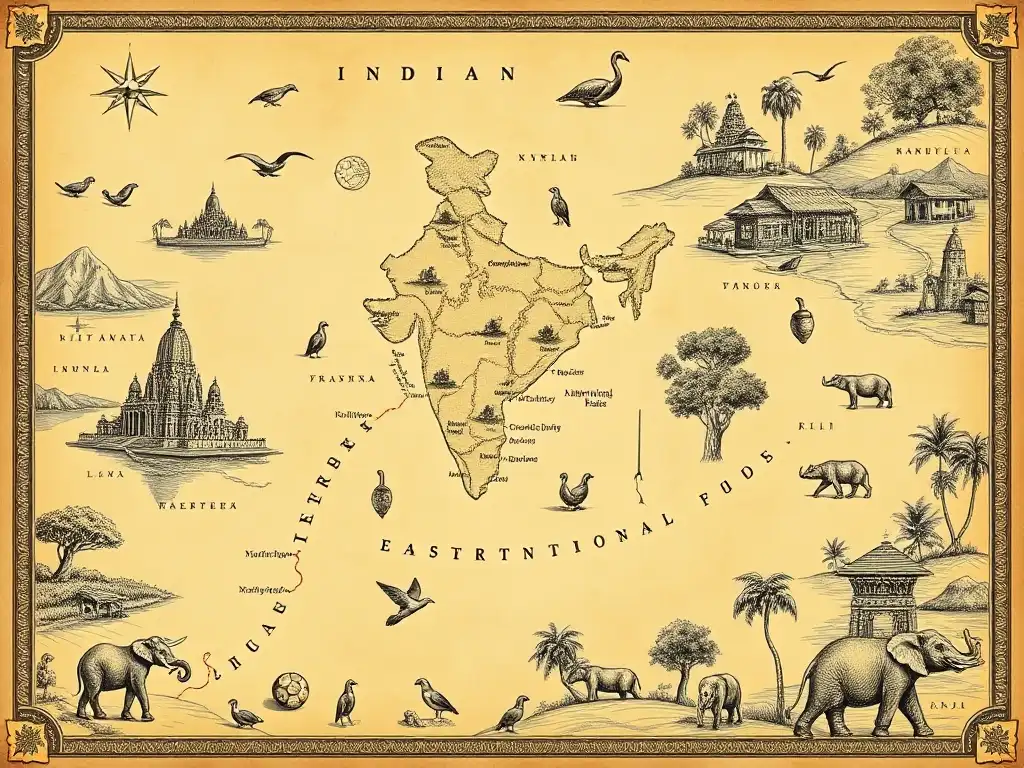
Geography has significantly influenced the cultural landscape of Eastern India, contributing to distinct religious, artistic, and architectural developments. The interplay between the region's natural environment and its inhabitants has fostered rich cultural expressions that reflect the unique characteristics of the area.
Religious and Cultural Practices Influenced by Geography
The geographical diversity of Eastern India has shaped its religious and cultural practices in profound ways. The presence of rivers, mountains, and forests has been associated with various deities and spiritual beliefs, leading to the establishment of numerous temples and pilgrimage sites. For instance, the Ganges is revered as a sacred river, and many religious rituals and festivals are centered around its banks.
The climatic conditions and agricultural cycles also influenced local festivals and rituals. Harvest festivals, for instance, are celebrated with great fervor, reflecting the agrarian roots of the society. Additionally, the region's ethnic diversity, resulting from its varied geography, has contributed to a rich tapestry of cultural practices, languages, and traditions that are unique to different communities.
Furthermore, the interaction between indigenous practices and external influences, such as those from trade and migration, has led to a syncretic culture. The blending of local beliefs with influences from Buddhism, Hinduism, and Jainism has resulted in a vibrant cultural milieu that showcases the region's historical depth.
Architectural Developments in Response to Geography
The geographical features of Eastern India have also influenced its architectural styles and constructions. The abundant availability of local materials, such as laterite stone, timber, and clay, shaped the building traditions in the region. The use of these materials is evident in the temples, fortifications, and urban planning that emerged in different historical periods.
Coastal areas showcased distinct architectural styles, such as the intricate stone-carved temples of Odisha. The Konark Sun Temple, for instance, reflects the region's maritime heritage and its connection to the sea, incorporating motifs inspired by oceanic themes. Similarly, the hill regions developed unique architectural solutions to adapt to their topography, often using wood and bamboo in their structures.
Moreover, the need for fortifications in response to geographical vulnerabilities, such as invasions or natural disasters, led to the construction of formidable forts and palaces. These structures not only served practical purposes but also symbolized the power and prestige of the ruling dynasties.
The geography of Eastern India has profoundly influenced the development of its civilizations, shaping settlement patterns, economic activities, and cultural expressions that continue to resonate in the region today.
Case Studies: Specific Civilizations and Their Geographic Context
To fully understand the impact of geography on the development of Eastern Indian civilizations, it is essential to examine specific case studies. The Maurya and Gupta Empires serve as prime examples of how geographic factors influenced political power, economic prosperity, and cultural growth in ancient eastern India. Each civilization's unique geographic context shaped its societal structure, trade networks, and cultural exchanges, leading to distinctive historical trajectories.
The Maurya Empire: Geographic Advantages and Challenges
The Maurya Empire (c. 322-185 BCE), one of the largest empires in ancient India, thrived primarily due to its strategic geographic positioning. Located in the fertile Indo-Gangetic Plain, the empire benefited from rich alluvial soil, which supported extensive agriculture. This agricultural abundance was crucial for sustaining large populations and armies.
However, the geography also presented challenges. The empire stretched across diverse landscapes, from the Himalayan foothills in the north to the Deccan Plateau in the south. These variations created logistical difficulties in governance and communication, especially in maintaining control over distant regions. Furthermore, natural barriers, such as the Vindhya and Satpura ranges, hindered easy movement and trade, necessitating the establishment of efficient road networks to connect the empire.
Despite these challenges, the Mauryan rulers, particularly Chandragupta Maurya and his grandson Ashoka, effectively utilized their geographic advantages. They established trade routes that linked the empire to major trade networks, facilitating commerce with regions as far as the Mediterranean and Southeast Asia. This not only enhanced economic prosperity but also allowed for cultural exchanges that enriched Mauryan society.
The Gupta Empire: Cultural Flourishing Linked to Geography
The Gupta Empire (c. 240-550 CE), often regarded as a golden age in Indian history, was similarly influenced by its geographic context. Centered in the northern and central parts of India, the Gupta Empire encompassed the fertile Ganges Valley, which supported agricultural productivity and economic stability. The region's rivers facilitated trade and transportation, creating a robust economy that fostered cultural and intellectual advancements.
Geography also played a vital role in the Gupta Empire's cultural flourishing. The proximity to key trade routes meant that the empire was a melting pot of diverse cultures, ideas, and practices. The exchange of goods and knowledge contributed to significant achievements in science, mathematics, literature, and the arts. Notably, the invention of the numeral system and advancements in astronomy can be traced back to this period, demonstrating how geography facilitated collaborative intellectual pursuits.
Moreover, the Gupta rulers were adept at leveraging their geographic position to establish strong political alliances through marriage and diplomacy, which further enhanced their stability and cultural influence. The empire's decline, however, was precipitated by external pressures from invasions and the geographical fragmentation of power, highlighting the dual nature of geography as both a source of strength and vulnerability.
Conclusion: The Lasting Impact of Geography on Eastern Indian Civilizations
The geography of Eastern Indian civilizations played a pivotal role in shaping their development, influencing everything from agricultural practices to trade networks and cultural exchanges. The case studies of the Maurya and Gupta Empires illustrate how geographic advantages could be harnessed to create prosperous and culturally rich societies, while also revealing the inherent challenges posed by diverse terrains and external pressures.
As we reflect on the lasting impact of geography on these civilizations, it becomes clear that the interplay between environment and human activity is a fundamental aspect of historical development. Understanding this relationship offers valuable insights into the complexities of ancient Indian history and the enduring legacies of its civilizations. The geography of Eastern Indian civilizations is not merely a backdrop but a dynamic force that shaped the course of history in profound ways.
- Introduction to the Geography of Eastern Indian Civilizations
- Key Geographic Features Influencing Eastern Indian Civilizations
- Historical Context: Geography and Its Influence on Society
- Cultural Developments Shaped by Geography
- Case Studies: Specific Civilizations and Their Geographic Context
- Conclusion: The Lasting Impact of Geography on Eastern Indian Civilizations
- What were the key geographical features of Eastern India?
- How did geography influence trade in ancient Eastern Indian civilizations?
- What role did the Eastern Indian rivers play in civilization development?
- How did climate impact the lifestyle of ancient Eastern Indians?
- What contributions did Eastern Indian civilizations make to culture and society?
Frequently Asked Questions
What were the key geographical features of Eastern India?
Eastern India is characterized by lush river valleys, particularly of the Ganges and Brahmaputra, which provided fertile land for agriculture and influenced urban development.
How did geography influence trade in ancient Eastern Indian civilizations?
The strategic location near major rivers and the Bay of Bengal facilitated trade routes, enabling the exchange of goods, ideas, and cultures with other regions.
What role did the Eastern Indian rivers play in civilization development?
The rivers served as crucial sources of water, supporting agriculture and sustaining large populations, which led to the growth of cities and complex societies.
How did climate impact the lifestyle of ancient Eastern Indians?
The monsoon climate provided ample rainfall, which was essential for agriculture, but also posed challenges such as flooding, influencing settlement patterns and agricultural practices.
What contributions did Eastern Indian civilizations make to culture and society?
Eastern Indian civilizations, including the Buddhists and Hindus, made significant contributions to art, architecture, and philosophy, deeply influenced by their geography and natural resources.
Final Reflection: The Enduring Influence of Geography on Eastern Indian Civilizations
The intricate relationship between geography and the development of Eastern Indian civilizations remains profoundly relevant today. As we navigate a world increasingly shaped by environmental factors, understanding how geography has historically influenced cultural, social, and economic dynamics is crucial. The landscapes that once shaped ancient societies continue to inform our modern identities and interactions, reminding us that the land we inhabit is not merely a backdrop but a vital player in our story.
The geographical features of Eastern India have not only molded its past but continue to resonate in contemporary society. From the fertile plains of the Ganges to the coastal regions that facilitated trade, these elements have fostered a rich tapestry of cultural exchange and innovation. As we witness ongoing changes in climate and land use, it is essential to recognize the wisdom of the past. Geography is the stage on which human history is played.
This quote encapsulates the idea that our environments shape our narratives, urging us to reflect on how geography continues to influence our lives today.
As you ponder the lessons drawn from the geography of Eastern Indian civilizations, I invite you to consider your own relationship with the land around you. How does your environment shape your identity, values, and interactions with others? Embrace the opportunity to learn from the past and apply these insights to foster a deeper connection with your surroundings. By doing so, you can contribute to a more harmonious relationship with the world, honoring the legacy of those who came before us while paving the way for future generations.
Unveil the Power of Geography in Shaping Civilizations!
Thank you for exploring the fascinating relationship between geography and the development of Eastern Indian civilizations! We hope you gained valuable insights into how landscapes and natural resources have influenced cultural evolution and societal structures.
Now that you've learned about this intricate connection, it's time to put that knowledge into action! Here are a few suggestions to deepen your understanding and connect with others:
- Dive deeper into the history of a specific Eastern Indian civilization that intrigues you—research its geographic features and explore how they impacted trade, culture, or agriculture.
- Share your findings on social media or in a discussion group to inspire others to appreciate the role of geography in historical contexts!
- Join a local history club or an online forum to engage with like-minded individuals and exchange ideas about the fascinating interplay of geography and history.
Which geographical feature do you believe had the most significant impact on the development of a civilization, and why? We invite you to share your thoughts below!