
The Influence of Colonialism on Southern Indian Society: A Historical Perspective

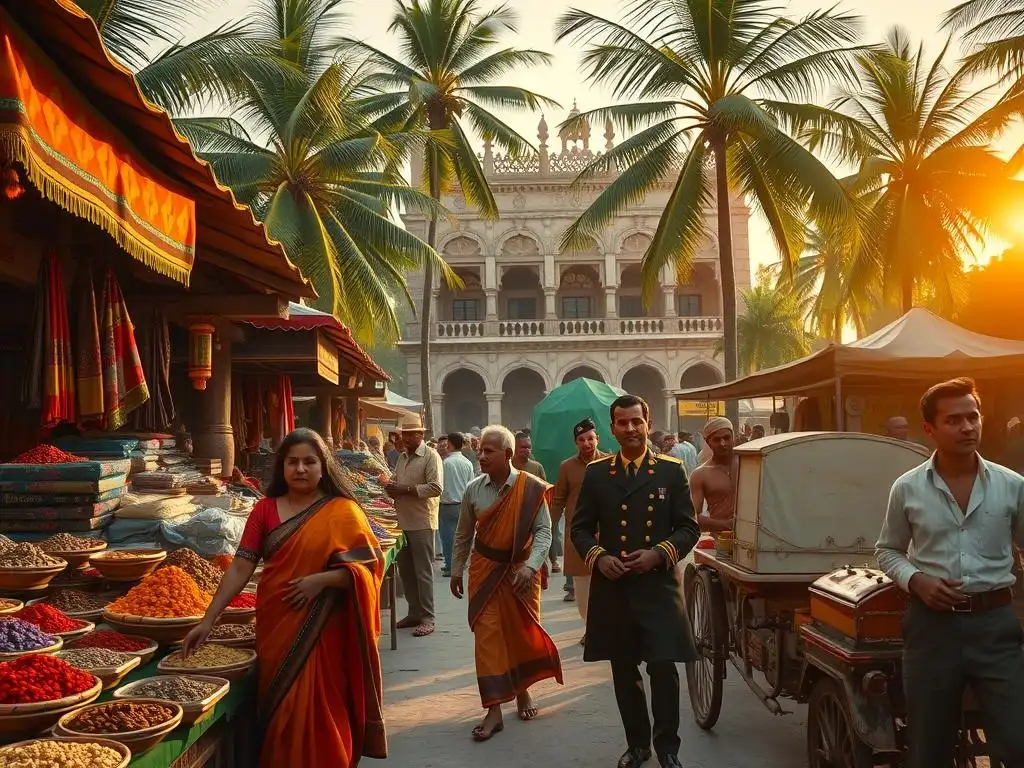
Welcome to Ancient India History, where we delve into the rich tapestry of India's past, exploring the incredible civilizations that shaped its culture and contributions. In our latest article, we uncover the Colonial Impact on Southern India, examining how foreign influences transformed local society and left an indelible mark on its heritage.
As we journey through the historical landscape of Southern India, you’ll discover the intricate interplay of tradition and change that defines this vibrant region. Join us as we unravel the complexities of colonialism and its profound effects, inviting you to explore the depths of history that await just beyond this introduction.
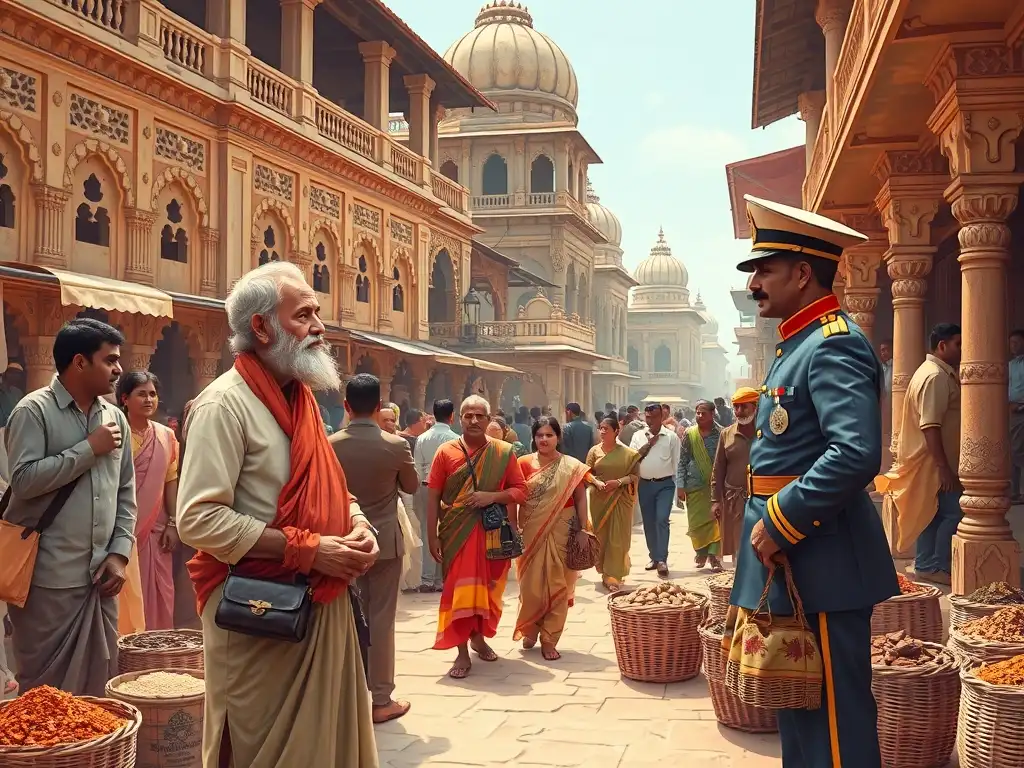
Introduction to Colonial Impact on Southern India
The colonial era marked a significant turning point in the history of Southern India, influencing not just its political landscape but also its social, cultural, and economic frameworks. Understanding the Colonial Impact on Southern India is essential for grasping how these changes laid the groundwork for modern Indian society. This article delves into the multifaceted effects of colonialism, examining how British rule transformed Southern Indian society from the late 18th century onwards, and continues to resonate in contemporary times.
Overview of Colonialism in India
Colonialism in India, particularly under British imperial rule, began in earnest during the 17th century and expanded significantly throughout the 18th and 19th centuries. The establishment of the East India Company marked the beginning of political control, which later transitioned into direct British governance after the Indian Rebellion of 1857. This era was characterized by a series of policies that aimed to exploit India's resources while suppressing local structures of power.
Key characteristics of colonial rule in India included:
- Economic Exploitation: Resources were extracted for the benefit of Britain, leading to significant wealth disparity.
- Social Reforms: The British implemented various social reforms, some aimed at modernizing Indian society while others were attempts to impose Western values.
- Infrastructure Development: Railways, roads, and ports were developed primarily to facilitate resource extraction, altering the landscape of Southern India.
Significance of Southern India in Colonial Context
Southern India held a unique position within the broader colonial narrative of India. The region, known for its rich agricultural land, flourishing trade centers, and diverse cultural heritage, became a focal point for British interests.
- Strategic Location: Southern India’s geographic position made it vital for maritime trade routes, enhancing its economic significance.
- Cultural Melting Pot: The region was home to various kingdoms like the Chola, Pandya, and Vijayanagara, each contributing to a rich tapestry of languages, religions, and customs.
- Resistance Movements: Southern India also witnessed significant resistance to colonial rule, with notable figures like Veerapandiya Kattabomman and the Tamil Nadu-based Indian National Congress playing pivotal roles in the struggle for independence.
Historical Background of Southern India Before Colonialism
Pre-Colonial Societies and Their Structures
Before the onset of colonial rule, Southern India was characterized by a multitude of thriving kingdoms and diverse communities. The social structures were intricately woven, with caste systems influencing various aspects of daily life. Key features included:
- Monarchical Systems: Various regional rulers exercised power, with administrative systems that were often complex and well-established.
- Trade Networks: Southern India was part of extensive trade routes that connected the Indian subcontinent to Southeast Asia, facilitating cultural and economic exchanges.
- Religious Diversity: The region was marked by a variety of religious practices, including Hinduism, Buddhism, and later Islam, contributing to a rich cultural heritage.
Cultural and Economic Landscape of Southern India
Southern India was not only economically vibrant but also a cultural hub prior to colonialism. The flourishing agricultural practices, coupled with advancements in art and architecture, painted a vivid picture of life in the region.
- Agricultural Practices: The introduction of advanced irrigation techniques and crop diversification led to bountiful harvests, supporting a thriving agrarian economy.
- Art and Architecture: The architectural marvels of temples and palaces reflected the sophistication of local artistry, with intricate sculptures and carvings that remain exemplary to this day.
- Literary Contributions: Southern India was home to a plethora of literary works in various languages, showcasing the intellectual richness of the region.
In examining the Colonial Impact on Southern India, it is essential to consider these historical contexts as they provide crucial insights into how colonialism reshaped the fabric of Southern Indian society. The intricate interplay of pre-colonial structures and colonial impositions set the stage for profound transformations that would follow.
The Arrival of Colonial Powers in Southern India

The arrival of colonial powers in Southern India marked a significant turning point in the region's history. Beginning in the 16th century, European nations sought to expand their trade networks and territorial claims, leading to complex interactions with local kingdoms and societies. The Portuguese were among the first to establish a foothold, followed by the Dutch, French, and eventually the British. This wave of colonialism not only altered the political landscape but also introduced new economic systems, cultural exchanges, and social transformations that would reshape Southern Indian society for generations.
Portuguese Influence in the 16th Century
The Portuguese landed in Southern India in the early 1500s, with Vasco da Gama's arrival in 1498 heralding a new era of European exploration. They established trading posts in key coastal cities such as Cochin and Calicut, aiming to control the lucrative spice trade. The Portuguese influence extended beyond commerce; they introduced Christianity, built churches, and engaged in cultural exchanges with local populations.
Their political strategies often involved alliances with local rulers, which allowed them to wield significant power despite their relatively small numbers. The legacy of Portuguese colonialism is still evident in the region's architectural styles, religious practices, and even culinary traditions.
Dutch and French Colonial Ventures
Following the Portuguese, the Dutch and French made their mark on Southern India in the 17th century. The Dutch East India Company focused on trade, establishing a strong presence in places like Tranquebar and Nagapattinam. They aimed to undermine Portuguese dominance in the spice trade but eventually shifted their focus to other commodities such as textiles.
The French, through the French East India Company, sought to expand their influence in the region, particularly in areas like Pondicherry. Their efforts often led to conflicts with both the Dutch and the British, culminating in the Carnatic Wars, which significantly altered the power dynamics in Southern India. The cultural influences from these colonial powers contributed to a rich tapestry of traditions, blending European and indigenous elements.
British Colonial Expansion and Its Impact
The British began their significant involvement in Southern India in the 18th century, establishing control through both military conquests and strategic alliances. The establishment of the Madras Presidency marked the beginning of a more direct form of rule. The British implemented administrative reforms and introduced new legal systems, often disregarding traditional Indian practices.
This period saw the rise of a new elite class that collaborated with the British, leading to socio-political changes within Southern Indian society. The impact of British colonialism was profound, affecting agriculture, industry, and social structures. The introduction of railways and telegraphs accelerated connectivity, yet also facilitated the extraction of resources, contributing to economic exploitation.
Socio-Economic Changes Due to Colonial Rule
Colonial rule brought about sweeping socio-economic changes in Southern India, reshaping the lives of its inhabitants. Traditional systems were disrupted, leading to new forms of land ownership, altered agricultural practices, and shifts in trade dynamics. The colonial economy often favored British interests and marginalized local economies, resulting in profound transformations in societal structures.
Changes in Agriculture and Land Ownership
The colonial administration introduced new land revenue systems, such as the Ryotwari and Zamindari systems, which significantly changed land ownership patterns. Traditional communal landholding practices were replaced with individual ownership, leading to increased indebtedness among farmers. Many smallholders struggled to pay taxes imposed by the British, resulting in widespread agrarian distress. Furthermore, the focus on cash crops for export, such as cotton and indigo, undermined subsistence farming and contributed to famines. These changes not only altered agricultural practices but also had lasting effects on the social fabric of rural communities.
Shift in Trade Practices and Economic Activities
Colonial rule transformed trade practices in Southern India. The British imposed tariffs and restrictions that favored British goods over local products, severely impacting traditional industries. The once-thriving trade networks were disrupted as local artisans and merchants struggled to compete with imported goods. Additionally, the establishment of British-controlled ports facilitated the export of raw materials, often at the expense of local economies. The shift from a diverse economy to one reliant on a few cash crops marked a significant departure from traditional economic practices, leading to economic dependency and vulnerability.
Impact on Traditional Crafts and Industries
The impact of colonialism on traditional crafts and industries was profound. British policies often devalued local craftsmanship in favor of mass-produced goods from Britain. Artisans faced challenges as demand for traditional products diminished, leading to a decline in various artisanal industries, such as textiles and metalwork.
Some crafts were further commodified, losing their cultural significance in the process. However, this period also sparked a sense of identity and resistance among artisans, leading to movements that sought to revive and promote traditional crafts. The legacy of colonialism, therefore, is a complex interplay of decline and resilience within Southern India's rich tapestry of craftsmanship.
Cultural Transformations Under Colonial Influence
Colonialism significantly reshaped the cultural landscape of Southern India, introducing new ideas and practices that often clashed with traditional customs. The impact of British rule was profound, leading to a complex interplay of resistance and adaptation within Southern Indian society. As colonial authority expanded, various aspects of culture, including education, language, and religion, underwent transformative changes that would influence the region for generations to come.
Introduction of Western Education and Its Effects
The introduction of Western education was one of the most notable changes brought about by colonial rule. The British established schools and colleges that emphasized English language and literature, science, and modern subjects, contrasting sharply with traditional Indian education that focused on religious texts and classical languages. This shift not only created a new educated class but also altered the social fabric of Southern India.
The effects of Western education were multi-faceted:
- Increased Literacy: With the establishment of schools, literacy rates improved significantly, especially among the urban elite.
- Emergence of New Ideas: Exposure to Western philosophies prompted intellectual movements that questioned existing social norms and practices.
- Social Reform: Educated individuals started advocating for social reforms, including women's rights and the abolition of caste-based discrimination.
This educational transformation laid the groundwork for future social movements and the rise of nationalist sentiments in Southern India.
Changes in Language and Literature
Colonialism also facilitated significant changes in language and literature in Southern India. The promotion of English as a medium of instruction and administration led to a gradual decline of regional languages in formal contexts. However, this shift also fostered a literary renaissance in many Southern Indian languages, as writers began to explore new themes and styles influenced by Western literature.
Key aspects of these linguistic changes include:
- Bilingualism: Many educated individuals became proficient in both English and their native languages, enhancing cultural exchange.
- Evolution of Literature: Writers like R. K. Narayan and K. Subramanyam began to blend traditional storytelling with Western literary forms, creating a unique literary identity.
- Promotion of Regional Languages: The late 19th and early 20th centuries saw a resurgence of interest in regional languages, leading to the establishment of literary societies and movements.
The interplay between colonial languages and local dialects enriched the cultural tapestry of Southern India.
Religious Reforms and Movements
Colonialism also had a profound impact on religion in Southern India. The British presence led to various reform movements aimed at addressing social issues within religious communities. These movements sought to reinterpret traditional beliefs in light of modern values, often as a response to both colonial criticism and the influence of Western thought.
Key developments included:
- Social Reform Movements: Leaders like Raja Ram Mohan Roy advocated for the reform of Hindu practices, including the abolition of sati and child marriage.
- Rise of New Religious Movements: Organizations such as the Theosophical Society and the Arya Samaj emerged, promoting a synthesis of Eastern and Western religious ideas.
- Increased Religious Awareness: The colonial context spurred a re-examination of religious identities, leading to a newfound emphasis on cultural pride among various communities.
These religious transformations played a crucial role in the socio-political landscape of Southern India and contributed to the broader struggle for independence.
Resistance and Adaptation in Southern India
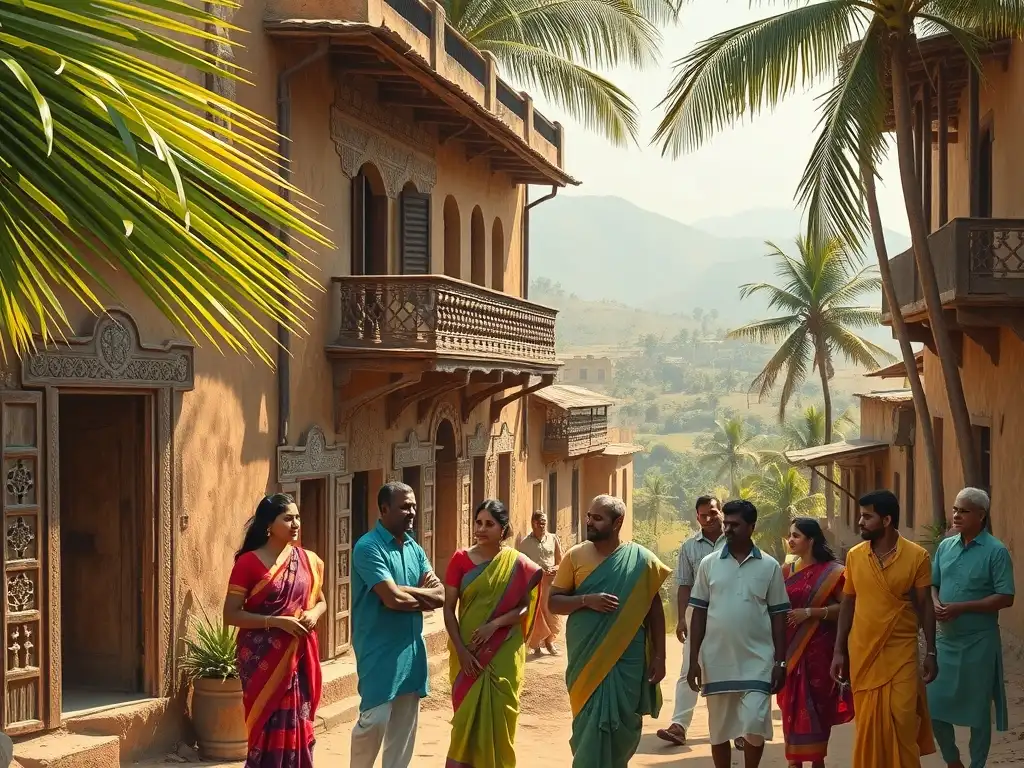
The response of Southern Indian society to colonial rule was characterized by a blend of resistance and adaptation. While many individuals and groups actively opposed British policies, others sought to navigate the complexities of colonial life by adapting their cultural practices to the new context.
Key Figures of Resistance Against Colonialism
Prominent leaders emerged who played a pivotal role in resisting colonial authority. Figures such as V. O. Chidambaram Pillai and Subramania Bharathi became symbols of the anti-colonial struggle, advocating for rights and self-determination. Their impact can be summarized as follows:
- Political Mobilization: These leaders galvanized public sentiment against colonial rule and encouraged mass participation in the freedom movement.
- Cultural Revival: They emphasized the importance of local cultures and languages, fostering a sense of pride and identity among the populace.
- Legacy of Resistance: The efforts of these figures laid the foundation for future generations to continue the struggle for independence.
Their contributions were essential in shaping the political consciousness of Southern India.
Movements and Rebellions in Southern India
Resistance against colonialism manifested in various forms, ranging from organized movements to spontaneous rebellions. Significant uprisings included:
- The Vellore Mutiny (1806): An early revolt against British policies that highlighted discontent among Indian soldiers and local rulers.
- The Indian National Congress (1885): While a national entity, its roots in Southern India fostered regional movements advocating for political rights.
- The Quit India Movement (1942): Southern India saw significant participation in this nationwide call for immediate independence, showcasing the unity of purpose among various communities.
These movements highlighted the growing discontent with colonial rule and the desire for autonomy.
Adaptation of Local Cultures to Colonial Context
While many resisted colonial influence, Southern Indian cultures also adapted to the new realities imposed by British rule. This adaptation can be observed in various domains:
- Economic Adaptation: Many local artisans and traders adapted their practices to meet new demands created by colonial markets, leading to the emergence of new economic models.
- Cultural Syncretism: The blending of traditional customs with colonial practices resulted in unique cultural expressions, such as new forms of music and theater.
- Social Integration: The colonial period saw greater interaction between diverse communities, leading to a more integrated society that often embraced elements from different backgrounds.
This adaptability not only helped preserve aspects of Southern Indian culture but also enriched it, creating a dynamic cultural environment.
Long-term Effects of Colonialism on Southern Indian Society
The colonial period significantly transformed Southern Indian society in various aspects, including social structure, economy, and culture. One of the most profound long-term effects was the disruption of traditional social hierarchies. The British colonial administration implemented policies that favored certain communities over others, leading to increased social stratification. This reorganization often resulted in tensions and conflicts among different caste groups, which have persisted into modern times.
Economically, colonialism introduced a cash crop economy that replaced subsistence farming. This shift not only altered agricultural practices but also had lasting implications on food security. The focus on export-oriented agriculture led to the neglect of local needs, causing periods of famine and economic instability. Furthermore, the introduction of Western education created a divide between the educated elite and the rural populace, perpetuating inequalities that are still evident.
Culturally, colonialism influenced Southern Indian society through the introduction of Western ideologies and practices. While this led to the development of a hybrid culture, it also resulted in the erosion of indigenous traditions and languages. The impact of colonialism on art, literature, and religion is profound, with many aspects of Southern Indian culture being reinterpreted through a colonial lens.
Post-Colonial Identity and Its Formation
The post-colonial period in Southern India witnessed a complex process of identity formation. As the region grappled with the legacy of colonialism, there was a strong desire to reclaim and redefine cultural identity. Movements aimed at reviving traditional practices and languages emerged, reflecting a rejection of colonial narratives. This resurgence was also fueled by a broader nationalistic sentiment that sought to unite diverse communities against colonial oppression.
Moreover, the challenge of integrating diverse identities within a newly independent nation led to the formulation of regional identities. In Southern India, states were reorganized based on linguistic and cultural lines, giving rise to a sense of pride in regional heritage. This reconfiguration allowed communities to celebrate their unique traditions while fostering a collective Southern Indian identity.
However, the struggle for identity was not without its challenges. The complexities of caste dynamics and socio-economic disparities continued to influence post-colonial identity formation. The legacy of colonial favoritism persisted, as certain groups navigated the new political landscape with more advantage than others, leading to ongoing debates about representation, equity, and social justice.
Legacy of Colonial Policies in Modern Southern India
The colonial policies that shaped Southern Indian society continue to resonate in contemporary times. The educational reforms introduced during the colonial era laid the groundwork for the modern educational system. However, they also created a framework that often prioritized Western knowledge and values, sometimes at the expense of local knowledge systems.
Economically, the infrastructure developed during colonial rule—such as railways and ports—played a crucial role in integrating Southern India into the global economy. Yet, this integration often favored external markets, perpetuating a cycle of dependency that still affects local economies today. The focus on cash crops initiated during colonialism has led to ongoing agrarian distress, with farmers facing issues such as indebtedness and market volatility.
Socially, the impact of colonialism is evident in the persistent inequalities and caste dynamics that continue to shape Southern Indian society. The policies that once divided communities have left a legacy of fragmentation, necessitating ongoing efforts toward social cohesion and inclusion.
Conclusion: The Enduring Legacy of Colonial Impact on Southern India
The colonial impact on Southern India is an enduring legacy that continues to shape the region's social, economic, and cultural fabric. Understanding this legacy is crucial for comprehending the complexities of modern Southern Indian society. While significant progress has been made in various areas, the shadow of colonialism remains, influencing contemporary issues and debates.
Reflection on Historical Lessons
Reflecting on the historical lessons of colonialism reveals the importance of recognizing and addressing historical injustices. The experiences of Southern India serve as a reminder of the need for inclusive governance and the prioritization of local voices in shaping policies. Acknowledging the past allows communities to build a more equitable future, learning from the mistakes and successes of history.
Future Implications for Southern Indian Society
Looking ahead, the implications of colonial impact on Southern India will continue to be relevant. The need for sustainable development, preservation of cultural heritage, and social justice remains pressing. As Southern Indian society evolves, it is vital to foster an environment that embraces diversity, encourages inclusive dialogue, and empowers marginalized communities. By doing so, the region can work toward a future that honors its rich history while addressing the challenges posed by its colonial past.
- Introduction to Colonial Impact on Southern India
- Overview of Colonialism in India
- Significance of Southern India in Colonial Context
- Historical Background of Southern India Before Colonialism
- The Arrival of Colonial Powers in Southern India
- Socio-Economic Changes Due to Colonial Rule
- Cultural Transformations Under Colonial Influence
- Resistance and Adaptation in Southern India
- Long-term Effects of Colonialism on Southern Indian Society
- Conclusion: The Enduring Legacy of Colonial Impact on Southern India
- What were the main effects of colonialism on Southern Indian society?
- How did colonial rule alter traditional practices in Southern India?
- Were there any positive contributions from the colonial period in Southern India?
- How did the caste system evolve during the colonial era in Southern India?
- What role did nationalism play in response to colonialism in Southern India?
Frequently Asked Questions
What were the main effects of colonialism on Southern Indian society?
Colonialism significantly impacted Southern Indian society through economic exploitation, changes in social structures, and the introduction of Western education and legal systems.
How did colonial rule alter traditional practices in Southern India?
Colonial rule often undermined traditional practices by promoting Western values, leading to a decline in indigenous customs and a shift towards modernization that favored colonial interests.
Were there any positive contributions from the colonial period in Southern India?
Yes, the colonial period introduced infrastructure development, such as roads and railways, as well as educational reforms that laid the groundwork for future advancements in Southern India.
How did the caste system evolve during the colonial era in Southern India?
During the colonial era, the caste system became more rigid due to administrative policies and census classifications, which further entrenched social hierarchies in Southern Indian society.
What role did nationalism play in response to colonialism in Southern India?
Nationalism emerged as a reaction against colonial rule, fostering a sense of identity and unity among Southern Indians, which ultimately contributed to the freedom struggle against British colonialism.
Final Reflection: Understanding the Colonial Impact on Southern India
The exploration of colonialism's profound influence on Southern Indian society reveals not only the historical scars left behind but also the ongoing ramifications that shape contemporary life. As we dissect the layers of colonial impact, it becomes clear that the echoes of this past resonate in today’s social, cultural, and economic frameworks. The legacy of colonialism is not merely a chapter in history; it is a living narrative that continues to affect identities and relationships in Southern India.
The colonial experience has indelibly marked the cultural landscape of Southern India, intertwining its traditions with the complexities of colonial rule. This intricate tapestry of influence reminds us that history is not static; it evolves and informs our present. The insights gained from understanding this colonial impact are crucial for fostering a more inclusive and aware society. As Mahatma Gandhi once said, A nation's greatness is measured by how it treats its weakest members.
This quote encapsulates the essence of our ongoing journey toward recognizing and addressing the disparities rooted in colonial history.
As we reflect on the lessons of the past, I invite you to consider your own role in this narrative. How can you contribute to a more equitable future, acknowledging the historical context that shapes our society today? Embrace the opportunity to engage with these themes, whether through education, advocacy, or personal reflection. By doing so, you not only honor the complexities of Southern India's history but also become an active participant in shaping a more just and inclusive society for generations to come.
Uncover the Threads of History: Take Action Today!
Thank you for diving into the intricate world of colonialism's impact on Southern Indian society. Your interest in understanding this vital chapter enriches your perspective on history and its ongoing influence. Now, let's turn that knowledge into action!
- Explore further: Read a book or watch a documentary on colonial history to deepen your insights and broaden your understanding of the era.
- Engage with your community: Join a local history group or participate in online discussions to reflect on the implications of colonialism in today’s society.
- Share your thoughts: Share your reflections from this article on social media and encourage friends to discuss their views on the historical context and its relevance today.
How do you think understanding our colonial past can shape today’s societal structures in Southern India?