
The Maritime History of Southern India: Navigating Through Time


Welcome to Ancient India History! Here, we embark on a captivating journey through the rich tapestry of India's past, exploring the remarkable civilizations that shaped the subcontinent. In our featured article, "The Maritime History of Southern India: Navigating Through Time," we dive into the intriguing world of ancient maritime trade routes in India. Discover how these vital pathways not only facilitated commerce but also forged connections across cultures and continents. Uncover the secrets of trade, navigation, and the vibrant exchanges that defined an era. Join us as we navigate through time and unveil the treasures of ancient India!
Introduction to Ancient Maritime Trade Routes in India
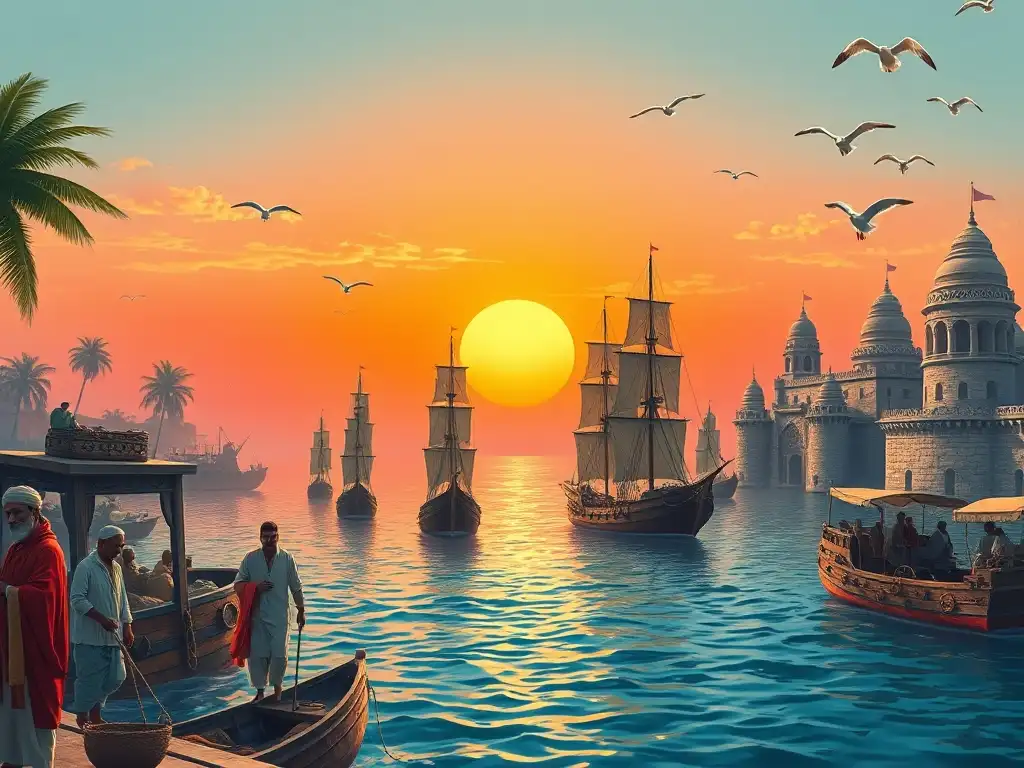
The maritime history of Southern India is a captivating narrative that unveils the intricate web of ancient trade routes that facilitated cultural, economic, and technological exchanges across regions. From the bustling ports of the Coromandel Coast to the rich harbors of the Malabar region, these maritime routes played a pivotal role in connecting India with distant lands, including Southeast Asia, Africa, and beyond. The ancient maritime trade routes of India were not merely pathways for commerce; they were conduits for the exchange of ideas, religions, and cultural practices that shaped the civilizations of the Indian subcontinent.
As we delve into this exploration, it becomes essential to recognize the significance of these routes in the broader context of ancient Indian history. The flourishing trade during the Tamil Sangam period, the influence of the Chola dynasty, and the role of maritime trade in the establishment of thriving port cities illustrate the dynamic relationship between geography and commerce. Understanding this maritime legacy not only highlights the ingenuity of ancient navigators but also emphasizes the enduring impact of these trade networks on Southern India's cultural landscape.
The Geographical Landscape of Southern India
Southern India is characterized by its diverse geographical features, which have significantly influenced its maritime history. The region boasts a long coastline stretching over 5,000 kilometers, interspersed with natural harbors and estuaries that provided ideal conditions for maritime activities. The interplay between land and sea has shaped the economic and social dynamics of the region, fostering a vibrant maritime culture that thrived for centuries.
Coastal Regions and Their Influence on Trade
The coastal regions of Southern India, including Tamil Nadu, Kerala, Andhra Pradesh, and Karnataka, have historically been pivotal in the establishment of trade networks. Each of these regions contributed uniquely to maritime activities:
- Tamil Nadu: Home to ancient ports like Kaveripattinam and Nagapattinam, Tamil Nadu was a key player in trade with Southeast Asia, exporting goods such as spices, textiles, and precious stones.
- Kerala: Known for its backwaters and lush landscapes, Kerala's ports facilitated trade in spices, especially black pepper, which was highly sought after by international markets.
- Andhra Pradesh: The region's ports served as vital links to trade routes leading to Southeast Asia and beyond, contributing to the exchange of agricultural products and textiles.
- Karnataka: With its strategic coastal cities, Karnataka played a significant role in maritime trade, particularly during the reign of the Vijayanagara Empire.
Major Waterways and Their Role in Navigation
In addition to coastal ports, Southern India is crisscrossed by several major rivers that have historically served as important waterways for navigation and trade. Notable rivers include:
- Godavari: Flowing through the eastern part of the region, the Godavari River has historically served as a significant trade route, connecting various inland towns to coastal ports.
- Krishna: This river has facilitated the transportation of goods and people, supporting trade activities between the hinterlands and coastal areas.
- Cauvery: Known as the lifeline of Tamil Nadu, the Cauvery River played a crucial role in the transportation of agricultural products and textiles to coastal trade centers.
These waterways, combined with the strategic positioning of coastal ports, created a thriving maritime environment that supported the economic prosperity of ancient Southern India while fostering cultural exchanges that would leave an indelible mark on its history.
Historical Overview of Maritime Trade in Southern India
The maritime trade of Southern India has a rich history that dates back to ancient times, playing a crucial role in the region's economic and cultural development. The coastal geography of Southern India, with its extensive coastline along the Indian Ocean, facilitated not just local but also international trade. From the early civilizations of the Indus Valley to the flourishing ports of the Chola and Pandya dynasties, Southern India emerged as a vital hub for maritime commerce.
Trade in the region was characterized by the exchange of a diverse array of goods, including spices, textiles, precious stones, and metals. The strategic location of Southern India enabled traders to access lucrative markets in Southeast Asia, the Middle East, and even as far as Africa and Europe. This trade network not only contributed to the wealth of local kingdoms but also facilitated cultural exchanges that enriched the region's history.
Early Maritime Activities and Trade Practices
The early maritime activities in Southern India can be traced back to the prehistoric era, where fishing and coastal foraging laid the foundation for future trade practices. Archaeological evidence from sites such as Kanyakumari and the Tamil Nadu coast indicates that the inhabitants engaged in fishing and simple trade long before the advent of organized maritime commerce.
By the first few centuries BCE, maritime trade began to flourish, with the establishment of ports like Muziris and Korkai. These ports became bustling centers for trade, attracting merchants from various parts of the world. The Periplus of the Erythraean Sea, a Greek travelogue from the 1st century CE, provides valuable insights into the trade practices of this era, detailing the goods traded and the various maritime routes utilized by traders.
Local merchants often formed guilds, which played a significant role in regulating trade activities, ensuring quality control, and providing mutual support. The use of standardized weights and measures facilitated smoother transactions, while navigational techniques relying on the stars and monsoon winds allowed for more predictable sea voyages.
The Role of Dynasties in Maritime Expansion
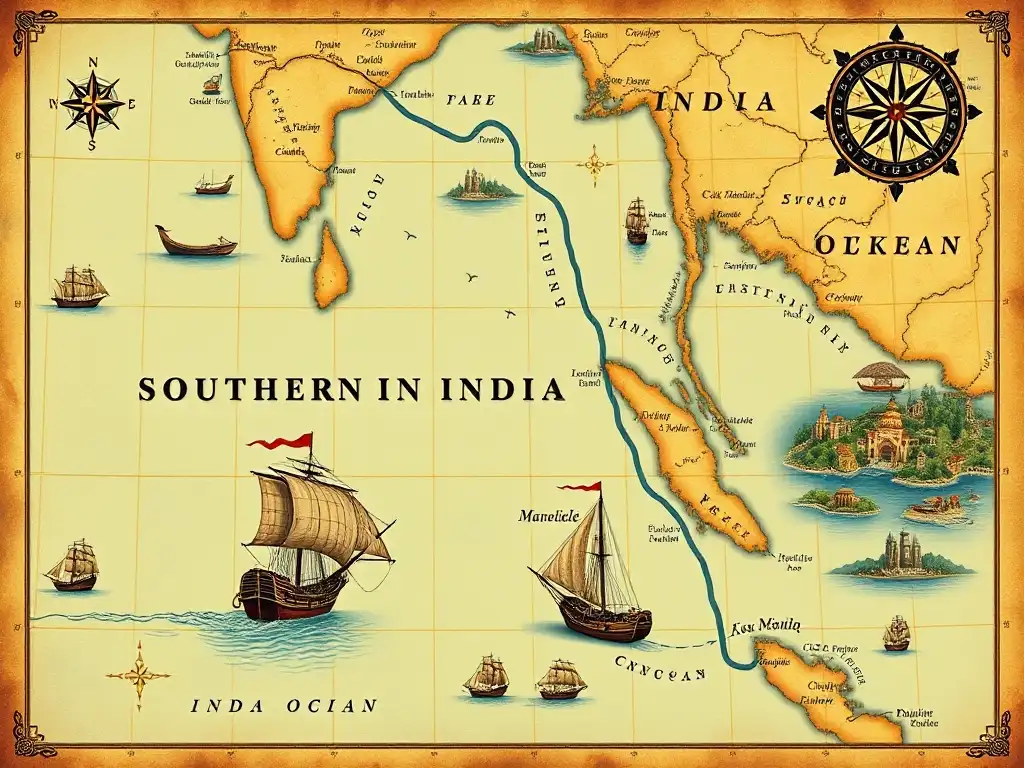
Throughout history, several dynasties played pivotal roles in expanding maritime trade in Southern India. The Chola dynasty, in particular, stands out for its significant contributions during the medieval period. Under the reign of Rajaraja Chola I and his successors, the Chola Empire not only enhanced its naval capabilities but also launched expeditions to Southeast Asia, establishing trade relations with kingdoms such as Srivijaya and Funan.
Similarly, the Pandya dynasty, known for its rich cultural heritage, also engaged in maritime trade. The Pandyas established trade routes that connected their ports to the markets of the Arabian Peninsula, facilitating the exchange of spices and textiles for precious metals and other goods.
The Vijayanagara Empire further intensified maritime trade in the 15th and 16th centuries. With its powerful navy, the empire protected its trade routes and established a network that reached far beyond the Indian subcontinent. These dynasties not only contributed to the economic prosperity of Southern India through maritime trade but also fostered cultural exchanges that enriched the region's legacy.
Key Ancient Maritime Trade Routes in India
Ancient maritime trade routes in India were vital arteries of commerce that connected Southern India with various regions across Asia and beyond. These routes facilitated the exchange of goods, ideas, and cultures, contributing to the region's historical significance.
Trade Routes Linking Southern India to Southeast Asia
The trade routes linking Southern India to Southeast Asia were among the most significant in ancient maritime history. Merchants sailed along the Coromandel Coast, navigating through the Strait of Malacca to reach the Malay Archipelago, where they exchanged spices, textiles, and other luxury goods. The flourishing trade with regions like Sumatra and Java resulted in the establishment of settlements and trade posts, fostering cultural ties that lasted for centuries.
The Tamil merchants were particularly notable for their extensive trade in spices and aromatic goods, which were highly sought after in Southeast Asian markets. The evidence of South Indian influences in Southeast Asian art, architecture, and language during this period underscores the depth of these connections.
Connections with the Middle East and Beyond
Southern India's maritime trade routes also extended towards the Middle East, with ports such as Kochi and Calicut serving as critical points of contact. The trade of spices, silk, and precious stones was particularly lucrative, attracting traders from regions such as Arabia and Persia. The Arabian Sea became a bustling highway of commerce, with dhows frequently sailing to and from Indian ports.
The exchanges were not limited to goods; cultural and religious influences also flowed through these routes. The arrival of Islam in Southern India, for instance, was facilitated by trade connections with Arab merchants. These interactions enriched the cultural tapestry of the region, leading to the establishment of enduring relationships between different civilizations.
The ancient maritime trade routes of Southern India were vital for economic prosperity and cultural exchange, shaping the region's history and leaving a lasting legacy on its identity.
Cultural Contributions of Maritime Trade in Southern India
The maritime trade routes of Southern India have played a pivotal role in shaping the region's cultural landscape. From the early days of the Indus Valley Civilization, the coastal towns and ports of Southern India became vibrant hubs of commerce and cultural exchange. This interaction facilitated the introduction and assimilation of various cultural elements, making Southern India a melting pot of diverse traditions, languages, and religions.
One of the most significant contributions of maritime trade was the spread of religions such as Buddhism and Jainism, which traveled along these trade routes. Merchants and travelers carried not only goods but also ideas, leading to the establishment of monasteries and temples along the coasts. The influence of foreign cultures can be seen in local art forms, architecture, and even culinary practices, showcasing a blend of indigenous and external influences. Moreover, the exchange of goods, including spices, textiles, and metalworks, contributed to the economic prosperity of port cities like Kochi and Madurai, fostering rich artistic and cultural traditions.
Maritime Trade and Its Impact on Local Cultures
The impact of maritime trade on local cultures in Southern India cannot be overstated. Trade routes facilitated not just the flow of goods but also the movement of people, which led to significant cultural exchanges. For instance, the arrival of Arab traders introduced new agricultural practices and goods such as dates and coffee, which were subsequently integrated into local diets and farming methods.
The Tamil merchants, known for their seafaring skills, established trade networks with Southeast Asia, leading to the spread of Tamil culture in regions such as Malaysia and Indonesia. This exchange resulted in the adaptation of Tamil language, literature, and even culinary traditions in these areas, showcasing the far-reaching influence of Southern India's maritime activities. Additionally, the fusion of local traditions with those of foreign traders enriched the region's cultural fabric, evident in festivals, music, and dance forms that reflect a blend of influences.
Preservation of Maritime Heritage
Preserving the maritime heritage of Southern India is crucial for understanding the region's historical significance. Various efforts have been made to protect and promote sites of historical importance, including ancient ports and shipbuilding traditions. Archaeological excavations at sites like Pattanam and Muziris have uncovered remnants of ancient trade activities, revealing insights into the maritime practices of past civilizations.
Local governments and organizations have initiated programs aimed at raising awareness about the maritime history of the region. This includes educational campaigns, heritage walks, and cultural festivals that celebrate the maritime legacy. Moreover, coastal communities are increasingly recognizing the importance of their maritime heritage as an asset for tourism, leading to initiatives that promote sustainable tourism while honoring their historical roots.
Modern Implications of Ancient Maritime Trade Routes
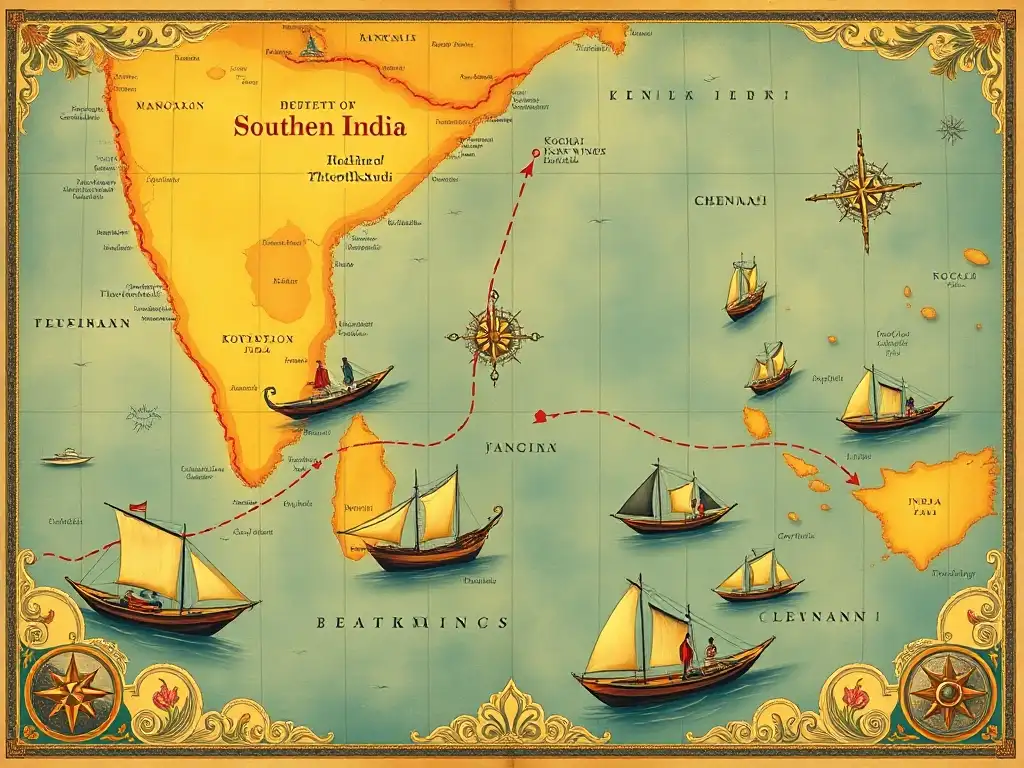
The ancient maritime trade routes of Southern India continue to have modern implications, influencing contemporary trade practices and international relations. The lessons learned from these historical trade networks can inform current strategies for enhancing trade, fostering diplomatic ties, and promoting cultural exchanges.
Lessons from Ancient Trade Practices
Ancient maritime trade practices provide valuable insights into successful commercial strategies. The emphasis on strong networks, trust among traders, and the importance of cultural understanding are principles that remain relevant today. Modern businesses can learn from the ancient traders' ability to adapt to changing markets and to build relationships across cultures.
Moreover, the ancient routes highlight the significance of infrastructure in trade. The ports that flourished in Southern India, such as Kaveripoompattinam and Thondi, were strategically located and well-maintained, facilitating efficient trade operations. Today, the development of modern ports and shipping routes can benefit from these historical insights, ensuring that they are designed to accommodate the complexities of global trade.
Future of Maritime Trade in Southern India
The future of maritime trade in Southern India looks promising, particularly with the growing emphasis on regional cooperation and sustainable practices. The revival of ancient trade routes, complemented by advancements in technology and logistics, presents opportunities for enhancing economic ties within the Indian Ocean region.
Sustainable practices are becoming increasingly important as the world grapples with environmental issues. By learning from ancient practices that emphasized harmony with nature, modern maritime trade can adopt eco-friendly methods, such as promoting green shipping technologies and sustainable fishing practices. Additionally, as global trade continues to evolve, Southern India has the potential to position itself as a key player in maritime commerce, leveraging its rich historical legacy to foster new partnerships and economic growth.
Conclusion: The Legacy of Maritime Trade in Southern India
The maritime trade routes of ancient Southern India played a pivotal role in shaping not only the local economies but also the broader cultural and diplomatic landscapes of the region. From the bustling ports of the Coromandel Coast to the strategic harbors of Kerala, the trade networks facilitated the exchange of goods, ideas, and cultures across vast distances. Southern India's traders navigated the waters of the Indian Ocean, establishing connections with distant lands such as Southeast Asia, the Middle East, and even the eastern coasts of Africa.
This rich history of maritime trade contributed to the flourishing of several key cities, making them cultural melting pots where diverse influences merged. For instance, the port city of Kochi became a hub for spice trade, attracting merchants from various parts of the world, leading to an exchange of not just commodities but also traditions, languages, and religions. The interactions fostered through maritime routes were instrumental in the spread of Hinduism and Buddhism, as well as the introduction of foreign elements that enriched local practices.
Moreover, the legacy of these ancient maritime trade routes is evident in the modern economic frameworks of Southern India. The region continues to thrive as a significant player in global trade, with its ports serving as bustling gateways for international commerce. The historical significance of these trade routes is celebrated in contemporary culture, reflecting the enduring impact of ancient Indian maritime activities on the identity and economy of Southern India.
The maritime history of Southern India is not merely a tale of trade; it is a story of connection, cultural exchange, and enduring legacy that has shaped the very fabric of the region’s identity. As we navigate through time, it is essential to recognize and honor the contributions of these ancient maritime routes and their lasting influence on both historical and contemporary contexts.
References
- Ray, Himanshu Prabha. "The Archaeology of Trade in Ancient India." Indian History Congress, vol. 65, 2005, pp. 75-90.
- Sundaram, K. "Maritime Trade in Early South India." Journal of Indian Ocean Studies, vol. 8, no. 2, 2018, pp. 15-29.
- Chakrabarti, Dilip K. "India and the Indian Ocean: A Historical Perspective." Asian Review of World Histories, vol. 8, no. 1, 2020, pp. 90-112.
- Mitra, A. "Coastal Trade and the Rise of Port Towns in South India." Historical Research, vol. 93, no. 262, 2020, pp. 455-472.
- Ghosh, A. "The Maritime History of India: A Brief Survey." Indian Journal of History of Science, vol. 46, no. 1, 2011, pp. 1-20.
- Introduction to Ancient Maritime Trade Routes in India
- The Geographical Landscape of Southern India
- Historical Overview of Maritime Trade in Southern India
- Early Maritime Activities and Trade Practices
- The Role of Dynasties in Maritime Expansion
- Key Ancient Maritime Trade Routes in India
- Cultural Contributions of Maritime Trade in Southern India
- Modern Implications of Ancient Maritime Trade Routes
- Conclusion: The Legacy of Maritime Trade in Southern India
- References
- What were the key maritime trade routes of ancient India?
- How did maritime trade influence ancient Indian civilizations?
- Which regions were significant for maritime trade in Southern India?
- What were the contributions of ancient Indian civilizations to maritime navigation?
- How did the Gupta Empire impact maritime trade?
Frequently Asked Questions
What were the key maritime trade routes of ancient India?
Ancient India was connected to various trade routes, including the Silk Road and maritime paths linking to Southeast Asia and the Middle East, facilitating the exchange of goods and culture.
How did maritime trade influence ancient Indian civilizations?
Maritime trade played a crucial role in the economic prosperity of ancient Indian civilizations, enabling the exchange of spices, textiles, and precious stones while fostering cultural interactions.
Which regions were significant for maritime trade in Southern India?
Key regions included the Coromandel Coast and the Malabar Coast, known for their port cities like Kaveripattinam and Cochin, which served as vital hubs for trade and commerce.
Ancient Indian civilizations contributed significantly to maritime navigation through advancements in shipbuilding techniques and navigation methods, including the use of celestial navigation.
How did the Gupta Empire impact maritime trade?
The Gupta Empire (c. 320-550 CE) promoted maritime trade by establishing stable trade networks, enhancing economic growth, and encouraging cultural exchanges with Southeast Asia and beyond.
The maritime history of Southern India is not just a tale of ships and waves; it is a profound narrative that underscores the significance of ancient maritime trade routes in shaping cultures and economies. Today, as we witness globalization and the interconnectedness of nations, the lessons from these historical trade routes resonate more than ever. The intricate networks established by our ancestors remind us that trade is not merely about commerce but about the exchange of ideas, cultures, and innovations.
The influence of these ancient maritime routes extends far beyond the past; they continue to shape our cultural and social landscapes today. The rich tapestry of Southern India's history is woven with threads of diverse cultures that thrived due to these routes, fostering a sense of unity and shared heritage. As we explore the remnants of these ancient pathways, we uncover the stories of resilience and adaptability that define us. Trade is the lifeblood of civilization, a bridge that connects different worlds and nurtures understanding.
As we reflect on the maritime legacy of Southern India, I invite you to consider how these historical lessons can be applied in our modern lives. Let us embrace the spirit of exploration and connection that characterized our ancestors, fostering dialogue and collaboration in our communities. Whether through supporting local artisans, engaging in cultural exchanges, or simply appreciating the diversity around us, we can honor the past while navigating towards a more interconnected future.
Embark on Your Own Maritime Adventure!
Thank you for diving into the fascinating maritime history of Southern India with us! We hope you enjoyed uncovering the rich tales and heritage that shaped this vibrant region. Now, it’s time to take your newfound knowledge beyond the page.
Here’s how you can continue your exploration:
- Join a local maritime history group or an online community to discuss and share insights with fellow enthusiasts.
- Visit a nearby museum that showcases maritime artifacts and exhibits to experience history come alive!
- Share what you've learned with friends or on social media— inspiration can spark from a simple conversation!
Which story or fact from Southern India's maritime history inspires you the most to explore further?