
The Role of Trade in Shaping Eastern India's Cultural Heritage

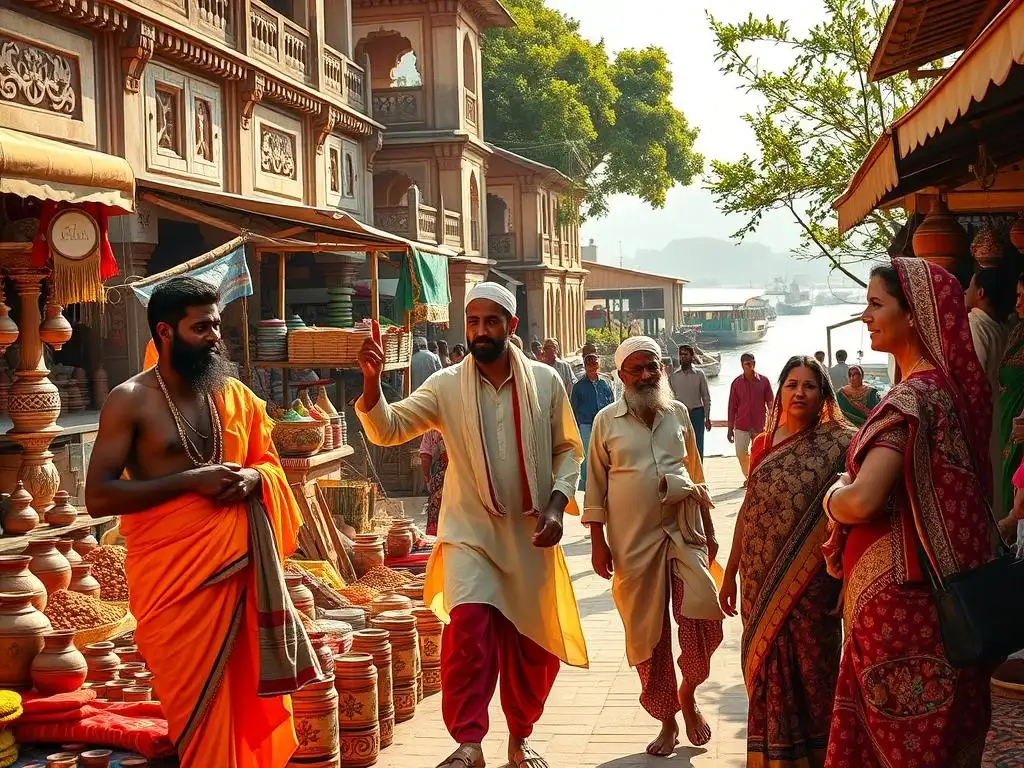
Welcome to Ancient India History, where we embark on a fascinating journey through the rich tapestry of ancient civilizations that flourished on the Indian subcontinent. In this exploration, we delve into the intricate relationship between trade and culture in ancient India, uncovering how bustling markets and vibrant exchanges shaped the very essence of Eastern India's cultural heritage. Are you curious about how these ancient trade routes influenced art, philosophy, and society? Join us as we unravel the stories behind the trade networks that connected diverse cultures and laid the foundations for a remarkable legacy.
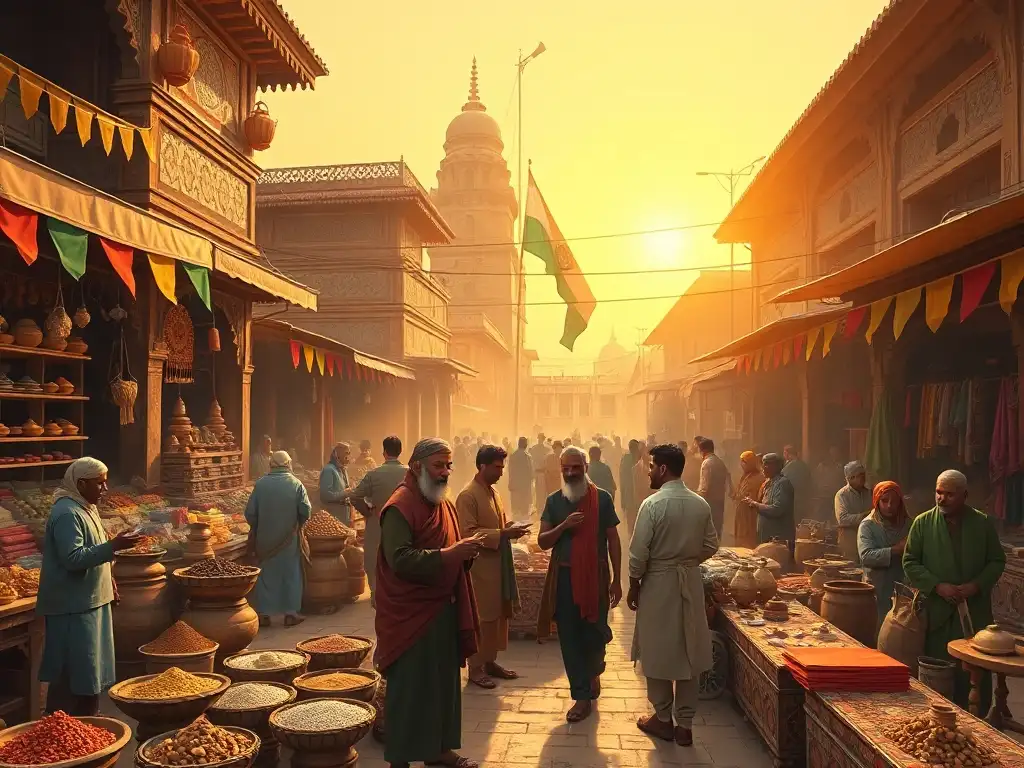
Introduction to Trade and Culture in Ancient India
The interplay between trade and culture in ancient India is a fascinating narrative that reveals the profound impact of commerce on societal development. In Eastern India, this relationship was particularly significant, as trade not only facilitated economic growth but also acted as a catalyst for cultural exchange and integration.
The vibrant tapestry of Eastern India’s cultural heritage—spanning from the early Indus Valley Civilization to the flourishing Gupta Empire—was intricately woven through the threads of trade. This article delves into the influential role of trade in shaping the cultural landscape of Eastern India, exploring how economic interactions fostered artistic, religious, and social transformations that continue to resonate today.
Overview of Eastern India's Historical Context
Eastern India, comprising regions like Bengal, Odisha, and Assam, has a rich historical backdrop characterized by diverse civilizations and cultural practices. From the urban centers of the Indus Valley to the later Mauryan and Gupta empires, this region has been a cradle of innovation and cultural amalgamation. The fertile plains of the Ganges and Brahmaputra rivers provided a robust agricultural base, enabling communities to thrive and engage in trade. Throughout various dynasties, Eastern India became a melting pot where indigenous traditions met external influences, particularly through trade with neighboring regions and countries.
Importance of Trade in Cultural Development
Trade in ancient India was not merely an economic activity; it was a conduit for cultural exchange that shaped the beliefs, practices, and artistic expressions of societies. Through trade, Eastern Indian merchants engaged with diverse cultures, leading to the dissemination of ideas, religions, and technologies. This exchange fostered a sense of connectivity that transcended geographical boundaries, allowing for the rich intermingling of local customs with foreign influences. As a result, trade routes became vital arteries for cultural diffusion, contributing to the region's uniqueness and historical richness.
The Historical Landscape of Trade in Eastern India
Major Trade Routes Connecting Eastern India
Eastern India was strategically positioned at the crossroads of significant trade routes, both overland and maritime. The ancient Silk Road and Spice Route facilitated not just the movement of goods, but also the flow of ideas and cultures. Key overland routes linked Eastern India to the north and northwest, while maritime routes connected it to Southeast Asia, China, and beyond. These pathways played a crucial role in establishing Eastern India as a hub of commerce and cultural exchange, fostering interactions that enriched local civilizations.
Key Trade Centers in Ancient Eastern India
Several cities emerged as prominent trade centers in Eastern India, each contributing uniquely to the region’s economic and cultural tapestry. Cities like Pataliputra (modern Patna), Kalinga (modern Odisha), and Tamralipta (modern Tamluk) became bustling markets where merchants from various regions congregated. These urban centers facilitated not only trade but also cultural interactions—spurring advancements in art, literature, and philosophy. The amalgamation of diverse influences in these trade hubs laid the foundation for a rich cultural heritage that flourished over centuries.
Trade Goods: What Fueled Cultural Exchange?
The trade of various goods played a pivotal role in the cultural dynamics of ancient Eastern India. Key commodities such as textiles, spices, and precious stones were not only valuable in economic terms but also carried cultural significance. For instance, the trade of silk and cotton textiles led to the evolution of distinctive styles and techniques that reflected the merging of local and foreign aesthetics.
Similarly, the exchange of religious texts and artifacts contributed to the spread of philosophies, such as Buddhism and Hinduism, which were instrumental in shaping the spiritual landscape of the region. The rich variety of traded goods served as a medium for cultural dialogue, enhancing the interconnectedness of Eastern Indian societies with the wider world.
The Influence of Trade on Eastern Indian Society
Trade played a crucial role in shaping the social, economic, and cultural fabric of Eastern India. As a region rich in natural resources and strategically located near major trade routes, Eastern India became a melting pot of diverse cultures and ideas. The bustling trade centers, such as Pataliputra and Kalinga, facilitated not only the exchange of goods but also the interaction of various communities, leading to significant transformations in society.
Economic Impacts of Trade on Local Communities
The economic implications of trade in Eastern India were profound. The influx of merchants and traders introduced new commodities, technologies, and practices that stimulated local economies. Agricultural products, textiles, and metal goods were exchanged for luxury items and raw materials from distant lands. This exchange not only enriched local markets but also provided livelihoods for many, thereby enhancing the overall economic stability of communities.
Moreover, trade routes such as the Grand Trunk Road connected Eastern India with the rest of the subcontinent and beyond, facilitating the flow of goods and wealth. Local artisans and craftsmen benefited from increased demand for their products, leading to a vibrant marketplace where traditional skills were honed and new techniques were adopted. As a result, trade became a vital economic engine that supported local communities and fostered regional development.
Social Structures: How Trade Shaped Society
The dynamic nature of trade contributed to the evolution of social structures within Eastern India. The interaction between different cultures led to a more stratified society, where trade became a means of upward mobility. Merchants and traders often gained significant wealth and influence, challenging traditional social hierarchies. This shift allowed for the emergence of a new class of wealthy traders who played essential roles in local governance and cultural patronage.
Additionally, trade encouraged urbanization as people flocked to trading hubs in search of economic opportunities. Cities grew around these trade centers, becoming cosmopolitan environments where various social groups coexisted. The resulting diversity fostered a sense of community while also leading to the blending of customs, traditions, and practices that enriched the social tapestry of Eastern India.
Cultural Interactions: Blending of Traditions and Practices
The exchanges facilitated by trade not only impacted economics and social structures but also led to rich cultural interactions. As goods moved across regions, they brought with them stories, customs, and traditions that influenced local practices. For instance, the introduction of new culinary ingredients and cooking techniques from different cultures transformed the local cuisine, creating a unique culinary identity that reflected the region's diverse influences.
Furthermore, festivals and rituals began to incorporate elements from various traditions, leading to a vibrant cultural mosaic. The mingling of ideas and practices resulted in a society that was both traditional and adaptable, capable of embracing change while retaining its core identity. This blending of traditions is a hallmark of Eastern India's cultural heritage, showcasing the profound impact of trade on its development.
Trade and Cultural Heritage: A Dual Relationship
The relationship between trade and cultural heritage in Eastern India is characterized by mutual influence. Trade not only facilitated the dissemination of cultural practices but also played a pivotal role in preserving and enriching those traditions. As merchants and traders traveled, they acted as conduits for cultural exchange, introducing new ideas and fostering the growth of a shared heritage.
Artistic Influences: Trade's Role in Cultural Expression
Art and creativity thrived in Eastern India due to the influences of trade. The arrival of new materials and artistic techniques led to the evolution of various art forms, including painting, sculpture, and textiles. Artisans began to experiment with foreign styles and motifs, resulting in innovative works that reflected both local traditions and external influences.
For example, the intricate designs found in Eastern Indian textiles often incorporate patterns and techniques borrowed from trade partners across Asia. This artistic dialogue not only showcases the region's craftsmanship but also serves as a testament to the cultural exchanges that trade facilitated. The artwork produced during this time is now considered a vital part of Eastern India's cultural heritage, revealing the interconnectedness of trade and artistic expression.
Language and Literature: The Impact of Trade on Communication
Trade significantly influenced the development of language and literature in Eastern India. As diverse groups interacted, new dialects emerged, leading to the evolution of regional languages. The exchange of written texts, especially religious and philosophical works, further enriched the literary tradition.
Merchants often carried manuscripts and stories from distant lands, which inspired local writers and poets to incorporate new themes and styles into their works. This literary exchange not only broadened the scope of Eastern Indian literature but also created a platform for dialogue between cultures. The impact of trade on language and literature illustrates how the movement of people and ideas contributed to the intellectual landscape of Eastern India.
Religion and Spiritual Exchange: Trade's Influence on Beliefs
Trade routes also served as conduits for the exchange of religious beliefs and practices. As traders traveled, they carried their faiths with them, leading to the introduction of new religious ideas and the intermingling of spiritual traditions. Eastern India became a crucible for religious diversity, where Buddhism, Hinduism, and later, Jainism, coexisted and influenced one another.
The establishment of trade networks facilitated the spread of religious texts, rituals, and philosophies, allowing individuals to explore different spiritual paths. This exchange fostered a rich spiritual heritage that continues to shape the region's cultural identity today. The blending of beliefs and practices, driven by trade, is a testament to the dynamic and evolving nature of religion in Eastern India.
Case Studies of Trade and Cultural Exchange in Eastern India
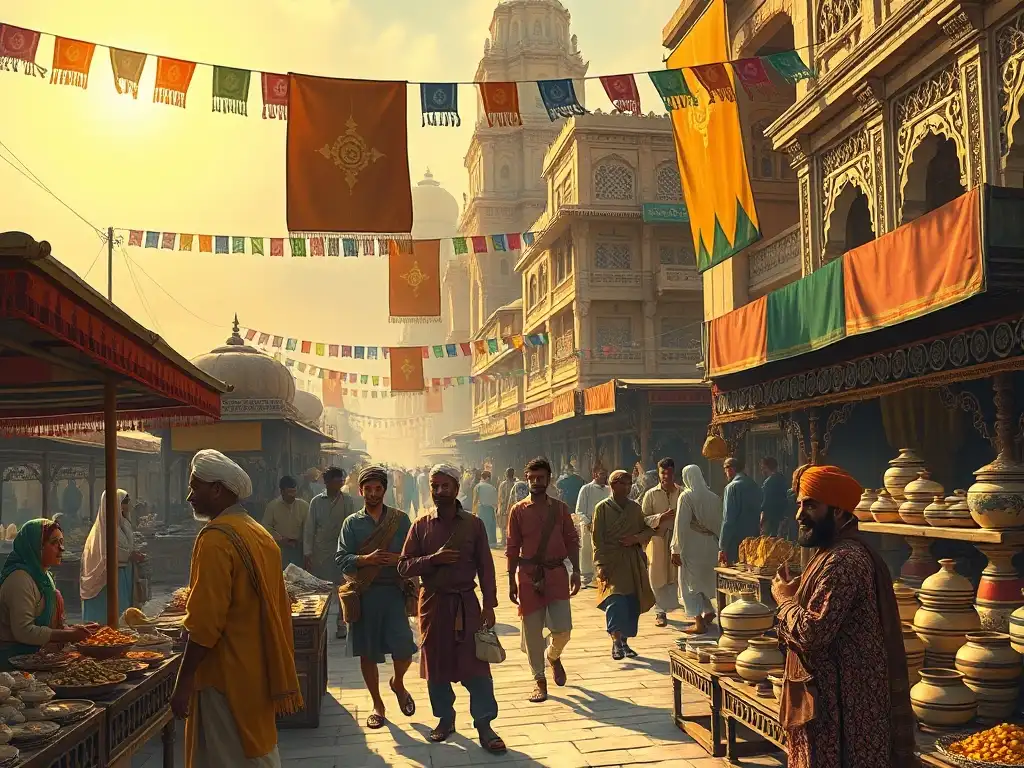
The history of Eastern India is rich with examples of how trade facilitated cultural exchange and development. From the bustling markets of the ancient Mauryan Empire to the vibrant ports of the Bengal delta, trade played a significant role in shaping the region's cultural heritage. Various case studies reveal how these interactions not only influenced economic prosperity but also fostered the dissemination of ideas, art, and technology.
One prominent case study is the trade between the ancient kingdoms of Kalinga and Southeast Asia. Kalinga, known for its strategic coastal location, became a hub for maritime trade, exporting goods such as textiles, spices, and precious stones. This trade network led to the exchange of cultural practices, notably the spread of Buddhism, which was carried to Southeast Asia by traders and monks. The cultural syncretism that emerged from these interactions can still be observed in the architectural styles and religious practices of the region today.
Another significant example is the trade relationships established along the Silk Route. Eastern Indian cities such as Pataliputra became key nodal points on this route, facilitating not only the exchange of goods like silk and spices but also the transfer of knowledge, language, and artistic techniques. The evidence of such exchanges is evident in the art and literature of the time, which reflect influences from various cultures that interacted through trade.
The Role of the Silk Route in Cultural Development
The Silk Route was a critical artery for trade, connecting East and West, and Eastern India played a vital role in this network. The route facilitated not just the movement of commodities but also the flow of ideas, philosophies, and artistic expressions. Cities like Pataliputra and Taxila became melting pots where traders, scholars, and travelers converged, creating a vibrant intellectual and cultural atmosphere.
As traders traversed the Silk Route, they brought with them various cultural elements. For instance, the introduction of new artistic styles led to the evolution of sculptures and paintings in Eastern India, incorporating motifs and themes from distant lands. This cross-pollination of ideas contributed to the development of unique forms of art that blended local traditions with foreign influences.
Moreover, the Silk Route significantly contributed to the spread of religions, particularly Buddhism. The movement of monks and pilgrims along these trade paths facilitated the establishment of monasteries and educational centers, allowing for the further dissemination of Buddhist teachings and practices throughout Eastern India and beyond. The cultural legacy of this exchange is still evident in the numerous stupas and monasteries that dot the landscape of Eastern India today.
Maritime Trade and Its Impact on Coastal Cultures
Maritime trade was equally influential in shaping the cultural landscape of Eastern India, particularly in coastal regions like Bengal and Odisha. These areas thrived on trade across the Bay of Bengal, connecting them with Southeast Asia, Africa, and beyond. The influx of foreign goods and ideas transformed local cultures, leading to a rich tapestry of traditions that reflected both indigenous practices and external influences.
The coastal trade routes facilitated the exchange of not just materials but also culinary practices, languages, and social customs. For example, the introduction of new spices and cooking techniques enriched the local cuisine, creating dishes that became staples in the region. The mixing of languages between traders and local populations also led to the development of unique dialects that showcased the region's diverse cultural heritage.
Additionally, the maritime trade networks contributed to the prosperity of port cities, which became centers of cultural exchange. These hubs attracted artisans, scholars, and religious figures, fostering an environment of creativity and innovation. Temples and architectural marvels built during this period often incorporated diverse influences, reflecting the multicultural interactions that took place along the coast.
Examples of Cross-Cultural Interactions through Trade
Throughout history, Eastern India has served as a crossroads for various cultures due to its extensive trade networks. Notable examples of cross-cultural interactions can be seen in the trade relationships with the Roman Empire, Arab traders, and the kingdoms of Southeast Asia.
The trade with the Roman Empire during the early centuries CE is a prime example of how commerce facilitated cultural exchange. Eastern Indian merchants exported silk, spices, and gems, while importing Roman wine, glassware, and metalwork. This exchange not only enriched the local economy but also introduced new artistic techniques and materials, leading to a fusion of styles in local art and craft.
Arab traders, who frequented the coasts of Eastern India, also played a significant role in cultural exchange. The introduction of Islamic art and architecture can be traced back to these interactions. The influence is particularly evident in the construction of mosques and public buildings, which integrated local architectural styles with Islamic design principles.
Furthermore, the interactions with Southeast Asian kingdoms, such as Srivijaya and Funan, fostered the exchange of religious and cultural practices. Hinduism and Buddhism spread through these interactions, leading to the establishment of numerous temples and cultural institutions in Eastern India, which became centers of learning and spirituality.
Challenges and Changes in Trade Dynamics
Trade in Eastern India has not always been a linear trajectory of growth; it has faced numerous challenges and changes throughout history. The decline of established trade routes and the impact of foreign invasions significantly affected the cultural dynamics of the region.
Decline of Trade Routes and Its Cultural Implications
The decline of trade routes, particularly during the late medieval period, had profound cultural implications for Eastern India. As trade diminished due to various factors, including the rise of new maritime powers and shifting political landscapes, the vibrant exchange of goods and ideas began to wane. This decline led to the stagnation of cultural development and a sense of isolation for many communities.
With fewer trade interactions, local artisans and craftsmen lost access to foreign materials and influences, resulting in a gradual homogenization of cultural expressions. The rich tapestry of art and architecture that characterized earlier periods began to fade as local traditions became insular. This stagnation also affected the dissemination of knowledge, as fewer scholars traveled or exchanged ideas with distant lands.
Moreover, the decline of trade routes diminished the economic vitality of many coastal cities and inland trade hubs. As these centers of commerce fell into decline, their cultural significance waned, leading to a loss of cultural heritage that had been nurtured through centuries of trade and interaction.
The Impact of Foreign Invasions on Trade and Culture
Foreign invasions, particularly during the medieval period, significantly disrupted trade dynamics in Eastern India. The arrival of various invaders, including the Mughals and other regional powers, led to the reconfiguration of trade networks and cultural exchanges.
These invasions often resulted in the destruction of established trade routes and the displacement of local populations. The impacts were not only economic but also cultural, as foreign powers imposed their own customs, languages, and governance structures. This led to a blending of cultures, as local traditions merged with those introduced by the invaders, resulting in a new cultural synthesis that can be observed in art, architecture, and social practices.
However, the invasions also had a detrimental effect on the indigenous trade practices. Local merchants faced increased taxation and regulation, which stifled commercial activities. As a consequence, many regions that had thrived on trade experienced economic decline, leading to a further erosion of cultural heritage that had been built through centuries of vibrant exchanges.
The role of trade in shaping Eastern India's cultural heritage is multifaceted, encompassing various historical dynamics, exchanges, and challenges. Understanding this complex interplay provides valuable insights into the enduring legacy of trade and culture in ancient India.
Conclusion
The intricate relationship between trade and culture in ancient Eastern India has played a pivotal role in shaping its rich cultural heritage. From the bustling trade routes of the Indus Valley Civilization to the flourishing markets of the Gupta Empire, trade has not only facilitated the exchange of goods but also ideas, technologies, and cultural practices. This vibrant exchange laid the foundation for a diverse and dynamic cultural landscape that continues to influence modern Indian society.
Summary of Trade's Role in Shaping Eastern India's Cultural Heritage
Trade in ancient Eastern India was a fundamental driver of cultural integration and exchange. The region's strategic location, bridging the interior of India with coastal trade routes, enabled merchants to connect with various cultures across Asia. Key points illustrating this role include:
- Economic Prosperity: The trade of spices, textiles, and precious stones contributed to the economic wealth of Eastern Indian kingdoms, attracting skilled artisans and traders.
- Cultural Exchange: The influx of foreign influences, particularly from Southeast Asia and the Middle East, enriched local traditions, resulting in the syncretism of art, architecture, and religious practices.
- Technological Advancements: Trade routes facilitated the transfer of knowledge, including advancements in agriculture and metallurgy, which were crucial for the development of urban centers.
- Social Mobility: The thriving trade environment allowed for increased social mobility, as individuals from diverse backgrounds could engage in commerce, leading to a more cosmopolitan society.
Future Perspectives on Trade and Cultural Studies in Eastern India
As scholars continue to explore the nuanced connections between trade and culture in Eastern India, several future perspectives emerge:
- Interdisciplinary Approaches: Future studies could benefit from an interdisciplinary approach, combining archaeology, anthropology, and historical analysis to provide a holistic understanding of trade networks and their cultural ramifications.
- Digital Humanities: The application of digital tools in mapping ancient trade routes and analyzing artifacts can unveil new insights into trade dynamics and cultural exchanges.
- Global Context: Placing Eastern India's trade practices within a global framework can illuminate the region's significance in historical trade networks and its interactions with other cultures.
- Impact of Modern Trade: Investigating the legacies of ancient trade in contemporary Eastern Indian society could yield valuable perspectives on cultural identity and economic practices today.
The study of trade and culture in ancient India, particularly in the context of Eastern India, holds significant promise for uncovering the complexities of its historical narrative and its enduring cultural contributions.
- Introduction to Trade and Culture in Ancient India
- The Historical Landscape of Trade in Eastern India
- The Influence of Trade on Eastern Indian Society
- Trade and Cultural Heritage: A Dual Relationship
- Case Studies of Trade and Cultural Exchange in Eastern India
- Challenges and Changes in Trade Dynamics
- Conclusion
Frequently Asked Questions
What was the significance of trade in ancient India?
Trade played a crucial role in enhancing cultural exchange and the spread of ideas among ancient civilizations, influencing various aspects of life, including art, religion, and language.
How did trade routes affect cultural development in Eastern India?
The establishment of trade routes facilitated interaction between different cultures, leading to the blending of traditions and the emergence of a rich cultural heritage in Eastern India.
What were the main trade goods in ancient India?
Ancient India was known for its spices, textiles, and precious stones, which were highly sought after in international markets, contributing to the economic prosperity and cultural exchanges of the region.
How did the Gupta Empire influence trade and culture?
The Gupta Empire marked a period of economic growth and cultural flourishing, with increased trade activities that promoted art, literature, and advancements in science and mathematics.
What role did the Indus Valley civilization play in early trade?
The Indus Valley civilization was among the first to engage in long-distance trade, establishing a network that connected it to other cultures, which laid the foundation for subsequent trade practices in ancient India.
Final Reflection: The Interwoven Tapestry of Trade and Culture in Eastern India
The intricate relationship between trade and culture in ancient India continues to resonate profoundly in today's globalized world. As we explore the historical significance of trade routes and their impact on cultural exchange, it becomes clear that these connections have shaped not only the identities of communities but also the very essence of civilization itself. The lessons from Eastern India's past remind us that trade is not merely an economic activity; it is a powerful catalyst for cultural evolution.
Culture is a living entity, constantly evolving through interactions and exchanges. The trade networks established in ancient India facilitated not just the movement of goods but also the sharing of ideas, beliefs, and traditions. This ongoing influence is evident in the rich tapestry of Eastern India's heritage, where diverse customs and practices have emerged from centuries of trade. Trade is a bridge that connects not just markets, but hearts and minds.
This quote encapsulates the enduring legacy of trade as a unifying force that transcends geographical boundaries and fosters mutual understanding among cultures.
As we reflect on the lessons learned from the past, I invite you to consider your own role in this ongoing narrative. How can you contribute to the cultural exchange in your own community? Whether through supporting local artisans, engaging with diverse cultures, or simply being open to new ideas, each of us has the power to enrich our cultural landscape. Let us embrace the spirit of trade—not just as a means of commerce but as a pathway to deeper connections and shared experiences that honor our collective heritage.
Unleash the Power of Trade: Shape Your Understanding Today!
Thank you for diving into the rich tapestry of Eastern India's cultural heritage through the lens of trade! You've uncovered how trade has not only influenced commerce but also transformed identities and cultural expressions. Now, let's take the next step to deepen your journey.
Here are a few actionable suggestions to continue exploring this fascinating topic:
- Explore Local Markets: Visit your nearest cultural or artisan market to see the vibrant products and traditions that continue the legacy of trade. Engage with local artisans and learn their unique stories!
- Join a Discussion Group: Connect with fellow history enthusiasts online or at your local library. Sharing insights can lead to new understandings and valuable friendships!
- Create Your Own Cultural Journal: Document your findings, travels, and reflections on how trade impacts culture. Articulate the ways trade shapes identities in your community!
What surprising connections have you discovered between trade and culture during your travels? Share your thoughts below!