
The Significance of Ancient Writing Systems in Southern Indian History

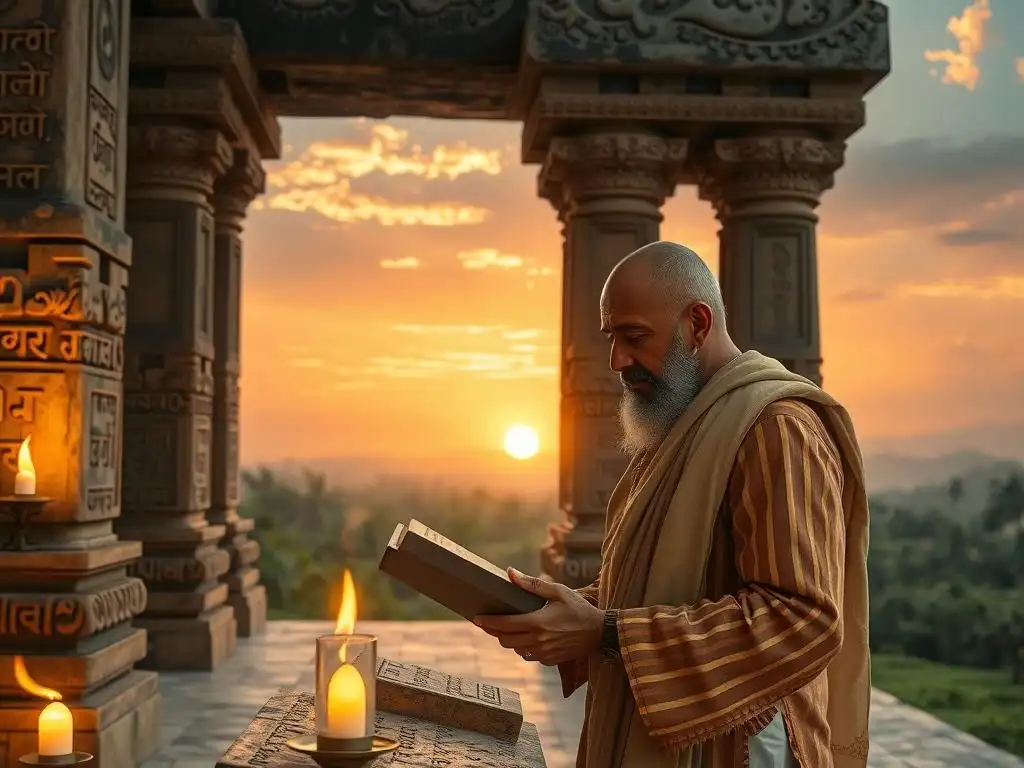
Welcome to Ancient India History, where we embark on a captivating journey through the rich tapestry of India's past! Here, we delve into the remarkable civilizations that shaped the subcontinent, from the enigmatic Indus Valley to the illustrious Gupta Empire. In our featured article, we explore the significance of ancient writing systems in Southern Indian history, unlocking the secrets of how these scripts not only recorded events but also influenced culture and communication.
Join us as we unravel the mysteries of these ancient texts and discover their profound impact on the region's heritage. Your adventure into the depths of history begins now—are you ready to uncover the stories waiting to be told?
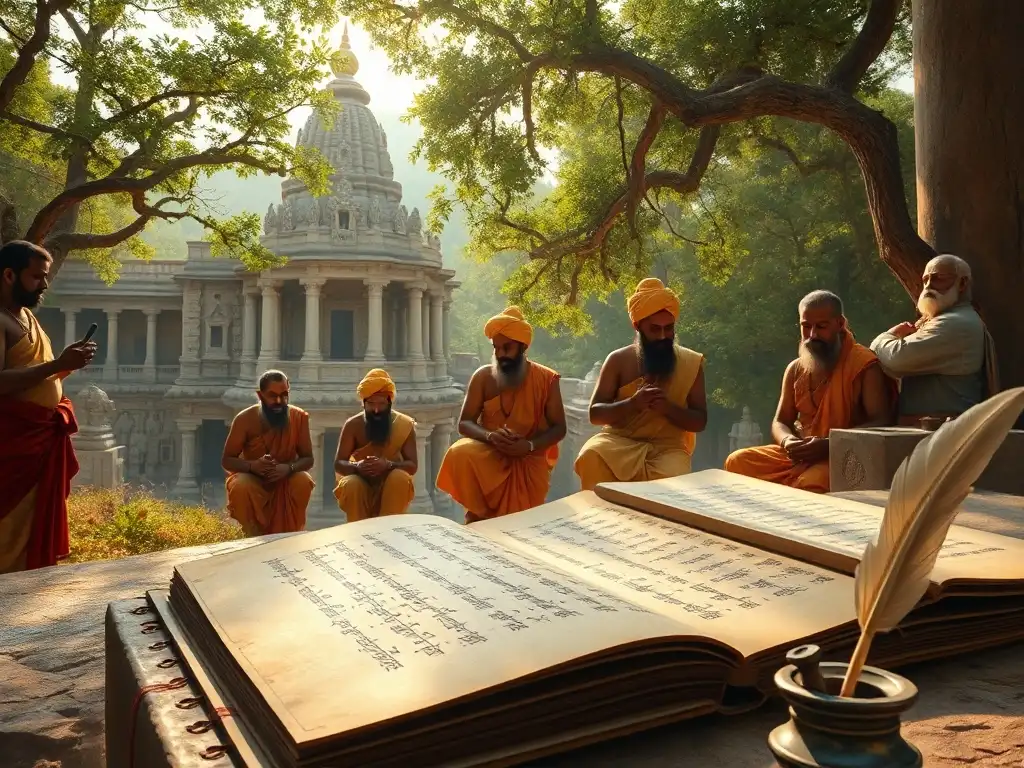
The study of ancient writing systems in India is integral to understanding the rich tapestry of Southern Indian history. Writing serves not only as a means of communication but also as a pivotal tool for documenting cultural, religious, and political developments throughout the ages. In Southern India, the emergence of various scripts and their evolution reflect the dynamic interplay between indigenous traditions and external influences.
From the inscriptions of the early Dravidian civilizations to the sophisticated literary contributions of later dynasties, the significance of these writing systems extends beyond mere words; they encapsulate the essence of a civilization's identity and heritage. This article delves into the myriad of ancient writing systems that emerged in Southern India, their historical contexts, and their lasting impact on the region's cultural landscape.
Introduction to Ancient Writing Systems in India
Ancient India boasts a plethora of writing systems that have evolved over millennia, each representing unique cultural and linguistic traditions. The earliest known script, the Indus Script, dates back to the Indus Valley Civilization (circa 2600–1900 BCE). Although its exact meaning remains undeciphered, it showcases the advanced sociopolitical organization of its time. Following this, various other scripts developed, often influenced by regional languages and cultures.
Overview of Writing Systems in Ancient Civilizations
- Indus Script:
- An undeciphered script used in the Indus Valley Civilization.
- Characterized by symbols and seals, its purpose is still debated among scholars.
- Brahmi Script:
- Considered one of the most significant writing systems, it emerged around the 3rd century BCE.
- Brahmi is the ancestor of many modern Indian scripts, including Devanagari and Tamil.
- Tamil Script:
- Developed around the 3rd century BCE, it is one of the oldest continuously used scripts in the world.
- Integral to Tamil literature and culture, it has evolved while retaining its core characteristics.
Importance of Writing in Historical Contexts
Writing systems provide invaluable insights into the administrative, economic, and cultural aspects of ancient societies. They facilitated:
- Record Keeping: Essential for trade, taxation, and governance.
- Cultural Transmission: Allowed for the preservation and dissemination of literature, philosophy, and religious texts.
- Historical Documentation: Enabled the recording of events, achievements, and rituals, providing a window into the past.
Historical Context of Southern India
Southern India has been a cradle of civilization with a rich historical narrative shaped by various dynasties and cultural influences. The region has seen the rise and fall of powerful empires that contributed significantly to the development of writing systems.
Overview of Southern Indian Civilizations
Southern Indian civilizations, including the Chola, Pandya, and Cheras, were known for their advancements in art, architecture, and literature. Their contributions laid the groundwork for the region's cultural heritage, with writing systems playing a pivotal role in documenting their achievements and philosophies.
Major Dynasties and Their Contributions to Writing
- Chola Dynasty:
- Renowned for their bronze sculptures and temple architecture.
- The use of Tamil in inscriptions and literature flourished during their reign.
- Pandya Dynasty:
- Known for their patronage of Tamil literature and poetry.
- Contributed to the evolution of Tamil writing, shaping its literary traditions.
- Cheras:
- Played a crucial role in promoting trade and cultural exchanges.
- Their inscriptions provide insights into the political and social dynamics of the time.
Through these dynasties and their writing systems, Southern India not only preserved its own history but also influenced other regions, making it a significant hub of cultural and literary development in ancient times.
Major Ancient Writing Systems in Southern India
Southern India has a rich tapestry of ancient writing systems, each contributing significantly to the cultural and historical landscape of the region. The major ancient writing systems include Brahmi, Tamil, and a variety of regional scripts that evolved over time. These scripts played a pivotal role in communication, administration, literature, and the preservation of cultural heritage. Their development reflects the linguistic diversity and the socio-political dynamics of ancient Southern Indian civilizations.
Brahmi Script: The Foundation of Indian Writing
Brahmi script is often regarded as one of the earliest writing systems in India, dating back to the 3rd century BCE. This script is considered the progenitor of many modern Indian scripts, including Devanagari, Tamil, and others. Its importance lies not only in its early use for administrative and religious texts but also in its adaptability to various languages across the subcontinent.
Brahmi was characterized by its phonetic nature, allowing it to represent a wide range of sounds. This feature made it an effective medium for documenting languages and dialects. The script was used extensively during the reign of Emperor Ashoka, who inscribed edicts promoting Buddhism across his empire. These inscriptions, found in various parts of India, highlight the widespread use of Brahmi in Southern India, especially in regions like Tamil Nadu and Andhra Pradesh, where inscriptions have been discovered on rocks and pillars.
Tamil Script: Evolution and Significance
The Tamil script, which is one of the oldest continuously used writing systems in the world, evolved around the 5th century CE from the Brahmi script. It is unique in its representation of the Tamil language, which boasts a rich literary tradition. The earliest inscriptions in Tamil script can be traced back to the Tamil-Brahmi inscriptions, which provide insight into the language and culture of ancient Tamil Nadu.
The significance of the Tamil script extends beyond mere communication; it is a symbol of Tamil identity and pride. The script has undergone various modifications over the centuries, adapting to the linguistic changes and cultural influences that shaped the Tamil-speaking regions. Notable literary works, such as the Sangam literature, were composed in this script, demonstrating its role in preserving and promoting Tamil culture.
Other Regional Scripts: A Brief Overview
In addition to Brahmi and Tamil scripts, several other regional scripts emerged in Southern India, reflecting the diverse linguistic landscape. Among these, the Grantha script is notable for its use in writing Sanskrit texts in the Tamil region. Developed around the 6th century CE, Grantha served as a bridge between the classical Sanskrit language and the local Tamil dialects.
Another important script is the Telugu script, which evolved from the Brahmi script by the 11th century CE. It is primarily used to write the Telugu language and has played a crucial role in the dissemination of literature and administrative documents in the Andhra region.
Additionally, the Kannada script emerged around the 5th century CE, also derived from Brahmi, and has been instrumental in the preservation of Kannada literature. Each of these scripts represents a unique cultural and linguistic heritage, contributing to the overall narrative of ancient writing systems in Southern India.
The Role of Ancient Writing Systems in Southern Indian Culture
The ancient writing systems of Southern India were not merely tools for communication; they played a vital role in shaping the cultural and intellectual landscape of the region. From preserving literary works to influencing religious practices, these scripts were integral to the development of Southern Indian civilization.
Preservation of Literature and Texts
One of the primary roles of ancient writing systems was the preservation of literature and texts. The Tamil script was particularly significant in documenting extensive literary traditions, including poetry, philosophy, and historical accounts. The Sangam literature, composed between 300 BCE and 300 CE, is a prime example of this preservation. These texts not only reflect the linguistic richness of Tamil but also encapsulate the social and cultural ethos of ancient Southern India.
Moreover, Brahmi inscriptions provide essential insights into historical events, administrative practices, and the spread of Buddhism. This written record has been invaluable for historians and archaeologists in reconstructing the past, enabling a deeper understanding of the region's history and heritage.
Writing in Religion and Philosophy
Writing systems in Southern India also played a crucial role in religious and philosophical discourse. The Brahmi script was used extensively for inscribing Buddhist texts and edicts, promoting the teachings of Buddha across the region. This contributed to the establishment of Buddhism as a significant religion in Southern India.
Similarly, the Tamil script facilitated the expression of Shaivism and Vaishnavism through devotional literature. The works of poets like Nammalvar and Manikkavacakar, written in Tamil, are central to Tamil religious identity and continue to influence contemporary spiritual practices.
Influence on Trade and Administration
Ancient writing systems were essential for the administration and trade in Southern India. The use of scripts like Brahmi and Tamil allowed for the documentation of trade transactions, land grants, and royal decrees, which were crucial for managing the complexities of urban centers and trade routes.
Inscriptions on temple walls and public structures often detailed donations, land ownership, and governance, serving both administrative and ceremonial purposes. This written communication helped establish a sense of order and accountability in governance, fostering economic growth and cultural exchange in the region.
The ancient writing systems in Southern India were fundamental to the region's history, culture, and identity. They facilitated the preservation of literature, influenced religious practices, and played a vital role in trade and administration, leaving an indelible mark on the civilization's legacy.
Archaeological Discoveries and Their Impact
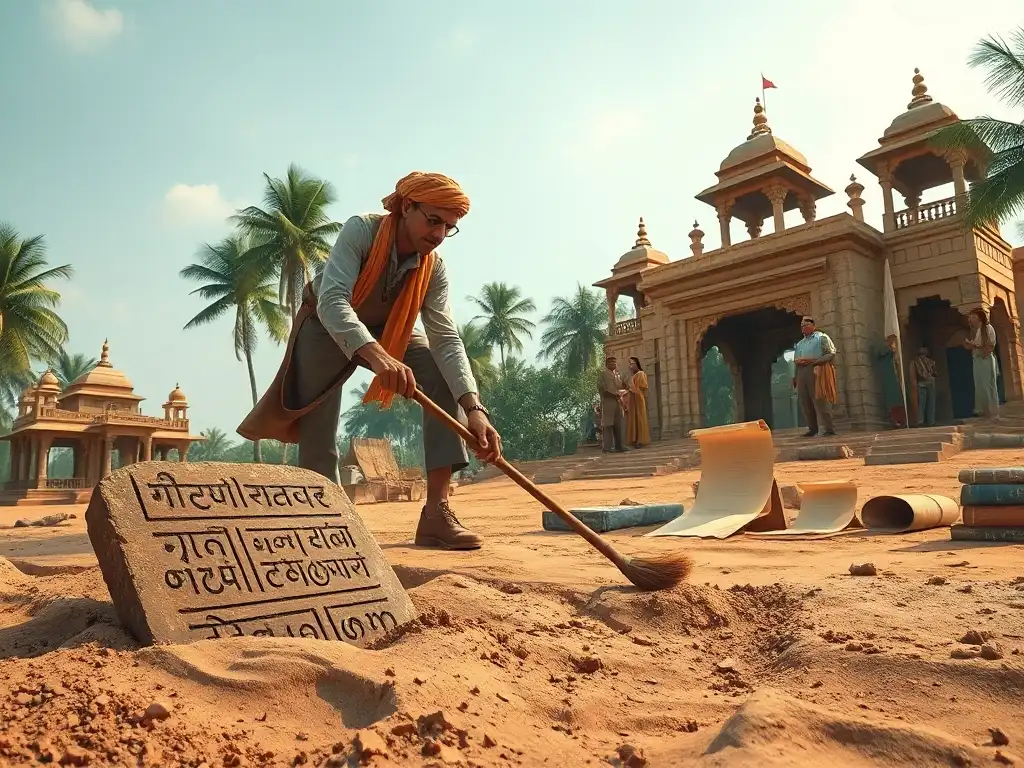
The archaeological discoveries in Southern India have played a crucial role in unearthing the region's ancient writing systems. These discoveries not only illuminate the linguistic and cultural practices of ancient civilizations but also provide insights into their administrative, religious, and social structures. The intricate inscriptions found on temples, pottery, and ancient monuments showcase the evolution of language and script over centuries.
The impact of these findings extends beyond mere historical interest; they have reshaped our understanding of trade routes, interactions between different cultures, and the spread of ideas. For instance, the discovery of inscriptions in Brahmi and Tamil scripts has shed light on the early forms of governance and social hierarchies in the region. Such artifacts serve as a testament to the sophisticated nature of ancient Southern Indian societies and their contributions to the broader tapestry of Indian civilization.
Key Discoveries of Ancient Inscriptions
Among the notable archaeological discoveries in Southern India are the inscriptions found at sites like the ancient city of Madurai, the rock-cut caves of Ajanta and Ellora, and the temples at Thanjavur. These inscriptions date back to various periods, primarily from the Sangam period to the later Chola dynasty, and are inscribed in languages such as Tamil and Sanskrit.
- Tamil Brahmi Inscriptions: These inscriptions, discovered in caves and potsherds, are among the earliest forms of writing in Tamil. They provide crucial information about the social and political landscape of early Tamil kingdoms.
- The Edicts of Ashoka: The Brahmi inscriptions from the time of Emperor Ashoka, located in places like Sanchi and other regions in Southern India, reflect the spread of Buddhism and the emperor's efforts to promote dharma.
- Chola Inscriptions: The inscriptions found in the Brihadeeswarar Temple at Thanjavur detail the administration of the Chola empire and its contributions to art and architecture.
These discoveries are invaluable, as they not only chronicle the achievements of ancient societies but also help historians piece together the linguistic evolution in Southern India.
The Role of Inscriptions in Understanding Southern Indian History
Inscriptions serve as primary sources that offer direct evidence of historical events, sociopolitical structures, and cultural practices in Southern India. They are vital for understanding the intricate history of the region, as they often document royal decrees, religious endowments, and trade agreements.
- Political Insights: Inscriptions frequently reveal the lineage of rulers and the nature of their reigns, allowing historians to construct timelines and understand the political landscape of ancient Southern India.
- Cultural Context: The content of inscriptions often reflects the religious beliefs and practices of the time, enhancing our knowledge of the region's cultural diversity.
- Linguistic Development: The study of inscriptions provides insights into the evolution of language and script in Southern India, illustrating how ancient writing systems influenced modern languages.
The role of inscriptions in Southern Indian history is multifaceted, serving as a bridge connecting the past with contemporary understanding.
The Influence of Ancient Writing Systems on Modern Languages
The ancient writing systems of Southern India have left an indelible mark on the region's modern languages. The scripts developed during ancient times, such as Tamil Brahmi and the Grantha script, have evolved and diversified into various contemporary South Indian languages.
Legacy of Ancient Scripts in Contemporary South Indian Languages
The legacy of ancient scripts can be prominently seen in the Tamil, Telugu, Kannada, and Malayalam languages. Each of these languages retains elements of their ancient writing systems, which have influenced their phonetics, grammar, and vocabulary.
- Tamil: The oldest of the Dravidian languages, Tamil has preserved much of its ancient script and continues to be a significant cultural and literary language today. The Tamil script has undergone minimal changes, maintaining a direct connection with its ancient roots.
- Telugu and Kannada: These languages showcase the influence of ancient Grantha scripts, which were used primarily for writing Sanskrit. The adaptations of these scripts have led to the distinctive styles seen in modern Telugu and Kannada writing.
- Malayalam: The evolution of the Malayalam script can be traced back to the ancient Vatteluttu script, demonstrating the continuity and change in writing practices over centuries.
The influence of these ancient writing systems is evident in how languages have developed unique identities while still retaining their historical significance.
The Transition from Ancient Scripts to Modern Writing Forms
The transition from ancient scripts to modern writing forms in Southern Indian languages reflects broader sociocultural changes. While ancient scripts were primarily used for religious, administrative, and literary purposes, modern writing forms have adapted to the needs of contemporary society, including technology and education.
- Simplification and Standardization: Many modern languages have simplified their scripts to enhance literacy and accessibility. This has involved reducing the number of characters and creating standardized forms for educational purposes.
- Digital Adaptation: The rise of digital technology has further transformed how languages are written and consumed. Ancient scripts are being reinterpreted in digital formats, allowing for the preservation and promotion of cultural heritage in a modern context.
- Cultural Revival: There is a growing movement to revive interest in ancient scripts among younger generations, ensuring that the rich linguistic heritage of Southern India continues to thrive in the modern era.
The transition from ancient writing systems to modern forms demonstrates the dynamic nature of language and its ability to adapt while preserving historical legacies.
Conclusion: The Lasting Significance of Ancient Writing Systems in Southern India
The ancient writing systems of Southern India serve as a vital link to understanding the region's rich cultural heritage and historical evolution. These scripts, including Brahmi and the Tamil script, not only facilitated communication but also enabled the preservation of religious texts, literature, and administrative records. Their influence extends beyond mere documentation; they played a crucial role in shaping the identity and continuity of Southern Indian cultures.
The study of these writing systems reveals insights into the social structures, trade networks, and ideological frameworks that characterized ancient Southern India. As we reflect on the significance of these systems, it becomes evident that they are not just historical artifacts but living elements that continue to inspire modern linguistic and cultural practices.
Reflection on the Importance of Writing in Cultural Identity
Writing is an essential component of any civilization, serving as a medium for expressing ideas, beliefs, and identities. In Southern India, ancient writing systems contributed significantly to the region's cultural identity. For instance, the use of Tamil script in literary works like the Sangam literature not only highlights the linguistic richness but also reflects the socio-cultural values of the time.
These texts offered insights into the lives, customs, and philosophies of ancient Tamil society, fostering a sense of belonging and continuity among its people. Furthermore, the inscriptions found on temples and monuments underscore the role of writing in documenting history and reinforcing religious and cultural narratives. This interplay between writing and cultural identity illustrates how ancient societies in Southern India utilized scripts to assert their uniqueness and preserve their legacy for future generations.
Future Research Directions on Ancient Writing Systems in India
The study of ancient writing systems in India, particularly in Southern India, presents numerous avenues for future research. Scholars can explore the comparative analysis of various scripts, examining their origins, evolution, and interactions with other writing systems across the Indian subcontinent. Additionally, interdisciplinary approaches that integrate archaeology, linguistics, and anthropology could yield a deeper understanding of how these writing systems influenced trade, diplomacy, and cultural exchanges in ancient times.
There is also a need for comprehensive digital databases to catalog inscriptions and manuscripts, which can facilitate further research and preservation efforts. By focusing on these directions, future scholars can uncover the complexities of ancient writing systems and their profound impact on the historical narrative of Southern India, enriching our understanding of its past and informing contemporary discussions on cultural heritage.
- Introduction to Ancient Writing Systems in India
- Historical Context of Southern India
- Major Ancient Writing Systems in Southern India
- The Role of Ancient Writing Systems in Southern Indian Culture
- Archaeological Discoveries and Their Impact
- The Influence of Ancient Writing Systems on Modern Languages
- Conclusion: The Lasting Significance of Ancient Writing Systems in Southern India
- What were the primary ancient writing systems used in Southern India?
- How did ancient writing systems influence Southern Indian culture?
- What role did the Brahmi script play in ancient Indian history?
- How have ancient writing systems contributed to our understanding of ancient Indian civilizations?
- Are there any surviving examples of ancient writings from Southern India?
Frequently Asked Questions
What were the primary ancient writing systems used in Southern India?
The primary ancient writing systems in Southern India included Brahmi, Tamil-Brahmi, and Grantha. These scripts played a crucial role in documenting the region's history, literature, and culture.
How did ancient writing systems influence Southern Indian culture?
Ancient writing systems significantly influenced Southern Indian culture by enabling the preservation and transmission of knowledge, literature, and religious texts, thereby fostering a rich cultural heritage.
What role did the Brahmi script play in ancient Indian history?
The Brahmi script is considered one of the earliest writing systems in India, serving as a foundation for many other scripts, including those in Southern India. Its widespread use marked a significant advancement in communication and record-keeping.
How have ancient writing systems contributed to our understanding of ancient Indian civilizations?
By deciphering ancient writing systems, historians can access valuable insights into the social, political, and economic aspects of ancient Indian civilizations, enhancing our understanding of their development and contributions.
Are there any surviving examples of ancient writings from Southern India?
Yes, numerous inscriptions and manuscripts have survived, providing evidence of ancient writing systems. Notable examples include inscriptions on temple walls and palm leaf manuscripts that reveal the historical context and cultural practices of the time.
Final Reflection: The Enduring Legacy of Ancient Writing Systems in Southern India
The exploration of ancient writing systems in India reveals their profound significance in shaping cultural identity and historical continuity. Today, as we navigate a rapidly changing world, the lessons embedded in these ancient scripts remind us of the importance of preserving our heritage and understanding our roots. The intricate symbols and languages that once flourished in Southern India are not merely relics of the past; they are vital threads in the tapestry of our collective human experience.
The influence of these writing systems extends far beyond their historical context, resonating deeply within our contemporary cultural landscape. The stories inscribed in ancient scripts continue to inspire artists, scholars, and everyday individuals, fostering a sense of connection to our ancestors and their wisdom. As noted by historian R. Nagaswamy, The scripts of ancient India are not just tools of communication; they are the very essence of our civilization's journey.
This ongoing dialogue between past and present underscores the relevance of ancient writing systems in shaping our identity and cultural narratives today.
As we reflect on the significance of these ancient writing systems, I invite you to consider how their lessons can be applied in your own life. Take a moment to explore your heritage, engage with your local history, and appreciate the stories that have shaped your community. By doing so, you not only honor the legacy of those who came before you but also contribute to the preservation of cultural narratives that enrich our shared human experience. Let us carry forward the wisdom of the ancients and ensure that their voices continue to echo in our modern world.
Unveil the Mysteries of Ancient Writing!
Thank you for exploring the captivating world of ancient writing systems in Southern Indian history! Your interest is key to understanding the rich tapestry of our past. Now, let's turn that curiosity into action as we dive deeper into this fascinating subject.
Here’s how you can continue your journey:
- Embark on a research quest: Choose an ancient writing system, such as Brahmi or Tamil script, and uncover its unique characteristics and historical significance through online resources or library archives.
- Share your insights: Engage with friends or family by presenting what you’ve learned about the importance of these scripts in shaping Southern Indian culture.
- Join a community: Connect with local or online history groups to discuss and exchange ideas about ancient writing systems and their influences on modern languages.
As you reflect on these steps, consider this: What ancient writing system fascinates you the most, and how do you think it has influenced today’s communication? Share your thoughts in the comments below!