
Southern India’s Role in the Global Trade Networks of Ancient Times


Welcome to Ancient India History, where we delve into the fascinating tapestry of historical narratives, cultural legacies, and the remarkable achievements of ancient Indian civilizations. In today’s exploration, we unravel the intricate web of Southern India’s ancient trade networks, a vital component that connected this vibrant region to global commerce long before the modern age. What were the secrets behind these thriving trade routes? Join us as we embark on a journey through time, illuminating the profound impact of Southern India on international trade and cultural exchange. Your adventure into the depths of history starts here!
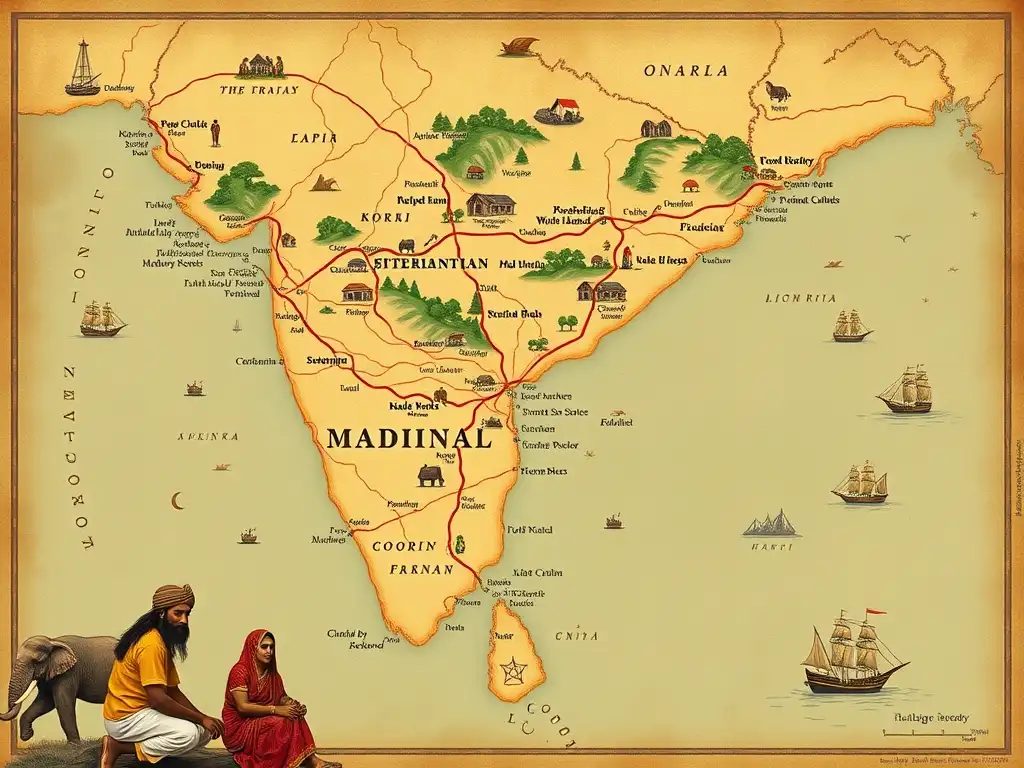
Introduction to Southern India and Ancient Trade Networks
Southern India has long been a pivotal region in the context of global trade networks, serving as a vital link between the East and West. From ancient times, this region's strategic geographical position, coupled with its rich cultural heritage, has facilitated extensive trade connections that not only contributed to its economic prosperity but also influenced the cultural exchanges between diverse civilizations.
The ancient trade networks of Southern India were characterized by the movement of goods, ideas, and technologies, establishing the region as a significant player in the historical narrative of global commerce. This article delves into the intricate trade networks that flourished in Southern India, highlighting their historical significance and lasting impact on the broader ancient world.
Overview of Southern India’s Geography and Culture
Southern India is defined by its unique geographical features, including the Western Ghats, the Eastern Ghats, and a long coastline along the Indian Ocean. This diverse landscape not only enriched the region's natural resources but also provided various avenues for trade. The fertile plains and river valleys facilitated agriculture, while the coastal areas became bustling hubs for maritime trade.
Culturally, Southern India is renowned for its vibrant traditions, languages, and artistic expressions. The major kingdoms of the ancient period, such as the Cholas, Pandyas, and Cheras, contributed significantly to a rich tapestry of art, architecture, and literature. This cultural richness attracted merchants and travelers from distant lands, further embedding Southern India within the global trade networks of the time.
Significance of Trade in Ancient Civilizations
Trade played a crucial role in the development of ancient civilizations, serving as a catalyst for economic growth and cultural exchange. In Southern India, trade not only bolstered local economies but also facilitated the spread of ideas, technologies, and cultural practices. The exchange of goods, such as spices, textiles, and precious stones, positioned Southern Indian merchants as key players in international markets.
Moreover, the interactions fostered through trade led to diplomatic relationships, with Southern Indian kingdoms often engaging in alliances and treaties with foreign powers. This interconnectedness exemplified how trade was not merely an economic activity but a vital component of social and political dynamics in ancient civilizations.
Historical Context of Southern India’s Trade Networks
Understanding the historical context of Southern India’s trade networks requires an exploration of its early trade practices, the development of significant trade routes, and the key ports that emerged as central hubs of commerce.
Early Trade Practices in Southern India
The roots of trade in Southern India can be traced back to the prehistoric period, with archaeological evidence suggesting that communities engaged in barter and trade of goods such as pottery, agricultural products, and metals. By the time of the early historic period, trade practices became more sophisticated, with the establishment of organized marketplaces and trade guilds.
Merchants began to form networks that extended beyond local territories, establishing connections with regions like Southeast Asia, the Middle East, and even parts of Africa. The use of standardized weights and measures, along with the introduction of coinage, further facilitated trade and commerce during this time.
Important Trade Routes and Their Development
Southern India's trade networks were characterized by a series of well-established trade routes, both overland and maritime. The overland routes connected Southern India with major centers in the north, while the coastal routes facilitated maritime trade across the Indian Ocean and beyond.
Key routes included:
- The Silk Route: Linking the subcontinent to Central Asia and the Mediterranean.
- The Spice Route: Connecting Southern India with Southeast Asia, where valuable spices were traded.
- The Maritime Trade Routes: Enabling direct trade with regions such as the Roman Empire and East Africa.
These routes played a pivotal role in the distribution of goods and ideas, reinforcing Southern India's status as a crucial player in global trade.
Key Ports and Trade Centers in Southern India
Several ports and trade centers emerged as focal points for commerce in Southern India. Noteworthy among these were:
- Kaveripattinam: A significant port for trade with Southeast Asia.
- Kochi: Known for its spice trade and interactions with European traders.
- Nagapattinam: A crucial hub for maritime trade and cultural exchange.
These ports not only served as economic centers but also as cultural melting pots, where diverse populations interacted, leading to the amalgamation of different traditions and practices.
The intricate web of trade networks in Southern India not only shaped its historical trajectory but also contributed to the development of global trade practices that resonate to this day.
Main Products and Commodities of Southern India
Southern India has played a pivotal role in ancient trade networks, contributing a wealth of products and commodities that were highly sought after in both local and global markets. The region's climate and geography have allowed for the cultivation of various crops and the production of unique goods. Among the most significant products were spices, textiles, and precious metals, which not only enhanced local economies but also established Southern India as a critical player in international trade.
The agricultural bounty of Southern India included a variety of spices such as black pepper, cardamom, and turmeric, which were in high demand across the globe. Additionally, Southern India was famous for its intricate textiles, including silk and cotton fabrics, renowned for their quality and craftsmanship. The presence of rich mineral resources led to the trade of precious metals and gemstones, further enriching the trade networks and attracting merchants from far and wide.
Spices and Their Importance in Ancient Trade
Spices were perhaps the most important commodities in ancient trade, with Southern India being a central hub for their production and export. Black pepper, often referred to as "black gold," was one of the most valuable spices traded during ancient times. It was used not only to enhance flavor but also for medicinal purposes and food preservation. The high demand for spices led to extensive trade routes connecting Southern India with various regions, including the Mediterranean and the Far East.
The significance of spices extended beyond mere culinary use; they played a crucial role in cultural exchanges and diplomacy. Southern Indian traders established strong relationships with foreign merchants, who sought these coveted goods. In return, Southern India received different commodities and cultural influences, which enriched its own heritage. The spice trade significantly contributed to the economic prosperity of the region and highlighted its importance in ancient global trade networks.
Textiles and Handicrafts: Contributions to Global Markets
The textile industry in Southern India flourished, with artisans producing exquisite fabrics that captured the attention of global markets. Cotton and silk textiles were particularly prominent, characterized by intricate designs and vibrant colors. Cities like Kanchipuram became renowned for their silk sarees, while the production of cotton textiles in regions like Tamil Nadu showcased the skill and creativity of local craftsmen.
These textiles were not only traded locally but also exported to various parts of the world, including the Middle East and Southeast Asia. Southern Indian textiles were highly valued for their quality and craftsmanship, and they often featured in trade exchanges along major trade routes. The reputation of Southern Indian textiles helped establish the region as a center of commerce, leading to cultural exchanges that enriched both local and foreign societies.
Precious Metals and Gemstones: Trade in Wealth
Southern India was rich in natural resources, particularly precious metals and gemstones. Gold, silver, and a variety of gemstones such as diamonds and rubies were mined and traded extensively. The region's wealth in these resources attracted merchants from different parts of the world, establishing Southern India as a significant player in the global trade networks.
The trade in precious metals and gemstones facilitated not only economic growth but also cultural exchanges. The influx of wealth allowed for the patronage of arts and architecture, leading to the construction of magnificent temples and monuments that still stand today. The gemstone trade, in particular, influenced fashion and jewelry styles across cultures, showcasing the interconnectedness of ancient trade networks.
Southern India’s Trade Partners in Ancient Times
Southern India’s strategic location along the coasts made it a vital point for trade with various regions. The ancient trade networks facilitated connections with Southeast Asia, the Middle East, and even Northern India. These relationships were instrumental in shaping the economic and cultural landscape of Southern India.
Regional Trade Relationships with Southeast Asia
Southern India had well-established trade relationships with Southeast Asia, particularly with regions such as present-day Indonesia, Malaysia, and Thailand. Indian merchants sailed across the Indian Ocean, exchanging spices, textiles, and other goods for local products like spices, gold, and exotic woods.
The maritime trade routes allowed for the dissemination of cultural and religious influences as well, with Hinduism and Buddhism spreading to Southeast Asian countries through these interactions. The ancient port city of Kochi became a bustling center for trade, facilitating exchanges that shaped the region's historical narrative.
Connections with the Middle East and Africa
Trade connections with the Middle East and Africa were also crucial for Southern India. The region exported spices, textiles, and precious metals while importing goods such as frankincense, myrrh, and ivory. The Arabian Sea served as a conduit for these exchanges, with ports like Muscat and Aden acting as significant hubs for trade.
The interactions with Middle Eastern traders enriched Southern India’s cultural heritage, leading to the exchange of ideas, technology, and even culinary influences. This interconnectedness not only bolstered the economy but also fostered a rich tapestry of cultural diversity that characterized ancient Southern India.
Influence of Northern Indian Trade Networks
The trade networks of Northern India also had a profound impact on Southern India. As merchants and traders from the north traversed southward, they established connections that facilitated the exchange of goods, ideas, and cultural practices. Northern Indian trade routes linked to the Silk Road enabled access to a broader market, allowing Southern India to benefit from the influx of goods such as silk, spices, and precious stones.
The influence of Northern Indian trade networks can be seen in the art, architecture, and even in the religious practices of Southern India. This synergy between the two regions contributed to the emergence of a cohesive cultural identity that celebrated diversity while fostering economic growth.
The Impact of Southern India’s Trade on Global Economies
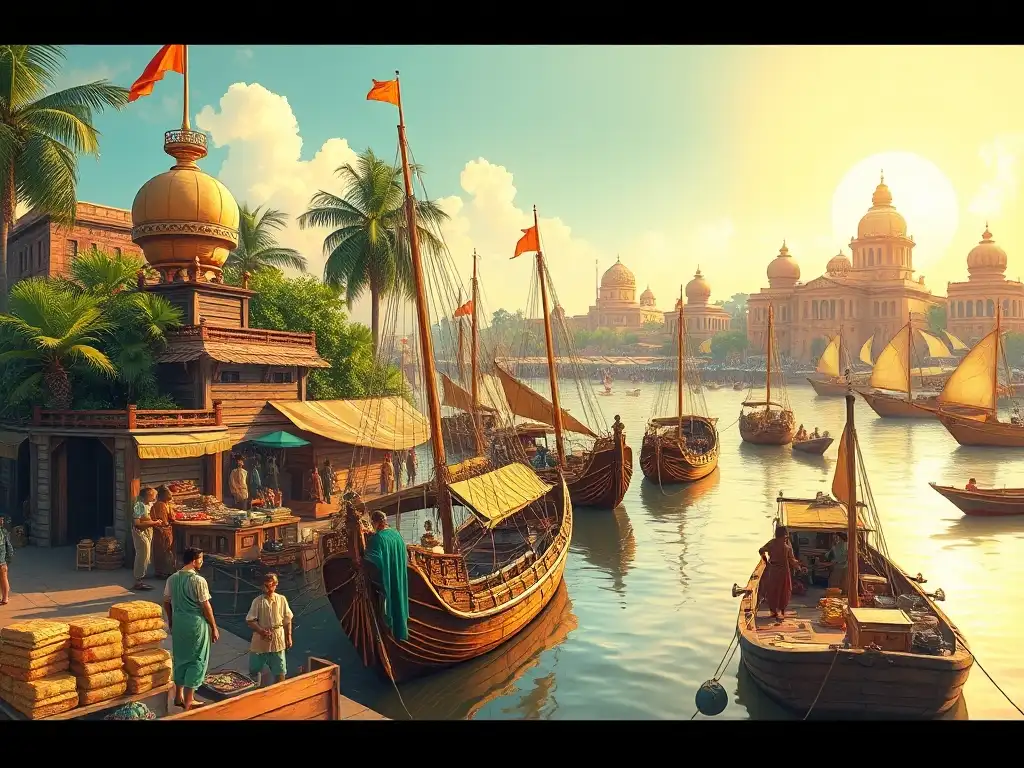
Southern India played a pivotal role in shaping the dynamics of ancient global trade networks, significantly impacting economies beyond its borders. The region was strategically located along key maritime routes, connecting it to distant lands such as the Roman Empire, the Middle East, and Southeast Asia. This advantageous position facilitated not just the exchange of goods, but also the flow of ideas, culture, and technology.
The trade activities of Southern India contributed to the prosperity of coastal cities such as Madurai, Kanyakumari, and Cochin, which became bustling hubs of commerce. These centers specialized in exporting a variety of goods, including spices, textiles, precious stones, and metals, which were highly sought after by foreign markets. As trade flourished, it led to increased wealth, urbanization, and the development of sophisticated craftsmanship in these regions.
Moreover, the economic interactions fostered by trade allowed Southern India to influence global markets. The demand for its exotic products not only enriched local economies but also integrated Southern Indian merchants into a wider commercial network. This interconnectedness ultimately contributed to the establishment of a vibrant economic landscape that spanned across continents, enhancing Southern India's reputation as a key player in ancient trade networks.
Exchange of Goods and Cultural Influences
The exchange of goods through Southern India's trade networks was not merely an economic activity; it was also a conduit for cultural exchange. Spices such as black pepper, cardamom, and cinnamon were among the most valuable commodities exported from the region, making their way to markets in Rome and beyond. These spices were not only used for culinary purposes but also for preserving food and in medicinal practices, showcasing the profound impact of Southern Indian products on global cuisines.
In addition to spices, Southern India was known for its fine textiles, especially silk and cotton. The intricate patterns and vibrant colors of these fabrics caught the attention of traders from various cultures, leading to their widespread adoption and adaptation in foreign lands. This exchange of textiles not only enriched the aesthetics of other cultures but also fostered an appreciation for Southern Indian craftsmanship.
Cultural influences were reciprocal; as Southern Indian merchants traveled to foreign lands, they brought back ideas, philosophies, and artistic expressions. This led to a blending of cultures, evident in the architectural styles, religious practices, and literary traditions that emerged as a result of these interactions. The trade networks thus became a melting pot of cultural exchange, enriching both Southern India and its trading partners.
Economic Contributions to Neighboring Regions
Southern India's trade networks significantly contributed to the economic development of neighboring regions. The intricate web of trade routes extended into Southeast Asia, where Southern Indian merchants established thriving trade relations with kingdoms such as Srivijaya and Funan. These interactions not only facilitated the exchange of goods but also allowed for the sharing of agricultural practices, technologies, and governance systems.
The impact of Southern Indian trade was particularly notable in the spread of rice cultivation techniques, which were adopted by neighboring regions, enhancing their agricultural output. Additionally, the influx of Southern Indian goods stimulated the local economies of these regions, leading to increased trade and commerce. This interconnected economic landscape fostered mutual growth and development, highlighting the significance of Southern India's role in regional economic networks.
Furthermore, the establishment of trade outposts and ports in these regions by Southern Indian merchants created a foundation for sustained economic interactions. These centers became essential nodes in the larger global trade network, facilitating not just the movement of goods but also the exchange of ideas and cultural practices, thereby enriching the economies of both Southern India and its neighbors.
The Role of Southern Indian Merchants
The merchants of Southern India were instrumental in establishing and maintaining the region's trade networks. Renowned for their navigational skills and business acumen, these traders ventured far beyond their homeland, creating extensive connections with foreign markets. Their ability to navigate complex trade routes and establish trust with international partners was crucial to the success of Southern India's trade initiatives.
Southern Indian merchants often formed guilds that operated under a set of regulations and codes of conduct, ensuring fair trade practices and mutual support among members. These guilds not only facilitated trade but also provided a platform for sharing knowledge and resources, enhancing the overall efficiency of trading activities. The camaraderie among merchants contributed to the stability and growth of trade networks, enabling them to withstand challenges and adapt to changing market dynamics.
Moreover, these merchants played a vital role in cultural diplomacy. They acted as intermediaries between different cultures, fostering understanding and cooperation. This not only enhanced trade relations but also facilitated the exchange of cultural practices, languages, and beliefs, leaving a lasting legacy of interconnectedness that transcended borders.
Challenges Faced by Southern India’s Trade Networks
Despite its significant contributions to global trade, Southern India faced numerous challenges that impacted its trading networks. Natural disasters, political instability, and competition from emerging trade centers posed serious threats to the flourishing commerce of the region.
Natural Disasters and Their Impact on Trade
Southern India, with its diverse geography, was susceptible to various natural disasters such as floods, cyclones, and droughts. These events had profound ramifications for trade, disrupting supply chains and damaging infrastructure. For instance, the catastrophic floods could devastate agricultural production, leading to food shortages and economic downturns.
The coastal cities, which served as vital trade hubs, were particularly vulnerable to cyclones that could destroy ports and ships, halting maritime trade for extended periods. Such disruptions not only affected local merchants but also had ripple effects on international trade partners, leading to a decline in the demand for Southern Indian goods.
In response to these challenges, Southern Indian traders developed resilience strategies, such as diversifying trade routes and establishing contingency plans. However, the unpredictability of natural disasters remained a persistent challenge that required continuous adaptation.
Political Turmoil and Its Effects on Trade Routes
Political instability within Southern India, including conflicts between regional kingdoms and invasions, significantly impeded trade activities. The frequent changes in power dynamics often led to the closure of trade routes, increased taxation, and unpredictable regulations, causing uncertainty for merchants.
For example, during the rise and fall of various dynasties, such as the Cholas and the Pandavas, trade routes would be contested, leading to disruptions in the flow of goods. Merchants faced not only financial losses but also the risk of violence and looting, making trade a perilous endeavor.
Moreover, political alliances and rivalries could impact trade agreements with foreign partners. Shifts in political power often led to changes in diplomatic relations, which could either facilitate or hinder trade activities. As a result, Southern Indian merchants had to navigate a complex landscape of political intrigue while attempting to maintain their trading networks.
Competition from Other Trade Centers
As global trade expanded, Southern India encountered competition from emerging trade centers in the Indian Ocean and beyond. Port cities such as Aden, Malacca, and Zanzibar began to attract traders with their strategic locations and favorable trading conditions. This shift in trade dynamics posed a significant challenge to Southern India’s established trade networks.
The rise of these competing centers often led to reduced market share for Southern Indian goods, as merchants sought alternative routes and partners. In response, Southern Indian traders were compelled to innovate, finding new markets and diversifying their product offerings to maintain their competitive edge.
Furthermore, the emergence of new technologies in maritime navigation and shipbuilding enabled rival trade centers to improve their trading capabilities. Southern Indian merchants had to adapt to these advancements, which required investment in new technologies and practices to stay relevant in the evolving global trade landscape.
While Southern India played a crucial role in ancient trade networks, it faced challenges that tested its resilience and adaptability. The region's ability to respond to these challenges ultimately shaped its legacy in the annals of global commerce.
Legacy of Southern India’s Ancient Trade Networks
Southern India boasts a rich legacy of ancient trade networks that significantly contributed to the region's economic prosperity and cultural diversity. These networks facilitated not only the exchange of goods but also the dissemination of ideas, technologies, and cultural practices across vast distances. Key trade centers such as Madurai, Kanchipuram, and Thanjavur emerged as vibrant hubs where merchants from various regions converged, fostering a bustling marketplace that attracted traders from as far as the Mediterranean and Southeast Asia.
The coastal cities of Southern India, particularly along the Coromandel Coast, played a crucial role in maritime trade. The ports of Lothal, Musiri, and Arikamedu became gateways for commodities like spices, textiles, and precious stones. The trade routes established during this time laid the groundwork for future economic interactions and set the stage for Southern India to become a significant player in global trade networks. Furthermore, the influence of these trade routes can be observed in the archaeological remains of ancient warehouses and dockyards, highlighting the area's importance in international commerce.
Influence on Modern Trade Practices in the Region
The ancient trade networks of Southern India have profoundly influenced modern trade practices, shaping the economic landscape of the region. The traditions of commerce, negotiation, and trade ethics that emerged during ancient times continue to resonate today. For instance, the barter system and local markets established by ancient traders laid a foundation for contemporary trading practices, where local goods are still exchanged in bustling marketplaces.
Moreover, the legacy of Southern India’s trade routes is reflected in the contemporary export of spices, textiles, and handicrafts, which remain vital to the region’s economy. The prominence of these goods in international markets underscores the enduring significance of ancient trade networks. Additionally, modern infrastructure developments, such as ports and highways, often follow the paths established by early traders, demonstrating the lasting impact of historical trade routes on current economic policies and practices.
Cultural Exchanges and Their Lasting Impact
The cultural exchanges facilitated by Southern India’s ancient trade networks were instrumental in shaping the region's identity. Traders brought not only goods but also diverse cultural influences, including art, religion, and language. The influx of ideas from regions such as Rome, Arabia, and Southeast Asia enriched the local culture, leading to a unique fusion that is evident in Southern Indian art, architecture, and literature.
For instance, the spread of Buddhism and Jainism into Southern India can be attributed to the movement of traders who carried religious texts and practices along trade routes. The architectural marvels of ancient temples, often adorned with intricate carvings and sculptures, reflect these cultural syncretisms. Furthermore, the culinary traditions of Southern India showcase a blend of ingredients and cooking techniques influenced by trade interactions, creating a rich tapestry of flavors that is celebrated today.
Preservation of Historical Trade Routes
Preserving the historical trade routes of Southern India is crucial for understanding the region's past and its role in global trade. Efforts to document and protect these routes are essential not only for historical research but also for promoting tourism and cultural heritage. Several organizations and local governments are working to map ancient trade paths, ensuring that the historical significance of these routes is recognized and appreciated.
Archaeological excavations have uncovered significant sites along these routes, revealing artifacts that tell the story of ancient commerce. Initiatives that promote heritage tourism can help raise awareness about these historical pathways, encouraging visitors to explore and appreciate the legacy of Southern India's trade networks. By preserving these routes, we can foster a deeper understanding of the interconnectedness of ancient civilizations and their contributions to global history.
Conclusion
Summary of Southern India’s Contributions to Ancient Trade
Southern India’s contributions to ancient trade networks were pivotal in establishing the region as a significant player in global commerce. The bustling trade centers, diverse cultural exchanges, and lasting impacts on both regional and international trade practices highlight the importance of this region in ancient history. The legacy of these networks continues to influence the economy and culture of Southern India, shaping its identity and contributing to its rich historical narrative.
The Importance of Studying Ancient Trade Networks Today
Studying ancient trade networks today is vital for several reasons. Firstly, it provides insights into the economic and cultural exchanges that shaped civilizations, revealing the interconnectedness of societies long before the advent of modern globalization. Secondly, understanding these networks can inform contemporary trade practices, allowing us to learn from historical successes and challenges. Lastly, preserving and promoting awareness of these ancient routes enriches cultural heritage and fosters appreciation for the complex history of human interactions. By exploring Southern India’s ancient trade networks, we can gain valuable perspectives on the past and its relevance to our present and future.
- Introduction to Southern India and Ancient Trade Networks
- Historical Context of Southern India’s Trade Networks
- Main Products and Commodities of Southern India
- Southern India’s Trade Partners in Ancient Times
- The Impact of Southern India’s Trade on Global Economies
- Challenges Faced by Southern India’s Trade Networks
- Legacy of Southern India’s Ancient Trade Networks
- Conclusion
- What were the main trade networks in Southern India during ancient times?
- How did Southern India contribute to global trade in ancient times?
- What were the key goods traded in Southern India?
- How did the geography of Southern India influence trade?
- What civilizations were involved in the trade networks of Southern India?
Frequently Asked Questions
What were the main trade networks in Southern India during ancient times?
Southern India was part of extensive maritime and overland trade networks that connected it to regions in Africa, the Middle East, and Southeast Asia, facilitating the exchange of goods like spices, textiles, and precious stones.
How did Southern India contribute to global trade in ancient times?
Southern India played a crucial role by serving as a hub for trade routes, allowing for the export of local goods and the import of foreign products, which enriched its economy and cultural diversity.
What were the key goods traded in Southern India?
The key goods included spices such as pepper, textiles like silk and cotton, and precious metals and stones, which were highly sought after in both local and international markets.
How did the geography of Southern India influence trade?
The coastal location of Southern India, along with its natural harbors, enabled easy access for maritime trade, while its fertile plains supported agricultural production that was essential for trade.
What civilizations were involved in the trade networks of Southern India?
The Chola, Pandya, and Cheras were prominent kingdoms that thrived on trade, establishing strong connections with foreign traders and contributing to the cultural exchange across regions.
Final Reflection: The Enduring Legacy of Southern India's Ancient Trade Networks
Southern India’s ancient trade networks were not just a means of economic exchange; they were a vibrant tapestry of cultural interactions that shaped civilizations. Today, as we navigate an increasingly interconnected world, the lessons from these historical trade routes remind us of the importance of collaboration and understanding across cultures. The intricate web of commerce that flourished in Southern India serves as a testament to the power of trade in fostering relationships and innovation, highlighting that the past continues to resonate in our modern global economy.
The influence of Southern India's trade networks extends far beyond mere commerce; it has left an indelible mark on our cultural and social landscapes. From the exchange of spices and textiles to the spread of ideas and religions, these ancient routes facilitated a rich dialogue among diverse peoples. As historian K. N. Chaudhuri aptly stated, "> The Indian Ocean trade was not just about goods; it was about the movement of people, ideas, and cultures." This enduring legacy invites us to reflect on how our own interactions today can contribute to a more interconnected and harmonious world.
As we contemplate the significance of Southern India's ancient trade networks, I encourage you to consider your role in the global community. How can you foster connections that transcend borders and cultures in your own life? Let the stories of trade and collaboration from the past inspire you to engage with others, celebrate diversity, and contribute to a future where understanding and cooperation are paramount. Your actions, no matter how small, can echo the spirit of those ancient traders who built bridges across lands and hearts.
Dive Deeper into Southern India's Ancient Trade Secrets!
Thank you for exploring the fascinating world of Southern India's pivotal role in global trade networks! Your interest helps illuminate a rich tapestry of history that shaped cultures and economies. Now that you've uncovered some key insights, it’s time to put that knowledge into action!
Here’s how you can continue your journey:
- Join a Local History Group: Connect with fellow enthusiasts to explore ancient trade routes and their impacts in your community.
- Visit an Exhibit or Museum: Seek out local exhibitions focusing on trade and cultural exchange, and experience the artifacts firsthand!
- Share Your Discoveries: Discuss what you've learned with friends or on social media to inspire others to discover the wealth of our ancient histories.
What aspect of Southern India’s trading practices are you most curious about—its influence on contemporary trading systems or the ways local commodities shaped global markets?