
How Ayurveda Addresses the Unique Needs of Aging Populations

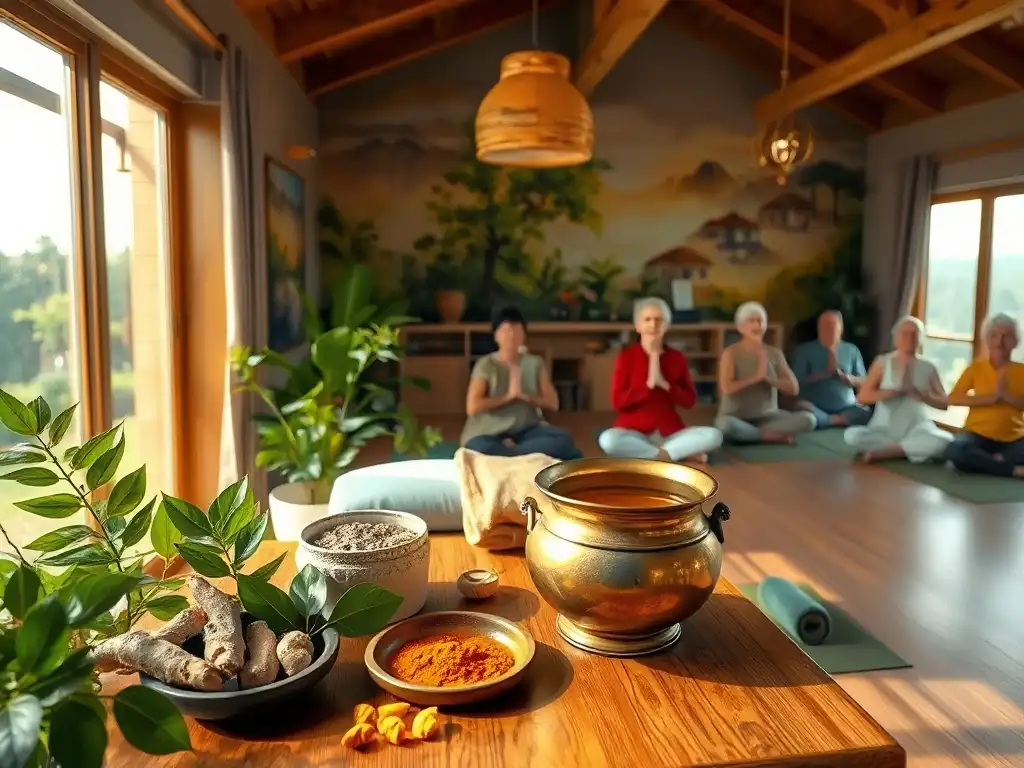
Welcome to Ancient India History, where we delve into the rich tapestry of civilization that has shaped the world as we know it. In our latest exploration, we uncover the fascinating ways in which Ayurveda, the ancient science of holistic healing, addresses the unique needs of aging populations. Prepare to embark on a journey through time, as we reveal not only the profound wisdom of this ancient practice but also its relevance in today’s context.
Whether you're a history buff or simply curious about the healing arts, this article promises to enlighten and inspire. Dive in to discover how the legacies of ancient Indian civilizations continue to thrive and evolve!
- Introduction to Ayurveda and Aging Populations
- The Unique Needs of Aging Individuals
- Ayurvedic Principles Addressing Aging
- Ayurvedic Practices Beneficial for Aging Populations
- Preventative Care and Longevity in Ayurveda
- Case Studies: Successful Applications of Ayurveda for Aging Populations
- Conclusion: Embracing Ayurveda for Aging Wellness
- Frequently Asked Questions
- Final Reflection: Embracing Ayurveda for Aging Populations
- Embrace Wellness: Transform Your Aging Journey Today!
Introduction to Ayurveda and Aging Populations
Ayurveda, a traditional system of medicine that originated in ancient India, offers a holistic approach to health and wellness, particularly relevant for aging populations. As the world witnesses a significant increase in the elderly demographic, the need for effective healthcare strategies tailored to their unique needs has become crucial.
Ayurveda, with its emphasis on balance, natural healing, and personalized care, presents a wealth of knowledge and practices that can help enhance the quality of life for older adults. This article delves into how Ayurveda specifically addresses the challenges faced by aging populations, exploring its foundational principles and the importance of integrating Ayurvedic practices into modern healthcare systems.
Understanding Ayurveda: A Brief Overview
Ayurveda, derived from the Sanskrit words "Ayur" (life) and "Veda" (knowledge), translates to the "knowledge of life." It is a comprehensive system that encompasses various aspects of health, including diet, lifestyle, herbal remedies, and mental well-being. Key principles of Ayurveda include:
- Tridosha Theory: The belief that three fundamental energies—Vata (air), Pitta (fire), and Kapha (earth)—govern bodily functions. An imbalance in these doshas can lead to health issues.
- Holistic Approach: Ayurveda treats individuals as whole beings, considering physical, emotional, and spiritual health, making it particularly suitable for addressing the multifaceted needs of aging populations.
- Personalization: Ayurvedic practices are tailored to the individual's unique constitution (Prakriti), age, lifestyle, and specific health concerns, ensuring a customized approach to wellness.
By focusing on these principles, Ayurveda aims to promote longevity, vitality, and a sense of well-being, making it a valuable resource for the elderly.
Importance of Ayurveda for Aging Populations
The significance of Ayurveda for aging populations cannot be overstated. As individuals age, they often experience a range of physiological and psychological changes, including:
- Decreased Metabolism: Slower metabolic rates can lead to weight gain and other health issues.
- Joint and Muscle Pain: Many older adults suffer from arthritis and other musculoskeletal conditions.
- Cognitive Decline: Aging can affect mental acuity and memory.
Ayurveda provides several strategies to address these concerns:
- Dietary Adjustments: Ayurvedic dietary guidelines recommend nourishing foods that balance the doshas, enhancing digestion and overall health.
- Herbal Remedies: Specific herbs, such as Ashwagandha and Turmeric, are known for their anti-inflammatory and rejuvenating properties, aiding in the management of common age-related ailments.
- Lifestyle Practices: Incorporating practices such as yoga, meditation, and daily routines (Dinacharya) can significantly improve physical and mental health in older adults.
- Preventive Care: Ayurveda emphasizes preventive measures, helping to maintain health and prevent disease through natural approaches.
By integrating Ayurveda into the healthcare of aging populations, caregivers and health professionals can support the elderly in achieving better health outcomes, enhancing their quality of life, and fostering a sense of independence and well-being.
The Unique Needs of Aging Individuals

Aging populations face a variety of unique challenges that require tailored approaches to health and wellness. As individuals age, their bodies and minds undergo significant transformations, necessitating a comprehensive understanding of these changes. Ayurveda, the ancient system of medicine from India, offers valuable insights and practices that can help address these needs effectively.
Understanding the specific requirements of aging individuals is crucial for enhancing their quality of life. This section delves into the physical, mental, and nutritional aspects that are particularly relevant to seniors, providing a holistic perspective on how Ayurveda can play a vital role in promoting health and well-being in later life.
Physical Changes in Aging Populations
As individuals age, they typically experience a range of physical changes that can impact their overall health. Some of these changes include:
- Decreased Muscle Mass: Sarcopenia, or the loss of muscle mass, can lead to reduced strength and increased frailty. This makes regular exercise and Ayurveda’s emphasis on tailored physical activity crucial for maintaining mobility and vitality.
- Joint Health: Aging often brings about joint stiffness and arthritis, which can be effectively managed through Ayurvedic practices such as herbal remedies, oil massages, and specific yoga postures designed to enhance flexibility and reduce pain.
- Digestive Changes: The digestive system may slow down, leading to issues such as constipation or indigestion. Ayurveda addresses these concerns through dietary adjustments, herbal supplements, and the incorporation of digestive spices like ginger and cumin.
By understanding these physical changes, practitioners of Ayurveda can devise personalized treatment plans that include specific lifestyle modifications, herbal remedies, and therapies aimed at promoting physical well-being.
Mental and Emotional Wellbeing of Seniors
Mental and emotional health is an integral part of the aging process. Many seniors experience challenges that can affect their emotional stability and cognitive function, including:
- Cognitive Decline: Conditions like dementia and Alzheimer’s disease can become more prevalent with age. Ayurvedic practices, such as meditation and mindfulness, are shown to enhance cognitive function and reduce stress.
- Depression and Anxiety: Emotional issues can be exacerbated by physical limitations and loss of independence. Ayurveda emphasizes the importance of social connections and community engagement, which can mitigate feelings of isolation.
- Balanced Lifestyle: The Ayurvedic principle of Sattva (purity) promotes a balanced lifestyle that can lead to improved mental clarity and emotional resilience. Practicing yoga, meditation, and engaging in creative activities are beneficial.
Ayurveda provides a holistic framework that supports mental and emotional well-being, encouraging seniors to cultivate a positive mindset and maintain cognitive health.
Nutrition and Dietary Requirements for the Elderly
Nutrition plays a critical role in the health of aging populations. As metabolism slows down and the body’s nutrient absorption diminishes, dietary adjustments are essential. Key dietary considerations for seniors include:
- Increased Nutrient Density: Seniors should focus on consuming foods that are rich in essential nutrients, such as antioxidants, vitamins, and minerals. Foods like leafy greens, nuts, and berries can promote overall health.
- Hydration: Many older adults may not feel thirsty, leading to dehydration. It is crucial to encourage regular fluid intake, including herbal teas and broths, which are also part of Ayurvedic practices.
- Customized Diet Plans: Ayurveda emphasizes the importance of individual constitution (Prakriti) and current imbalances (Vikriti). Tailoring dietary recommendations based on these factors can help address specific health concerns and promote longevity.
Through a comprehensive understanding of nutrition tailored for seniors, Ayurveda offers practical strategies to enhance dietary practices, ensuring that aging populations can maintain their health and vitality.
Ayurveda for aging populations presents a multifaceted approach that addresses the unique physical, mental, and nutritional needs of seniors. By embracing these principles, individuals can navigate the aging process with grace and improved well-being.
Ayurvedic Principles Addressing Aging
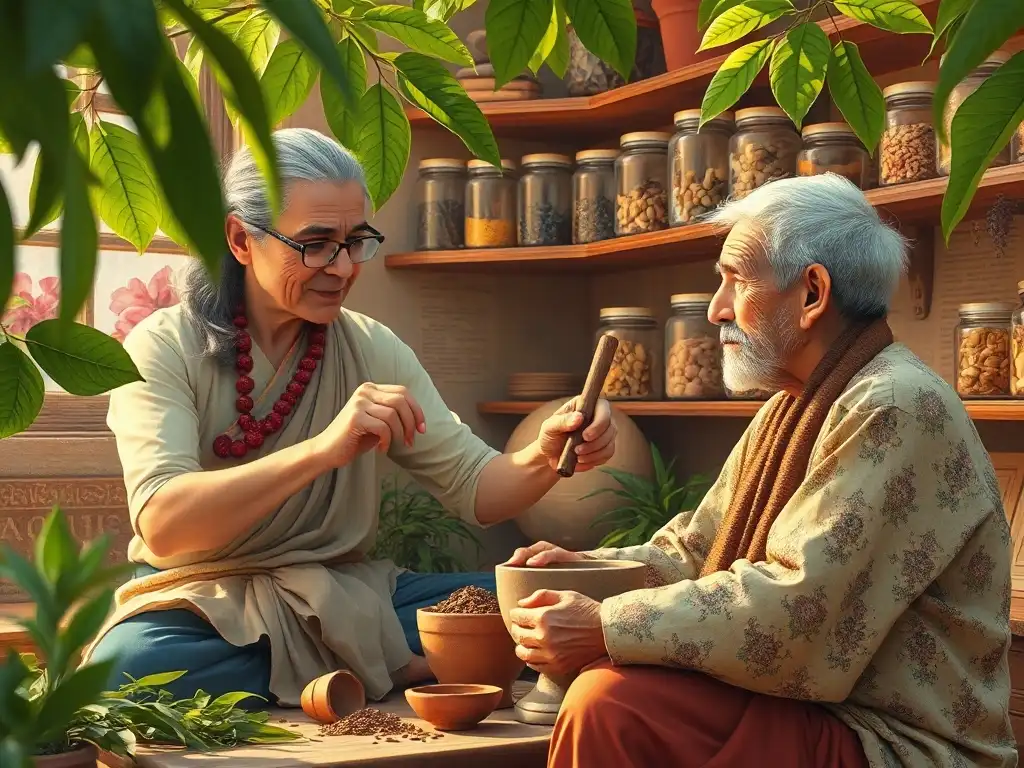
Ayurveda, the ancient Indian system of medicine, offers profound insights into the aging process through its unique principles. Central to these principles is the understanding of doshas, the vital energies that govern physiological and psychological functions in the body. By addressing the specific needs of aging populations, Ayurveda provides holistic approaches that promote health and longevity.
The Concept of Doshas and Aging
In Ayurveda, the three doshas— Vata, Pitta, and Kapha—are essential for maintaining balance within the body. Each dosha has distinct characteristics and influences aging differently:
- Vata: Associated with air and space, Vata governs movement and is often linked to qualities such as dryness and coldness. As individuals age, Vata tends to increase, leading to symptoms like joint pain, anxiety, and irregular digestion.
- Pitta: Representing fire and water, Pitta is responsible for metabolism and transformation. Aging can cause Pitta imbalance, resulting in conditions like inflammation and skin issues.
- Kapha: Connected to earth and water, Kapha provides structure and stability. In older adults, an increase in Kapha may lead to sluggishness, weight gain, and respiratory issues.
Understanding how these doshas interact within the body is crucial for developing effective Ayurvedic interventions that cater to the specific health challenges faced by aging populations.
Balancing Vata, Pitta, and Kapha in Seniors
To maintain health and vitality in older adults, Ayurveda emphasizes the importance of balancing the doshas, particularly Vata, which naturally increases with age. Here are some strategies for achieving this balance:
- Dietary Adjustments:
- Incorporate warm, nourishing foods that are easy to digest, such as soups and stews.
- Favor sweet, sour, and salty tastes to counteract the dryness of Vata.
- Avoid overly spicy or bitter foods, which can aggravate Pitta.
- Lifestyle Practices:
- Encourage regular, gentle exercise like yoga or walking to stimulate circulation without overexertion.
- Establish a consistent daily routine to foster stability and predictability, alleviating anxiety associated with Vata imbalance.
- Herbal Remedies:
- Utilize adaptogenic herbs such as Ashwagandha and Brahmi to support mental clarity and reduce stress.
- Incorporate warming spices like ginger and cinnamon to aid digestion and circulation.
By implementing these strategies, aging individuals can effectively manage dosha imbalances, promoting overall health and well-being.
Importance of Prakriti in Tailoring Ayurvedic Treatments
Prakriti, or an individual's unique constitution, plays a vital role in Ayurvedic treatment, especially for aging populations. Understanding one’s Prakriti helps practitioners design personalized interventions. Key considerations include:
- Assessment of Constitutions: Each person has a unique combination of doshas that influences their physical and mental characteristics. Tailoring treatments based on this assessment ensures that interventions are effective and harmonious with the individual's innate nature.
- Customized Therapies: Aging individuals may exhibit varying degrees of dosha imbalance. Customized therapies, including dietary recommendations, herbal formulations, and lifestyle changes, can address specific needs. For instance, a person with a predominantly Vata constitution may require more grounding and warming therapies, while a Kapha-dominant individual may benefit from stimulating and invigorating practices.
- Ongoing Evaluation: As individuals age, their Prakriti may shift, necessitating regular evaluations and adjustments to their Ayurvedic regimen. This adaptability is crucial for maintaining health and resilience over time.
Ayurveda provides a comprehensive framework for addressing the unique needs of aging populations. By emphasizing the balance of doshas and the importance of individualized treatment plans, Ayurveda offers valuable strategies for promoting health and longevity in seniors.
Ayurvedic Practices Beneficial for Aging Populations
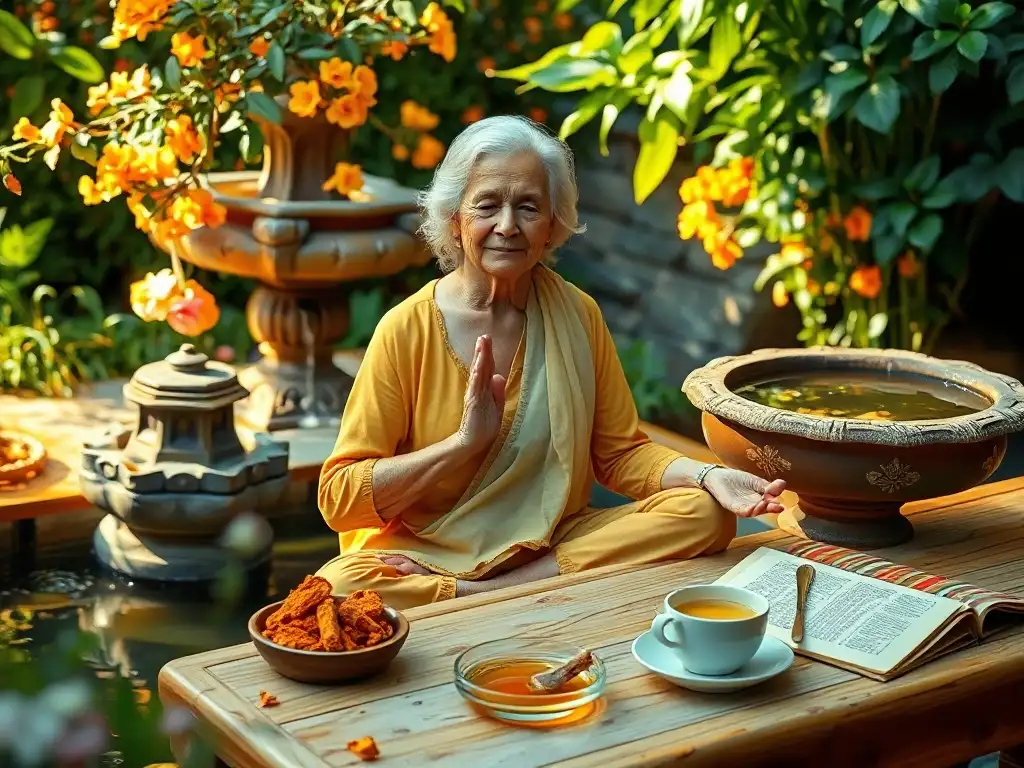
Ayurveda, the ancient Indian system of medicine, offers a holistic approach to health and wellness, particularly for aging populations. With its emphasis on balance and harmony within the body, Ayurveda tailors its practices to meet the unique needs of older adults. This section explores various Ayurvedic practices that can significantly enhance the quality of life for the elderly, addressing both physical and mental well-being.
Herbal Remedies for Common Ailments in Elderly
As individuals age, they often experience a variety of health issues, from joint pain to cognitive decline. Ayurveda employs a range of herbal remedies that can effectively alleviate these common ailments. Here are some key herbs and their benefits:
- Turmeric (Curcuma longa): Known for its anti-inflammatory properties, turmeric is beneficial for joint pain and arthritis. Its active compound, curcumin, helps reduce inflammation and improve mobility.
- Ashwagandha (Withania somnifera): This adaptogenic herb supports cognitive function and helps combat stress. It is particularly useful for older adults experiencing memory issues or anxiety.
- Ginger (Zingiber officinale): Ginger aids digestion and can alleviate nausea, a common issue for seniors. It also has anti-inflammatory effects that can benefit those with arthritis.
- Brahmi (Bacopa monnieri): Recognized for its cognitive-enhancing properties, Brahmi is excellent for improving memory and concentration, making it a valuable herb for elderly care.
These herbs can be consumed in various forms, such as teas, capsules, or powders. However, it is essential for older adults to consult with a healthcare provider before starting any new herbal regimen to ensure safety and efficacy.
Ayurvedic Diet Plans for Older Adults
Ayurveda emphasizes individualized dietary practices that cater to an individual's dosha (body constitution). For aging populations, a diet rich in specific nutrients can help maintain health and vitality. Key dietary considerations include:
- Warm, Cooked Foods: Older adults often benefit from easily digestible, warm meals. Cooking methods such as steaming and simmering can enhance nutrient bioavailability.
- Incorporation of Healthy Fats: Healthy fats, such as ghee (clarified butter) and olive oil, are essential for maintaining joint health and brain function. They also help improve nutrient absorption.
- Seasonal and Local Produce: Consuming seasonal fruits and vegetables ensures that older adults receive the nutrients they need throughout the year. For example, root vegetables in winter can provide warmth and grounding energy.
- Balanced Meals: A typical Ayurvedic meal should include all six tastes: sweet, sour, salty, bitter, pungent, and astringent, promoting overall balance and satisfaction.
- Hydration: Staying hydrated is crucial for older adults. Herbal teas, warm water with lemon, and broths can be effective choices.
By tailoring dietary plans to the specific needs and preferences of older adults, Ayurveda can support health and longevity.
The Role of Yoga and Meditation in Aging
In addition to dietary and herbal practices, yoga and meditation are integral components of Ayurveda that significantly benefit aging populations. These practices promote physical, mental, and emotional well-being, making them ideal for seniors. Key benefits include:
- Improved Flexibility and Strength: Regular yoga practice helps maintain muscle strength and joint flexibility, reducing the risk of falls and injuries.
- Stress Reduction: Meditation and mindfulness practices can alleviate stress and anxiety, which are common among older adults. These techniques foster relaxation and mental clarity.
- Enhanced Circulation: Specific yoga postures improve blood flow and oxygen delivery to tissues, promoting overall health and vitality.
- Better Sleep Quality: Both yoga and meditation can contribute to improved sleep patterns, which is vital for recovery and overall well-being in the elderly.
- Social Engagement: Group yoga classes and meditation sessions provide opportunities for social interaction, combating loneliness, and enhancing mental health.
Incorporating yoga and meditation into daily routines can create a holistic lifestyle that addresses the unique challenges faced by aging populations, promoting longevity and quality of life.
By embracing these Ayurvedic practices, aging individuals can find effective and natural ways to enhance their health and well-being, ensuring a more vibrant and fulfilling life as they grow older.
Preventative Care and Longevity in Ayurveda

Ayurveda emphasizes the importance of preventative care and longevity, particularly for aging populations. This ancient system of medicine focuses on maintaining balance and harmony within the body, which is vital as one ages. According to Ayurvedic principles, aging is a natural process that can be managed through healthy lifestyle choices, dietary modifications, and holistic treatments.
In Ayurveda, the concept of Rasayana (rejuvenation therapies) plays a crucial role. These therapies not only aim to prolong life but also enhance the quality of life by improving physical strength, mental clarity, and emotional well-being. The key to successful aging, as per Ayurveda, lies in adapting one’s lifestyle to meet the changing needs of the body and mind.
How Ayurveda Promotes Healthy Aging
Ayurveda promotes healthy aging through a multi-faceted approach that includes diet, lifestyle, and herbal remedies. Here are some essential aspects of how Ayurveda supports the aging process:
- Balanced Diet: Ayurveda advocates for a Sattvic diet, rich in fresh fruits, vegetables, whole grains, and healthy fats, which helps nourish the body and mind. Foods that are anti-inflammatory and antioxidant-rich, such as turmeric and berries, are also encouraged to combat the effects of aging.
- Herbal Support: Specific herbs, such as Ashwagandha, Brahmi, and Guggulu, are known for their rejuvenating properties. They help enhance vitality, support cognitive functions, and maintain hormone balance, which is crucial for seniors.
- Mind-Body Connection: Practices like yoga and meditation are instrumental in Ayurveda for promoting mental health and emotional stability. These practices not only reduce stress but also improve flexibility and overall physical health.
- Individualized Treatment: Ayurveda recognizes that each individual is unique, with distinct bodily constitutions (Doshas). Customizing treatments to align with an individual's specific needs ensures more effective and personalized care, making Ayurveda particularly beneficial for aging populations.
Role of Panchakarma in Detoxification and Rejuvenation
Panchakarma, a cornerstone of Ayurvedic practice, is a comprehensive detoxification and rejuvenation therapy that effectively addresses the unique needs of aging populations. It consists of five primary cleansing therapies, including:
- Vamana (Therapeutic Vomiting): Helps eliminate excess mucus and toxins from the respiratory and digestive systems.
- Virechana (Purgation Therapy): Aimed at cleansing the liver and gallbladder, promoting healthy digestion.
- Basti (Enema Therapy): Used to detoxify and rejuvenate the colon, balancing Vata dosha, which tends to increase with age.
- Nasya (Nasal Therapy): Involves administering herbal oils through the nasal passages to cleanse and rejuvenate the head and neck region.
- Raktamokshana (Bloodletting): Helps purify the blood, particularly beneficial for skin conditions and inflammatory diseases.
Through these therapies, Panchakarma not only detoxifies but also revitalizes the body, enhances immunity, and promotes longevity. The rejuvenating effects can lead to improved energy levels, better digestion, and enhanced mental clarity, all of which are essential for seniors.
Lifestyle Recommendations for Seniors
Ayurveda provides several lifestyle recommendations tailored for aging populations to enhance their well-being and quality of life. Here are some key practices:
- Daily Routine (Dinacharya): Establishing a consistent daily routine helps regulate bodily functions and promotes overall health. This includes waking up early, practicing yoga, and following a structured meal schedule.
- Adequate Hydration: Staying hydrated is crucial for maintaining bodily functions. Seniors should focus on drinking warm, herbal teas and warm water throughout the day, as these help in digestion and detoxification.
- Regular Exercise: Gentle exercises, such as walking, yoga, and tai chi, are recommended to improve mobility, balance, and cardiovascular health. These practices also contribute to mental well-being.
- Mindful Eating: Encouraging seniors to eat mindfully—paying attention to food choices, portion sizes, and eating in a calm environment—can significantly enhance digestion and nutrient absorption.
- Social Connections: Engaging in social activities and building connections with others can improve mental health and reduce feelings of isolation, which are common in aging populations.
By integrating these lifestyle recommendations and Ayurvedic practices into their daily routine, seniors can enhance their quality of life, promote longevity, and address the unique needs associated with aging.
Case Studies: Successful Applications of Ayurveda for Aging Populations
Case Study 1: Integrative Approach to Arthritis Management
Arthritis is a prevalent concern among aging populations, often leading to chronic pain and reduced mobility. Ayurveda offers a holistic approach that integrates diet, lifestyle modifications, and herbal remedies to manage arthritis effectively.
Dietary Adjustments
In the Ayurvedic framework, food plays a crucial role in maintaining health. For individuals suffering from arthritis, a diet rich in anti-inflammatory foods is recommended. This typically includes:
- Turmeric: Known for its active compound curcumin, turmeric possesses potent anti-inflammatory properties. Incorporating turmeric into daily meals, such as curries or teas, can help alleviate joint pain.
- Ginger: Similar to turmeric, ginger also exhibits anti-inflammatory effects. It can be consumed fresh in teas or as a spice in cooking.
- Green Leafy Vegetables: Foods like spinach and kale are rich in vitamins and minerals that support joint health.
Herbal Remedies
Ayurvedic practitioners often prescribe specific herbal formulations tailored to the individual's dosha (body constitution). Commonly used herbs in arthritis management include:
- Ashwagandha: This adaptogenic herb helps reduce stress and inflammation, supporting overall joint health.
- Boswellia: Known for its analgesic properties, Boswellia extract is effective in reducing pain and improving mobility.
Lifestyle Modifications
In addition to dietary changes and herbal supplements, Ayurveda emphasizes the importance of lifestyle practices. Gentle yoga and meditation can enhance physical function and promote mental well-being, addressing both the physical and emotional aspects of arthritis.
By adopting an integrative approach that combines these elements, many aging individuals have experienced significant relief from arthritis symptoms, leading to improved quality of life.
Case Study 2: Enhancing Cognitive Function through Ayurveda
Cognitive decline is a common concern among the aging population, often manifesting as memory loss and decreased mental agility. Ayurveda offers several strategies to enhance cognitive function and promote mental clarity.
Nourishing the Brain
Ayurveda emphasizes the importance of specific foods that nourish the brain and improve cognitive function. Key components include:
- Ghee: Clarified butter, or ghee, is considered a brain tonic. It is rich in healthy fats that support neuronal health and cognitive function.
- Walnuts: Often referred to as "brain food," walnuts are packed with omega-3 fatty acids, which are essential for brain health.
Herbal Support
Several herbs are traditionally used in Ayurveda to enhance cognitive abilities:
- Brahmi (Bacopa monnieri): Known for its memory-enhancing properties, Brahmi is often used to improve concentration and cognitive performance.
- Shankhapushpi: This herb is believed to enhance memory and intellect, making it a popular choice for aging individuals looking to maintain mental sharpness.
Mindfulness Practices
Incorporating mindfulness techniques such as meditation and pranayama (breath control) can greatly benefit cognitive health. These practices have been shown to improve focus, reduce stress, and enhance overall brain function.
Through these integrative approaches, many aging individuals have reported improvements in cognitive function, showcasing the potential of Ayurveda for addressing the unique needs of aging populations.
Conclusion: Embracing Ayurveda for Aging Wellness

The integration of Ayurveda into the wellness strategies for aging populations provides a holistic approach to health that is deeply rooted in ancient traditions. By focusing on balance, prevention, and natural remedies, Ayurveda addresses the unique physiological and psychological needs of older adults. Its emphasis on individualized care allows practitioners to tailor treatments to the specific dosha imbalances, lifestyle factors, and health conditions prevalent in seniors.
Ayurveda promotes the use of herbs, dietary adjustments, and lifestyle modifications that align with the natural rhythms of the body. This personalized approach not only enhances physical well-being but also supports mental and emotional health, fostering a sense of purpose and vitality among older individuals. As modern healthcare continues to evolve, the principles of Ayurveda offer valuable insights into achieving longevity and quality of life.
The Future of Ayurveda in Gerontology
The potential for Ayurveda in gerontology is vast, particularly as more research emerges to validate its efficacy. Studies indicate that Ayurvedic practices such as Panchakarma (detoxification) and Rasayana (rejuvenation therapies) can significantly improve the health and well-being of aging individuals. Here are several areas where Ayurveda could play a transformative role:
- Preventive Care: Ayurveda places a strong emphasis on prevention. Regular consultations can identify imbalances early, allowing for timely interventions that can prevent chronic diseases common in older adults.
- Chronic Disease Management: Ayurveda offers a variety of herbal formulations and dietary practices that can help manage conditions like arthritis, diabetes, and heart disease, which are prevalent in aging populations.
- Mental Health Support: Techniques such as yoga, meditation, and mindfulness practices integral to Ayurveda can alleviate anxiety, depression, and cognitive decline, enhancing mental clarity and emotional resilience.
- Research and Education: The academic exploration of Ayurveda's principles and practices in the context of aging is crucial. Collaboration between Ayurvedic practitioners and gerontologists can lead to a deeper understanding and broader acceptance of these methodologies in mainstream healthcare.
As the global population ages, the demand for holistic, integrative approaches to health will increase. Ayurveda stands poised to contribute significantly to the health and wellness of older adults, promoting a sustainable and fulfilling lifestyle.
Final Thoughts on Ayurveda for Aging Populations
Ayurveda offers a rich tapestry of knowledge and practices that can profoundly benefit aging populations. With its holistic approach, it addresses not only the physical ailments but also the emotional and spiritual needs of older adults. The principles of balance, prevention, and personalized care resonate deeply with the needs of seniors today.
As we look ahead, it is essential to continue fostering dialogue and research in this field. The collaborative efforts between traditional Ayurvedic practices and modern medical science can pave the way for innovative strategies that enhance the overall quality of life for aging individuals. Embracing Ayurveda for aging populations is not simply about treating ailments; it is about nurturing a life filled with vitality, purpose, and joy.
The wisdom of Ayurveda, with its emphasis on harmony and wellness, can serve as a guiding light for older adults as they navigate the complexities of aging. By integrating these ancient practices into contemporary health frameworks, we can ensure a healthier, more balanced life for future generations.
Frequently Asked Questions
What is Ayurveda?
Ayurveda is an ancient Indian system of medicine that focuses on achieving balance in the body, mind, and spirit. It uses natural remedies and holistic practices to promote health and well-being.
How does Ayurveda benefit aging populations?
Ayurveda offers personalized treatments that address the unique health needs of aging individuals, emphasizing preventive care and the use of herbal medicines to enhance vitality and longevity.
What are some common Ayurvedic practices for the elderly?
Common practices include dietary adjustments, herbal supplements, yoga, and meditation. These aim to improve digestion, enhance mental clarity, and promote overall physical health.
Yes, Ayurveda can provide natural treatments for age-related diseases such as arthritis, diabetes, and heart conditions, focusing on restoring balance and strengthening the immune system.
Is Ayurveda safe for elderly individuals?
Ayurveda is generally considered safe, but it is essential for elderly individuals to consult with a qualified practitioner to ensure treatments are appropriate and tailored to their specific health conditions.
Final Reflection: Embracing Ayurveda for Aging Populations
Ayurveda's holistic approach to health and well-being is more relevant today than ever, especially as our global population ages. The principles of Ayurveda, which emphasize balance, prevention, and individualized care, resonate deeply in a world where conventional medicine often overlooks the unique needs of older adults. As we navigate the complexities of aging, the wisdom of Ayurveda offers a pathway to not only enhance quality of life but also to foster a deeper understanding of the aging process itself.
Ayurveda's influence extends beyond individual health; it shapes our cultural perceptions of aging and wellness. By integrating ancient practices with modern needs, we can cultivate a more compassionate and informed society that values the experiences of older generations. As the renowned Ayurvedic practitioner Dr. Vasant Lad once said, The greatest gift we can give to the elderly is our respect and understanding of their unique needs.
This perspective encourages us to rethink how we care for aging populations, fostering environments that honor their wisdom and promote their well-being.
As you reflect on the insights shared in this article, consider how you can incorporate Ayurvedic principles into your own life or the lives of those around you. Embrace the idea that aging is not merely a decline but a journey filled with opportunities for growth and connection.
Whether through dietary choices, lifestyle adjustments, or simply by fostering a deeper understanding of the needs of our elders, each of us has the power to make a meaningful impact. Let us commit to honoring the aging process with the respect and care it deserves, guided by the timeless wisdom of Ayurveda.
Embrace Wellness: Transform Your Aging Journey Today!
Thank you for taking the time to explore how Ayurveda can uniquely cater to the needs of aging populations. We hope you’ve gained valuable insights into holistic approaches that promote vitality and well-being as we age. Now, it’s time to take action and integrate these principles into your life!
Here are some practical steps you can follow:
- Start Your Ayurvedic Journey: Begin by incorporating Ayurvedic practices such as daily herbal teas or gentle yoga into your routine. These small changes can lead to significant improvements in your overall health.
- Explore Personalized Solutions: Consider consulting with an Ayurvedic practitioner to develop a tailored plan that addresses your specific health concerns and lifestyle.
- Share Your Insights: Engage with friends and family about the benefits of Ayurveda. Starting a conversation can lead to shared wellness journeys.
What Ayurvedic practice are you inspired to try first in your daily routine?