
Exploring Ayurvedic Beauty Rituals: Secrets from Ancient India

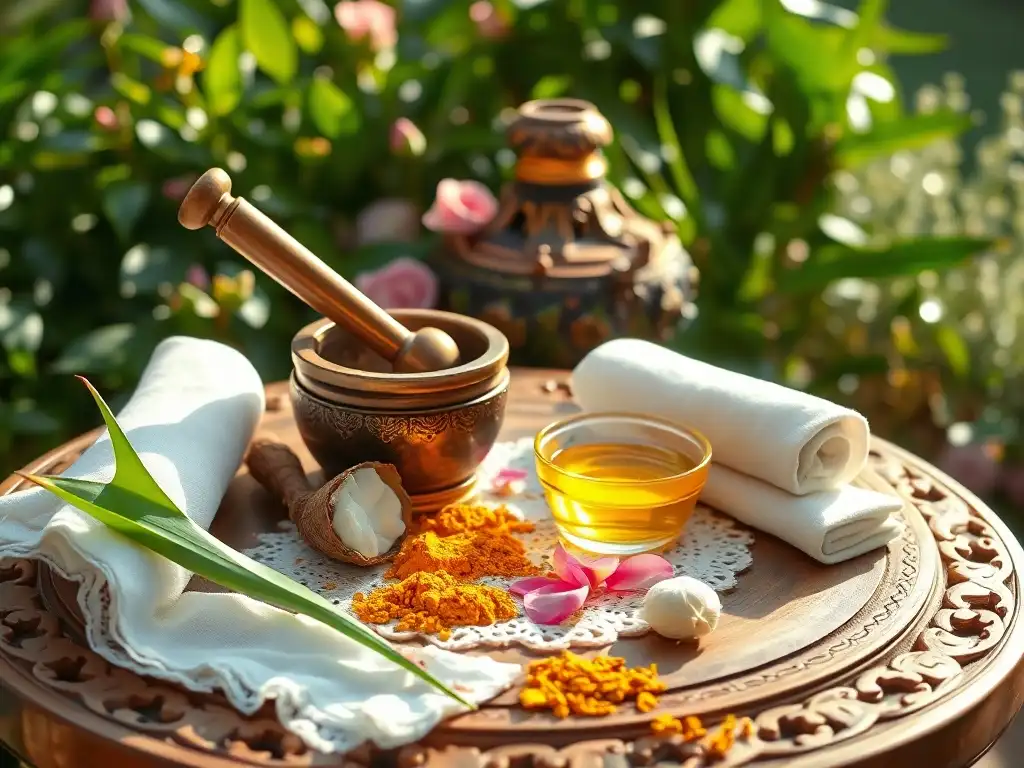
Welcome to Ancient India History, where we embark on a journey through time to uncover the fascinating tapestry of our past. In our featured article, “Exploring Ayurvedic Beauty Rituals: Secrets from Ancient India,” we delve into the rich history of Ayurvedic beauty rituals, revealing the profound wisdom and practices that have shaped beauty standards across centuries. As you navigate through the enchanting world of ancient Indian civilizations, prepare to discover the secrets that blend science and tradition, inviting you to embrace the timeless allure of holistic wellness. Your exploration begins here—let the stories unfold!
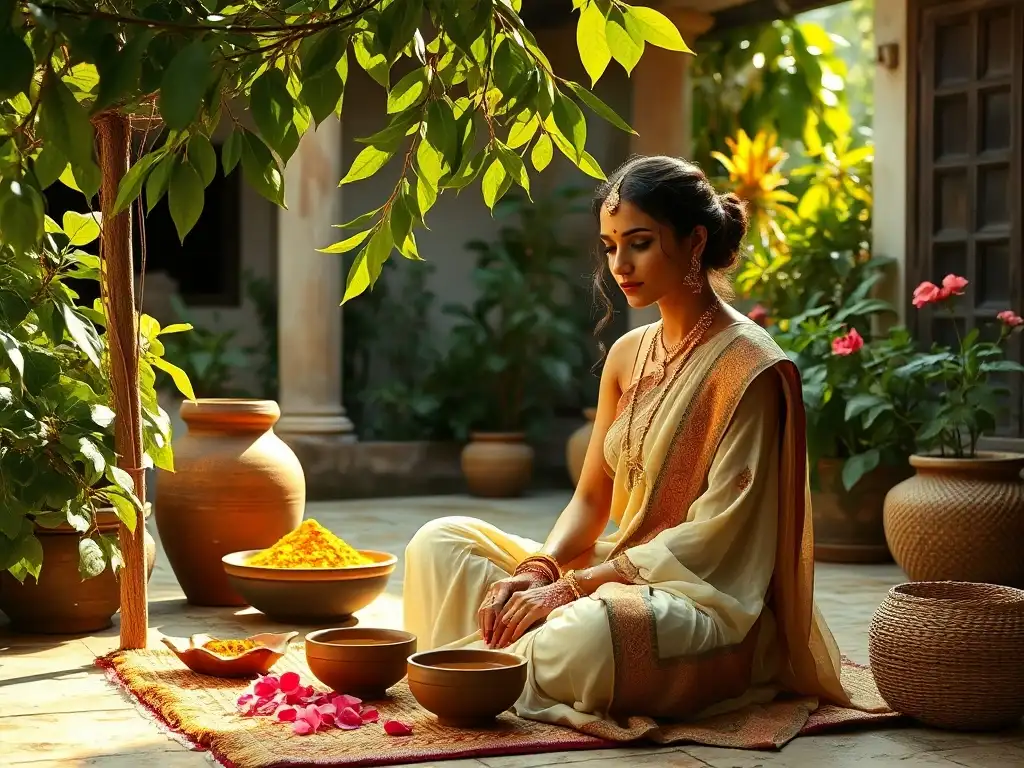
Introduction to Ayurvedic Beauty Rituals History
Ayurvedic beauty rituals are an intricate part of India's rich tapestry of health and wellness practices, rooted in the ancient science of Ayurveda. This traditional Indian system of medicine emphasizes harmony between the mind, body, and spirit, and its beauty rituals reflect this holistic philosophy. Historically, these rituals have not only served aesthetic purposes but also been vital in promoting overall health and well-being. By utilizing natural ingredients derived from herbs, plants, and minerals, Ayurvedic beauty practices have been passed down through generations, embodying a legacy that celebrates the connection between inner health and outer beauty.
The significance of Ayurvedic beauty rituals extends beyond mere skincare; they are embedded in cultural traditions and spiritual beliefs. These practices were extensively documented in ancient texts such as the Charaka Samhita and Sushruta Samhita, which provide insights into the comprehensive approach to beauty and wellness in ancient India. As we delve deeper into the history of these rituals, we uncover the wisdom and techniques that have influenced beauty practices across the globe, showcasing the timeless relevance of Ayurveda in modern society.
The Origins of Ayurvedic Beauty Rituals
The origins of Ayurvedic beauty rituals can be traced back to the Vedic period, around 1500 BCE, when the foundational principles of Ayurveda were established. The ancient sages recognized the importance of maintaining beauty not just through external applications but also through a balanced diet, mental clarity, and spiritual practices. This integrative approach laid the groundwork for various beauty treatments that would evolve over centuries.
- Key Elements of Ayurvedic Beauty:
- Natural Ingredients: Ingredients such as turmeric, sandalwood, and neem have long been celebrated for their therapeutic properties. These components serve not only to enhance beauty but also to nourish the skin and promote health.
- Personalized Treatments: Ayurvedic beauty rituals are customized based on an individual's dosha (body constitution), ensuring that the treatments are harmonious with one's unique physical and mental characteristics.
- Mindfulness and Ritual: The practice of beauty in Ayurveda is often accompanied by meditation and mindfulness, reinforcing the idea that true beauty arises from a serene mind and healthy lifestyle.
The ritual of applying herbal pastes, oils, and masks has been practiced for thousands of years, with specific techniques and formulations being handed down through generations. This historical lineage not only reflects the artistry of these beauty practices but also underscores their role in the broader context of Ayurvedic medicine. As we explore these ancient secrets, we begin to appreciate how Ayurvedic beauty rituals form a holistic approach to self-care that remains relevant in today's fast-paced world.
Key Components of Ayurvedic Beauty Rituals
Ayurvedic beauty rituals are deeply rooted in the ancient practices of holistic wellness that originated in India over 5,000 years ago. These rituals emphasize the balance of the body, mind, and spirit to enhance beauty naturally. The key components of Ayurvedic beauty rituals include:
- Personalization: Each individual's beauty regimen is customized based on their unique constitution, or Prakriti, which considers their Dosha (body type) and personal needs.
- Natural Ingredients: Ayurvedic beauty rituals prioritize the use of natural ingredients, such as herbs, oils, and minerals, which are believed to nourish the skin and hair without harmful side effects.
- Holistic Approach: These rituals do not merely target external beauty; they also promote inner harmony and well-being, recognizing that true beauty radiates from a healthy mind and body.
- Mindfulness and Meditation: Incorporating mindfulness practices and meditation into beauty rituals enhances the overall experience, allowing individuals to connect with themselves on a deeper level.
By integrating these key components, Ayurvedic beauty rituals serve not just as a means to enhance physical appearance but as a pathway to holistic health and self-care.
Natural Ingredients in Ayurvedic Beauty
Natural ingredients play a pivotal role in Ayurvedic beauty rituals, with a rich array of herbs, oils, and other botanical substances celebrated for their therapeutic properties. Some commonly used natural ingredients include:
- Turmeric: Renowned for its anti-inflammatory and antibacterial properties, turmeric is often used in face masks to brighten skin and combat acne.
- Neem: This powerful herb is known for its purifying effects and is frequently utilized in skincare for its ability to treat skin conditions like eczema and psoriasis.
- Aloe Vera: Valued for its soothing and hydrating qualities, aloe vera is used to alleviate sunburns and moisturize the skin.
- Coconut Oil: This versatile oil is celebrated for its moisturizing properties and is commonly used as a base for many beauty treatments, providing nourishment for both skin and hair.
- Sandalwood: With its cooling properties, sandalwood paste is often applied to the skin to reduce blemishes and promote a radiant complexion.
These natural ingredients align with the Ayurvedic principle of using what nature provides, ensuring that beauty treatments are safe, effective, and nurturing.
Traditional Techniques and Practices
The traditional techniques and practices associated with Ayurvedic beauty rituals are as diverse as the ingredients used. These methods have been passed down through generations and include:
- Abhyanga: This is a full-body oil massage that enhances circulation, nourishes the skin, and promotes relaxation. It is often performed with herbal oils tailored to individual Doshas.
- Ubtan: A paste made from natural ingredients like chickpea flour, turmeric, and sandalwood is applied to the skin in a process known as Ubtan, which exfoliates, brightens, and rejuvenates the skin.
- Facial Steaming: Herbal steam treatments are employed to open up pores and cleanse the skin, often incorporating herbs like eucalyptus or mint for added benefits.
- Hair Oil Treatments: Regular application of herbal oils, such as amla or bhringraj, supports hair health and growth, addressing issues like dryness and dandruff.
- Detoxification Practices: Ayurvedic beauty rituals often include detoxifying practices such as panchakarma, which helps eliminate toxins from the body and enhances overall vitality.
These traditional techniques not only serve the purpose of enhancing beauty but also promote overall wellness, aligning with the holistic philosophy of Ayurveda.
The Philosophical Foundation of Ayurvedic Beauty
At its core, Ayurvedic beauty is grounded in a philosophical foundation that views beauty as an expression of one's overall health and well-being. The principles of Ayurveda emphasize the interconnectedness of the body, mind, and spirit, shaping the way beauty is perceived and nurtured. This foundation includes:
- Balance and Harmony: Achieving balance among the three Doshas—Vata, Pitta, and Kapha—is essential for maintaining beauty. An imbalance can manifest as skin issues, hair problems, or other beauty-related concerns.
- Natural Aging: Ayurveda embraces the natural aging process, focusing on nurturing beauty at every stage of life rather than striving for unrealistic ideals. This perspective encourages acceptance and self-love.
Doshas and Their Impact on Beauty
The concept of Doshas is central to Ayurvedic philosophy, influencing not only health but also beauty. Each Dosha brings distinct characteristics that affect an individual's beauty regimen:
- Vata: Individuals with a predominance of Vata are often characterized by dry skin and hair. They benefit from nourishing oils and hydrating treatments to restore moisture and vitality.
- Pitta: Those with a Pitta constitution may experience sensitivity and redness. Cooling ingredients, such as aloe vera and sandalwood, are recommended to soothe and balance their skin.
- Kapha: Individuals with a Kapha Dosha tend to have oily skin and hair. They benefit from exfoliating treatments and lighter, herbal formulations to reduce excess oil and promote clarity.
By understanding their Dosha, individuals can tailor their beauty rituals to address their specific needs, ensuring a more effective and harmonious approach to beauty.
Mind-Body Connection in Ayurvedic Beauty
The mind-body connection is a fundamental aspect of Ayurvedic beauty rituals, emphasizing that mental and emotional well-being directly influences physical appearance. This connection manifests in several ways:
- Stress Reduction: Ayurveda recognizes that stress can lead to various skin issues, such as acne or premature aging. Incorporating relaxation techniques, such as yoga and meditation, into beauty rituals helps alleviate stress and promotes a radiant complexion.
- Positive Mindset: Cultivating a positive mindset and self-acceptance is essential in Ayurveda. Affirmations and mindfulness practices are encouraged to foster a sense of inner beauty that reflects outward.
- Holistic Health: Ayurveda views beauty as a holistic experience, intertwining physical care with mental and emotional health. By nurturing the mind and spirit alongside the body, individuals can achieve a more profound sense of beauty that transcends mere appearance.
This emphasis on the mind-body connection within Ayurvedic beauty rituals underscores the belief that true beauty comes from within, harmonizing all aspects of one's being.
Modern Adaptations of Ayurvedic Beauty Rituals
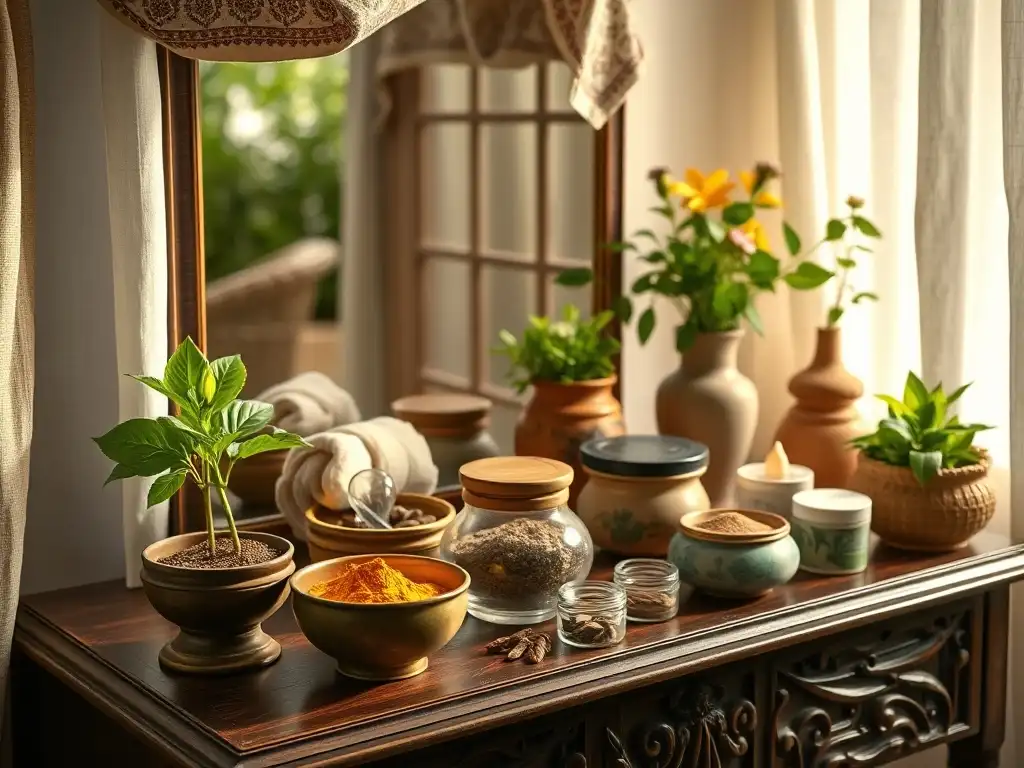
In recent years, there has been a notable resurgence of interest in Ayurvedic beauty rituals, with many contemporary beauty brands and wellness practitioners integrating these ancient practices into their offerings. This revival reflects a growing awareness of holistic health and the desire for natural, sustainable beauty solutions.
Modern adaptations of Ayurvedic beauty rituals often involve the use of herbal ingredients, essential oils, and natural formulations that are aligned with individual doshas—Vata, Pitta, and Kapha. For instance, brands now embrace formulations that include turmeric for its anti-inflammatory properties, rose for hydration, and neem for its antibacterial benefits. These ingredients are not just popular for their effectiveness; they also resonate with consumers looking for authenticity and a connection to ancient wisdom.
Moreover, today's beauty enthusiasts are incorporating Ayurvedic practices into their daily routines. This includes rituals such as abhyanga (self-massage with oils), udvartana (herbal scrubbing), and shirodhara (oil pouring on the forehead), which have been adapted for ease of use at home. Online platforms, workshops, and social media influencers have played a significant role in promoting these practices, demonstrating that ancient rituals can be seamlessly integrated into modern lifestyles.
Benefits of Embracing Ayurvedic Beauty Rituals
Embracing Ayurvedic beauty rituals comes with numerous benefits, both for the skin and overall well-being. Here are some key advantages:
- Holistic Wellness: Ayurvedic practices emphasize balance and harmony within the body, supporting not just skin health but overall physical and mental well-being. By considering the individual's constitution and lifestyle, these rituals promote a tailored approach to beauty.
- Natural Ingredients: Ayurvedic beauty rituals utilize natural ingredients that are less likely to cause adverse reactions compared to synthetic products. This reduces the risk of skin irritations and allergies, making it suitable for a wide range of skin types.
- Anti-Aging Properties: Many Ayurvedic ingredients, such as ashwagandha, amla, and saffron, are known for their antioxidant properties that combat free radicals, helping to maintain youthful skin and prevent premature aging.
- Detoxification: Rituals like facial steaming and herbal masks aid in detoxifying the skin by removing impurities, promoting a clearer complexion. This aligns with the Ayurvedic belief in cleansing the body to enhance beauty from within.
- Mindfulness and Ritual: Engaging in these rituals encourages mindfulness, allowing individuals to slow down and appreciate the process of self-care. This mental aspect contributes positively to emotional health and enhances the experience of beauty care.
Conclusion: The Enduring Legacy of Ayurvedic Beauty Rituals
The legacy of Ayurvedic beauty rituals is profound and enduring. Rooted in thousands of years of tradition, these rituals not only reflect the wisdom of ancient Indian civilizations but also resonate with the modern quest for holistic health and natural beauty.
As the world increasingly recognizes the importance of sustainable and ethical practices, Ayurvedic beauty rituals offer a timeless solution that honors the interconnectedness of body, mind, and spirit. By integrating these ancient practices into contemporary routines, individuals can benefit from the deep-rooted knowledge of Ayurveda while fostering a greater appreciation for the beauty and wisdom of ancient Indian culture.
In a fast-paced world, the return to these rituals serves as a reminder of the value of patience and intentionality in self-care. As more people seek to reconnect with nature and their heritage, Ayurvedic beauty rituals will continue to thrive, preserving their significance for future generations. The journey through Ayurveda not only enhances beauty but also enriches life, making it a valuable aspect of the modern wellness movement.
References
-
Charaka Samhita
One of the foundational texts of Ayurveda, the Charaka Samhita dates back to around 400-200 BCE. It outlines various medicinal practices, including beauty rituals, and emphasizes the importance of holistic wellness.
-
Sushruta Samhita
Written by Sushruta, often regarded as the father of surgery, this text (approximately 600 BCE) includes detailed descriptions of surgical techniques and cosmetic procedures. It highlights the significance of beauty in health and wellness.
-
Astanga Hridaya
Compiled in the 7th century CE, this text merges the teachings of Charaka and Sushruta, offering insights into Ayurvedic beauty practices. It provides recipes for various herbal formulations used in beauty treatments.
-
Ayurvedic Texts on Skincare
Various Ayurvedic texts elaborate on skincare rituals, including the use of ingredients like turmeric, sandalwood, and rose water. These texts emphasize the connection between inner health and outer beauty.
-
Historical Case Studies
Historical accounts from travelers, such as Megasthenes and Fa-Hien, provide insights into the beauty practices of ancient Indian women, often highlighting their use of natural ingredients derived from local flora.
-
Modern Research
Recent studies have explored the efficacy of Ayurvedic ingredients in beauty rituals, validating their historical claims. Research published in journals like Journal of Ethnopharmacology has examined the benefits of Ayurvedic herbs and oils in skincare and beauty.
By referencing these foundational texts and studies, we can better understand the rich history and enduring legacy of Ayurvedic beauty rituals in ancient India.
- Introduction to Ayurvedic Beauty Rituals History
- The Origins of Ayurvedic Beauty Rituals
- Key Components of Ayurvedic Beauty Rituals
- The Philosophical Foundation of Ayurvedic Beauty
- Modern Adaptations of Ayurvedic Beauty Rituals
- Benefits of Embracing Ayurvedic Beauty Rituals
- Conclusion: The Enduring Legacy of Ayurvedic Beauty Rituals
- References
Frequently Asked Questions
What are Ayurvedic beauty rituals?
Ayurvedic beauty rituals are ancient practices rooted in the Ayurvedic system of medicine, focusing on natural methods to enhance skin health and overall beauty using herbal ingredients.
How did Ayurvedic beauty rituals originate?
These rituals originated in ancient India, where holistic approaches to health and beauty were developed, emphasizing the balance of mind, body, and spirit through natural remedies.
What ingredients are commonly used in Ayurvedic beauty rituals?
Common ingredients include herbs, essential oils, and natural clays like turmeric, neem, and sandalwood, known for their therapeutic properties and effectiveness in enhancing beauty.
How do Ayurvedic beauty rituals benefit the skin?
They benefit the skin by promoting radiance, reducing blemishes, and improving overall skin health through natural detoxification and nourishment from botanical ingredients.
Are Ayurvedic beauty rituals suitable for all skin types?
Yes, Ayurvedic beauty rituals can be tailored to suit all skin types by customizing ingredients to address specific needs and concerns, making them a versatile option in skincare.
Final Reflection: Embracing Timeless Wisdom in Ayurvedic Beauty Rituals
The exploration of Ayurvedic beauty rituals reveals a profound connection between ancient practices and modern self-care, reminding us that the wisdom of the past can illuminate our present. In a world increasingly driven by fast-paced trends and superficial standards, these rituals offer a holistic approach that nurtures not just the skin, but the mind and spirit as well. The essence of Ayurveda teaches us that beauty is not merely skin deep; it is a reflection of our overall well-being and harmony with nature.
The influence of Ayurvedic beauty rituals extends beyond individual practices; it is a cultural renaissance that encourages us to reconnect with our roots and embrace a more mindful lifestyle. As we navigate through a society often fixated on instant results, these ancient rituals remind us of the beauty in patience and the importance of nurturing ourselves from the inside out. The greatest wealth is health.
– Virgil. This quote encapsulates the essence of Ayurveda, emphasizing that true beauty and wellness stem from a balanced and healthy life.
As you reflect on the insights shared in this article, I invite you to consider how you can incorporate these timeless Ayurvedic principles into your daily routine. Take a moment to explore your own beauty rituals and ask yourself: Are they nourishing my body and spirit? By embracing these ancient practices, you can cultivate a deeper sense of self-love and appreciation, allowing your inner beauty to shine through. Let the secrets of Ayurvedic beauty rituals inspire you to embark on a journey of holistic wellness, creating a lasting impact on your life and the world around you.
Embrace the Timeless Wisdom of Ayurveda!
Thank you for diving into the fascinating world of Ayurvedic beauty rituals with us! We hope you found inspiration and valuable insights that can transform your beauty regimen. Now, let’s take the next step in your journey toward wellness and radiant beauty.
Here are a few actions you can take right now:
- Start Your Ayurvedic Regimen: Begin incorporating one Ayurvedic technique into your daily routine, such as using **natural oils** for your skin or trying out a **herbal face mask**.
- Explore Further: Research additional Ayurvedic practices—consider creating a journal to document your experiences and observations as you embark on this path.
- Share Your Discoveries: Discuss what you’ve learned with friends or on social media! Use the hashtag **#AyurvedicBeautyRituals** to connect with others embracing this ancient wisdom.
What Ayurvedic beauty ritual are you most excited to incorporate into your life? Share your thoughts in the comments below!