
The Influence of Ayurveda on Global Health Practices Today


Welcome to Ancient India History, where we embark on a captivating journey through the rich tapestry of India's past. Here, we delve into the profound impact of ancient Indian civilizations on our modern world, with a special focus on the influence of Ayurveda on global health practices today. As you explore the intricate practices of Ancient Indian Ayurveda, prepare to uncover secrets that have shaped wellness traditions across the globe. Join us as we unravel the fascinating connections between ancient knowledge and contemporary health, sparking your curiosity to learn more about this timeless legacy.
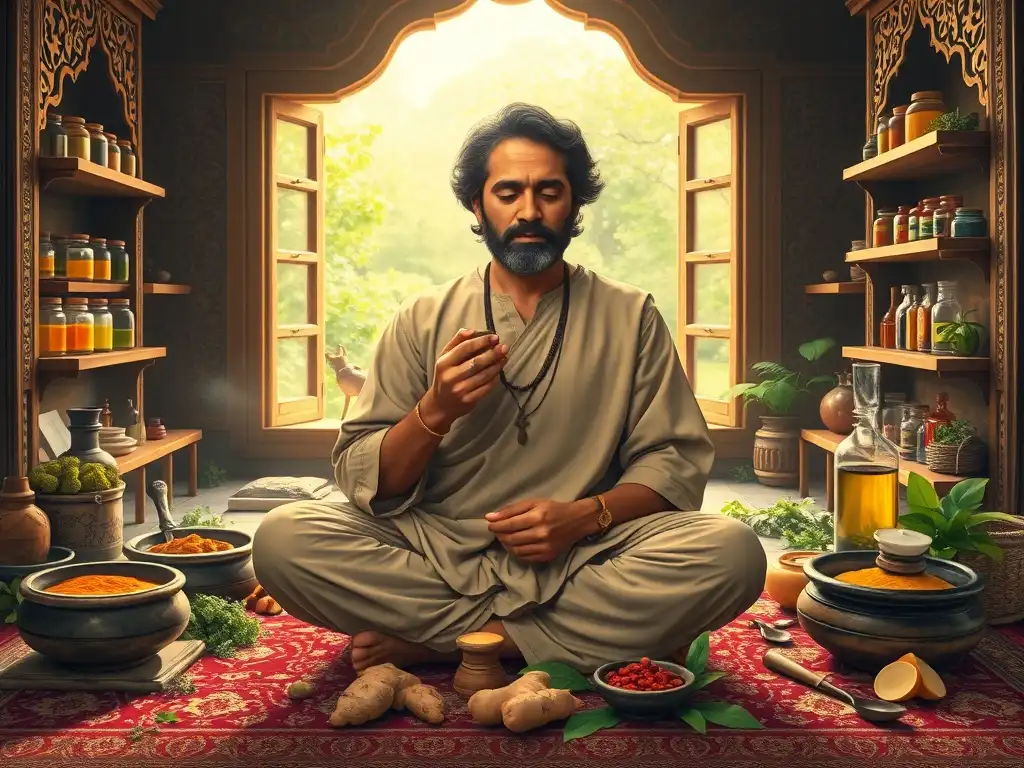
Ayurveda, one of the oldest systems of medicine in the world, has its roots deeply embedded in the ancient Indian civilization. This holistic approach to health and wellness emphasizes the balance between mind, body, and spirit, offering insights that have transcended time and geography. The ancient Indian Ayurveda practices not only laid the groundwork for various therapeutic techniques but also influenced contemporary health practices globally. This article delves into the rich tapestry of Ayurveda, exploring its origins, key principles, and historical context, as well as its profound impact on modern health and wellness practices.
Introduction to Ancient Indian Ayurveda Practices
Ayurveda, derived from the Sanskrit words "Ayus" (life) and "Veda" (knowledge), translates to "the knowledge of life." This ancient system of medicine has been practiced for over 5,000 years, serving as a comprehensive guide to living a balanced and healthy life. Central to Ayurveda is the belief that health is not merely the absence of disease but a holistic state of physical, mental, and emotional well-being.
The significance of ancient Indian Ayurveda practices lies in their personalized approach to health, which considers individual constitutions (Prakriti), environmental factors, and lifestyle choices. By understanding these elements, Ayurveda seeks to promote wellness and prevent illness through natural remedies, dietary recommendations, and lifestyle adjustments.
Understanding Ayurveda: Origins and Principles
The roots of Ayurveda can be traced back to the Vedic texts of ancient India. These texts, particularly the Rigveda, contain references to medicinal plants and healing practices that form the basis of Ayurvedic medicine. Over time, Ayurveda evolved, integrating various cultural influences and adapting to the needs of society.
Key principles of Ayurveda include:
- The Five Great Elements (Pancha Mahabhuta): Earth, water, fire, air, and space form the foundation of all matter, including the human body.
- The Three Doshas: Vata, Pitta, and Kapha represent the three fundamental bodily energies, each governing specific physiological and psychological functions.
- Balance and Harmony: Ayurveda emphasizes the importance of maintaining balance among the doshas, as well as harmony with nature, to achieve optimal health.
Key Concepts of Ayurveda in Ancient Indian Medicine
The practice of Ayurveda is characterized by several core concepts that guide practitioners in their approach to health:
- Holistic Treatment: Ayurveda treats the individual as a whole, addressing physical, emotional, and spiritual dimensions.
- Preventive Care: Emphasis is placed on prevention through healthy lifestyle choices, dietary practices, and seasonal routines.
- Natural Remedies: Use of herbs, minerals, and natural substances to promote healing and restore balance.
- Personalization: Treatments are tailored to the individual's unique constitution and current state of health.
Historical Context of Ayurveda's Development
The evolution of Ayurveda is marked by significant developments and contributions throughout ancient Indian history. Understanding this context is essential to appreciate its lasting influence on global health practices today.
Ayurveda in Ancient Indian Civilization
Ayurveda flourished during various periods in ancient India, particularly during the Vedic period and the subsequent rise of influential empires. The integration of Ayurveda into daily life was evident in the practices of various communities, from royal courts to rural settings.
The system was not only a means of healing but also a way to promote overall well-being, leading to the establishment of hospitals and wellness centers. The emphasis on preventive healthcare allowed communities to thrive, creating a legacy that continues to resonate in modern health practices.
Influential Texts on Ancient Indian Ayurveda Practices
Several texts have played a crucial role in documenting and disseminating Ayurvedic knowledge throughout history. Among the most notable are:
- Charaka Samhita: Focuses on internal medicine and the diagnosis and treatment of diseases.
- Sushruta Samhita: Known as the foundation of surgical techniques, it covers surgical procedures, anatomy, and the significance of hygiene.
- Ashtanga Hridayam: A comprehensive text that combines the teachings of both Charaka and Sushruta, emphasizing holistic health.
These texts not only preserve the ancient wisdom of Ayurveda but also serve as a bridge to contemporary practices, illustrating the timeless relevance of ancient Indian Ayurveda practices in today's health landscape.
Core Principles of Ayurveda and Their Relevance
Ayurveda, often referred to as the "science of life," encompasses a holistic approach to health that emphasizes balance, harmony, and the interconnection between the body, mind, and spirit. The core principles of Ayurveda revolve around the concepts of doshas, dhatus, malas, and the five elements. Understanding these fundamental ideas is essential to grasping how ancient Indian Ayurveda practices influence modern health practices worldwide.
The dosha concept categorizes individuals based on their predominant energies: Vata (air and ether), Pitta (fire and water), and Kapha (earth and water). Each dosha represents unique physical and mental characteristics, guiding personalized health regimens. The relevance of this classification is increasingly recognized in personalized medicine today, where tailored health and wellness strategies consider individual differences.
Furthermore, Ayurveda advocates for achieving balance among the body's three doshas, which is critical for maintaining health and preventing disease. This perspective is particularly relevant in contemporary practices emphasizing the importance of mental health, stress management, and overall well-being. By integrating these core Ayurvedic principles, modern health practices can enhance holistic health and improve patient outcomes.
Dosha Theory: The Foundation of Ayurveda Practices
The dosha theory is a cornerstone of Ayurveda, providing a framework for understanding individual health and wellness. Each dosha—Vata, Pitta, and Kapha—embodies specific qualities, influences bodily functions, and affects personality traits.
- Vata is characterized by qualities such as dryness, lightness, and mobility. It governs bodily processes related to movement, including circulation and nerve impulses.
- Pitta, associated with heat, intensity, and transformation, controls digestion, metabolism, and energy production.
- Kapha embodies stability, heaviness, and moisture, and is responsible for growth, lubrication, and immune function.
In Ayurvedic practice, the balance among these doshas determines an individual's constitution, or Prakriti, and susceptibility to ailments. By understanding one's dosha, individuals can customize their diets, lifestyles, and therapies to maintain equilibrium and promote better health. This approach is gaining traction in modern integrative health practices, where the focus is on individualized care.
The Role of Balance in Health: Physical and Mental Well-being
Balance is a fundamental tenet of Ayurveda, encompassing not only the physical aspects of health but also mental and emotional well-being. In Ayurveda, health is viewed as a harmonious state where the body, mind, and spirit function optimally together.
- Physical Balance: The equilibrium of the doshas is critical for physical health. When imbalances occur—due to factors like poor diet, stress, or environmental changes—health issues may arise. Ayurvedic practices, such as dietary adjustments, herbal remedies, and lifestyle changes, aim to restore this balance and support bodily functions.
- Mental Balance: Ayurveda acknowledges that mental health is as vital as physical health. Techniques such as meditation, yoga, and breath control are integral to Ayurvedic practices. These methods help individuals cultivate mindfulness, reduce stress, and enhance emotional resilience, which contributes to overall well-being.
By emphasizing balance in both physical and mental health, Ayurvedic practices resonate with contemporary wellness trends that prioritize holistic approaches to health, advocating for preventative care and self-awareness.
Modern Adaptations of Ancient Indian Ayurveda Practices
As Ayurveda continues to gain popularity globally, many of its ancient practices are being adapted to fit contemporary lifestyles and health needs. This integration of traditional knowledge with modern science is reshaping how health and wellness are perceived and approached in various cultures.
Integrating Ayurveda into Contemporary Health Systems
The integration of Ayurveda into modern healthcare systems is an emerging trend that reflects a growing recognition of its value. Many health practitioners and institutions are beginning to incorporate Ayurvedic principles into their practices, offering a more holistic approach to health care.
- Complementary Treatments: Ayurveda is increasingly seen as a complementary therapy alongside conventional medicine. It provides additional strategies for managing chronic conditions, enhancing recovery, and promoting overall health. Hospitals and wellness centers are now offering Ayurvedic consultations, dietary plans, and detoxification therapies.
- Research and Validation: Scientific research is being conducted to validate Ayurvedic practices, leading to a greater understanding of their efficacy and safety. This research is crucial for bridging the gap between ancient practices and modern medical standards, allowing Ayurveda to be more widely accepted and utilized in healthcare.
Popular Ayurvedic Treatments and Remedies in Global Health
Several Ayurvedic treatments and remedies have gained global popularity, appealing to individuals seeking natural and holistic health solutions. Some of the most well-known include:
- Panchakarma: A detoxification and rejuvenation treatment involving various therapies, including massage, steam baths, and herbal formulations, aimed at cleansing the body and restoring balance.
- Herbal Remedies: Products like ashwagandha, turmeric, and triphala are now widely used for their health benefits, such as reducing inflammation, enhancing immunity, and promoting mental clarity.
- Dietary Practices: The concept of dietary Ayurvedic principles, including food combinations and seasonal eating, is being embraced by those looking to improve digestion and overall health.
These adaptations of ancient Indian Ayurveda practices highlight its relevance in today's health landscape, demonstrating how traditional wisdom can inform and enrich modern health practices globally.
Comparative Analysis: Ayurveda vs. Western Medicine
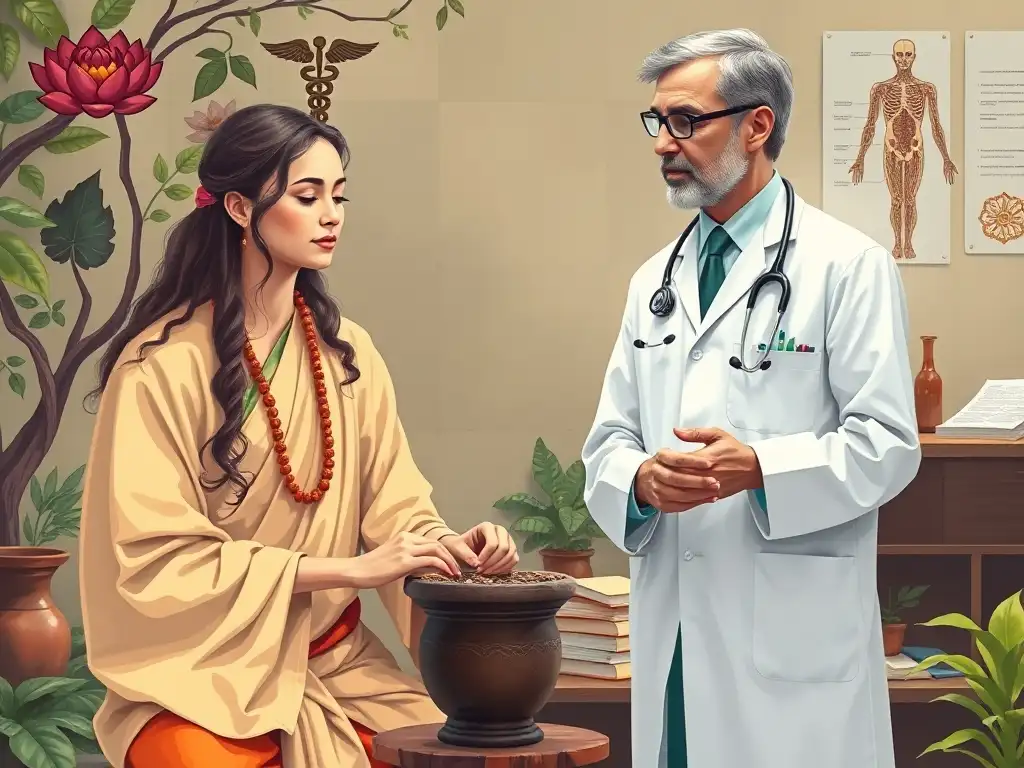
The comparison between Ayurveda and Western medicine reveals significant differences in philosophy, practice, and approach to health. While Western medicine often focuses on diagnosing and treating specific symptoms or diseases through pharmaceuticals and surgery, Ayurveda emphasizes a holistic approach that considers the individual's overall balance of mind, body, and spirit. This section explores the philosophical foundations, effectiveness in chronic disease management, and the global influence of Ayurveda on contemporary health practices.
Philosophical Differences between Ayurveda and Conventional Medicine
At the heart of Ayurveda lies a deep-rooted philosophy that seeks to understand the individual as an integral part of the universe. It is based on the belief that health is a state of balance among the three doshas (Vata, Pitta, and Kapha), which represent different combinations of the five elements (earth, water, fire, air, and space). This contrasts sharply with conventional medicine, which often operates on a mechanistic understanding of the body, viewing it as a collection of parts that can be treated in isolation.
- Holistic Perspective: Ayurveda adopts a holistic view, treating the patient rather than just the disease. It emphasizes prevention and wellness through lifestyle changes, diet, and herbal remedies.
- Individualization: Treatments in Ayurveda are highly personalized, taking into account a person’s unique constitution (Prakriti) and current state of imbalance (Vikriti).
- Causation vs. Symptoms: While Western medicine often addresses symptoms, Ayurveda seeks to identify and address underlying causes of health issues, fostering a more sustainable healing process.
This philosophical divergence leads to different methodologies in treatment and patient care, with Ayurveda focusing on restoring balance and wellness rather than merely alleviating symptoms.
Effectiveness of Ancient Indian Ayurveda Practices in Treating Chronic Conditions
Research and anecdotal evidence suggest that ancient Indian Ayurveda practices can be particularly effective in managing chronic conditions. Various studies have demonstrated its potential in the treatment of ailments such as arthritis, diabetes, and asthma.
- Chronic Disease Management: Ayurveda utilizes a combination of herbs, dietary modifications, and lifestyle practices to create a comprehensive treatment plan. For example, Turmeric and Ginger are commonly used for their anti-inflammatory properties, aiding conditions like arthritis.
- Preventive Health: Regular practices such as yoga, meditation, and detoxification (Panchakarma) are integral to Ayurvedic routines, promoting not only treatment but also prevention of chronic diseases.
As more individuals seek alternatives to conventional treatments, Ayurveda's practices are gaining recognition and acceptance for their holistic and preventive aspects.
Global Influence of Ayurveda on Health and Wellness Trends
The principles of Ayurveda have begun to permeate global health and wellness trends, leading to a resurgence of interest in holistic and natural approaches to health. This influence is evident in several contemporary practices and products that draw from ancient Ayurvedic wisdom.
Ayurveda's Impact on Holistic Health Approaches
The adoption of Ayurvedic principles has significantly influenced holistic health approaches worldwide. As more people recognize the importance of mental and emotional well-being alongside physical health, Ayurveda’s comprehensive model is being integrated into various wellness practices.
- Mind-Body Connection: Ayurveda emphasizes the interconnectedness of the mind and body, leading to increased popularity of practices such as yoga and mindfulness meditation, which are now mainstream in many cultures.
- Preventive Care: The focus on prevention through diet, lifestyle, and natural remedies aligns with the growing trend towards proactive health management, influencing both individual wellness and public health policies.
This shift towards holistic health reflects a broader societal awareness of the limitations of conventional medicine and a growing appreciation for ancient wisdom.
The Rise of Ayurvedic Products in Global Markets
The global market for Ayurvedic products has experienced remarkable growth, fueled by increasing consumer interest in natural and organic health solutions.
- Herbal Supplements: There is a rising demand for Ayurvedic herbal supplements, with products like Ashwagandha and Brahmi becoming widely available and promoted for their adaptogenic properties.
- Skin Care and Wellness: Ayurvedic principles are also being applied in the beauty and wellness industries, with a surge in Ayurvedic skin care lines that emphasize natural ingredients and holistic practices.
As consumers become more health-conscious and informed about the benefits of ancient Indian Ayurveda practices, the market for these products continues to expand, making Ayurveda a significant player in global health trends.
Challenges and Opportunities for Ayurveda in Global Health
The integration of Ayurveda into global health practices is met with a unique set of challenges and opportunities. One significant challenge lies in the standardization of Ayurvedic practices. Unlike Western medicine, which relies heavily on evidence-based protocols, Ayurveda encompasses a wide range of treatments that can vary significantly between practitioners. This lack of uniformity can lead to skepticism among healthcare professionals and patients alike.
In addition, regulatory barriers pose a challenge. Many countries have stringent regulations regarding alternative medicine, which can hinder the widespread acceptance and practice of Ayurveda. For instance, practitioners often face hurdles in obtaining licenses or endorsements, which can limit their ability to practice legally.
Despite these challenges, there are remarkable opportunities for Ayurveda's growth in global health. The increasing interest in holistic and natural therapies is creating a fertile ground for Ayurvedic practices. With rising concerns over the side effects of conventional medications, many people are turning towards Ayurveda for its natural and preventive approaches.
Furthermore, there is an increasing body of research supporting Ayurvedic practices, which can help bridge the gap between traditional and modern medicine. Collaborations between Ayurvedic practitioners and medical professionals can lead to more integrative health solutions that respect both ancient wisdom and contemporary scientific validation.
Misconceptions about Ancient Indian Ayurveda Practices
Misconceptions about Ayurveda often stem from a lack of understanding of its principles and applications. One common misconception is that Ayurveda is merely a system of herbal medicine. In reality, Ayurveda is a comprehensive health system that includes nutrition, lifestyle choices, yoga, and meditation, alongside herbal remedies. It emphasizes a holistic approach to health, focusing on balancing bodily systems and promoting overall well-being.
Another misconception is the belief that Ayurveda is outdated and not relevant to modern health challenges. However, many Ayurvedic concepts, such as the importance of diet and lifestyle in disease prevention, resonate with contemporary health trends. The underlying principles of Ayurveda, including the focus on individual constitution (Prakriti) and the balance of energies (Doshas), can offer valuable insights into personalized medicine.
Moreover, some critics argue that Ayurveda lacks scientific rigor. While it is true that many Ayurvedic practices require more empirical research, there have been numerous studies validating its efficacy in treating certain conditions, such as stress management and digestive disorders. Increased research can help dispel myths and highlight the relevance of Ayurveda in today's health landscape.
Future Prospects for Ayurveda in Modern Healthcare Systems
The future of Ayurveda within modern healthcare systems appears promising, driven by a growing recognition of holistic health approaches. As healthcare continues to evolve, there is an increasing shift towards integrating complementary and alternative medicine with conventional practices. This trend presents an opportunity for Ayurveda to be incorporated into mainstream healthcare.
One promising avenue is the development of integrative health programs that combine Ayurvedic principles with Western medical practices. Such programs could provide patients with a broader range of treatment options, enhancing their overall health outcomes. For example, hospitals and wellness centers are beginning to offer Ayurvedic consultations as part of their holistic care options.
Moreover, the rise of telemedicine and online wellness platforms allows Ayurvedic practitioners to reach a global audience, breaking geographical barriers. This digital transformation can facilitate the dissemination of Ayurvedic knowledge and practices, making them accessible to those seeking alternative health solutions.
As more healthcare professionals recognize the benefits of preventative care and the mind-body connection, Ayurveda has the potential to play a significant role in shaping future health policies and practices. By fostering collaborations between Ayurvedic experts and medical researchers, the field can gain further credibility and acceptance.
Conclusion: The Lasting Influence of Ayurveda on Global Health Practices
Ayurveda's historical roots and comprehensive approach to health continue to influence global health practices today. Its emphasis on prevention, nutrition, and lifestyle choices aligns with the modern shift towards holistic healthcare, making it a valuable resource for addressing contemporary health issues.
The integration of Ayurvedic practices into global health systems not only offers diverse treatment options but also enriches our understanding of health and wellness. As Ayurveda gains recognition and acceptance, it can provide a framework for individuals seeking to improve their health through natural and preventive means.
Summary of Key Points on Ancient Indian Ayurveda Practices
- Holistic Approach: Ayurveda encompasses a wide range of practices, including diet, lifestyle, and herbal medicine, focusing on the balance of body, mind, and spirit.
- Growing Popularity: Increasing interest in natural therapies and preventive health is creating opportunities for Ayurveda's integration into global healthcare.
- Scientific Validation: Research supporting Ayurvedic efficacy is essential for dispelling misconceptions and enhancing credibility.
- Future Integration: The combination of Ayurveda with modern medical practices offers a promising pathway for comprehensive health solutions.
Call to Action: Embracing Ancient Wisdom for Modern Health Solutions
As we navigate the complexities of modern health challenges, it is crucial to embrace the wisdom of ancient practices like Ayurveda. By integrating Ayurveda into our health regimens, we can harness its holistic principles to foster better health and well-being.
Let us advocate for the inclusion of Ayurvedic practices in healthcare discussions and support research that validates its contributions to health. Together, we can pave the way for a more inclusive approach to health that honors both ancient wisdom and contemporary science. 🌿
- Introduction to Ancient Indian Ayurveda Practices
- Historical Context of Ayurveda's Development
- Core Principles of Ayurveda and Their Relevance
- Modern Adaptations of Ancient Indian Ayurveda Practices
- Comparative Analysis: Ayurveda vs. Western Medicine
- Global Influence of Ayurveda on Health and Wellness Trends
- Challenges and Opportunities for Ayurveda in Global Health
- Conclusion: The Lasting Influence of Ayurveda on Global Health Practices
Frequently Asked Questions
What is Ayurveda?
Ayurveda is an ancient Indian system of medicine that focuses on achieving balance in the body through the use of natural treatments, diet, and lifestyle changes.
How has Ayurveda influenced global health practices?
Ayurveda has introduced holistic approaches to health and wellness, emphasizing the importance of mind-body balance, herbal remedies, and preventive care, which many modern practices now incorporate.
What are the key principles of Ayurveda?
The key principles of Ayurveda include the three doshas (Vata, Pitta, Kapha), the concept of balance, and the use of natural elements to promote health and well-being.
Can Ayurveda be integrated with modern medicine?
Yes, many practitioners find that integrating Ayurvedic practices with modern medicine can enhance treatment outcomes, especially in areas like stress management and chronic disease prevention.
What are some common Ayurvedic practices?
Common Ayurvedic practices include yoga, meditation, dietary adjustments based on dosha, and the use of herbal supplements to promote overall health and vitality.
Final Reflection: Embracing Ancient Wisdom for Modern Wellness
The relevance of Ancient Indian Ayurveda practices in today's global health landscape is undeniable; they offer a holistic approach that resonates deeply with our increasingly fragmented understanding of well-being. As we navigate the complexities of modern life, the principles of Ayurveda remind us of the importance of balance, prevention, and the interconnectedness of body, mind, and spirit. In a world often dominated by quick fixes and superficial solutions, the enduring wisdom of Ayurveda stands as a beacon of hope, urging us to return to our roots for sustainable health.
Cultural and social landscapes are continuously shaped by the integration of ancient practices into contemporary health paradigms. The growing popularity of Ayurveda in wellness circles and its incorporation into mainstream healthcare illustrate a profound shift toward holistic health. As more individuals seek natural remedies and personalized care, the teachings of Ayurveda resonate with a collective yearning for authenticity and connection. In the midst of movement and chaos, keep stillness inside of you.
— Deepak Chopra. This quote encapsulates the essence of Ayurveda, emphasizing the need for inner peace amidst the noise of modern life.
As we reflect on the lessons imparted by Ayurveda, I invite you to consider how you can incorporate these ancient practices into your daily routine. Take a moment to explore your own health journey and recognize the power of balance, mindfulness, and natural healing. Whether through dietary choices, meditation, or self-care rituals, let the wisdom of Ayurveda inspire you to cultivate a deeper connection with yourself and the world around you. The future of health lies not just in innovation but in the timeless teachings that have guided humanity for centuries.
Embrace the Wisdom of Ayurveda for a Healthier Tomorrow
Thank you for taking the time to explore the profound impact of Ayurveda on global health practices! Your interest shows a commitment to understanding holistic wellness and its benefits. As you embark on this journey, consider how you can integrate this ancient knowledge into your daily life.
Here are a few actionable steps you can take:
- Start by incorporating Ayurvedic principles into your health routine. Experiment with dietary changes, such as adding spices like **turmeric** and **ginger** to your meals for their health benefits.
- Explore local or online workshops and classes to **deepen your understanding of Ayurvedic practices** and discover how they can enhance your well-being.
- Share your newfound knowledge with friends and family; consider starting a small discussion group to **explore Ayurveda together** and support each other's journeys!
What practices from Ayurveda are you most excited to integrate into your life, and how do you think they will positively impact your overall wellness?