
The Use of Mathematics in Ancient Indian Medicine: A Scientific Approach

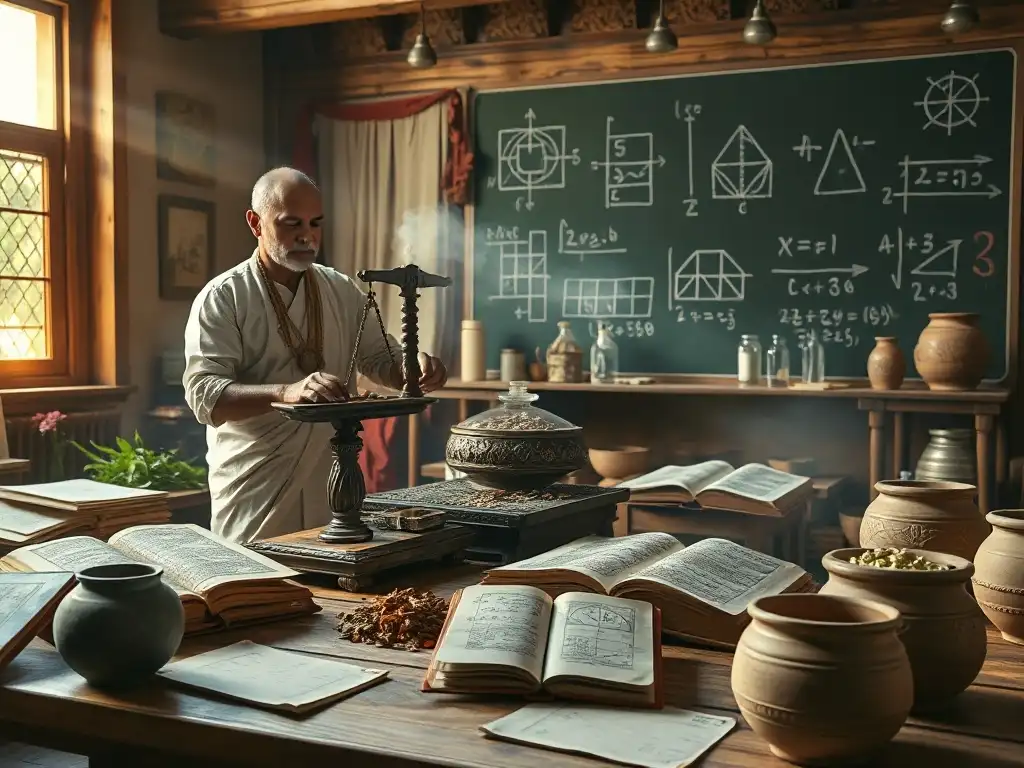
Welcome to Ancient India History, where we embark on a fascinating journey through the rich tapestry of ancient Indian civilizations. Have you ever wondered how the intricate world of mathematics intertwined with medicine in the realms of ancient India? In our featured article, "The Use of Mathematics in Ancient Indian Medicine: A Scientific Approach," we delve into this captivating intersection, revealing how mathematical principles shaped medical practices and contributed to the advancement of health and wellness.
Join us as we uncover the profound knowledge and innovations of the past that continue to inspire and inform our understanding today. Prepare to be intrigued and enlightened!
Introduction to Ancient Indian Medicine and Mathematics
Ancient Indian medicine, often referred to as Ayurveda, is a comprehensive and intricate system of health and wellness that has evolved over thousands of years. One of its most fascinating aspects is the integration of mathematical principles into its practices.
This intersection of mathematics and medicine not only highlights the scientific rigor of ancient Indian scholars but also underscores the advanced understanding of health and wellness that these civilizations possessed. As we delve into the topic of ancient Indian medicine mathematics, we will explore the various ways in which mathematical concepts were utilized to enhance medical practices, diagnosis, and treatment methodologies, thus revealing a rich tapestry of knowledge that still resonates in modern times.
Overview of Ancient Indian Medicine
Ancient Indian medicine, particularly Ayurveda, is grounded in a holistic approach to health, emphasizing the balance of body, mind, and spirit. Its foundational texts, such as the Charaka Samhita and the Sushruta Samhita, offer a wealth of information on herbal remedies, surgical techniques, and preventive care.
- Core Principles of Ayurveda:
- Tridosha Theory: The balance of the three doshas (Vata, Pitta, and Kapha) is crucial for maintaining health.
- Panchakarma: A detoxification process that encompasses five therapeutic treatments.
- Diet and Lifestyle: Recommendations tailored to individual constitution (Prakriti) for optimal health.
Mathematics plays a vital role in Ayurveda, particularly in areas such as dosage calculations, timing of treatments, and understanding the cycles of nature, which are essential for effective healing.
Significance of Mathematics in Ancient Indian Sciences
Mathematics was not merely an abstract discipline in ancient India; it was intricately linked with various scientific fields, including medicine. The application of mathematical concepts in ancient Indian sciences facilitated:
- Precision in Measurements:
- Accurate measurements of medicinal herbs and formulations.
- Delineation of time for various treatments based on lunar and solar cycles.
- Statistical Analysis:
- Evaluation of treatment outcomes.
- Understanding patterns in disease prevalence and patient demographics.
The advanced mathematical techniques employed by ancient Indian scholars underscore the sophistication of their scientific approaches, paving the way for future advancements in both medicine and mathematics.
Historical Context of Mathematics in Ancient Indian Medicine
The historical context reveals a rich landscape where mathematics and medicine coexisted harmoniously, contributing to a profound legacy in the scientific world.
Key Texts and References
Several ancient texts provide insights into the mathematical frameworks used in medicine:
- Charaka Samhita: Discusses dosage calculations and the significance of timing in treatments.
- Sushruta Samhita: Covers surgical techniques that require precise measurements and understanding of anatomy.
These texts, revered for their scholarly depth, illustrate how ancient Indian physicians relied on mathematical principles to enhance their medical practices.
Influential Scholars and Mathematicians
Key figures in ancient Indian history significantly contributed to the integration of mathematics and medicine:
- Charaka: A pioneer in the field of Ayurveda, known for his systematic approach to medicine and the use of mathematical concepts in treatment planning.
- Sushruta: Recognized as the father of surgery, his work emphasized the importance of measurements and calculations in surgical procedures.
These scholars exemplify the symbiotic relationship between mathematics and medicine, showcasing how their contributions laid the groundwork for future generations in both fields.
Mathematical Techniques Used in Ancient Indian Medicine

Ancient Indian medicine, particularly Ayurveda, incorporated various mathematical techniques that significantly influenced its practices. These mathematical foundations enabled practitioners to establish precise methods for diagnosing ailments, calculating dosages, and timing treatments. The integration of mathematics into medical practices not only enhanced the effectiveness of treatments but also underscored the scientific approach taken by ancient scholars. Various branches of mathematics, including geometry, arithmetic, and algebra, played pivotal roles in shaping the methodologies used in ancient Indian medicine.
Geometry in Medical Practices
Geometry found its application in ancient Indian medicine through the structuring of medical texts and the design of surgical instruments. Practitioners often relied on geometric principles to outline the human body, which was essential for understanding anatomy and identifying the locations of organs. The ancient texts, such as the Sushruta Samhita, illustrated various surgical procedures using geometric diagrams to convey the intricacies of operations.
Moreover, geometric shapes were used in the calculation of body surface area, which is crucial for determining the appropriate dosage of medicines. For example, the body was often divided into geometric segments, allowing for a more accurate assessment of proportions. This geometric understanding extended to the design and application of therapeutic techniques, such as the use of specific angles in surgical incisions that minimized tissue damage and facilitated better healing.
Arithmetic in Dosage Calculations
Arithmetic played a vital role in the practice of ancient Indian medicine, particularly in dosage calculations. Physicians needed to ensure that patients received the correct amounts of herbal remedies and other treatments. This precision was achieved through the application of basic arithmetic operations, such as addition, subtraction, multiplication, and division.
For example, ancient texts provided guidelines on calculating the dosages based on a patient's age, weight, and severity of illness. Ayurvedic practitioners would often use ratios and proportions to adjust dosages, ensuring that treatments were both effective and safe. Additionally, the use of fractions was common when dealing with concentrated extracts or powders, allowing for more nuanced prescriptions that catered to individual patient needs.
Algebraic Methods in Diagnosis and Treatment
Algebraic methods were also present in ancient Indian medicine, particularly in the area of diagnosis and treatment planning. Practitioners utilized symbolic representation to formulate and solve equations related to health conditions. This algebraic approach allowed for the systematic analysis of symptoms and their relationships to potential diagnoses.
For instance, ancient physicians might have used algebraic equations to represent the balance of the three doshas (Vata, Pitta, and Kapha), which are fundamental to Ayurvedic medicine. By evaluating the interactions and magnitudes of these doshas, practitioners could derive personalized treatment plans based on the specific imbalances observed in patients. This algebraic reasoning demonstrated a level of sophistication in medical thinking that contributed to the efficacy of treatments offered.
The Role of Astronomy in Ancient Indian Medicine
Astronomy held a significant place in ancient Indian medicine, influencing not only the timing of medical treatments but also the philosophical understanding of health and disease. The movements of celestial bodies were believed to affect human health, and this belief was intricately woven into the practices of Ayurveda and other medical systems.
Astrological Influences on Medical Practices
Astrology was deeply intertwined with ancient Indian medicine, as practitioners often considered the positions of celestial bodies when diagnosing and treating ailments. Astrological charts, known as horoscopes, were created based on an individual's birth date and time, which were believed to influence health outcomes. Practitioners would analyze these charts to identify auspicious times for treatments, surgeries, or the administration of medicines.
Certain astrological configurations were thought to correlate with specific diseases or health conditions. For instance, some texts suggested that specific planetary alignments could exacerbate or alleviate certain ailments, guiding practitioners in their treatment approaches. This integration of astrology into medical practices reflects the holistic perspective of health prevalent in ancient Indian thought.
Calendrical Systems and Their Medical Applications
The use of calendrical systems was essential in ancient Indian medicine, particularly for determining the timing of treatments and rituals. Various calendars were developed based on lunar cycles, solar movements, and seasonal changes, which were believed to influence the efficacy of medicinal herbs and treatments.
For example, specific days in the lunar calendar were considered more favorable for certain medical procedures or the collection of herbs, as celestial influences were thought to enhance the potency of remedies. Additionally, the timing of dietary regimens, detoxification processes, and purification rituals was carefully planned according to these calendars. This systematic approach to timing showcases the integration of astronomical knowledge with medical practices, reflecting a profound understanding of the interconnectedness of nature and health in ancient Indian civilization.
Case Studies of Mathematics Applied in Ancient Indian Medicine
The integration of mathematics within ancient Indian medicine is evident through various case studies that highlight its practical applications. These case studies not only showcase the innovative methodologies employed by ancient practitioners but also emphasize the scientific rigor with which medical practices were approached. By examining surgical techniques and herbal medicine dosage calculations, we can appreciate the profound influence of mathematics in shaping medical knowledge during ancient times.
Example 1: Surgical Techniques and Measurements
In ancient Indian medicine, surgical procedures were often guided by precise measurements and geometrical principles. Texts such as the Sushruta Samhita, attributed to the ancient physician Sushruta, illustrate the application of mathematical concepts in surgery. For instance, surgeons utilized measurements to determine the appropriate size and depth of incisions, ensuring minimal damage to surrounding tissues.
- Geometric Shapes: The use of geometric shapes, such as circles and triangles, was crucial in planning surgical incisions and understanding the anatomy of the human body. This mathematical foundation allowed for effective and safe surgical techniques.
- Proportions and Ratios: Sushruta's work also emphasized the importance of proportions when calculating the size of surgical instruments and sutures, which were tailored to the specific needs of patients based on their body dimensions. This meticulous attention to proportion not only facilitated better outcomes but also reduced the risk of complications.
Through these practices, it becomes clear that ancient Indian surgeons applied mathematical principles systematically, reflecting a deep understanding of both the human body and the mathematical concepts that governed their surgical techniques.
Example 2: Herbal Medicine Dosage Calculations
Another significant application of mathematics in ancient Indian medicine can be found in the calculations of herbal medicine dosages. Ancient texts provided detailed guidelines on how to combine various herbs for medicinal purposes, emphasizing the importance of accurate measurements.
- Dosage Calculations: Practitioners employed arithmetic to determine the precise dosages of herbal concoctions based on factors such as the patient's age, weight, and severity of illness. This quantitative approach ensured that treatments were effective while minimizing the risk of toxicity.
- Ratios in Mixtures: The formulation of herbal remedies often required specific ratios of ingredients. Ancient texts laid out mathematical relationships between different herbs, guiding practitioners in creating balanced and potent mixtures. This mathematical precision contributed to the reliability of treatments and showcased the sophisticated understanding of pharmacology in ancient Indian medicine.
By utilizing mathematical calculations in herbal medicine, ancient Indian healers demonstrated a commitment to evidence-based practices, ensuring that their treatments were not only effective but also safe for their patients.
The Scientific Approach of Ancient Indian Medicine
The scientific approach in ancient Indian medicine is characterized by a blend of empirical observations, mathematical principles, and systematic documentation. This methodology laid the foundation for a comprehensive understanding of health and wellness that was both practical and scientifically sound.
Evidence-Based Practices in Ancient Texts
Ancient Indian medical texts serve as a testament to the evidence-based practices that prevailed in the field. Texts such as the Charaka Samhita and Sushruta Samhita emphasize the importance of observational studies and clinical trials in validating medical treatments.
- Clinical Observations: Healers meticulously documented patient outcomes and treatment efficacy, creating a robust body of knowledge that informed future practices. This focus on empirical evidence ensured that treatments were continually refined based on real-world results.
- Systematic Record-Keeping: The systematic approach to record-keeping allowed ancient practitioners to analyze patterns and correlations, contributing to the overall advancement of medical knowledge. Such practices demonstrate an early form of scientific inquiry, where mathematics played a crucial role in analyzing data.
By prioritizing evidence-based practices, ancient Indian medicine not only advanced the field but also established a model for future medical traditions.
Combining Empirical Observations with Mathematical Principles
The combination of empirical observations with mathematical principles is a hallmark of ancient Indian medicine. This interdisciplinary approach fostered a deeper understanding of health, disease, and treatment.
- Mathematical Modeling: Practitioners employed mathematical modeling to predict the outcomes of various treatments, allowing for a more nuanced approach to patient care. This predictive capability enhanced the efficacy of medical interventions and promoted a more tailored approach to healthcare.
- Integration of Disciplines: The blending of mathematics, astronomy, and medicine in ancient Indian texts showcases a holistic understanding of the natural world. This interdisciplinary framework enabled practitioners to draw connections between various fields of study, leading to innovative solutions and a richer understanding of human health.
The scientific approach of ancient Indian medicine, characterized by the integration of mathematics and empirical observations, reflects a sophisticated and multifaceted understanding of health that continues to influence medical practices today.
Comparison of Ancient Indian Medicine Mathematics with Other Civilizations
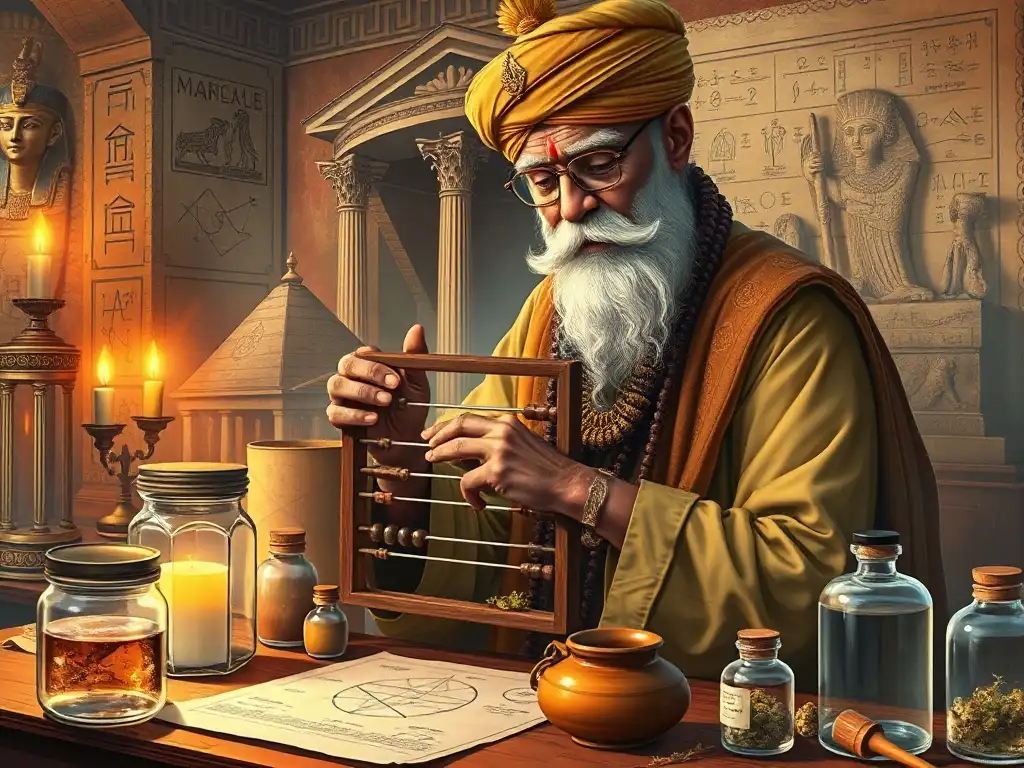
The mathematical principles applied in ancient Indian medicine reflect a unique blend of scientific rigor and holistic understanding. By comparing these practices with those of other civilizations, such as the Greeks and the Chinese, we gain insight into how mathematics shaped medical knowledge across different cultures. This comparison highlights both commonalities and distinct approaches, illustrating the diverse pathways through which ancient societies understood health and healing.
Similarities with Ancient Greek Medicine
Both ancient Indian and Greek medical traditions employed mathematics as a foundational tool for understanding human anatomy and health. The Greeks, particularly figures like Hippocrates and Galen, used measurements to describe the human body and its functions. Similarly, ancient Indian physicians, including those from the Ayurveda tradition, utilized mathematical concepts to create precise measurements for dosages and surgical procedures.
- Quantitative Analysis: Both cultures emphasized the importance of quantifying bodily fluids, such as blood and bile, and their balance in maintaining health. This reliance on measurement underscores a shared belief in the objective nature of health.
- Philosophical Foundations: The Greeks often integrated mathematics into their philosophical inquiries about nature and the cosmos, paralleling the Indian approach that linked mathematical concepts with spiritual and physical wellness.
- Hippocratic Corpus and Sushruta Samhita: The texts from both civilizations reflect an understanding of the importance of empirical observation. The Hippocratic Corpus details clinical observations, while the Sushruta Samhita incorporates mathematical principles in surgical techniques and anatomical descriptions.
Differences with Chinese Medical Practices
While there are similarities between ancient Indian and Chinese medical systems, their mathematical applications diverge significantly. Chinese medicine, rooted in concepts such as Qi (life force) and Yin-Yang, often relied more on qualitative assessments rather than quantitative measurements.
- Focus on Holistic Understanding: Chinese medicine emphasizes a holistic view of health, where balance and harmony are paramount. In contrast, ancient Indian medicine integrated mathematical precision into its holistic practices, allowing for more specific interventions.
- Diagnostic Techniques: Chinese practitioners often used pulse diagnosis and observational methods as primary diagnostic tools. In contrast, Indian medicine utilized measurements and calculations for determining dosages, thereby incorporating a more mathematical approach to treatment.
- Influence of Astronomy: Ancient Indian medicine was heavily influenced by astronomy, with calculations of planetary positions affecting treatment timings. This astronomical component is less pronounced in traditional Chinese medicine, which focused more on the seasonal and environmental factors influencing health.
Conclusion: The Legacy of Mathematics in Ancient Indian Medicine
The integration of mathematics into ancient Indian medicine has left a profound legacy that continues to influence contemporary medical practices. This mathematical approach not only enhanced the precision of medical treatments but also laid the groundwork for future scientific inquiry in medicine.
Lasting Impact on Modern Medicine
The principles of measurement and calculation found in ancient Indian medical texts have parallels in modern medical practices, particularly in fields such as pharmacology and surgery. The emphasis on exact dosages and careful observation of patient responses resonates in current medical protocols. Moreover, the historical contributions of Indian mathematicians, such as Aryabhata, have enriched global mathematical knowledge, further solidifying the link between mathematics and medicine.
Future Research Directions in Ancient Indian Medical Mathematics
As interest in ancient medical practices resurges, future research could expand our understanding of how mathematical concepts were integrated into ancient Indian medicine. Potential areas of exploration include:
- Interdisciplinary Studies: Collaborating with historians, mathematicians, and medical practitioners to uncover the full scope of mathematical applications in ancient texts.
- Comparative Analyses: Further comparative studies between ancient Indian medicine and other civilizations to better understand the broader context of mathematical usage in healing practices.
- Digital Humanities: Utilizing digital tools to analyze ancient manuscripts, which could reveal mathematical patterns and their implications for medical practices.
The mathematical foundations of ancient Indian medicine not only shaped its development but also offer valuable insights for future medical advancements.
References
The study of ancient Indian medicine, particularly its mathematical underpinnings, is supported by a wealth of texts and resources that delve into the methodologies, practices, and philosophies of the time. Below are notable references that provide insights into how mathematics influenced medical practices in ancient India.
Key Texts and Resources for Further Reading
-
Sushruta Samhita
This foundational text of Ayurvedic medicine, attributed to Sushruta, not only outlines surgical techniques but also incorporates mathematical principles in its descriptions of anatomical measurements and surgical procedures.
-
Charaka Samhita
Another pillar of Ayurvedic literature, the Charaka Samhita discusses the principles of diagnosis and treatment, often employing quantitative assessments to evaluate health conditions and treatment efficacy.
-
Bhagavata Purana
This ancient text includes references to celestial calculations that reflect the integration of astrology and medicine, showcasing how ancient Indian practitioners viewed the cosmos as influencing human health.
-
Aryabhatiya by Aryabhata
Aryabhata's work on mathematics and astronomy also touches on medical implications, particularly in timing for treatments and understanding seasonal diseases based on astronomical calculations.
-
The Mathematical Sciences in Ancient India: A Survey
This resource provides an overview of how mathematical concepts were applied across various fields, including medicine, emphasizing the interdisciplinary nature of ancient Indian scholarship.
Suggested Academic Journals and Articles on Ancient Indian Medicine and Mathematics
-
Indian Journal of History of Science
This journal publishes scholarly articles on the historical development of scientific disciplines in India, including studies focused on the intersection of mathematics and medicine.
-
Journal of Ayurveda and Integrative Medicine
An interdisciplinary journal that often features articles exploring the scientific basis of Ayurvedic practices, including the role of mathematics in treatment methodologies.
-
Studies in History of Medicine
This academic journal provides insights into the historical contexts of medical practices, including the mathematical principles that underlie traditional systems like Ayurveda.
-
Mathematics in India
This publication contains research articles that explore the evolution of mathematical thought in India, with occasional focus on its applications in medicine.
-
The Indian Medical Gazette
This journal offers historical perspectives on medical practices in India, including references to ancient texts that highlight the mathematical aspects of medical knowledge.
These references and journals serve as valuable resources for anyone interested in the intricate relationship between mathematics and ancient Indian medicine, showcasing how these two fields shaped each other throughout history.
- Introduction to Ancient Indian Medicine and Mathematics
- Overview of Ancient Indian Medicine
- Significance of Mathematics in Ancient Indian Sciences
- Historical Context of Mathematics in Ancient Indian Medicine
- Mathematical Techniques Used in Ancient Indian Medicine
- The Role of Astronomy in Ancient Indian Medicine
- Case Studies of Mathematics Applied in Ancient Indian Medicine
- The Scientific Approach of Ancient Indian Medicine
- Comparison of Ancient Indian Medicine Mathematics with Other Civilizations
- Conclusion: The Legacy of Mathematics in Ancient Indian Medicine
- References
- What role did mathematics play in ancient Indian medicine?
- How did ancient Indian civilizations contribute to mathematics?
- What are some key texts that combine mathematics and medicine in ancient India?
- How did the Gupta Empire influence the relationship between mathematics and medicine?
- Are there any modern applications of ancient Indian mathematical methods in medicine today?
Frequently Asked Questions
What role did mathematics play in ancient Indian medicine?
Mathematics was used in ancient Indian medicine for dosage calculations and understanding anatomy, which ensured precise treatment and effective remedies.
How did ancient Indian civilizations contribute to mathematics?
Ancient Indian civilizations introduced concepts such as the decimal system, zero, and advanced algebra, which were crucial for developing scientific methods in various fields, including medicine.
What are some key texts that combine mathematics and medicine in ancient India?
Key texts include the Sushruta Samhita and Charaka Samhita, which not only detail medical practices but also incorporate mathematical principles for calculations related to treatments.
How did the Gupta Empire influence the relationship between mathematics and medicine?
During the Gupta Empire, there was a significant advancement in scientific knowledge, which led to improved medical techniques and further integration of mathematics into medical practices.
Are there any modern applications of ancient Indian mathematical methods in medicine today?
Yes, modern medicine continues to utilize concepts from ancient Indian mathematics, particularly in fields like pharmacology, where precise calculations remain essential for effective treatment.
Final Reflection: The Timeless Intersection of Ancient Indian Medicine and Mathematics
The intricate relationship between mathematics and ancient Indian medicine remains profoundly relevant today. As we explore the scientific approaches of the past, we uncover a treasure trove of knowledge that not only shaped medical practices but also laid the groundwork for modern scientific inquiry. This connection reminds us that the wisdom of ancient civilizations can illuminate our contemporary understanding of health and wellness.
The influence of mathematics in ancient Indian medicine continues to resonate in our cultural and social landscapes. From the precise calculations in Ayurvedic treatments to the systematic methodologies that underpin holistic health practices, the legacy of these ancient scholars is evident in our ongoing pursuit of knowledge. As we reflect on this rich history, we are reminded of the words of the renowned mathematician and philosopher, Bhaskara II: Mathematics is the language of nature.
This sentiment underscores the enduring relevance of mathematical principles in understanding the complexities of life and health.
As we conclude, I invite you to reflect on the lessons drawn from the intersection of mathematics and ancient Indian medicine. Consider how these insights can inspire your own approach to health and well-being. Whether it's through embracing holistic practices or recognizing the importance of precision in our daily lives, let us carry forward the wisdom of the past into our future, fostering a deeper appreciation for the interconnectedness of knowledge across disciplines.
Uncover the Secrets of Ancient Indian Medicine!
Thank you for diving into the fascinating blend of mathematics and medicine in ancient India! You've enriched your understanding of how these two fields intertwine and how they can inspire modern practices. Now, it’s time to transform that knowledge into action!
Here are some steps for you to consider:
- Explore further by reading more about the influence of mathematical concepts on various ancient practices. Discover insightful articles on ancient cultures!
- Join the conversation! Share your thoughts and experiences with others interested in ancient medicine in our forum. Your insights could lead to new discoveries!
- Take a moment to experiment with some of the ancient techniques discussed and see how they can be integrated into your daily wellness routine!
What aspect of mathematics in ancient medicine intrigues you the most, and how could it inspire your own health practices today?