
How Ancient Indian Texts Documented Agricultural Techniques and Innovations

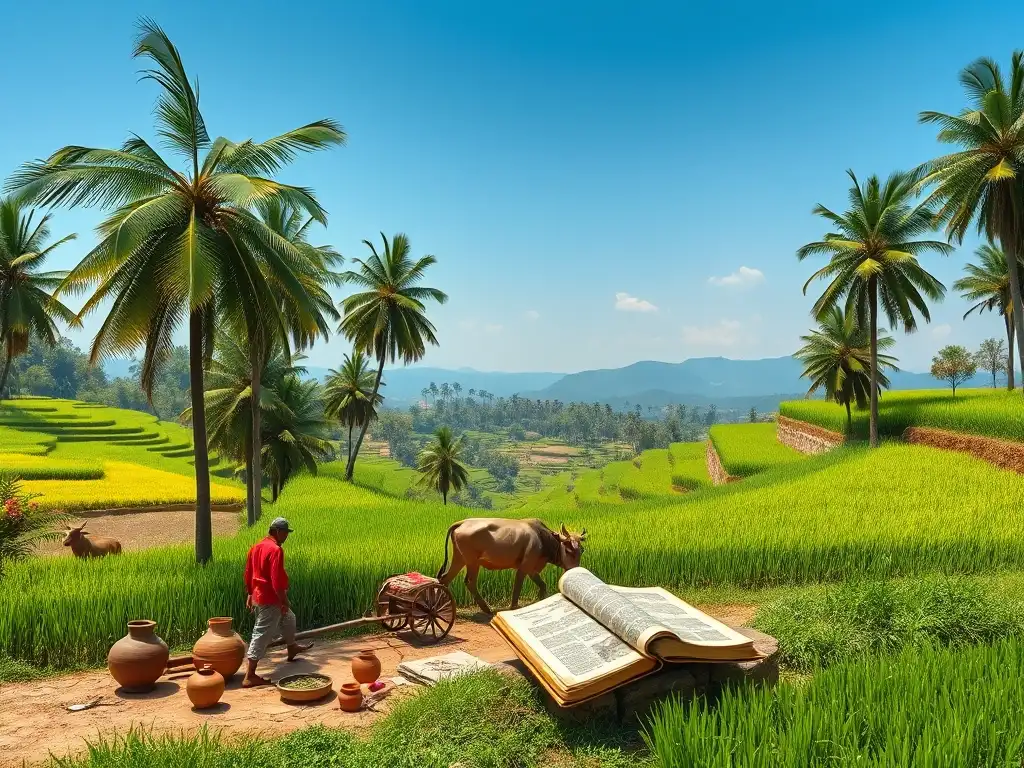
Welcome to Ancient India History, where we embark on a fascinating journey through time, exploring the rich and diverse tapestry of ancient Indian civilizations. In this article, we delve into the remarkable world of Ancient Indian agricultural techniques, uncovering how innovative practices were meticulously documented in ancient texts. What secrets did these civilizations hold that shaped their agricultural prowess?
Join us as we unravel the intricate connections between culture, technology, and sustainability, igniting your curiosity to explore the profound contributions of the past that continue to influence our modern world. Prepare to discover the groundbreaking innovations that have stood the test of time!
Introduction to Ancient Indian Agricultural Techniques
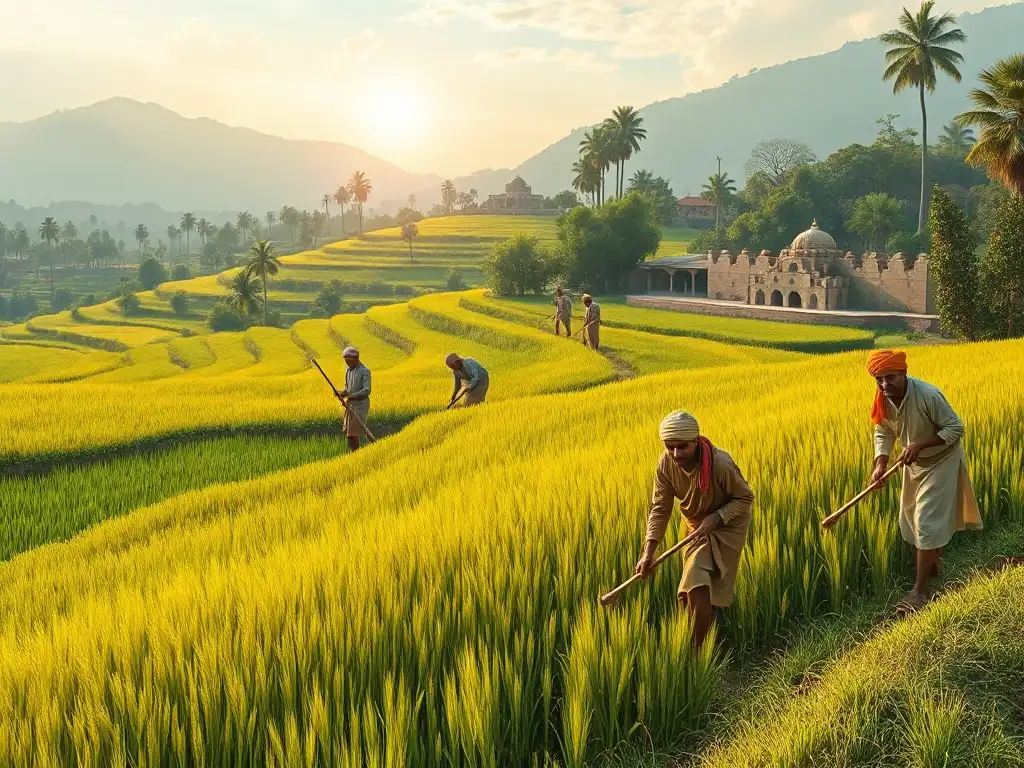
Farming has been the backbone of Indian civilization for millennia, shaping its economy, culture, and social structure. The ancient Indian texts serve as a treasure trove, documenting a variety of agricultural techniques and innovations that not only reflect the ingenuity of these early societies but also their deep connection to the land. From the sophisticated irrigation systems of the Indus Valley Civilization to the detailed agronomic practices outlined in Vedic literature, ancient Indian agriculture played a crucial role in sustaining populations and fostering economic growth.
By exploring these historical texts, we can gain insights into the agricultural practices that laid the foundation for modern techniques and innovations. This article delves into the rich tapestry of ancient Indian agricultural techniques, showcasing how these early methods have influenced contemporary practices.
Overview of Agriculture in Ancient India
Agriculture in ancient India was characterized by a diverse range of practices tailored to various climatic and geographical conditions. The use of tools and techniques evolved over time, reflecting the changing needs and innovations of society. Key aspects of ancient Indian agriculture included:
- Crop Diversity: Farmers cultivated a variety of crops such as rice, wheat, barley, pulses, and millets, depending on regional climates.
- Irrigation Techniques: Ancient Indians developed sophisticated irrigation systems, including canals and wells, to maximize agricultural output.
- Farming Tools: Implements such as the plow, sickle, and hoe were commonly used, showcasing advancements in agricultural technology.
- Crop Rotation and Fertility Management: Techniques such as crop rotation and the use of organic fertilizers were utilized to maintain soil fertility.
The profound knowledge embedded in ancient texts highlights the strategic thinking and adaptability of ancient Indian farmers.
Importance of Agricultural Innovations in Ancient Civilizations
Agricultural innovations in ancient civilizations were pivotal for several reasons:
- Economic Stability: Advances in farming techniques led to increased food production, supporting larger populations and fostering trade.
- Cultural Development: Surplus food allowed societies to develop arts, sciences, and philosophy, leading to rich cultural contributions.
- Social Structure: Agriculture shaped social hierarchies, with landowners and skilled farmers gaining prominence in society.
- Sustainability: Ancient practices often emphasized sustainability, ensuring that agricultural methods did not deplete natural resources.
These innovations were not merely practical; they were integral to the identity and growth of ancient Indian civilizations.
Historical Context of Agricultural Development
To appreciate the evolution of agricultural techniques in ancient India, it is essential to examine the historical contexts in which they developed. Each period brought unique advancements and challenges that shaped agricultural practices.
The Indus Valley Civilization: Pioneers of Agriculture
The Indus Valley Civilization (circa 3300–1300 BCE) is regarded as one of the earliest urban cultures, marked by remarkable agricultural advancements. Key features included:
- Urban Planning: Cities like Harappa and Mohenjo-Daro had well-planned layouts, with evidence of advanced drainage and irrigation systems.
- Crop Cultivation: Archaeological findings indicate that the civilization cultivated wheat, barley, and cotton, employing techniques that enhanced productivity.
- Trade Networks: Surplus crops facilitated trade with neighboring regions, contributing to the economy and cultural exchange.
The agricultural practices of the Indus Valley lay the groundwork for subsequent agricultural developments in India.
Vedic Period: Agricultural Practices and Texts
The Vedic period (circa 1500–500 BCE) marks a significant evolution in agricultural practices, as reflected in ancient texts such as the Rigveda and Atharvaveda. Important aspects include:
- Vedic Texts: These texts contain hymns and rituals that emphasize the significance of agriculture, showcasing its central role in society.
- Farming Techniques: References to various agricultural practices, seasonal cycles, and the importance of rain for crops illustrate a deep understanding of agricultural science.
- Community Involvement: Agriculture was often a communal activity, with rituals performed to ensure bountiful harvests.
The insights gained from Vedic literature underscore the spiritual and practical dimensions of agriculture in ancient Indian society.
The Maurya and Gupta Empires: Advancements in Farming Techniques
The Maurya (322–185 BCE) and Gupta (circa 320–550 CE) empires witnessed significant advancements in agricultural techniques, driven by political stability and innovation. Notable developments included:
- State Support: The central governments promoted agriculture through policies, infrastructure development, and support for farmers.
- Improved Tools: Innovations such as the iron plow significantly increased efficiency and productivity in farming.
- Agricultural Texts: Works like Kautilya's Arthashastra provided guidelines on land management, crop selection, and irrigation practices.
These empires not only advanced agricultural practices but also laid the foundation for future innovations in Indian agriculture.
Key Ancient Indian Texts on Agriculture
Ancient Indian civilization placed great emphasis on agriculture, which was fundamental to its economy and social structure. Several key texts document the agricultural techniques and innovations of the time, providing insights into the practices that shaped ancient Indian farming. These texts not only highlight the practical methods employed by farmers but also reflect the philosophical and cultural significance of agriculture in society. Notable among them are the Arthashastra, Rigveda, Manusmriti, and various treatises that collectively offer a rich tapestry of knowledge regarding ancient agricultural practices.
The Arthashastra: Agricultural Management and Economics
The Arthashastra, attributed to the ancient scholar Kautilya (Chanakya), is a comprehensive treatise on statecraft, economics, and military strategies that also covers agricultural management extensively. Written in the 4th century BCE, this text emphasizes the importance of agriculture as the backbone of the economy. Kautilya discusses various aspects of agricultural management, including:
- Land Revenue: The text outlines methods for assessing land productivity and determining appropriate taxation based on yield.
- Crop Diversification: Kautilya advocates for planting multiple crops to mitigate risks associated with crop failure.
- Market Regulation: The Arthashastra suggests establishing market controls to ensure fair pricing of agricultural goods, benefiting both farmers and consumers.
By documenting these agricultural strategies, the Arthashastra provides a glimpse into the sophisticated economic planning of ancient India, underlining the vital role of agriculture in sustaining the state.
The Rigveda: Agricultural Rituals and Practices
The Rigveda, one of the oldest religious texts in the world, offers insights into the spiritual and ritualistic aspects of agriculture in ancient India. Composed around 1500 BCE, it consists of hymns that invoke blessings for agricultural prosperity. Key themes include:
- Rituals for Fertility: The Rigveda features numerous hymns dedicated to deities like Prithvi (Earth) and Indra, seeking their favor for bountiful harvests.
- Seasonal Celebrations: The text highlights festivals that correspond with agricultural cycles, emphasizing the community's reliance on the changing seasons for farming.
- Sacrificial Offerings: Ritual sacrifices and offerings were made to ensure good rains and healthy crops, reflecting the deep connection between spirituality and agriculture.
Through these rituals and practices, the Rigveda illustrates how ancient Indians viewed agriculture not merely as a means of sustenance but as an integral part of their cultural and religious life.
Treatises on Agriculture: Manusmriti and Other Texts
The Manusmriti, an ancient legal text, provides guidelines on various aspects of life, including agriculture. Written around 200 BCE to 200 CE, it addresses the roles and responsibilities of individuals involved in farming. Key points include:
- Social Order in Agriculture: The Manusmriti outlines the duties of farmers, landowners, and laborers, emphasizing a structured approach to agricultural work.
- Rights and Duties: It discusses the rights of farmers to retain a portion of their produce while ensuring they fulfill obligations to the land and society.
- Sustainable Practices: The text advocates for sustainable land use, recognizing the importance of maintaining soil fertility and addressing environmental concerns.
Additionally, other agricultural treatises from various periods further elaborate on specific farming techniques, pest management, and crop selection, contributing to a comprehensive understanding of ancient agricultural practices.
Innovations in Ancient Indian Agricultural Techniques
The ingenuity of ancient Indian civilizations in developing agricultural techniques was instrumental in enhancing productivity and sustainability. These innovations reflect a deep understanding of the environment and the need for efficient farming practices. Key innovations include crop rotation, advanced irrigation methods, and effective soil management strategies.
Crop Rotation and Sustainable Practices
Ancient Indian farmers practiced crop rotation, a technique that involves alternating the types of crops grown on a particular piece of land. This method provided several benefits:
- Soil Fertility: By rotating crops, farmers could manage soil nutrients better, preventing depletion and promoting biodiversity.
- Pest Control: Different crops attracted different pests, thus interrupting the life cycles of harmful insects and reducing infestations.
- Increased Yields: This practice allowed for multiple harvests each year, significantly enhancing food production and supporting growing populations.
The use of crop rotation in ancient India illustrates a sophisticated understanding of ecological balance, contributing to sustainable agricultural practices that are still relevant today.
Irrigation Techniques: Wells, Canals, and Rainwater Harvesting
Ancient Indian civilizations excelled in developing various irrigation techniques to support agriculture, particularly in regions with unpredictable rainfall. Key methods included:
- Wells: Construction of deep wells allowed farmers access to groundwater, ensuring a reliable water supply for crops.
- Canals: The creation of canal systems facilitated the distribution of water from rivers to farmlands, improving irrigation efficiency.
- Rainwater Harvesting: Techniques to collect and store rainwater were employed, particularly in arid regions, to maximize water use during dry spells.
These innovative irrigation methods not only increased agricultural productivity but also showcased the advanced engineering skills of ancient Indian civilizations.
The Use of Fertilizers and Soil Management
Ancient Indian agricultural practices also included the effective use of fertilizers and soil management techniques. Farmers utilized organic materials such as:
- Animal Manure: It was commonly used to enrich soil and improve its fertility, promoting healthy crop growth.
- Green Manures: Cultivating specific plants that could be plowed back into the soil enhanced nutrient content and soil structure.
- Composting: The practice of composting organic waste allowed for the recycling of nutrients, reducing the need for chemical fertilizers.
These methods reflect a deep understanding of soil health and the importance of maintaining a balanced ecosystem, ensuring the longevity and sustainability of agricultural practices in ancient India.
Tools and Implements in Ancient Indian Agriculture
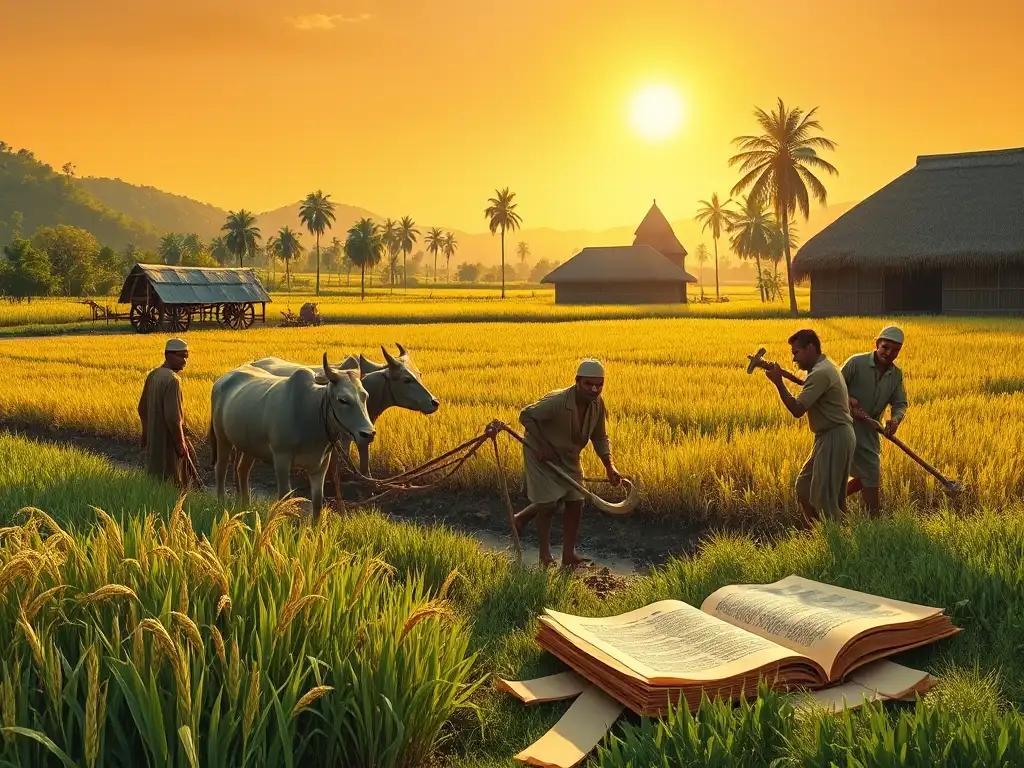
Agricultural practices in ancient India were deeply intertwined with the tools and implements used by farmers. These tools not only facilitated the cultivation of crops but also reflected the technological advancements of the society. Ancient texts, such as the Arthashastra and various agricultural manuals, document the range of implements utilized, showcasing the ingenuity of ancient Indian civilizations in enhancing agricultural productivity.
Farmers relied heavily on hand tools that were specifically designed for various tasks, including sowing, harvesting, and preparing soil. The evolution of these tools is a testament to the adaptive nature of agricultural practices in response to geographical and climatic conditions.
Traditional Farming Tools: Plows and Sickles
Among the most significant traditional farming tools were the plow and the sickle. The plow, often made of wood and sometimes reinforced with metal, was essential for tilling the soil. Different types of plows were developed, such as the ardha and the desi plow, tailored to the diverse terrains of the Indian subcontinent.
The sickle, with its curved blade, was crucial for harvesting grains like rice and wheat. Its design allowed for efficient cutting while minimizing damage to the crops, thereby maximizing yield. Ancient texts reveal that the sickle was often made from materials like iron or bronze, showcasing the importance of metallurgy in agriculture.
Innovations in Tools: The Role of Metallurgy
Metallurgy played a pivotal role in enhancing agricultural tools and implements in ancient India. The introduction of metalworking techniques transformed traditional wooden tools into more durable and efficient implements. For instance, the use of iron plows significantly improved tilling efficiency, allowing farmers to cultivate larger areas of land.
Innovations in metallurgy also led to the creation of sharper and more resilient sickles, which facilitated quicker harvesting. The availability of metal tools highlighted the technological advancements of the time and contributed to increased agricultural productivity. Ancient texts document these innovations, emphasizing the connection between metallurgy and agricultural efficiency.
Impact of Agricultural Techniques on Society
The agricultural techniques developed and documented in ancient India had profound effects on society, influencing various aspects of daily life, economy, and culture. The advancements in agricultural practices directly shaped the social structure and economic stability of ancient Indian civilizations.
Influence on Economic Growth and Trade
Agricultural innovations significantly contributed to economic growth in ancient India. Increased crop yields allowed for surplus production, which in turn facilitated trade. Ancient texts indicate that trade routes flourished due to the exchange of agricultural products, leading to the establishment of vibrant market systems.
This surplus not only supported local economies but also enabled the growth of cities and urban centers, as populations concentrated in areas conducive to agriculture. The ability to trade surplus crops with neighboring regions fostered inter-regional relationships, further enhancing economic prosperity.
Agricultural Innovations and Population Growth
The efficiency of agricultural techniques documented in ancient texts also played a crucial role in population growth. As farming methods improved and crop yields increased, food security became more stable. This stability allowed communities to thrive and expand, leading to significant population growth.
Higher population densities often resulted in the formation of complex societies, characterized by specialized roles and enhanced cultural interactions. The ability to sustain larger populations through effective agricultural practices laid the foundation for the development of advanced civilizations in ancient India.
Cultural Significance of Agriculture in Ancient Indian Society
Agriculture held immense cultural significance in ancient Indian society, influencing religious practices, festivals, and social customs. Many ancient texts, including the Vedas, emphasize the sacredness of the land and the importance of agricultural rituals, reflecting the deep connection between agriculture and spirituality.
Festivals such as Pongal and Makar Sankranti celebrated the harvest and showcased the cultural reverence for agrarian life. These celebrations highlighted the role of agriculture not just as a means of sustenance but as an integral part of societal identity. The documentation of agricultural practices in ancient texts serves as a reminder of how deeply intertwined agriculture was with the cultural and spiritual fabric of ancient Indian civilization.
Legacy of Ancient Indian Agricultural Techniques
The legacy of ancient Indian agricultural techniques is profound, influencing not only the agricultural practices of the Indian subcontinent but also extending its impact globally. Ancient texts, such as the Arthashastra by Kautilya and the Krishi Sutra, provide invaluable insights into farming methods, irrigation practices, and crop management strategies employed during various periods. These writings highlight the sophisticated understanding of agronomy that existed in ancient India, emphasizing the importance of seasonal cycles, soil health, and crop rotation.
Additionally, the concepts of organic farming and sustainable agriculture can be traced back to these ancient practices. Techniques such as the use of cow dung as fertilizer and the adoption of multiple cropping systems exemplify a deep-rooted respect for nature and ecological balance. This holistic approach not only ensured food security but also preserved the environment, reflecting a deep understanding of the interconnectedness of agriculture and sustainability.
Continuity and Evolution of Practices Over Centuries
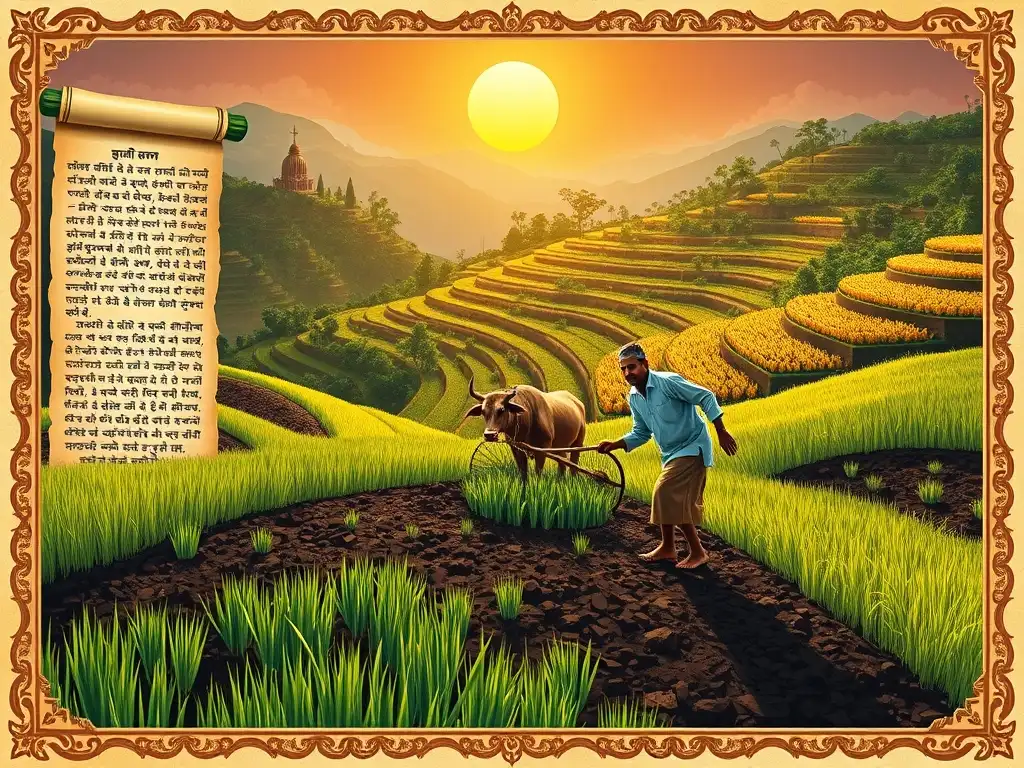
The continuity of agricultural practices in India showcases a remarkable blend of tradition and innovation. Throughout history, ancient texts documented various techniques that evolved over time while adapting to changing climatic and social conditions. For instance, the introduction of new crops from trade routes, such as rice and sugarcane, necessitated adjustments in farming methods, which were systematically recorded in agricultural treatises.
Moreover, the agrarian practices of ancient India were often region-specific, shaped by local geography, climate, and culture. This regional diversity ensured that agricultural techniques remained relevant and effective over centuries. The documentation in ancient texts served as a guide for subsequent generations, allowing for the preservation and refinement of these practices. As a result, many traditional techniques, such as intercropping and agroforestry, continue to be utilized in modern farming, demonstrating their enduring significance.
Relevance of Ancient Techniques in Modern Agriculture
The relevance of ancient agricultural techniques in contemporary farming cannot be overstated. With the growing concerns over chemical fertilizers and pesticides, many modern farmers are looking back to traditional methods that promote soil health and biodiversity. Techniques such as organic farming, crop rotation, and the use of natural pest repellents are gaining traction as sustainable alternatives.
Furthermore, ancient texts provide insights into water management practices that are particularly relevant in the context of climate change and water scarcity. Methods such as rainwater harvesting and the construction of check dams, which were extensively documented in ancient scriptures, are being revived to enhance water conservation in agriculture today.
The integration of ancient wisdom with modern technology can lead to a more sustainable agricultural future, where the lessons of the past inform innovative solutions for today’s challenges.
Conclusion
Summary of Key Points on Ancient Indian Agricultural Techniques
Ancient Indian agricultural techniques are characterized by their complexity, sustainability, and adaptability. The extensive documentation found in texts such as the Arthashastra and Krishi Sutra highlights the sophisticated understanding of agrarian practices that ancient Indians possessed. Techniques developed during this era laid the foundation for modern agricultural practices, showcasing continuity and evolution over centuries.
The relevance of these ancient methods in today’s agricultural landscape emphasizes the importance of integrating traditional knowledge with modern innovations to address contemporary challenges, such as food security and environmental sustainability.
The Importance of Understanding Ancient Innovations for Modern Agriculture
Understanding ancient agricultural innovations is crucial for modern agriculture as it provides valuable lessons in sustainability and resilience. As farmers face the dual pressures of climate change and the need for increased food production, revisiting these time-tested practices can lead to viable solutions.
Ancient techniques not only promote ecological balance but also enhance the quality of produce. By embracing the wisdom of our ancestors, modern agriculture can foster a more sustainable, ethical, and productive farming landscape that honors the legacy of ancient Indian agricultural practices. This understanding can serve as a guide for developing agricultural policies that are environmentally friendly and economically viable, ensuring a harmonious relationship between agriculture and nature.
- Introduction to Ancient Indian Agricultural Techniques
- Historical Context of Agricultural Development
- Key Ancient Indian Texts on Agriculture
- Innovations in Ancient Indian Agricultural Techniques
- Tools and Implements in Ancient Indian Agriculture
- Impact of Agricultural Techniques on Society
- Legacy of Ancient Indian Agricultural Techniques
- Continuity and Evolution of Practices Over Centuries
- Relevance of Ancient Techniques in Modern Agriculture
- Conclusion
- What are some key ancient Indian agricultural techniques mentioned in texts?
- How did ancient Indian civilizations contribute to agriculture?
- What role did climate play in ancient Indian agriculture?
- Were there any crops uniquely developed in ancient India?
- How did ancient Indian agricultural practices influence modern farming?
Frequently Asked Questions
What are some key ancient Indian agricultural techniques mentioned in texts?
Ancient texts like the Artha Shastra and Manasollasa detail various techniques such as crop rotation, irrigation systems, and the use of organic fertilizers to enhance productivity.
How did ancient Indian civilizations contribute to agriculture?
They developed innovative farming methods and tools, such as the plow, which improved land cultivation. Their agricultural practices significantly influenced food production and sustainability.
What role did climate play in ancient Indian agriculture?
The monsoon climate was crucial as it determined the growing seasons and types of crops cultivated. Texts emphasize the importance of understanding seasonal changes for effective farming.
Were there any crops uniquely developed in ancient India?
Yes, ancient Indian civilizations cultivated a variety of crops, including rice, wheat, and millets. These staples were documented in texts, showcasing their importance in sustaining the population.
How did ancient Indian agricultural practices influence modern farming?
Many principles outlined in ancient texts, such as sustainable practices and crop diversification, continue to be relevant today, influencing modern agricultural techniques and organic farming methods.
Final Reflection: The Enduring Legacy of Ancient Indian Agricultural Techniques
The exploration of ancient Indian agricultural techniques reveals not only a rich history of innovation but also a profound connection to contemporary practices. In an era where sustainable farming is paramount, understanding the wisdom embedded in these texts can guide us toward more resilient agricultural systems. The ingenuity of our ancestors in adapting to their environment and optimizing crop yields is a testament to their foresight and adaptability, reminding us that the past holds valuable lessons for the future.
Cultural and social landscapes have been significantly shaped by these ancient practices, which continue to influence modern agriculture and food security. The principles of crop rotation, irrigation methods, and soil management documented in ancient texts are not merely relics of history; they are foundational to sustainable practices today. The past is not dead; it is not even past.
– William Faulkner. This quote resonates deeply as we recognize that the agricultural techniques of ancient India are woven into the fabric of our current food systems, emphasizing the importance of learning from history to address contemporary challenges.
As we reflect on the insights gained from ancient Indian agricultural techniques, I invite you to consider how these lessons can be applied in your own life. Take a moment to think about the ways you can incorporate sustainable practices into your daily routines, whether in your garden, kitchen, or community. By honoring the wisdom of our ancestors and embracing innovative approaches, we can cultivate a future that respects our environment and nurtures the generations to come. Let us carry forward the legacy of ancient agricultural wisdom, ensuring that it continues to thrive in our modern world.
Unveil the Treasures of Ancient Agricultural Wisdom!
Thank you for diving into the fascinating world of ancient Indian agricultural techniques! You've uncovered invaluable insights into how early civilizations thrived through innovation and sustainability. Now, it’s time to take the next step and connect with this rich heritage.
Here’s how you can engage further and explore the wonders of ancient agriculture:
- Explore Local Traditions: Visit a nearby farm or agricultural exhibition that highlights traditional farming methods. Experience the practices that have shaped modern agriculture!
- Share Your Knowledge: Discuss what you’ve learned with friends and family. Consider organizing a discussion group or sharing this article on social media to inspire others!
- Practice Modern Techniques: Incorporate ancient wisdom into your gardening! Try methods such as crop rotation or companion planting and document your results.
How will you integrate the wisdom of ancient agricultural practices into your daily life?