
The Ingenious Irrigation Systems of Ancient India: A Deep Dive into Agricultural Innovations


Welcome to Ancient India History, where we embark on a fascinating journey through the rich tapestry of India's past. In this exploration, we delve into the ingenious irrigation systems of ancient India, a testament to the remarkable agricultural innovations that shaped civilizations from the Indus Valley to the Gupta Empire. Prepare to uncover the ingenuity that transformed arid landscapes into fertile grounds, fueling prosperity and culture. Join us as we navigate through the intricacies of these ancient technologies, and discover how they continue to influence modern practices. Your adventure into the depths of history begins now!
Introduction to Ancient Indian Irrigation Systems
The ancient Indian civilization is revered not only for its philosophical contributions and artistic achievements but also for its remarkable advancements in agricultural technology. Among these advancements, the ancient Indian irrigation systems stand out as a testament to the ingenuity and foresight of early Indian societies. These intricate systems were designed to harness water from rivers, lakes, and other natural sources, ensuring a reliable supply of water to sustain agriculture, which was the backbone of the economy.
From the sophisticated canal systems of the Indus Valley Civilization to the elaborate tanks and wells of the later periods, ancient Indian irrigation infrastructure played a pivotal role in transforming arid landscapes into fertile agricultural lands. This article will delve into the various irrigation methods employed throughout ancient India, highlighting their significance and impact on agricultural productivity, ultimately shaping the very foundation of Indian society.
Importance of Irrigation in Ancient Indian Agriculture
Irrigation was vital for agricultural success in ancient India, primarily due to the region's varied climatic conditions and seasonal monsoons. The reliance on rain-fed agriculture posed significant challenges, as erratic rainfall could lead to droughts or floods, threatening crop yields.
Key reasons for the importance of irrigation include:
- Enhanced Crop Production: The introduction of irrigation allowed for the cultivation of a wider variety of crops, including staples such as rice, wheat, and pulses, thereby increasing food security.
- Sustainable Farming Practices: With consistent water supply, farmers could practice multiple cropping cycles, optimizing land use and enhancing soil fertility through crop rotation.
- Economic Stability: The ability to produce surplus crops fostered trade and commerce, contributing to the economic prosperity of various ancient Indian kingdoms.
Overview of Agricultural Innovations in Ancient India
Ancient India was a hotbed of agricultural innovations that revolutionized farming practices. These innovations were not limited to irrigation alone; they encompassed various techniques and tools that improved productivity and efficiency.
Some notable innovations include:
- Water Harvesting Techniques: Ancient Indians developed methods to capture and store rainwater, such as step wells, tanks, and reservoirs, which played a crucial role in managing water resources.
- Canal Systems: The Indus Valley Civilization is known for its advanced canal systems, which facilitated the transportation of water over long distances, significantly benefiting agriculture.
- Crop Diversification: Farmers practiced the cultivation of diverse crops, including cotton and spices, which not only ensured dietary variety but also boosted trade with other regions.
The ingenuity behind ancient Indian irrigation systems and agricultural innovations laid the groundwork for a thriving civilization that not only adapted to its environment but also flourished through its agricultural prowess. The exploration of these systems reveals the profound understanding that ancient Indians had of their natural resources and their ability to manipulate them for sustenance and growth.
- Introduction to Ancient Indian Irrigation Systems
- Importance of Irrigation in Ancient Indian Agriculture
- Overview of Agricultural Innovations in Ancient India
- What were the primary irrigation systems used in ancient India?
- How did irrigation contribute to agricultural productivity in ancient India?
- What impact did irrigation systems have on ancient Indian society?
- Were there any notable ancient Indian civilizations known for their irrigation techniques?
- How do ancient Indian irrigation systems compare to modern practices?
The Historical Context of Irrigation in Ancient India

The Indus Valley Civilization and Early Irrigation Practices
The Indus Valley Civilization, flourishing around 2500 BCE, is often heralded as one of the cradles of ancient Indian irrigation systems. The cities of Harappa and Mohenjo-Daro were marvels of urban planning, showcasing advanced drainage systems and water management techniques. Archaeological evidence indicates that the inhabitants employed a variety of irrigation methods to support their agriculture, which primarily included wheat, barley, and cotton.
- Canals and Reservoirs: The use of canals was prevalent, allowing for the diversion of river waters to fields. These canals were meticulously designed, with some even featuring sluice gates to control water flow. The construction of large reservoirs indicates a sophisticated understanding of water storage and management.
- Well Systems: The presence of numerous wells throughout the Indus Valley suggests the importance of groundwater extraction. These wells, often lined with bricks, provided a reliable source of water for both drinking and irrigation.
The intricate irrigation systems of this civilization highlight their ability to adapt to the environment, showcasing an early understanding of sustainable agricultural practices that would influence subsequent cultures in the region.
Agricultural Techniques During the Vedic Period
The Vedic period, approximately 1500 to 500 BCE, marked a significant evolution in agricultural techniques, including the development of ancient Indian irrigation systems. This era was characterized by the transition from a primarily pastoral society to one with a greater emphasis on settled agriculture.
- Introduction of Plough: The Vedic texts reference the use of the plough, which revolutionized farming techniques. This agricultural tool allowed for more efficient tilling of the land, leading to higher crop yields.
- Systematic Irrigation: During this period, irrigation practices became more systematic. The use of seasonal flooding from rivers like the Sarasvati was harnessed to irrigate fields, particularly for crops such as rice and pulses.
- Crop Rotation and Mixed Farming: The Vedic farmers began to implement crop rotation and mixed farming techniques, which improved soil fertility and ensured a more stable food supply. This diversification benefited from the irrigation systems, as farmers could manage water resources to suit different types of crops.
The agricultural innovations of the Vedic period laid the groundwork for future advancements in irrigation and farming practices, demonstrating an increasing understanding of the relationship between water management and agricultural productivity.
Innovations in Irrigation During the Maurya Empire
The Maurya Empire (322–185 BCE) marked a pinnacle of agricultural innovation and the development of ancient Indian irrigation systems. Under the reign of Chandragupta Maurya and his grandson Ashoka, the empire witnessed significant advancements in irrigation technology.
- Construction of Dams and Embankments: The Mauryan rulers undertook large-scale projects to construct dams and embankments along rivers, allowing for better control of water flow. These structures enabled the storage of water during the monsoon season for use during drier months.
- Canal Networks: A notable feature of this era was the expansion of canal networks, which facilitated irrigation across vast areas of agricultural land. Scholars suggest that these canals were engineered with great precision, allowing for the effective distribution of water to various fields.
- Water Harvesting Techniques: The Maurya period also saw the implementation of water harvesting techniques that allowed for the collection and storage of rainwater. These innovations were crucial for sustaining agriculture in regions where rainfall was unpredictable.
The irrigation systems developed during the Maurya Empire not only supported agricultural abundance but also promoted trade and economic growth. This emphasis on agricultural innovation played a vital role in the empire's prosperity and set a precedent for future civilizations in India.
Key Features of Ancient Indian Irrigation Systems

Ancient Indian irrigation systems were characterized by their ingenuity and adaptability, reflecting the diverse climatic and geographical conditions across the subcontinent. These systems played a crucial role in agricultural productivity, enabling civilizations to thrive even in arid regions. The following key features highlight the sophistication of ancient Indian irrigation practices:
- Sustainable Practices: Many irrigation systems were designed with sustainability in mind, ensuring that water resources were conserved and utilized efficiently.
- Cultural Integration: Irrigation methods were often integrated into local customs and agricultural practices, showcasing a deep understanding of the land and its needs.
- Technological Innovation: The use of advanced techniques for water management, including the construction of elaborate networks of canals and reservoirs, underscored the technological prowess of ancient Indian societies.
Types of Irrigation Systems Used in Ancient India
Ancient India boasted a variety of irrigation systems tailored to its diverse landscapes, each with unique methodologies and benefits.
Surface Irrigation Techniques
Surface irrigation was among the most prevalent methods in ancient India, where water was distributed over the soil surface. This technique involved several sub-methods:
- Furrow Irrigation: Water was channeled through furrows between crop rows, allowing effective moisture distribution while minimizing water wastage.
- Basin Irrigation: This method involved creating basins around plants to retain water, particularly effective for paddy cultivation in regions with sufficient water supply.
- Flood Irrigation: In regions with abundant water, such as riverbanks, entire fields could be flooded, relying on gravity to distribute water.
These surface techniques were not only efficient but also aligned with the natural topography, ensuring that crops received adequate water without excessive runoff.
Subsurface Irrigation Methods
Subsurface irrigation, though less common, was an innovative approach that involved delivering water below the soil surface to reduce evaporation and improve water use efficiency. Key aspects included:
- Moisture Retention: Subsurface systems helped maintain soil moisture levels, promoting healthy crop growth even during dry spells.
- Drip Systems: Early forms of drip irrigation utilized clay pots placed underground to release water slowly, a method still appreciated for its efficiency.
- Wells and Tube Wells: Ancient civilizations constructed wells to access groundwater, which was then distributed using simple pumps or manually.
These methods demonstrated an advanced understanding of hydrology and soil science, allowing for more controlled irrigation.
Rainwater Harvesting Systems
Rainwater harvesting was a critical component of ancient Indian irrigation, particularly in regions with erratic rainfall. This system involved:
- Catchment Areas: Ingeniously designed catchment areas were established to collect rainwater, which was then diverted into storage systems.
- Check Dams: Small check dams were built across streams and rivers to slow down water flow and enhance groundwater recharge.
- Percolation Pits: These pits allowed rainwater to soak into the ground, replenishing aquifers and improving soil moisture for crops.
The integration of rainwater harvesting showcased a holistic approach to water management that has gained renewed interest in modern agricultural practices.
Materials and Tools for Irrigation
The construction and maintenance of ancient irrigation systems relied on locally sourced materials and tools, reflecting the resourcefulness of ancient Indian engineers and farmers.
Use of Earthen Channels and Ditches
Earthen channels and ditches formed the backbone of many irrigation systems, serving various purposes:
- Canal Systems: Extensive canal networks were dug out to transport water from rivers to fields, often lined with clay to minimize seepage.
- Field Ditches: Smaller ditches were created within fields to direct water flow, ensuring uniform distribution across crops.
- Maintenance: Regular maintenance of these channels was essential, with communities often involved in desilting and repairing them to enhance efficiency.
These earthen structures demonstrated the ability of ancient civilizations to manipulate their environment effectively.
Construction of Reservoirs and Tanks
Reservoirs and tanks were vital in storing water for dry seasons, showcasing advanced engineering skills:
- Stepwells: Ingeniously designed stepwells offered access to groundwater, with steps leading down to the water level, ensuring a reliable supply.
- Storage Tanks: Large tanks were constructed to collect runoff or diverted river water, providing a buffer against drought.
- Cultural Significance: Many tanks and reservoirs held cultural importance, often associated with local festivals and rituals, highlighting their role beyond mere irrigation.
The construction of these structures not only improved agricultural productivity but also fostered community cohesion and cultural identity.
Major Ancient Indian Irrigation Projects

The Dholavira Water Conservation System
The Dholavira Water Conservation System, located in the arid region of present-day Gujarat, is a remarkable testament to the ingenuity of ancient Indian irrigation systems. Dating back to approximately 3000 BCE, this system was developed by the Harappan civilization and showcases advanced engineering techniques aimed at maximizing water storage and management in a challenging environment.
- Reservoirs and Water Storage: The Dholavira site features a sophisticated network of reservoirs that were carved out of rock, strategically designed to collect and store rainwater. These reservoirs could hold up to 100,000 cubic meters of water, allowing for efficient use throughout the dry season.
- Water Channels: Ingenious channel systems were constructed to direct rainwater from the surrounding hills into the reservoirs. These channels utilized the natural slope of the land to facilitate the flow of water, minimizing evaporation and maximizing collection.
- Water Distribution: From the reservoirs, water was distributed to various agricultural fields through a series of smaller, interconnected channels. This not only ensured the efficient use of water but also supported diverse crops, thus enhancing agricultural productivity.
The Dholavira Water Conservation System exemplifies how ancient Indian irrigation systems were not merely functional but were also designed with an understanding of environmental sustainability and resource management.
The Stepwell Innovations in Rajasthan
Rajasthan is renowned for its stepwells, which are unique architectural marvels that served both utilitarian and social purposes. These structures are characterized by their deep, water-filled wells surrounded by steps leading down to the water level. The stepwells were critical in managing water resources in the arid landscape of Rajasthan.
- Architectural Design: The design of stepwells incorporates intricate carvings and motifs, reflecting the cultural significance of water in society. The steps allowed easy access to water, making it a communal resource for both drinking and agricultural needs.
- Rainwater Harvesting: Many stepwells were ingeniously designed to capture and store rainwater. During the monsoon season, runoff water would flow into the stepwell, ensuring a steady supply of water throughout the year.
- Social and Cultural Significance: Stepwells served as social hubs where communities gathered, celebrated festivals, and conducted religious rituals. This dual purpose highlights the integral role that water played in the daily lives of ancient Indians.
The stepwell innovations of Rajasthan illustrate the sophisticated understanding of hydrology and community planning in ancient Indian irrigation systems.
The Tank System of South India
The tank system of South India, particularly prominent in states like Tamil Nadu and Karnataka, represents another significant aspect of ancient Indian irrigation systems. These tanks, or artificial lakes, were constructed to store rainwater and regulate water supply for agricultural land.
- Construction Techniques: The tanks were built using local materials and were often lined with clay to prevent water seepage. Some tanks were large enough to hold millions of liters of water, showcasing the engineering prowess of ancient builders.
- Integrated Water Management: The tank system operated on a principle of interconnectedness, where multiple tanks were linked through a series of channels. This allowed for the sharing of water resources among various villages and ensured that surplus water from one tank could benefit others.
- Biodiversity and Ecosystem Support: These tanks were not only vital for irrigation but also supported local ecosystems. They provided habitats for various species, including fish and birds, thus enhancing biodiversity while simultaneously serving agricultural needs.
The tank system of South India is a prime example of how ancient Indian irrigation systems were designed to harmonize human needs with environmental sustainability, reflecting a deep-rooted understanding of ecological balance.
The Role of Ancient Indian Society in Irrigation Development
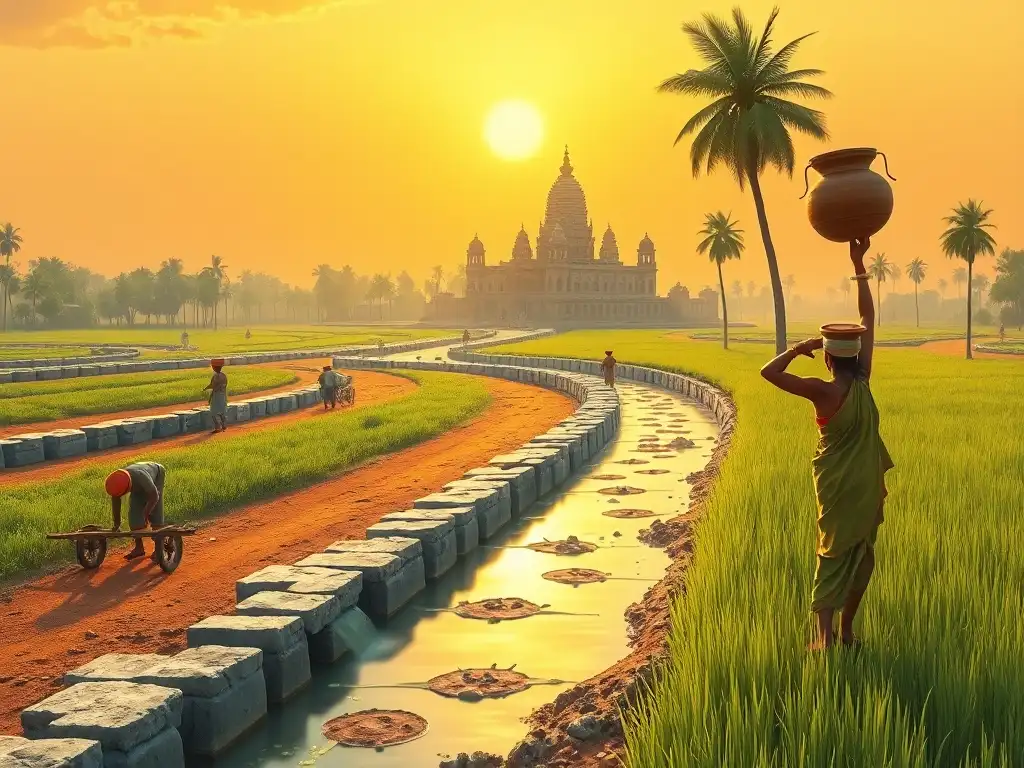
The development of ancient Indian irrigation systems was deeply intertwined with the social structure and communal activities of the time. The early civilizations of India recognized the necessity of water management for agricultural productivity, leading to the establishment of various irrigation techniques that played a crucial role in their social and economic structures.
Community Involvement in Building Irrigation Systems
The construction and maintenance of irrigation systems were typically community-driven efforts. Villagers collaborated to build canals, dikes, and reservoirs, sharing labor and resources to enhance their agricultural output. This cooperation not only fostered a sense of community but also encouraged the exchange of knowledge and skills related to irrigation.
- Collective Efforts: Local farmers would come together to plan and execute irrigation projects, pooling their labor to build extensive networks of canals that transported water from rivers to fields.
- Water Distribution: The communal nature of these projects often resulted in local systems of water distribution, where community leaders or elders would oversee the fair allocation of water resources to ensure that all farmers had access.
- Maintenance Practices: Regular maintenance was essential to keep these systems functional. Community members would engage in seasonal clean-ups and repairs, ensuring that the irrigation infrastructure remained efficient.
The success of these ancient Indian irrigation systems was largely due to this collective effort, exemplifying how community involvement was pivotal in the development of agricultural innovations.
The Influence of Religion and Culture on Irrigation Practices
Religion and culture played significant roles in shaping the irrigation practices of ancient India. The reverence for water and the divine aspects associated with it influenced the design and implementation of irrigation systems.
- Sacred Rivers: Rivers like the Ganges and Indus were considered sacred, and their management often involved rituals and traditions that honored these water sources. This spiritual connection encouraged communities to care for their irrigation systems as a form of respect for the divine.
- Cultural Festivals: Seasonal festivals related to agriculture often included rituals that celebrated the arrival of monsoon rains. These cultural practices not only reinforced community bonds but also emphasized the importance of water for fertility and harvest.
- Temple Complexes: Many ancient temples were constructed near water bodies or contained their own reservoirs, highlighting the integration of irrigation with religious practices. These sites often served as focal points for the community’s agricultural activities, further intertwining faith with the management of water resources.
The interplay between irrigation practices and cultural beliefs in ancient India illustrates how social values and agricultural innovations were closely linked, and the ancient Indian irrigation systems were not merely technical achievements but also reflections of the society's cultural and religious ethos.
Legacy and Influence of Ancient Indian Irrigation Systems

The ancient Indian irrigation systems were not only marvels of engineering but also pivotal in shaping agricultural practices that continue to influence modern India. From the sophisticated water management techniques of the Indus Valley Civilization to the advanced systems of the Gupta Empire, these innovations laid the groundwork for sustainable agriculture in arid and semi-arid regions.
Impact on Modern Agricultural Practices in India
The legacy of these ancient irrigation systems is evident in contemporary agricultural practices across India. Key aspects include:
- Water Harvesting Techniques: Ancient systems employed various methods such as step wells, tank irrigation, and surface runoff management that are still relevant today. Farmers in regions like Rajasthan utilize traditional techniques to harvest rainwater efficiently.
- Crop Diversity Adaptation: The ancient irrigation systems facilitated the cultivation of diverse crops, adapting to local climatic conditions. This approach has been adopted in modern agroecology, where crop rotation and intercropping are practiced to enhance soil fertility and reduce pest outbreaks.
- Community-Based Water Management: The cooperative management of water resources, evident in ancient practices, has inspired contemporary water-sharing agreements in many villages. These models promote equitable distribution and sustainable use of water resources, crucial for maintaining agricultural productivity.
- Integration with Modern Technologies: The principles of ancient irrigation are now being integrated with modern technology, such as drip irrigation and sprinkler systems, to optimize water usage while minimizing wastage. This blend of traditional knowledge with modern advancements signifies a harmonious approach to agriculture.
These factors highlight how ancient Indian irrigation systems have profoundly influenced modern practices, ensuring food security and sustainability in a country where agriculture remains a cornerstone of the economy.
Lessons from Ancient Indian Irrigation for Sustainable Farming
As modern agriculture faces challenges like climate change, water scarcity, and soil degradation, the insights gleaned from ancient Indian irrigation systems offer valuable lessons for sustainable farming practices. Key takeaways include:
- Holistic Water Management: Ancient systems emphasized the importance of managing water at multiple levels, from local wells to large reservoirs. Modern farming can benefit from implementing a similar integrated approach to water management that considers both surface and groundwater resources.
- Biodiversity Conservation: The diverse cropping systems used in ancient times promoted ecological balance. Today, adopting polyculture and agroforestry practices can enhance biodiversity, improve soil health, and increase resilience against pests and diseases.
- Soil Health Practices: The use of organic materials and traditional composting methods in ancient irrigation systems ensured nutrient-rich soils. Current sustainable farming can draw from these practices by emphasizing organic farming techniques that reduce chemical inputs and enhance soil fertility.
- Adaptive Strategies: Ancient Indian farmers demonstrated remarkable adaptability to local environments and seasonal changes. Modern farmers can learn from this adaptability by implementing responsive farming techniques that align with climate variability, such as seasonal crop planning and water conservation strategies.
- Community Engagement: The community-led initiatives in ancient irrigation practices underscore the importance of collective action for sustainability. Encouraging community involvement in water management and agricultural decision-making can foster resilience and empowerment among farmers.
The ancient Indian irrigation systems not only supported agricultural prosperity in their time but also offer a repository of knowledge that can guide contemporary practices towards sustainability. By embracing these lessons, modern agriculture can work towards a more resilient and ecologically sound future.
Conclusion: The Enduring Significance of Ancient Indian Irrigation Systems
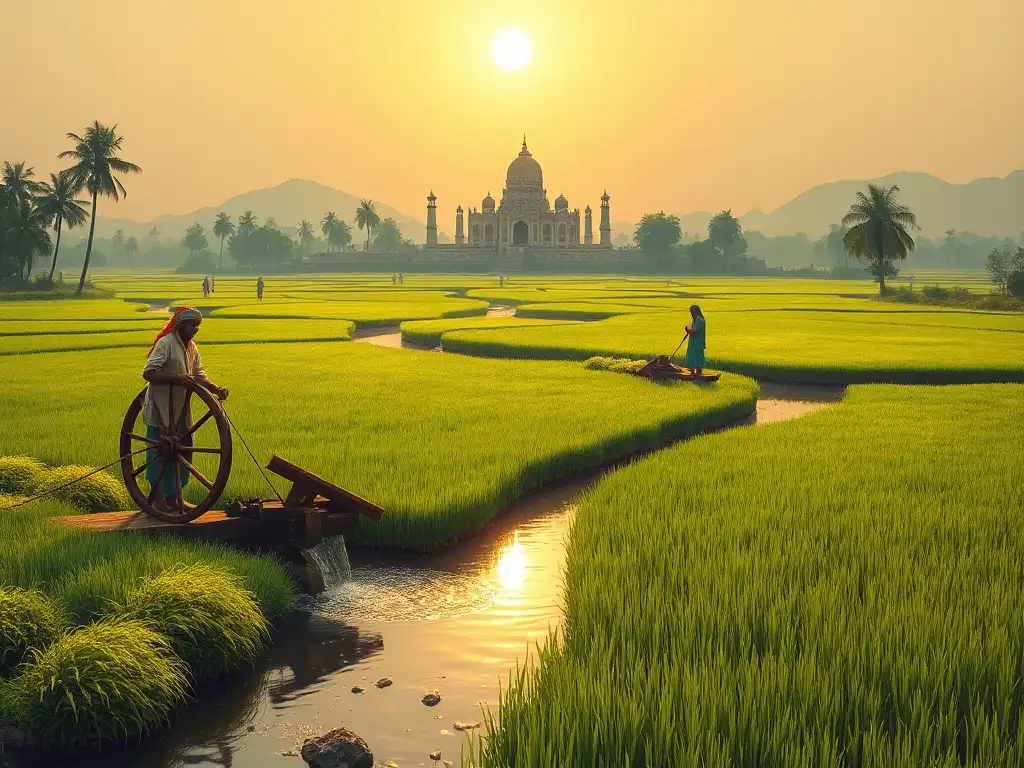
The irrigation systems developed in ancient India stand as a testament to the ingenuity and resourcefulness of early Indian civilizations. These systems were not merely functional; they were integral to the agricultural success and overall societal advancement of the time.
Summary of Innovations in Agricultural Techniques
Ancient Indian irrigation systems encompassed a variety of innovative techniques that were tailored to the diverse geography and climatic conditions of the subcontinent. Key innovations included:
- Canal Systems: Extensive canal networks were constructed to divert river water to agricultural fields. The canals were often lined with embankments to prevent water loss through seepage.
- Stepwells and Baolis: These structures not only served as water storage but also played a crucial role in maintaining groundwater levels. They featured intricate steps leading down to the water source, allowing for easy access.
- Rainwater Harvesting: Ancient Indians practiced various forms of rainwater harvesting, such as constructing reservoirs and tanks to collect and store rainwater for dry seasons.
- Crop Rotation and Diversification: The introduction of diverse cropping systems helped to optimize water use and improve soil fertility, showcasing a deep understanding of sustainable agricultural practices.
These innovations contributed significantly to the agricultural productivity of ancient India, allowing civilizations to thrive and advance culturally and technologically.
The Relevance of Ancient Wisdom in Contemporary Agriculture
The principles underlying ancient Indian irrigation systems are remarkably relevant to today's agricultural challenges. As modern agriculture faces issues like water scarcity and soil degradation, revisiting these ancient techniques can provide valuable insights.
- Sustainable Practices: The emphasis on rainwater harvesting and groundwater conservation in ancient systems reflects a sustainable approach that modern agriculture can adopt to mitigate the impacts of climate change.
- Community-Based Management: Many ancient irrigation systems were community-managed, fostering cooperation and shared responsibility. This model can inspire contemporary agricultural practices that emphasize local engagement and stewardship.
- Biodiversity: The ancient practice of crop diversification enhances resilience in agricultural systems, a strategy that is increasingly recognized as vital for food security in the face of global challenges.
The irrigation systems of ancient India not only transformed agricultural practices of their time but also continue to hold lessons for sustainable agriculture today. Their enduring significance lies in their ability to inspire contemporary innovations and address pressing environmental challenges.
Frequently Asked Questions
What were the primary irrigation systems used in ancient India?
Ancient Indian civilizations employed various ingenious irrigation systems, including canals, wells, and tanks, to efficiently water their crops and support agriculture.
How did irrigation contribute to agricultural productivity in ancient India?
The development of advanced irrigation techniques allowed ancient Indian farmers to cultivate crops more effectively, leading to increased yields and supporting larger populations.
What impact did irrigation systems have on ancient Indian society?
The establishment of irrigation systems facilitated trade, urbanization, and the rise of complex societies, as they allowed for sustainable agriculture and food surplus.
Were there any notable ancient Indian civilizations known for their irrigation techniques?
Yes, the Indus Valley Civilization and the Gupta Empire are particularly recognized for their innovative irrigation methods, which played a crucial role in their economic and cultural development.
How do ancient Indian irrigation systems compare to modern practices?
While many ancient techniques laid the groundwork for modern agriculture, today's systems often incorporate advanced technology and engineering, though the underlying principles of water management remain similar.
Final Reflection: The Enduring Legacy of Ancient Indian Irrigation Systems
The ingenuity of ancient Indian irrigation systems is not just a relic of the past; it is a testament to human innovation that remains profoundly relevant today. As we grapple with modern challenges such as climate change, water scarcity, and sustainable agriculture, the lessons learned from these ancient practices offer invaluable insights. The ability of these systems to harness and manage water resources effectively showcases the brilliance of our ancestors and reminds us that sustainable solutions have long been within our reach.
Cultural and social landscapes have been significantly shaped by the agricultural innovations of ancient India. The intricate networks of canals, reservoirs, and wells not only transformed farming but also fostered community cooperation and resilience. These systems were more than mere engineering feats; they were the lifeblood of civilizations, enabling societies to thrive in harmony with their environment. The greatest innovations are often born from necessity, and the ancient Indian irrigation systems exemplify this truth.
This enduring influence serves as a reminder of the interconnectedness of technology, culture, and nature, urging us to reflect on our own relationship with the resources we depend upon.
As we look to the future, let us embrace the lessons of ancient Indian irrigation systems and apply them to our contemporary challenges. I invite you to reflect on how you can contribute to sustainable practices in your own life, whether through water conservation, supporting local agriculture, or advocating for innovative solutions to environmental issues. By honoring the wisdom of the past, we can cultivate a more sustainable future, ensuring that the legacy of these ingenious systems continues to inspire generations to come.
Unveil the Secrets of Ancient Innovation!
Thank you for exploring the remarkable irrigation systems of ancient India with us! You've uncovered the brilliance behind these agricultural innovations that reshaped civilizations. Now, it’s time to channel that inspiration into action.
Take the next step in your journey:
- Dive deeper: Visit your local library or browse online resources to uncover more about ancient agricultural practices from around the world.
- Share the knowledge: Start a conversation with friends or engage on social media about the lessons these ancient systems offer for sustainable practices today.
- Engage with the community: Join a local gardening or historical society that focuses on sustainable agriculture or ancient techniques to learn and exchange ideas with others.
Which innovation from ancient irrigation systems do you believe could significantly enhance modern agriculture?