
Unveiling the Secrets of Ancient Indian Crop Rotation Techniques


Welcome to Ancient India History, where we delve deep into the remarkable tapestry of ancient Indian civilizations, rich with culture, innovation, and wisdom. Today, we invite you to uncover the fascinating ancient Indian crop rotation methods that revolutionized agricultural practices and laid the groundwork for sustainable farming long before modern techniques emerged.
As you explore this intriguing article, prepare to be amazed by the ingenuity of our ancestors and how their agricultural innovations not only fed empires but also shaped the very essence of their society. Join us in this journey through time and discover the secrets that continue to inspire us today!
Exploring the vast and intricate tapestry of ancient Indian civilization reveals not only remarkable achievements in art, philosophy, and science but also significant advancements in agricultural practices. Among these, ancient Indian crop rotation methods stand out as a testament to the ingenuity of early farmers who thrived in diverse and often challenging environmental conditions. These techniques were not merely practical solutions to food production; they were also deeply interwoven with the cultural and spiritual fabric of society.
The practice of crop rotation in ancient India was a pivotal agricultural innovation that allowed civilizations to maximize soil fertility, enhance yield, and sustain agricultural productivity over generations. By alternating different crops in a systematic manner, farmers could prevent soil degradation, manage pests, and optimize the use of resources. This article delves into the various crop rotation methods employed by ancient Indian agrarians, examining their historical context, the crops involved, and the lasting impact of these practices on modern agriculture.
Through this exploration, we aim to shed light on how these ancient techniques not only supported thriving communities but also laid foundational principles that continue to influence contemporary farming practices around the world. Join us as we unveil the secrets of ancient Indian crop rotation techniques and uncover their significance in the broader narrative of agricultural innovations.
- Introduction to Ancient Indian Crop Rotation Methods
- Historical Context of Crop Rotation in Ancient India
- Key Ancient Indian Crop Rotation Techniques
- Comparison of Ancient Indian Crop Rotation Techniques with Modern Practices
- Case Studies of Successful Ancient Indian Crop Rotation
- The Role of Religion and Culture in Crop Rotation Techniques
- Challenges Faced by Ancient Indian Farmers
- Conclusion: The Legacy of Ancient Indian Crop Rotation Methods
- References and Further Reading on Ancient Indian Agricultural Innovations
-
Frequently Asked Questions
- What were the primary crop rotation methods used in ancient India?
- How did ancient Indian crop rotation contribute to agricultural sustainability?
- Did ancient Indian texts provide knowledge on crop rotation techniques?
- What role did seasonal variations play in ancient Indian crop rotation?
- How did cultural practices influence ancient Indian crop rotation?
- Final Reflection: Embracing the Wisdom of Ancient Indian Crop Rotation Methods
- Unlock Sustainable Farming Today!
Introduction to Ancient Indian Crop Rotation Methods
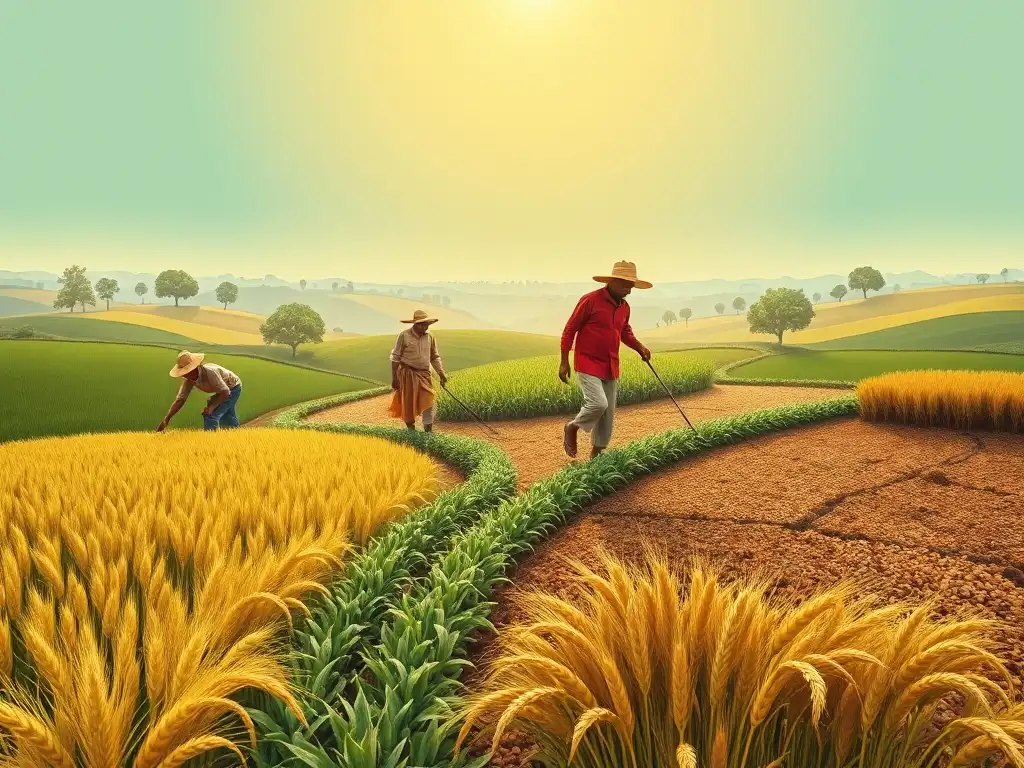
The agricultural innovations of ancient India reveal a sophisticated understanding of sustainable farming practices, particularly through the use of crop rotation methods. This technique, which involves alternating the cultivation of different crops in the same area across seasons, was not only pivotal in enhancing soil fertility but also crucial for maximizing yields and minimizing pest infestations. Ancient Indian farmers, particularly those within the Indus Valley Civilization, had already begun implementing these methods long before modern agricultural science recognized their importance.
Overview of Agricultural Practices in Ancient India
Agriculture in ancient India was characterized by a deep-rooted connection to the environment and an elaborate understanding of seasonal cycles. The diverse climatic conditions across the subcontinent led to a variety of agricultural practices tailored to local needs. Key aspects of ancient Indian agriculture included:
- Crop Diversity: Farmers grew a range of crops, including cereals like wheat and rice, pulses, and oilseeds. This diversity helped in maintaining soil health and provided nutritional variety.
- Seasonal Planning: The ancient calendar was intricately linked to agricultural cycles, with specific months designated for sowing and harvesting. This planning ensured optimal crop performance.
- Irrigation Techniques: Advanced irrigation methods, including the use of wells, canals, and rainwater harvesting, allowed for effective water management, especially in arid regions.
- Intercropping: This practice involved cultivating two or more crops in proximity, which not only maximized land use but also enhanced pest control and soil health.
- Natural Fertilizers: The use of organic materials, such as cow dung and compost, provided essential nutrients to the soil, promoting sustainable farming practices.
These practices laid the groundwork for the sophisticated crop rotation methods that emerged, demonstrating the ancient Indians' innovative approach to agriculture.
Importance of Crop Rotation in Sustainable Agriculture
The significance of crop rotation in ancient Indian agriculture cannot be overstated. This method offered numerous benefits that contributed to the sustainability and productivity of farming. Key advantages include:
- Soil Fertility Enhancement: By rotating crops, farmers could prevent the depletion of specific nutrients in the soil. For instance, legumes, which fix nitrogen in the soil, were often planted in rotation with cereals, enriching the soil for subsequent crops.
- Pest and Disease Management: Alternating crops helped in disrupting the life cycles of pests and pathogens that thrive on specific plants, reducing the need for chemical interventions. This natural pest control method was critical in maintaining crop health.
- Weed Control: Different crops compete for resources, and rotating them can suppress weed growth, leading to cleaner fields and reduced labor costs for weeding.
- Improved Yields: Evidence suggests that crop rotation led to increased yields compared to monoculture practices. This improvement was essential for supporting the growing population in ancient Indian cities.
- Ecosystem Balance: Crop rotation contributed to the overall health of the agricultural ecosystem, promoting biodiversity and resilience against climatic variations.
Ancient Indian crop rotation methods were not merely agricultural techniques but integral components of a broader ecological understanding. The wisdom of these practices has influenced modern sustainable agriculture, highlighting the advanced agricultural knowledge of ancient Indian civilizations.
Historical Context of Crop Rotation in Ancient India

The practice of crop rotation in ancient India represents a significant chapter in the agricultural innovations that shaped the civilization's ability to sustain its population. By understanding the historical context of these techniques, we can appreciate how ancient Indian farmers optimized their land use and contributed to agricultural advancements.
Early Agricultural Societies and Their Innovations
In ancient India, agriculture began to flourish around 7000 BCE, especially in regions such as the Indus Valley. Early agricultural societies made groundbreaking innovations, particularly in the cultivation of various crops. These societies were adept at observing the seasonal changes and understanding which crops thrived best in their local environments.
- Diverse Crop Selection: Ancient Indian farmers cultivated a variety of crops, including wheat, barley, rice, and legumes. This diversity allowed them to experiment with different planting strategies.
- Seasonal Rotation: Evidence suggests that farmers employed seasonal crop rotation techniques to maintain soil fertility and enhance yields. For instance, they would alternate between leguminous crops and cereals, benefiting from the nitrogen-fixing properties of legumes.
- Use of Natural Fertilizers: The integration of compost and animal manure into their farming practices played a crucial role in maintaining soil health, which in turn supported the effectiveness of crop rotation.
The knowledge and techniques developed by these early societies laid the foundation for more sophisticated agricultural practices that would follow in later centuries.
Influence of Geography on Crop Cultivation Techniques
Geography had a profound impact on the crop rotation methods employed by ancient Indian civilizations. The diverse landscapes, ranging from fertile river valleys to arid regions, shaped the agricultural techniques and crop choices available to farmers across the subcontinent.
- River Valleys: Regions like the Ganges and Indus river valleys offered rich alluvial soil, which facilitated the growth of staple crops such as rice and wheat. Rotating these crops with pulses helped replenish soil nutrients and optimize land use.
- Arid and Semi-Arid Regions: In contrast, farmers in the Deccan Plateau and Rajasthan adapted their crop rotation strategies to the harsher climates by planting drought-resistant varieties and utilizing moisture-retaining techniques. For example:
- Millets: Farmers often rotated millets with legumes, allowing them to maximize yields despite limited water supplies.
- Intercropping: This method involved growing two or more crops in proximity, reducing competition for resources while enhancing biodiversity.
- Climate Variability: Seasonal monsoons played a critical role in determining planting schedules. Farmers developed a keen understanding of local rainfall patterns, adjusting their crop rotation methods accordingly to optimize agricultural productivity.
Ancient Indian crop rotation methods were deeply influenced by the geographical context, demonstrating a remarkable adaptation to the environment that ensured food security and agricultural sustainability. These techniques not only reflect the ingenuity of ancient Indian farmers but also their ability to harmonize with the natural world.
Key Ancient Indian Crop Rotation Techniques
Traditional Crop Rotation Systems
Ancient Indian civilizations have long been recognized for their sophisticated agricultural practices, particularly in crop rotation methods. These techniques were not merely practical approaches to farming; they were deeply intertwined with the cultural beliefs and environmental conditions of the time. The traditional crop rotation systems in ancient India often involved the cultivation of multiple crops in a sequential manner, enhancing soil health and maximizing yields.
One prevalent system was the two-crop rotation, where farmers would alternate between a staple crop, such as rice or wheat, and a leguminous crop like lentils or peas. This method not only allowed for efficient use of land but also helped fix nitrogen in the soil, crucial for maintaining soil fertility.
Another notable practice was the three-crop rotation system, which included a combination of cereals, pulses, and oilseeds. This diverse cropping system ensured that the soil was continuously enriched with organic matter, which contributed to better soil structure and health.
Intercropping and Diversity of Crops
Intercropping was a vital component of ancient Indian agriculture, where two or more crops were grown simultaneously in the same field. This technique enhanced biodiversity and provided numerous ecological benefits. For example, pairing legumes with cereals was common, as legumes not only utilized nitrogen from the atmosphere but also provided shade and reduced weed growth for the cereal crops.
The diversity of crops also played a significant role in mitigating risks associated with crop failure. By planting a variety of crops, farmers could ensure some level of yield even if one crop was affected by disease or adverse weather conditions. This practice contributed to a more resilient agricultural system.
Seasonal Rotation Practices
Ancient Indian farmers practiced seasonal crop rotation, adapting their planting strategies to the monsoon cycles. The Kharif season, characterized by the arrival of the southwest monsoon, was ideal for crops like rice, maize, and millets. Following this, the Rabi season allowed for the cultivation of wheat, barley, and other crops that thrived in cooler, drier conditions.
Seasonal rotation not only made full use of the available moisture but also helped in breaking the life cycles of pests and diseases, minimizing their impact on subsequent crops. This approach highlighted the deep understanding ancient farmers had of their environment and the importance of timing in agriculture.
Benefits of Ancient Indian Crop Rotation Methods
The ancient Indian crop rotation methods offered a plethora of benefits, both for the environment and agricultural productivity. These methods were essential in creating sustainable farming systems that could support growing populations.
Soil Fertility and Nutrient Management
One of the primary benefits of ancient Indian crop rotation was its positive impact on soil fertility. By alternating crops, especially with the inclusion of legumes, farmers could enhance the nitrogen content of the soil, reducing the need for synthetic fertilizers. This natural approach to nutrient management ensured that the soil remained healthy and productive over extended periods.
Furthermore, crop rotation helped prevent soil degradation caused by monoculture practices, which can lead to nutrient depletion. The diverse root systems of different crops also contributed to improved soil structure, enhancing water retention and aeration.
Pest Control and Biodiversity Enhancement
Ancient Indian crop rotation methods also played a crucial role in pest control. The practice of rotating crops disrupted pest life cycles, making it more challenging for pests to establish themselves in a field. This natural form of pest management reduced reliance on chemical pesticides, promoting a healthier ecosystem.
Additionally, the increased biodiversity resulting from diverse cropping systems fostered a more resilient agricultural environment. The presence of various plant species attracted beneficial insects and pollinators, which further supported crop growth and yield.
The ancient Indian crop rotation methods were not only innovative agricultural practices but also essential strategies for sustainable farming. By understanding and implementing these techniques, ancient Indian civilizations laid the groundwork for future agricultural advancements, demonstrating a profound connection between agriculture, culture, and the environment.
Comparison of Ancient Indian Crop Rotation Techniques with Modern Practices
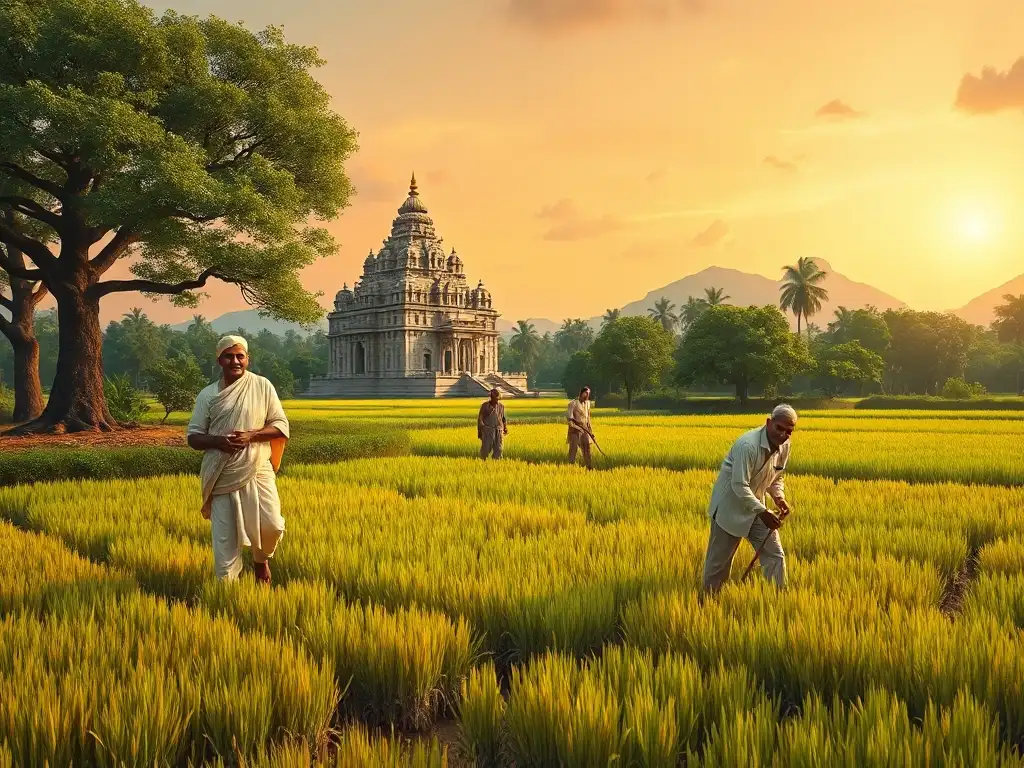
Similarities and Differences in Crop Rotation Strategies
Ancient Indian crop rotation methods were characterized by their adaptability and sustainability, much like modern practices, although their application and understanding have evolved. Here’s a detailed look at the similarities and differences between these two approaches:
Similarities:
- Diversity in Planting: Both ancient and modern methods emphasize the importance of crop diversity. Ancient farmers often practiced intercropping, where different crops were grown together to enhance soil fertility and reduce pest infestations. Modern agriculture continues to advocate for polyculture systems which can improve resilience and productivity.
- Soil Health Management: Ancient techniques involved rotating legumes with cereals, which helped in nitrogen fixation, thus enriching the soil. This principle mirrors modern practices that focus on maintaining soil health through crop rotation.
- Sustainable Practices: Both ancient and modern strategies prioritize sustainability. Ancient Indian farmers understood the importance of maintaining ecological balance, which is a central tenet of contemporary sustainable agriculture.
Differences:
- Scientific Understanding: Modern agriculture benefits from advanced scientific research and technology, leading to a more systematic approach to crop rotation. In contrast, ancient methods were based on empirical knowledge passed down through generations without the benefit of scientific analysis.
- Scale of Implementation: While ancient practices were typically localized and adapted to specific regional conditions, modern practices can be implemented on a much larger scale, often using mechanized systems that were not available in ancient times.
- Use of Chemical Inputs: Ancient farmers relied on natural fertilizers and organic amendments, while modern agriculture often employs synthetic fertilizers to enhance crop yields, which can sometimes lead to soil degradation over time.
Lessons Modern Agriculture Can Learn from Ancient Practices
Modern agriculture can glean valuable insights from ancient Indian crop rotation methods, particularly in the following areas:
- Emphasis on Biodiversity: Ancient practices showcased the importance of growing a variety of crops together. This not only maximized land use but also reduced the risk of total crop failure due to pests or disease. Modern agriculture can benefit from integrating more diverse cropping systems to enhance resilience against climatic variations.
- Soil Health Practices: The ancient practice of incorporating legumes into crop rotations to improve soil fertility highlights the need for modern farmers to focus on soil health. Adopting organic farming techniques and reducing chemical inputs can lead to long-term sustainability.
- Adapting to Local Conditions: Ancient Indian farmers tailored their crop rotation strategies to local climate and soil conditions. This localized approach fosters greater sustainability and resilience, a lesson modern agriculture can apply by developing site-specific agricultural practices rather than relying on one-size-fits-all solutions.
- Traditional Knowledge and Practices: The use of indigenous knowledge, often overlooked in modern practices, can provide valuable insights into sustainable farming. Integrating traditional wisdom with modern technology could lead to innovative solutions to contemporary agricultural challenges.
- Community-Based Approaches: Ancient agricultural practices were often community-oriented, focusing on shared resources and collective benefits. Modern agriculture can learn from this by fostering cooperative farming initiatives that support local farmers and promote sustainable practices.
The ancient Indian crop rotation methods offer a wealth of knowledge that can enhance modern agricultural practices, promoting sustainability, soil health, and community resilience. By understanding and integrating these age-old techniques, contemporary agriculture can work towards a more balanced and effective system.
Case Studies of Successful Ancient Indian Crop Rotation

The Indus Valley Civilization and Its Agricultural Techniques
The Indus Valley Civilization (IVC), flourishing between 3300 and 1300 BCE, is renowned for its advanced urban planning and innovative agricultural practices. One of the key practices that contributed to its agricultural success was crop rotation, which played a crucial role in maintaining soil fertility and maximizing yield.
Crop Rotation Practices in the IVC
- Diverse Crop Cultivation: The IVC's farmers cultivated a variety of crops, including wheat, barley, peas, and cotton. This diversity was essential not only for dietary needs but also for effective crop rotation. By alternating deep-rooted and shallow-rooted plants, the soil's nutrients were better utilized, reducing depletion.
- Seasonal Rotation: The IVC utilized a seasonal rotation system. During the kharif season (monsoon), crops like rice and pulses were planted, while rabi crops (winter) such as wheat and barley were sown later. This method ensured that the soil was not left fallow and that its nutrient profile remained balanced throughout the year.
- Use of Legumes: Legumes played a significant role in the crop rotation system of the IVC. These plants, such as chickpeas and lentils, are known for their nitrogen-fixing properties, which helped enhance soil fertility. By incorporating legumes into the rotation, farmers could replenish the nitrogen levels in the soil, reducing the need for external fertilizers.
The agricultural innovations of the Indus Valley Civilization laid the groundwork for sustainable farming practices, showcasing an early understanding of ecological principles.
The sophisticated approach to crop rotation in the IVC highlights their deep connection to agricultural sustainability and environmental awareness.
Gupta Empire Innovations in Crop Management
The Gupta Empire (approximately 320 to 550 CE) is often referred to as a golden age of Indian history, characterized by remarkable advancements in various fields, including agriculture. The innovations during this period built upon earlier practices and introduced new techniques that further enhanced crop rotation methods.
Key Innovations in Crop Rotation
- Introduction of New Crops: The Gupta period saw the introduction of new crops such as sugarcane, which required specific agricultural practices. Crop rotation allowed for the integration of these new species within traditional farming systems, promoting biodiversity and increased resilience against pests.
- Detailed Agricultural Manuals: Scholars such as Varahamihira and Kautilya compiled extensive agricultural texts during this era. These manuals included detailed descriptions of crop rotation techniques, advising farmers on the optimal sequence of planting different crops to ensure maximum productivity and soil health.
- Irrigation Techniques: The Gupta Empire also advanced irrigation methods, enabling farmers to rotate crops more effectively. With improved water management systems, farmers could cultivate various crops throughout the year, significantly enhancing agricultural output.
| Crop Rotation Sequence | Season | Benefits |
|---|---|---|
| Rice → Lentils | Kharif | Nitrogen fixation and soil enrichment |
| Barley → Wheat | Rabi | Efficient use of soil nutrients |
| Sugarcane → Pulses | Continuous | Year-round crop yield |
The ancient Indian crop rotation methods utilized during the Gupta Empire demonstrate a sophisticated understanding of agriculture that is still relevant today. These practices not only ensured food security but also promoted sustainable farming principles that resonate in modern agricultural strategies.
The Role of Religion and Culture in Crop Rotation Techniques
The agricultural practices of ancient India were deeply intertwined with the region's religious beliefs and cultural traditions. This relationship influenced not only the choice of crops but also the methods used in farming, including crop rotation techniques. Understanding this interplay provides insight into how ancient Indian civilizations optimized their agricultural output while adhering to their spiritual and cultural norms.
Spiritual Beliefs Influencing Agricultural Practices
Spirituality played a crucial role in shaping the agricultural practices in ancient India. Farmers often viewed their land as sacred, which influenced their approach to farming and crop management. Many ancient texts, including the Vedas and the Dharma Shastras, emphasized the importance of respecting the earth and its cycles.
- Divine Connection: The act of farming was seen as a divine duty, with deities associated with fertility, rain, and harvest. For instance, Goddess Annapurna, who symbolizes nourishment, was revered by farmers who prayed for her blessings for bountiful crops.
- Rituals and Offerings: Farmers engaged in rituals to appease the gods associated with agriculture. These rituals often included offerings of the first fruits of the harvest, showcasing a belief that success in farming depended on divine favor.
This spiritual connection encouraged sustainable practices, including crop rotation, which was viewed as a way to honor the land’s fertility and maintain its health.
Festivals and Their Connection to Crop Cycles
Festivals in ancient India were often aligned with the agricultural calendar, marking important phases in crop production and influencing crop rotation practices. These celebrations not only served as communal gatherings but also reinforced agricultural cycles.
- Harvest Festivals: Festivals such as Pongal and Makar Sankranti celebrated the harvest and were crucial in marking the end of one crop cycle and the beginning of another. During these festivals, farmers would give thanks for the harvest and plan for the next planting season, often incorporating rotations that benefited soil health.
- Seasonal Changes: The timing of festivals was directly linked to seasonal changes, which were vital for determining the appropriate crops to plant. For instance, during Navratri, which occurs in the fall, farmers might plant legumes after the monsoon, rotating with rice cultivated during the rainy season.
Through these festivals, the community’s understanding of seasonal changes and their effects on crops was deepened, promoting the use of diverse crop rotation methods that enhanced soil fertility and agricultural productivity.
The integration of spirituality and cultural practices into the agricultural techniques of ancient India significantly influenced the development of ancient Indian crop rotation methods. These practices reflected a profound respect for the land and its cycles, allowing civilizations to thrive through sustainable farming practices.
Challenges Faced by Ancient Indian Farmers
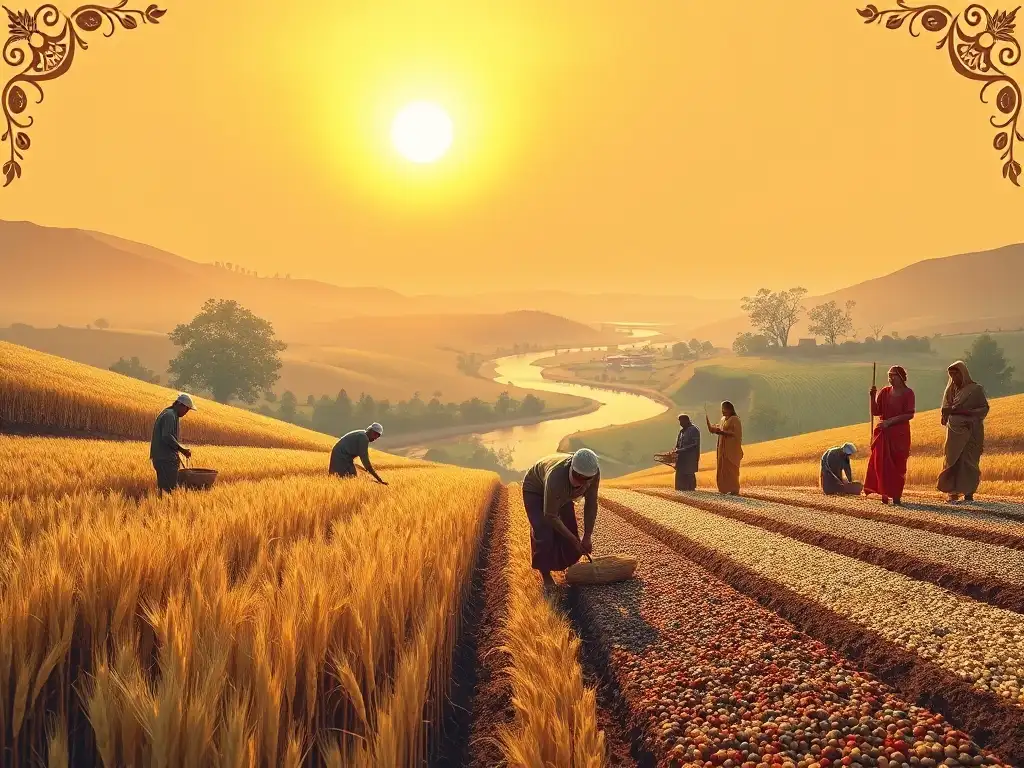
The agricultural practices of ancient India, particularly crop rotation methods, were not without challenges. Farmers had to navigate a complex landscape of environmental and socio-economic factors that influenced their ability to cultivate crops sustainably. Understanding these challenges offers insight into how ancient Indian civilizations adapted their agricultural strategies over time.
Environmental Factors Affecting Crop Rotation
Ancient Indian farmers faced numerous environmental constraints that impacted their crop rotation practices. These included:
- Diverse Climate Zones: India’s varied climate—from the arid deserts of Rajasthan to the lush monsoon regions—required farmers to adapt their crop choices and rotation schedules accordingly.
- Soil Fertility: The fertility of soil varied greatly across regions. Some areas suffered from nutrient depletion due to continuous cropping without adequate soil management. Farmers had to be strategic in their rotation to restore soil health.
- Water Availability: Irrigation was crucial, especially in regions with erratic rainfall. The reliance on monsoons made it imperative for farmers to plan crop rotations that could withstand periods of drought or flooding.
- Pests and Diseases: Crop rotation is often employed to manage pests and diseases. However, ancient farmers had limited knowledge of pest control, making it essential to rotate crops wisely to break pest cycles. Certain crops could attract pests, leading to increased risk if not rotated properly.
These environmental factors necessitated a deep understanding of local ecosystems and careful planning, which often dictated the success or failure of agricultural endeavors.
Socio-economic Issues and Agricultural Sustainability
In addition to environmental challenges, ancient Indian farmers were also influenced by socio-economic factors that affected their crop rotation methods:
- Land Ownership and Class Structure: The distribution of land ownership often determined the extent of agricultural innovation. Wealthier landowners had more resources to experiment with diverse crop rotations, while poorer farmers might have been limited to subsistence farming practices.
- Market Demand: The demand for certain crops could influence rotation strategies. For instance, the rise of cash crops might lead farmers to neglect traditional staples, potentially threatening food security and sustainability.
- Labor Availability: The labor force available for farming also impacted crop rotation. Seasonal labor shortages, due to migration or social obligations, could disrupt the timing of planting and harvesting cycles. This made effective planning crucial to ensure that crops were rotated in a timely manner.
- Cultural Practices and Knowledge Transfer: Traditional knowledge and cultural practices played a significant role in agricultural sustainability. The transmission of agricultural wisdom from generation to generation helped farmers adapt their crop rotation methods, although changes in societal norms could disrupt this process.
Ancient Indian crop rotation methods were shaped by a myriad of challenges that necessitated innovative solutions. Understanding these factors not only highlights the resilience of ancient farmers but also underscores the complexity of agricultural practices in one of the world's earliest civilizations.
Conclusion: The Legacy of Ancient Indian Crop Rotation Methods

The crop rotation methods developed in ancient India are not merely remnants of agricultural practices but are foundational techniques that have significantly influenced farming strategies throughout history. These methods demonstrate a profound understanding of ecology, soil health, and plant biology, showcasing the ingenuity of ancient Indian civilizations.
By alternating different crops and integrating legumes into their farming systems, ancient Indian farmers not only maximized productivity but also maintained soil fertility. This sustainable approach ensured that agricultural lands remained productive over generations, thus supporting large populations and fostering the growth of vibrant communities.
Relevance of Ancient Techniques in Contemporary Agriculture
Today, the principles of ancient Indian crop rotation methods resonate strongly within modern agricultural practices. As the global community grapples with the challenges of food security, soil degradation, and climate change, revisiting these time-tested techniques can offer valuable solutions.
- Soil Health: Ancient methods emphasized the importance of maintaining soil fertility through diverse crop planting. For instance, the inclusion of legumes in rotations enriches the soil with nitrogen, reducing the need for chemical fertilizers.
- Pest Management: Crop diversity, a hallmark of ancient Indian practices, naturally disrupts pest cycles and reduces infestations. Modern organic farming increasingly adopts these principles to minimize pesticide use.
- Resilience to Climate Change: The adaptability of ancient crop rotation techniques allows farmers to cultivate a variety of crops suited to changing climate conditions. This diversity not only protects against crop failures but also fosters biodiversity.
| Ancient Method | Modern Application |
|---|---|
| Crop Diversity | Intercropping |
| Use of Legumes | Green Manuring |
| Seasonal Rotation | Precision Agriculture |
Future Implications for Sustainable Farming Practices
The exploration of ancient Indian crop rotation methods offers critical insights into sustainable farming practices for the future. As we move towards a more sustainable agricultural paradigm, integrating these ancient techniques can contribute to the following:
- Enhanced Biodiversity: By reviving crop rotation methods, farmers can cultivate a wider variety of crops, promoting biodiversity both in crops and in the ecosystem. This can lead to more resilient agricultural systems.
- Reduced Dependency on Chemicals: Implementing crop rotation reduces the reliance on synthetic fertilizers and pesticides, leading to healthier soils and ecosystems. This aligns with the growing demand for organic produce and sustainable farming methods.
- Community Empowerment: Educating modern farmers about ancient practices can empower local communities. By adopting these methods, farmers can improve their yields sustainably, ensuring food security and economic stability.
- Research and Innovation: There is a need for further research into ancient agricultural practices. By studying historical techniques, researchers can innovate new methods that blend traditional knowledge with modern science, creating a holistic approach to farming.
The legacy of ancient Indian crop rotation methods is not only a testament to the agricultural wisdom of past civilizations but also a beacon of hope for sustainable farming in the future. Adopting and adapting these techniques can pave the way for a resilient agricultural landscape that honors tradition while meeting contemporary challenges.
References and Further Reading on Ancient Indian Agricultural Innovations
Recommended Books and Articles
-
"Agricultural History of India: From Ancient Times to the Present"
This comprehensive book offers insights into the evolution of agriculture in India, including ancient Indian crop rotation methods. It details the various techniques utilized throughout history and their impacts on crop yield and soil health.
-
"The Indus Valley Civilization: A Contemporary Perspective"
This work provides an analysis of the agricultural practices during the Indus Valley Civilization, highlighting the sophisticated crop rotation techniques that played a crucial role in sustaining the civilization.
-
"Ancient Indian Agriculture: Practices and Innovations"
This article explores the agricultural innovations of ancient India, focusing on the methods of crop rotation and their significance in maintaining soil fertility and maximizing agricultural output.
-
"Traditional Crop Rotation Systems in India"
This research paper delves into the various traditional crop rotation systems used across different regions of India, emphasizing the cultural and ecological implications of these practices.
-
"The Gupta Empire and Its Agricultural Innovations"
This book covers the agricultural advancements during the Gupta Empire, including detailed discussions on the crop rotation methods that led to increased agricultural productivity.
Online Resources for In-depth Exploration of Ancient Indian Agriculture
-
Digital Library of India
A vast repository of texts related to the agricultural practices of ancient India, where you can find original manuscripts and transcriptions discussing ancient Indian crop rotation methods.
-
Indian Agricultural Research Institute (IARI)
The IARI website provides access to research papers, articles, and publications focused on historical and modern agricultural practices in India, including crop rotation techniques.
-
The Ancient India Portal
An online resource that compiles various articles, studies, and educational materials related to ancient Indian civilizations, with specific sections dedicated to agriculture and crop management.
-
National Agricultural Innovation Project (NAIP)
This initiative provides insights into traditional agricultural practices in India, showcasing the importance of ancient crop rotation methods in sustainable farming.
-
YouTube Channels on Ancient Agriculture
Various educational channels explore the history of agriculture in India, including videos dedicated to ancient crop rotation methods, offering visual insights into these practices.
By diving into these resources, readers can gain a comprehensive understanding of ancient Indian crop rotation methods and their significance within the broader context of agricultural innovations in ancient India.
Frequently Asked Questions
What were the primary crop rotation methods used in ancient India?
Ancient Indian farmers practiced diverse crop rotation methods that included alternating cereal crops with legumes to enhance soil fertility and improve yields.
How did ancient Indian crop rotation contribute to agricultural sustainability?
By implementing crop rotation, ancient Indian civilizations maintained soil health, reduced pest infestations, and ensured a steady food supply, contributing to sustainable agriculture.
Did ancient Indian texts provide knowledge on crop rotation techniques?
Yes, ancient texts like the Arthashastra and Krishi Parashara detailed various agricultural practices, including crop rotation strategies that optimized land use and productivity.
What role did seasonal variations play in ancient Indian crop rotation?
Ancient farmers adapted their crop rotation techniques based on seasonal variations, selecting crops that thrived in specific monsoon conditions, ensuring optimal growth and harvest.
How did cultural practices influence ancient Indian crop rotation?
Cultural practices, such as festivals and rituals, were often tied to agricultural cycles, influencing the timing and choice of crops in crop rotation, reflecting a deep connection between society and farming.
Final Reflection: Embracing the Wisdom of Ancient Indian Crop Rotation Methods
The exploration of ancient Indian crop rotation methods reveals a profound connection between sustainable agriculture and the preservation of our environment. In today's world, where climate change and food security are pressing issues, these age-old techniques offer invaluable insights into how we can cultivate our land responsibly and effectively. The wisdom embedded in these practices is not just a relic of the past; it serves as a guiding light for modern agricultural practices that seek to harmonize productivity with ecological balance.
Crop rotation has significantly shaped our agricultural landscape, influencing not only farming practices but also cultural identities and community resilience. The principles of biodiversity and soil health inherent in these ancient methods continue to resonate in contemporary discussions about sustainable farming. As we strive to create a more sustainable future, we must acknowledge the words of Mahatma Gandhi: To forget how to dig the earth and to tend the soil is to forget ourselves.
This reminder emphasizes the importance of reconnecting with our agricultural roots and understanding the significance of these time-tested methods.
As you reflect on the insights shared in this article, consider how you can incorporate the principles of ancient Indian crop rotation into your own life or community. Whether you are a gardener, a farmer, or simply someone who cares about the environment, think about how these practices can inspire you to cultivate not just crops, but also a deeper connection with the land. Let us honor the wisdom of our ancestors by embracing sustainable practices that ensure the health of our planet for generations to come.
Unlock Sustainable Farming Today!
Thank you for exploring the fascinating world of ancient Indian crop rotation techniques! By delving into these time-tested practices, you've gained valuable insights into sustainable agriculture that can inspire modern farming methods. Now, it’s time to put that knowledge into action!
Here are a few steps you can take to embrace and share this ancient wisdom:
- Implement a Crop Rotation Plan: Start by designing your own crop rotation schedule based on the principles you discovered. Experiment with different crops to enhance soil health and improve yield.
- Share Your Learnings: Join local farming communities, whether online or in-person, to discuss the benefits of crop rotation. Share your insights on social media to generate awareness and connect with others interested in sustainable practices.
- Explore Further: Dive deeper into other sustainable practices from ancient civilizations that can complement crop rotation. Research techniques like companion planting or permaculture to broaden your agricultural knowledge.
Which ancient farming technique will you try first to enhance your garden or farm? Share your thoughts in the comments below!