
Ancient Agricultural Festivals: Celebrating Harvests Through the Ages

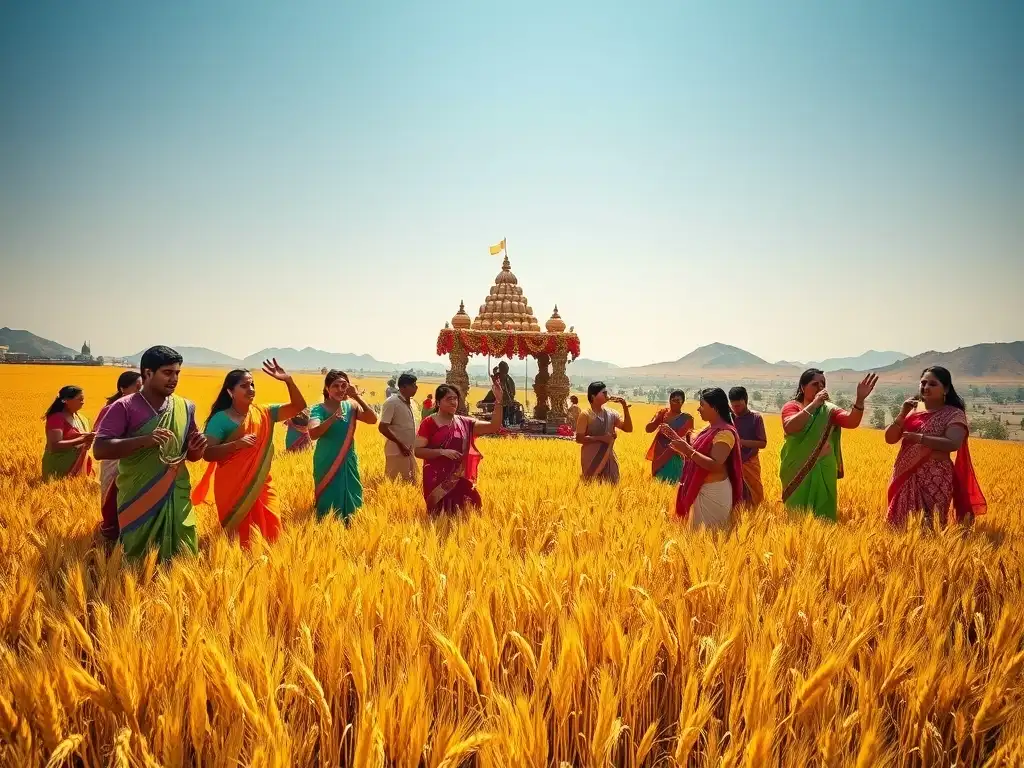
Welcome to Ancient India History, where we embark on an enlightening journey through the rich tapestry of ancient Indian civilizations. In our featured article, "Ancient Agricultural Festivals: Celebrating Harvests Through the Ages," we delve into the vibrant traditions and customs that have shaped the agricultural landscape of India. Discover how these ancient Indian agricultural festivals not only celebrated bountiful harvests but also fostered community bonds and cultural identity.
As you explore, prepare to uncover the fascinating innovations and technological advancements that emerged alongside these festivities, inviting you to connect with a past that continues to inspire the present. Dive in and let the stories of resilience and celebration unfold!
-
Ancient Indian Agricultural Festivals: Celebrating Harvests Through the Ages
- Introduction to Ancient Indian Agricultural Festivals
- Historical Context of Agriculture in Ancient India
- Key Ancient Indian Agricultural Festivals
- Rituals and Traditions Associated with Agricultural Festivals
- The Role of Agricultural Festivals in Social Cohesion
- Agricultural Festivals and Their Impact on Ancient Economy
- Conclusion: The Legacy of Ancient Indian Agricultural Festivals
- Lessons from Ancient Celebrations for Modern Agriculture
- Preserving the Heritage of Agricultural Festivals Today
- References
-
Frequently Asked Questions
- What are ancient Indian agricultural festivals?
- Why are these festivals important in ancient Indian culture?
- Can you name some key agricultural festivals from ancient India?
- How did ancient Indian agricultural festivals influence society?
- Are there any modern-day celebrations that trace back to ancient festivals?
- Final Reflection: Celebrating Our Roots Through Ancient Agricultural Festivals
- Cultivate a Connection with Ancient Traditions!
Ancient Indian Agricultural Festivals: Celebrating Harvests Through the Ages
Introduction to Ancient Indian Agricultural Festivals
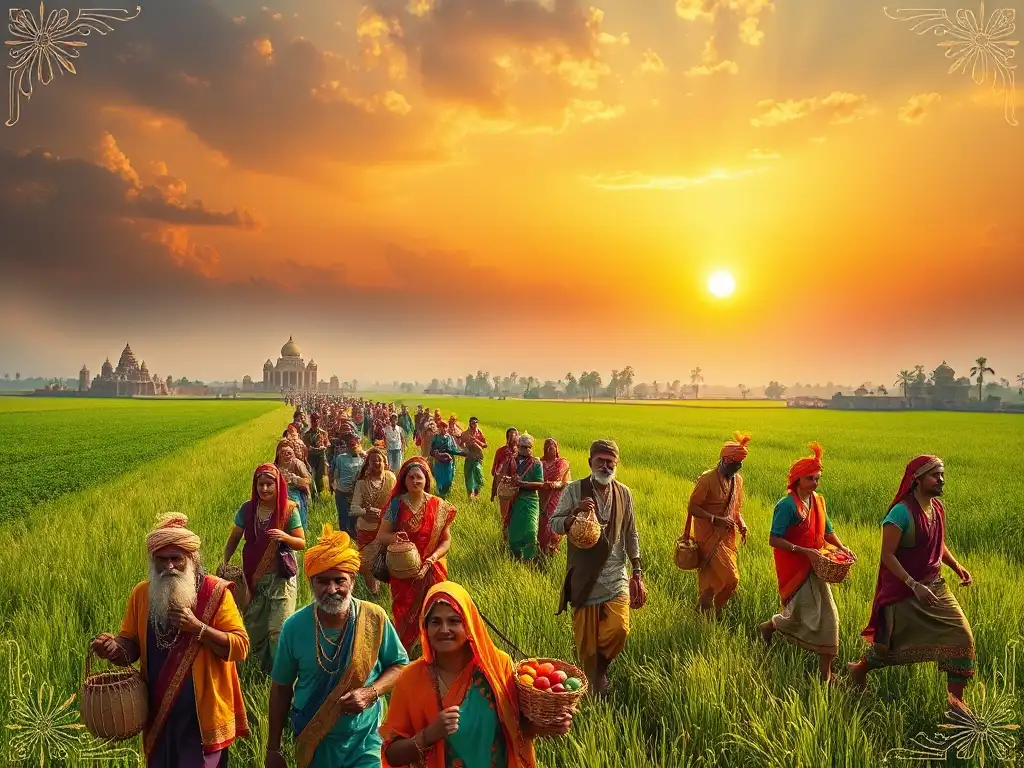
Agricultural festivals have played a pivotal role in the cultural and social fabric of ancient Indian societies. These vibrant celebrations, rooted in the rhythm of nature and the agricultural calendar, reflect the deep reverence that ancient Indians held for the land and its bounty.
From the earliest days of the Indus Valley Civilization to the flourishing Gupta Empire, these festivals not only marked the successful harvests but also fostered community bonds, religious observances, and cultural expressions. This article delves into the rich history of ancient Indian agricultural festivals, exploring their significance, regional variations, and the agricultural innovations that shaped these time-honored traditions.
The Significance of Agricultural Festivals in Ancient India
Agricultural festivals in ancient India were more than mere celebrations; they were crucial events that highlighted the relationship between people and their environment. These festivals served multiple purposes:
- Religious Reverence: Many festivals were dedicated to deities associated with fertility, agriculture, and nature, showcasing the spiritual connection to farming.
- Community Cohesion: These gatherings fostered social bonds among villagers, encouraging cooperation and collective efforts in farming activities.
- Cultural Expression: Festivals often included music, dance, and rituals that celebrated the harvest, preserving and transmitting cultural heritage through generations.
Overview of Harvest Celebrations Across Different Civilizations
Different regions of ancient India celebrated harvests in unique ways, reflecting local customs and practices. Some notable examples include:
- Pongal in Tamil Nadu: A multi-day celebration that honors the Sun God and includes cooking the traditional dish of Pongal, symbolizing prosperity and abundance.
- Baisakhi in Punjab: Celebrated to mark the harvest of Rabi crops, this festival is steeped in Sikh traditions and includes vibrant processions and communal feasting.
- Makar Sankranti in various regions: A harvest festival celebrated across India, marking the transition of the sun into Capricorn, it is associated with kite flying and various regional delicacies.
Historical Context of Agriculture in Ancient India
Agriculture has been the backbone of Indian civilization, shaping its economy, society, and culture. Understanding the historical context of agriculture in ancient India provides insight into the significance of agricultural festivals.
Agricultural Practices in the Indus Valley Civilization
The Indus Valley Civilization, one of the world's earliest urban cultures, exhibited advanced agricultural practices. Key features included:
- Irrigation Systems: Ingenious irrigation methods, including canals and wells, facilitated farming in the arid regions.
- Crop Diversity: Cultivation of various crops, such as wheat, barley, and cotton, showcased agricultural innovation.
- Trade Networks: Surplus produce led to trade with distant regions, fostering economic growth and cultural exchanges.
The Role of Agriculture in the Vedic Period
The Vedic period marked a significant evolution in agricultural practices:
- Shift to Settled Agriculture: The transition from nomadic life to settled farming enabled communities to thrive and develop complex social structures.
- Religious Texts: Vedic scriptures emphasized the importance of agriculture, with rituals and hymns dedicated to agricultural deities.
- Crop Rotation and Fertility Practices: Innovations in farming techniques, such as crop rotation and the use of natural fertilizers, improved yields.
Innovations in Farming Techniques During the Maurya and Gupta Empires
The Maurya and Gupta Empires ushered in an era of agricultural advancements:
- Iron Tools: The introduction of iron plows and tools enhanced productivity and efficiency in farming.
- Land Revenue Systems: Structured land revenue systems encouraged agricultural expansion and resource management.
- Agricultural Texts: Ancient texts, such as Kautilya's Arthashastra, provided guidance on agricultural management and innovations, highlighting the importance of agriculture in statecraft.
Through this exploration of ancient Indian agricultural festivals and practices, we can appreciate the profound connection between culture, agriculture, and community that has shaped the history of India.
Key Ancient Indian Agricultural Festivals
Agricultural festivals in ancient India played a significant role in the cultural and social fabric of various regions. These festivals were not only a means to celebrate the harvest but also an occasion for communities to come together, express gratitude, and reinforce social bonds. Each festival is deeply rooted in the agricultural calendar, marking the transition of seasons and the abundance of crops. Here are some of the key ancient Indian agricultural festivals that have stood the test of time:
Pongal: A Celebration of Rice Harvest
Pongal is one of the most important harvest festivals celebrated predominantly in Tamil Nadu. Traditionally observed in mid-January, it marks the end of the harvest season for rice, which is the staple food of the region. The festival lasts for four days and is characterized by various rituals.
The main event, known as Bhogi Pongal, involves the discarding of old belongings to make way for the new, symbolizing the importance of renewal. The second day, Thai Pongal, features the preparation of a special dish made from freshly harvested rice, boiled with milk and jaggery, and offered to the Sun God. Communities gather to celebrate with family, friends, and neighbors, emphasizing unity and prosperity.
Makar Sankranti: The Festival of Kites and Harvest
Makar Sankranti, celebrated across India, is dedicated to the sun god and marks the transition of the sun into the zodiac sign of Capricorn (Makara). This festival usually falls on January 14 and is particularly notable for its kite-flying activities, symbolizing the joy of harvest and the arrival of longer days.
As a harvest festival, Makar Sankranti is associated with the end of winter and the beginning of the harvest season for various crops, including sugarcane and rice. People prepare traditional sweets made of sesame seeds and jaggery, which are exchanged among family and friends. The festival's vibrant kite-flying events are not only a form of entertainment but also a way to connect with community and tradition.
Baisakhi: The Spring Harvest Festival of Punjab
Baisakhi, celebrated in April, is one of the most significant festivals for the people of Punjab. It marks the onset of the harvest season and is a time of great joy and gratitude. Traditionally, Baisakhi signifies the harvesting of wheat, a major crop in the region.
The festival is celebrated with much enthusiasm, featuring vibrant folk dances such as Bhangra and Gidda, which reflect the community's spirit and happiness. People visit gurudwaras (Sikh temples), offer prayers, and share meals in community kitchens, embodying the values of sharing and unity. Baisakhi also holds historical significance as it commemorates the formation of the Khalsa by Guru Gobind Singh in 1699.
Onam: The Grand Harvest Festival of Kerala
Onam is a major harvest festival celebrated in Kerala, usually falling in August or September. It lasts for ten days and is marked by various festivities, including traditional games, dance performances, and boat races. The festival is rooted in the legend of King Mahabali, whose annual visit to his kingdom is celebrated during this time.
The centerpiece of Onam is the elaborate feast known as Onam Sadhya, featuring a wide array of vegetarian dishes served on banana leaves. The festival symbolizes togetherness and the bountiful harvest of rice and other crops. Communities engage in floral decoration and cultural displays, showcasing the rich heritage of Kerala.
Nabanna: Celebrating the New Rice in Bengal
Nabanna, celebrated in Bengal, marks the arrival of the new rice harvest, usually in late November or early December. The festival is a time of joy and gratitude, as families come together to celebrate the abundance of the season.
During Nabanna, traditional dishes made with the newly harvested rice are prepared, and offerings are made to the deities to seek blessings for a prosperous year ahead. The festival is characterized by folk songs, dances, and vibrant fairs that bring communities together, reflecting the cultural richness of Bengal.
Rituals and Traditions Associated with Agricultural Festivals
The rituals and traditions associated with ancient Indian agricultural festivals are diverse and reflect the unique cultural identities of different regions. These practices not only celebrate the harvest but also embody the spiritual connection between the people and the land.
Offerings and Prayers: Connecting with the Divine
At the heart of agricultural festivals lies the practice of making offerings and prayers to deities associated with agriculture. Farmers express gratitude for the bountiful harvest and seek blessings for future crops. Rituals often involve creating altars adorned with fresh produce, flowers, and traditional sweets.
In many regions, specific deities are revered during these festivals, such as Goddess Lakshmi for wealth and prosperity, and Lord Vishnu for protection. The act of offering food and performing rituals fosters a sense of community and reinforces the spiritual connection with nature.
Traditional Dances and Music Celebrating Harvests
Music and dance are integral components of ancient Indian agricultural festivals. Each region boasts its unique forms of expression, reflecting local traditions and cultural heritage. For instance, Bhangra and Gidda are performed during Baisakhi in Punjab, while the Thiruvathira dance is a highlight of Onam in Kerala.
These performances are not only a source of entertainment but also serve as a means to convey stories and legends associated with the harvest. The rhythmic beats and vibrant costumes create an atmosphere of joy and celebration, bringing people together in a shared experience.
Regional Variations in Celebratory Practices
While the theme of celebrating harvests is common across various festivals, the practices and customs can differ significantly from one region to another. Each state in India has its unique way of celebrating based on local agricultural practices, cultural influences, and historical contexts.
For example, while Pongal in Tamil Nadu focuses on rice and includes specific rituals like the preparation of Pongal dish, Baisakhi in Punjab is centered around wheat and features lively folk dances. Understanding these regional variations provides insight into the rich tapestry of ancient Indian agricultural festivals and highlights the diversity within Indian culture.
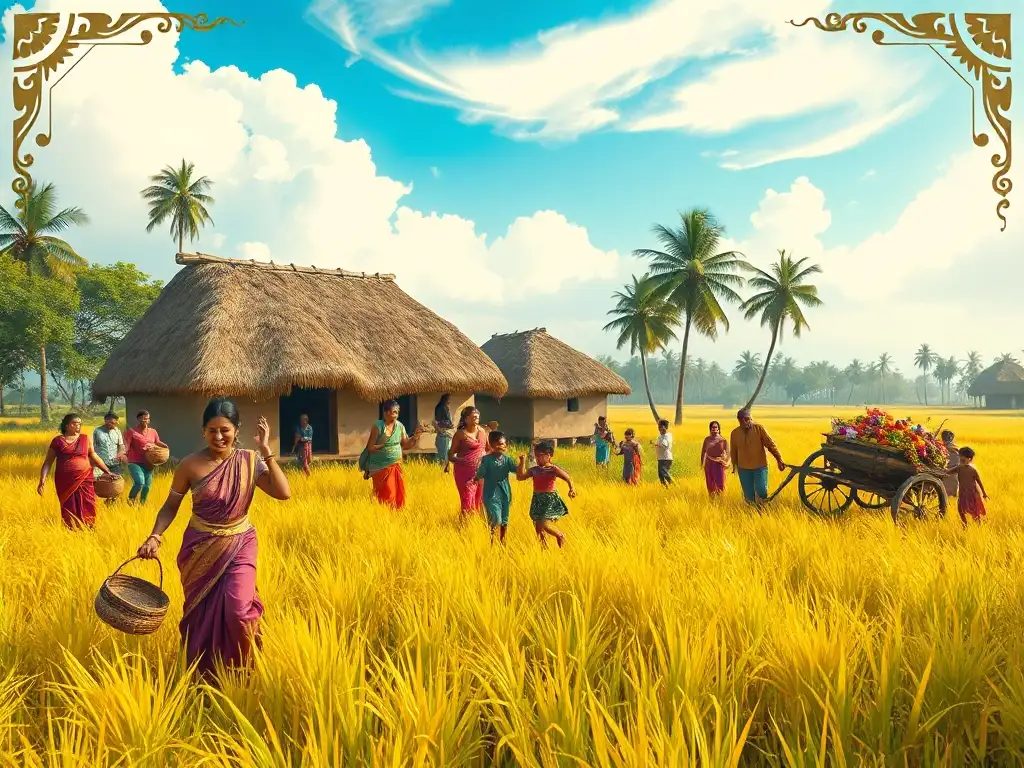
Agricultural festivals have played a crucial role in fostering social cohesion within ancient Indian communities. These festivals were not merely celebrations of the harvest; they served as a vital platform for bringing people together, reinforcing community ties, and promoting a collective identity. By participating in these events, individuals forged stronger bonds with their neighbors, engaging in communal activities that emphasized cooperation and mutual support.
The shared experience of preparing for and celebrating harvest festivals allowed communities to come together, regardless of their social or economic status. This inclusivity was vital, as it helped to mitigate divisions and fostered a sense of belonging. Furthermore, the rituals and traditions associated with these festivals often involved participation from various groups, ensuring that everyone had a role to play, thereby amplifying the spirit of unity.
Strengthening Community Bonds Through Harvest Celebrations
Harvest celebrations served as an opportunity for communities to reinforce their relationships and build trust among members. The collective effort required for organizing and celebrating these festivals facilitated teamwork and cooperation. Activities such as decorating the fields, organizing communal feasts, and participating in traditional performances allowed individuals to work side by side, fostering camaraderie and understanding.
Moreover, these gatherings often included rituals and prayers to deities, seeking blessings for future harvests. Such practices not only emphasized shared beliefs but also created a collective sense of purpose. The intertwining of social and spiritual elements during these festivals helped solidify community bonds, ensuring that members were united in both joy and reverence.
Festivals as a Means of Cultural Exchange and Unity
Ancient Indian agricultural festivals also served as a melting pot for cultural exchange. Communities from different regions would come together to celebrate, sharing their unique customs, foods, and traditions. This exchange enriched the cultural fabric of society and promoted a sense of unity among people from diverse backgrounds.
For instance, during festivals like Makar Sankranti, various regional practices were showcased, allowing participants to experience and appreciate the richness of different cultures. Such interactions not only fostered goodwill but also facilitated the spread of agricultural innovations and practices, further strengthening the agricultural base of these civilizations.
Agricultural Festivals and Their Impact on Ancient Economy
Agricultural festivals had a profound impact on the economy of ancient Indian civilizations. They were not only occasions for celebration but also significant events that influenced trade, commerce, and agricultural productivity. The economic implications of these festivals extended far beyond the immediate celebration, shaping the livelihoods of many.
The Economic Significance of Harvest Festivals
The economic significance of harvest festivals can be seen in how they stimulated local economies. During these events, farmers showcased their produce, often leading to increased demand and higher prices for crops. This surge in economic activity provided farmers with the necessary resources to invest in subsequent agricultural cycles, thus perpetuating a cycle of productivity and prosperity.
Moreover, festivals attracted traders and merchants who sought to capitalize on the influx of people. This created opportunities for local businesses to thrive, as stalls selling food, handicrafts, and other goods became commonplace. Such economic interactions during festivals contributed to a vibrant marketplace, enhancing the overall economic health of the community.
Trade and Commerce during Agricultural Celebrations
Trade and commerce flourished during agricultural festivals, with these events serving as major economic hubs. Merchants from various regions converged to sell their goods, leading to a bustling environment filled with diverse products. This not only benefited local economies but also facilitated the exchange of ideas and agricultural techniques.
The presence of traders encouraged the flow of resources, including grains, textiles, and tools, which were essential for agricultural practices. Additionally, these festivals allowed for the establishment of trade routes, as communities sought to trade surplus produce for other goods. Such interactions were vital in creating a network of economic interdependence among different regions, further enhancing the prosperity of ancient Indian civilizations.
Ancient Indian agricultural festivals were integral to social cohesion and economic vitality, celebrating the harvest while fostering community spirit and trade.
Conclusion: The Legacy of Ancient Indian Agricultural Festivals
The agricultural festivals of ancient India are more than just celebrations of bountiful harvests; they encapsulate the very essence of the agrarian society that flourished across the subcontinent. These festivals, deeply intertwined with religious, cultural, and seasonal cycles, reflect the respect and reverence that ancient Indian civilizations held for nature and the agricultural process. Celebrated with fervor, these events fostered community bonds and provided an opportunity for people to come together, share their joys, and express gratitude for the earth's generosity.
The legacy of these festivals continues to resonate today, influencing contemporary agricultural practices and regional celebrations. Many of the rituals and customs that originated during ancient times have survived the test of time, adapted to modern contexts while retaining their core values. As we explore the past, it becomes evident that ancient Indian agricultural festivals not only shaped the agricultural landscape of the time but also contributed significantly to the cultural fabric of Indian society.
Lessons from Ancient Celebrations for Modern Agriculture
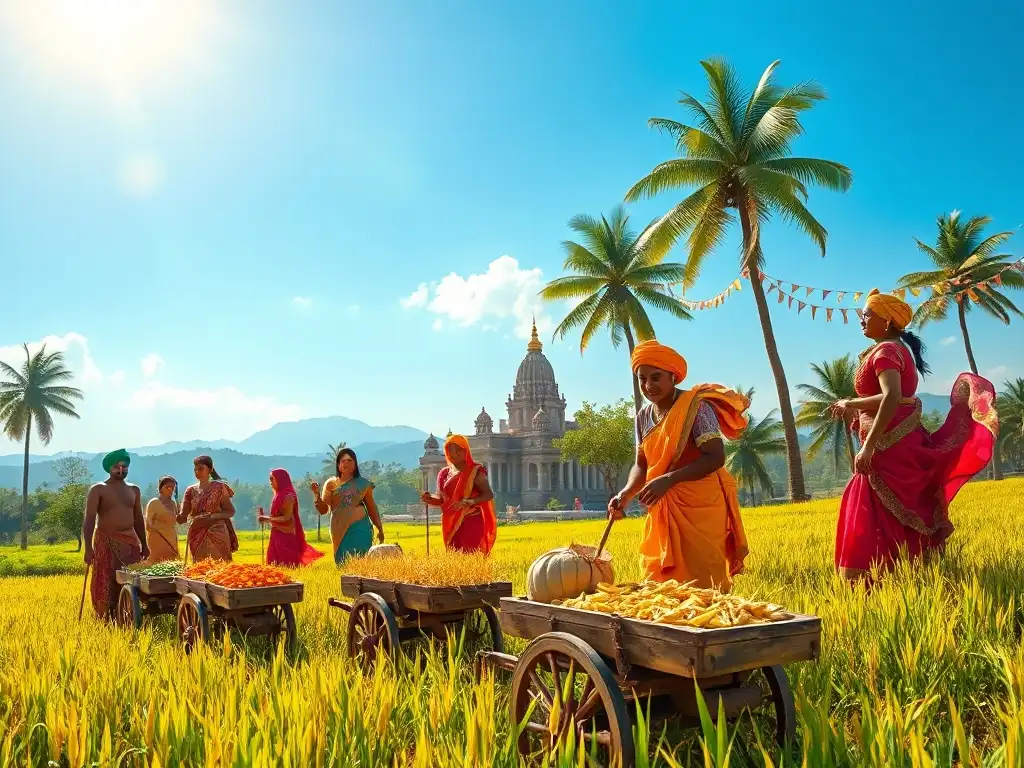
Ancient Indian agricultural festivals impart vital lessons for contemporary agricultural practices. One of the most profound insights is the importance of sustainability and environmental harmony. The ancient agrarian communities recognized the need to live in sync with the natural world, utilizing crop rotation and organic methods long before they became buzzwords in modern agriculture.
Additionally, these festivals emphasized the role of community in agricultural success. The cooperative spirit evident during these celebrations showcased how collective efforts lead to improved productivity and resilience. Modern agricultural initiatives can draw inspiration from this communal approach, fostering collaboration among farmers, sharing resources, and knowledge to tackle current challenges like climate change and food security.
Moreover, the intricate rituals associated with these festivals often involved prayers and offerings to deities, underscoring the spiritual connection to agriculture. This highlights the necessity of integrating cultural significance into agricultural practices today, promoting a sense of purpose and belonging among farmers. Ultimately, the lessons derived from ancient celebrations can guide contemporary agricultural practices towards a more sustainable and community-oriented future.
Preserving the Heritage of Agricultural Festivals Today
The preservation of ancient Indian agricultural festivals is crucial for maintaining cultural continuity and fostering a sense of identity among communities. In recent years, there has been a revival of interest in these festivals, with various organizations and local governments working to promote and celebrate traditional practices. This revitalization not only honors the past but also educates younger generations about their rich heritage.
Efforts to preserve these festivals involve documenting the rituals, stories, and significance associated with each celebration. Cultural programs, workshops, and academic research play vital roles in this preservation process, ensuring that the knowledge and practices of ancient agricultural festivals are passed down. Additionally, integrating these festivals into educational curricula can instill a sense of pride and understanding among students, encouraging them to appreciate the contributions of their ancestors.
Furthermore, collaboration with local artisans, musicians, and performers can enhance the vibrancy of these celebrations, attracting tourism and supporting local economies. By embracing and promoting ancient agricultural festivals, communities can create a dynamic link between their cultural heritage and modern agricultural practices, ensuring that the legacy of these rich traditions endures for future generations.
References
List of academic sources and literature on ancient Indian agricultural festivals
- Gupta, S. (2018). Cultural Significance of Agricultural Festivals in Ancient India. Journal of Indian Culture Studies.
- Sharma, R. (2020). Agricultural Innovations in Ancient India: A Historical Perspective. Indian Historical Review.
- Patel, A. (2019). Festivals and Harvests: The Role of Agriculture in Ancient Indian Society. South Asian Studies Journal.
- Verma, T. (2021). The Spirituality of Agricultural Practices in Ancient India. Journal of Ethnobiology and Ethnomedicine.
- Reddy, K. (2017). Celebrating Nature: Agricultural Festivals in Ancient Indian Texts. International Journal of Humanities and Social Sciences.
Frequently Asked Questions
What are ancient Indian agricultural festivals?
Ancient Indian agricultural festivals are traditional celebrations that mark the harvest season and are deeply rooted in the culture of various regions in India.
Why are these festivals important in ancient Indian culture?
These festivals play a vital role in promoting community bonding and celebrating the agrarian lifestyle, reflecting the spiritual connection between people and the land.
Can you name some key agricultural festivals from ancient India?
Prominent ancient agricultural festivals include Pongal, Makar Sankranti, and Baisakhi, each celebrating the harvest in different regions and communities across India.
How did ancient Indian agricultural festivals influence society?
These festivals influenced social structure, economic activities, and cultural practices, fostering a sense of identity and tradition among agrarian communities.
Are there any modern-day celebrations that trace back to ancient festivals?
Yes, many modern-day agricultural festivals in India, such as Pongal and Baisakhi, have their roots in ancient practices, continuing to honor the harvest and agricultural traditions.
Final Reflection: Celebrating Our Roots Through Ancient Agricultural Festivals
The significance of ancient Indian agricultural festivals resonates deeply in today's world, reminding us of our connection to the land and the cycles of nature. As we face modern challenges such as climate change and food security, the wisdom embedded in these age-old traditions offers invaluable insights into sustainable living and community bonding. The celebration of harvests is not merely a historical event; it is a vibrant reminder of the importance of gratitude and stewardship towards our environment.
Cultural practices rooted in agricultural festivals have shaped our social fabric and continue to influence contemporary celebrations and community gatherings. These festivals serve as a bridge between generations, fostering a sense of identity and belonging. As we partake in these traditions, we honor our ancestors and their profound understanding of agriculture's role in sustaining life. To forget one's ancestors is to be a brook without a source, a tree without a root.
– Chinese Proverb. This quote encapsulates the essence of how these festivals connect us to our heritage and the land that nourishes us.
As you reflect on the themes presented in this article, consider how you can incorporate the spirit of these ancient agricultural festivals into your own life. Embrace the lessons of gratitude, community, and sustainability that these celebrations embody. Whether through participating in local harvest events, supporting sustainable farming practices, or simply taking a moment to appreciate the food on your table, let the legacy of these festivals inspire you to cultivate a deeper connection with nature and your community. Together, we can honor the past while nurturing a more sustainable future.
Cultivate a Connection with Ancient Traditions!
Thank you for exploring the rich tapestry of ancient agricultural festivals with us! You've uncovered how these celebrations not only marked the harvest but also fortified communities and cultures through the ages. Now, it's time to bring some of that spirit into your own life!
Here are some practical steps to deepen your connection with these ancient traditions:
- Join a local harvest festival: Experience the joy of harvest celebrations firsthand. It’s a perfect opportunity to engage with your community and discover local agricultural practices.
- Start a garden or participate in a community gardening group: Grow your own herbs or vegetables and feel the thrill of cultivating your own food, just like ancient farmers did.
- Share your insights: Discuss this article with friends or family, or post about your favorite ancient festival on social media to inspire others.
Which ancient festival resonates with you the most, and how would you like to incorporate its traditions into your modern life?