
Ancient Indian Trade and Its Role in the Development of Science and Technology


Welcome to Ancient India History, where we embark on a journey through the kaleidoscope of time, exploring the rich and diverse tapestry of ancient Indian civilizations. In this captivating exploration, we delve into the intriguing world of ancient Indian trade and technology, uncovering how these pivotal elements fueled the remarkable advancements in science and innovation. What secrets did the bustling trade routes hold, and how did they shape the very fabric of society?
Join us as we unravel the compelling connections between commerce and creativity, inviting you to discover how the echoes of the past continue to resonate in our modern world. Dive deeper into this fascinating narrative and unlock the mysteries that await!
- Introduction to Ancient Indian Trade and Technology
- Key Features of Ancient Indian Trade
- Influence of Trade on the Development of Science and Technology
- Case Studies of Trade and Technological Innovations
- The Role of Ancient Indian Trade in Global Trade Networks
- Conclusion: The Legacy of Ancient Indian Trade and Technology
-
Frequently Asked Questions
- What was the significance of ancient Indian trade?
- How did trade routes contribute to technological advancements in ancient India?
- What were some key technological contributions of ancient Indian civilizations?
- How did the Indus Valley Civilization influence trade and technology?
- What role did the Gupta Empire play in the evolution of trade and technology?
- Final Reflection: The Enduring Legacy of Ancient Indian Trade and Technology
- Unlock the Secrets of Ancient Innovation!
Introduction to Ancient Indian Trade and Technology
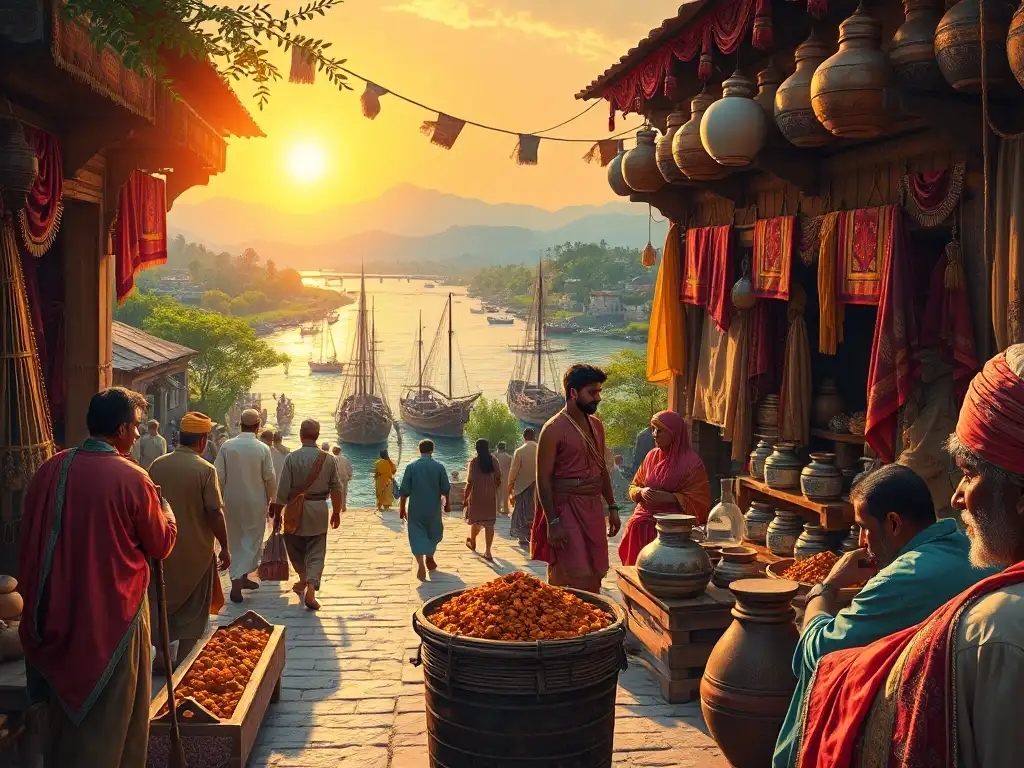
Ancient Indian trade played a pivotal role in the development of science and technology within the subcontinent, shaping its civilizations and influencing cultures across the globe. From the sophisticated trade networks established during the Indus Valley Civilization to the flourishing commerce of the Gupta Empire, trade was not merely an economic activity but a conduit for the exchange of ideas, innovations, and cultural practices.
This article delves into the rich tapestry of ancient Indian trade and technology, examining how trade routes facilitated not only the movement of goods but also the dissemination of scientific knowledge and technological advancements that would leave a lasting legacy on the world stage.
Overview of Ancient Indian Trade
The history of ancient Indian trade can be traced back to as early as 2500 BCE with the emergence of the Indus Valley Civilization, which had established extensive trading links with Mesopotamia, Egypt, and other regions. The trade routes were well-developed, enabling the exchange of various commodities, including textiles, spices, precious metals, and agricultural products.
- Key Trade Centers:
- Harappa and Mohenjo-Daro: Major urban centers where goods were traded locally and with foreign traders.
- Taxila and Pataliputra: Flourished during the Mauryan and Gupta periods, serving as vital hubs for trade and commerce.
- Trade Goods:
- Textiles: Cotton and silk textiles were highly sought after, leading to the establishment of India as a textile hub.
- Spices: Black pepper, cardamom, and cloves were in high demand, contributing to the spice trade that attracted traders from across the world.
This extensive trade network was not only crucial for the economy but also for the cultural exchange, laying the groundwork for advancements in science and technology.
Importance of Trade in Ancient Indian Civilizations
Trade in ancient India was integral to the economic and social fabric of its civilizations. It facilitated wealth accumulation, cultural exchanges, and the development of sophisticated urban centers.
- Economic Growth: Trade led to increased production and specialization in various crafts and industries. Cities became bustling marketplaces where artisans and merchants thrived.
- Cultural Exchange: Interactions with foreign traders introduced new ideas and technologies to Indian society. The arrival of Greek, Persian, and Arab traders brought diverse influences that enriched Indian culture.
The prosperity generated by trade also allowed for the patronage of sciences and the arts, leading to remarkable achievements in mathematics, astronomy, and medicine.
Connection Between Trade and Technological Advancements
The dynamic nature of ancient Indian trade was a catalyst for technological innovation. As goods and ideas traversed the trade routes, they facilitated the sharing of knowledge and skills, which in turn spurred advancements in various fields.
- Innovations in Navigation and Shipbuilding: The need for maritime trade led to advancements in shipbuilding techniques and navigation methods, making long-distance travel more feasible.
- Agricultural Techniques: Trade brought new agricultural practices and tools, such as the plough, which improved crop yields and farming efficiency.
Furthermore, the interaction with traders from other cultures often led to the assimilation of foreign technologies, enhancing India's own scientific and technological capabilities. This symbiotic relationship between trade and technology not only bolstered the economy but also positioned ancient India as a significant contributor to global scientific knowledge.
Ancient Indian trade was a multifaceted phenomenon that not only fueled economic prosperity but also acted as a bridge for technological progress and cultural exchanges, laying the foundation for the advancements that would define the region's historical narrative.
Key Features of Ancient Indian Trade

Ancient Indian trade was a complex and dynamic system that facilitated not only the exchange of goods but also the dissemination of ideas, cultures, and technologies. The key features of this trade network were characterized by its extensive reach, diverse commodities, and sophisticated organization. Ancient India was positioned strategically, connecting various civilizations across Asia, Africa, and Europe, which enhanced its role as a crucial hub in global commerce.
The trade system was underpinned by several factors, including the development of advanced maritime and overland routes, the establishment of trade guilds, and the use of standardized weights and measures. The widespread use of coins, particularly during the Mauryan and Gupta periods, further streamlined transactions and boosted economic activity. Additionally, ancient Indian traders were known for their proficiency in navigating both land and sea, which allowed for the successful exploration and utilization of various trade routes.
Major Trade Routes in Ancient India
The trade routes of ancient India can be broadly categorized into overland and maritime routes, connecting the region with distant markets.
- Overland Routes:
- The Silk Road: This iconic trade route linked India with Central Asia and China. Indian traders exported textiles, spices, and gemstones, while importing silk and other luxury goods.
- The Grand Trunk Road: One of the oldest and longest major roads in Asia, it facilitated trade between the eastern and western parts of the Indian subcontinent.
- Trade through the Persian Gulf: This route connected India with the Middle East, allowing for the exchange of spices, pearls, and textiles for metals and wine.
- Maritime Routes:
- Indian Ocean Trade Network: Indian merchants engaged in extensive maritime trade across the Indian Ocean, connecting with regions such as East Africa, Arabia, and Southeast Asia. Key ports like Lothal and Calicut served as bustling centers of commerce.
- Arabian Sea and Bay of Bengal routes: These routes fostered trade with the Roman Empire and China, where Indian goods were highly valued.
Prominent Trade Goods of Ancient India
Ancient Indian trade was characterized by a rich variety of goods exchanged both domestically and internationally. The prominent trade goods included:
- Textiles:
- India was renowned for its cotton and silk fabrics, with products like muslin and brocade being highly sought after in foreign markets.
- Spices:
- Spices such as black pepper, cardamom, and cinnamon were critical to ancient Indian trade. The demand for these spices played a significant role in establishing trade links with Europe and the Middle East.
- Metals and Minerals:
- India had abundant resources of gold, silver, and precious stones. The trade of these materials contributed to the wealth of various ancient Indian kingdoms.
- Agricultural Products:
- Items like rice, wheat, and sugarcane were not only vital for local consumption but also became part of the trade with neighboring regions.
- Cultural Artifacts:
- Items like pottery, sculptures, and jewelry were also traded, reflecting the rich artistic heritage of ancient India.
The Role of Trade in Cultural Exchange
Trade in ancient India played a pivotal role in fostering cultural exchange and the dissemination of knowledge. As merchants traveled along trade routes, they brought with them diverse cultural influences, leading to a rich tapestry of interactions.
- Spread of Ideas:
- The movement of traders facilitated the exchange of philosophical and religious ideas, including the spread of Buddhism and Hinduism across Asia.
- Technological Advancements:
- Ancient Indian trade was not solely about goods; it also involved the transfer of technological knowledge. For instance, Indian maritime skills and shipbuilding techniques were shared with other civilizations.
- Culinary Exchange:
- The introduction of new spices and cooking techniques enriched local cuisines in various regions, showcasing the impact of trade on culinary diversity.
- Linguistic Influences:
- Trade led to the exchange of languages and scripts, influencing the development of regional dialects and writing systems.
Ancient Indian trade was a vital force in shaping the region's economic landscape and facilitating cultural interactions that contributed to advancements in science and technology. The interconnectedness fostered by trade laid the foundation for a rich cultural heritage that continues to resonate today.
Influence of Trade on the Development of Science and Technology
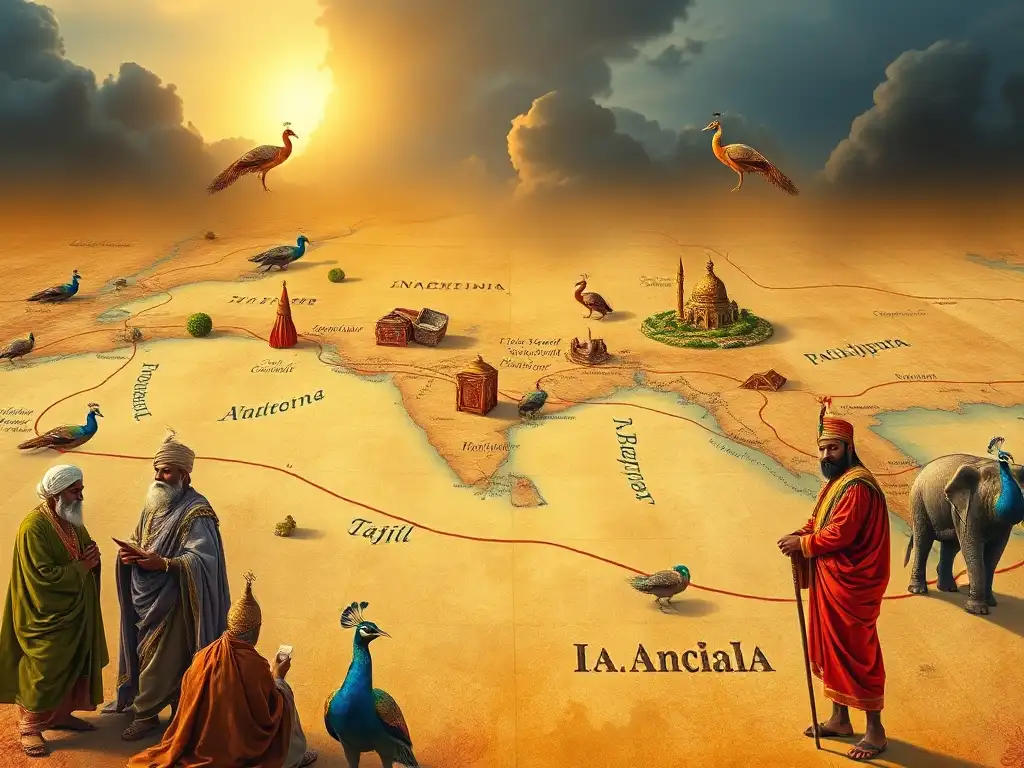
Trade's Impact on Agricultural Innovations
Ancient Indian trade played a crucial role in the development of agricultural innovations that significantly enhanced productivity and sustainability. Through interactions with neighboring regions, Indian farmers adopted and adapted various agricultural techniques and crops.
- Crop Diversity: Trade routes facilitated the exchange of not only goods but also agricultural knowledge. For instance, the introduction of new crops such as rice, wheat, and various spices from Southeast Asia and the Middle East enriched the agricultural landscape of India.
- Irrigation Techniques: The exchange of ideas regarding irrigation practices contributed to the development of sophisticated systems. Techniques such as the use of canals and wells became widespread, particularly in regions like the Indus Valley, enabling farmers to harness water resources more effectively.
- Farming Tools: The demand for agricultural products led to innovations in farming tools. The trade networks encouraged the dissemination of advanced plough designs and harvesting tools, improving efficiency and yield.
These innovations not only supported local economies but also established India as a key player in the global agricultural market of ancient times.
The expansive trade networks of ancient India necessitated advancements in transportation and navigation, which were pivotal for the movement of goods across vast distances.
- Shipbuilding Techniques: Ancient Indian traders developed advanced shipbuilding techniques, allowing for the construction of seaworthy vessels capable of long-distance travel. The use of sturdy wooden materials and designs that incorporated stability and speed significantly boosted maritime trade.
- Overland Trade Routes: The establishment of extensive overland trade routes, including the famous Silk Road, required improvements in transportation methods. Innovations in the design of carts and pack animals enhanced the efficiency of overland transport, making it easier to move bulky goods such as textiles and spices.
- Navigational Tools: As maritime trade flourished, so did the need for effective navigation. Ancient Indian mariners used a variety of tools, including the astrolabe and simple compasses, to chart their courses and better understand ocean currents and winds. This knowledge not only improved trade efficiency but also facilitated cultural exchanges across the Indian Ocean.
These technological advancements in transportation and navigation laid the groundwork for future explorations and trade practices, reinforcing India's position as a central hub in ancient global commerce.
Influence of Trade on Metallurgy and Craftsmanship
Trade significantly influenced the development of metallurgy and craftsmanship in ancient India, fostering a rich tradition of skilled artisans and innovative metalworking techniques.
- Access to Raw Materials: India's extensive trade networks provided access to various raw materials, such as copper, tin, and iron. This access led to the development of superior metallurgical techniques. The blending of different metals resulted in the creation of bronze, which was essential for producing tools, weapons, and decorative items.
- Artisan Guilds: The thriving trade environment allowed for the formation of specialized artisan guilds. These guilds were instrumental in passing down knowledge and skills related to metallurgy and craftsmanship. The guilds not only promoted quality control but also encouraged innovation, leading to the production of intricate jewelry, sculptures, and weaponry.
- Cultural Exchange: Interaction with foreign traders introduced new artistic styles and techniques. The influence of Persian and Central Asian designs is evident in Indian craftsmanship, particularly in metalwork. This cultural exchange enriched the quality and diversity of Indian artifacts, elevating them to sought-after goods in international markets.
The interplay between ancient Indian trade and technology fostered a vibrant landscape of innovation, directly impacting agricultural practices, transportation methods, and craftsmanship. This relationship underscores the significant role that trade played in shaping the scientific and technological advancements of ancient Indian civilizations.
Case Studies of Trade and Technological Innovations

The Indus Valley Civilization: Early Trade and Technology
The Indus Valley Civilization, one of the earliest urban cultures in the world, thrived from approximately 3300 to 1300 BCE in present-day Pakistan and northwest India. This ancient civilization is remarkable not only for its urban planning and architecture but also for its sophisticated trade practices and technological innovations.
Trade Practices
Trade in the Indus Valley Civilization was extensive, involving both local and long-distance exchanges. Archaeological evidence suggests that their trade network extended to regions as far as Mesopotamia, where they exchanged goods such as:
- Cotton textiles: The Indus Valley is believed to be one of the first places to cultivate cotton and produce textiles.
- Metals: They traded copper, bronze, and possibly gold with neighboring regions.
- Pottery: Distinctive painted pottery was a significant trade item.
The use of standardized weights and measures facilitated trade, indicating a sophisticated understanding of commerce. Seals with inscriptions were also utilized, which may have served as a form of branding or record-keeping for transactions.
Technological Innovations
The Indus Valley people demonstrated advanced knowledge in various technologies, especially in metallurgy and urban infrastructure. Notable innovations include:
- Urban Planning: Cities like Harappa and Mohenjo-Daro were meticulously planned with grid layouts, drainage systems, and public baths.
- Water Management: They developed sophisticated water supply systems, including wells and reservoirs.
- Metallurgy: The civilization was skilled in metalworking, producing tools and ornaments that displayed high craftsmanship.
This combination of trade and technology laid the groundwork for subsequent developments in Indian history, showing that ancient Indian trade and technology were intrinsically linked.
Trade Networks During the Maurya Empire
The Maurya Empire (322–185 BCE) marked a significant expansion of trade networks across the Indian subcontinent and beyond. Under the reign of rulers like Chandragupta Maurya and Ashoka, trade flourished and became more organized.
Expansion of Trade Routes
The Maurya Empire established extensive trade routes that connected various regions, including:
- Land Routes: The Grand Trunk Road facilitated movement of goods from the eastern to the western parts of the empire.
- Maritime Trade: The Mauryas also engaged in maritime trade, connecting India to Southeast Asia, the Middle East, and Africa.
Key Trade Goods
The empire traded a variety of goods, which included:
- Spices: India became known as the "spice land," exporting valuable spices like black pepper, cardamom, and cinnamon.
- Silks and Textiles: The Maurya Empire was known for its high-quality textiles, which were in demand across Asia and Europe.
- Precious Stones: India was a rich source of gems, particularly diamonds and rubies, which were coveted in international markets.
Influence on Science and Technology
The flourishing trade during the Maurya Empire also spurred scientific and technological advancements. Noteworthy contributions included:
- Mathematics: The development of the numeral system and early concepts of zero can be traced back to this period.
- Medicine: The exchange of medicinal knowledge with other cultures led to advancements in Ayurveda and herbal medicine.
The Maurya Empire's emphasis on trade not only strengthened its economy but also facilitated the exchange of ideas, enhancing the overall scientific and technological landscape in ancient India.
Gupta Empire: Advances in Trade and Scientific Knowledge
The Gupta Empire (approximately 320–550 CE) is often referred to as the "Golden Age" of India, characterized by significant achievements in trade, science, and technology.
Thriving Trade Economy
During the Gupta period, trade became even more prominent, with well-established networks that connected India to the broader world. Key features included:
- Increased Urbanization: Cities like Pataliputra became bustling trade hubs.
- Diverse Trade Goods: The Guptas traded in a variety of goods, including textiles, metalwork, and agricultural products.
Scientific Innovations
The wealth generated from trade during the Gupta Empire enabled significant advancements in various fields of science and technology:
- Astronomy: Aryabhata, an influential mathematician and astronomer, made groundbreaking contributions, including accurate calculations of the Earth's circumference and the heliocentric theory.
- Mathematics: The introduction of the decimal system and the concept of zero revolutionized mathematics, laying the foundation for future developments.
- Medicine: Advances in surgery and medical practices were documented in texts like the "Sushruta Samhita," which detailed surgical techniques and the use of medicinal herbs.
Cultural Exchange
The Gupta Empire's trade networks fostered cultural exchanges, introducing new ideas and technologies from other civilizations. This exchange not only enriched Indian culture but also positioned India as a key player in the global trade system.
The interconnection between ancient Indian trade and technology, illustrated through the case studies of the Indus Valley Civilization, Maurya Empire, and Gupta Empire, showcases how commerce was a driving force in the development of scientific knowledge and technological advancements in ancient India.
The Role of Ancient Indian Trade in Global Trade Networks

Connections with the Silk Road
Ancient Indian trade played a pivotal role in the vast expanse of the Silk Road, which connected Asia with Europe and beyond. This extensive trade network facilitated not just the exchange of goods, but also the transmission of knowledge, culture, and technology. Indian merchants were key players in this trade, transporting valuable commodities such as spices, textiles, and gemstones. For instance, Indian silk and cotton were highly sought after, leading to the establishment of trade hubs in cities like Taxila and Peshawar.
The Silk Road also served as a conduit for the movement of ideas. Buddhist texts, for example, traveled from India to Central Asia and further into China, significantly impacting religious and philosophical thought across the region. This exchange of ideas and cultural practices is often cited as a cornerstone for the development of science and technology in these civilizations. Indian mathematicians and astronomers, such as Aryabhata, contributed to the knowledge shared along these trade routes, influencing the scientific advancements in neighboring cultures.
Maritime Trade Routes in the Indian Ocean
The Indian Ocean was another crucial frontier for ancient Indian trade, characterized by a network of maritime routes that linked the Indian subcontinent with Africa, the Middle East, and Southeast Asia. This trade route flourished from around the 1st century CE, where Indian merchants utilized monsoon winds to navigate the seas effectively. Major ports like Lothal, Surat, and Calicut became bustling centers of commerce, facilitating the trade of spices, textiles, and precious metals.
The maritime trade not only enriched the Indian economy but also promoted technological advancements. The construction of ships improved over time, with innovations such as the dhows, which were equipped with lateen sails for better maneuverability. Furthermore, the exchange of navigational techniques and maritime knowledge with other cultures led to enhanced maritime safety and efficiency. These advancements in shipbuilding and navigation not only benefited Indian traders but also influenced the maritime practices of neighboring regions, contributing to the overall development of maritime technology.
Influence on Neighboring Civilizations and Cultures
Ancient Indian trade had a profound impact on neighboring civilizations and cultures, shaping their economic systems, technological advancements, and cultural exchanges. For example, the spice trade led to the establishment of trading posts in regions like the Arabian Peninsula and East Africa, where Indian goods became integral to local economies. The introduction of Indian agricultural techniques, such as irrigation and crop rotation, significantly boosted agricultural productivity in these regions.
Moreover, Indian artisans and craftsmen influenced the artistic traditions of neighboring cultures, evident in the intricate designs and motifs found in architecture and decorative arts. The introduction of items such as cotton textiles and metalwork techniques also helped elevate the craftsmanship in these civilizations.
As ancient India engaged in trade, it also absorbed various cultural influences, which in turn enriched its own heritage. The cultural syncretism resulting from these interactions can be seen in the spread of religions like Buddhism and Hinduism, which adapted and evolved as they integrated with local beliefs in regions where Indian trade thrived. This dynamic interplay of trade, culture, and technology underscores the crucial role that ancient Indian trade played in shaping the historical narrative of the region and its neighbors.
The legacy of ancient Indian trade is not merely a tale of economic exchange; it is a rich tapestry of interconnectedness that fostered scientific and technological advancements across cultures, leaving an indelible mark on history.
Conclusion: The Legacy of Ancient Indian Trade and Technology

The legacy of ancient Indian trade and technology is profound, showcasing how commerce served as a catalyst for scientific and technological advancements. Through extensive trade routes, ancient Indian civilizations not only exchanged goods but also ideas, knowledge, and innovations. This exchange significantly influenced various domains, including mathematics, astronomy, metallurgy, and medicine.
Trade with regions such as the Middle East, Southeast Asia, and the Mediterranean facilitated the transmission of both tangible goods and intangible knowledge. For instance, the introduction of the decimal system and concepts related to zero can be traced back to interactions with other cultures, which were made possible due to trade. The flourishing of trade routes, particularly during the period of the Maurya and Gupta Empires, further solidified India’s role as a hub of knowledge and innovation.
Summary of Contributions to Science and Technology
Ancient Indian trade contributed immensely to various branches of science and technology. Key contributions include:
- Mathematics: The development of the decimal system and the concept of zero were pivotal in advancing mathematics. The trade of mathematical texts and practices with other cultures, especially through the Silk Road, enriched the mathematical knowledge of both India and its trading partners.
- Astronomy: Indian astronomers, such as Aryabhata, made significant strides in understanding celestial phenomena. Trade allowed for the exchange of astronomical instruments and knowledge, improving navigation and timekeeping.
- Metallurgy: India was well-known for its advanced techniques in metallurgy, particularly in producing high-quality steel (Wootz steel). The demand for Indian metal products across trade routes highlights the technological prowess of ancient Indian craftsmen.
- Medicine: The exchange of medicinal herbs and practices through trade routes led to the development of traditional Indian medicine systems like Ayurveda. This not only benefited local populations but also influenced medicinal practices in other cultures.
Reflection on the Importance of Trade in Cultural Development
Trade was a significant driver of cultural exchange in ancient India. The interactions among diverse cultures along trade routes led to a rich tapestry of influences that shaped Indian society. The arrival of foreign traders introduced new ideas, beliefs, and customs, which were often integrated into local practices.
- Cultural Syncretism: The blending of cultures through trade facilitated the exchange of art, philosophy, and religious beliefs, resulting in a unique cultural identity. For example, the spread of Buddhism to Central Asia and beyond was deeply tied to trade interactions.
- Artistic Developments: The influx of goods and ideas fostered artistic developments, leading to the creation of intricate sculptures, textiles, and architecture that reflected a fusion of styles from various cultures.
- Linguistic Exchange: Trade routes also facilitated the mixing of languages, resulting in the development of new dialects and the borrowing of terms. This linguistic evolution enriched the cultural landscape of ancient India.
Future Research Directions in Ancient Indian Trade and Technology
The exploration of ancient Indian trade and technology opens numerous avenues for future research. Scholars can delve into:
- Archaeological Studies: Continued excavation of ancient trade sites, such as those along the Indus Valley and maritime ports, can unveil new insights into trade practices, technology, and cultural interactions.
- Comparative Analysis: A comparative study of ancient Indian trade routes with those of other civilizations can provide a deeper understanding of cross-cultural exchanges and their impact on scientific advancements.
- Technological Evolution: Researching how ancient Indian technologies evolved over time and influenced other cultures can shed light on the global significance of Indian innovations.
- Impact of Trade on Regional Economies: Analyzing how trade affected the economies of various regions within India can help understand the socio-economic dynamics of ancient Indian civilizations.
The examination of ancient Indian trade and technology not only highlights the rich contributions of these civilizations but also emphasizes the critical role of commerce in fostering scientific and cultural development. Continued research in these areas promises to uncover further nuances of this fascinating historical narrative.
Frequently Asked Questions
What was the significance of ancient Indian trade?
Ancient Indian trade played a crucial role in facilitating cultural exchange, economic prosperity, and the spread of innovative technologies across regions.
How did trade routes contribute to technological advancements in ancient India?
Trade routes connected different civilizations, allowing the exchange of ideas, knowledge, and technological innovations, which significantly advanced science and technology in ancient India.
What were some key technological contributions of ancient Indian civilizations?
Ancient Indian civilizations contributed to mathematics, astronomy, and medicine, showcasing their advanced understanding of science and technology through practices like Ayurveda and concepts like the decimal system.
How did the Indus Valley Civilization influence trade and technology?
The Indus Valley Civilization established extensive trade networks and advanced urban planning, which laid the groundwork for later technological developments in ancient India.
What role did the Gupta Empire play in the evolution of trade and technology?
The Gupta Empire is known as a golden age for ancient India, where trade flourished and innovations in science, mathematics, and literature emerged, significantly impacting future generations.
Final Reflection: The Enduring Legacy of Ancient Indian Trade and Technology
The intricate web of ancient Indian trade not only facilitated the exchange of goods but also served as a catalyst for the advancement of science and technology. Today, as we navigate a global economy that is more interconnected than ever, the lessons from ancient trade routes remind us of the profound impact that collaboration and exchange can have on innovation and progress. The ingenuity of ancient Indian traders and scholars continues to resonate, illustrating that the seeds of modern technology were sown in the fertile soil of historical trade practices.
The influence of ancient Indian trade on contemporary society is undeniable, shaping not only economic systems but also cultural exchanges that fostered scientific inquiry. The rich tapestry of knowledge that emerged from these interactions laid the groundwork for significant advancements in various fields, from mathematics to metallurgy. As Mahatma Gandhi once said, “The future depends on what you do today,” emphasizing the importance of learning from our past to inspire future innovations. This historical perspective invites us to appreciate how interconnectedness can lead to breakthroughs that transcend borders and time.
As we reflect on the lessons of ancient Indian trade and technology, let us embrace the spirit of collaboration and curiosity in our own lives. Consider how you can contribute to the exchange of ideas and knowledge in your community, fostering an environment where innovation can thrive. By honoring the legacy of those who came before us, we can pave the way for a future rich in discovery and progress, ensuring that the wisdom of the past continues to illuminate the path ahead.
Unlock the Secrets of Ancient Innovation!
Thank you for joining us on this journey through the fascinating world of ancient Indian trade and its profound influence on science and technology! We hope you found the insights enlightening and inspiring. Now, it's time to harness this knowledge and explore further.
Here are some exciting ways you can dive deeper and make an impact:
- Visit local museums or historical sites that showcase ancient Indian inventions or trade artifacts. Experience history firsthand!
- Share your newfound knowledge with friends or in your community. Start a conversation about how ancient trade practices shaped modern technology.
- Consider exploring the connections between trade and innovation in various cultures to broaden your understanding of global science and technology.
What ancient trade innovation fascinates you the most, and how do you think it has shaped our lives today?