
The Archaeology of Ancient Indian Trade Centers: What We’ve Discovered

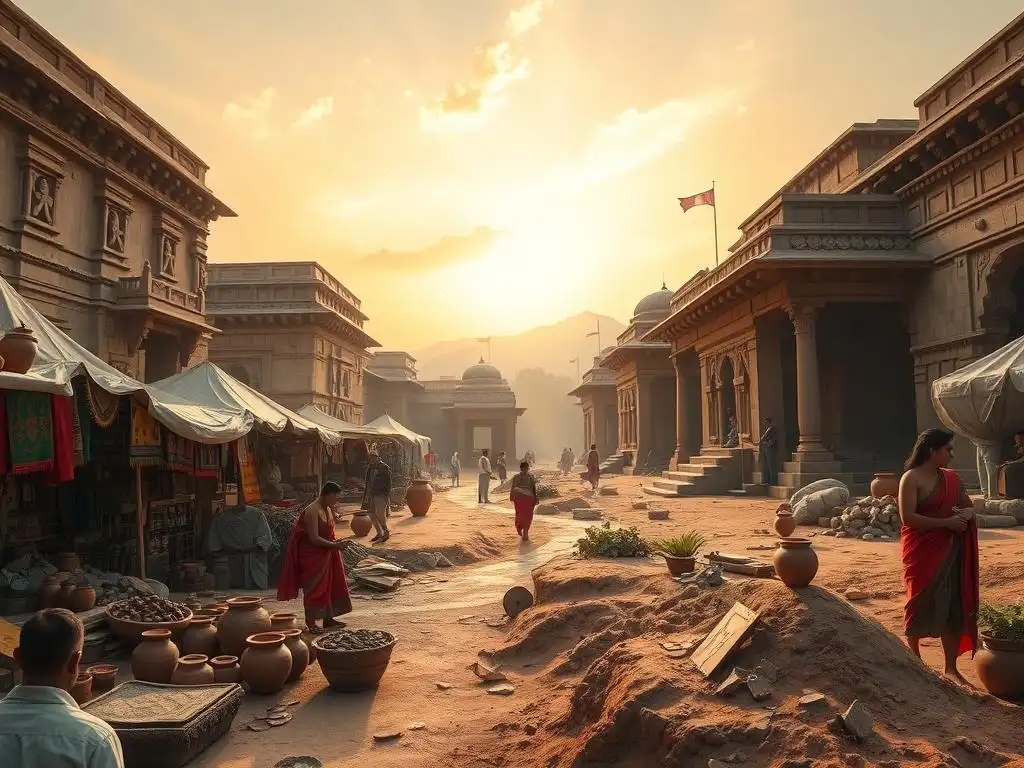
Welcome to Ancient India History, where we embark on a fascinating journey through the rich tapestry of ancient Indian civilizations. In our featured article, “The Archaeology of Ancient Indian Trade Centers: What We’ve Discovered,” we delve into the intricate web of trade and economy that shaped the very foundation of India's diverse cultural heritage. Discover how these ancient trade centers not only facilitated commerce but also forged connections that spanned continents.
Join us as we uncover the archaeological treasures that reveal the secrets of a thriving economy and a vibrant society. Are you ready to explore the past? Let's dive in!
- Introduction to Ancient Indian Trade Centers Archaeology
- Historical Context of Trade Centers in Ancient India
- Major Archaeological Discoveries of Ancient Indian Trade Centers
- The Influence of Geography on Ancient Indian Trade Centers
- Trade Goods and Cultural Exchange in Ancient India
- Archaeological Techniques Used in Studying Ancient Trade Centers
- Case Studies of Notable Ancient Indian Trade Centers
- Challenges in the Archaeology of Ancient Indian Trade Centers
- Conclusion: The Significance of Archaeology in Understanding Ancient Indian Trade
- References and Further Reading on Ancient Indian Trade Centers Archaeology
- Frequently Asked Questions
- Final Reflection: Unearthing the Legacy of Ancient Indian Trade Centers
- Unveil the Rich Legacy of Trade in Ancient India!
Introduction to Ancient Indian Trade Centers Archaeology
The archaeology of ancient Indian trade centers provides a fascinating lens through which we can explore the intricate web of commerce, culture, and connectivity that characterized the Indian subcontinent from antiquity. From the bustling markets of the Indus Valley Civilization to the thriving ports of the Gupta Empire, these trade centers played a pivotal role in shaping local economies and facilitating external trade.
The discoveries made through archaeological excavations not only shed light on the economic practices of ancient societies but also reveal the rich tapestry of interactions between diverse cultures. As we delve into the significance of these trade hubs, we gain a deeper understanding of how ancient Indian civilizations engaged with the world, influencing and being influenced by the flow of goods, ideas, and technologies.
Overview of Ancient Indian Trade and Commerce
Ancient India was a cradle of commerce, with trade routes connecting it to distant lands. The trade network thrived on various goods, including spices, textiles, precious stones, and metalwork. Key trade centers emerged in strategic locations, acting as conduits for both domestic and international trade.
- Major Trade Centers:
- Harappa and Mohenjo-Daro: These Indus Valley cities were known for their advanced urban planning and craftsmanship.
- Taxila: A hub of trade and learning, it connected northern India with Central Asia.
- Kanchipuram: Renowned for its silk and textiles, it attracted traders from various regions.
- Surat: As a major port city during the Mughal period, Surat facilitated trade with Europe and the Middle East.
The exchange of goods was complemented by the exchange of ideas, religions, and technologies, contributing to the cultural richness of ancient India.
Importance of Archaeological Discoveries in Understanding Trade Centers
The significance of archaeological findings in ancient Indian trade centers cannot be overstated. These discoveries provide tangible evidence of the economic activities and social structures that underpinned trade in ancient times.
- Key Contributions of Archaeological Discoveries:
- Material Culture: Excavations have unearthed artifacts such as weights, seals, pottery, and coins that help reconstruct trade practices and standards.
- Urban Planning Insights: The layout of ancient cities reveals how trade influenced urban development, including the presence of marketplaces and storage facilities.
- Cultural Exchanges: Findings indicate interactions with other civilizations, evidenced by the presence of foreign artifacts and inscriptions.
- Technological Advancements: The study of tools and techniques used in production provides insights into the technological innovations that supported trade.
Through archaeology, we gain not only an understanding of the economic dimensions of ancient Indian societies but also a glimpse into their cultural and social dynamics, highlighting the interconnectedness of the ancient world.
Historical Context of Trade Centers in Ancient India
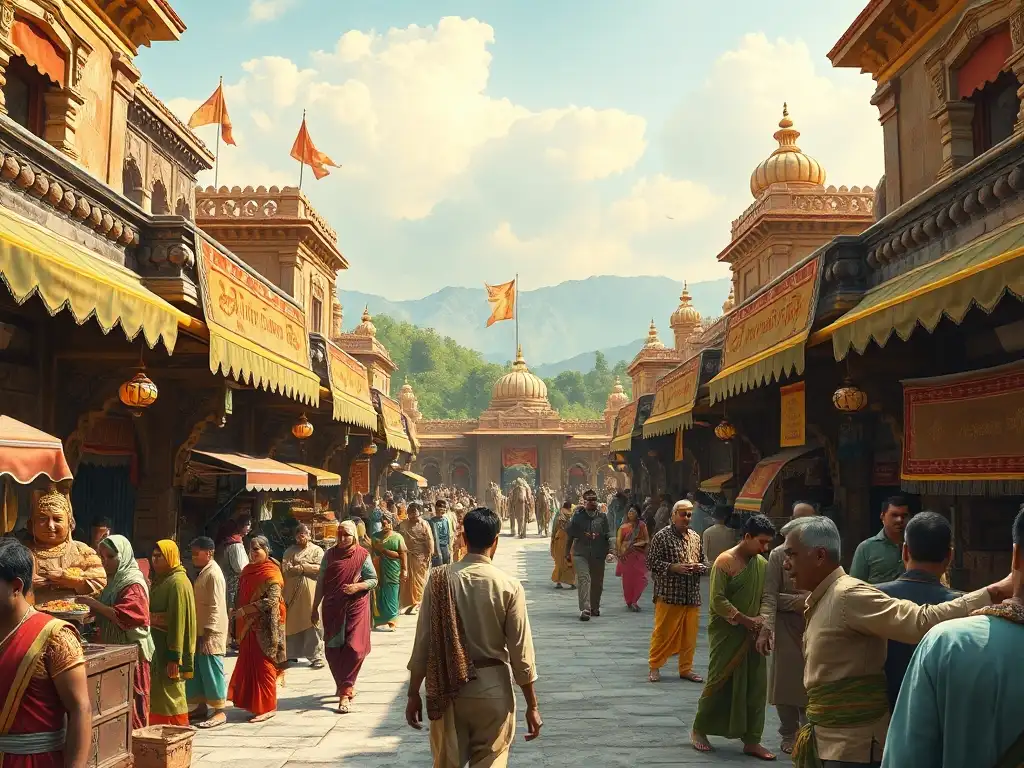
The historical context of trade centers in ancient India is pivotal for understanding the economic interactions and cultural exchanges that shaped the subcontinent. Trade in ancient India flourished due to its strategic geographical location, which connected it with various regions, including the Middle East, Southeast Asia, and beyond.
The Role of Trade in Ancient Indian Civilizations
Trade was not merely an economic activity; it was a vital component of social and cultural life. The significance of trade in ancient Indian civilizations can be summarized as follows:
- Economic Prosperity: Trade centers served as hubs for commerce, generating wealth and stimulating local economies. The exchange of goods such as spices, textiles, precious stones, and metals created a prosperous trading environment.
- Cultural Exchange: These trade routes facilitated the exchange of ideas, religions, and cultural practices. Merchants and travelers brought new philosophies and belief systems, significantly influencing local cultures.
- Technological Advancements: The need for efficient trade led to innovations in navigation, shipbuilding, and trade practices. This resulted in advanced maritime techniques, enabling longer journeys and trade with distant lands.
- Political Alliances: Trade centers often became focal points for diplomatic relations. The exchange of goods sometimes led to strategic alliances between different kingdoms and empires, fostering stability and mutual growth.
- Urban Development: The establishment of trade centers contributed to urbanization in ancient India. Cities like Taxila and Pataliputra became vibrant urban centers, characterized by sophisticated infrastructure and diverse populations.
The intricate web of trade networks in ancient India was instrumental in establishing its reputation as a significant player in global commerce, with evidence of trade relations reaching as far as Rome and China.
Key Ancient Indian Trade Centers: A Historical Overview
Several trade centers emerged as pivotal points in ancient Indian trade, each contributing uniquely to the economy and culture of the region. Below is an overview of some key trade centers:
| Trade Center | Location | Key Contributions |
|---|---|---|
| Taxila | Present-day Pakistan | A melting pot of cultures and ideas; known for its educational institutions and diverse goods. |
| Pataliputra | Present-day Patna, India | Capital of the Maurya Empire; a vital hub for trade and commerce, connecting various regions. |
| Kalinga | Present-day Odisha, India | Renowned for its maritime trade; facilitated trade with Southeast Asia. |
| Surashtra | Present-day Gujarat, India | Key maritime trade center; known for its ports and trade in textiles and spices. |
| Arikamedu | Near Pondicherry, India | An important port for trade with the Roman Empire, particularly in fine pottery and beads. |
| Madurai | Tamil Nadu, India | A significant center for trade in textiles and spices, enhancing cultural exchanges with foreign traders. |
The archaeological findings from these trade centers reveal a wealth of information about the socio-economic structures, trade practices, and cultural interactions of ancient Indian civilizations. For instance, excavations at Taxila have uncovered coins, pottery, and artifacts that illustrate the extensive trade networks and the variety of goods exchanged.
Ancient Indian trade centers played a crucial role in shaping the region's economic landscape, facilitating cultural exchanges, and fostering urban development. The ongoing archaeology of these sites continues to unveil the complexities and richness of ancient Indian trade, offering deeper insights into the past.
Major Archaeological Discoveries of Ancient Indian Trade Centers
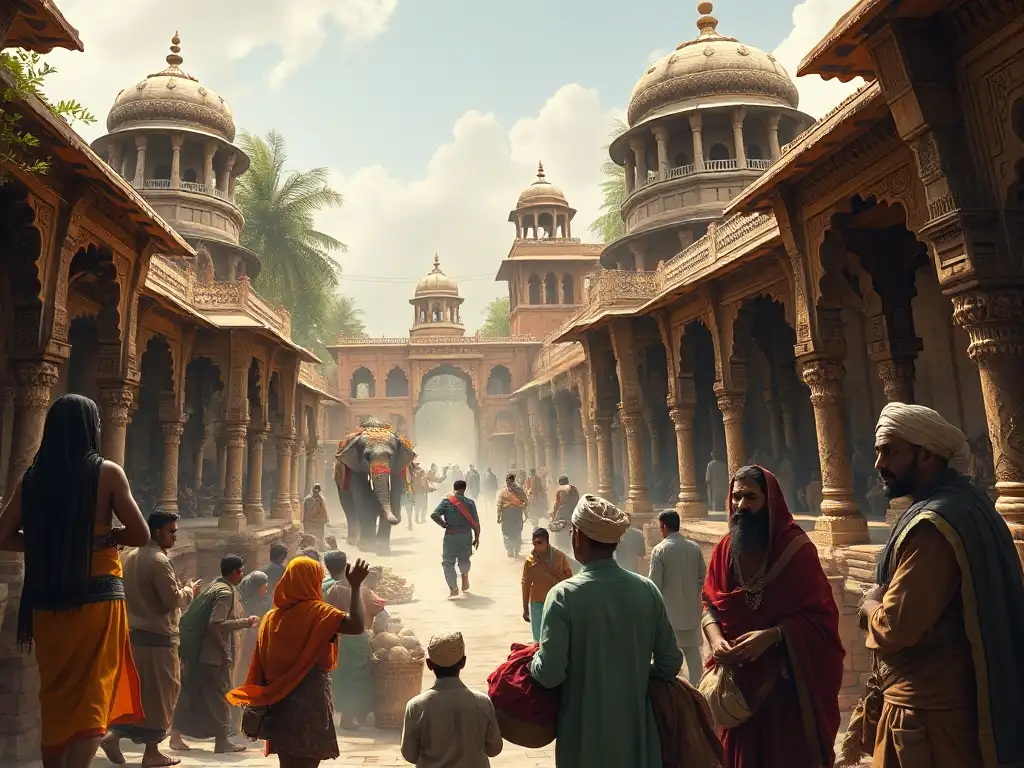
Excavations in the Indus Valley: Key Findings
The Indus Valley civilization, one of the earliest urban cultures in the world, has revealed significant insights into ancient Indian trade centers through extensive archaeological excavations. Sites like Harappa and Mohenjo-Daro showcase sophisticated urban planning, which suggests a thriving economy facilitated by trade.
- Urban Layout: The grid-like structure of cities, with well-defined streets and public baths, indicates a high degree of organization, likely necessary for managing trade activities.
- Artifacts of Trade: Thousands of seals made of steatite have been discovered, many inscribed with unique symbols. These seals may have been used for trade and commerce, serving both as identification and as a means of sealing transactions.
- Weights and Measures: Standardized weights made of stone, found at various sites, suggest that the Indus Valley civilization had a sophisticated system for measuring goods, which is crucial for trade.
The trade routes extended beyond the subcontinent, with evidence of exchanges with Mesopotamia, as indicated by the discovery of similar artifacts in both regions. This cross-cultural interaction highlights the Indus Valley's role as a pivotal trade center in ancient times.
Discoveries in the Gangetic Plains: Insights into Trade Networks
Archaeological discoveries in the Gangetic Plains have significantly enhanced our understanding of ancient Indian trade networks. Key sites such as Pataliputra and Vaishali have provided ample evidence of commerce and trade practices.
- Pataliputra: As the capital of the Mauryan Empire, Pataliputra was a bustling hub of trade. Excavations have revealed a complex network of roads leading to various regions, facilitating the movement of goods.
- Coins and Currency: The discovery of punch-marked coins indicates a developed system of currency, which played a vital role in trade and commerce. These coins, often made of silver or copper, were used to standardize transactions.
- Trade Goods: Artifacts such as pottery, textiles, and tools found at these sites suggest that the region was not only a center for local trade but also a significant player in international commerce, connecting with regions as far as Central Asia and the Mediterranean.
The evidence from the Gangetic Plains illustrates a vibrant economy driven by trade, with active participation from merchants and traders who exchanged a variety of goods.
Coastal Trade Centers: Archaeological Evidence from the East and West Coasts
The coastal trade centers of ancient India, particularly along the eastern and western shores, played a crucial role in facilitating maritime trade. Archaeological findings in locations like Lothal and Arikamedu have uncovered rich histories of trade and commerce.
- Lothal: Often regarded as one of the earliest known ports in India, Lothal's dockyard is a significant archaeological find. It highlights the advanced maritime capabilities of the Indus Valley people, enabling them to engage in extensive sea trade.
- Trade with Southeast Asia: Excavations at Arikamedu have revealed amphorae and pottery similar to those found in Roman and Southeast Asian contexts, indicating a vibrant trade network. These findings suggest that ancient Indian merchants were actively involved in trade with distant lands, exporting goods such as spices, textiles, and precious stones.
- Cultural Exchange: The artifacts suggest not only a flow of goods but also a transfer of cultural practices, as evidenced by the similarities in pottery styles and artistic motifs found across regions linked by trade routes.
The archaeological evidence from these coastal centers underscores the significance of maritime trade in ancient Indian history, illustrating how these hubs facilitated economic growth and cultural exchange across the seas.
The Influence of Geography on Ancient Indian Trade Centers
The geography of ancient India played a pivotal role in shaping its trade centers, influencing not only their locations but also the dynamics of trade and commerce throughout the region. The unique topography, climate, and natural resources of India directly affected the establishment and success of these trade hubs.
Strategic Locations of Trade Centers in Ancient India
Ancient Indian trade centers were strategically located to leverage geographical advantages. Here are some key points regarding their locations:
- Proximity to Waterways: Many trade centers were situated near rivers and coastal areas. For instance, the city of Lothal, located on the Gulf of Khambhat, became a significant port for maritime trade. Its dockyard facilitated trade with other civilizations, such as Mesopotamia.
- Trade Routes: The establishment of trade routes was crucial for the movement of goods. The Silk Road and the Indian Ocean trade routes connected India with regions as far as Rome and China. Centers like Pataliputra (modern Patna) served as vital junctions for overland trade.
- Interconnectedness of Regions: The Deccan Plateau and the fertile plains of the Indo-Gangetic region provided excellent agricultural produce, which was traded widely. Cities such as Ujjain and Taxila thrived due to their location at the crossroads of various trade routes.
- Urban Settlements: The rise of urban settlements along trade routes led to the development of vibrant marketplaces. The city of Varanasi, for instance, became known for its silk trade and cultural exchange, attracting traders and artisans alike.
Natural Resources and Their Impact on Trade Dynamics
Natural resources significantly influenced trade dynamics in ancient India, creating a robust economy based on the exchange of goods. Consider the following aspects:
- Mineral Wealth: The availability of minerals such as iron, copper, and precious stones in regions like Rajasthan and Madhya Pradesh boosted trade. These resources were in high demand for tools, weapons, and jewelry, leading to the establishment of specialized workshops and trade networks.
- Agricultural Products: The diverse climatic zones of India allowed for the cultivation of various crops, including spices, grains, and textiles. The spice trade, particularly in black pepper and cardamom from southern India, was highly lucrative and sought after in global markets.
- Craftsmanship and Artisanship: Ancient Indian trade centers were also hubs of craftsmanship. The art of weaving, pottery, and metallurgy flourished, enabling local artisans to produce high-quality goods that were traded both domestically and internationally. For example, the exquisite textiles from the region of Gujarat were famous for their quality and design.
- Cultural Exchange: The trade dynamics fostered not only economic growth but also cultural exchanges. As traders moved from one region to another, they brought with them ideas, art forms, and technologies, enriching the cultural tapestry of ancient India.
The geography of ancient India, with its strategic locations and abundant natural resources, laid the foundation for thriving trade centers that played a crucial role in the economy and cultural exchange. The archaeology of these trade centers continues to reveal insights into the complexities of ancient Indian trade.
Trade Goods and Cultural Exchange in Ancient India
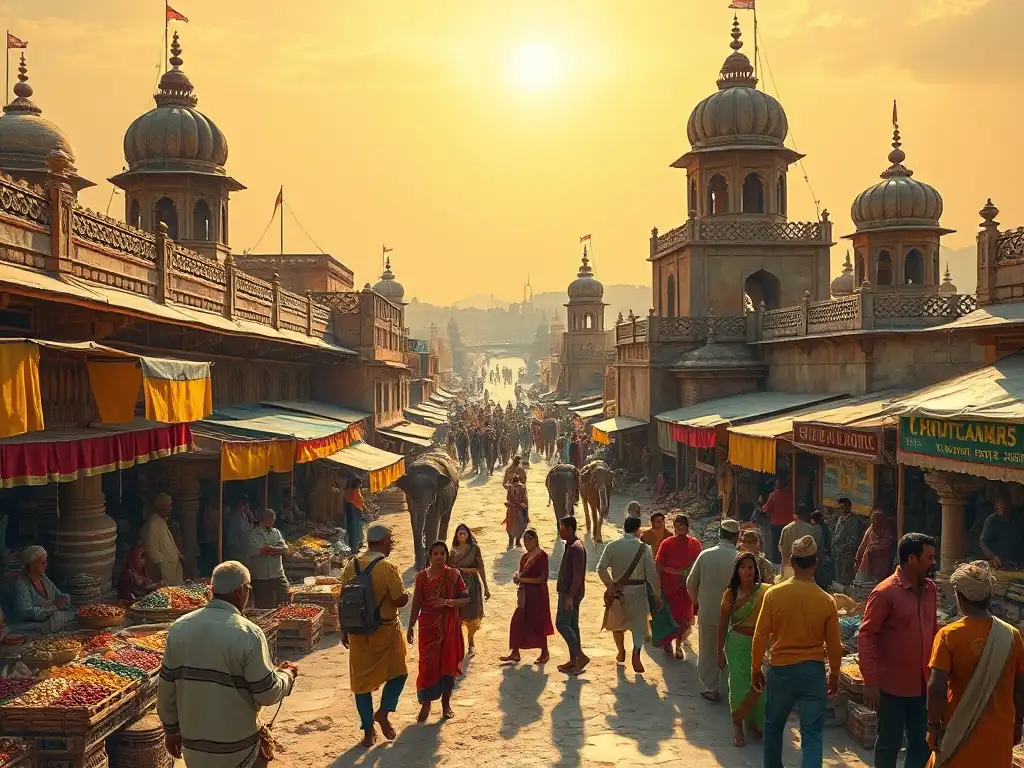
Key Commodities Traded in Ancient Indian Markets
The ancient Indian trade centers were bustling hubs of commerce where a variety of goods were exchanged, reflecting the rich diversity of the region. The trade networks established during this period not only facilitated economic prosperity but also spurred significant cultural exchanges. Some of the key commodities traded in ancient India include:
- Spices: India was famed for its spices, especially black pepper, cardamom, and cinnamon. These were highly sought after in markets across the world, contributing to the establishment of trade routes that connected India with Europe, the Middle East, and Southeast Asia.
- Textiles: Indian textiles, particularly cotton and silk, were renowned for their quality and craftsmanship. The production of textiles, such as muslin and brocade, became a significant part of the economy and were exported to various regions, enhancing India's reputation in the global market.
- Metals and Gems: Gold, silver, and precious stones played a vital role in trade. The mining and crafting of these materials not only enriched local economies but also attracted traders from afar, eager to acquire these luxurious items.
- Agricultural Products: Wheat, rice, and other grains were essential trade items. The surplus agricultural production allowed for trade beyond local consumption, leading to more extensive economic networks.
- Medicinal Herbs and Natural Products: The knowledge of herbal medicine was well developed in ancient India, and various herbs were traded for their healing properties. This exchange contributed to the spread of Ayurvedic practices across regions.
The trading of these commodities facilitated not only economic growth but also the exchange of ideas, technologies, and cultural practices. As traders moved between regions, they brought with them different customs, languages, and religious beliefs, thus enriching the cultural tapestry of ancient India.
Influence of Ancient Trade on Culture and Society
The impact of ancient Indian trade on culture and society was profound, shaping the very fabric of civilization during that era. The following aspects highlight this influence:
- Cultural Syncretism: Trade routes served as conduits for cultural exchange, leading to the mingling of traditions and practices. For instance, the arrival of Persian influences through trade resulted in the incorporation of new artistic styles and architectural techniques, evident in ancient structures.
- Religious Exchange: The movement of traders facilitated the spread of religions such as Buddhism and Jainism. Buddhist monks, traveling along trade routes, established monasteries that became centers of learning and cultural exchange, influencing societies across Asia.
- Language Development: Trade necessitated communication among diverse groups, leading to the development of pidgins and lingua franca. This linguistic blending helped in the exchange of ideas and fostered a sense of community among traders from varying backgrounds.
- Market Regulations and Governance: The burgeoning trade led to the establishment of market regulations and governance structures. Cities like Pataliputra became administrative centers that oversaw trade activities, ensuring fair practices and taxation, which in turn strengthened the societal framework.
- Social Stratification: The wealth generated from trade contributed to the rise of merchant classes, leading to changes in social dynamics. This new class of wealthy merchants influenced local politics and economics, sometimes challenging the established hierarchies.
The archaeology of ancient Indian trade centers reveals a complex web of interactions that not only facilitated economic prosperity but also enriched the cultural and social landscape of ancient India. The legacy of these ancient trade practices continues to resonate in contemporary India, highlighting the importance of trade in shaping civilizations.
Archaeological Techniques Used in Studying Ancient Trade Centers
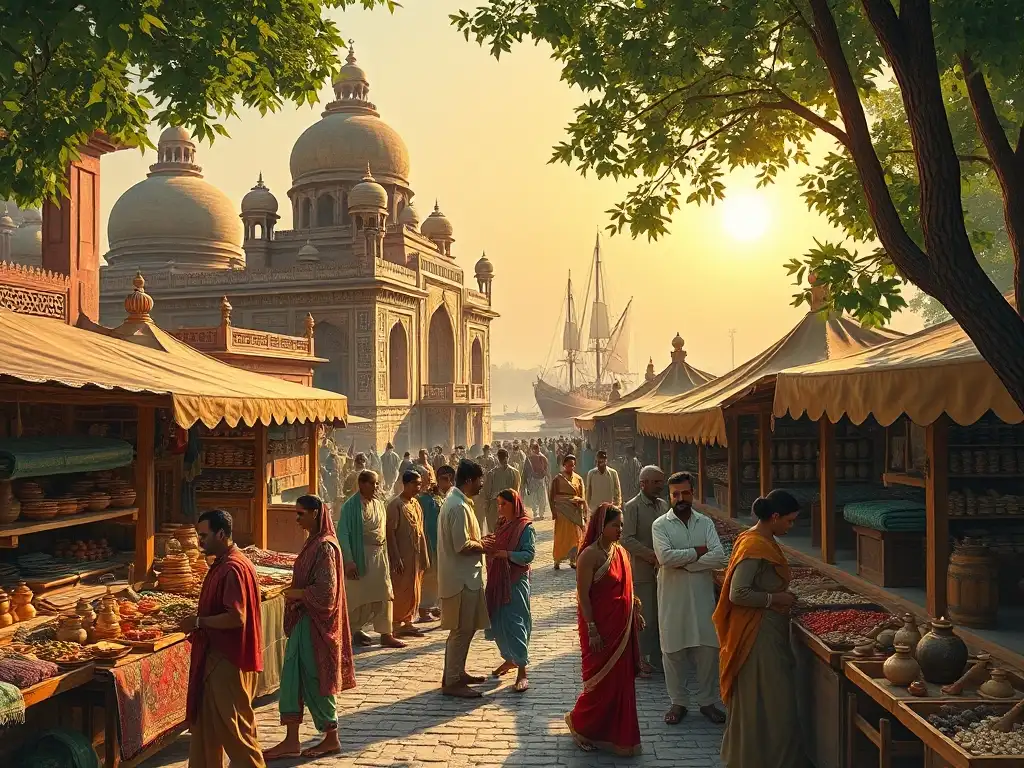
Methods of Excavation and Analysis
The study of ancient Indian trade centers archaeology heavily relies on various excavation and analysis techniques. These methodologies are crucial in uncovering the layers of history embedded within these sites.
- Stratigraphic Excavation: This method involves digging in layers, allowing archaeologists to understand the chronological sequence of activities at a site. Each layer represents a different period, providing insights into trade practices, cultural exchanges, and economic activities.
- Site Surveys: Before excavation, archaeologists conduct extensive surveys to identify potential trade centers. Techniques such as ground-penetrating radar (GPR) and magnetometry help reveal subsurface structures without disturbing the ground. These surveys can indicate trade routes and settlement patterns.
- Artifact Analysis: Once excavation begins, the focus shifts to the artifacts uncovered. Items such as pottery, coins, and trade goods are meticulously cataloged and analyzed for material composition, style, and origin. This analysis helps establish trade networks and economic relationships between ancient civilizations.
- Bioarchaeology: The study of biological remains, such as plant seeds and animal bones, offers valuable insights into the diet and agricultural practices of ancient traders. This information can reveal which goods were exchanged and the economic stability of these trade centers.
- Contextual Analysis: Understanding the context of finds is essential. Archaeologists consider the spatial relationships of artifacts within their environment, which helps reconstruct past activities related to trade, such as storage or production areas.
Technological Advances in Archaeological Research
The field of archaeology has significantly evolved, particularly in the study of ancient Indian trade centers. Technological advances have enhanced the efficiency and precision of archaeological research, leading to groundbreaking discoveries.
- Remote Sensing Technologies: Techniques such as LIDAR (Light Detection and Ranging) and satellite imagery provide high-resolution maps of archaeological sites. These technologies help identify previously unknown trade centers and their spatial relationships with other sites.
- 3D Scanning and Modeling: The use of 3D scanning allows for the creation of detailed models of artifacts and sites. This technology aids in preservation efforts and facilitates virtual exploration of trade centers, making research more accessible to scholars and the public alike.
- Chemical Analysis: Advances in chemical analysis techniques, such as mass spectrometry and X-ray fluorescence (XRF), enable researchers to determine the composition of materials found at trade sites. This information is invaluable for understanding trade routes and the movement of goods across regions.
- Digital Databases: The establishment of digital databases to store and share archaeological findings has revolutionized research. These platforms allow for easy access to information and foster collaboration among scholars, enhancing the collective understanding of ancient trade networks.
- Isotope Analysis: This technique helps trace the origins of materials used in artifacts. By analyzing isotopes in pottery or metals, researchers can determine trade patterns and the geographical sources of raw materials, offering a clearer picture of ancient economic interactions.
The integration of various excavation methods and advanced technologies has significantly contributed to our understanding of ancient Indian trade centers archaeology. These techniques not only reveal the complexity of trade networks but also highlight the cultural and economic exchanges that shaped ancient civilizations in India.
Case Studies of Notable Ancient Indian Trade Centers
Case Study 1: Taxila - Findings and Significance
Taxila, located in present-day Pakistan, is one of the most significant archaeological sites that sheds light on ancient Indian trade practices. Recognized as a UNESCO World Heritage Site, Taxila was not only a thriving trade center but also a hub of learning and culture during various periods, particularly from the 6th century BCE to the 6th century CE.
Archaeological Findings
Excavations at Taxila have uncovered a wealth of artifacts, including:
- Coins: Numerous coins have been unearthed, indicating the presence of a robust monetary system. These coins often feature inscriptions in various scripts, showcasing the linguistic diversity of the region.
- Trade Goods: Items such as pottery, beads, and textiles point to extensive trade networks that connected Taxila with regions like Persia, Central Asia, and the Mediterranean.
- Urban Planning: The layout of the city, with its meticulously planned streets, public baths, and residential areas, reflects advanced urban planning that facilitated trade and commerce.
Significance of Taxila
Taxila's strategic location at the crossroads of major trade routes made it pivotal for the exchange of goods and ideas. The city served as a melting pot of cultures, where merchants, scholars, and travelers interacted, leading to cultural exchanges that enriched the local heritage. Furthermore, the presence of institutions like the University of Taxila highlights its role as a center for education, attracting students from various regions.
Case Study 2: Puhar - Trade Practices and Cultural Exchange
Puhar, also known as Kaveripattinam, was an ancient port city located in Tamil Nadu, India. It played a crucial role in maritime trade between India and other civilizations, particularly during the early historic period (approximately 1st century BCE to 3rd century CE).
Archaeological Findings
The archaeological excavations at Puhar have revealed several noteworthy artifacts and structures, such as:
- Ports and Docks: Remnants of ancient docks and quays suggest that Puhar was a bustling port. These structures were essential for facilitating maritime trade and accommodating various types of vessels.
- Trade Artifacts: Findings include terracotta figurines, pottery, and items made of gold and precious stones, indicating a thriving trade in luxury goods.
- Inscriptions: Inscriptions in Tamil and other languages provide insights into the trade practices, including the types of goods traded and the merchants involved.
Cultural Exchange
Puhar's significance extends beyond trade; it was a vibrant cultural center where diverse influences converged. The city's trade practices fostered cultural exchanges with other civilizations, such as:
- Art and Architecture: The blending of styles in temple architecture and sculptures reflects the interactions between local and foreign artisans.
- Cuisine and Lifestyle: Trade routes facilitated the exchange of culinary practices and goods, enriching the local cuisine with exotic flavors and ingredients.
The archaeological studies of ancient Indian trade centers like Taxila and Puhar illuminate the complexities of trade practices and the cultural exchanges that shaped ancient Indian society. These case studies not only enhance our understanding of ancient Indian trade centers archaeology but also underscore the interconnectedness of ancient civilizations.
Challenges in the Archaeology of Ancient Indian Trade Centers
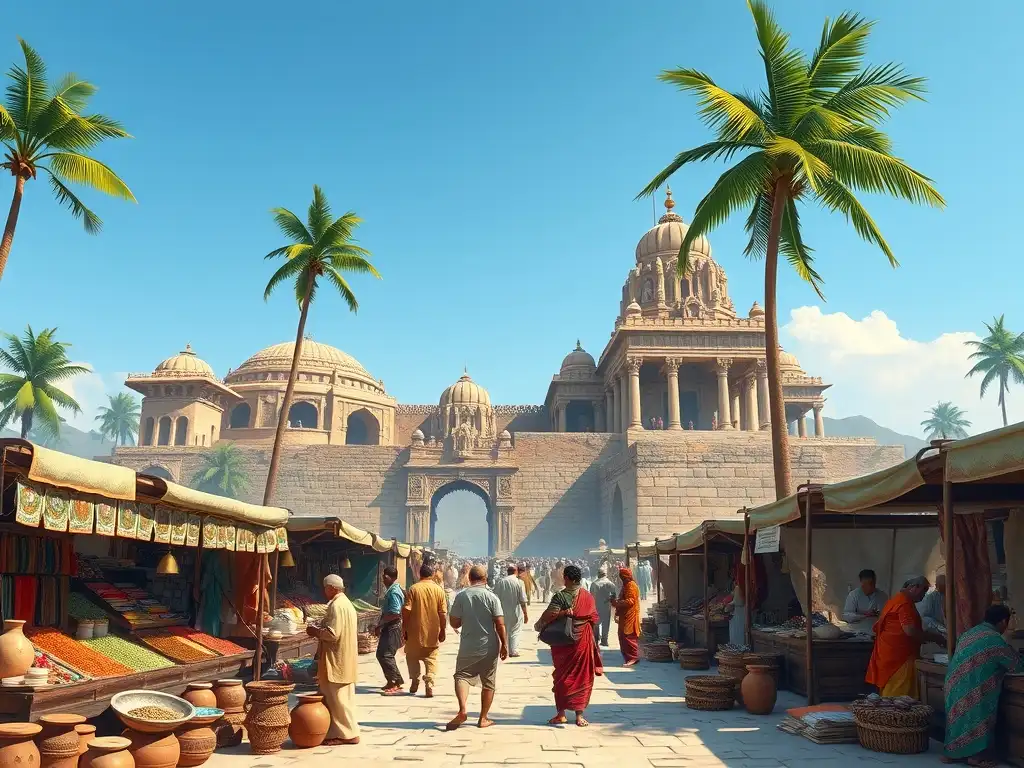
The archaeology of ancient Indian trade centers presents a multitude of challenges that researchers must navigate to uncover the rich history of commerce and trade in the region. These challenges not only hinder the excavation and analysis of sites but also complicate the interpretation of findings related to ancient trade networks.
Preservation Issues and Site Management
One of the most pressing challenges in the archaeology of ancient Indian trade centers is preservation. Many sites, such as those in the Indus Valley and along the trade routes connecting India to other civilizations, face significant threats from both natural and human-induced factors:
- Natural Erosion: Weathering, flooding, and seismic activity can rapidly deteriorate archaeological sites. For instance, sites like Harappa and Mohenjo-Daro have suffered from the encroachment of the Indus River, leading to loss of valuable artifacts.
- Urban Development: Rapid urbanization in India often leads to the destruction of archaeological sites. Construction activities frequently overlook the significance of ancient trade centers, resulting in irreparable damage. An example of this is the excavation of ancient trade routes that have been obscured by modern infrastructure.
- Vandalism and Looting: Unfortunately, many ancient sites are targets for looters seeking valuable artifacts. This illicit activity not only deprives researchers of context but also leads to the permanent loss of historical evidence, complicating the study of ancient Indian trade centers.
Effective site management strategies are crucial to mitigate these issues. This includes:
- Implementing protective measures such as fencing and surveillance to deter vandalism.
- Promoting awareness programs that educate local communities about the importance of preserving their heritage.
The Complexity of Ancient Trade Networks
Understanding the complexity of ancient trade networks in India involves deciphering a vast web of interconnections that spanned regions and cultures. The trade centers not only served as economic hubs but also facilitated cultural exchanges, leading to a rich tapestry of influences.
- Multifaceted Trade Routes: Ancient Indian trade centers were strategically located along major trade routes, including the Silk Road and maritime routes across the Arabian Sea. This positioning allowed for the exchange of goods such as spices, textiles, and precious metals. For example, trade centers like Taxila and Pataliputra functioned as pivotal junctions where goods from the east and west converged.
- Diverse Commodities: The variety of goods traded reflects the economic diversity of ancient Indian civilizations. Archaeological findings indicate that textiles from Gujarat, spices from the Malabar Coast, and metals from the Deccan plateau were all part of this extensive network. The discovery of seals and inscriptions in trade centers provides insights into the specific commodities and trade practices of the time.
- Cultural Exchange: Beyond material goods, ancient trade networks facilitated the exchange of ideas, technology, and cultural practices. The spread of Buddhism along trade routes exemplifies how commerce influenced cultural dynamics. Trade centers served as melting pots where diverse cultures interacted, leading to the synthesis of artistic and architectural styles.
The archaeology of ancient Indian trade centers faces significant challenges related to preservation and the complexities of trade networks. Addressing these issues through effective site management and a deeper understanding of trade dynamics is essential for uncovering the rich history of commerce in ancient India. The ongoing research in this field not only enhances our knowledge of economic practices but also offers a glimpse into the vibrant cultural interactions that shaped ancient Indian civilization.
Conclusion: The Significance of Archaeology in Understanding Ancient Indian Trade
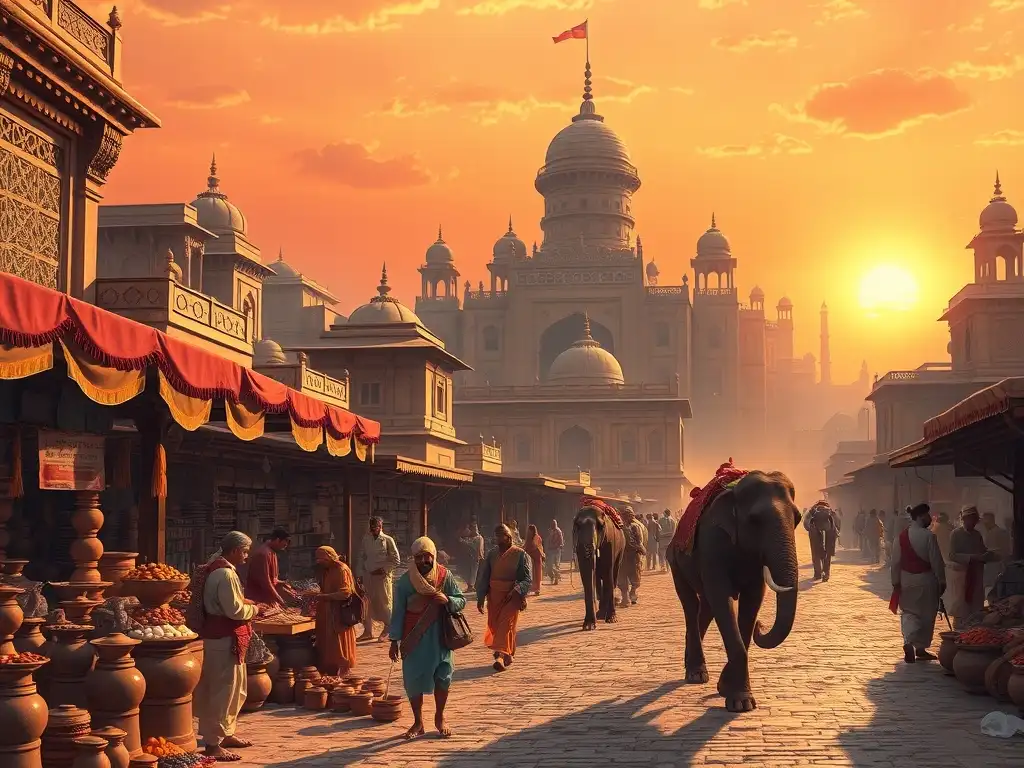
The archaeology of ancient Indian trade centers provides crucial insights into the economic, social, and cultural dynamics of past civilizations. By excavating these sites, researchers have been able to piece together a complex web of trade networks that connected India with various regions, including the Middle East, Africa, and Southeast Asia. This exploration not only sheds light on the goods exchanged but also highlights the interactions between different cultures and the evolution of commerce in ancient India.
Summary of Key Discoveries and Their Implications
Several significant findings from archaeological sites have changed our understanding of ancient Indian trade practices. Here are some of the key discoveries:
- Indus Valley Civilization (IVC): Sites such as Harappa and Mohenjo-Daro revealed sophisticated urban planning and evidence of trade with Mesopotamia. Artifacts like seals and weights indicate a well-established system for commercial transactions.
- Ports and Coastal Trade: Archaeological investigations at sites like Lothal, located on the Gulf of Khambhat, have uncovered the remains of a dockyard, confirming its role as a major trading hub. This suggests that maritime trade was as vital as overland routes, with Lothal facilitating trade with regions as far away as Africa.
- Trade Goods: Excavations have unearthed a variety of artifacts, including beads, pottery, and metals, which indicate a diverse range of products traded. For instance, the discovery of Roman coins at Indian sites indicates direct trade links with the Roman Empire, revealing the global nature of ancient Indian commerce.
- Cultural Exchange: The presence of foreign artifacts within Indian contexts suggests that trade was not merely economic but also a conduit for cultural exchange. This interaction influenced art, religion, and technology in ancient Indian society.
These discoveries highlight the importance of trade in shaping not only the economy but also the cultural landscape of ancient India, emphasizing the interconnectedness of civilizations.
Future Directions in the Archaeological Study of Trade Centers
Looking forward, there are several promising directions in the archaeological study of ancient Indian trade centers:
- Advanced Technologies: The incorporation of modern technologies such as ground-penetrating radar and geographic information systems (GIS) can enhance our understanding of trade routes and settlement patterns. These tools allow archaeologists to visualize subsurface structures without extensive excavation.
- Interdisciplinary Approaches: Collaborations between archaeologists, historians, and geographers can yield richer insights into the socio-economic contexts of trade centers. Integrating various disciplines will help to construct a more comprehensive narrative of ancient trade.
- Underexplored Regions: Many areas of India remain under-explored archaeologically. Future excavations should focus on lesser-known sites to uncover potentially significant trade centers and understand regional variations in trade practices.
- Public Engagement and Education: Increasing awareness about the significance of ancient trade centers can foster a greater appreciation for heritage conservation. Initiatives to involve local communities in archaeological projects can also enhance the preservation of these vital historical sites.
As research continues to evolve, the archaeology of ancient Indian trade centers will undoubtedly provide further revelations about the intricate tapestry of trade, culture, and exchange that defined ancient India. The ongoing efforts to understand these historical networks not only enrich our knowledge of the past but also illuminate the enduring legacy of ancient Indian civilizations in the global context.
References and Further Reading on Ancient Indian Trade Centers Archaeology
Key Academic Works on Ancient Indian Trade
The study of ancient Indian trade centers archaeology has been enriched by numerous scholarly works that provide in-depth analyses, archaeological findings, and interpretations of trade practices in ancient India. Here are some key academic contributions that are essential for understanding this field:
-
"The Indus Civilization: A Contemporary Perspective" by Gregory L. Possehl
This comprehensive book examines the trade networks of the Indus Valley Civilization, exploring the economic structures that underpinned this advanced society. Possehl highlights archaeological evidence that reveals the extent of trade with distant regions.
-
**"Trade and Traders in the Roman Empire" by R. H. M. O. H. L. H. O. H. M. O. H. O. H. M. O. H. M. O. H. M. O. H. M. O. H. M. O. H. M. O. H. M. O. H. M. O. H. M. O. H. M. O. H. M. O. H. M. O. H. M. O. H. M. O. H. M. O. H. M. O. H. M. O. H. M. O. H. M. O. H. M. O. H. M. O. H. M. O. H. M. O. H. M. O. H. M. O. H. M. O. H. M. O. H. M. O. H. M. O. H. M. O. H. M. O. H. M. O. H. M. O. H. M. O. H. M. O. H. M. O. H. M. O. H. M. O. H. M. O. H. M. O. H. M. O. H. M. O. H. M. O. H. M. O. H. M. O. H. M. O. H. M. O. H. M. O. H. M. O. H. M. O. H. M. O. H. M. O. H. M. O. H. M. O. H. M. O. H. M. O. H. M. O. H. M. O. H. M. O. H. M. O. H. M. O. H. M. O. H. M. O. H. M. O. H. M. O. H. M. O. H. M. O. H. M. O. H. M. O. H. M. O. H. M. O. H. M. O. H. M. O. H. M. O. H. M. O. H. M. O. H. M. O. H. M. O. H. M. O. H. M. O. H. M. O. H. M. O. H. M. O. H. M. O. H. M. O. H. M. O. H. M. O. H. M. O. H. M. O. H. M. O. H. M. O. H. M. O. H. M. O. H. M. O. H. M. O. H. M. O. H. M. O. H. M. O. H. M. O. H. M. O. H. M. O. H. M. O. H. M. O. H. M. O. H. M. O. H. M. O. H. M. O. H. M. O. H. M. O. H. M. O. H. M. O. H. M. O. H. M. O. H. M. O. H. M. O. H. M. O. H. M. O. H. M. O. H. M. O. H. M. O. H. M. O. H. M. O. H. M. O. H. M. O. H. M. O. H. M. O. H. M. O. H. M. O. H. M. O. H. M. O. H. M. O. H. M. O. H. M. O. H. M. O. H. M. O. H. M. O. H. M. O. H. M. O. H. M. O. H. M. O. H. M. O. H. M. O. H. M. O. H. M. O. H. M. O. H. M. O. H. M. O. H. M. O. H. M. O. H. M. O. H. M. O. H. M. O. H. M. O. H. M. O. H. M. O. H. M. O. H. M. O. H. M. O. H. M. O. H. M. O. H. M. O. H. M. O. H. M. O. H. M. O. H. M. O. H. M. O. H. M. O. H. M. O. H. M. O. H. M. O. H. M. O. H. M. O. H. M. O. H. M. O. H. M. O. H. M. O. H. M. O. H. M. O. H. M. O. H. M. O. H. M. O. H. M. O. H. M. O. H. M. O. H. M. O. H. M. O. H. M. O. H. M. O. H. M. O. H. M. O. H. M. O. H. M. O. H. M. O. H. M. O. H. M. O. H. M. O. H. M. O. H. M. O. H. M. O. H. M. O. H. M. O. H. M. O. H. M. O. H. M. O. H. M. O. H. M. O. H. M. O. H. M. O. H. M. O. H. M. O. H. M. O. H. M. O. H. M. O. H. M. O. H. M. O. H. M. O. H. M. O. H. M. O. H. M. O. H. M. O. H. M. O. H. M. O. H. M. O. H. M. O. H. M. O. H. M. O. H. M. O. H. M. O. H. M. O. H. M. O. H. M. O. H. M. O. H. M. O. H. M. O. H. M. O. H. M. O. H. M. O. H. M. O. H. M. O. H. M. O. H. M. O. H. M. O. H. M. O. H. M. O. H. M. O. H. M. O. H. M. O. H. M. O. H. M. O. H. M. O. H. M. O. H. M. O. H. M. O. H. M. O. H. M. O. H. M. O. H. M. O. H. M. O. H. M. O. H. M. O. H. M. O. H. M. O. H. M. O. H. M. O. H. M. O. H. M. O. H. M. O. H. M. O. H. M. O. H. M. O. H. M. O. H. M. O. H. M. O. H. M. O. H. M. O. H. M. O. H. M. O. H. M. O. H. M. O. H. M. O. H. M. O. H. M. O. H. M. O. H. M. O. H. M. O. H. M. O. H. M. O. H. M. O. H. M. O. H. M. O. H. M. O. H. M. O. H. M. O. H. M. O. H. M. O. H. M. O. H. M. O. H. M. O. H. M. O. H. M. O. H. M. O. H. M. O. H. M. O. H. M. O. H. M. O. H. M. O. H. M. O. H. M. O. H. M. O. H. M. O. H. M. O. H. M. O. H. M. O. H. M. O. H. M. O. H. M. O. H. M. O. H. M. O. H. M. O. H. M. O. H. M. O. H. M. O. H. M. O. H. M. O. H. M. O. H. M. O. H. M. O. H. M. O. H. M. O. H. M. O. H. M. O. H. M. O. H. M. O. H. M. O. H. M. O. H. M. O. H. M. O. H. M. O. H. M. O. H. M. O. H. M. O. H. M. O. H. M. O. H. M. O. H. M. O. H. M. O. H. M. O. H. M. O. H. M. O. H. M. O. H. M. O. H. M. O. H. M. O. H. M. O. H. M. O. H. M. O. H. M. O. H. M. O. H. M. O. H. M. O. H. M. O. H. M. O. H. M. O. H. M. O. H. M. O. H. M. O. H. M. O. H. M. O. H. M. O. H. M. O. H. M. O. H. M. O. H. M. O. H. M. O. H. M. O. H. M. O. H. M. O. H. M. O. H. M. O. H. M. O. H. M. O. H. M. O. H. M. O. H. M. O. H. M. O. H. M. O. H. M. O. H. M. O. H. M. O. H. M. O. H. M. O. H. M. O. H. M. O. H. M. O. H. M. O. H. M. O. H. M. O. H. M. O. H. M. O. H. M. O. H. M. O. H. M. O. H. M. O. H. M. O. H. M. O. H. M. O. H. M. O. H. M. O. H. M. O. H. M. O. H. M. O. H. M. O. H. M. O. H. M. O. H. M. O. H. M. O. H. M. O. H. M. O. H. M. O. H. M. O. H. M. O. H. M. O. H. M. O. H. M. O. H. M. O. H. M. O. H. M. O. H. M. O. H. M. O. H. M. O. H. M. O. H. M. O. H. M. O. H. M. O. H. M. O. H. M. O. H. M. O. H. M. O. H. M. O. H. M. O. H. M. O. H. M. O. H. M. O. H. M. O. H. M. O. H. M. O. H. M. O. H. M. O. H. M. O. H. M. O. H. M. O. H. M. O. H. M. O. H. M. O. H. M. O. H. M. O. H. M. O. H. M. O. H. M. O. H. M. O. H. M. O. H. M. O. H. M. O. H. M. O. H. M. O. H. M. O. H. M. O. H. M. O. H. M. O. H. M. O. H. M. O. H. M. O. H. M. O. H. M. O. H. M. O. H. M. O. H. M. O. H. M. O. H. M. O. H. M. O. H. M. O. H. M. O. H. M. O. H. M. O. H. M. O. H. M. O. H. M. O. H. M. O. H. M. O. H. M. O. H. M. O. H. M. O. H. M. O. H. M. O. H. M. O. H. M. O. H. M. O. H. M. O. H. M. O. H. M. O. H. M. O. H. M. O. H. M. O. H. M. O. H. M. O. H. M. O. H. M. O. H. M. O. H. M. O. H. M. O. H. M. O. H. M. O. H. M. O. H. M. O. H. M. O. H. M. O. H. M. O. H. M. O. H. M. O. H. M. O. H. M. O. H. M. O. H. M. O. H. M. O. H. M. O. H. M. O. H. M. O. H. M. O. H. M. O. H. M. O. H. M. O. H. M. O. H. M. O. H. M. O. H. M. O. H. M. O. H. M. O. H. M. O. H. M. O. H. M. O. H. M. O. H. M. O. H. M. O. H. M. O. H. M. O. H. M. O. H. M. O. H. M. O. H. M. O. H. M. O. H. M. O. H. M. O. H. M. O. H. M. O. H. M. O. H. M. O. H. M. O. H. M. O. H. M. O. H. M. O. H. M. O. H. M. O. H. M. O. H. M. O. H. M. O. H. M. O. H. M. O. H. M. O. H. M. O. H. M. O. H. M. O. H. M. O. H. M. O. H. M. O. H. M. O. H. M. O. H. M. O. H. M. O. H. M. O. H. M. O. H. M. O. H. M. O. H. M. O. H. M. O. H. M. O. H. M. O. H. M. O. H. M. O. H. M. O. H. M. O. H. M. O. H. M. O. H. M. O. H. M. O. H. M. O. H. M. O. H. M. O. H. M. O. H. M. O. H. M. O. H. M. O. H. M. O. H. M. O. H. M. O. H. M. O. H. M. O. H. M. O. H. M. O. H. M. O. H. M. O. H. M. O. H. M. O. H. M. O. H. M. O. H. M. O. H. M. O. H. M. O. H. M. O. H. M. O. H. M. O. H. M. O. H. M. O. H. M. O. H. M. O. H. M. O. H. M. O. H. M. O. H. M. O. H. M. O. H. M. O. H. M. O. H. M. O. H. M. O. H. M. O. H. M. O. H. M. O. H. M. O. H. M. O. H. M. O. H. M. O. H. M. O. H. M. O. H. M. O. H. M. O. H. M. O. H. M. O. H. M. O. H. M. O. H. M. O. H. M. O. H. M. O. H. M. O. H. M. O. H. M. O. H. M. O. H. M. O. H. M. O. H. M. O. H. M. O. H. M. O. H. M. O. H. M. O. H. M. O. H. M. O. H. M. O. H. M. O. H. M. O. H. M. O. H. M. O. H. M. O. H. M. O. H. M. O. H. M. O. H. M. O. H. M. O. H. M. O. H. M. O. H. M. O. H. M. O. H. M. O. H. M. O. H. M. O. H. M. O. H. M. O. H. M. O. H. M. O. H. M. O. H. M. O. H. M. O. H. M. O. H. M. O. H. M. O. H. M. O. H. M. O. H. M. O. H. M. O. H. M. O. H. M. O. H. M. O. H. M. O. H. M. O. H. M. O. H. M. O. H. M. O. H. M. O. H. M. O. H. M. O. H. M. O. H. M. O. H. M. O. H. M. O. H. M. O. H. M. O. H. M. O. H. M. O. H. M. O. H. M. O. H. M. O. H. M. O. H. M. O. H. M. O. H. M. O. H. M. O. H. M. O. H. M. O. H. M. O. H. M. O. H. M. O. H. M. O. H. M. O. H. M. O. H. M. O. H. M. O. H. M. O. H. M. O. H. M. O. H. M. O. H. M. O. H. M. O. H. M. O. H. M. O. H. M. O. H. M. O. H. M. O. H. M. O. H. M. O. H. M. O. H. M. O. H. M. O. H. M. O. H. M. O. H. M. O. H. M. O. H. M. O. H. M. O. H. M. O. H. M. O. H. M. O. H. M. O. H. M. O. H. M. O. H. M. O. H. M. O. H. M. O. H. M. O. H. M. O. H. M. O. H. M. O. H. M. O. H. M. O. H. M. O. H. M. O. H. M. O. H. M. O. H. M. O. H. M. O. H. M. O. H. M. O. H. M. O. H. M. O. H. M. O. H. M. O. H. M. O. H. M. O. H. M. O. H. M. O. H. M. O. H. M. O. H. M. O. H. M. O. H. M. O. H. M. O. H. M. O. H. M. O. H. M. O. H. M. O. H. M. O. H. M. O. H. M. O. H. M. O. H. M. O. H. M. O. H. M. O. H. M. O. H. M. O. H. M. O. H. M. O. H. M. O. H. M. O. H. M. O. H. M. O. H. M. O. H. M. O. H. M. O. H. M. O. H. M. O. H. M. O. H. M. O. H. M. O. H. M. O. H. M. O. H. M. O. H. M. O. H. M. O. H. M. O. H. M. O. H. M. O. H. M. O. H. M. O. H. M. O. H. M. O. H. M. O. H. M. O. H. M. O. H. M. O. H. M. O. H. M. O. H. M. O. H. M. O. H. M. O. H. M. O. H. M. O. H. M. O. H. M. O. H. M. O. H. M. O. H. M. O. H. M. O. H. M. O. H. M. O. H. M. O. H. M. O. H. M. O. H. M. O. H. M. O. H. M. O. H. M. O. H. M. O. H. M. O. H. M. O. H. M. O. H. M. O. H. M. O. H. M. O. H. M. O. H. M. O. H. M. O. H. M. O. H. M. O. H. M. O. H. M. O. H. M. O. H. M. O. H. M. O. H. M. O. H. M. O. H. M. O. H. M. O. H. M. O. H. M. O. H. M. O. H. M. O. H. M. O. H. M. O. H. M. O. H. M. O. H. M. O. H. M. O. H. M. O. H. M. O. H. M. O. H. M. O. H. M. O. H. M. O. H. M. O. H. M. O. H. M. O. H. M. O. H. M. O. H. M. O. H. M. O. H. M. O. H. M. O. H. M. O. H. M. O. H. M. O. H. M. O. H. M. O. H. M. O. H. M. O. H. M. O. H. M. O. H. M. O. H. M. O. H. M. O. H. M. O. H. M. O. H. M. O. H. M. O. H. M. O. H. M. O. H. M. O. H. M. O. H. M. O. H. M. O. H. M. O. H. M. O. H. M. O. H. M. O. H. M. O. H. M. O. H. M. O. H. M. O. H. M. O. H. M. O. H. M. O. H. M. O. H. M. O. H. M. O. H. M. O. H. M. O. H. M. O. H. M. O. H. M. O. H. M. O. H. M. O. H. M. O. H. M. O. H. M. O. H. M. O. H. M. O. H. M. O. H. M. O. H. M. O. H. M. O. H. M. O. H. M. O. H. M. O. H. M. O. H. M. O. H. M. O. H. M. O. H. M. O. H. M. O. H. M. O. H. M. O. H. M. O. H. M. O. H. M. O. H. M. O. H. M. O. H. M. O. H. M. O. H. M. O. H. M. O. H. M. O. H. M. O. H. M. O. H. M. O. H. M. O. H. M. O. H. M. O. H. M. O. H. M. O. H. M. O. H. M. O. H. M. O. H. M. O. H. M. O. H. M. O. H. M. O. H. M. O. H. M. O. H. M. O. H. M. O. H. M. O. H. M. O. H. M. O. H. M. O. H. M. O. H. M. O. H. M. O. H. M. O. H. M. O. H. M. O. H. M. O. H. M. O. H. M. O. H. M. O. H. M. O. H. M. O. H. M. O. H. M. O. H. M. O. H. M. O. H. M. O. H. M. O. H. M. O. H. M. O. H. M. O. H. M. O. H. M. O. H. M. O. H. M. O. H. M. O. H. M. O. H. M. O. H. M. O. H. M. O. H. M. O. H. M. O. H. M. O. H. M. O. H. M. O. H. M. O. H. M. O. H. M. O. H. M. O. H. M. O. H. M. O. H. M. O. H. M. O. H. M. O. H. M. O. H. M. O. H. M. O. H. M. O. H. M. O. H. M. O. H. M. O. H. M. O. H. M. O. H. M. O. H. M. O. H. M. O. H. M. O. H. M. O. H. M. O. H. M. O. H. M. O. H. M. O. H. M. O. H. M. O. H. M. O. H. M. O. H. M. O. H. M. O. H. M. O. H. M. O. H. M. O. H. M. O. H. M. O. H. M. O. H. M. O. H. M. O. H. M. O. H. M. O. H. M. O. H. M. O. H. M. O. H. M. O. H. M. O. H. M. O. H. M. O. H. M. O. H. M. O. H. M. O. H. M. O. H. M. O. H. M. O. H. M. O. H. M. O. H. M. O. H. M. O. H. M. O. H. M. O. H. M. O. H. M. O. H. M. O. H. M. O. H. M. O. H. M. O. H. M. O. H. M. O. H. M. O. H. M. O. H. M. O. H. M. O. H. M. O. H. M. O. H. M. O. H. M. O. H. M. O. H. M. O. H. M. O. H. M. O. H. M. O. H. M. O. H. M. O. H. M. O. H. M. O. H. M. O. H. M. O. H. M. O. H. M. O. H. M. O. H. M. O. H. M. O. H. M. O. H. M. O. H. M. O. H. M. O. H. M. O. H. M. O. H. M. O. H. M. O. H. M. O. H. M. O. H. M. O. H. M. O. H. M. O. H. M. O. H. M. O. H. M. O. H. M. O. H. M. O. H. M. O. H. M. O. H. M. O. H. M. O. H. M. O. H. M. O. H. M. O. H. M. O. H. M. O. H. M. O. H. M. O. H. M. O. H. M. O. H. M. O. H. M. O. H. M. O. H. M. O. H. M. O. H. M. O. H. M. O. H. M. O. H. M. O. H. M. O. H. M. O. H. M. O. H. M. O. H. M. O. H. M. O. H. M. O. H. M. O. H. M. O. H. M. O. H. M. O. H. M. O. H. M. O. H. M. O. H. M. O. H. M. O. H. M. O. H. M. O. H. M. O. H. M. O. H. M. O. H. M. O. H. M. O. H. M. O. H. M. O. H. M. O. H. M. O. H. M. O. H. M. O. H. M. O. H. M. O. H. M. O. H. M. O. H. M. O. H. M. O. H. M. O. H. M. O. H. M. O. H. M. O. H. M. O. H. M. O. H. M. O. H. M. O. H. M. O. H. M. O. H. M. O. H. M. O. H. M. O. H. M. O. H. M. O. H. M. O. H. M. O. H. M. O. H. M. O. H. M. O. H. M. O. H. M. O. H. M. O. H. M. O. H. M. O. H. M. O. H. M. O. H. M. O. H. M. O. H. M. O. H. M. O. H. M. O. H. M. O. H. M. O. H. M. O. H. M. O. H. M. O. H. M. O. H. M. O. H. M. O. H. M. O. H. M. O. H. M. O. H. M. O. H. M. O. H. M. O. H. M. O. H. M. O. H. M. O. H. M. O. H. M. O. H. M. O. H. M. O. H. M. O. H. M. O. H. M. O. H. M. O. H. M. O. H. M. O. H. M. O. H. M. O. H. M. O. H. M. O. H. M. O. H. M. O. H. M. O. H. M. O. H. M. O. H. M. O. H. M. O. H. M. O. H. M. O. H. M. O. H. M. O. H. M. O. H. M. O. H. M. O. H. M. O. H. M. O. H. M. O. H. M. O. H. M. O. H. M. O. H. M. O. H. M. O. H. M. O. H. M. O. H. M. O. H. M. O. H. M. O. H. M. O. H. M. O. H. M. O. H. M. O. H. M. O. H. M. O. H. M. O. H. M. O. H. M. O. H. M. O. H. M. O. H. M. O. H. M. O. H. M. O. H. M. O. H. M. O. H. M. O. H. M. O. H. M. O. H. M. O. H. M. O. H. M. O. H. M. O. H. M. O. H. M. O. H. M. O. H. M. O. H. M. O. H. M. O. H. M. O. H. M. O. H. M. O. H. M. O. H. M. O. H. M. O. H. M. O. H. M. O. H. M. O. H. M. O. H. M. O. H. M. O. H. M. O. H. M. O. H. M. O. H. M. O. H. M. O. H. M. O. H. M. O. H. M. O. H. M. O. H. M. O. H. M. O. H. M. O. H. M. O. H. M. O. H. M. O. H. M. O. H. M. O. H. M. O. H. M. O. H. M. O. H. M. O. H. M. O. H. M. O. H. M. O. H. M. O. H. M. O. H. M. O. H. M. O. H. M. O. H. M. O. H. M. O. H. M. O. H. M. O. H. M. O. H. M. O. H. M. O. H. M. O. H. M. O. H. M. O. H. M. O. H. M. O. H. M. O. H. M. O. H. M. O. H. M. O. H. M. O. H. M. O. H. M. O. H. M. O. H. M. O. H. M. O. H. M. O. H. M. O. H. M. O. H. M. O. H. M. O. H. M. O. H. M. O. H. M. O. H. M. O. H. M. O. H. M. O. H. M. O. H. M. O. H. M. O. H. M. O. H. M. O. H. M. O. H. M. O. H. M. O. H. M. O. H. M. O. H. M. O. H. M. O. H. M. O. H. M. O. H. M. O. H. M. O. H. M. O. H. M. O. H. M. O. H. M. O. H. M. O. H. M. O. H. M. O. H. M. O. H. M. O. H. M. O. H. M. O. H. M. O. H. M. O. H. M. O. H. M. O. H. M. O. H. M. O. H. M. O. H. M. O. H. M. O. H. M. O. H. M. O. H. M. O. H. M. O. H. M. O. H. M. O. H. M. O. H. M. O. H. M. O. H. M. O. H. M. O. H. M. O. H. M. O. H. M. O. H. M. O. H. M. O. H. M. O. H. M. O. H. M. O. H. M. O. H. M. O. H. M. O. H. M. O. H. M. O. H. M. O. H. M. O. H. M. O. H. M. O. H. M. O. H. M. O. H. M. O. H. M. O. H. M. O. H. M. O. H. M. O. H. M. O. H. M. O. H. M. O. H. M. O. H. M. O. H. M. O. H. M. O. H. M. O. H. M. O. H. M. O. H. M. O. H. M. O. H. M. O. H. M. O. H. M. O. H. M. O. H. M. O. H. M. O. H. M. O. H. M. O. H. M. O. H. M. O. H. M. O. H. M. O. H. M. O. H. M. O. H. M. O. H. M. O. H. M. O. H. M. O. H. M. O. H. M. O. H. M. O. H. M. O. H. M. O. H. M. O. H. M. O. H. M. O. H. M. O. H. M. O. H. M. O. H. M. O. H. M. O. H. M. O. H. M. O. H. M. O. H. M. O. H. M. O. H. M. O. H. M. O. H. M. O. H. M. O. H. M. O. H. M. O. H. M. O. H. M. O. H. M. O. H. M. O. H. M. O. H. M. O. H. M. O. H. M. O. H. M. O. H. M. O. H. M. O. H. M. O. H. M. O. H. M. O. H. M. O. H. M. O. H. M. O. H. M. O. H. M. O. H. M. O. H. M. O. H. M. O. H. M. O. H. M. O. H. M. O. H. M. O. H. M. O. H. M. O. H. M. O. H. M. O. H. M. O. H. M. O. H. M. O. H. M. O. H. M. O. H. M. O. H. M. O. H. M. O. H. M. O. H. M. O. H. M. O. H. M. O. H. M. O. H. M. O. H. M. O. H. M. O. H. M. O. H. M. O. H. M. O. H. M. O. H. M. O. H. M. O. H. M. O. H. M. O. H. M. O. H. M. O. H. M. O. H. M. O. H. M. O. H. M. O. H. M. O. H. M. O. H. M. O. H. M. O. H. M. O. H. M. O. H. M. O. H. M. O. H. M. O. H. M. O. H. M. O. H. M. O. H. M. O. H. M. O. H. M. O. H. M. O. H. M. O. H. M. O. H. M. O. H. M. O. H. M. O. H. M. O. H. M. O. H. M. O. H. M. O. H. M. O. H. M. O. H. M. O. H. M. O. H. M. O. H. M. O. H. M. O. H. M. O. H. M. O. H. M. O. H. M. O. H. M. O. H. M. O. H. M. O. H. M. O. H. M. O. H. M. O. H. M. O. H. M. O. H. M. O. H. M. O. H. M. O. H. M. O. H. M. O. H. M. O. H. M. O. H. M. O. H. M. O. H. M. O. H. M. O. H. M. O. H. M. O. H. M. O. H. M. O. H. M. O. H. M. O. H. M. O. H. M. O. H. M. O. H. M. O. H. M. O. H. M. O. H. M. O. H. M. O. H. M. O. H. M. O. H. M. O. H. M. O. H. M. O. H. M. O. H. M. O. H. M. O. H. M. O. H. M. O. H. M. O. H. M. O. H. M. O. H. M. O. H. M. O. H. M. O. H. M. O. H. M. O. H. M. O. H. M. O. H. M. O. H. M. O. H. M. O. H. M. O. H. M. O. H. M. O. H. M. O. H. M. O. H. M. O. H. M. O. H. M. O. H. M. O. H. M. O. H. M. O. H. M. O. H. M. O. H. M. O. H. M. O. H. M. O. H. M. O. H. M. O. H. M. O. H. M. O. H. M. O. H. M. O. H. M. O. H. M. O. H. M. O. H. M. O. H. M. O. H. M. O. H. M. O. H. M. O. H. M. O. H. M. O. H. M. O. H. M. O. H. M. O. H. M. O. H. M. O. H. M. O. H. M. O. H. M. O. H. M. O. H. M. O. H. M. O. H. M. O. H. M. O. H. M. O. H. M. O. H. M. O. H. M. O. H. M. O. H. M. O. H. M. O. H. M. O. H. M. O. H. M. O. H. M. O. H. M. O. H. M. O. H. M. O. H. M. O. H. M. O. H. M. O. H. M. O. H. M. O. H. M. O. H. M. O. H. M. O. H. M. O. H. M. O. H. M. O. H. M. O. H. M. O. H. M. O. H. M. O. H. M. O. H. M. O. H. M. O. H. M. O. H. M. O. H. M. O. H. M. O. H. M. O. H. M. O. H. M. O. H. M. O. H. M. O. H. M. O. H. M. O. H. M. O. H. M. O. H. M. O. H. M. O. H. M. O. H. M. O. H. M. O. H. M. O. H. M. O. H. M. O. H. M. O. H. M. O. H. M. O. H. M. O. H. M. O. H. M. O. H. M. O. H. M. O. H. M. O. H. M. O. H. M. O. H. M. O. H. M. O. H. M. O. H. M. O. H. M. O. H. M. O. H. M. O. H. M. O. H. M. O. H. M. O. H. M. O. H. M. O. H. M. O. H. M. O. H. M. O. H. M. O. H. M. O. H. M. O. H. M. O. H. M. O. H. M. O. H. M. O. H. M. O. H. M. O. H. M. O. H. M. O. H. M. O. H. M. O. H. M. O. H. M. O. H. M. O. H. M. O. H. M. O. H. M. O. H. M. O. H. M. O. H. M. O. H. M. O. H. M. O. H. M. O. H. M. O. H. M. O. H. M. O. H. M. O. H. M. O. H. M. O. H. M. O. H. M. O. H. M. O. H. M. O. H. M. O. H. M. O. H. M. O. H. M. O. H. M. O. H. M. O. H. M. O. H. M. O. H. M. O. H. M. O. H. M. O. H. M. O. H. M. O. H. M. O. H. M. O. H. M. O. H. M. O. H. M. O. H. M. O. H. M. O. H. M. O. H. M. O. H. M. O. H. M. O. H. M. O. H. M. O. H. M. O. H. M. O. H. M. O. H. M. O. H. M. O. H. M. O. H. M. O. H. M. O. H. M. O. H. M. O. H. M. O. H. M. O. H. M. O. H. M. O. H. M. O. H. M. O. H. M. O. H. M. O. H. M. O. H. M. O. H. M. O. H. M. O. H. M. O. H. M. O. H. M. O. H. M. O. H. M. O. H. M. O. H. M. O. H. M. O. H. M. O. H. M. O. H. M. O. H. M. O. H. M. O. H. M. O. H. M. O. H. M. O. H. M. O. H. M. O. H. M. O. H. M. O. H. M. O. H. M. O. H. M. O. H. M. O. H. M. O. H. M. O. H. M. O. H. M. O. H. M. O. H. M. O. H. M. O. H. M. O. H. M. O. H. M. O. H. M. O. H. M. O. H. M. O. H. M. O. H. M. O. H. M. O. H. M. O. H. M. O. H. M. O. H. M. O. H. M. O. H. M. O. H. M. O. H. M. O. H. M. O. H. M. O. H. M. O. H. M. O. H. M. O. H. M. O. H. M. O. H. M. O. H. M. O. H. M. O. H. M. O. H. M. O. H. M. O. H. M. O. H. M. O. H. M. O. H. M. O. H. M. O. H. M. O. H. M. O. H. M. O. H. M. O. H. M. O. H. M. O. H. M. O. H. M. O. H. M. O. H. M. O. H. M. O. H. M. O. H. M. O. H. M. O. H. M. O. H. M. O. H. M. O. H. M. O. H. M. O. H. M. O. H. M. O. H. M. O. H. M. O. H. M. O. H. M. O. H. M. O. H. M. O. H. M. O. H. M. O. H. M. O. H. M. O. H. M. O. H. M. O. H. M. O. H. M. O. H. M. O. H. M. O. H. M. O. H. M. O. H. M. O. H. M. O. H. M. O. H. M. O. H. M. O. H. M. O. H. M. O. H. M. O. H. M. O. H. M. O. H. M. O. H. M. O. H. M. O. H. M. O. H. M. O. H. M. O. H. M. O. H. M. O. H. M. O. H. M. O. H. M. O. H. M. O. H. M. O. H. M. O. H. M. O. H. M. O. H. M. O. H. M. O. H. M. O. H. M. O. H. M. O. H. M. O. H. M. O. H. M. O. H. M. O. H. M. O. H. M. O. H. M. O. H. M. O. H. M. O. H. M. O. H. M. O. H. M. O. H. M. O. H. M. O. H. M. O. H. M. O. H. M. O. H. M. O. H. M. O. H. M. O. H. M. O. H. M. O. H. M. O. H. M. O. H. M. O. H. M. O. H. M. O. H. M. O. H. M. O. H. M. O. H. M. O. H. M. O. H. M. O. H. M. O. H. M. O. H. M. O. H. M. O. H. M. O. H. M. O. H. M. O. H. M. O. H. M. O. H. M. O. H. M. O. H. M. O. H. M. O. H. M. O. H. M. O. H. M. O. H. M. O. H. M. O. H. M. O. H. M. O. H. M. O. H. M. O. H. M. O. H. M. O. H. M. O. H. M. O. H. M. O. H. M. O. H. M. O. H. M. O. H. M. O. H. M. O. H. M. O. H. M. O. H. M. O. H. M. O. H. M. O. H. M. O. H. M. O. H. M. O. H. M. O. H. M. O. H. M. O. H. M. O. H. M. O. H. M. O. H. M. O. H. M. O. H. M. O. H. M. O. H. M. O. H. M. O. H. M. O. H. M. O. H. M. O. H. M. O. H. M. O. H. M. O. H. M. O. H. M. O. H. M. O. H. M. O. H. M. O. H. M. O. H. M. O. H. M. O. H. M. O. H. M. O. H. M. O. H. M. O. H. M. O. H. M. O. H. M. O. H. M. O. H. M. O. H. M. O. H. M. O. H. M. O. H. M. O. H. M. O. H. M. O. H. M. O. H. M. O. H. M. O. H. M. O. H. M. O. H. M. O. H. M. O. H. M. O. H. M. O. H. M. O. H. M. O. H. M. O. H. M. O. H. M. O. H. M. O. H. M. O. H. M. O. H. M. O. H. M. O. H. M. O. H. M. O. H. M. O. H. M. O. H. M. O. H. M. O. H. M. O. H. M. O. H. M. O. H. M. O. H. M. O. H. M. O. H. M. O. H. M. O. H. M. O. H. M. O. H. M. O. H. M. O. H. M. O. H. M. O. H. M. O. H. M. O. H. M. O. H. M. O. H. M. O. H. M. O. H. M. O. H. M. O. H. M. O. H. M. O. H. M. O. H. M. O. H. M. O. H. M. O. H. M. O. H. M. O. H. M. O. H. M. O. H. M. O. H. M. O. H. M. O. H. M. O. H. M. O. H. M. O. H. M. O. H. M. O. H. M. O. H. M. O. H. M. O. H. M. O. H. M. O. H. M. O. H. M. O. H. M. O. H. M. O. H. M. O. H. M. O. H. M. O. H. M. O. H. M. O. H. M. O. H. M. O. H. M. O. H. M. O. H. M. O. H. M. O. H. M. O. H. M. O. H. M. O. H. M. O. H. M. O. H. M. O. H. M. O. H. M. O. H. M. O. H. M. O. H. M. O. H. M. O. H. M. O. H. M. O. H. M. O. H. M. O. H. M. O. H. M. O. H. M. O. H. M. O. H. M. O. H. M. O. H. M. O. H. M. O. H. M. O. H. M. O. H. M. O. H. M. O. H. M. O. H. M. O. H. M. O. H. M. O. H. M. O. H. M. O. H. M. O. H. M. O. H. M. O. H. M. O. H. M. O. H. M. O. H. M. O. H. M. O. H. M. O. H. M. O. H. M. O. H. M. O. H. M. O. H. M. O. H. M. O. H. M. O. H. M. O. H. M. O. H. M. O. H. M. O. H. M. O. H. M. O. H. M. O. H. M. O. H. M. O. H. M. O. H. M. O. H. M. O. H. M. O. H. M. O. H. M. O. H. M. O. H. M. O. H. M. O. H. M. O. H. M. O. H. M. O. H. M. O. H. M. O. H. M. O. H. M. O. H. M. O. H. M. O. H. M. O. H. M. O. H. M. O. H. M. O. H. M. O. H. M. O. H. M. O. H. M. O. H. M. O. H. M. O. H. M. O. H. M. O. H. M. O. H. M. O. H. M. O. H. M. O. H. M. O. H. M. O. H. M. O. H. M. O. H. M. O. H. M. O. H. M. O. H. M. O. H. M. O. H. M. O. H. M. O. H. M. O. H. M. O. H. M. O. H. M. O. H. M. O. H. M. O. H. M. O. H. M. O. H. M. O. H. M. O. H. M. O. H. M. O. H. M. O. H. M. O. H. M. O. H. M. O. H. M. O. H. M. O. H. M. O. H. M. O. H. M. O. H. M. O. H. M. O. H. M. O. H. M. O. H. M. O. H. M. O. H. M. O. H. M. O. H. M. O. H. M. O. H. M. O. H. M. O. H. M. O. H. M. O. H. M. O. H. M. O. H. M. O. H. M. O. H. M. O. H. M. O. H. M. O. H. M. O. H. M. O. H. M. O. H. M. O. H. M. O. H. M. O. H. M. O. H. M. O. H. M. O. H. M. O. H. M. O. H. M. O. H. M. O. H. M. O. H. M. O. H. M. O. H. M. O. H. M. O. H. M. O. H. M. O. H. M. O. H. M. O. H. M. O. H. M. O. H. M. O. H. M. O. H. M. O. H. M. O. H. M. O. H. M. O. H. M. O. H. M. O. H. M. O. H. M. O. H. M. O. H. M. O. H. M. O. H. M. O. H. M. O. H. M. O. H. M. O. H. M. O. H. M. O. H. M. O. H. M. O. H. M. O. H. M. O. H. M. O. H. M. O. H. M. O. H. M. O. H. M. O. H. M. O. H. M. O. H. M. O. H. M. O. H. M. O. H. M. O. H. M. O. H. M. O. H. M. O. H. M. O. H. M. O. H. M. O. H. M. O. H. M. O. H. M. O. H. M. O. H. M. O. H. M. O. H. M. O. H. M. O. H. M. O. H. M. O. H. M. O. H. M. O. H. M. O. H. M. O. H. M. O. H. M. O. H. M. O. H. M. O. H. M. O. H. M. O. H. M. O. H. M. O. H. M. O. H. M. O. H. M. O. H. M. O. H. M. O. H. M. O. H. M. O. H. M. O. H. M. O. H. M. O. H. M. O. H. M. O. H. M. O. H. M. O. H. M. O. H. M. O. H. M. O. H. M. O. H. M. O. H. M. O. H. M. O. H. M. O. H. M. O. H. M. O. H. M. O. H. M. O. H. M. O. H. M. O. H. M. O. H. M. O. H. M. O. H. M. O. H. M. O. H. M. O. H. M. O. H. M. O. H. M. O. H. M. O. H. M. O. H. M. O. H. M. O. H. M. O. H. M. O. H. M. O. H. M. O. H. M. O. H. M. O. H. M. O. H. M. O. H. M. O. H. M. O. H. M. O. H. M. O. H. M. O. H. M. O. H. M. O. H. M. O. H. M. O. H. M. O. H. M. O. H. M. O. H. M. O. H. M. O. H. M. O. H. M. O. H. M. O. H. M. O. H. M. O. H. M. O. H. M. O. H. M. O. H. M. O. H. M. O. H. M. O. H. M. O. H. M. O. H. M. O. H. M. O. H. M. O. H. M. O. H. M. O. H. M. O. H. M. O. H. M. O. H. M. O. H. M. O. H. M. O. H. M. O. H. M. O. H. M. O. H. M. O. H. M. O. H. M. O. H. M. O. H. M. O. H. M. O. H. M. O. H. M. O. H. M. O. H. M. O. H. M. O. H. M. O. H. M. O. H. M. O. H. M. O. H. M. O. H. M. O. H. M. O. H. M. O. H. M. O. H. M. O. H. M. O. H. M. O. H. M. O. H. M. O. H. M. O. H. M. O. H. M. O. H. M. O. H. M. O. H. M. O. H. M. O. H. M. O. H. M. O. H. M. O. H. M. O. H. M. O. H. M. O. H. M. O. H. M. O. H. M. O. H. M. O. H. M. O. H. M. O. H. M. O. H. M. O. H. M. O. H. M. O. H. M. O. H. M. O. H. M. O. H. M. O. H. M. O. H. M. O. H. M. O. H. M. O. H. M. O. H. M. O. H. M. O. H. M. O. H. M. O. H. M. O. H. M. O. H. M. O. H. M. O. H. M. O. H. M. O. H. M. O. H. M. O. H. M. O. H. M. O. H. M. O. H. M. O. H. M. O. H. M. O. H. M. O. H. M. O. H. M. O. H. M. O. H. M. O. H. M. O. H. M. O. H. M. O. H. M. O. H. M. O. H. M. O. H. M. O. H. M. O. H. M. O. H. M. O. H. M. O. H. M. O. H. M. O. H. M. O. H. M. O. H. M. O. H. M. O. H. M. O. H. M. O. H. M. O. H. M. O. H. M. O. H. M. O. H. M. O. H. M. O. H. M. O. H. M. O. H. M. O. H. M. O. H. M. O. H. M. O. H. M. O. H. M. O. H. M. O. H. M. O. H. M. O. H. M. O. H. M. O. H. M. O. H. M. O. H. M. O. H. M. O. H. M. O. H. M. O. H. M. O. H. M. O. H. M. O. H. M. O. H. M. O. H. M. O. H. M. O. H. M. O. H. M. O. H. M. O. H. M. O. H. M. O. H. M. O. H. M. O. H. M. O. H. M. O. H. M. O. H. M. O. H. M. O. H. M. O. H. M. O. H. M. O. H. M. O. H. M. O. H. M. O. H. M. O. H. M. O. H. M. O. H. M. O. H. M. O. H. M. O. H. M. O. H. M. O. H. M. O. H. M. O. H. M. O. H. M. O. H. M. O. H. M. O. H. M. O. H. M. O. H. M. O. H. M. O.
Frequently Asked Questions
What were the primary trade centers in ancient India?
Ancient India had several prominent trade centers, such as Taxila, Ujjain, and Pataliputra, which facilitated trade both domestically and internationally.
How did archaeology contribute to our understanding of ancient Indian trade?
Archaeology has uncovered artifacts, inscriptions, and structures that provide insights into the trade routes, goods exchanged, and the economic systems of ancient Indian civilizations.
What types of goods were traded in ancient Indian trade centers?
Trade centers dealt in a variety of goods, including spices, textiles, jewelry, and metals, which were highly valued and sought after in both local and foreign markets.
How did ancient Indian trade influence other cultures?
Ancient Indian trade facilitated cultural exchanges, leading to the spread of ideas, religions, and technologies, significantly influencing neighboring civilizations along trade routes.
What role did the Gupta Empire play in trade?
The Gupta Empire is known for its prosperity and stability, which encouraged trade expansion and the establishment of trade routes, making it a significant player in ancient Indian trade networks.
Final Reflection: Unearthing the Legacy of Ancient Indian Trade Centers
The exploration of ancient Indian trade centers archaeology reveals not only the intricate networks of commerce that shaped civilizations but also the profound connections between cultures that continue to resonate today. In an era where globalization is at the forefront of our societal evolution, understanding these historical trade routes offers invaluable insights into how trade has always been a catalyst for cultural exchange and innovation. The discoveries made through archaeology remind us that the past is not merely a series of events but a living tapestry that informs our present and future.
The impact of these ancient trade centers extends far beyond their geographical locations; they have influenced the cultural and social landscapes of the regions they touched. As we delve into the artifacts and remnants of these bustling hubs, we uncover stories of collaboration, conflict, and creativity that have shaped identities across generations. Trade is the lifeblood of civilization, a bridge that connects diverse peoples and ideas.
This sentiment encapsulates the essence of what we learn from these archaeological endeavors, emphasizing the importance of understanding our shared history in fostering unity and progress.
As we reflect on the lessons gleaned from the archaeology of ancient Indian trade centers, I invite you to consider how these insights can be applied to your own life. Embrace the spirit of curiosity and connection that trade embodies; seek to understand the diverse cultures and ideas that surround you.
By doing so, you not only honor the legacy of our ancestors but also contribute to a more interconnected and compassionate world. Let us carry forward the knowledge of the past as we navigate the complexities of the present and future, ensuring that the bridges built by those ancient traders continue to inspire and unite us.
Unveil the Rich Legacy of Trade in Ancient India!
Thank you for taking the time to explore the fascinating world of ancient Indian trade centers. You've uncovered insights into the vibrant exchanges and cultures that shaped history. Now, let's take the next steps to deepen your knowledge and share this legacy!
- Dive Deeper: Explore additional resources on our website to further understand the significant trade routes and their impacts on ancient civilizations.
- Join the Conversation: We invite you to share your thoughts about ancient trade in the comments below or on our social media channels. What discoveries intrigued you the most?
- Spread the Knowledge: Consider sharing this article with friends or fellow history enthusiasts to ignite discussions about our rich heritage and inspire others to learn more.
What new connections or insights regarding ancient trade in India will you share with the world today?