
The Legacy of Ancient Indian Trade Practices in Today’s Economy


Welcome to Ancient India History, where we embark on a mesmerizing journey through the captivating tapestry of ancient Indian civilizations. Our exploration today delves into the legacy of ancient Indian trade practices, revealing how these time-honored exchanges not only shaped the economic landscape of their era but continue to influence our modern economy. Prepare to uncover the fascinating connections between the bustling markets of the past and today’s global trade networks. Join us as we unravel the intricate threads of commerce that have woven a rich narrative throughout history!
Introduction to Ancient Indian Trade Practices
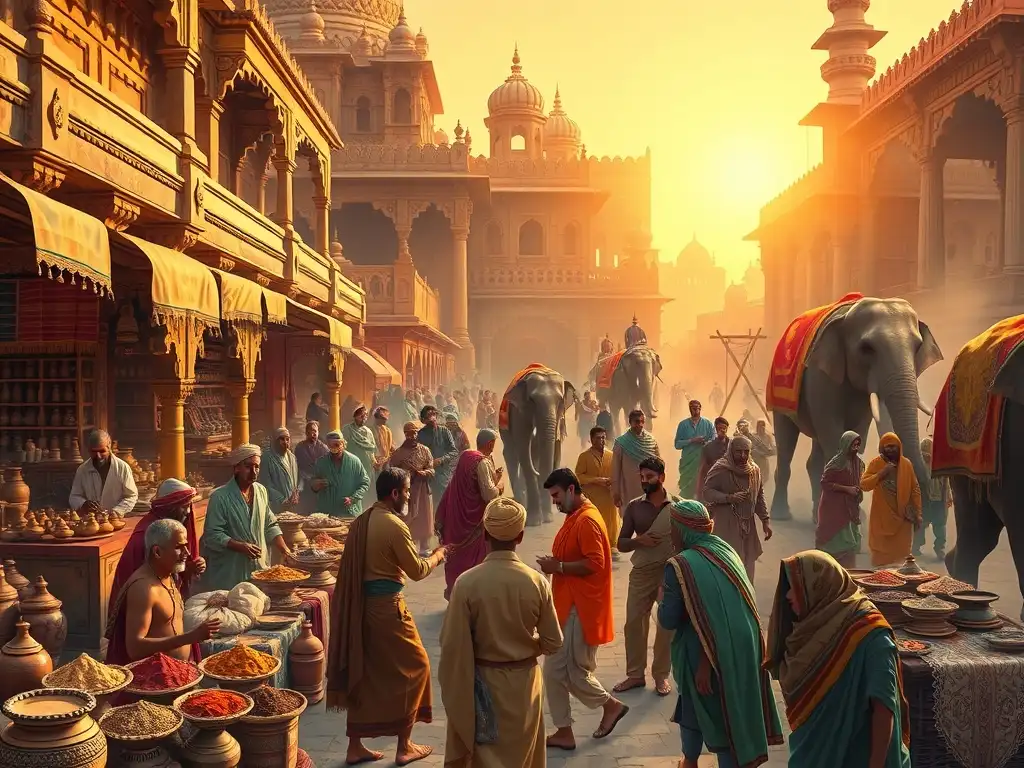
Ancient Indian trade practices offer a profound insight into the economic systems that shaped one of the world's oldest civilizations. From the bustling markets of the Indus Valley to the sophisticated trade networks established during the Gupta Empire, these practices not only facilitated commerce but also fostered cultural exchanges and technological advancements. Understanding these historical trade practices is crucial as they laid the groundwork for the economic interactions we observe in today's global economy. The legacy of ancient Indian trade practices continues to resonate, influencing modern economic strategies, trade relations, and commercial philosophies.
Definition of Ancient Indian Trade Practices
Ancient Indian trade practices refer to the methods and systems used by various civilizations in the Indian subcontinent to exchange goods and services. This encompassed a variety of activities, including bartering, the use of currency, market organization, and the establishment of trade routes. Trade was not merely an economic activity; it was a significant aspect of social life that contributed to the cultural fabric of ancient Indian society.
Importance of Trade in Ancient Indian Civilizations
Trade in ancient India was pivotal for several reasons:
- Economic Prosperity: Trade generated wealth and stimulated local economies, leading to the rise of urban centers.
- Cultural Exchange: Trade facilitated the movement of ideas, art, and technologies, enriching Indian culture.
- Political Alliances: Trade routes often served as conduits for diplomacy and alliances between various kingdoms.
- Technological Innovation: The demands of trade spurred advancements in transportation, navigation, and manufacturing methods.
Historical Overview of Ancient Indian Trade
Major Trade Routes in Ancient India
Ancient India was strategically located at the crossroads of several major trade routes, both overland and maritime. Some key routes included:
- Silk Route: Connecting India with Central Asia and beyond, this route was essential for the exchange of silk, spices, and other luxury goods.
- Maritime Routes: The Indian Ocean trade network linked India with Africa, the Middle East, and Southeast Asia, facilitating the exchange of spices, textiles, and precious stones.
- Royal Roads: Established by various dynasties, these roads improved connectivity between major cities and trade hubs.
Key Trade Goods and Commodities
The trade of ancient India was characterized by a diverse range of goods, including:
| Goods | Description |
|---|---|
| Spices | Essential for culinary and medicinal purposes, spices like black pepper and cardamom were highly sought after. |
| Textiles | Fine cotton and silk fabrics were produced and traded extensively, making India a textile hub. |
| Metals and Gems | Precious metals like gold and silver, along with gemstones, were significant trade items. |
| Agricultural Products | Grains, fruits, and other agricultural goods played a crucial role in local and regional trade. |
Influence of Geography on Trade Practices
Geography played a crucial role in shaping ancient Indian trade practices. The diverse landscapes, from the Himalayan mountains to fertile plains and extensive coastlines, contributed to:
- Accessibility: Natural harbors and river systems facilitated maritime and inland trade.
- Resource Availability: Different regions specialized in various products, leading to interregional trade.
- Cultural Interactions: Geographic proximity to other civilizations fostered cultural exchanges and influenced trade practices.
By examining these facets of ancient Indian trade practices, we can gain a deeper appreciation for their lasting impact on today's economic systems.
Cultural Impact of Trade Practices in Ancient India
The trade practices of ancient India were not solely economic activities; they were instrumental in shaping the cultural landscape of the region. The interactions between traders, merchants, and various communities facilitated a rich exchange of ideas, customs, and traditions. This cultural impact can be observed in several dimensions, from the spread of religions and philosophies to the fusion of artistic expressions and culinary practices.
Trade and Cultural Exchange
Trade routes such as the Silk Road and maritime pathways connected India with distant lands, including Greece, Rome, and Southeast Asia. This connectivity allowed for a vibrant cultural exchange. For instance, the introduction of Buddhism to Central Asia and beyond was significantly propelled by trade interactions. Merchants acted as cultural ambassadors, disseminating not only goods but also philosophies, art forms, and languages. The blending of influences is evident in various forms of art, such as the Gandhara art style, which showcases Greco-Buddhist motifs.
Moreover, the movement of spices, textiles, and precious stones across borders not only enriched the local economies but also led to the amalgamation of diverse cultural practices, further solidifying trade as a vehicle for cultural integration.
Festivals and Traditions Arising from Trade
Numerous festivals in ancient India have roots in trade practices, celebrating the spirit of commerce and community. One prominent example is the festival of Diwali, which marks the end of the harvest season and the beginning of the new trading year. Traditionally, merchants would conduct puja (prayers) for wealth and prosperity, emphasizing the importance of trade in daily life.
Similarly, the Makar Sankranti festival, which heralds the sun's transition into Capricorn, signifies the end of winter and the commencement of the harvest season, thereby facilitating the trade of agricultural products. These festivals serve as reminders of the deep-seated connection between trade practices and cultural identity, fostering a sense of community and shared heritage among diverse groups.
The Role of Religion in Trade Practices
Religion played a pivotal role in ancient Indian trade practices, influencing not only the ethical framework of commerce but also the routes and relationships established through trade. Hinduism, Buddhism, and Jainism all promoted values such as honesty, fairness, and respect for all beings, which were essential for successful trading relationships.
Moreover, temples often served as both economic and cultural hubs where merchants gathered to conduct business, share news, and partake in religious rituals. This intertwining of commerce and religion fostered a sense of trust and community among traders. Pilgrimages also contributed to trade, as travel to sacred sites brought along opportunities for merchants to engage in commerce, leading to the establishment of trade networks that spanned regions.
Economic Systems in Ancient India
The economic systems of ancient India were diverse and multifaceted, reflecting the complexities of trade practices that evolved over centuries. These systems were marked by innovation, adaptation, and regulation, which ensured the sustainability and growth of trade.
Barter System vs. Currency-Based Trade
In ancient India, the barter system was the earliest form of trade, where goods and services were exchanged directly without the use of money. This system was effective in local communities, as it relied on mutual needs and direct exchanges. However, as trade expanded and became more complex, the limitations of barter became apparent, leading to the introduction of currency.
The use of coins, such as the punch-marked coins of the Mahajanapadas or the gold and silver coins of the Mauryan Empire, revolutionized trade practices. Currency allowed for standardized transactions, facilitated long-distance trade, and increased economic efficiency. This evolution from barter to currency-based trade laid the groundwork for modern economic systems, showcasing the adaptability of ancient Indian trade practices.
Guilds and Their Role in Trade
Ancient India saw the emergence of guilds, or "shrenis," which played a crucial role in organizing trade and commerce. These guilds comprised groups of craftsmen, merchants, and traders who banded together to protect their interests, regulate trade practices, and set standards for quality. They provided a framework for cooperation among members, ensuring fair practices and mutual support.
Guilds also served as platforms for knowledge sharing, where members could exchange information regarding market trends, prices, and techniques. The influence of guilds extended beyond economic activities, as they often engaged in social and cultural events, fostering solidarity and a sense of identity among their members.
Regulation of Trade by Ancient Kingdoms
Ancient Indian kingdoms recognized the importance of trade for economic prosperity and social stability. As a result, they implemented various regulations to oversee trade practices. This included the establishment of trade routes, taxation policies, and legal frameworks to resolve disputes.
Kings often appointed officials to monitor trade activities, ensuring compliance with regulations and protecting the interests of merchants. The Arthashastra, an ancient treatise on statecraft and economics attributed to Kautilya, provides insights into the economic policies of ancient India, emphasizing the significance of structured trade regulation. Such measures not only facilitated trade but also contributed to the growth of markets, urbanization, and overall economic development in ancient India.
Legacy of Ancient Indian Trade Practices in Contemporary Economy
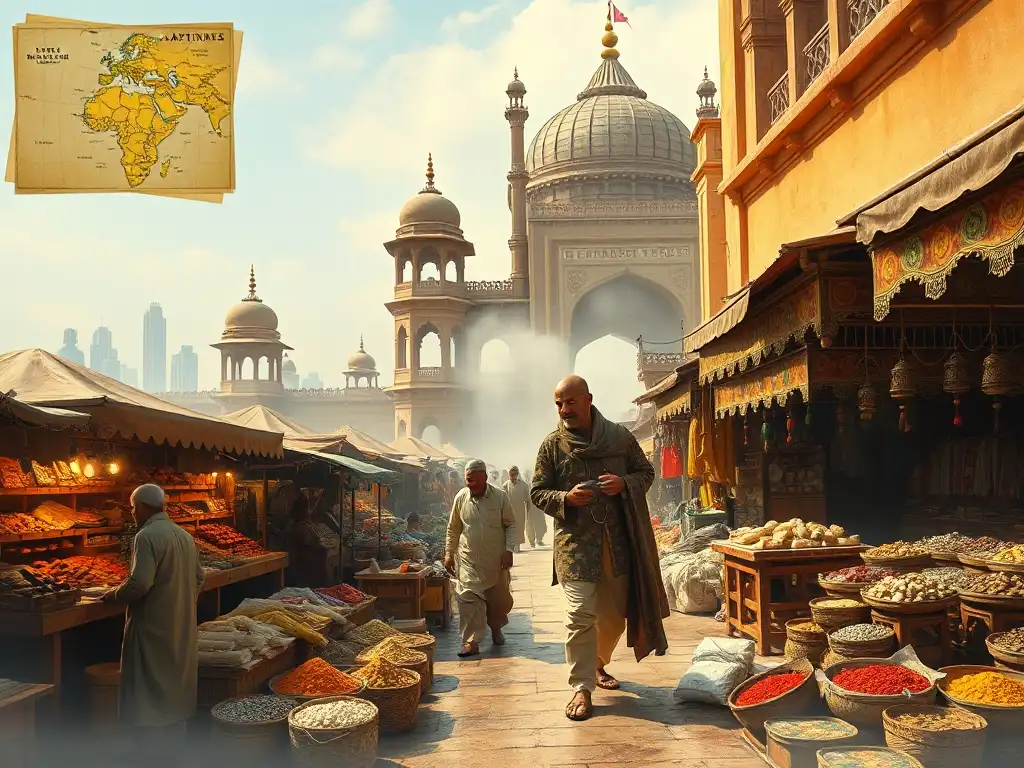
The legacy of ancient Indian trade practices is deeply embedded in the contemporary economic landscape, influencing various aspects of trade, commerce, and cultural exchanges. From the bustling bazaars of the Indus Valley Civilization to the extensive trade networks established during the Mauryan and Gupta empires, ancient India laid the groundwork for sophisticated economic systems. The integration of trade routes not only facilitated the exchange of goods but also the transfer of knowledge, cultures, and technologies. This historical context continues to resonate in modern trade practices, where the principles of mutual benefit, fairness, and cooperation remain relevant.
Influence on Modern Trade Practices
The principles established by ancient Indian traders have significantly shaped modern trade practices. For instance, the concept of barter trade, prevalent in ancient times, is still evident today in various forms such as trade exchanges and local markets. Moreover, the emphasis on trust and relationships in trade can be traced back to ancient practices, where merchants relied heavily on personal connections and community trust.
Additionally, ancient India's extensive trade routes, including the famous Silk Road and maritime routes to Southeast Asia and Africa, serve as a model for today's global supply chains. Modern logistics and trade networks echo the complexities and strategic planning of ancient traders, highlighting the importance of geographical knowledge, resource management, and cultural sensitivity in fostering successful trade relations.
Lessons from Ancient Trade Practices for Today’s Economy
Ancient Indian trade practices offer valuable lessons for contemporary economies. One significant lesson is the importance of diversity in trade. Ancient traders engaged in the exchange of a wide variety of goods, from spices and textiles to precious stones and knowledge, which enriched their economies. Today, embracing a diversified trade portfolio can enhance resilience against market fluctuations.
Another critical lesson is the need for sustainable practices. Ancient traders often relied on local resources and maintained ecological balance, which is increasingly relevant in today's discussions about sustainability and ethical trade. By learning from their ancient counterparts, modern economies can adopt practices that not only drive growth but also ensure environmental and social responsibility.
Examples of Ancient Practices in Current Economic Systems
Several elements of ancient Indian trade practices can be observed in today's economic systems. The establishment of trade guilds, or shrenis, in ancient times, is mirrored in modern business associations and cooperatives that promote collective bargaining and support for members. These organizations play a crucial role in advocating for the interests of their members in contemporary markets.
Additionally, the practice of currency standardization, pioneered by ancient Indian empires, laid the foundation for modern monetary systems. The introduction of standardized weights and measures facilitated fair trade and contributed to the efficiency of commerce, principles that are still paramount in today's global economy.
Challenges Faced by Ancient Traders and Their Relevance Today
Ancient traders encountered numerous challenges that resonate with contemporary economic issues. Understanding these challenges provides insights into the complexities of trade and commerce throughout history.
Risk Management in Ancient Trade
Risk management was a vital aspect of ancient trade practices. Traders faced uncertainties related to weather, piracy, and fluctuating market demands. To mitigate these risks, they developed strategies such as diversifying trade routes and forming alliances with other traders. Today, businesses similarly employ risk management techniques, including insurance, hedging, and strategic planning, to navigate uncertainties in the global market.
Trade Barriers and Their Modern Equivalents
Ancient Indian traders often confronted trade barriers such as taxation, tariffs, and regional conflicts. These barriers hindered trade and sometimes led to the establishment of alternative routes or trading partners. In the modern context, trade barriers continue to exist in various forms, including protectionist policies, regulatory challenges, and geopolitical tensions. By examining the historical context, policymakers can better understand the implications of these barriers and seek solutions that promote smoother trade relations and economic cooperation in today's interconnected world.
Conclusion: The Enduring Influence of Ancient Indian Trade Practices
The trade practices of ancient India have left an indelible mark on modern economic systems, showcasing the enduring influence of these historical methods in contemporary commerce. From the vibrant markets of the Indus Valley Civilization to the bustling trade routes of the Gupta Empire, ancient Indian trade practices were characterized by innovation, cultural exchange, and adaptability. These practices not only facilitated the movement of goods but also fostered the exchange of ideas, technologies, and cultures that shaped the subcontinent's socio-economic landscape.
Today, the principles of ancient Indian trade—such as the emphasis on fair trade, the significance of community relationships, and the integration of diverse cultures—continue to resonate within modern economic frameworks. The legacy of these practices can be observed in contemporary initiatives that prioritize sustainable trade, ethical sourcing, and the fostering of local economies. As we delve deeper into the historical context of these practices, it becomes clear that their influence extends beyond mere transactions; they represent a foundational ethos that values interconnectedness and mutual benefit.
Summary of Key Points
- Historical Significance: Ancient Indian trade practices, which flourished from the Indus Valley through the Gupta Empire, laid the groundwork for sophisticated economic systems based on commerce and cultural exchange.
- Innovative Techniques: The use of advanced trade techniques, such as barter systems, standardized weights and measures, and maritime navigation, facilitated the growth of trade networks that extended far beyond the Indian subcontinent.
- Cultural Exchange: Trade routes served as conduits for not just goods but also ideas, technologies, and cultural practices, promoting a rich tapestry of interactions between diverse civilizations.
- Ethics and Sustainability: Principles of fair trade and community-oriented practices prevalent in ancient times are echoed in today's movements toward ethical sourcing and sustainable economic practices.
- Modern Applications: Today's economic systems can benefit from the ancient practices of commerce by adopting their focus on community, sustainability, and equitable trade relationships.
Future Implications for Economic Practices and Systems
The exploration of ancient Indian trade practices carries significant implications for the future of economic practices and systems. As global challenges such as climate change, economic inequality, and resource scarcity become increasingly pressing, revisiting historical trade models can offer valuable insights.
- Sustainable Practices: By learning from the sustainable principles inherent in ancient trade practices, modern economies can adopt more eco-friendly approaches to trade, emphasizing local sourcing and reducing carbon footprints.
- Community Engagement: The focus on community relationships in ancient trade can inspire contemporary businesses to prioritize local partnerships and community development, fostering economic resilience and social cohesion.
- Technological Integration: The innovative techniques of ancient traders, such as navigational advancements and commerce-driven technologies, can inform the development of modern technologies that enhance trade efficiency while maintaining ethical standards.
- Cultural Sensitivity: Recognizing the cultural dimensions of trade as practiced in ancient India encourages current economic systems to respect and integrate diverse cultural perspectives, promoting inclusivity and understanding in a global marketplace.
The enduring influence of ancient Indian trade practices serves as a powerful reminder of the potential for historical insights to guide contemporary economic practices, paving the way for a more sustainable and equitable future.
- Introduction to Ancient Indian Trade Practices
- Historical Overview of Ancient Indian Trade
- Cultural Impact of Trade Practices in Ancient India
- Economic Systems in Ancient India
- Legacy of Ancient Indian Trade Practices in Contemporary Economy
- Challenges Faced by Ancient Traders and Their Relevance Today
- Conclusion: The Enduring Influence of Ancient Indian Trade Practices
Frequently Asked Questions
What were the main ancient Indian trade practices?
Ancient Indian trade practices involved land and maritime routes connecting with various regions, facilitating the exchange of goods like spices, textiles, and precious metals.
How did the Indus Valley Civilization contribute to trade?
The Indus Valley Civilization established advanced urban centers with sophisticated market systems and standardized weights, which enhanced trade efficiency and commerce.
What role did the Silk Road play in ancient Indian trade?
The Silk Road served as a critical link for trade between India and other civilizations, allowing for the exchange of not just goods, but also cultural and technological innovations.
How did ancient Indian trade practices influence modern economies?
Ancient Indian trade practices laid the foundation for global trade networks, influencing modern economies by establishing trade routes and promoting economic interdependence among nations.
What were some key commodities traded in ancient India?
Key commodities included spices, textiles, metals, and jewelry, which were highly sought after in international markets, establishing India as a prominent player in global trade.
Final Reflection: The Enduring Influence of Ancient Indian Trade Practices
In exploring the legacy of ancient Indian trade practices, we uncover a rich tapestry of economic strategies that continue to resonate in today's global marketplace. The principles of trade established centuries ago—such as the emphasis on mutual benefit, ethical dealings, and cultural exchange—remain remarkably relevant as we navigate the complexities of modern commerce. This connection between past and present highlights the timeless nature of these practices, reminding us that the foundations of our economy are often rooted in history.
The impact of ancient Indian trade practices extends beyond mere economic transactions; they have shaped our cultural and social landscapes as well. These practices fostered a spirit of collaboration and innovation that transcends borders, influencing not only trade but also art, philosophy, and community relationships. As we reflect on this legacy, we recognize that the values embedded in these practices continue to inspire contemporary entrepreneurs and leaders. Trade is not merely a transaction; it is a bridge that connects cultures and ideas.
As we look to the future, let us embrace the lessons learned from ancient Indian trade practices and apply them in our own lives. Consider how you can foster connections, promote ethical practices, and engage in meaningful exchanges within your community and beyond. By doing so, you not only honor the legacy of those who came before us but also contribute to a more interconnected and harmonious world. Reflect on your role in this ongoing narrative and take action to weave the principles of ancient trade into the fabric of your daily interactions.
Embrace the Wisdom of Ancient Trade!
Thank you for exploring the fascinating legacy of ancient Indian trade practices with us! By delving into this rich history, you've unlocked valuable insights that can inspire modern economic strategies. Now, it’s time to take that inspiration and put it into action!
- Dive deeper: Research the lessons ancient trade routes offer about global commerce today. Consider visiting local museums or libraries that feature exhibits on historical economies.
- Share your insights: Start a conversation! Share what you've learned from ancient Indian trade on social media or in community forums. Engage friends and family in discussions about how these practices can inform our current economic decisions.
- Join a community: Connect with online groups or local clubs that focus on history and economics. Share your passion and learn more about how ancient practices influence today’s market dynamics.
What unique insights or strategies can you share that modern businesses could adopt from ancient trade practices? We’d love to hear your thoughts!