
How the Indus Valley Civilization Pioneered Urban Economic Practices

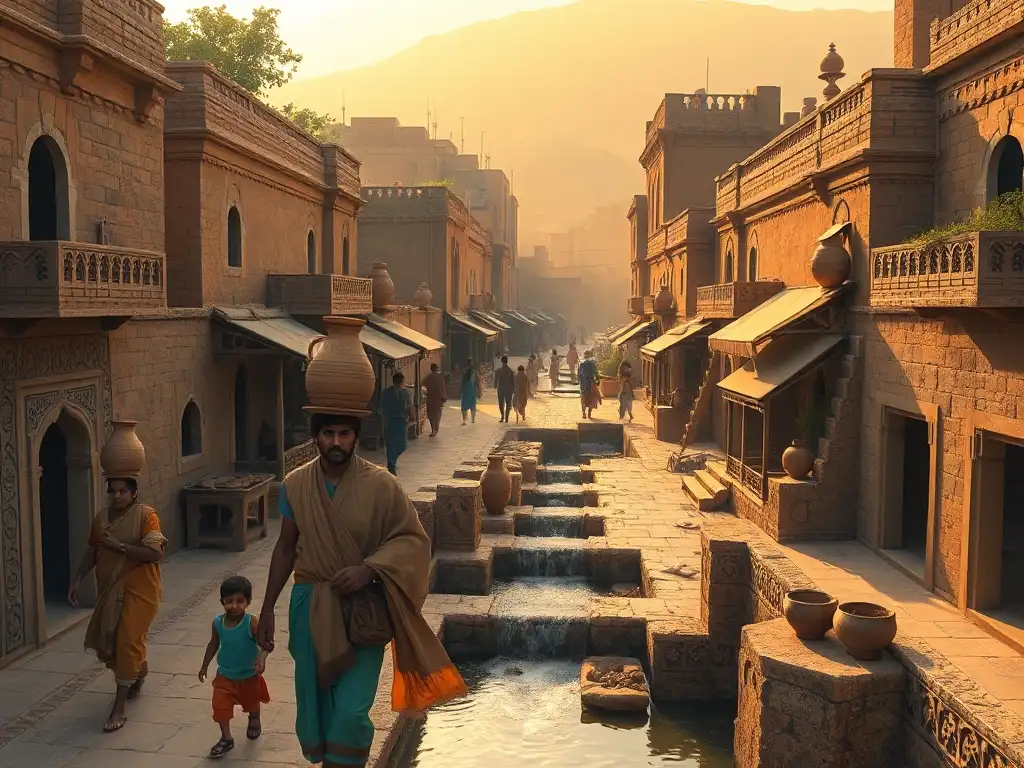
Welcome to Ancient India History, where we embark on a fascinating journey through time to uncover the rich tapestry of ancient Indian civilizations. From the sophisticated streets of the Indus Valley to the enlightened realms of the Gupta Empire, our exploration reveals the remarkable cultural and economic contributions that shaped the world.
In our featured article, we delve into "How the Indus Valley Civilization Pioneered Urban Economic Practices," a captivating look at how this ancient society established the groundwork for trade and commerce that resonates even today. Join us as we unravel the mysteries of the past and discover the innovations that defined an era!
- Introduction to Indus Valley Urban Economic Practices
- Key Features of Indus Valley Urban Economic Practices
- Agricultural Practices and Economic Sustainability
- Craftsmanship and Specialized Industries
- Trade and Commerce in the Indus Valley
- Social Structure and Economic Roles
- Influence of Geography on Economic Practices
- Legacy of Indus Valley Urban Economic Practices
- Conclusion: The Significance of Indus Valley Urban Economic Practices
-
Frequently Asked Questions
- What were the key urban economic practices of the Indus Valley Civilization?
- How did the Indus Valley influence later civilizations?
- Were there any currency systems in the Indus Valley Civilization?
- What role did trade play in the Indus Valley economy?
- How did urbanization affect the economic practices in the Indus Valley?
- Final Reflection: The Enduring Legacy of Indus Valley Urban Economic Practices
- Unveil the Secrets of Ancient Innovation!
Introduction to Indus Valley Urban Economic Practices
The Indus Valley Civilization, one of the world's earliest urban cultures, flourished around 2500 BCE in what is now modern-day Pakistan and northwest India. This ancient civilization is renowned not only for its impressive urban planning and sophisticated architecture but also for its pioneering economic practices that laid the groundwork for future urban economies.
The Indus Valley urban economic practices were characterized by their innovative trade systems, agricultural strategies, and craft specialization, which contributed significantly to the prosperity and sustainability of their cities. Understanding these practices offers valuable insights into how the Indus Valley Civilization not only survived but thrived in a complex socio-economic environment, setting a precedent for urban centers that followed.
Overview of the Indus Valley Civilization
The Indus Valley Civilization, also known as the Harappan Civilization, was distinguished by its advanced city planning, extensive drainage systems, and remarkable architectural achievements. Major urban centers like Harappa and Mohenjo-Daro exemplified urban sophistication, featuring:
- Grid-pattern streets: Cities were laid out in a grid pattern, showcasing advanced urban planning.
- Public baths: Structures such as the Great Bath at Mohenjo-Daro highlight the importance of hygiene and ritual practices.
- Granaries and warehouses: Evidence of large storage facilities indicates a well-organized agricultural economy.
Archaeological findings suggest that the people of the Indus Valley engaged in extensive trade, both locally and with distant regions, including Mesopotamia. This trade network was vital for acquiring raw materials and distributing surplus goods, which fostered economic stability and growth within the civilization.
Importance of Economic Practices in Urban Development
The economic practices of the Indus Valley Civilization played a crucial role in its urban development and sustainability. Several key economic strategies contributed to their success:
- Agricultural Innovation: The fertile plains of the Indus River supported agriculture, with crops such as wheat, barley, and cotton being cultivated. Advanced irrigation techniques allowed for surplus production, which was essential for urban growth.
- Trade Networks: The civilization established trade routes that extended into Persia and beyond, facilitating the exchange of goods such as beads, textiles, and pottery. This not only enriched the local economy but also enhanced cultural exchanges.
- Craft Specialization: The emergence of specialized crafts, including metallurgy and pottery, led to increased production efficiency. Artisans created high-quality goods that were both used locally and traded, further stimulating economic activity.
- Standardized Weights and Measures: The use of standardized weights and measures, evidenced by archaeological finds, indicates a sophisticated trading system that promoted fairness and efficiency in transactions.
These economic practices underscore the ingenuity of the Indus Valley Civilization and highlight their role as pioneers in urban economic systems, setting standards that would influence future civilizations in the region and beyond. Through a blend of agriculture, trade, and craft specialization, the Indus Valley not only developed a robust urban economy but also established a framework for economic practices that resonate through history.
Key Features of Indus Valley Urban Economic Practices
Advanced Urban Planning and Infrastructure
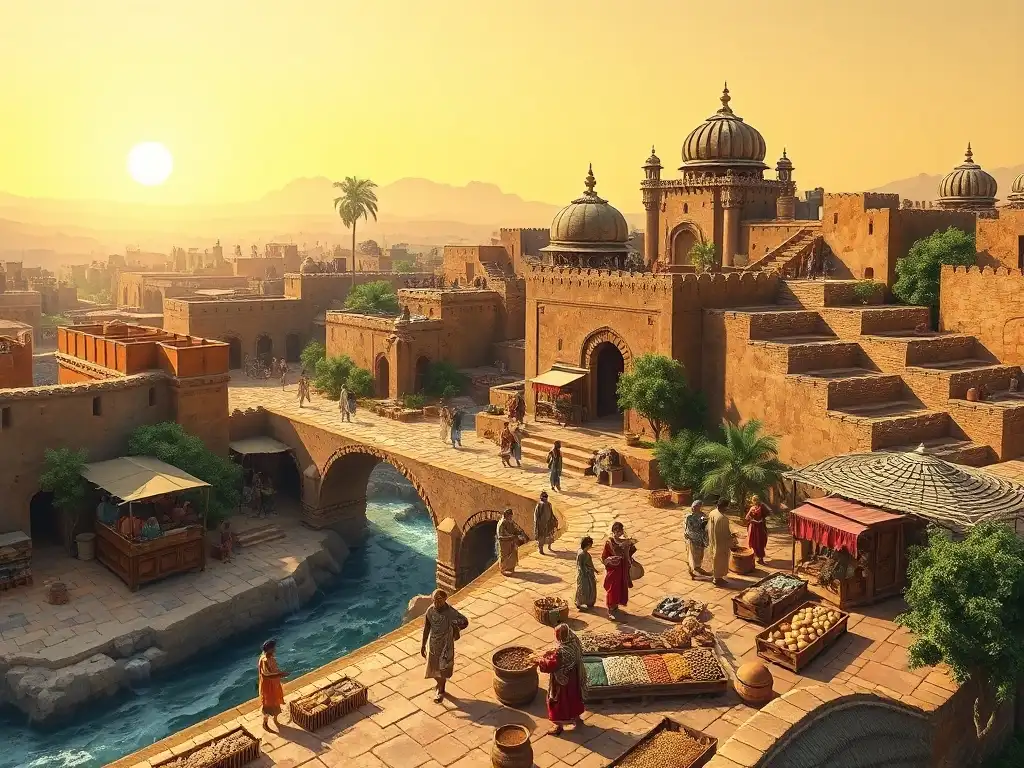
The Indus Valley Civilization (IVC) is renowned for its sophisticated urban planning and infrastructure, which played a pivotal role in its economic practices. Cities like Harappa and Mohenjo-Daro exhibit a grid-like layout, featuring well-organized streets, drainage systems, and fortified structures. This meticulous planning not only facilitated efficient movement of goods and people but also showcased a profound understanding of urban management.
- Planned Cities: The cities were constructed with mud bricks and had a uniform size, with some buildings reaching up to three stories high. The layout included residential and commercial areas, emphasizing a clear separation between different functions within the city.
- Drainage Systems: One of the most remarkable features was the advanced drainage system, which included covered drains along the streets and individual drainage connections from homes. This infrastructure helped maintain hygiene and prevent flooding, thus supporting a healthy urban environment conducive to trade.
- Public Amenities: The presence of granaries and public baths suggests that the IVC placed importance on communal spaces that not only promoted trade but also social interactions among the inhabitants. These facilities likely catered to both residents and visiting merchants, further boosting economic activities.
Trade Networks and Commercial Activities
The economic prosperity of the Indus Valley Civilization was significantly bolstered by its extensive trade networks, which connected various regions across the subcontinent and beyond. This trade system was characterized by:
- Local and Long-distance Trade: The IVC engaged in both local commerce and long-distance trade with regions such as Mesopotamia, Persia, and even the Arabian Peninsula. Artifacts like seals, pottery, and beads found in other civilizations indicate the IVC's active participation in international trade.
- Diverse Goods: The economy was diverse, with goods ranging from agricultural products like wheat and barley to handcrafted items such as jewelry and textiles. The exchange of these products not only enhanced the economy but also facilitated cultural exchanges through trade interactions.
- Merchant Class: A distinct merchant class emerged, which played a crucial role in trade. They were responsible for transporting goods and establishing trade routes, which were vital for economic stability. Evidence of weights and measuring systems suggests that transactions were conducted efficiently and fairly, promoting trust and consistency in trade.
Standardized Weights and Measures
The use of standardized weights and measures in the Indus Valley Civilization is a key indicator of its advanced economic practices. This system provided the foundation for fair trade and accurate taxation, essential components of a thriving economy.
- Weights and Measures: Archaeological findings reveal a range of terracotta weights used for trade, which were standardized in size and shape. This uniformity indicates a sophisticated understanding of measurement, crucial for commerce.
- Economic Transactions: The implementation of a standardized system allowed for smooth economic transactions. Traders could rely on consistent measures, reducing disputes and fostering confidence among merchants and consumers alike.
- Taxation and Resource Management: The ability to measure goods accurately also played a critical role in resource management and taxation. It facilitated the collection of taxes in a fair manner, contributing to the overall governance and economic stability of the civilization.
By exploring these key features of Indus Valley urban economic practices, we gain insight into how this ancient civilization laid the groundwork for future economic systems, demonstrating remarkable innovation and adaptability in urban planning, trade, and commerce.
Agricultural Practices and Economic Sustainability
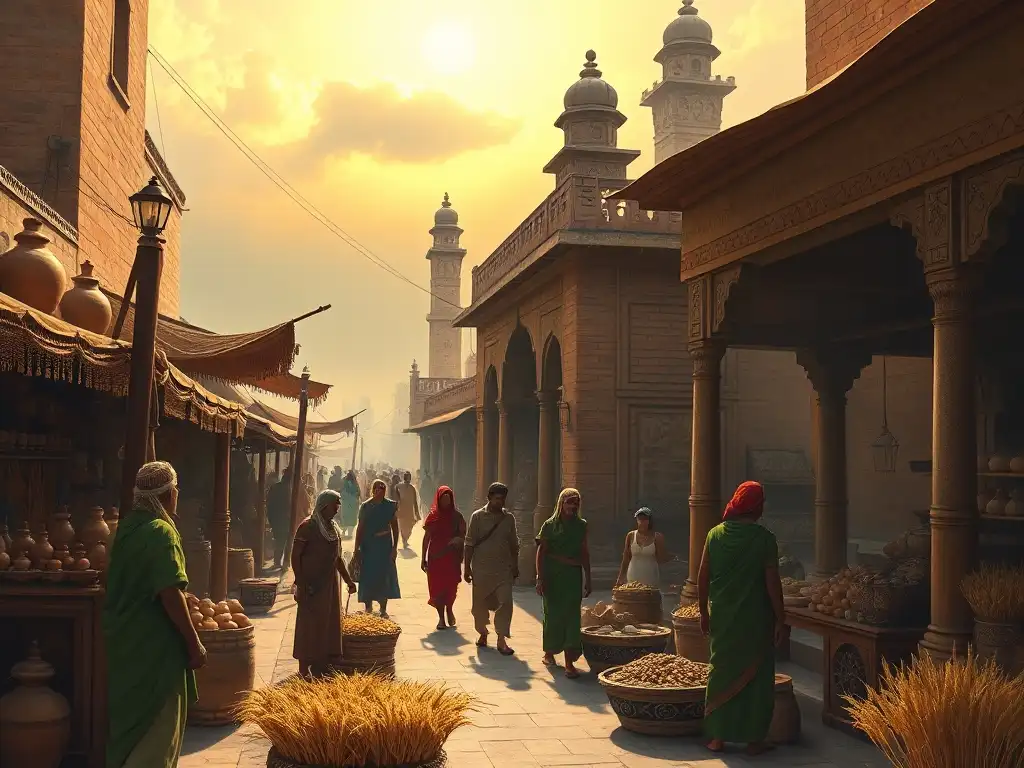
The Indus Valley Civilization (IVC) is renowned for its advanced agricultural practices, which played a pivotal role in supporting its urban economy. The ability to cultivate crops efficiently and sustainably allowed these ancient cities to thrive and maintain large populations.
The fertile plains of the Indus River and its tributaries provided an excellent environment for agriculture. The civilization relied heavily on a mix of agriculture, trade, and craft production. This agricultural base was crucial for sustaining urban life, providing food not only for the local population but also for trade with neighboring regions.
Irrigation Techniques and Crop Production
The Indus Valley Civilization developed sophisticated irrigation techniques that significantly enhanced crop production. Archaeological findings suggest the existence of extensive irrigation systems, which allowed for the controlled distribution of water to fields, maximizing agricultural output.
- Canal Systems: The construction of canals and channels facilitated the diversion of river water to fields, especially during dry seasons.
- Wells and Tanks: The civilization also constructed wells and water tanks that stored rainwater, which was crucial for irrigation in periods of drought.
- Crop Rotation: Evidence indicates that farmers practiced crop rotation, which helped maintain soil fertility and prevent the depletion of nutrients.
The primary crops grown included wheat, barley, peas, and cotton, with archaeobotanical studies revealing a diverse range of cultivated plants. The production of cotton, in particular, highlights the IVC's early contributions to textile manufacturing.
Role of Agriculture in the Urban Economy
Agriculture was not merely a means of subsistence but a vital component of the urban economy in the Indus Valley Civilization. The surplus generated from agricultural practices created a foundation for trade, social stratification, and urbanization.
- Surplus Production: The efficient agricultural methods resulted in surplus crop production, which enabled trade with neighboring regions. This surplus was essential for supporting various crafts and industries within urban centers.
- Trade Networks: The agricultural surplus facilitated the establishment of robust trade networks. The IVC traded not only agricultural products but also textiles and other goods, connecting with distant regions such as Mesopotamia and the Arabian Peninsula.
- Urban Centers: Major urban centers like Harappa and Mohenjo-Daro emerged as commercial hubs, with agriculture serving as the backbone of their economies. The concentration of population in these cities was made possible by the reliable food supply from agricultural practices.
- Social Hierarchies: The reliance on agriculture also contributed to the formation of social hierarchies, with those involved in agricultural production often holding different statuses compared to artisans and traders. This stratification led to a more complex societal structure, with specialized roles emerging within the urban economy.
The agricultural practices of the Indus Valley Civilization were foundational to its urban economic practices. Through innovative irrigation techniques and the resultant crop production, agriculture played a significant role in supporting trade, urbanization, and the overall economic sustainability of this remarkable ancient civilization.
Craftsmanship and Specialized Industries
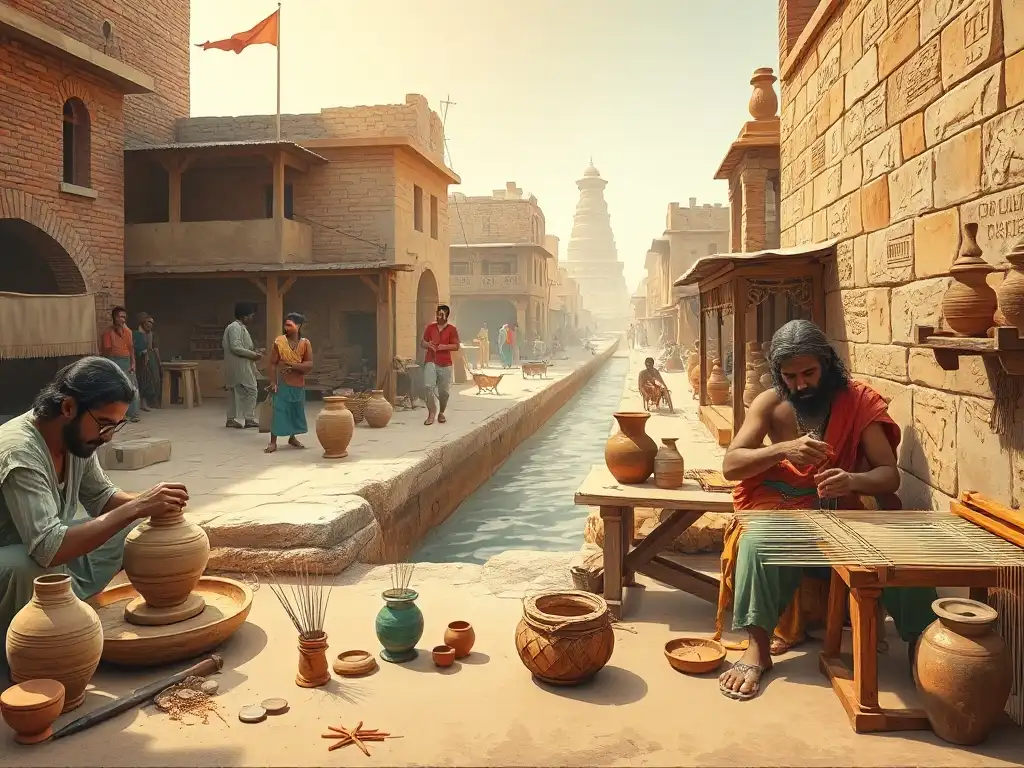
The Indus Valley Civilization (IVC) is renowned for its advanced craftsmanship and specialized industries, which played a pivotal role in shaping the urban economic practices of the time. The intricate skills and techniques employed by artisans not only contributed to the local economy but also facilitated trade with neighboring regions. This section delves into two primary domains of craftsmanship: pottery and textiles, and metalwork and trade goods.
Pottery and Textiles as Economic Drivers
Pottery and textiles were among the most significant industries in the Indus Valley, serving both utilitarian and commercial purposes. The craftsmanship involved in these industries exemplified the advanced techniques that the civilization had developed.
- Pottery:
- The IVC is famous for its distinctive pottery, characterized by intricate designs and a variety of forms. The pottery was often made from high-quality clay and fired at high temperatures, resulting in durable products.
- The painted pottery, often adorned with geometric patterns and animal motifs, was not only functional but also served as a medium of artistic expression. These vessels were used for storage, cooking, and ceremonial purposes.
- The existence of large kilns and evidence of mass production indicates a sophisticated pottery industry that contributed significantly to local economies.
- Textiles:
- Textiles were another cornerstone of the Indus Valley economy. Archaeological findings suggest that the inhabitants wove cotton, which is believed to be one of the first instances of cotton textile production in the world.
- The textile industry in the IVC likely included both domestic use and trade. Textiles were traded extensively, reaching regions far beyond the Indus Valley, as indicated by the discovery of IVC textiles in Mesopotamia.
- The dyeing techniques used to color fabrics were advanced for the time, with evidence of natural dyes derived from plants and minerals, further enhancing the value of IVC textiles in trade.
Metalwork and Trade Goods
The mastery of metalwork was another key component of the economic practices in the Indus Valley Civilization. The ability to work with metals significantly influenced both local industries and trade networks.
- Metalwork:
- The Indus Valley artisans were skilled in crafting tools, weapons, and decorative items using metals such as copper, bronze, and gold. This proficiency in metallurgy was crucial for various aspects of daily life, including agriculture and warfare.
- Bronze tools, for instance, were used for farming, which increased agricultural productivity and supported urban populations. The development of specialized tools also allowed for more efficient construction and craftsmanship.
- Trade Goods:
- The IVC's strategic location along trade routes facilitated the exchange of goods. Artifacts suggest that items like semi-precious stones, pottery, and textiles were essential trade goods.
- The trade practices included bartering and possibly the use of standardized weights and measures, indicating a sophisticated economic system. This system enabled the IVC to engage in long-distance trade, connecting them with cultures in Mesopotamia and beyond.
- The presence of seals with unique symbols suggests that these goods were marked for identification, which could have aided in trade transactions and maintaining economic records.
The craftsmanship and specialized industries of the Indus Valley Civilization, particularly in pottery, textiles, and metalwork, were integral to their urban economic practices. These industries not only supported local economies but also enhanced trade relationships, contributing to the prosperity and cultural richness of ancient India.
Trade and Commerce in the Indus Valley
The Indus Valley Civilization (IVC), flourishing around 2500 BCE in what is now Pakistan and northwest India, was a remarkable society known for its advanced urban planning and economic systems. Trade and commerce were pivotal to the prosperity of the IVC, facilitating not only local exchanges but also long-distance trade with neighboring regions. This complex web of economic activities was underpinned by a sophisticated understanding of urban economic practices, making the civilization one of the earliest examples of organized economic systems in history.
The economic framework of the IVC was characterized by several key elements, including a standardized system of weights and measures, specialized crafts, and a vibrant marketplace culture. The cities of Harappa and Mohenjo-Daro served as central nodes in this economic network, where goods were traded, and artisans showcased their craftsmanship.
Inland and Maritime Trade Routes
The Indus Valley Civilization had an extensive network of trade routes that facilitated both inland and maritime trade. These routes were essential for the exchange of commodities such as textiles, pottery, metals, and agricultural products.
- Inland Trade: The IVC utilized a series of well-planned roads that connected major cities. These routes made it possible for merchants to transport goods efficiently across the vast landscape. The presence of well-constructed granaries indicates that agricultural surplus was a significant part of the inland trade, allowing for the exchange of foodstuffs for manufactured products.
- Maritime Trade: The proximity of the Indus Valley to the Arabian Sea opened the door for maritime commerce. Archaeological evidence suggests that the IVC engaged in trade with Mesopotamia, as well as with regions as far as the Persian Gulf and even East Africa.
- Trade Goods: The maritime routes facilitated the exchange of luxury items such as semi-precious stones, shells, and metals. Notably, the discovery of Indus seals in Mesopotamia indicates that these civilizations had established trade relations, exchanging goods and cultural influences.
| Trade Route Type | Key Characteristics |
|---|---|
| Inland Trade | Network of roads, focus on agricultural goods |
| Maritime Trade | Sea routes to Mesopotamia and beyond, exchange of luxury items |
Exchange Systems and Economic Interactions
Economic interactions in the Indus Valley were marked by a variety of exchange systems that promoted trade and fostered connections between different communities.
- Barter System: The primary mode of exchange in the IVC was barter, where goods were traded directly for other goods. This system allowed for flexibility in transactions and enabled communities to obtain necessary resources without the need for a formal currency.
- Standardization: The use of standardized weights and measures was crucial for ensuring fairness in trade. Archaeological findings of stone weights suggest that merchants adhered to a regulated system, which helped maintain trust in economic transactions.
- Seals and Symbolism: The use of seals in trade is another distinctive feature of the IVC. These seals often featured unique symbols and motifs, serving not only as identifiers for goods but also as markers of ownership or authenticity. This practice may have facilitated long-distance trade by providing a recognizable stamp of quality.
- Cultural Exchange: Economic interactions also led to cultural exchanges between the Indus Valley and neighboring civilizations. Artifacts from the IVC indicate influences from Mesopotamian art and technology, demonstrating that trade was not merely about goods but also about ideas and cultural practices.
The intricate trade networks and exchange systems of the Indus Valley Civilization played a pivotal role in shaping its economy and influencing neighboring cultures, showcasing the civilization's innovative approach to urban economic practices. As such, the IVC stands as a significant precursor to later economic systems that emerged in ancient India and beyond.
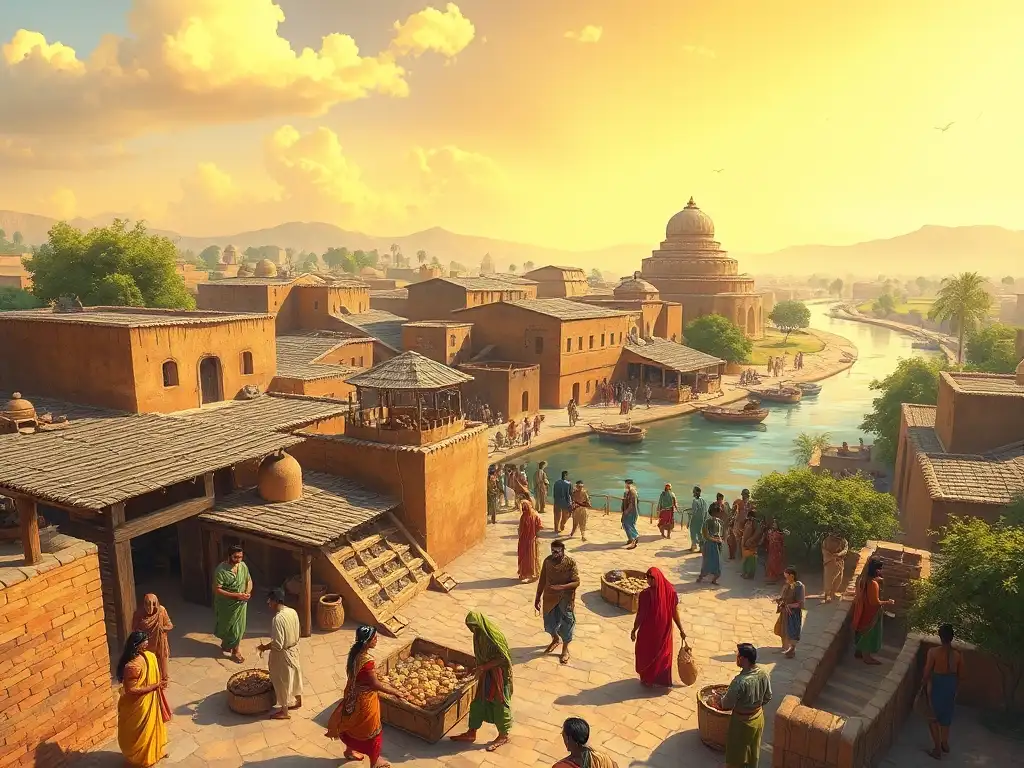
The Indus Valley Civilization (IVC) is renowned for its sophisticated urban planning and economic practices, which were deeply intertwined with its social structure. Understanding the social hierarchy provides insights into how economic responsibilities were allocated and how different classes contributed to the thriving economic landscape of the time.
Class Division and Economic Responsibilities
The society of the Indus Valley was marked by a distinct class division, which played a crucial role in shaping economic responsibilities. Scholars often categorize the population into several classes, including:
- Elite Class: This group consisted of rulers, priests, and wealthy merchants who held significant power and influence. They controlled trade and resources, making key decisions regarding economic policies and practices. Evidence from archaeological sites like Mohenjo-Daro suggests that the elite had access to luxury goods, indicating their pivotal role in trade networks.
- Artisans and Craftsmen: Skilled workers formed a vital part of the economy, producing goods for local consumption and trade. They were responsible for creating pottery, textiles, and metalwork. The presence of specialized workshops in urban centers highlights the importance of craftsmanship in supporting the economy.
- Laborers and Farmers: This class constituted the majority of the population and was primarily engaged in agriculture and manual labor. Their work was essential for sustaining the urban centers, and they played a critical role in the production of surplus crops, which facilitated trade.
This class division not only defined social interactions but also influenced economic practices, as different classes had varying degrees of access to resources and opportunities. The interdependence between these classes allowed for a robust economic system where goods and services were exchanged, enabling the civilization to flourish.
Gender Roles in Economic Activities
Gender roles within the Indus Valley Civilization also significantly impacted economic practices. While archaeological evidence is limited, there are indications that both men and women participated in economic activities, albeit often in different capacities.
- Men's Roles: Men primarily engaged in labor-intensive tasks such as agriculture, trade, and craftsmanship. They were likely responsible for managing trade routes and negotiating with other regions. The layout of urban centers suggests that men were involved in the construction and maintenance of the infrastructure that supported economic activities.
- Women's Roles: Women played an essential role in the domestic sphere, which included managing household economies. They were likely involved in textile production, pottery, and food preparation, contributing to the local economy. Evidence of weaving tools and pottery suggests that women were active in producing goods that were not only used in households but also traded locally.
Although there is limited evidence regarding women's participation in formal trade, their contributions to the domestic economy were indispensable. This dual economic involvement illustrates a collaborative approach where both genders contributed to the sustenance and growth of the Indus Valley economy.
The social structure and economic roles within the Indus Valley Civilization were intricately linked. The class division and gender roles shaped the urban economic practices that characterized this remarkable civilization, laying the foundation for future economic developments in the region.
Influence of Geography on Economic Practices
River Systems and Fertile Land
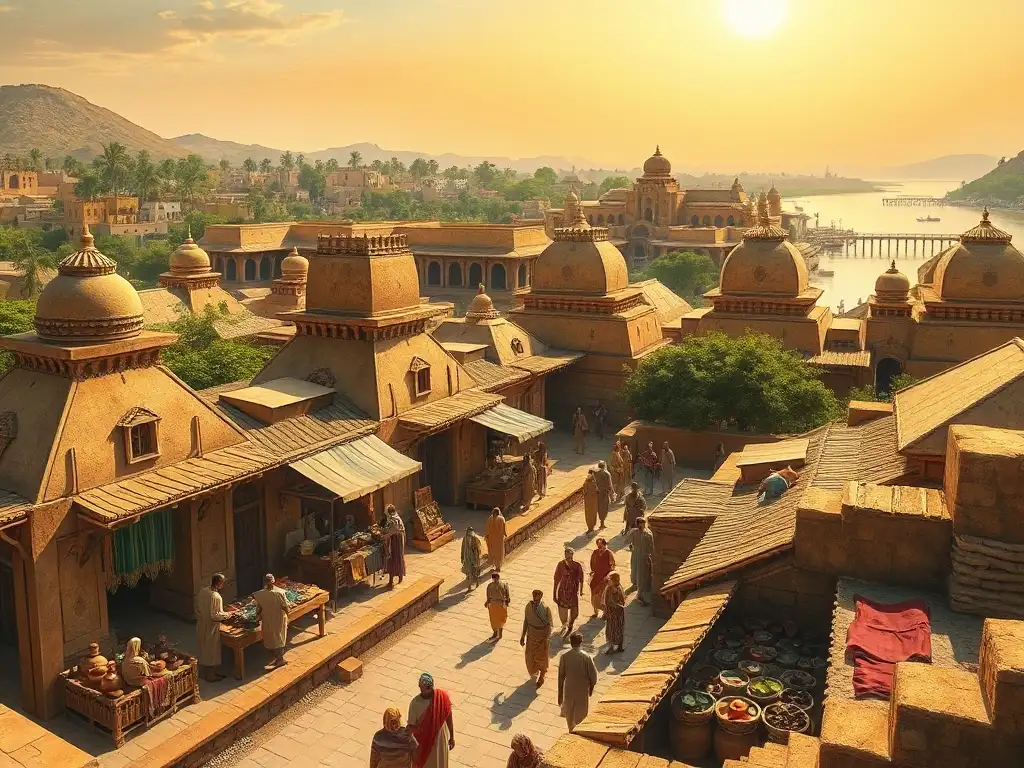
The Indus Valley Civilization thrived between approximately 3300 BCE and 1300 BCE, primarily along the banks of the Indus River and its tributaries. This geographical setting played a crucial role in shaping the economic practices of this ancient society. The river systems provided not only a consistent water supply for agriculture but also facilitated trade and communication.
Agricultural Productivity
The fertile alluvial plains formed by the Indus River's periodic flooding enriched the soil, making it ideally suited for agriculture. The cultivation of staple crops such as wheat, barley, and cotton became the backbone of the Indus Valley economy. Archaeological evidence suggests that irrigation techniques were employed, including the construction of canals, which allowed for more extensive farming. This agricultural surplus enabled the rise of urban centers, as it supported larger populations and allowed for specialization of labor.
- Key Crops:
- Wheat
- Barley
- Cotton
- Pulses
Trade and Transport
The Indus River also served as a vital transportation route, facilitating the movement of goods within the region and beyond. The civilization developed a sophisticated system of trade, both internal and external. Inland trade routes connected various urban centers, while maritime trade with Mesopotamia and the Arabian Peninsula expanded their economic reach. Goods such as textiles, pottery, and metalwork were exchanged, indicating a complex economy that relied on geographic advantages.
Urban Centers and Trade Hubs
The urban layout of the Indus Valley Civilization was marked by advanced planning, featuring grid patterns and sophisticated drainage systems, which further enhanced its economic practices. Major cities such as Harappa and Mohenjo-Daro emerged as trade hubs, playing a pivotal role in the economic landscape of the civilization.
Urban Planning and Infrastructure
The careful planning of urban centers allowed for efficient management of resources and trade. Streets were laid out in a grid pattern, and structures often included warehouses, suggesting that these cities were centers for both production and storage. The construction of dockyards, particularly in cities like Lothal, indicates the significance of maritime trade in the economy.
- Urban Features:
- Grid-patterned streets
- Advanced drainage systems
- Public baths and granaries
- Warehouses for storage
Specialization of Labor
The concentration of population in urban centers led to the specialization of labor, which further fueled economic development. Artisans and craftsmen produced goods for trade, including beads, jewelry, and pottery, indicating that the Indus Valley Civilization had a well-developed market system. The presence of standardized weights and measures suggests that trade was regulated, which is a hallmark of sophisticated economic practices.
The geography of the Indus Valley, characterized by its river systems and fertile land, combined with the development of urban centers, created an environment conducive to advanced economic practices. The integration of agricultural production, trade networks, and urban planning illustrates how the Indus Valley Civilization laid the groundwork for urban economic practices that would influence future civilizations.
Legacy of Indus Valley Urban Economic Practices
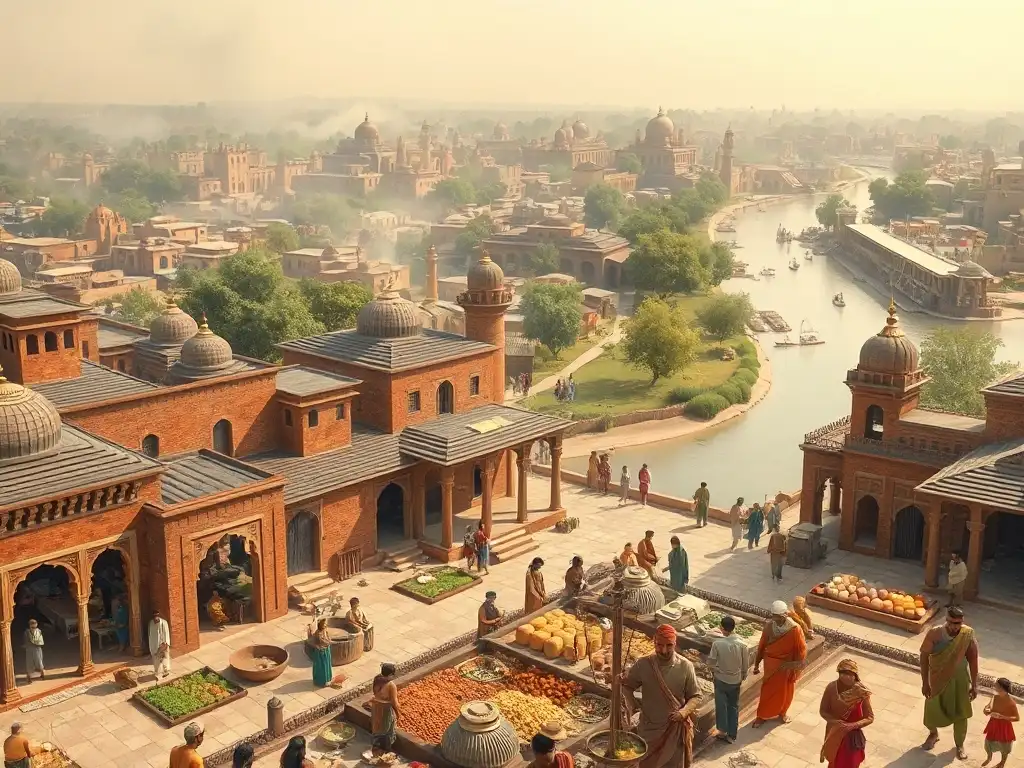
The Indus Valley Civilization (IVC), flourishing around 2500 BCE, is renowned for its sophisticated urban planning and economic practices, which have left a profound legacy on the subsequent civilizations in India. The city-states, such as Harappa and Mohenjo-Daro, showcased remarkable advancements in urban organization, trade, and agricultural practices that not only supported their inhabitants but also influenced later Indian societies.
Impact on Subsequent Indian Civilizations
The economic foundations laid by the Indus Valley Civilization had a lasting impact on later Indian civilizations. Here are some key areas of influence:
- Urban Planning and Infrastructure:
- The grid-like layout of Indus cities, complete with drainage systems and public baths, established principles of urban planning that were reflected in later cities. For instance, the Mauryan and Gupta empires adopted similar urban designs, emphasizing sanitation and public health.
- Trade Networks:
- The extensive trade networks established by the IVC, reaching as far as Mesopotamia, set a precedent for future Indian trade practices. The use of standardized weights and measures facilitated commerce, a practice that continued into the later Vedic period and beyond, fostering economic growth and regional integration.
- Agricultural Practices:
- The innovative agricultural techniques employed by the IVC, such as irrigation and crop rotation, influenced subsequent agricultural systems in India. These methods were crucial in supporting larger populations in later civilizations like the Mauryan Empire, where agriculture became the backbone of the economy.
- Craft Specialization:
- The Indus Valley's emphasis on specialized crafts, such as bead-making and metallurgy, established a tradition of craftsmanship that persisted through the ages. This legacy can be seen in the flourishing artisan classes during the later periods, which contributed significantly to trade and cultural exchanges.
- Economic Administration:
- The administrative practices observed in the IVC, including the use of seals and inscriptions for trade and taxation, laid the groundwork for bureaucratic systems in future Indian states. The Mauryan Empire, for example, developed a sophisticated administrative framework that drew on these earlier practices.
The legacy of the Indus Valley urban economic practices is evident in the way they shaped urbanization, trade, and agricultural systems in ancient India. The principles established during this period served as a foundation for the economic practices of subsequent civilizations, ensuring the continuity and growth of economic activities across the region.
Modern Economic Practices Influenced by Ancient Systems
The echoes of Indus Valley urban economic practices can still be felt in modern economic systems in India. Here are some ways these ancient practices have influenced contemporary economic practices:
- Urban Development:
- Modern Indian cities often echo the ancient principles of urban planning seen in the Indus Valley. Concepts such as zoning, infrastructure development, and waste management are rooted in the urban design practices of this ancient civilization.
- Trade and Commerce:
- The legacy of trade networks established by the IVC is mirrored in today's bustling markets and digital commerce platforms. The emphasis on standardized trade practices continues, as evidenced by the regulatory frameworks that govern modern trade in India.
- Agricultural Innovations:
- Modern agricultural practices in India, including advancements in irrigation and crop management, can trace their origins back to the techniques developed during the Indus Valley period. The emphasis on sustainable farming practices has its roots in these ancient agricultural methods.
- Craftsmanship and Artisanal Industries:
- The tradition of craftsmanship established in the IVC is alive today in India’s vibrant artisanal sectors. From textiles to pottery, modern artisans draw inspiration from ancient techniques, contributing to both local economies and global markets.
- Economic Regulation:
- The administrative practices of the Indus Valley have evolved into contemporary economic regulations. Modern taxation and trade policies reflect the structured approaches to economic management initiated by ancient systems.
The Indus Valley urban economic practices not only laid the groundwork for the economic activities of subsequent Indian civilizations but continue to resonate in modern economic practices. The ingenuity and organization of this ancient civilization serve as a testament to the enduring legacy of their urban economic systems.
Conclusion: The Significance of Indus Valley Urban Economic Practices
The Indus Valley Civilization (IVC), which thrived around 2500 BCE in the northwestern regions of South Asia, is a remarkable testament to early urban economic practices. This civilization laid the groundwork for sophisticated economic systems that would influence subsequent societies. The urban economic practices of the Indus Valley were characterized by advanced trade networks, standardized weights and measures, and an intricate system of urban planning that facilitated commerce.
Reflection on the Economic Innovations of the Indus Valley Civilization
The economic innovations of the Indus Valley Civilization were revolutionary for their time. The cities of Harappa and Mohenjo-Daro exemplified urban planning that included grid patterns, drainage systems, and standardized brick sizes. These features not only reflect a well-organized society but also an economic mindset focused on efficiency and sustainability.
- Trade Networks:
- The IVC engaged in extensive trade, both within and beyond its borders. Artifacts such as seals and weights suggest that commerce extended to Mesopotamia and Persia.
- Goods traded included textiles, pottery, metalwork, and possibly agricultural products, indicating a diverse economic base.
- Standardization:
- The use of uniform weights and measures facilitated trade and helped establish trust among merchants. This standardization is seen as a precursor to modern economic practices.
- The discovery of Indus seals, often inscribed with unique symbols, points to a form of branding that likely played a role in trade.
- Agriculture and Surplus:
- The IVC’s agricultural practices, including the cultivation of wheat, barley, and cotton, created a surplus that supported urban populations.
- Surplus production not only fed city dwellers but also enabled trade, as communities exchanged agricultural products for goods they could not produce.
These innovations not only highlight the economic sophistication of the Indus Valley Civilization but also set a precedent for future civilizations in South Asia and beyond.
Lasting Contributions to Global Economic History
The economic practices of the Indus Valley Civilization have had a lasting impact on global economic history. Their pioneering approaches to trade, urban planning, and economic organization can be seen echoed in various civilizations that followed.
- Influence on Future Economies:
- The standardized systems developed in the IVC would later inform economic practices in subsequent societies, including the Mauryan Empire and later Indian kingdoms.
- The emphasis on trade and urban development would resonate through centuries, influencing cities across the world.
- Cultural Exchange:
- The trade networks established by the Indus Valley Civilization facilitated cultural exchanges that enriched not only local economies but also those of distant lands. This interconnectedness laid the foundation for global trade routes that continue to evolve today.
- Urban Planning and Sustainability:
- Modern urban planning can trace some of its principles back to the structured layouts of IVC cities. The emphasis on drainage and waste management is particularly relevant in contemporary discussions on sustainable urban development.
The Indus Valley urban economic practices were not only advanced for their time but also laid critical groundwork for future economic systems. Their legacy is evident in the fundamental principles that govern trade, urban planning, and economic organization even today.
Frequently Asked Questions
What were the key urban economic practices of the Indus Valley Civilization?
The Indus Valley Civilization utilized advanced trade networks, standardized weights and measures, and urban planning to facilitate economic activities. Their cities featured sophisticated drainage systems and granaries, indicating a well-organized economic structure.
How did the Indus Valley influence later civilizations?
The innovations in urban planning and economic practices laid the groundwork for future civilizations in India. Many of these techniques, such as agriculture and trade, were adopted and adapted by successive cultures.
Were there any currency systems in the Indus Valley Civilization?
The Indus Valley Civilization is believed to have used barter systems rather than a formal currency. However, they did employ standardized weights for trade, which facilitated economic transactions.
What role did trade play in the Indus Valley economy?
Trade was crucial for the Indus Valley economy, as it enabled the exchange of goods like cotton textiles, pottery, and metals. Their strategic location allowed them to engage in commerce with distant regions, enhancing their economic prosperity.
How did urbanization affect the economic practices in the Indus Valley?
Urbanization led to the development of specialized labor, which improved efficiency and productivity. The rise of marketplaces and urban centers fostered economic growth and innovation, establishing the Indus Valley as a hub of commerce.
Final Reflection: The Enduring Legacy of Indus Valley Urban Economic Practices
The innovative urban economic practices of the Indus Valley Civilization continue to resonate in today's world, illustrating that the foundations of commerce and urban planning were laid thousands of years ago. The sophisticated trade networks, standardized weights, and urban infrastructure established by this ancient civilization not only shaped their society but also laid the groundwork for modern economic systems. As we navigate the complexities of our contemporary urban environments, the lessons from the Indus Valley serve as a reminder of the timeless principles of economic organization and community planning.
The influence of the Indus Valley's urban economic practices can be seen in the way modern cities are structured and how economies function. The emphasis on trade, resource management, and urban planning has transcended time, impacting cultures and societies across the globe. Civilizations are not defined by their monuments, but by their economic practices and the lives they enable.
This quote encapsulates the essence of how the Indus Valley Civilization's economic practices have shaped not only their society but also the trajectory of human development. The legacy of their urban economic strategies is a testament to the importance of innovation and adaptability in the face of changing circumstances.
As we reflect on the remarkable achievements of the Indus Valley Civilization, let us consider how we can apply their pioneering spirit to our own lives and communities. What lessons can we draw from their urban economic practices to foster sustainability, inclusivity, and resilience in our modern cities?
I invite you to engage with these questions and explore how the principles of effective urban economic practices can inspire us to create a better future for ourselves and generations to come. Embrace the wisdom of the past as we build the cities of tomorrow, ensuring that we honor the legacy of those who came before us.
Unveil the Secrets of Ancient Innovation!
Thank you for exploring the remarkable economic innovations of the Indus Valley Civilization with us! You've discovered how their pioneering practices shaped urban life and commerce. Now, let’s take your interest a step further and dive deeper into this fascinating topic!
Here are a few actionable steps you can take right now:
- Explore more: Delve into additional resources on the Indus Valley's urban planning and trade routes to uncover even more about their remarkable achievements.
- Share your insights: Engage in discussions with friends or family about what you’ve learned, and inspire them to appreciate ancient innovations as much as you do!
- Join the conversation: Contribute your thoughts below on how these ancient practices can inspire modern urban economic strategies.
What aspect of the Indus Valley Civilization's economic practices do you find most relevant for today's urban development?