
The Cultural Significance of Women in Ancient Indian Festivals and Rituals

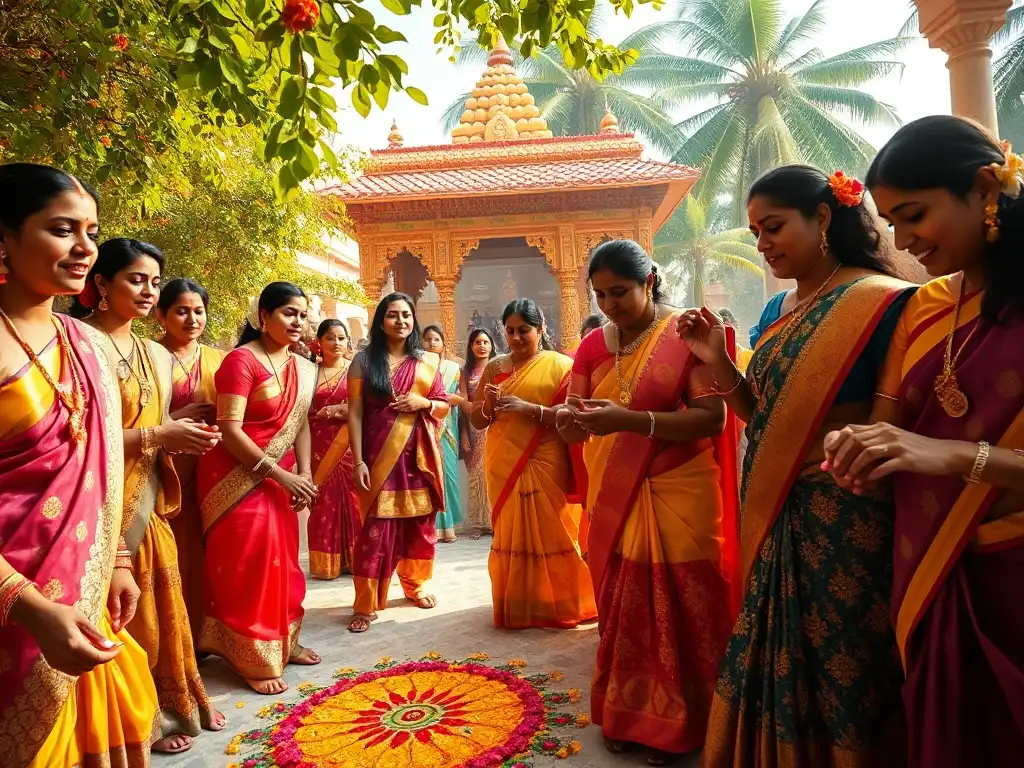
Welcome to Ancient India History, where we delve into the rich tapestry of our past, exploring the remarkable civilizations that have shaped India. In this journey, we invite you to discover the cultural roles of women in India, particularly their profound impact during ancient festivals and rituals. As we unravel the layers of history, you'll find that women were not just participants but pivotal figures in these vibrant celebrations.
What secrets do these traditions hold about their contributions? Join us as we explore the intriguing significance of women’s roles in shaping ancient Indian culture and uncover the stories that have long been woven into the fabric of our heritage.
Introduction to the Cultural Roles of Women in India
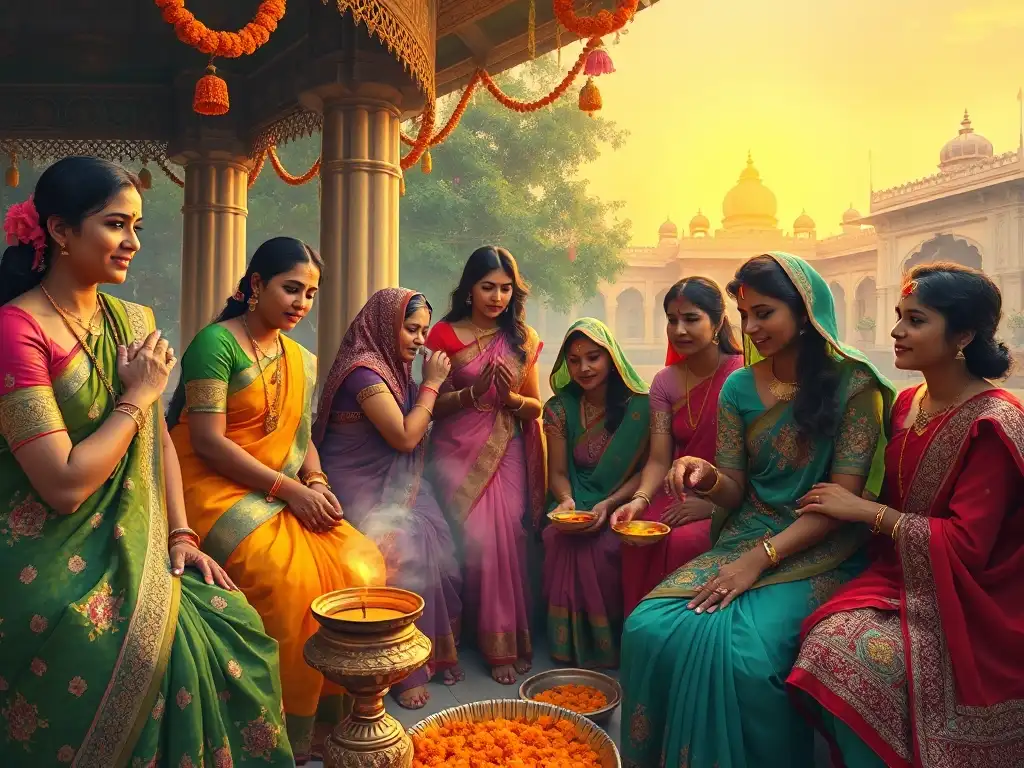
The cultural roles of women in ancient India are deeply intertwined with the festivals and rituals that have shaped Indian society for millennia. From the sacred ceremonies of the Indus Valley Civilization to the elaborate celebrations of the Gupta Empire, women played a pivotal role in maintaining and transmitting cultural traditions.
Their participation was not only a matter of personal significance but also a reflection of their spiritual and social status within the community. This article delves into the multifaceted contributions of women in ancient Indian festivals and rituals, highlighting how their involvement was essential to the preservation of cultural identity and continuity.
Overview of Women's Roles in Ancient Indian Society
In ancient India, women's roles were diverse and complex, encompassing various aspects of social, religious, and economic life. They were often seen as the custodians of culture, responsible for upholding traditions through their participation in rituals and festivals. Women engaged in a variety of activities, from performing rites and ceremonies to crafting offerings and decorations. While societal norms often dictated their roles, many women found ways to assert their influence and contribute meaningfully to their communities.
- Cultural Custodians: Women were key figures in transmitting oral traditions, folk stories, and rituals across generations.
- Religious Practitioners: Many women took on roles as priestesses or ritual leaders, guiding families and communities in spiritual practices.
- Social Influencers: Through their participation, women shaped the cultural narratives that defined their societies, often challenging restrictive norms and expectations.
Importance of Festivals and Rituals in Ancient India
Festivals and rituals in ancient India served not only as occasions for celebration but also as vital expressions of cultural identity. They reinforced community bonds and provided a structured framework for social interaction. These events were imbued with religious significance, marking important seasonal changes, agricultural cycles, and life milestones.
- Community Cohesion: Festivals brought people together, fostering a sense of belonging and collective identity.
- Ritual Significance: Each festival had its own set of rituals, often reflecting the underlying values and beliefs of the community.
- Cultural Transmission: Through participation in festivals, women played a crucial role in passing down traditions, ensuring the survival of cultural practices.
Historical Context of Women in Ancient Indian Festivals
To fully appreciate the cultural significance of women in ancient Indian festivals, it is essential to explore the historical context in which these roles evolved. The shifting dynamics of society, religion, and politics influenced women's participation and the recognition of their contributions.
Women in Vedic Society and Their Cultural Contributions
During the Vedic period, women held a relatively elevated status compared to later ages. They participated in rituals, composed hymns, and were involved in philosophical discussions. The Vedas themselves highlight the reverence for women, showcasing their integral role in spiritual and social life.
- Literary Contributions: Women like Gargi and Maitreyi are celebrated for their intellectual contributions to Vedic philosophy.
- Ritual Participation: Women played significant roles in domestic rituals, ensuring that familial and communal practices were upheld.
- Social Mobility: Certain texts indicate that women could inherit property and partake in educational pursuits, reflecting a more egalitarian approach to gender roles.
Evolution of Women's Roles in Festivals Through the Ages
As Indian society evolved, so too did the roles of women in festivals. The transition from Vedic society to the later periods saw shifts influenced by various factors, including regional practices, the introduction of new religions, and changing socio-political dynamics.
- Medieval Changes: The rise of regional kingdoms and the influence of Bhakti movements led to new forms of worship and participation for women.
- Cultural Syncretism: Festivals began to incorporate elements from different traditions, allowing women from diverse backgrounds to contribute and participate.
- Contemporary Reflections: Modern interpretations of ancient practices continue to reflect the foundational roles women played in these cultural expressions, bridging past and present.
Through this exploration, we can gain insight into the enduring legacy of women's contributions to the cultural fabric of ancient India, highlighting their vital roles in shaping the festivals and rituals that continue to resonate today.
Major Festivals Celebrating Women's Cultural Roles
The vibrant tapestry of ancient Indian festivals is richly woven with the contributions and significance of women, who play pivotal roles in various celebrations. These festivals not only highlight the reverence for feminine power but also underscore the integral part women have in maintaining cultural traditions and rituals. Through their participation, women embody the spirit of the festivals, reinforcing their status as custodians of culture and tradition. Below, we explore some of the major festivals in which the cultural roles of women in India are prominently celebrated.
Durga Puja: The Celebration of Feminine Power
Durga Puja stands as one of the most significant festivals in India, particularly in West Bengal and among Bengali communities worldwide. Celebrated in honor of Goddess Durga, the festival symbolizes the victory of good over evil. Women play a central role in this festival, from the artistic creation of idols to the elaborate rituals performed during the nine nights of celebrations.
During Durga Puja, women engage in various activities, such as sundays, where they prepare offerings, and anjali, where they perform rituals to invoke the goddess's blessings. The festival also provides a platform for women to express their creativity through traditional dance forms, music, and art. The act of welcoming the goddess into their homes signifies the respect and reverence for feminine power, emphasizing women's roles not just as participants but as key figures in the cultural narrative of the festival.
Navratri: Significance of Women in Worship and Rituals
Navratri, a nine-night festival dedicated to the worship of the goddess Durga, is another prominent celebration that highlights the cultural roles of women in India. Each night of Navratri is dedicated to different aspects of the goddess, and women participate actively in the rituals, dances, and prayers associated with the festival.
The Garba and Dandiya dances, integral parts of Navratri, see women leading the festivities, dressed in vibrant traditional attire. These dances are not merely cultural expressions; they symbolize the celebration of femininity and the embodiment of the goddess's spirit. Furthermore, women often take on the responsibility of organizing community gatherings, ensuring the preservation of traditions, and fostering a sense of unity among participants. Navratri serves as a powerful reminder of the strength, resilience, and cultural significance of women in religious practices.
Karva Chauth: The Role of Women in Family and Tradition
Karva Chauth is a significant festival celebrated by married Hindu women, particularly in northern India. During this day-long fast, women pray for the long life and prosperity of their husbands, highlighting their pivotal role within the family structure. The rituals associated with Karva Chauth are rich in cultural significance, emphasizing the devotion and sacrifice of women.
On this day, women engage in various ceremonial activities, such as wearing traditional attire, applying henna, and gathering for communal prayers. The festival fosters a sense of solidarity among women, as they share stories and support each other throughout the fasting period. Karva Chauth is not only a testament to the cultural roles of women in maintaining family traditions but also reflects their influence in shaping the social fabric of their communities.
Rituals and Practices Involving Women
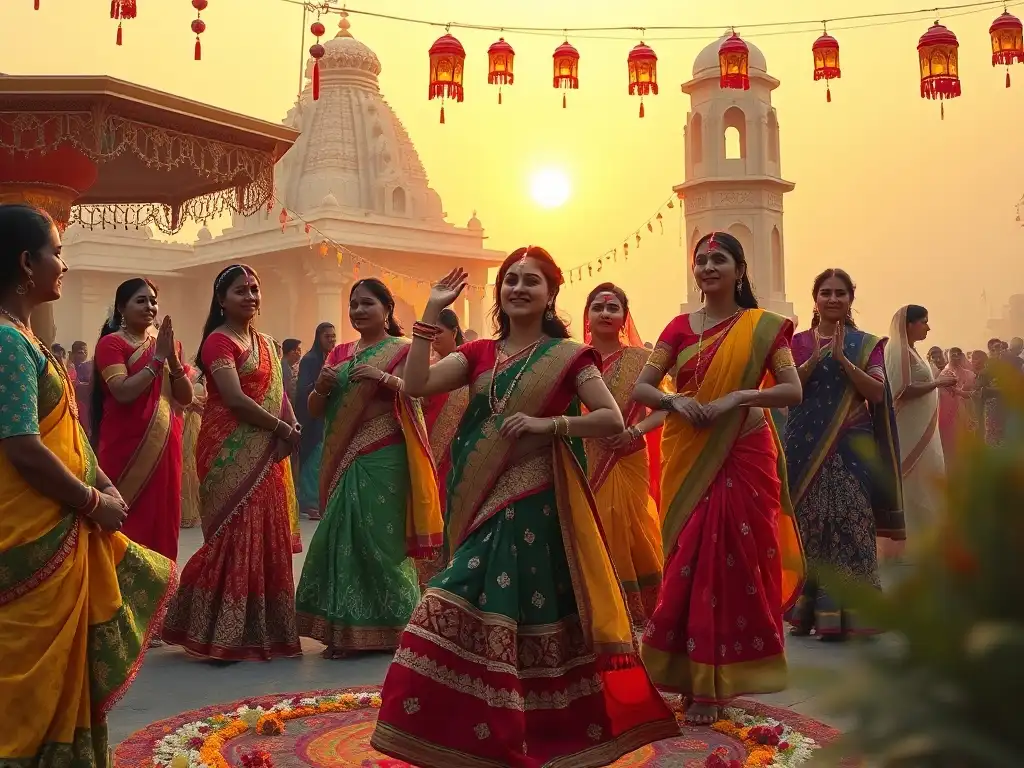
Women’s participation in rituals and practices is a cornerstone of ancient Indian culture. Their roles extend beyond mere participation; they are often the custodians of traditions, ensuring that cultural practices are passed down through generations. The significance of women's involvement in religious ceremonies and domestic rituals reflects their central position in the spiritual and cultural life of the community.
The Participation of Women in Religious Ceremonies
Women have historically been active participants in religious ceremonies across various Indian traditions. Their involvement ranges from conducting prayers to leading rituals, often serving as mediators between the divine and the community. In many cases, women are entrusted with the responsibility of performing rituals during important life events, such as weddings, births, and religious festivals.
The presence of women in these ceremonies signifies their role as nurturers and spiritual leaders within the family. Their contributions are often recognized through specific rituals that honor their positions, such as the Kanya Puja during Navratri, where young girls are worshipped as embodiments of the goddess. This participation not only reinforces women's cultural roles but also strengthens their bond with the divine.
Women's Influence on Domestic Rituals and Community Celebrations
In addition to religious ceremonies, women have a profound influence on domestic rituals and community celebrations. Their roles often encompass the planning and execution of various cultural practices that define family traditions. From preparing sacred offerings to organizing communal feasts, women ensure that rituals are carried out with reverence and adherence to cultural norms.
Women also play a significant part in community celebrations, facilitating events that foster social cohesion and cultural continuity. Their ability to bring people together through shared rituals, storytelling, and music reflects their vital role in nurturing community life. By participating in and leading these practices, women not only uphold their cultural heritage but also inspire future generations to appreciate and embrace their ancestral traditions.
Symbolism of Women in Ancient Indian Mythology and Festivals
In ancient Indian culture, women held a profound symbolic significance that permeated various aspects of life, especially in mythology and festivals. Representing fertility, prosperity, and the cyclical nature of life, women were often seen as embodiments of divine qualities. Their roles in festivals were not merely participatory; they were central to the ceremonies, reflecting the community's reverence for the feminine aspect of creation and sustenance.
The symbolism of women is particularly pronounced in the context of fertility rituals, where they are celebrated as life-givers. For instance, during the festival of Navaratri, women are worshipped in their various forms through the nine forms of the goddess Durga. This celebration emphasizes not only the power of femininity but also the respect accorded to women in their roles as nurturers and caretakers of family and society.
Moreover, festivals like Karva Chauth, where married women fast for the well-being and longevity of their husbands, illustrate the cultural significance attributed to women's roles as caregivers and protectors of family unity. Such practices reinforce the idea that women are pivotal in maintaining the social fabric of ancient Indian communities.
Mythological Figures Representing Women and Their Cultural Significance
Women in ancient Indian mythology are often portrayed as powerful figures who embody strength, wisdom, and virtue. Characters such as Sita, Draupadi, and Kali serve crucial roles in various epics and texts, symbolizing different dimensions of womanhood. Sita, for example, represents loyalty and virtue, enduring trials that showcase her strength during adversities. Her story resonates with values of resilience and fidelity, making her a revered figure in cultural narratives.
Draupadi, on the other hand, exemplifies empowerment and agency. Her courage in advocating for herself during the infamous dice game reflects the notion of women's rights and dignity in society. These mythological figures not only serve as role models but also influence the perception of women's roles across generations, shaping societal norms and expectations surrounding femininity and strength.
In addition to these figures, the goddess Kali is often celebrated as a fierce protector, representing the transformative power of women. Her depictions challenge traditional notions of femininity, emphasizing that women can embody both nurturing and fierce qualities, thus expanding the cultural understanding of women's roles in society.
The Role of Goddesses in Shaping Women's Roles in Society
Goddesses in ancient Indian culture play an instrumental role in defining and shaping the societal roles of women. As divine figures, they are often associated with various aspects of life, including wealth, wisdom, and fertility. This reverence for goddesses translates into a societal framework where women are both celebrated and expected to embody these divine qualities.
For instance, the worship of Lakshmi, the goddess of wealth and prosperity, highlights the importance of women in economic and familial stability. Celebrations such as Diwali, where Lakshmi is honored, reinforce the idea that women are central to the prosperity of the household. Furthermore, the goddess Saraswati, associated with knowledge and the arts, encourages the pursuit of education and intellectual growth among women, promoting a culture that values the contributions of women in these domains.
These depictions not only elevate the status of women in spiritual and cultural contexts but also lay the groundwork for their roles in practical societal frameworks. By embodying these goddesses' qualities, women in ancient India were encouraged to pursue their aspirations while navigating their responsibilities within the family and community.
Impact of Women's Participation on Community and Society
The involvement of women in festivals and rituals significantly impacts community cohesion and societal dynamics. Their active participation fosters a sense of unity and belonging, reinforcing the collective identity of the community. Festivals serve as a platform for women to express their creativity, share knowledge, and strengthen social ties, ultimately enriching the cultural landscape.
How Women's Involvement in Festivals Strengthened Community Bonds
Women’s roles in festivals are essential for cultivating community bonds. Through rituals, women come together to prepare for celebrations, sharing traditions and customs that have been passed down through generations. This collective effort not only enhances the festive spirit but also reinforces relationships among women, creating a supportive network that transcends individual families.
During festivals like Makar Sankranti, women engage in activities such as making traditional sweets and decorating homes, which fosters collaboration and camaraderie. The communal aspect of these practices emphasizes the significance of women's contributions in nurturing social connections, as they lead and organize various festivities, making them vital to the community's cultural identity.
Moreover, the participation of women in these rituals establishes a continuity of cultural practices, ensuring that traditions are preserved and adapted across generations. This intergenerational transmission of knowledge further strengthens community ties, as younger women learn from their elders, solidifying their roles within the cultural framework.
The Role of Women in Preserving Cultural Heritage and Traditions
Women have been instrumental in preserving cultural heritage and traditions throughout ancient Indian history. Their participation in rituals and festivals often involves the transmission of customs, music, dance, and culinary practices, which are essential for maintaining the cultural tapestry of society.
For example, in many rural communities, women are the primary custodians of traditional crafts and folk arts. They not only practice these art forms but also teach them to their children, ensuring that these skills are not lost over time. Festivals often serve as an exhibition of these crafts, where women showcase their talents, thus promoting cultural appreciation and continuity.
Additionally, women's roles in storytelling and oral traditions are vital for conveying historical narratives and moral lessons embedded in mythology. This storytelling tradition allows for the preservation of cultural values and beliefs, making women key figures in safeguarding the community's heritage.
The cultural roles of women in ancient Indian festivals and rituals are multifaceted. Their contributions are essential not just for the celebration of life and community but also in shaping societal values and preserving cultural identity, illustrating the profound impact women have had on the rich tapestry of ancient Indian civilization.
Conclusion: The Lasting Legacy of Women's Cultural Roles in India
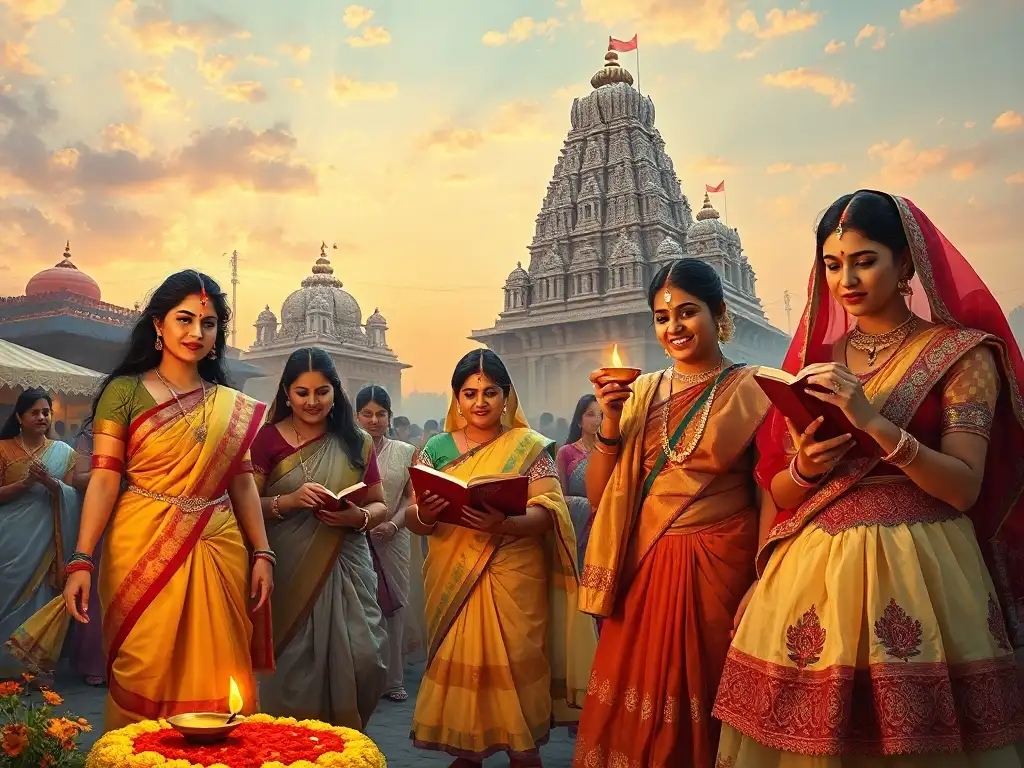
The cultural roles of women in ancient Indian festivals and rituals have left an indelible mark on the social fabric of the country. These roles were not merely functional; they were deeply symbolic, reflecting the spiritual, emotional, and social dimensions of life in ancient India. Women were often seen as the custodians of tradition, responsible for passing down rituals and customs through generations. This sacred duty elevated their status within the community and reinforced their identity as key figures in the preservation of cultural heritage.
Moreover, the active participation of women in festivals and rituals highlighted their integral role in religious practices. From conducting poojas to singing devotional songs, their contributions were essential in ensuring the success of communal celebrations. This involvement not only enhanced their spiritual connection but also fostered a sense of belonging and community cohesion. The rituals often emphasized the importance of women as nurturers and caretakers, symbolizing fertility, prosperity, and harmony within families and society.
Reflection on the Historical Significance and Modern Implications
The historical significance of women's roles in ancient Indian festivals and rituals cannot be understated. Women were often the driving force behind many cultural practices, and their involvement was pivotal in shaping societal norms and values. This historical backdrop is essential for understanding the modern implications of these roles. Today, as society continues to evolve, the legacy of women in cultural practices serves as a foundation for contemporary discussions on gender equality and empowerment.
In modern India, the recognition of women's contributions to cultural rituals opens avenues for greater participation in public life. Efforts to celebrate women’s roles in festivals can promote gender inclusivity and challenge existing stereotypes. As more women take on leadership roles within community rituals, the reimagining of these traditions can lead to a more equitable representation of gender in cultural narratives. Thus, the past informs the present, providing valuable lessons that can inspire future generations.
Future Perspectives on Women's Roles in Indian Festivals and Rituals
Looking ahead, the future of women's roles in Indian festivals and rituals appears promising yet challenging. As society grapples with evolving gender dynamics, there is potential for a renaissance of women's participation in cultural practices. Initiatives aimed at reviving traditional rituals with a focus on inclusivity can empower women and reaffirm their significance in societal roles.
Moreover, the globalization of Indian culture presents both opportunities and challenges. While it allows for the exchange of ideas and practices, there is a risk of dilution of local customs. It becomes imperative to ensure that the essence of these practices is preserved while adapting them to contemporary contexts. Engaging younger generations in the celebration of women's roles can foster a sense of pride and continuity, ensuring that these traditions remain vibrant and relevant.
As we move forward, embracing the cultural roles of women in ancient Indian festivals and rituals can serve as a powerful tool for social change. Their legacy not only enriches the tapestry of Indian culture but also plays a crucial part in shaping a more inclusive future.
- Introduction to the Cultural Roles of Women in India
- Historical Context of Women in Ancient Indian Festivals
- Major Festivals Celebrating Women's Cultural Roles
- Rituals and Practices Involving Women
- Symbolism of Women in Ancient Indian Mythology and Festivals
- Impact of Women's Participation on Community and Society
- Conclusion: The Lasting Legacy of Women's Cultural Roles in India
- Reflection on the Historical Significance and Modern Implications
- Future Perspectives on Women's Roles in Indian Festivals and Rituals
- What were the cultural roles of women in ancient Indian festivals?
- How did women's contributions impact religious practices in ancient India?
- Were there any specific festivals that highlighted women's roles?
- How did the social status of women influence their participation in rituals?
- What is the significance of women's traditions in preserving ancient culture?
Frequently Asked Questions
What were the cultural roles of women in ancient Indian festivals?
Women played a central role in ancient Indian festivals, often responsible for performing rituals, preparing offerings, and maintaining traditions that contributed to community bonding.
How did women's contributions impact religious practices in ancient India?
Women's involvement in religious practices was significant, as they often acted as mediators between the divine and the community, ensuring that rituals were performed correctly and effectively.
Were there any specific festivals that highlighted women's roles?
Yes, festivals like Karva Chauth and Teej specifically celebrate women's sacrifices and devotion, showcasing their vital role in family and societal life.
The social status of women often determined their level of participation in rituals; higher status women had more significant roles, while lower status women contributed in ways that were culturally appropriate for their circumstances.
What is the significance of women's traditions in preserving ancient culture?
Women's traditions in festivals and rituals are essential for the preservation of ancient culture, as they pass down customs and values, ensuring continuity and a sense of identity in the community.
Final Reflection: The Enduring Legacy of Women's Cultural Roles in India
The cultural roles of women in India are not just historical footnotes; they are vibrant threads woven into the fabric of society that continue to shape our contemporary world. As we explore the significance of women in ancient Indian festivals and rituals, we uncover a rich tapestry of traditions that highlight their essential contributions to cultural identity and community cohesion. Today, as we navigate a rapidly changing landscape, the lessons from these historical practices remind us of the power and resilience of women in shaping societal values and narratives.
The influence of women in these cultural practices has transcended generations, fostering a sense of belonging and continuity within communities. Their roles in rituals and festivals have not only preserved age-old traditions but have also empowered future generations to embrace their heritage. As we reflect on this ongoing influence, we are reminded of the words of the renowned Indian author Kamala Das: I am a woman, and I am proud of my heritage, my culture, and my identity.
This sentiment echoes the importance of recognizing and celebrating the contributions of women, which remain vital in the cultural landscape of India today.
As we conclude this exploration, I invite you to reflect on the cultural roles of women in your own life and community. Consider how you can honor and uplift the contributions of women around you, drawing inspiration from the rich traditions of the past. Let us commit to recognizing the significance of these roles, not just as historical accounts but as living legacies that continue to inspire and empower us. Together, we can ensure that the voices of women remain central to our cultural narratives, fostering a future where their contributions are celebrated and cherished.
Celebrate and Honor the Legacy of Women in Ancient Indian Culture!
Thank you for exploring the rich tapestry of women’s roles in ancient Indian festivals and rituals. Your journey through this vibrant history highlights the invaluable contributions of women, offering insights that inspire and empower our understanding today. Now, let’s take steps to honor and share this knowledge further!
- Dive deeper: Discover more about specific festivals and the remarkable stories of the women who shaped them! Check out our article library for more captivating tales.
- Share your insights: Engage with friends or on social media by sharing what you learned today. You never know whose interest you might ignite!
- Join the conversation: Participate in our forums to discuss the significance of these traditions and help keep the cultural legacy alive.
What aspects of women’s roles in ancient Indian festivals resonate with you the most, and how can we celebrate them in our contemporary lives?