
The Intersection of Class and Gender: Diverse Experiences of Women in Ancient India

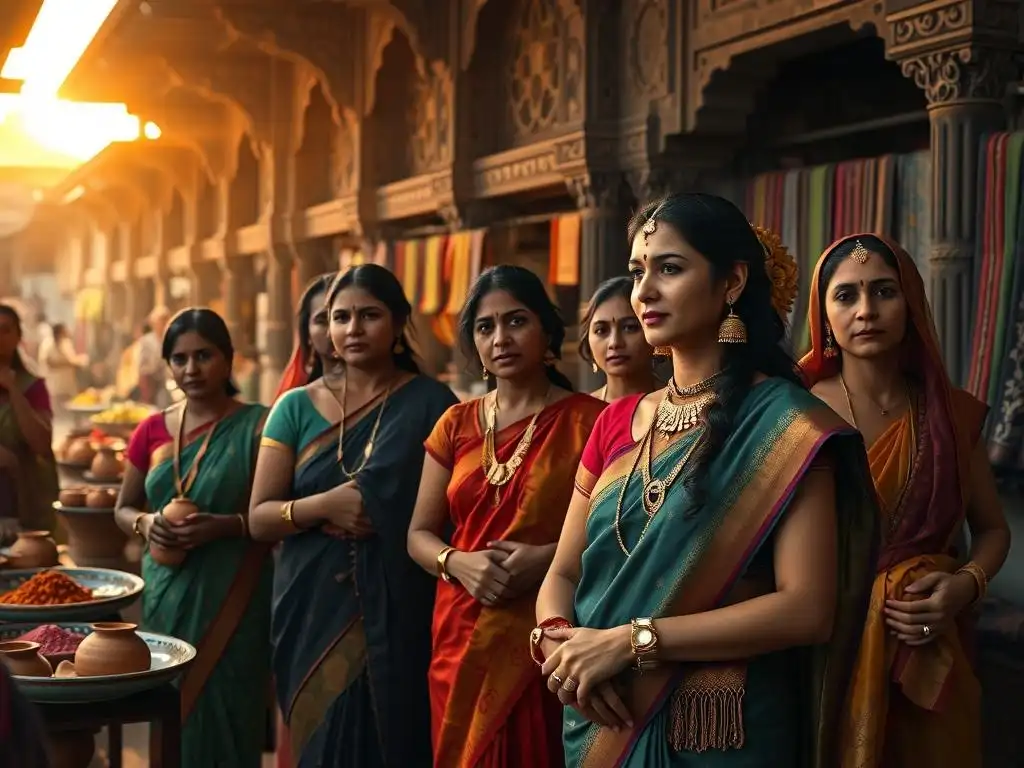
Welcome to Ancient India History, where we invite you on a journey through the rich tapestry of time that showcases the remarkable civilizations of ancient India. In our featured article, " The Intersection of Class and Gender: Diverse Experiences of Women in Ancient India," we delve into the pivotal roles women played within their societies, revealing their strengths, struggles, and contributions across different classes. What unique stories lie hidden in the annals of history?
Join us as we uncover the fascinating lives of women who shaped the very essence of ancient Indian culture. Dive in and explore the legacy that continues to resonate today!
Introduction to Women in Ancient Indian Society
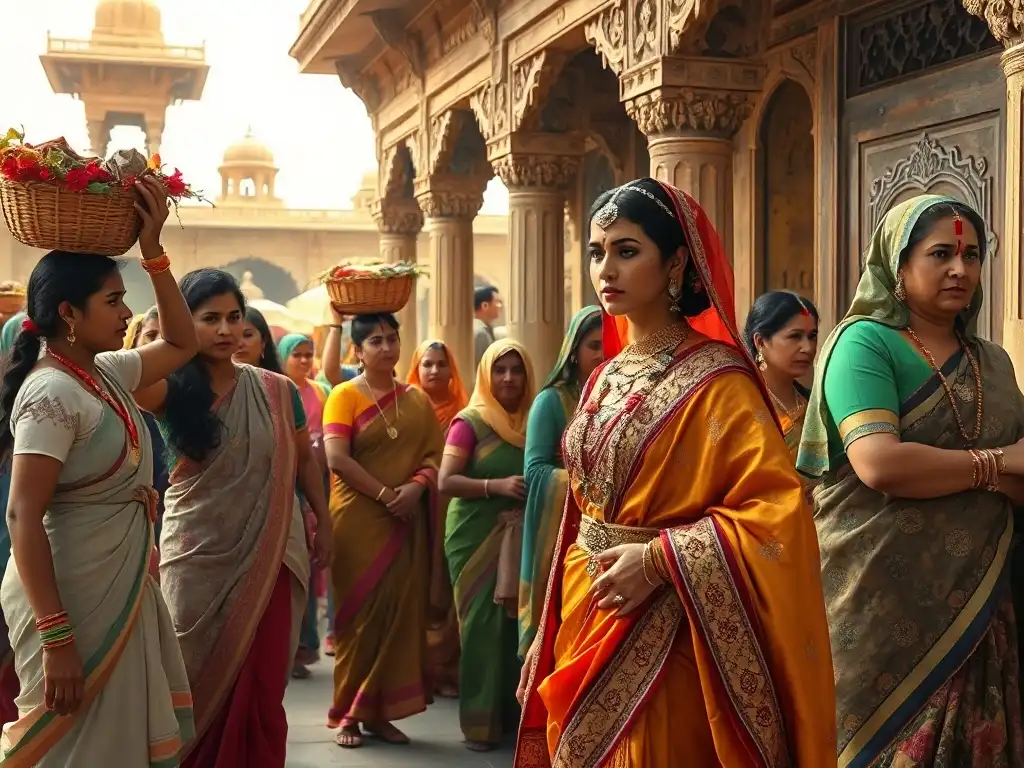
Understanding the experiences of women in ancient Indian society requires a nuanced examination of the intricate interplay between class and gender. Ancient India, characterized by its vast cultural diversity and regional variations, provided a complex backdrop against which the roles of women evolved.
From the early days of the Indus Valley Civilization to the flourishing Gupta Empire, women's roles were not monolithic; instead, they were deeply influenced by factors such as social class, regional customs, and historical developments. This article aims to explore these diverse experiences, shedding light on how women navigated the societal structures of their time, their contributions to culture and economy, and the shifting dynamics that influenced their status throughout various periods in ancient Indian history.
Overview of Women's Roles in Ancient India
In ancient Indian society, women's roles were multifaceted and varied significantly based on their social class, region, and the prevailing cultural norms.
- Household Responsibilities: Women were primarily seen as caretakers of the home, responsible for managing household affairs and raising children.
- Economic Contributions: In various communities, women engaged in agricultural work, textiles, and trade, contributing to the family's economic stability.
- Religious Practices: Women played vital roles in religious rituals and were often seen as custodians of cultural traditions, participating actively in ceremonies and festivals.
Despite these contributions, women's status was often contingent upon their relationships with male family members, making their agency limited in many aspects of public life.
Importance of Class and Gender in Historical Context
The intersection of class and gender significantly shaped the experiences of women in ancient India.
- Social Stratification: Different classes, such as the priestly, warrior, and merchant classes, had distinct expectations and norms regarding women's roles. For example, women from higher classes often had more access to education and public life, while those from lower classes faced more restrictive norms.
- Cultural Norms: Gender roles were influenced by various texts, including the Vedas and later legal codes, which outlined the expected behaviors and duties of women in society. This historical context is crucial in understanding the constraints and opportunities available to women.
Historical Background of Women in Ancient Indian Society
The historical trajectory of women in ancient India is marked by significant transitions across various periods, each influencing their roles and rights.
Pre-Vedic Period: Early Roles and Status
In the Pre-Vedic period, women enjoyed relatively higher status and autonomy compared to later periods. Archaeological evidence suggests:
- Participation in Society: Women were involved in agricultural activities and held important positions within family structures.
- Religious Roles: They participated in rituals and held spiritual significance within their communities, indicating a degree of respect and reverence.
Vedic Era: Emergence of Class Structures
The Vedic era marked the beginning of stratification in society, influencing the roles of women:
- Literary References: Texts from this period, such as the Rigveda, depict women like Gargi and Maitreyi as learned scholars, showcasing that some women had access to education.
- Social Hierarchies: The establishment of the varna system led to a more defined categorization of roles, limiting opportunities for women in lower classes while providing privileges to those in higher strata.
Post-Vedic Developments: Changes in Gender Dynamics
The post-Vedic period saw further changes in the dynamics of gender roles:
- Legal Texts: Manusmriti and other legal texts began to codify women's roles, often emphasizing subservience and limiting their rights in inheritance and property.
- Cultural Shifts: The rise of powerful dynasties and changing socio-political landscapes influenced women's roles, leading to both restrictions and, at times, opportunities for participation in the arts, education, and even governance.
The exploration of women in ancient Indian society reveals a rich tapestry of experiences shaped by class, gender, and historical context. Understanding these dynamics is crucial to appreciating the diverse roles women played in the development of ancient Indian civilization.
Class Distinctions and Women's Experiences
The experiences of women in ancient India were significantly shaped by their social class, leading to a complex interplay of privileges, responsibilities, and societal roles. Class distinctions created varied realities for women, where upper-class women often lived in relative luxury yet faced stringent restrictions, while working-class women engaged in labor that contributed to their families and communities. Understanding these nuances is crucial for a comprehensive view of women's roles in ancient Indian society.
Upper-Class Women: Privileges and Responsibilities
Upper-class women in ancient India enjoyed certain privileges that came with their social status. They had access to education, particularly in the realms of literature, arts, and philosophy, which was often reserved for the elite. Women from royal or wealthy families could wield significant influence in political affairs, sometimes even acting as regents or advisers.
However, these privileges were accompanied by strict societal expectations. Women were often confined to domestic roles, focusing on managing the household and raising children. Their marriages were typically arranged, and they were expected to uphold family honor. Despite these limitations, some upper-class women, such as Rani Durgavati and Razia Sultana, defied norms and played pivotal roles in governance and warfare, illustrating that class privilege could sometimes offer avenues for agency.
Middle-Class Women: Balancing Tradition and Change
Middle-class women navigated a delicate balance between tradition and the changing societal landscape. As trade and commerce flourished during periods such as the Maurya and Gupta empires, middle-class women began to take on more active roles in family businesses and local economies. They often engaged in artisanal crafts, contributing to the family income while maintaining their household responsibilities.
While middle-class women were often subjected to traditional norms regarding marriage and behavior, the evolution of society allowed for a slow shift in their roles. Literature from the time reveals instances of women advocating for their rights and participating in cultural practices, reflecting a gradual change in societal attitudes. This class of women experienced both the constraints of traditional expectations and the emerging possibilities for greater independence.
Working-Class Women: Labor and Societal Contributions
Working-class women were integral to the economic fabric of ancient Indian society. They contributed significantly to agricultural labor, textile production, and various artisanal crafts. Their work was not only vital for their family’s survival but also for the overall economy of their communities.
Unlike their upper and middle-class counterparts, working-class women often had more freedom in their daily lives, as they engaged in communal tasks alongside other women. However, this freedom was often tempered by the harsh realities of poverty and labor exploitation. Their contributions were essential, yet they frequently remained unrecognized in historical narratives, emphasizing the need to highlight their roles in the broader context of ancient Indian society.
Gender Roles and Cultural Expectations
The intersection of gender roles and cultural expectations in ancient India was deeply rooted in the prevailing patriarchal framework. Women's roles were primarily defined in relation to men, whether as daughters, wives, or mothers, which influenced their societal standing and personal freedoms.
Societal Norms: Expectations of Women in Ancient India
Societal norms in ancient India placed women within a strict framework of expectations. They were often seen as the upholders of family values and culture, with their primary duties revolving around marriage and motherhood. Education for women was not widely encouraged, particularly in lower classes, as their roles were primarily seen as domestic.
These norms dictated not only their responsibilities but also their conduct, emphasizing modesty and obedience. Deviations from these societal expectations could lead to severe repercussions, underscoring the rigid nature of gender roles in ancient Indian societies. Despite these challenges, some women found ways to assert their identities, often through literature, arts, or even subtle forms of rebellion.
Impact of Religion on Women's Status
Religion played a pivotal role in shaping women's status in ancient Indian society. Various religious texts and practices often reinforced patriarchal structures, prescribing specific roles for women that were in line with spiritual and societal expectations. For example, texts like the Manusmriti outlined duties for women, emphasizing their roles as caretakers and subservient to male authority.
However, religion also provided avenues for empowerment. Goddesses were revered in Hinduism, and women's participation in religious rituals could elevate their status within certain contexts. Moreover, various sects and spiritual movements encouraged the idea of women as spiritual beings, offering them a unique space within religious discourse. This duality highlights the complex relationship between religion and women's roles in ancient India.
Literature and Myths: Representation of Women
The representation of women in ancient Indian literature and mythology reveals much about societal attitudes and cultural norms. Texts such as the Mahabharata and Ramayana depict women in a variety of roles, from the virtuous Sita, who embodies the ideal wife, to the fierce warrior Draupadi, who challenges patriarchal norms. These narratives reflect both the reverence for women and the constraints placed upon them.
Myths and stories often served as a mirror to society, showcasing the complexities of women's experiences. While many tales reinforced traditional gender roles, others highlighted women's strength and resilience. This diverse representation in literature allows for a nuanced understanding of women's positions in ancient Indian society, emphasizing both their struggles and their agency.
Case Studies of Notable Women in Ancient Indian Society
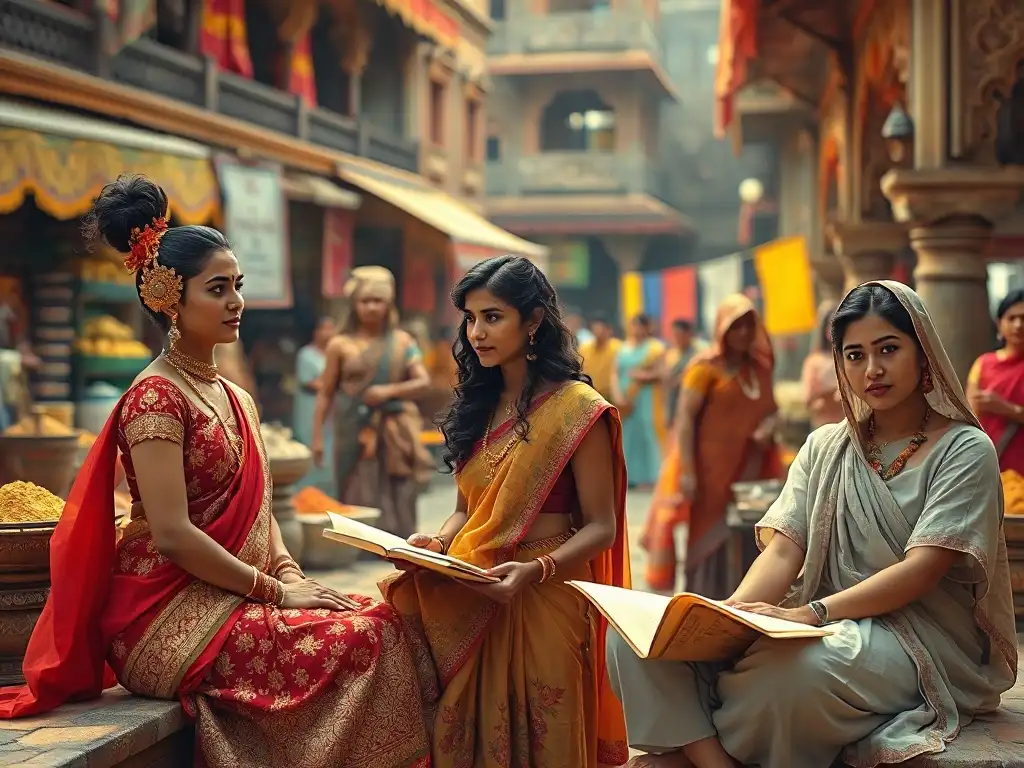
Ancient India boasts a rich tapestry of women's experiences, characterized by diverse roles across various strata of society. Notable women from this era exemplify the intersection of gender and class, illuminating the complexity of their lives. One such figure is Vasavadatta, a character from the renowned play "Swapnavasavadatta" by Bhasa, who embodies the themes of love and devotion, showcasing the role of women in literature as reflections of societal values.
Another prominent figure is Maitreyi, a sage and philosopher mentioned in the Brahmanas, who engaged in profound discussions about the nature of existence and knowledge, thereby challenging the conventional roles ascribed to women. Her contributions highlight the intellectual capacity of women in ancient Indian society, suggesting that some women enjoyed a degree of autonomy and respect.
Women in Literature: Characters and Their Significance
Literature from ancient India provides a window into the lives and roles of women, often portraying them in multifaceted ways. Characters such as Sita from the Ramayana and Draupadi from the Mahabharata are pivotal, representing not just the ideals of womanhood but also the struggles and agency of women.
- Sita is often seen as the paragon of virtue and fidelity, yet her trials reflect the societal pressures faced by women.
- Draupadi, on the other hand, symbolizes strength and resilience; her defiance against injustice during the Kaurava court illustrates women's potential to challenge patriarchal norms.
These literary figures serve not only as cultural icons but also as mediums through which societal norms regarding women can be examined and critiqued, revealing the complexity of their representation.
Historical Figures: Contributions and Influence
Beyond literary depictions, historical records shed light on women who wielded significant power and influence. For instance, Rani Durgavati, the queen of Gondwana in the 16th century, is celebrated for her valor and leadership in defending her kingdom against Mughal invasions. Her legacy is a testament to women's active participation in governance and warfare, defying the traditional roles often ascribed to them.
Another influential figure is Ahilyabai Holkar, the queen of Indore in the 18th century, known for her administrative acumen and philanthropic endeavors. She not only managed her kingdom effectively but also contributed to architecture and the development of infrastructure, showcasing women's capabilities in leadership and civic responsibility.
Intersectionality: Analyzing Class and Gender
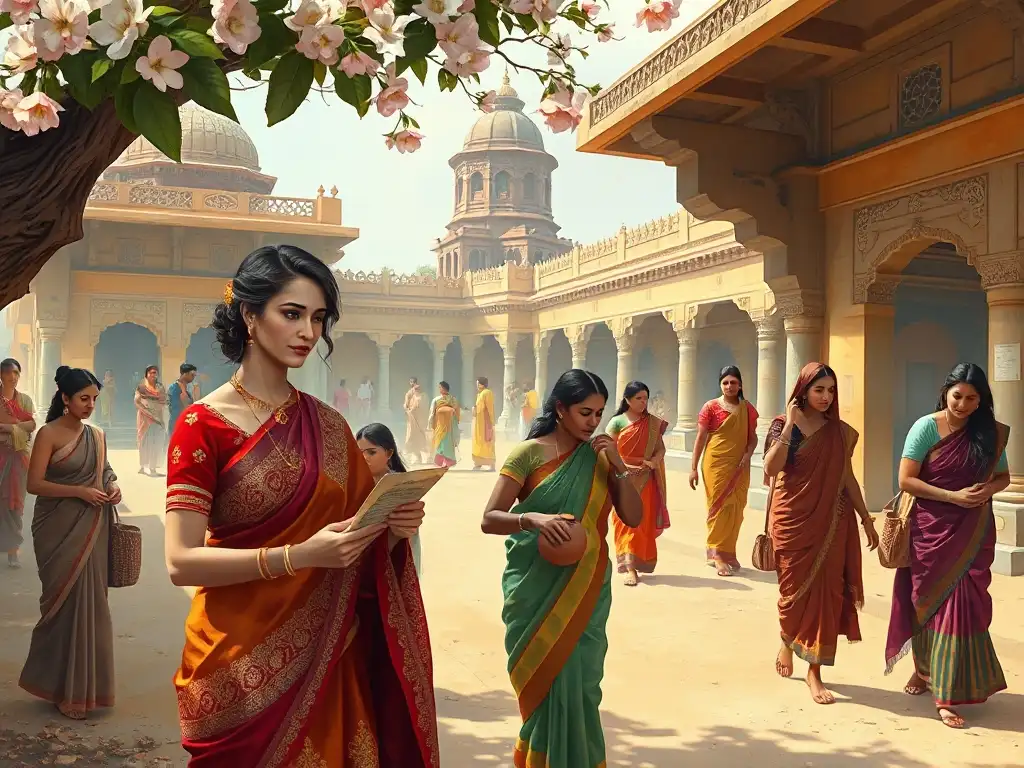
The concept of intersectionality is crucial in understanding the varied experiences of women in ancient Indian society. It posits that gender does not exist in isolation but is intertwined with class, caste, and other social determinants. Women of higher caste, for instance, often had access to education and resources that empowered them, while those from lower castes faced systemic barriers that limited their opportunities.
This nuanced perspective reveals that the experiences of women were not monolithic; instead, they were influenced by their socio-economic status, cultural context, and regional variations. For example, while some women in urban centers may have enjoyed greater liberties, those in rural areas often adhered to stricter traditional norms.
The Role of Intersectionality in Understanding Women's Lives
Intersectionality allows for a comprehensive analysis of how different factors affect women's lives in ancient India. It highlights that a woman’s experience is shaped not only by her gender but also by her caste, class, and geographical location. This multifaceted approach aids in deciphering the complexities of women's roles and their societal standing.
By examining women through the lens of intersectionality, scholars can better understand the disparities in access to education, healthcare, and employment opportunities. For example, a Brahmin woman might have had different educational prospects compared to a woman from a Dalit background, which directly impacted their respective roles in society.
Comparative Analysis of Class and Gender Experiences
A comparative analysis of class and gender experiences in ancient India reveals significant disparities among women from different backgrounds. Upper-class women often had access to education and were involved in cultural and artistic pursuits. For instance, many were patrons of the arts and engaged in literary salons, influencing cultural narratives.
In contrast, women from lower socio-economic backgrounds were predominantly engaged in labor-intensive roles, often working in agriculture or household services. Their voices and contributions were frequently marginalized, and their experiences were shaped by economic necessity rather than personal choice.
By analyzing these differences, it becomes evident that while some women enjoyed privileges associated with their class, others faced systemic oppression rooted in both gender and class dynamics. This comparative approach enriches the understanding of the diverse experiences of women, emphasizing the need to recognize and honor their varied contributions to ancient Indian society.
Conclusion: The Legacy of Women in Ancient Indian Society
The legacy of women in ancient Indian society is multifaceted, reflecting a complex interplay of class, gender, and cultural expectations. Women in various strata of society experienced vastly different realities, shaped by their social, economic, and political contexts. While some women enjoyed significant autonomy, particularly in the ruling and priestly classes, others faced constraints that limited their roles to domestic spheres.
Despite these differences, women made substantial contributions to the cultural, spiritual, and intellectual life of ancient India. From the revered figures in religious texts to the skilled artisans and scholars, their impact is evident across various domains. The historical narratives surrounding these women, although often overshadowed by their male counterparts, reveal a rich tapestry of resilience, creativity, and influence that continues to inspire contemporary discourse on gender equality and women's rights.
Reflections on Class and Gender Dynamics
The examination of class and gender dynamics in ancient India provides valuable insights into how societal structures shaped the lives of women. The intersection of these two factors reveals significant disparities in access to education, property rights, and social mobility. For instance, while upper-class women in royal families might have had access to education and influence, lower-class women often faced harsh realities of labor and limited rights.
Furthermore, the roles of women fluctuated over time, influenced by various philosophical and political shifts. The Vedic period, for example, portrayed women as knowledgeable and respected, while later texts reflected a more patriarchal perspective. By analyzing these shifts, we can understand how historical contexts influenced women's positions and highlight the ongoing struggle for equality.
Lessons for Contemporary Society
The diverse experiences of women in ancient Indian society underscore the importance of context in understanding gender roles. Contemporary society can draw valuable lessons from these historical narratives. Firstly, recognizing the contributions of women across different classes can foster a more inclusive historical narrative that values diverse perspectives. Secondly, the challenges faced by women in ancient India remind us of the importance of addressing systemic inequalities that continue to persist today.
Moreover, the resilience demonstrated by women throughout history serves as an inspiration for current movements advocating for gender equality. By learning from the past, society can work towards creating environments that empower women, irrespective of their class or background, ensuring their contributions are recognized and valued.
Further Reading and Resources
For those interested in exploring the rich history of women in ancient India, numerous resources provide deeper insights into their roles and contributions.
Recommended Books on Women in Ancient India
-
"Women in Ancient India" by R. S. Sharma
This book offers a comprehensive overview of the status and roles of women throughout various historical periods in India.
-
"The Status of Women in Ancient India" by R. Nagaswamy
An in-depth study that explores the social, economic, and political conditions of women in ancient Indian society.
-
"Women and Society in Ancient India" by Kumkum Sangari and Sudesh Vaid
This collection of essays examines the intersection of gender and class in ancient Indian history.
Articles and Journals for In-depth Study
- "Gender and Society in Ancient India" - A scholarly article that discusses the constructs of gender in various historical contexts.
- "The Role of Women in Vedic Society" - An analysis of women's positions and contributions during the Vedic period.
- "Class, Gender, and the Politics of Site: Women in Ancient Indian Temples": - A journal article that explores the roles of women in the religious and social frameworks of ancient temple society.
These readings provide a deeper understanding of the complexities surrounding women's roles in ancient India, revealing the rich tapestry of experiences that shaped their lives and legacies.
- Introduction to Women in Ancient Indian Society
- Historical Background of Women in Ancient Indian Society
- Class Distinctions and Women's Experiences
- Gender Roles and Cultural Expectations
- Case Studies of Notable Women in Ancient Indian Society
- Women in Literature: Characters and Their Significance
- Historical Figures: Contributions and Influence
- Intersectionality: Analyzing Class and Gender
- Conclusion: The Legacy of Women in Ancient Indian Society
- Further Reading and Resources
- What were the roles of women in ancient Indian society?
- How did class impact women's experiences in ancient India?
- Were women in ancient India involved in religious practices?
- What were the legal rights of women in ancient Indian society?
- How did literature and texts reflect women's status in ancient India?
Frequently Asked Questions
What were the roles of women in ancient Indian society?
Women in ancient India had diverse roles depending on their class and region. While some engaged in household duties, others participated in economic activities and contributed to cultural life.
How did class impact women's experiences in ancient India?
Class significantly influenced women's experiences, with upper-class women often enjoying more privileges and education, while those from lower classes faced more restrictions and labor-intensive lives.
Were women in ancient India involved in religious practices?
Yes, women played an important role in religious rituals and ceremonies. They could be seen as priestesses and were often involved in maintaining household shrines and participating in community worship.
What were the legal rights of women in ancient Indian society?
Women had limited legal rights that varied by social class; they had some rights to inheritance and property but were generally under the authority of male family members.
How did literature and texts reflect women's status in ancient India?
Ancient texts, such as the Vedas and epics, often portrayed women in various lights, reflecting both their strength and vulnerabilities, indicating a complex view of their status within society.
Final Reflection: Understanding the Complexity of Women in Ancient Indian Society
The exploration of women in ancient Indian society reveals a tapestry woven with diverse experiences shaped by the intersections of class and gender. Today, as we navigate a world still grappling with issues of inequality and representation, it is crucial to recognize that the struggles and triumphs of women throughout history continue to resonate with our contemporary narratives. The stories of women in ancient India remind us that their voices, though often marginalized, played a vital role in shaping the cultural and social fabric of their time.
The impact of these historical experiences is profound, influencing our current cultural and social landscape. The recognition of women's multifaceted roles in ancient Indian society encourages us to challenge the stereotypes that persist today. As we reflect on their contributions, we can draw inspiration from the words of feminist scholar Kamala Bhasin: If you want to change the world, you have to change the way you think about women.
This insight underscores the importance of understanding the past to foster a more equitable future, as it highlights the need for a shift in perspective that honors the complexities of women's lives.
As we conclude this exploration, I invite you to reflect on the lessons learned from the experiences of women in ancient India. Consider how these narratives can inform your understanding of gender and class dynamics in today's society. Let us commit to amplifying the voices of women, both past and present, and advocate for a world where every woman's story is valued and heard. Together, we can honor their legacy by striving for a more inclusive and equitable future.
Unveil the Stories of Women in Ancient India!
Thank you for exploring the rich and complex experiences of women in ancient India. By diving into the intersection of class and gender, you have gained valuable insights into how diverse backgrounds shaped their narratives. Now, it’s time to take action and bring these stories to life!
- Delve deeper into the history by reading firsthand accounts from ancient texts or exploring modern interpretations that reflect women's lives and contributions.
- Share your insights with friends or on social media to spark conversations about the ongoing impact of gender and class in our society.
- Join a community discussion or forum dedicated to ancient history, where you can engage with others who are passionate about uncovering these untold stories.
Which aspects of women's lives in ancient India resonate most with you? How can we leverage these stories to inspire meaningful change in our current society?