
The Role of Women in the Bhakti Movement: Spiritual Revolutionaries

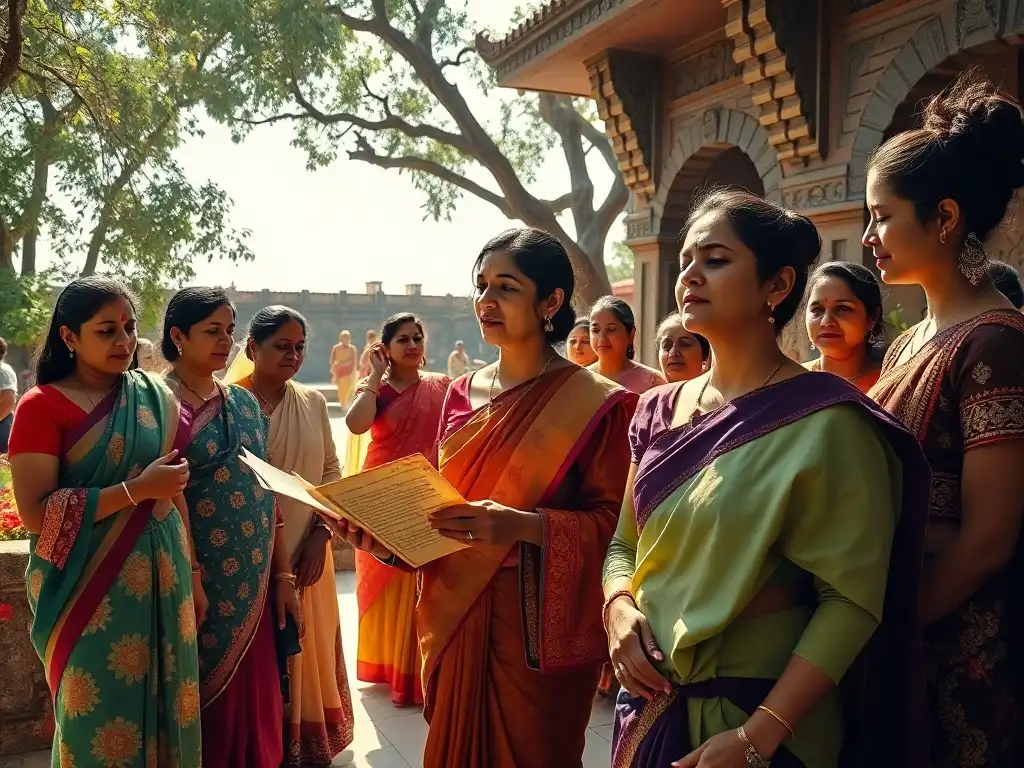
Welcome to Ancient India History, where we embark on a fascinating journey through time to unveil the rich tapestry of ancient Indian civilizations. As we delve into the Role of Women in the Bhakti Movement, prepare to discover how these spiritual revolutionaries not only shaped their own destinies but also left an indelible mark on the cultural and religious landscape of India. What drove these remarkable women to challenge the norms of their time?
Join us as we explore their stories, contributions, and the profound impact they had on the Bhakti Movement, igniting a revolution that resonates even today. Dive in and uncover the hidden narratives that have shaped our past!
Introduction to the Bhakti Movement
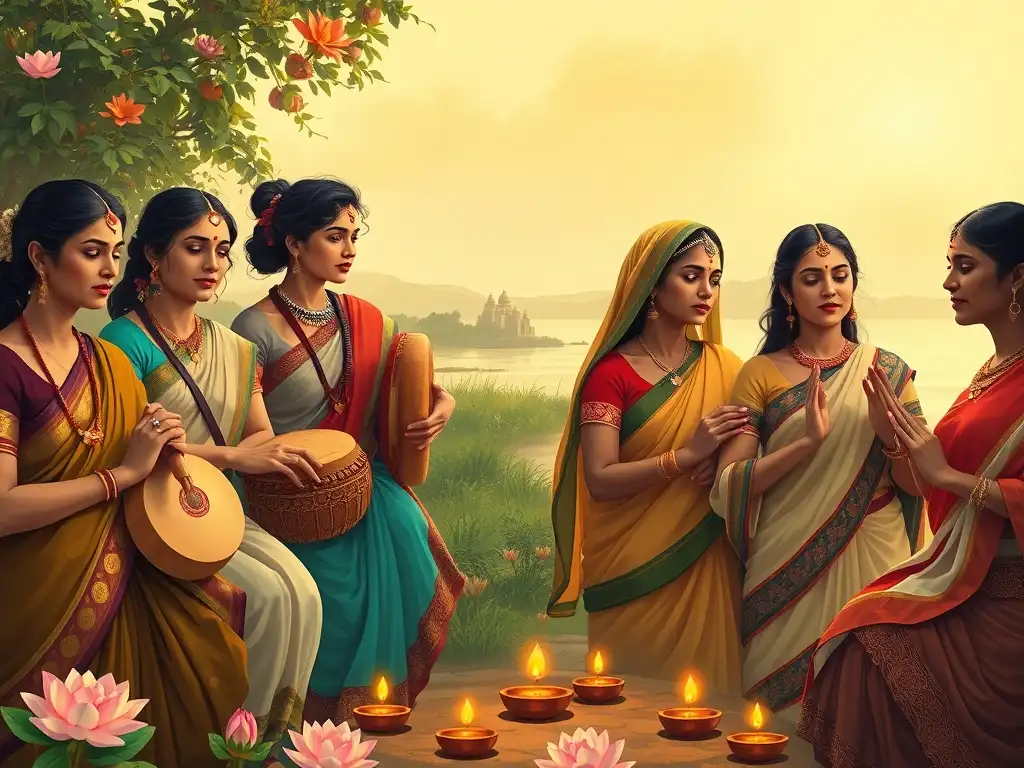
The Bhakti Movement emerged as a profound spiritual force in medieval India, transcending the rigid barriers of caste and societal norms. This movement was characterized by its emphasis on personal devotion to a deity, often expressed through poetry, music, and art.
While it is well-documented that male saints and poets were at the forefront of this movement, the role of women in the Bhakti Movement is an equally significant chapter that deserves recognition. Women not only participated in this spiritual revolution but also emerged as influential leaders, poets, and thinkers, contributing to the rich tapestry of devotional literature and practices that reshaped Indian spirituality.
Overview of the Bhakti Movement in Ancient India
The Bhakti Movement, which began in the 7th century and gained momentum until the 17th century, was marked by its diverse expressions across various regions of India. It was a response to the rigid orthodoxy of the time, propounding a more personal and emotional connection with the divine. Key figures such as Ramanuja, Kabir, and Tulsidas played pivotal roles, but alongside them were numerous women who challenged societal norms and crafted their unique spiritual paths.
- Key Characteristics of the Bhakti Movement:
- Emphasis on Personal Devotion: Focus on a direct relationship with God.
- Rejection of Ritualism: Moving away from elaborate rituals and caste hierarchies.
- Cultural Syncretism: Blending of various religious thoughts, including Hinduism and Islam.
Historical Context and Importance of the Movement
Understanding the historical context of the Bhakti Movement is crucial to appreciating the contributions of women within it. Emerging during a time of social unrest and religious upheaval, the movement provided a platform for marginalized voices, particularly women, to assert their spiritual authority.
- Significant Developments:
- Influence of Regional Languages: The movement encouraged the use of vernacular languages, making spiritual texts accessible to the common people.
- Cultural Renaissance: It fostered a cultural renaissance that included poetry, music, and dance, often celebrating feminine divine aspects.
The Role of Women in the Bhakti Movement
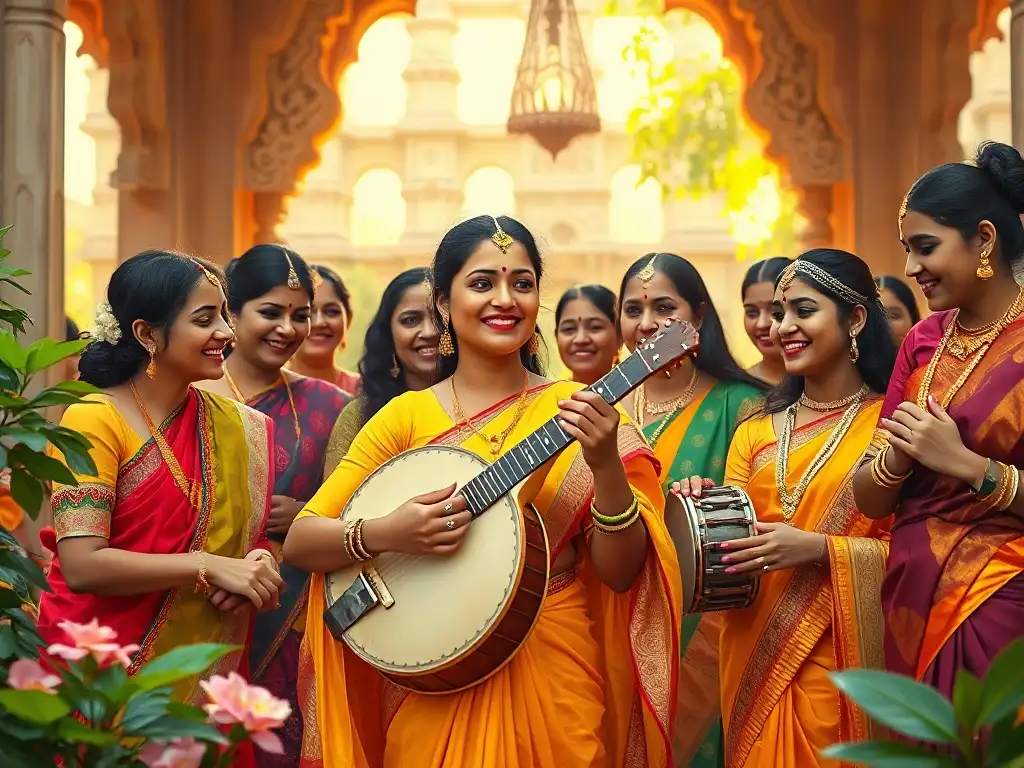
The role of women in the Bhakti Movement was transformative and multifaceted. Women were not mere followers; they were spiritual leaders and innovators who articulated their experiences and beliefs through various forms of expression.
Defining the Role of Women in Religious Movements
Women’s participation in religious movements has often been overshadowed by their male counterparts. However, the Bhakti Movement provides a unique lens through which to understand how women navigated religious landscapes and contributed to spiritual discourse:
- Spiritual Leaders: Many women became recognized saints and poets, leading congregations and inspiring followers through their teachings.
- Challengers of Norms: Women like Mirabai and Akka Mahadevi defied societal expectations, using their voices to advocate for a more inclusive spirituality.
Key Contributions of Women in the Bhakti Movement
The contributions of women during the Bhakti Movement were not only significant but also diverse, reflecting their unique perspectives and experiences.
- Mirabai: A celebrated poet-saint known for her devotional songs dedicated to Lord Krishna, she became a symbol of love and devotion, challenging gender norms.
- Akka Mahadevi: A prominent figure in the Kannada Bhakti tradition, her poetry emphasized personal experience and a deep connection with the divine.
The role of women in the Bhakti Movement was pivotal in shaping its ideology and practices. By exploring their contributions, we gain a deeper understanding of how these spiritual revolutionaries not only enriched the movement but also laid the groundwork for future generations of women in spirituality.
Prominent Women Figures in the Bhakti Movement
The Bhakti Movement, which flourished in India between the 15th and 17th centuries, was marked by a profound spiritual awakening that transcended traditional caste and gender barriers. Women played a crucial role in this movement, contributing to its rich tapestry of devotional poetry, philosophy, and social reform. Their voices resonated through the verses they composed, advocating for love, devotion, and equality.
Among the prominent figures of this movement, several women stand out, not only for their spiritual contributions but also for their ability to inspire change within their societies. These women defied societal expectations, using their spiritual insights and poetic talents to challenge the status quo and elevate the role of women within the spiritual landscape of India.
Mirabai: The Icon of Devotion and Love
Mirabai, also known simply as Mira, is perhaps the most celebrated figure of the Bhakti Movement. Born in the 16th century in Rajasthan, she was a Rajput princess who became a devoted follower of Lord Krishna. Mirabai's poetry, characterized by its deep emotional intensity, reflects her unwavering love for Krishna and her rejection of the constraints imposed by her royal lineage and societal norms.
Her compositions, often sung as bhajans (devotional songs), emphasize personal devotion over ritualistic practices, making her an early advocate for a direct and personal relationship with the divine. Mirabai's life story is filled with themes of love, sacrifice, and resilience. She faced immense opposition from her family and society for her dedication to Krishna, yet she remained steadfast, traveling across India to spread her message of love and devotion.
Mirabai's legacy continues to inspire generations, exemplifying the power of spiritual devotion to transcend societal limitations and express women's voices in a patriarchal society.
Akka Mahadevi: The Poetess and Mystic
Akka Mahadevi, a 12th-century poet and saint from Karnataka, is another remarkable figure of the Bhakti Movement. Renowned for her profound philosophical insights and poetic expressions, she is often regarded as a pioneer of the Vachana literature, which emphasizes spontaneous and direct expressions of devotion.
Her poems depict a deep mystical experience and a longing for the divine, often using metaphors related to nature and everyday life. Akka Mahadevi's works challenge conventional notions of femininity and spirituality, presenting herself as a liberated woman who sought union with the divine, not through societal approval but through personal experience.
She is also remembered for her boldness in defying societal norms regarding women's roles. Akka Mahadevi famously renounced her marital ties to pursue a life of devotion, embodying the essence of the Bhakti Movement's emphasis on personal spiritual experience over societal expectations. Her life and teachings continue to resonate, advocating for women's empowerment and spiritual freedom.
Other Notable Women in the Movement
In addition to Mirabai and Akka Mahadevi, several other notable women contributed significantly to the Bhakti Movement. For instance, Lal Ded, a 14th-century Kashmiri mystic, is celebrated for her verses that explore the relationship between the self and the divine, advocating for inner spiritual awakening.
Another influential figure is Sakhubai, a 17th-century saint from Maharashtra who composed devotional songs focusing on the importance of love and devotion to God. Her life and work highlighted the struggles faced by women in her community and challenged the rigid caste system.
These women, along with many others, played a pivotal role in shaping the Bhakti Movement, using their voices to inspire change and promote a more inclusive and egalitarian spiritual path.
Spiritual Revolutionaries: Impact of Women in the Bhakti Movement
The contributions of women in the Bhakti Movement were transformative, not only for the movement itself but for Indian society as a whole. Their involvement marked a significant departure from traditional gender roles, allowing women to emerge as spiritual leaders and revolutionaries in their own right.
Women as Leaders and Influencers in Bhakti
Women in the Bhakti Movement often took on leadership roles, guiding their communities through spiritual teachings and practices. Their ability to articulate spiritual experiences and address pressing social issues made them influential figures among their followers.
These women organized gatherings, led devotional practices, and composed spiritual literature that resonated deeply with people from all walks of life. By doing so, they not only fostered a sense of community but also paved the way for future generations of women to engage actively in spiritual and social spheres.
The emergence of female saints and poets in the Bhakti Movement challenged the notion that spirituality was solely the domain of men, thus reshaping the spiritual landscape of India. Their work empowered countless others, fostering a culture of inclusivity and devotion that continues to inspire today.
The Role of Women in Challenging Social Norms
The Bhakti Movement provided a platform for women to challenge and redefine social norms that restricted their freedom and expression. Through their poetry and teachings, women addressed issues such as caste discrimination, gender inequality, and the rigid societal structures that marginalized them.
By promoting love and devotion as universal values, these spiritual leaders encouraged followers to look beyond societal divisions and embrace a more egalitarian worldview. Their teachings often emphasized the importance of personal experience over prescribed rituals, allowing individuals, regardless of gender or caste, to seek a direct connection with the divine.
In doing so, women in the Bhakti Movement played a crucial role in laying the groundwork for future social reforms in India, advocating for a more just and inclusive society. Their legacy serves as a reminder of the profound impact women can have as spiritual revolutionaries, shaping both religious practices and social norms in their communities.
The Evolution of Women’s Roles in Bhakti Literature
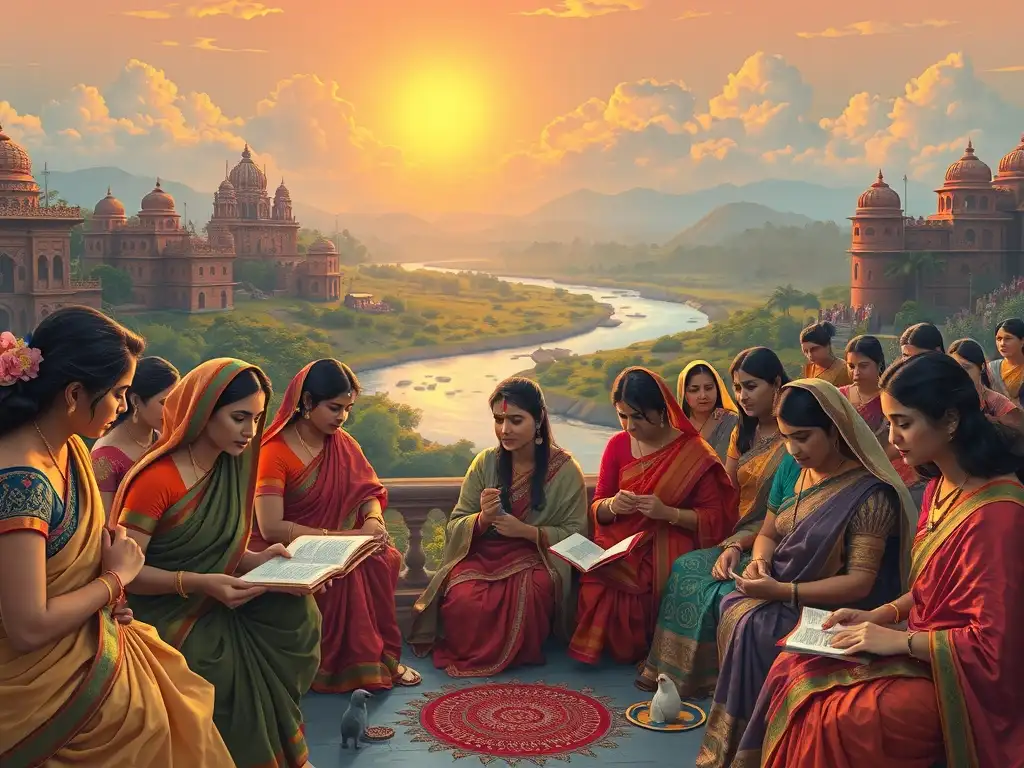
The Bhakti Movement, which flourished in India from the 7th to the 17th centuries, marked a significant shift in the spiritual landscape of the country. While traditionally dominated by male voices, the movement saw an increasing representation of women who contributed profoundly to its literature and philosophy. Initially, women's roles were largely confined to domestic spheres, with their voices often silenced in public discourse. However, as the movement gained momentum, women began to emerge as influential figures, challenging societal norms and asserting their spiritual agency.
Early Bhakti literature primarily featured male poets and saints, yet the emergence of female saints signified a pivotal change. These women articulated their spiritual experiences and emotions through poetry and songs, often drawing from their personal lives and struggles. This evolution not only enriched Bhakti literature but also fostered a sense of inclusivity, allowing women's experiences to permeate the predominantly male-dominated spiritual narrative.
Moreover, the incorporation of women’s perspectives in Bhakti literature reflected broader social changes. It highlighted the importance of devotion over caste and gender, emphasizing that anyone, regardless of their social standing, could attain a direct connection with the divine. As female poets gained recognition, their works began to resonate with a wider audience, inspiring future generations of women to engage in spiritual expression.
Women’s Voices in Bhakti Poetry and Songs
Women poets in the Bhakti Movement utilized poetry and songs as mediums for expressing their devotion and challenging societal constraints. Figures such as Mirabai, Akka Mahadevi, and Andal became iconic representations of women's voices in Bhakti literature. Their compositions often explored themes of love, longing, and spiritual union with the divine, offering a fresh perspective that transcended traditional gender roles.
Mirabai, for instance, is renowned for her passionate poems dedicated to Lord Krishna, where she articulated her deep devotion and personal struggles against societal expectations. Her songs not only celebrated divine love but also served as a critique of patriarchal norms, inspiring countless women to find their voice in spirituality. Similarly, Akka Mahadevi’s poetry often reflected her quest for spiritual enlightenment through the lens of feminine experience, emphasizing the importance of inner devotion and personal connection with God.
The use of local dialects and vernacular language in their compositions made these poems accessible to the common populace, further amplifying their impact. By breaking away from classical forms and traditions, these women created a unique space where their voices could be heard, allowing them to influence the Bhakti Movement significantly.
The Influence of Female Saints on Bhakti Literature
The female saints of the Bhakti Movement played a crucial role in shaping the literary landscape of the era. Their contributions transcended mere poetry; they embodied the spiritual ideals of the movement, promoting a vision of devotion grounded in love, equality, and personal experience. The narratives surrounding these saints often included themes of defiance against societal norms, as they pursued their spiritual paths despite facing resistance.
Women like Sant Eknath's wife, who contributed to the Varkari sect, and other lesser-known female saints, contributed to the collective consciousness of the Bhakti Movement by inspiring followers through their life stories and teachings. Their influence extended beyond literature into the realms of music and dance, where their spiritual expressions fostered community engagement and devotion among followers.
The legacy of these female saints is evident in the way their teachings continue to resonate today. They not only left behind a rich body of literature but also laid the groundwork for future generations to explore and express their spirituality, thus reinforcing the role of women as pivotal figures in the Bhakti tradition.
The Legacy of Women in the Bhakti Movement
The legacy of women in the Bhakti Movement is profound and multifaceted. Their contributions helped redefine the spiritual landscape of India, creating a more inclusive and egalitarian approach to worship and devotion. The impact of their voices resonates through history, influencing both religious practices and societal norms.
Women poets and saints established a framework for spiritual expression that challenged the existing patriarchal structures. They inspired generations of women to claim their spiritual identities and advocate for their rights within society. This legacy is not limited to the past; it continues to influence contemporary spiritual movements, encouraging women to engage actively in religious and cultural spheres.
Lasting Impact on Indian Society and Culture
The role of women in the Bhakti Movement has left an indelible mark on Indian society and culture. Their poetry and teachings fostered a sense of community and devotion that transcended social and cultural barriers. The Bhakti Movement's emphasis on personal devotion over ritual and caste hierarchy inspired social reform movements in later centuries, advocating for equality and justice.
Moreover, the celebration of female saints in popular culture—through literature, dance, and festivals—has ensured that their contributions remain visible in contemporary society. This visibility has empowered women to embrace their spiritual identities and seek active roles within their communities, reinforcing the notion that spirituality is accessible to all, irrespective of gender.
Continuing Influence of Women in Modern Spiritual Movements
The spirit of the Bhakti Movement continues to inspire modern spiritual movements, where women play vital roles as leaders, thinkers, and practitioners. Contemporary female spiritual leaders often draw upon the teachings and philosophies of their predecessors, emphasizing inclusivity and personal connection to the divine.
Organizations and movements focused on women's empowerment within spiritual contexts frequently cite the Bhakti Movement as a reference point for their initiatives. This connection underscores the ongoing relevance of the contributions made by women during the Bhakti era, as they continue to serve as role models for those seeking to break free from traditional constraints.
In essence, the legacy of women in the Bhakti Movement is not only a historical account but a living testament to the power of spiritual revolutionaries who have shaped the fabric of Indian society and continue to inspire change today.
Conclusion
The Bhakti Movement emerged as a significant spiritual and social reform movement in medieval India, emphasizing devotion and personal connection to the divine. Central to this movement was the invaluable role of women, who not only participated in the spiritual awakening but also played a crucial part in shaping its ideology and practices. Women such as Mirabai, Akka Mahadevi, and others became symbols of devotion, challenging societal norms and advocating for a more inclusive approach to spirituality.
Summary of the Role of Women in the Bhakti Movement
Women in the Bhakti Movement were pivotal in promoting the ideals of devotion and equality. They transcended the confines of traditional gender roles, using poetry, song, and personal narratives to express their spiritual experiences. Key figures like Mirabai, a Rajput princess, devoted her life to Lord Krishna, defying social conventions and familial expectations. Her compositions not only reflect deep personal devotion but also critique the patriarchal structures of her time.
Similarly, Akka Mahadevi, a 12th-century saint from Karnataka, became a voice for the spiritual and social rights of women. Through her poetic expressions, she articulated profound philosophical ideas and emphasized the importance of inner realization over external rituals. These women, among many others, served not just as followers but as leaders, guiding their communities toward a deeper understanding of spirituality that transcended caste and gender boundaries.
Reflection on the Spiritual Revolutionaries of Ancient India
The women of the Bhakti Movement can be viewed as spiritual revolutionaries who challenged the status quo and inspired generations. They utilized their voices to advocate for a more egalitarian society, where devotion was accessible to all, irrespective of gender or social standing. Their contributions were not merely confined to religious practices; they instigated social change by questioning established norms and promoting the idea that divinity could be experienced personally rather than through ritualistic intermediaries.
The legacies of these women endure in contemporary discussions about spirituality and feminism in India. Their lives and works remind us that the pursuit of spiritual truth is a universal endeavor, one that can empower individuals to rise against oppression. The role of women in the Bhakti Movement is a testament to their resilience, creativity, and unwavering faith, marking them as essential figures in the narrative of ancient Indian history. Through their revolutionary spirit, they not only altered the course of spiritual practice but also laid the groundwork for future movements advocating for women's rights and social justice.
- Introduction to the Bhakti Movement
- Overview of the Bhakti Movement in Ancient India
- Historical Context and Importance of the Movement
- The Role of Women in the Bhakti Movement
- Prominent Women Figures in the Bhakti Movement
- Spiritual Revolutionaries: Impact of Women in the Bhakti Movement
- The Evolution of Women’s Roles in Bhakti Literature
- The Legacy of Women in the Bhakti Movement
- Conclusion
Frequently Asked Questions
What was the Bhakti Movement?
The Bhakti Movement was a spiritual and social reform movement in medieval India that emphasized devotion to a personal god, transcending caste and religious barriers.
How did women participate in the Bhakti Movement?
Women played a crucial role as spiritual leaders and poets, expressing their devotion through poetry and songs, and often challenging traditional gender roles.
What impact did the Bhakti Movement have on women’s status?
The movement contributed to the empowerment of women by promoting social equality and encouraging their active participation in religious and cultural life.
Who were some notable women in the Bhakti Movement?
Prominent figures included Mirabai, who expressed her devotion to Lord Krishna, and Akka Mahadevi, known for her profound poetic contributions and philosophical insights.
Why is the role of women in the Bhakti Movement significant today?
Their involvement highlights the historical contributions of women to spirituality and social reform, inspiring contemporary movements for gender equality and empowerment.
Final Reflection: The Empowering Legacy of Women in the Bhakti Movement
The role of women in the Bhakti Movement is not just a historical account; it is a powerful testament to the enduring spirit of resistance and spiritual awakening. In an era marked by rigid social norms and gender inequality, these women emerged as spiritual revolutionaries, challenging the status quo and redefining their identities. Their contributions resonate today, reminding us that the quest for equality and spiritual fulfillment is a timeless endeavor.
Clearly, the influence of these women extends far beyond their time, shaping cultural narratives and inspiring generations. Their voices, once marginalized, now echo in contemporary discussions on gender and spirituality, urging us to recognize the profound impact of women in shaping religious and social landscapes. As the poet Mirabai once expressed, “The heart is a temple; the soul is the deity,” highlighting the intrinsic connection between spirituality and personal agency. In the depths of devotion, we find the strength to transcend societal boundaries.
As we reflect on the lessons from the Bhakti Movement, I invite you to consider how you can embody the spirit of these trailblazing women in your own life. Embrace the courage to challenge norms, seek your own spiritual path, and uplift the voices of those around you. Let their legacy inspire you to become an advocate for equality and a champion of spiritual exploration, ensuring that the transformative power of devotion continues to flourish in our modern world.
Unleash Your Spiritual Journey Today!
Thank you for diving into the profound role women played in the Bhakti Movement! Your interest highlights the powerful stories of spiritual revolutionaries who shaped India’s cultural landscape. Now, it’s time to take your newfound knowledge to the next level.
Here are some inspiring actions you can embrace:
- Join a local or online Bhakti community to explore teachings and personal experiences together. Connecting with like-minded individuals can enrich your spiritual journey.
- Share this article with friends and family, sparking meaningful conversations about the influence of women in spiritual movements. You can ignite a flame of curiosity and understanding.
- Consider exploring the poems and teachings of influential female saints from the Bhakti era. Their words continue to resonate today, offering wisdom and inspiration for modern life.
What insights can you take from these spiritual leaders and apply to your own life? Your journey toward deeper understanding is just beginning!