
From Sita to Savitri: Women as Symbols of Strength in Hindu Epics

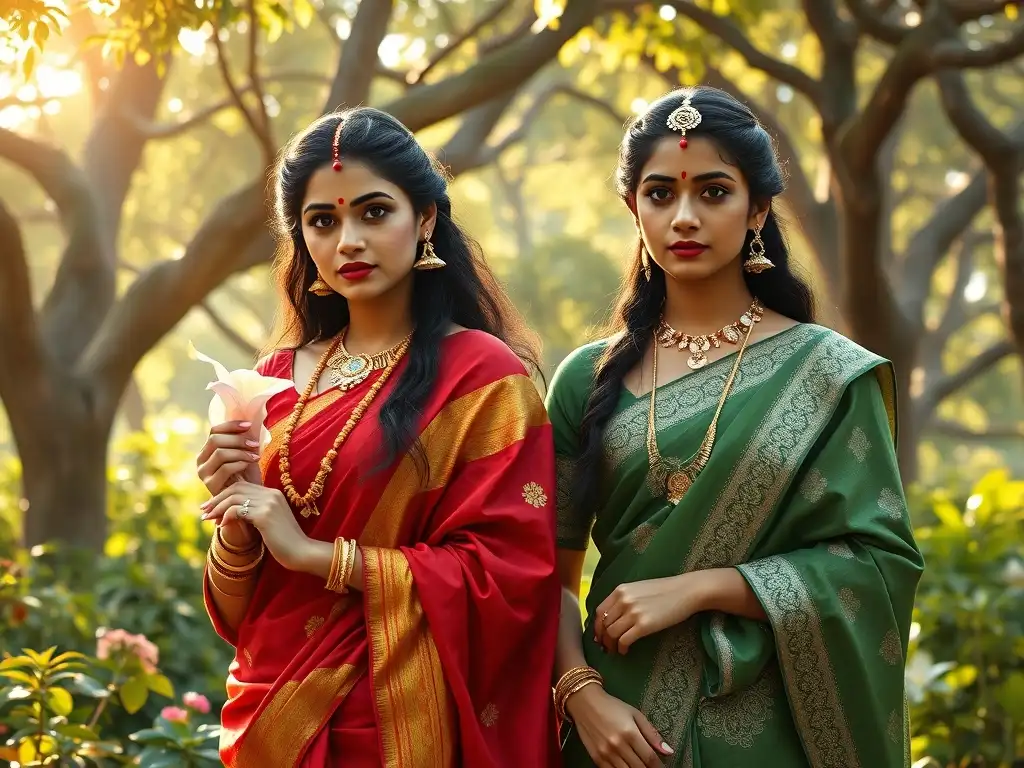
Welcome to Ancient India History, where we embark on a fascinating journey through the rich tapestry of ancient Indian civilizations. Today, we delve into an often-overlooked aspect of our past: the powerful portrayals of women in Hindu epics. In our featured article, "From Sita to Savitri: Women as Symbols of Strength in Hindu Epics," we will uncover the remarkable stories and attributes of these iconic figures, revealing how their legacies continue to inspire and influence.
Prepare to be captivated by the strength, resilience, and pivotal roles that women played in shaping the cultural landscape of ancient India. Let’s dive deeper into their extraordinary narratives and discover the profound impact they had on society.
- Introduction to Women in Hindu Epics
- Sita: The Ideal Woman in the Ramayana
- Savitri: The Epitome of Love and Determination
- Comparative Analysis of Sita and Savitri
- Other Notable Women in Hindu Epics
- The Impact of Women in Hindu Epics on Society
- Conclusion: The Enduring Legacy of Women in Hindu Epics
- Frequently Asked Questions
- Final Reflection: Celebrating the Resilience of Women in Hindu Epics
- Empower Your Journey: Embrace the Strength of Women in Hindu Epics!
Introduction to Women in Hindu Epics
The portrayal of women in Hindu epics offers a profound insight into the cultural and philosophical ethos of ancient Indian society. From the revered figures of Sita and Savitri to lesser-known characters, these narratives serve not only as tales of heroism and virtue but also reflect the complexities of gender roles within the historical context.
This article delves into the significance of female figures in Hindu epics, exploring how they embody strength, resilience, and moral fortitude, while also shedding light on their impact on the socio-religious landscape of ancient India. By understanding the roles women played in these epic stories, we can appreciate their contributions to the broader narrative of Hinduism and their ongoing relevance in contemporary discussions around gender and mythology.
Overview of Hindu Epics and Their Significance
Hindu epics, primarily the Ramayana and the Mahabharata, are monumental texts that not only narrate the adventures and struggles of gods and heroes but also encapsulate the philosophical and moral teachings of Hinduism. These epics are revered across centuries for their rich storytelling, intricate character development, and deep moral lessons.
Key aspects of their significance include:
- Cultural Heritage: They provide a window into the values, beliefs, and societal norms of ancient India.
- Moral Lessons: Through the trials and tribulations faced by characters, both male and female, the epics impart critical moral lessons that resonate with readers and practitioners even today.
- Philosophical Insights: The texts explore profound philosophical questions about duty (dharma), righteousness, and the nature of reality, making them essential to the understanding of Hindu thought.
Importance of Female Figures in Epic Narratives
The female characters in Hindu epics are far from mere support roles; they are often at the heart of the narrative, driving the plot and embodying significant virtues. Their stories reflect the duality of strength and vulnerability, illustrating how women navigate the challenges imposed by society and their circumstances.
Some notable aspects include:
- Embodiments of Strength: Women like Sita and Savitri symbolize unwavering strength and commitment, often facing insurmountable challenges with grace and resolve. Sita’s loyalty and Savitri’s determination in the face of death highlight the power of feminine virtue.
- Moral Compass: Many female figures serve as moral guides within the epics. Their choices and sacrifices often reflect the ideals of dharma, providing a framework for ethical behavior.
- Cultural Role Models: These characters have become role models throughout history, influencing the ideals of womanhood in Indian society and inspiring generations of women to embody similar virtues of courage and resilience.
The exploration of women's roles in Hindu epics not only enriches our understanding of these texts but also emphasizes the critical contributions of female figures to the narrative of ancient India. As we delve deeper into their stories, we uncover layers of meaning that continue to resonate in contemporary discussions on gender and society.
Sita: The Ideal Woman in the Ramayana
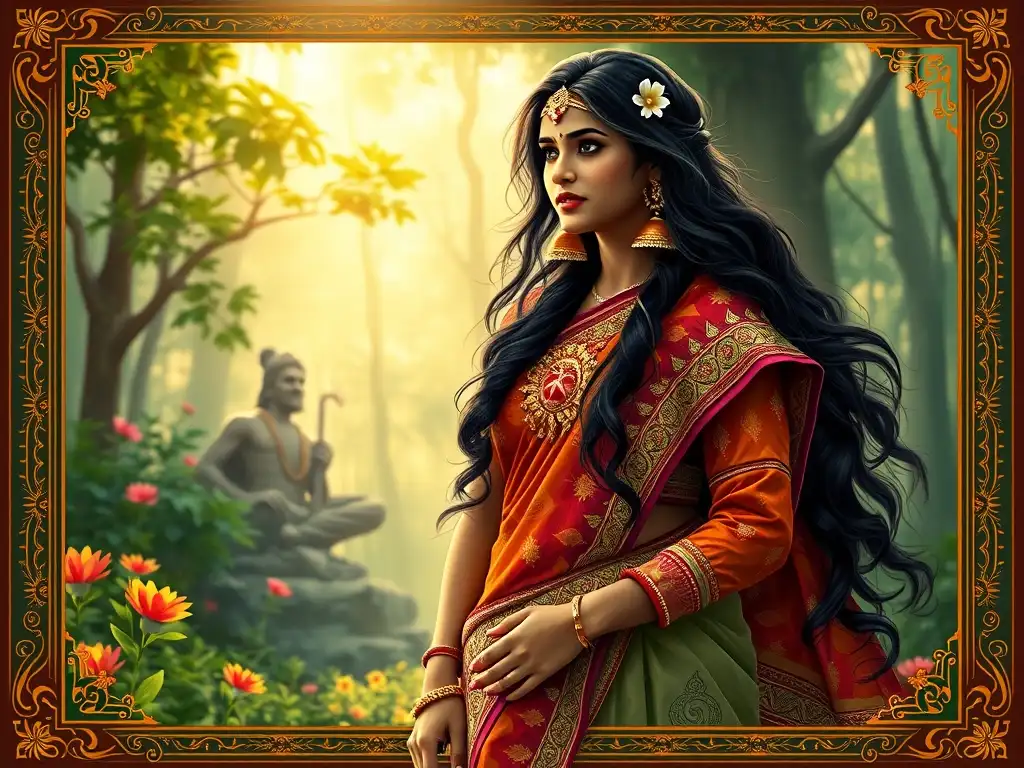
Sita's Role as a Symbol of Devotion and Strength
In the epic Ramayana, Sita embodies the ideal qualities of devotion and strength, serving as a paragon of virtue for women in Hindu culture. Her unwavering loyalty to her husband, Rama, is a central theme throughout the narrative. Sita’s character showcases profound fidelity, as she follows Rama into exile, demonstrating the depth of her commitment.
- Devotion: Sita’s dedication is illustrated in her choice to accompany Rama into the forest, prioritizing her husband's honor over her own comfort. This act signifies the importance of marital fidelity and duty, which are core values in Hindu tradition.
- Strength: Despite facing numerous challenges, Sita remains resilient. Her strength is not merely physical but also emotional and spiritual. For example, when captured by Ravana, she refuses to succumb to despair. Instead, she maintains her integrity and dignity, illustrating that true strength often lies in endurance and moral fortitude.
Sita's portrayal in the Ramayana reinforces the idea of women as strong, devoted figures who navigate the complexities of life with grace and determination.
The Trials of Sita: Resilience in the Face of Adversity
Sita’s journey is marked by significant trials that test her character and resilience. These experiences not only highlight her strength but also serve as allegories for the struggles faced by women in society.
- Abduction by Ravana: One of the most significant trials Sita faces is her abduction by the demon king Ravana. This event is pivotal in the narrative, serving as a catalyst for Rama’s quest to rescue her. Sita's response to this traumatic situation—her refusal to yield to Ravana’s advances—exemplifies her strength and self-determination.
- The Agni Pariksha (Trial by Fire): After her rescue, Sita undergoes the Agni Pariksha to prove her purity. This trial symbolizes the societal pressures placed on women regarding their honor and virtue. Sita’s willingness to endure this test reflects her inner strength and commitment to her role as a wife, despite the unjust nature of the trial itself.
- Exile and Isolation: Ultimately, Sita's return to the kingdom is marred by suspicion and gossip, leading to her exile. This phase of her life illustrates the harsh realities women often face, even when they embody ideal virtues. Sita’s resilience in the face of societal judgment reinforces her status as a symbol of enduring strength.
Through these trials, Sita emerges not just as a victim, but as a powerful figure who embodies resilience and hope, inspiring countless generations.
Sita's Influence on Modern Interpretations of Womanhood
Sita's character continues to resonate in contemporary discussions around womanhood and gender roles. Her portrayal has evolved, reflecting changing societal values and interpretations of femininity.
- Reinterpretation of Strength: Modern scholars and writers have reexamined Sita’s strength through various lenses. Rather than viewing her solely as a submissive figure, many emphasize her assertiveness and moral courage. This shift encourages women to embrace their own strength and individuality.
- Feminist Perspectives: Feminist interpretations of Sita challenge traditional narratives that paint her solely as a paragon of virtue. These perspectives highlight the complexities of her character and the societal expectations placed upon her. By doing so, they advocate for a more nuanced understanding of women's roles in society.
- Cultural Impact: Sita's image has inspired numerous adaptations in literature, theater, and film, often reframing her story to resonate with modern audiences. This cultural engagement reflects the ongoing relevance of her character in discussions about women's empowerment and identity.
In essence, Sita's legacy transcends the Ramayana, serving as a powerful symbol of strength and resilience for women navigating the complexities of modern life. Her story continues to inspire and challenge societal norms, making her an enduring icon in the discourse surrounding women in Hindu epics.
Savitri: The Epitome of Love and Determination

Savitri's Story: Defying Fate and Death
Savitri's narrative, chronicled in the Mahabharata, presents a compelling tale of love, devotion, and resilience. As the daughter of King Ashwapati, Savitri is known for her exceptional beauty and intelligence. Her story unfolds when she falls in love with Satyavan, a prince destined to die within a year of their marriage due to a curse. Despite being forewarned, Savitri chooses to marry Satyavan, embodying her unwavering commitment to love and duty.
The day of Satyavan's foretold death arrives, and Savitri remains steadfast by his side. As he passes away in her arms, Savitri’s determination ignites a powerful resolve. She confronts Yama, the god of death, and engages in a profound dialogue that showcases her intellect and fortitude. Her refusal to accept her husband's fate reflects a deep understanding of love that transcends the mortal realm.
In her efforts to retrieve Satyavan from the clutches of death, Savitri employs clever arguments, ultimately convincing Yama to grant her husband a second chance at life. This act of defiance not only underscores her strength but also highlights the theme of love's triumph over adversity.
The Symbolism of Savitri in Hindu Philosophy
Savitri is revered as a symbol of unwavering love and moral strength within Hindu philosophy. Her story reflects several key themes:
- Devotion: Savitri’s commitment to Satyavan illustrates the ideal of marital loyalty. Her determination to fight for her husband's life is emblematic of the deep bonds that can exist between partners.
- Courage: The courage Savitri displays in confronting Yama is a powerful reminder of the strength women possess when faced with challenges. Her actions challenge traditional gender roles, showcasing her as an active agent of change.
- Wisdom: Savitri's ability to engage in discourse with Yama emphasizes the importance of wisdom and intellect. Her articulate arguments demonstrate that knowledge can be a potent tool in overcoming seemingly insurmountable obstacles.
Through these symbolic representations, Savitri embodies the spiritual and ethical ideals prevalent in Hindu thought. She serves as a role model for women, encouraging them to embrace their power and wisdom in the face of adversity.
Lessons from Savitri's Journey for Women Today
Savitri's journey offers timeless lessons that resonate with contemporary women:
- Empowerment through Love: Savitri's story reinforces that love can be a source of strength. Women today can draw inspiration from her unwavering commitment to her partner, reminding them of the power of emotional connections.
- Courage in Adversity: Like Savitri, women are often faced with challenges that require immense courage. Her ability to confront Yama serves as a metaphor for standing up against societal norms and fighting for one's beliefs.
- The Value of Wisdom: Savitri's intellectual prowess highlights the importance of education and knowledge. Women are encouraged to cultivate their minds, as wisdom can lead to empowerment and change.
- Resilience: The essence of Savitri's character is resilience. Her story teaches that setbacks can be overcome through determination and strength of character, a valuable lesson for women navigating the complexities of modern life.
Savitri's narrative, rich with symbolism and moral lessons, not only honors the legacy of women in Hindu epics but also serves as a guiding light for contemporary women seeking strength and inspiration in their own lives.
Comparative Analysis of Sita and Savitri
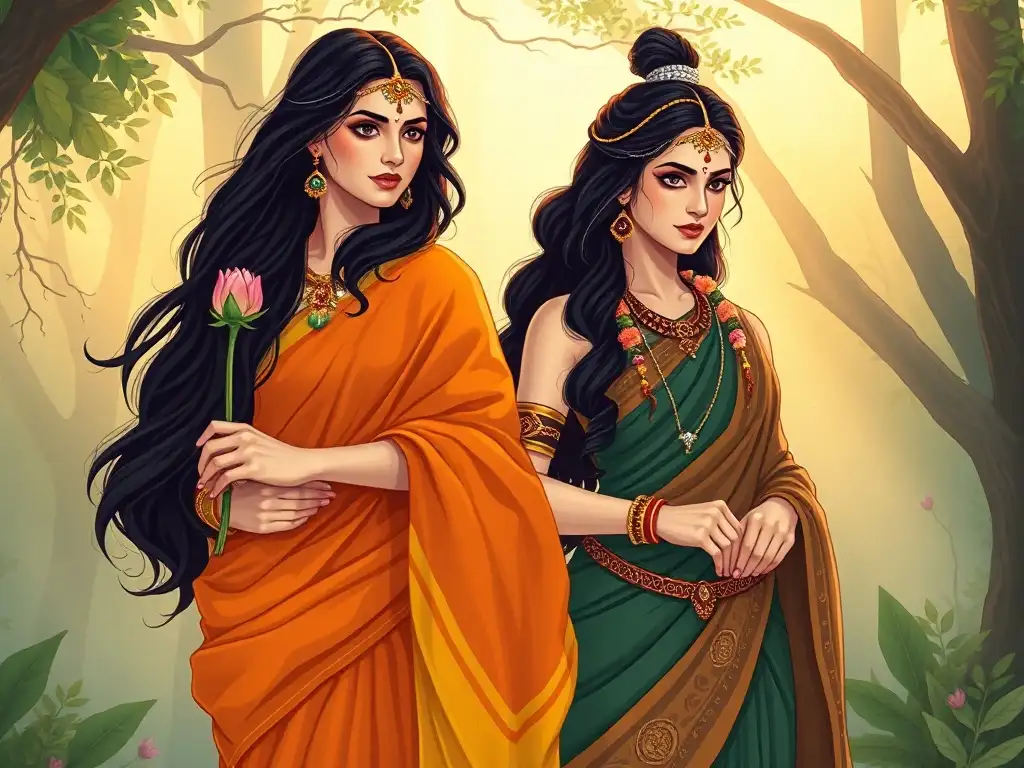
The figures of Sita and Savitri stand out as profound representations of strength and virtue within Hindu epics. Both women have been venerated for their resilience, embodying qualities that resonate deeply in the cultural psyche of India. This comparative analysis delves into their similarities and contrasts, illuminating how their stories reflect the evolving archetypes of womanhood in ancient Indian narratives.
Similarities in Their Strength and Virtue
Both Sita, the heroine of the Ramayana, and Savitri, the protagonist of the Mahabharata's story, exemplify unwavering strength and moral integrity. Their narratives highlight essential virtues that have inspired generations:
- Devotion and Loyalty:
- Sita's unyielding devotion to Lord Rama, even in the face of abduction and hardship, showcases her commitment to dharma (righteousness).
- Similarly, Savitri's determination to save her husband, Satyavan, from the clutches of Yama, the god of death, exemplifies her loyalty and fierce love.
- Courage in Adversity:
- Sita endures trials, such as the Agni Pariksha (trial by fire), demonstrating her strength to uphold her honor and prove her purity.
- Savitri confronts Yama directly, engaging in a battle of wits and determination, showing that her courage surpasses even the might of death itself.
- Intelligence and Wit:
- Both women utilize their intelligence to navigate complex situations. Sita cleverly strategizes her escape from Ravana's captivity, while Savitri engages Yama in conversation, outsmarting him to reclaim her husband's life.
Their shared qualities make them enduring symbols of feminine strength in Hindu epics, embodying the essence of resilience and virtue that continues to inspire discussions about Women in Hindu epics.
Contrasts in Their Challenges and Choices
While Sita and Savitri share many strengths, their challenges and choices present a stark contrast that reflects the diverse experiences of women in ancient Indian narratives:
- Circumstances of Abduction vs. Choice of Sacrifice:
- Sita's abduction by Ravana highlights the vulnerability of women in a patriarchal society, where her strength is tested against external forces beyond her control.
- In contrast, Savitri chooses to confront death, illustrating a proactive stance where her strength is manifested through sacrifice and agency. She negotiates with Yama, actively seeking to alter her fate.
- Public Scrutiny vs. Personal Resolve:
- Sita faces public scrutiny and doubt regarding her fidelity, showcasing societal pressures on women to conform to ideals of chastity and loyalty.
- Savitri, on the other hand, operates within the private sphere of her marriage, where her resolve is personal rather than subjected to societal judgment.
- Outcome of Their Journeys:
- Sita’s journey concludes with her return to Ayodhya, yet she remains a figure of tragedy, symbolizing the societal constraints placed on women.
- Savitri's story ends with triumph over death, representing hope and the potential for women to overcome insurmountable challenges through their willpower.
These contrasting experiences provide a nuanced understanding of the archetypes of women in Hindu epics, revealing the complexity of their roles and the various forms of strength they embody.
The Evolution of Female Archetypes in Hindu Epics
The narratives of Sita and Savitri illustrate the evolving archetypes of women in Hindu epics, reflecting broader changes in societal values and perceptions of gender roles:
- From Passive to Active:
- Sita's character, while embodying traditional virtues, often finds herself in passive situations, reliant on male figures for rescue and validation.
- In contrast, Savitri's narrative marks a shift towards active female agency, where she takes control of her destiny, influencing the course of her husband's life through her determination.
- Symbol of Ideal Womanhood to Empowered Individual:
- Over time, the image of women in Hindu epics has transitioned from the idealized virtues of patience and sacrifice to more empowered representations that embrace individual agency and moral courage.
- Modern interpretations often reframe these narratives, showcasing how both Sita and Savitri can represent the spectrum of women's experiences, from traditional roles to empowered choices.
- Cultural Impact and Representation:
- The strength of figures like Sita and Savitri has inspired various cultural expressions, from literature to art, serving as symbols for contemporary women's movements.
- Their stories continue to resonate, reinforcing the importance of recognizing women's contributions and roles in shaping both myth and history.
The comparative analysis of Sita and Savitri not only highlights their individual strength and virtues but also reflects the evolving perception of women in Hindu epics. Through their stories, we gain insight into the complexities of female archetypes and their significance within the broader cultural narrative of ancient India.
Other Notable Women in Hindu Epics
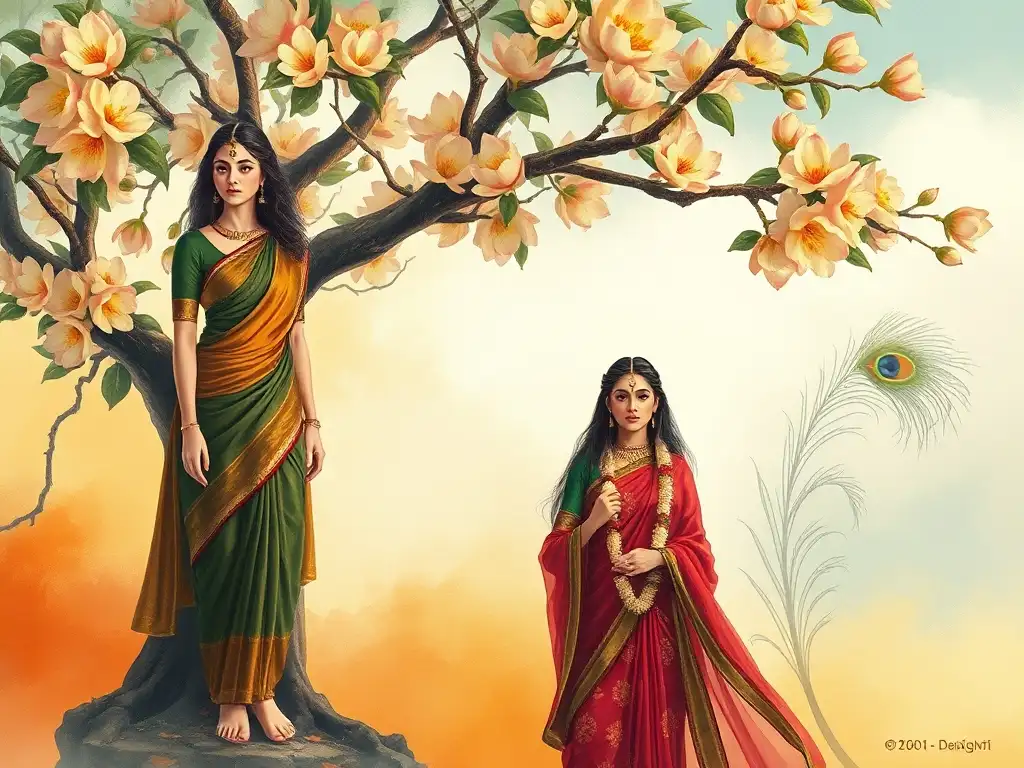
Draupadi: The Warrior Queen and Her Legacy
Draupadi, often regarded as one of the most pivotal female figures in the Mahabharata, epitomizes strength, resilience, and unwavering dignity. Born from fire, her very conception was extraordinary, symbolizing her connection to divine will. Throughout the epic, Draupadi's character is marked by her powerful presence and significant influence on the events that unfold.
- Defiance and Courage: Draupadi's legendary defiance during the game of dice, where she stood up against the Kauravas as they attempted to disrobe her, showcases her courage. This moment is not just an act of personal dignity but a rallying point for the Pandavas and a catalyst for the ensuing Kurukshetra War.
- Intellectual Acumen: Beyond her physical bravery, Draupadi is depicted as an astute strategist. She played a crucial role in advising her husbands, the Pandavas, influencing their decisions with her sharp intellect and foresight.
- Symbol of Justice: Draupadi’s insistence on justice and her quest for dignity resonate throughout the epic. Her character challenges the patriarchal norms of her time, making her a symbol of women's strength in the face of oppression.
Her legacy continues to inspire discussions on gender roles within the context of ancient narratives, establishing her as a timeless figure in the discourse on women in Hindu epics.
Mandodari: The Strength Behind Ravana
Mandodari, the queen consort of Ravana in the Ramayana, is often overlooked in discussions about powerful women in Hindu epics. Her character embodies wisdom, loyalty, and the strength that lies within the domestic sphere.
- Wisdom and Counsel: Mandodari is portrayed as a wise and insightful queen. She often advises Ravana against his impulsive decisions, especially regarding Sita’s abduction. Her foresight highlights the importance of women's voices in leadership, even within a patriarchal structure.
- Embodiment of Loyalty: Despite her husband’s flaws, Mandodari remains loyal to him and the kingdom of Lanka. Her character illustrates the complexity of loyalty and duty, showing that strength can manifest in various forms, including emotional resilience and steadfastness.
- Symbol of Suffering: Mandodari's sorrow over the war and the destruction it brings serves as a poignant reminder of the collateral damage of male ambition. Her emotional depth humanizes the epic, allowing readers to empathize with the consequences of the characters' actions.
Mandodari’s presence in the Ramayana reinforces the idea that women play crucial roles not only in the public sphere but also within the private realms of family and home.
Ahalya: Redemption and the Power of Forgiveness
Ahalya's story is a compelling narrative found in various texts, including the Ramayana, symbolizing themes of redemption and forgiveness. Often remembered as a wronged woman, Ahalya’s tale illustrates the transformative power of grace and absolution.
- The Curse and Its Consequences: Ahalya was cursed by her husband, Rishi Gautama, due to a misunderstanding involving Indra. This curse rendered her into stone, a powerful metaphor for the societal constraints placed on women. Her narrative raises questions about justice and the nature of sin.
- Redemption Through Rama: The arrival of Lord Rama, who frees her from her stone form, is a significant moment in her story. This act of redemption highlights the theme of forgiveness, suggesting that even those who have erred can find a path back to grace.
- Ahlaya as a Symbol of Hope: Ahalya’s eventual restoration not only emphasizes the importance of forgiveness but also serves as a beacon of hope for women who have faced injustice. Her story encourages the belief that strength lies in the ability to rise above adversity and reclaim one's identity.
In the broader context of women in Hindu epics, Ahalya's tale underscores the complexities of female experiences and the potential for renewal and strength through forgiveness and understanding.
The Impact of Women in Hindu Epics on Society
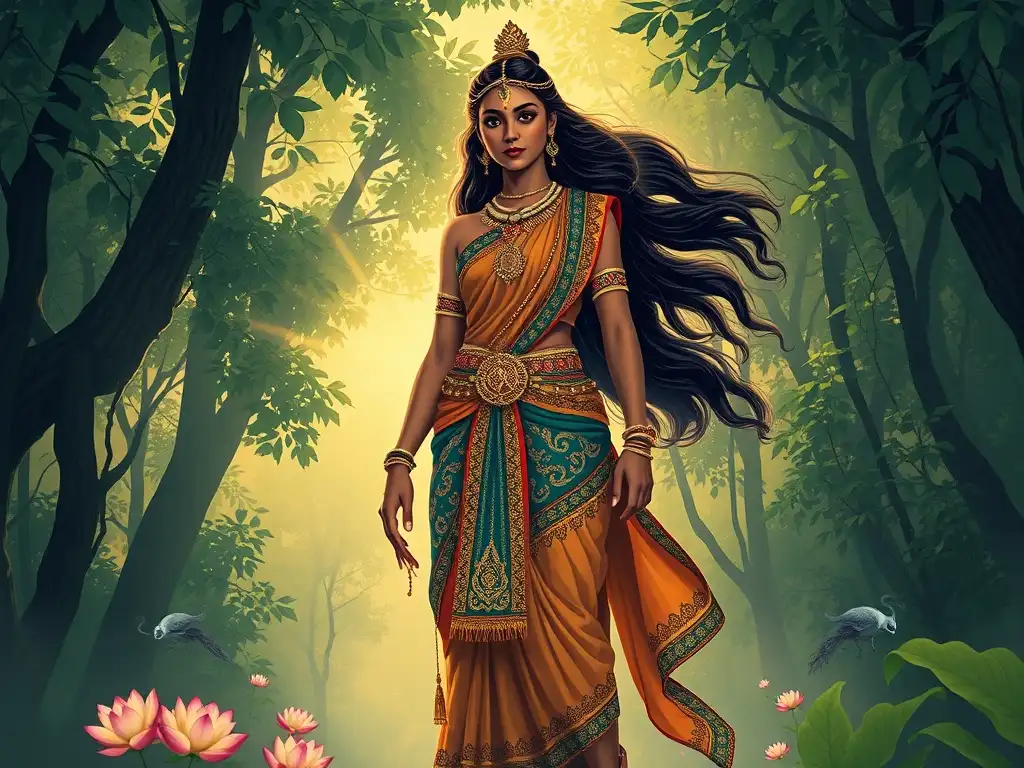
The portrayal of women in Hindu epics such as the Ramayana and the Mahabharata has had a profound impact on societal perceptions of gender roles throughout Indian history. These texts are not merely stories; they encapsulate the values, ideals, and expectations of their time, shaping how society views women's roles across generations. The characters of Sita, Draupadi, and Savitri, for instance, serve as archetypes that embody both the strengths and struggles of women, influencing cultural narratives and societal norms.
Cultural Reflections of Women’s Roles in Ancient India
Hindu epics reflect a complex tapestry of women's roles, showcasing them as both powerful figures and subservient beings. The stories often highlight women's virtues, such as loyalty, sacrifice, and devotion, which were highly esteemed in ancient Indian culture.
- Sita as the Ideal Woman: Sita, the heroine of the Ramayana, is often revered for her unwavering fidelity and strength in adversity. Her character represents the ideal of Patni Dharma, the duty of a wife, which has been a significant reference point in discussions about women's roles in marriage and family.
- Draupadi’s Defiance: In contrast, Draupadi from the Mahabharata is a symbol of resilience and assertiveness. Her infamous disrobing scene highlights the struggles against patriarchal oppression, making her a compelling figure for feminist interpretations. Draupadi's challenge of male authority has inspired debates on women's rights and agency within the context of ancient Indian society.
- Savitri's Tenacity: The tale of Savitri showcases the power of determination and love. She is celebrated for her ability to outsmart Yama, the god of death, to save her husband, symbolizing the strength of women in the face of challenges. Savitri's story reinforces the belief that women can wield power through intellect and devotion.
These epic narratives not only reflect the societal norms of their times but also serve as vehicles for cultural transmission, influencing generations in their understanding of women's roles.
The Influence of Epic Narratives on Gender Norms
The narratives within Hindu epics have profoundly influenced gender norms and expectations in society. They have played a crucial role in shaping the collective consciousness regarding women's identity, behavior, and societal contributions.
- Reinforcement of Traditional Roles: Many interpretations of these epics reinforce traditional gender roles, presenting women primarily as caregivers and moral guides. This has led to a cultural perception that values women's roles within the domestic sphere, often overshadowing their contributions in other areas, such as politics and warfare.
- Challenging Patriarchy: Conversely, the stories of resilient women like Draupadi and Sita challenge patriarchal structures by showcasing their strength and moral authority. These characters have sparked discussions about women's rights and self-empowerment, encouraging modern interpretations that advocate for gender equality.
- Impact on Contemporary Society: The influence of these epic narratives is evident in modern Indian society. They continue to inspire literature, cinema, and social movements, fostering a dialogue about gender roles. The resurgence of interest in female characters from these epics highlights a growing recognition of women's contributions and strengths.
The impact of women in Hindu epics transcends the narrative itself, shaping cultural and societal norms about gender roles in ancient and contemporary India. The stories of Sita, Draupadi, and Savitri continue to resonate, underscoring the enduring legacy of women as symbols of strength in Hindu culture.
Conclusion: The Enduring Legacy of Women in Hindu Epics
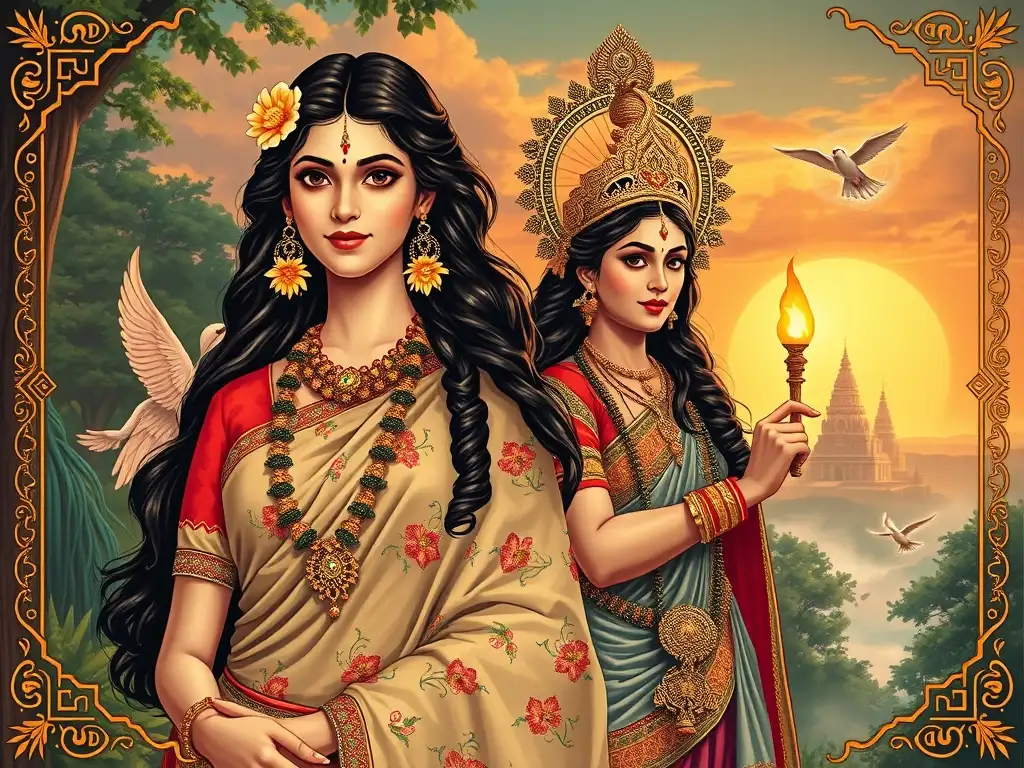
The legacy of women in Hindu epics, particularly figures like Sita and Savitri, continues to resonate deeply within Indian culture and society. These characters are not merely historical figures or mythological symbols; they embody ideals of strength, resilience, and virtue that remain relevant in today's world. Their stories serve as powerful reminders of women's capabilities in challenging circumstances and their roles in shaping moral and ethical frameworks within the family and society.
Both Sita and Savitri exemplify the complexity of women's roles and the multifaceted nature of their strength. Sita's unwavering loyalty and courage in the face of adversity highlight the importance of personal integrity and moral fortitude, while Savitri's determination and intelligence in her quest to save her husband from death showcase the power of love and commitment. These narratives continue to inspire women today, encouraging them to embrace their own strength and assert their rights in a world that often challenges their agency.
The Relevance of Sita and Savitri in Contemporary Society
In contemporary society, the relevance of Sita and Savitri extends beyond traditional interpretations, inviting new discussions about women's empowerment and agency.
- Role Models for Empowerment:
- Sita: Often depicted as the epitome of virtue and sacrifice, Sita represents the struggle against societal expectations. Her journey can inspire modern women to challenge stereotypes and assert their individuality.
- Savitri: As the embodiment of love and determination, Savitri's story encourages women to be proactive in their lives, emphasizing that strength can manifest in various forms, including intellectual and emotional resilience.
- Cultural Conversations:
- The tales of these heroines stimulate discussions about gender roles, equality, and the evolving perception of women's contributions to society. They challenge traditional narratives and invite reinterpretations that align with contemporary values of independence and equality.
- Symbolism in Social Movements:
- Modern movements advocating for women's rights often invoke Sita and Savitri as symbols of resistance against oppression. Their stories are used to rally support and inspire action, illustrating how mythological figures can influence social change.
Through various platforms, including literature, film, and social media, the stories of Sita and Savitri are being re-examined, ensuring that their legacies remain alive and relevant in discussions about women's empowerment and societal roles.
Celebrating Women as Symbols of Strength in Hindu Tradition
The portrayal of women in Hindu epics is not only about individual strength; it encapsulates the broader themes of resilience, sacrifice, and moral authority that women have historically represented. This celebration of women as symbols of strength in Hindu tradition can be examined through various dimensions:
- Mythological Narratives:
- The narratives of Sita and Savitri are rich in symbolism, representing the virtues that are esteemed in society. Their stories often serve as moral lessons, reinforcing the idea that virtue and strength coexist.
- Cultural Festivals and Rituals:
- Many festivals in India celebrate feminine power, such as Navaratri, which honors the goddess Durga. This reverence for female strength can be traced back to the ideals embodied by heroines in Hindu epics.
- Literary Interpretations:
- Contemporary literature often reinterprets these epic tales, giving voice to the struggles and triumphs of women. These reinterpretations highlight the continuing relevance of these figures, showcasing how they can inspire new generations.
- Art and Performance:
- Dance and theater often depict the lives of Sita and Savitri, bringing their stories to life and making them accessible to wider audiences. These performances not only entertain but also educate, celebrating the virtues these women represent.
Women in Hindu epics, represented by iconic figures like Sita and Savitri, serve as enduring symbols of strength. Their legacies inspire contemporary discussions on empowerment and gender equality, ensuring that their messages remain pertinent in today's society. By celebrating these women, we honor their contributions and recognize the vital role they play in shaping cultural narratives and ideals.
Frequently Asked Questions
What role do women play in Hindu epics?
Women in Hindu epics often serve as powerful symbols of strength, resilience, and virtue, embodying qualities such as sacrifice, devotion, and wisdom.
Who are some prominent female characters in Hindu epics?
Prominent female characters include Sita, known for her loyalty and strength, and Savitri, celebrated for her determination and cleverness in rescuing her husband from death.
How do these women reflect the values of ancient Indian society?
The portrayal of women like Sita and Savitri in Hindu epics reflects the cultural values of ancient India, emphasizing morality, family honor, and the ideal of female devotion.
What can modern readers learn from the stories of these women?
Modern readers can draw lessons on resilience, courage, and the importance of moral integrity from the lives and challenges faced by these iconic women in Hindu epics.
Are there any critiques of the portrayal of women in these epics?
Yes, some critiques focus on the limited agency and traditional roles assigned to women, suggesting that while they are strong symbols, their depictions can also reinforce patriarchal norms.
Final Reflection: Celebrating the Resilience of Women in Hindu Epics
The stories of Sita and Savitri resonate profoundly in today's world, reminding us that women in Hindu epics are not just passive figures but powerful symbols of strength and resilience. In an era where gender equality is still a pressing issue, these narratives serve as a beacon of hope and inspiration, illustrating the timeless struggle and triumph of women against adversity.
The influence of these epic tales transcends time, shaping cultural narratives and societal norms around femininity and strength. The characters of Sita and Savitri continue to inspire countless women, encouraging them to embrace their inner strength and challenge societal expectations. A woman is like a tea bag; you never know how strong it is until it's in hot water.
This quote encapsulates the essence of these epic heroines, who emerge stronger through their trials and tribulations, serving as role models for resilience in the face of adversity.
As we reflect on the lessons imparted by these powerful figures, I invite you to consider how their stories can inspire your own journey. Embrace the strength within you, challenge the status quo, and let the narratives of Sita and Savitri guide you toward empowerment and self-discovery. In a world that often seeks to silence women's voices, let us celebrate and amplify their stories, ensuring that the legacy of strength and resilience continues to inspire future generations.
Empower Your Journey: Embrace the Strength of Women in Hindu Epics!
Thank you for joining us in exploring the remarkable female figures in Hindu epics. You've delved into the inspiring stories of Sita and Savitri, discovering the resilience and strength they embody. Now, it’s time to take that inspiration and channel it into action!
Here’s how you can further connect with these powerful narratives:
- Reflect on your own strengths by journaling about a personal challenge you have faced and how you overcame it, drawing inspiration from these legendary women.
- Share this article with friends and family to spark conversations about the relevance of these stories in today’s world, encouraging others to learn from them.
- Join a local or online discussion group that focuses on the roles of women in mythology and history, fostering a community of empowerment and shared learning.
How will you use the stories of these powerful women to inspire your own journey?