
Warrior Queens: Fearless Women in Ancient Indian Battles

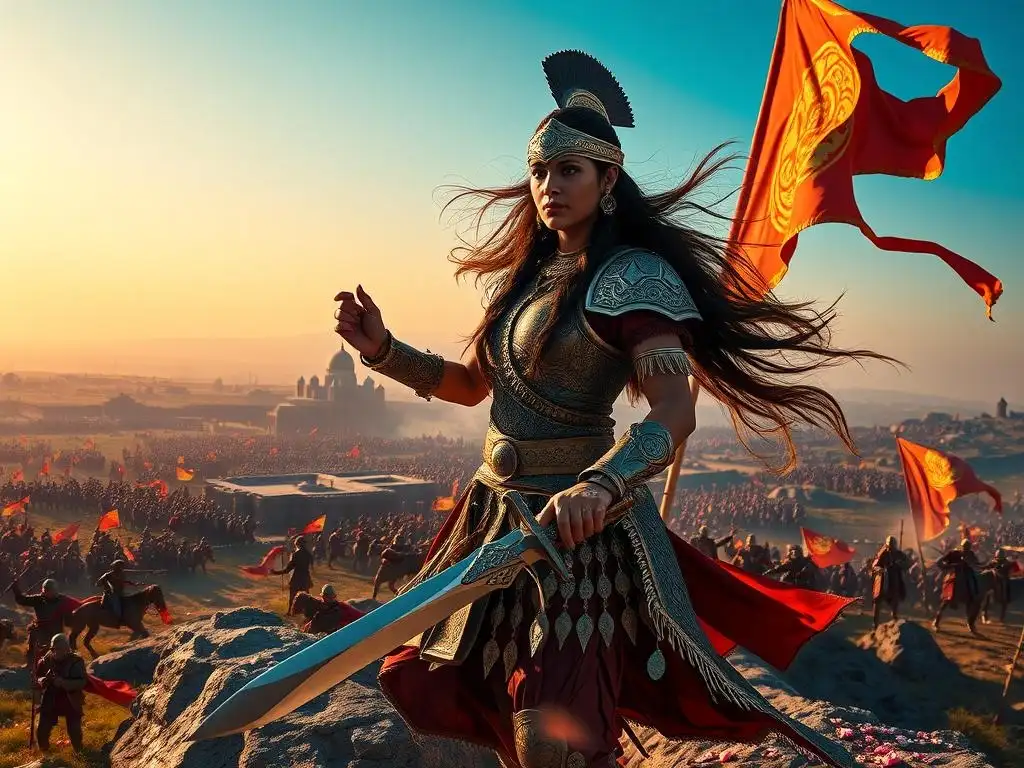
Welcome to Ancient India History, where we embark on a fascinating journey through time to uncover the rich and diverse legacy of ancient Indian civilizations. In this exploration, we delve into the extraordinary lives of the warrior queens of ancient India, whose fearless spirits and indomitable courage reshaped the narratives of battles and leadership. Discover how these remarkable women not only played pivotal roles in warfare but also influenced the cultural and political landscapes of their time.
Are you ready to unveil the inspiring tales of these formidable figures? Join us as we delve deeper into their stories and contributions!
-
Warrior Queens of Ancient India: Fearless Women in Battles
- Introduction to Warrior Queens in Ancient India
- Overview of Women's Roles in Warfare
- Significance of Warrior Queens in Indian History
- The Historical Context of Women in Battle
- Prominent Warrior Queens of Ancient India
- The Impact of Warrior Queens on Society
- Myths and Realities of Women in Warfare
- Conclusion: The Enduring Legacy of Warrior Queens
- Further Reading and Resources
-
Frequently Asked Questions
- What role did women play in ancient Indian battles?
- Who were some of the most notable warrior queens in ancient India?
- How did the societal views on women as warriors change over time in India?
- What contributions did warrior queens make to ancient Indian society?
- Are there any modern representations of warrior queens in Indian culture?
- Final Reflection: Celebrating the Legacy of Warrior Queens in Ancient India
- Embrace the Legacy of Warrior Queens!
Warrior Queens of Ancient India: Fearless Women in Battles
Introduction to Warrior Queens in Ancient India
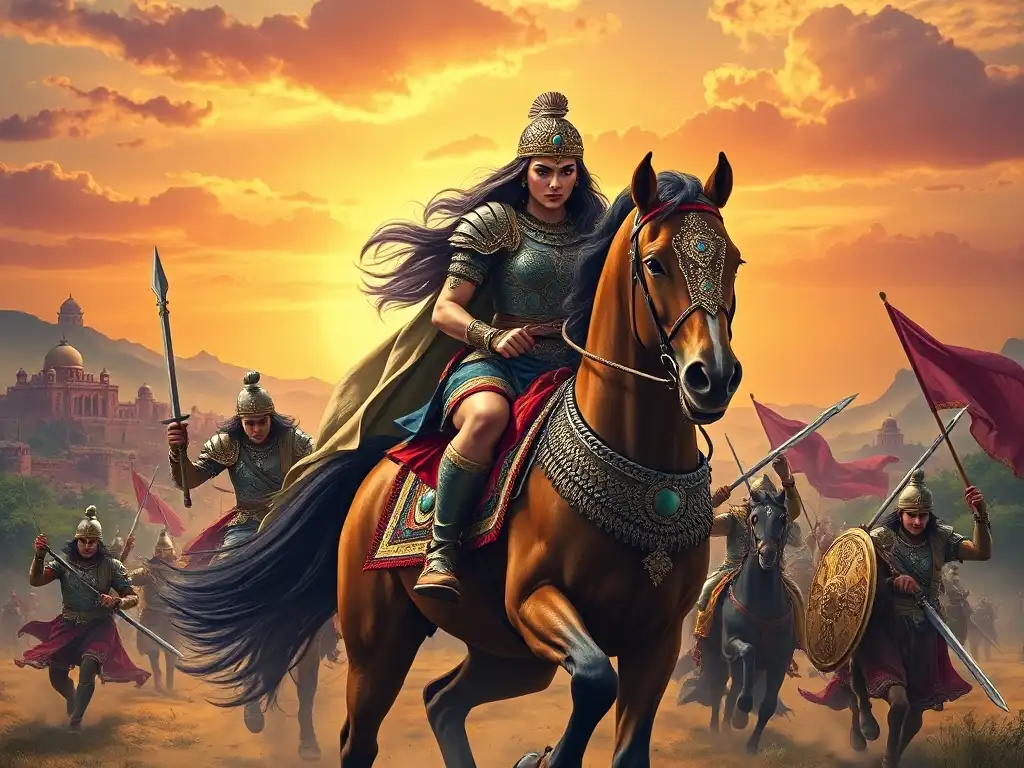
The history of ancient India is rich with tales of valor, courage, and military prowess, and among these narratives, the stories of warrior queens stand out. These fearless women not only played significant roles in battles but also influenced the political and social dynamics of their times. From the Indus Valley Civilization to the Gupta Empire, warrior queens emerged as formidable leaders, demonstrating that strength and resilience are not solely attributes of men. In this article, we will explore the contributions of these remarkable women, their roles in warfare, and the broader implications of their legacies on Indian society.
Overview of Women's Roles in Warfare
In ancient India, women were not merely passive observers of war; they actively participated in combat and leadership. The concept of women warriors can be traced back to various historical accounts, where queens and noblewomen took up arms to defend their kingdoms. Some notable aspects of women's roles in warfare include:
- Leadership Positions: Many warrior queens held positions of power, commanding armies and leading troops into battle.
- Strategic Partnerships: Women often collaborated with male counterparts, forming alliances that strengthened their military positions.
- Cultural Representation: The presence of warrior queens in epics and folklore highlights their importance in societal narratives.
This involvement not only challenged traditional gender roles but also showcased the multifaceted capabilities of women in a patriarchal society.
Significance of Warrior Queens in Indian History
The contributions of warrior queens in ancient India reverberate through history, shaping the cultural and political landscape of their time. Their significance lies in several key areas:
- Political Influence: Warrior queens often ruled alongside kings, influencing decisions that affected their realms. Their leadership helped stabilize regions during times of conflict.
- Cultural Legacy: The stories of these women have been immortalized in art, literature, and folklore, serving as symbols of strength for future generations.
- Role Models: As fierce defenders of their people, these queens inspired subsequent generations of women to break societal norms and pursue roles beyond traditional expectations.
The legacy of warrior queens continues to inspire modern discussions about women's empowerment and leadership.
The Historical Context of Women in Battle
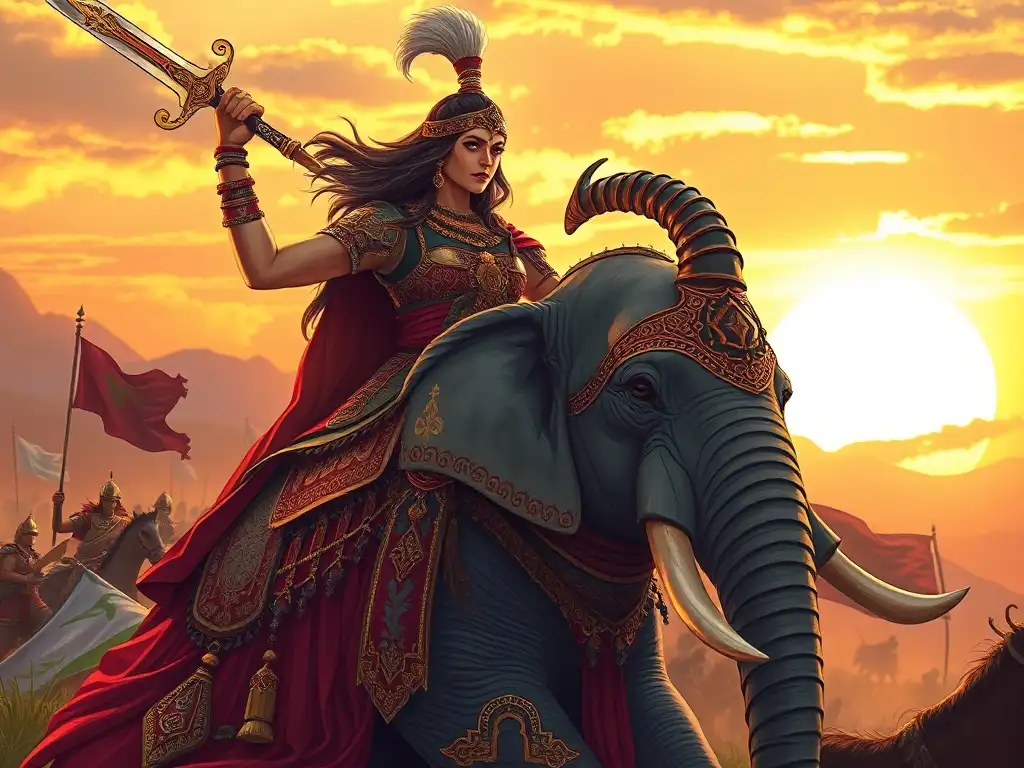
To fully appreciate the role of warrior queens in ancient India, it is essential to understand the historical context that shaped their experiences and contributions.
Early Evidence of Women Warriors in Ancient India
Archaeological findings and historical texts reveal that women have been part of military activities since ancient times. Some notable evidence includes:
- Inscriptions and Texts: Historical records from various dynasties mention women participating in battles, with some even leading troops into combat.
- Artifacts and Relics: Excavations in sites like Harappa and Mohenjo-Daro have uncovered depictions of women in warrior attire, suggesting their involvement in martial activities.
These pieces of evidence collectively illustrate that the concept of women warriors was deeply rooted in ancient Indian society.
Cultural Attitudes Towards Women in Combat
Cultural perceptions of women in warfare varied significantly across different regions and periods in ancient India. While some societies celebrated female bravery, others adhered to more conservative views. Key points to consider include:
- Mythological Narratives: In many ancient texts, female deities and warriors are depicted as powerful figures, contributing to a cultural reverence for women's strength.
- Social Norms: Despite the presence of warrior queens, societal expectations often limited women's roles, emphasizing domestic responsibilities over martial engagement.
Understanding these cultural attitudes provides insight into the complex dynamics surrounding women's participation in warfare throughout ancient India.
Prominent Warrior Queens of Ancient India
Ancient India was home to several formidable warrior queens who defied societal norms and demonstrated exceptional leadership and bravery in battle. These women not only played crucial roles in their kingdoms but also became symbols of resistance against oppression. Their stories often reflect the complexities of gender roles in a patriarchal society, showcasing how their valor and strategy contributed to the cultural and military fabric of their times. Below are some of the most notable warrior queens who left an indelible mark on Indian history.
Rani Lakshmibai: The Icon of Resistance
Rani Lakshmibai, the queen of Jhansi, is perhaps the most celebrated warrior queen of ancient India. Born in 1828, she became a pivotal figure during the Indian Rebellion of 1857 against British colonial rule. After the death of her husband, Rani Lakshmibai refused to surrender her kingdom to the British, who sought to annex Jhansi. She became a rallying point for rebels, leading her troops with unmatched courage.
Her legendary defense of Jhansi is immortalized in Indian folklore and history. Clad in armor, she displayed exceptional prowess on the battlefield, often riding into combat on horseback, wielding her sword with skill. Rani Lakshmibai's legacy as a symbol of resistance inspires countless generations, representing the struggle for freedom and the fight against colonial oppression.
Razia Sultan: The Only Female Ruler of Delhi
Razia Sultan stands out as the only female monarch in the history of the Delhi Sultanate. Ascending the throne in the 13th century, Razia was the daughter of Sultan Iltutmish and ruled from 1236 to 1240. Her reign was marked by her efforts to break gender barriers, as she donned male attire and took part in military campaigns, showcasing her resolve to rule effectively in a male-dominated society.
Razia's leadership faced significant challenges, including opposition from nobles who were reluctant to accept a female ruler. Nevertheless, she successfully led her forces in battles to protect her kingdom. Despite her eventual downfall, Razia Sultan's reign remains a testament to her capabilities as a warrior queen and her influence on the status of women in leadership roles.
Chennamma of Kittur: The Queen Who Fought Against the British
Chennamma, the queen of Kittur in Karnataka, is known for her fierce resistance against British colonization in the early 19th century. Born in 1778, she ascended the throne after her husband's death and faced immediate threats from the British, who sought to annex her kingdom under the Doctrine of Lapse.
In 1824, Chennamma led her forces into battle against the British, demonstrating strategic acumen and inspiring her subjects to rise against colonial rule. Although she was ultimately captured, her bravery and determination made her a national icon and a symbol of resistance. Chennamma's legacy continues to resonate, as she is remembered for her fight against injustice and her role in India's independence movement.
Other Notable Warrior Queens and Their Contributions
Apart from the aforementioned queens, several other notable figures contributed to the legacy of warrior queens in ancient India:
- Rani Durgavati: The Gond queen of Mandla, known for her valiant fight against the Mughal empire in the 16th century.
- Rani Rudrama Devi: A 13th-century queen of the Kakatiya dynasty, she ruled with authority and led her army into battle.
- Rani Avantibai Lodhi: A ruler of the Gondwana region, she played a significant role in the 1857 uprising against the British.
These queens, among others, showcased the strength and resilience of women in ancient Indian society, challenging norms and paving the way for future generations.
The Impact of Warrior Queens on Society
The contributions of warrior queens had a profound impact on society in ancient India, influencing various aspects of culture, gender roles, and military strategies. Their stories not only highlight their individual bravery but also reflect the changing perceptions of women in leadership and combat roles.
Influence on Gender Roles in Ancient India
The presence of warrior queens in ancient India significantly influenced gender roles within society. Traditionally, women were often relegated to domestic spheres, but these queens broke barriers, proving that women could lead armies and govern effectively. Their leadership challenged prevailing stereotypes, gradually altering societal views on women's capabilities.
As role models, these queens inspired subsequent generations of women to aspire for greater autonomy and involvement in political and military affairs. Their stories fostered a sense of empowerment, encouraging women to defy conventional expectations and pursue leadership roles.
The Legacy of Warrior Queens in Indian Culture
The legacy of warrior queens continues to be celebrated in Indian culture, as their tales have been passed down through generations. Literature, folklore, and art often depict these queens as symbols of courage and resistance. Festivals, plays, and movies frequently recount their exploits, reinforcing their significance in the cultural consciousness of India.
Moreover, the valor of these women has inspired various movements advocating for women's rights and empowerment. Their legacies serve as a reminder of the important role women have played throughout history, encouraging contemporary society to recognize and celebrate female contributions.
How Warrior Queens Shaped Military Strategies
Warrior queens not only participated in battles but also influenced military strategies during ancient times. Their unique perspectives often resulted in innovative approaches to warfare. For instance, Rani Lakshmibai's tactics included guerrilla warfare, utilizing the terrain to her advantage and leading surprise attacks against larger forces.
These queens recognized the importance of alliances and diplomacy, often forging strategic partnerships to strengthen their positions. Their contributions to military strategy reflect a nuanced understanding of warfare, which has been studied and appreciated in historical analyses.
The warrior queens of ancient India not only reshaped their societies but also left a lasting legacy that continues to inspire and empower women today. Their courage and leadership exemplify the strength of women throughout history, reminding us of the significant roles they have played in shaping the world.
Myths and Realities of Women in Warfare
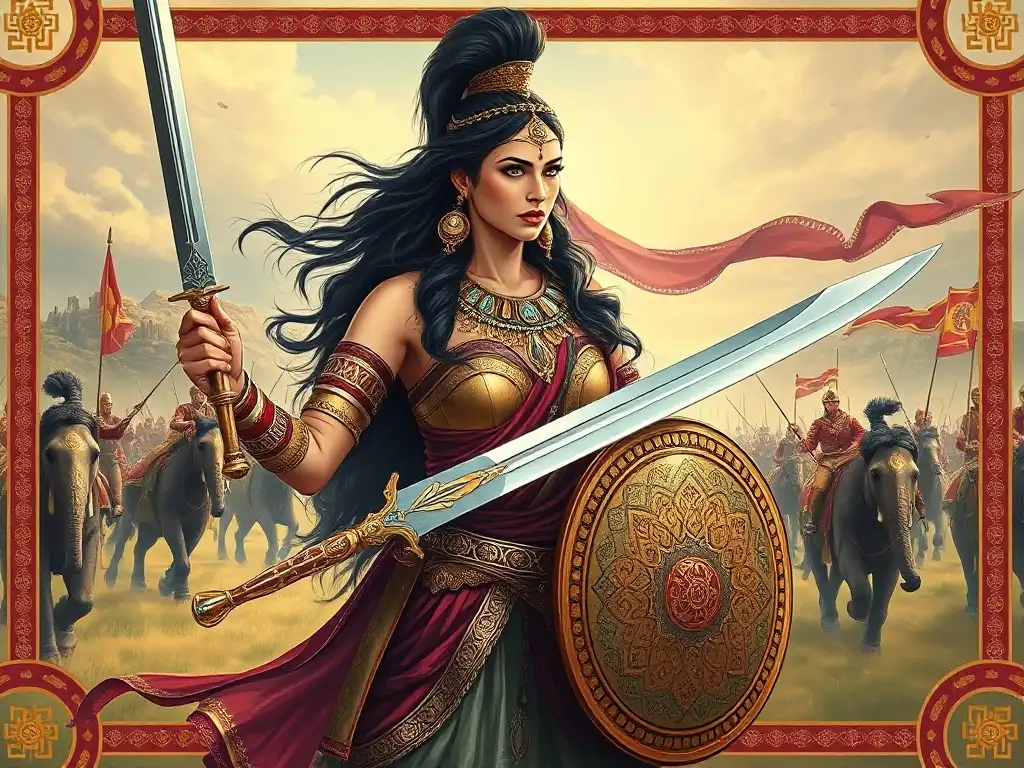
The concept of women in warfare has always been shrouded in myths and misconceptions. In ancient India, the portrayal of warrior queens often oscillated between romanticized legends and harsh realities. While many narratives emphasize the valor and prowess of women like Rani Durgavati and Razia Sultan, they also often neglect the broader context that shaped their experiences in battle.
These warrior queens were not mere figments of folklore; instead, they emerged from a society that, while patriarchal, allowed certain women to ascend to power and lead armies. The reality was multifaceted: women participated not only as leaders but also as strategists and warriors in their own right. Their stories reflect a blend of martial skill and tactical acumen, often shaped by the socio-political dynamics of their times.
Despite the presence of notable women in ancient Indian battles, the overarching narrative has frequently marginalized their contributions. Many cultures, including ancient India, have historically celebrated male warriors while relegating female counterparts to the sidelines. This cultural bias has perpetuated myths that women were either absent from the battlefield or solely relegated to supportive roles. However, the evidence suggests otherwise, painting a picture of formidable women who actively engaged in warfare and leadership.
Common Misconceptions About Warrior Queens
One prevalent misconception about warrior queens in ancient India is that they were exceptions rather than representatives of a broader trend. Many assume that only a few women, like Rani Padmini or Jhansi Ki Rani, fought valiantly, while the majority were confined to domestic roles. This perception undermines the collective impact of women across different regions and eras who wielded power and commanded armies.
Another myth is the idea that warrior queens were solely motivated by personal ambition or revenge. While personal stories of loss and valor do exist, many women warriors fought to protect their kingdoms and uphold their people's honor. Their motivations were often deeply intertwined with familial duty and loyalty to their subjects, reflecting a broader sense of responsibility rather than mere personal vendettas.
Additionally, some narratives suggest that women warriors relied solely on their physical strength, ignoring the strategic intelligence and political acumen that defined their leadership. Warrior queens like Rani Durgavati of Gondwana were not only skilled fighters but also adept rulers who navigated complex political landscapes. Their stories highlight the integration of warfare with diplomacy, showcasing a more nuanced view of women's roles in ancient Indian society.
Real Stories Behind the Legends of Women Warriors
The tales of warrior queens in ancient India are not merely legendary; they are grounded in real events and figures who shaped history. One such example is Rani Durgavati, the Gond queen who bravely defended her kingdom against the Mughal forces led by Akbar in the 16th century. Her fierce resistance and tactical prowess are celebrated in folklore, but they also represent a significant moment in the struggle against imperial expansion.
Another remarkable figure is Razia Sultan, the only female monarch of the Delhi Sultanate. Ruling in the 13th century, Razia defied gender norms by donning male attire and leading her troops into battle. Her reign was marked by significant administrative reforms and military campaigns, challenging the societal expectations of her time and paving the way for future female leaders.
Similarly, the legend of Rani Padmini, while steeped in romanticism, reflects the courage and determination of women in the face of overwhelming odds. Her story during the siege of Chittorgarh showcases not only her bravery but also the cultural significance placed on honor and sacrifice among women warriors in ancient India.
These stories highlight that the legacy of warrior queens is not just a series of heroic tales; they are reminders of the powerful women who played crucial roles in shaping the history of their kingdoms and communities.
Conclusion: The Enduring Legacy of Warrior Queens
The legacy of warrior queens in ancient India is a testament to the strength, resilience, and leadership of women throughout history. Their contributions to warfare and governance challenge the conventional narratives that often overlook the significant roles women played in shaping society. This legacy endures, reminding us that women have always been active participants in the historical narrative, not just passive figures.
Reflection on the Role of Women in Ancient Indian History
Reflecting on the role of women in ancient Indian history reveals a complex interplay of power, authority, and cultural expectations. While patriarchal structures dominated, women like Rani Durgavati and Razia Sultan exemplify how some managed to break through these barriers. Their stories inspire a reevaluation of women's contributions to society and highlight the importance of recognizing female agency in history.
By acknowledging these warrior queens, we can appreciate the diverse experiences of women in ancient India, whether they were rulers, warriors, or strategists. Their presence in history serves as an encouragement to explore and reclaim the narratives of women who have shaped civilizations, often against formidable odds.
The Continuing Influence of Warrior Queens on Modern India
The influence of warrior queens extends beyond ancient history into contemporary India, where their legacies continue to inspire and empower women today. Modern Indian society is witnessing a resurgence of interest in these historical figures, with many women drawing strength from their stories as they navigate contemporary challenges.
Moreover, warrior queens are increasingly recognized in popular culture, literature, and academic discourse, serving as symbols of empowerment and resistance. They represent a rich heritage that encourages women to embrace leadership roles and assert their agency in various fields, including politics, business, and social activism.
The warrior queens of ancient India not only shaped their eras but also continue to resonate in the modern world, reminding us of the enduring power of women in history and their vital contributions to society. Their stories are not just about battles fought; they are about the spirit of resilience, leadership, and the unwavering pursuit of justice and honor.
Further Reading and Resources
To deepen your understanding of the remarkable warrior queens of ancient India and their contributions to battles and society, a variety of resources are available. These include books, documentaries, and films that not only highlight their fierce spirit but also provide a broader context of women's roles in ancient Indian warfare.
Recommended Books on Warrior Queens of Ancient India
-
"Warrior Queens: The Legends of Ancient India" by R. Mahesh
This book delves into the lives of formidable queens like Rani Durgavati and Rani Lakshmibai, exploring their courage and military strategies. It combines historical facts with engaging storytelling, making it an essential read for anyone interested in women's roles in ancient warfare.
-
"Women Warriors in Ancient India" by Anjali Mukherjee
Anjali Mukherjee provides a detailed account of various warrior queens, their legacies, and how they influenced the socio-political landscape of their times. The author also discusses the cultural perceptions of women in warfare during different dynasties.
-
"The Queens of India: Rulers and Warriors" by N. S. Raghavan
This well-researched book offers insights into the lives of several queens, including their military campaigns and political maneuvers. Raghavan's work reflects on the power dynamics and the societal structure that allowed these women to ascend to leadership roles.
-
"Heroines of the Raj: Women of the Indian Rebellion" by C. E. Dent
Although primarily focused on the 1857 rebellion, this book highlights the contributions of warrior queens and their roles during this tumultuous period in Indian history. It provides a narrative that connects past and present, showing how these women shaped history.
Documentaries and Films Highlighting Women in Ancient Warfare
-
"Rani Padmini: The Legend of a Warrior Queen"
This documentary brings to life the story of Rani Padmini, a symbol of bravery and sacrifice. It features expert interviews, reenactments, and analyses of her impact on the socio-political fabric of her time.
-
"The Warrior Queen of Jhansi"
A film that focuses on the life of Rani Lakshmibai, it provides a cinematic portrayal of her battles against British colonial forces. The film not only showcases her military prowess but also her determination to protect her kingdom and people.
-
"Battle Queens: Women Who Fought for Their Kingdoms"
This documentary series explores various warrior queens from different cultures, including India. Through historical accounts and expert commentary, it sheds light on their strategies and the challenges they faced.
-
"Women of Valor: Warrior Queens of Ancient India"
This documentary highlights multiple figures, including Rani Durgavati and others, emphasizing their roles in significant battles and their lasting legacies in Indian history. It combines dramatic narratives with scholarly insights to engage viewers.
These resources provide a comprehensive overview of the fierce warrior queens of ancient India, celebrating their indomitable spirit and the pivotal roles they played in shaping history.
Frequently Asked Questions
What role did women play in ancient Indian battles?
Women in ancient India, particularly warrior queens, played a significant role in battles, often leading their armies and inspiring troops with their courage and leadership.
Who were some of the most notable warrior queens in ancient India?
Some notable warrior queens include Rani Lakshmibai, who fought against British colonial rule, and Rani Durgavati, known for her valiant defense against Mughal invaders, showcasing fearlessness and skill.
How did the societal views on women as warriors change over time in India?
Initially, women like warrior queens were celebrated for their martial prowess; however, over time, societal views shifted, often relegating women to more domestic roles, diminishing their status as warriors.
What contributions did warrior queens make to ancient Indian society?
Warrior queens not only fought in battles but also contributed to the arts, governance, and social reforms, leaving a lasting impact on cultural and political landscapes of their time.
Are there any modern representations of warrior queens in Indian culture?
Yes, modern representations of warrior queens can be found in literature, films, and television, highlighting their bravery and achievements, thereby inspiring new generations to learn about their legacy.
Final Reflection: Celebrating the Legacy of Warrior Queens in Ancient India
The stories of the warrior queens of ancient India resonate profoundly in today's world, reminding us of the strength and resilience that women have exhibited throughout history. These fearless leaders not only shaped the course of battles but also challenged societal norms, paving the way for future generations. Their legacies continue to inspire movements for gender equality and empowerment, illustrating that the fight for justice and recognition is timeless and universal.
The impact of these warrior queens extends beyond mere historical accounts; they serve as cultural icons that challenge the traditional narratives surrounding women's roles in society. The bravery and strategic prowess of figures like Rani Lakshmibai and Razia Sultana have ignited a sense of pride and identity among women today. As we reflect on their contributions, we are reminded of the words of the renowned feminist author, Simone de Beauvoir: One is not born, but rather becomes, a woman.
This encapsulates the journey of these queens, who defied the limitations imposed upon them and forged their paths in a male-dominated world.
As we conclude our exploration of these remarkable figures, I invite you to reflect on the lessons they impart. Consider how their courage and determination can inspire you in your own life. Whether in the face of personal challenges or societal expectations, let the spirit of these warrior queens guide you to embrace your strength and assert your voice. Together, we can honor their legacy by championing the causes of empowerment and equality in our communities, ensuring that the stories of these fearless women continue to inspire generations to come.
Embrace the Legacy of Warrior Queens!
Thank you for diving into the inspiring world of fearless women in ancient Indian battles! Your interest in the remarkable stories of these warrior queens is crucial in celebrating their legacy. Now, it's time to take action and connect with this powerful history!
Here are some ways you can honor their courage and inspire others:
- Explore the life of a specific warrior queen who resonates with you and share your findings on social media to spread the word.
- Join a local or online community focused on women's history to exchange ideas and insights about extraordinary figures like these queens.
- Create your own masterpiece—whether it be a blog, artwork, or a short story—celebrating the legacy of women throughout history!
What aspect of these warrior queens inspires you the most to make a difference in today’s world?