
Women in the Vedic Age: Spiritual Leaders and Philosophers

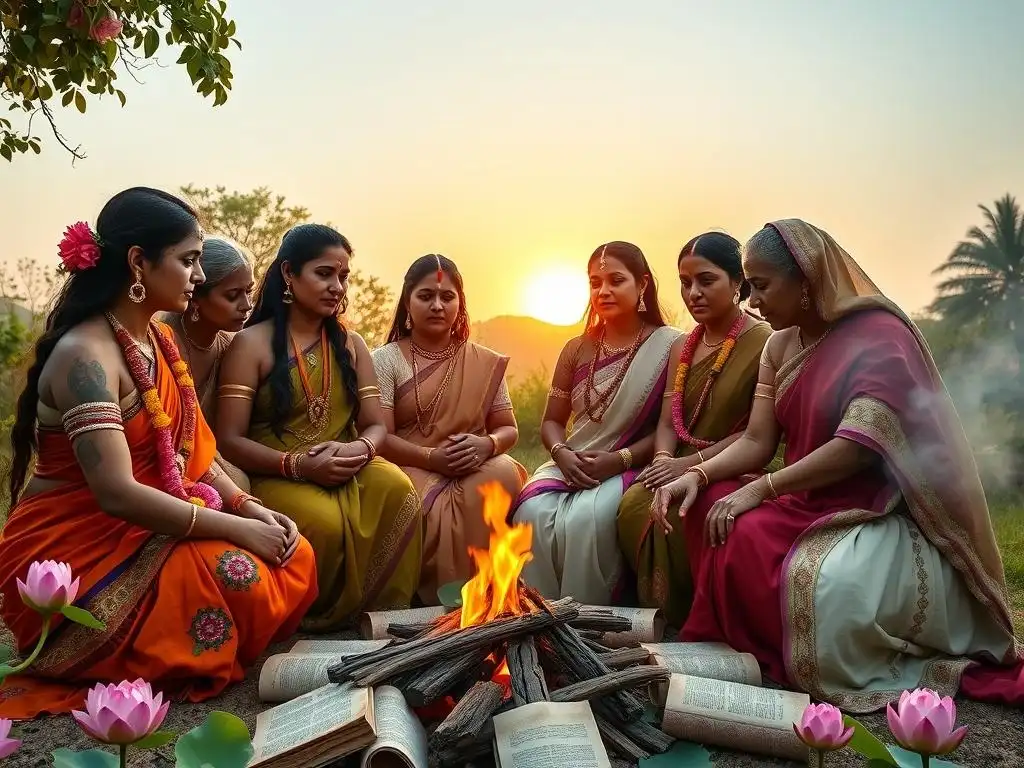
Welcome to Ancient India History, where we delve into the rich tapestry of ancient Indian civilizations and their remarkable contributions to the world. In our latest article, we shine a light on the Vedic Age women philosophers—inspiring spiritual leaders whose wisdom and insights shaped the philosophical landscape of their time. What roles did these remarkable women play in a society often overshadowed by their male counterparts?
Join us as we uncover their stories and explore how their legacies continue to influence our understanding of spirituality and philosophy today. Prepare to be captivated by the untold narratives of these pioneering thinkers!
- Introduction to Women in the Vedic Age
- Vedic Age Women Philosophers: A Historical Context
- Prominent Women Philosophers of the Vedic Age
- Spiritual Leadership of Women in the Vedic Age
- Philosophical Contributions of Women in the Vedic Age
- Challenges Faced by Women Philosophers
- Conclusion
-
Frequently Asked Questions
- What role did women play in the Vedic Age?
- Were there any notable women philosophers during the Vedic Age?
- How did the status of women in the Vedic Age compare to later periods?
- What were the primary philosophical contributions of women in the Vedic Age?
- How has the perception of Vedic Age women philosophers changed over time?
- Final Reflection: The Enduring Legacy of Vedic Age Women Philosophers
- Unveil the Wisdom of Women in the Vedic Age!
Introduction to Women in the Vedic Age
The Vedic Age, an era that spans from approximately 1500 BCE to 500 BCE in ancient India, is a pivotal period that laid the foundations for many aspects of Indian culture, philosophy, and spirituality. During this time, the society was characterized by the emergence of the Vedas, a collection of sacred texts that continue to influence Hindu thought and practice.
One of the most remarkable features of the Vedic Age is the significant role played by women, not only as homemakers but also as influential thinkers, spiritual leaders, and philosophers. Despite the patriarchal tendencies that emerged later in Indian history, the Vedic period offered a unique space for women to engage actively in religious and philosophical discourse, challenging the norms of their time.
Overview of the Vedic Age
The Vedic Age is marked by the composition of the four Vedas: Rigveda, Samaveda, Yajurveda, and Atharvaveda. These texts encompass a wide range of topics, including hymns, rituals, and philosophical musings. The society during this period was primarily agrarian, and it was structured around kinship and community. The Vedic civilization saw the rise of urban centers and the establishment of trade routes, facilitating cultural exchanges that enriched the spiritual landscape of ancient India.
Women in the Vedic Age had access to education and participated in various rituals and religious ceremonies. They were not merely passive recipients of knowledge; rather, they were active contributors to the spiritual and philosophical discourses of their time. Notable figures like Gargi and Maitreyi exemplify the intellectual prowess of Vedic women, engaging in debates and discussions that showcased their philosophical acumen.
Importance of Women in Vedic Society
The role of women in Vedic society transcended traditional boundaries. They were revered as the embodiment of Shakti, or divine feminine energy, and were considered essential for the continuity of family and society. Women could own property, participate in sacrifices, and engage in intellectual discussions, reflecting a degree of autonomy that would be diminished in later periods.
Various texts, such as the Rigveda, include hymns composed by women, highlighting their contributions to the spiritual and philosophical fabric of the time. Women like Apala and Aditi are celebrated for their wisdom and insight, often invoking the divine in ways that shaped religious practices. The acknowledgment of female sages and philosophers during the Vedic period illustrates the respect afforded to women, positioning them as integral players in the spiritual domain.
Purpose of the Article
This article aims to explore the profound impact of women in the Vedic Age, focusing on their roles as philosophers and spiritual leaders. By delving into the lives and contributions of prominent Vedic women, we hope to shed light on their intellectual pursuits and the cultural context that allowed them to flourish. Through an examination of historical texts and scholarly interpretations, we will highlight the significance of Vedic Age women philosophers and their enduring legacy in shaping the philosophical landscape of ancient India.
Join us as we uncover the stories of these remarkable women, their philosophies, and their contributions to the rich tapestry of Indian history, reaffirming their place in the narrative of women's roles and contributions in ancient India.
Vedic Age Women Philosophers: A Historical Context
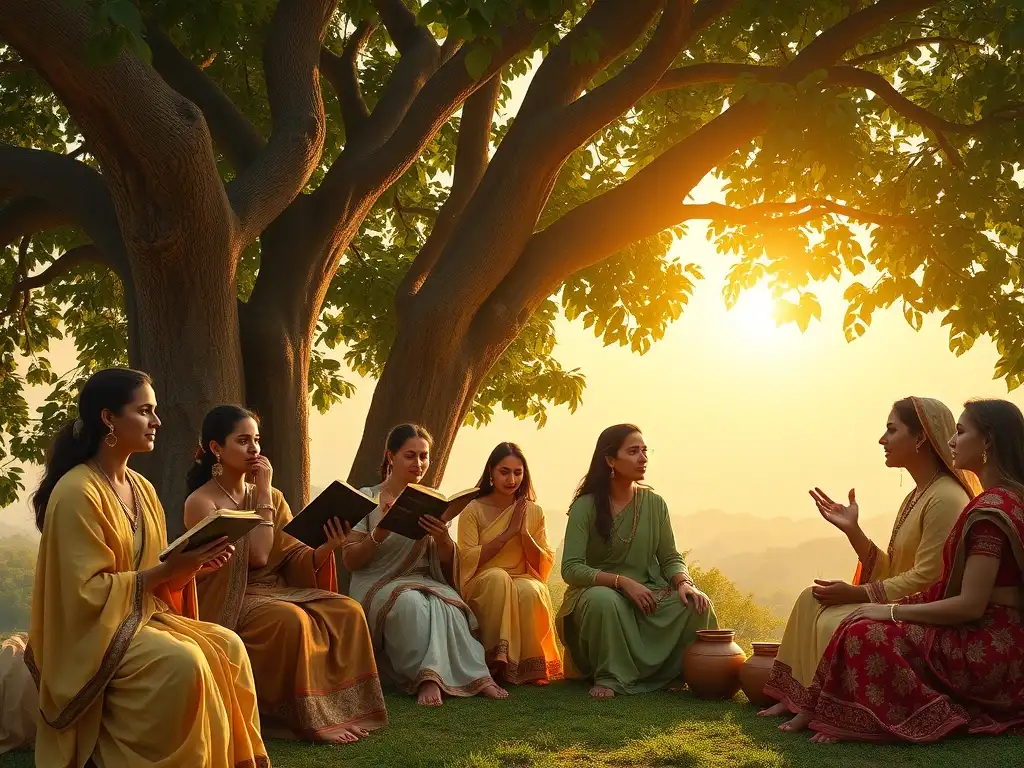
The Vedic Age, which spanned from approximately 1500 BCE to 500 BCE, marks a significant period in ancient Indian history characterized by the composition of the Vedas, the oldest sacred texts of Hinduism. During this era, women played a pivotal role in the intellectual and spiritual landscape, particularly as philosophers and spiritual leaders. Despite the patriarchal norms that began to take shape during this time, women's contributions to philosophy and spirituality were profound and influential.
Definition of Vedic Age Women Philosophers
Vedic Age women philosophers can be defined as female thinkers, sages, and scholars who engaged in philosophical discourse and contributed to spiritual teachings during the Vedic period. These women are often depicted in various texts as possessing deep insights into metaphysics, ethics, and the nature of existence. Their philosophical contributions were not only limited to their gender roles but also extended to their interpretations of sacred texts and their participation in ritual practices.
- Key Characteristics of Vedic Age Women Philosophers:
- Intellectual Engagement: Many women were actively involved in discussions surrounding cosmology, spirituality, and ethics.
- Spiritual Authority: Some women were recognized as spiritual leaders, guiding their communities in rituals and ceremonies.
- Literary Contributions: They contributed to the oral tradition and, in some cases, the written texts that defined Vedic thought.
This intellectual legacy of women in the Vedic Age highlights their significance beyond the conventional roles assigned to them, showcasing a nuanced understanding of their contributions to ancient Indian philosophy.
The Role of Women in Vedic Texts
The role of women in Vedic texts is multifaceted, revealing their importance in both domestic and public spheres. Vedic literature, including the Rigveda, Upanishads, and Brahmanas, provides insights into the lives of women, portraying them as both participants in and contributors to philosophical thought.
- Participation in Rituals: Women were often involved in Vedic rituals, which were essential for maintaining cosmic order. Their presence in these rituals indicates their spiritual significance.
- Philosophical Discourse: Texts such as the Upanishads feature dialogues where women engage in philosophical discussions, challenging the norms of their time.
- Education and Knowledge: Women were educated in the Vedic tradition, with some attaining the status of learned sages (rishikas), capable of composing hymns and engaging in intellectual debates.
The portrayal of women in these texts contradicts later narratives that often marginalized their roles, emphasizing their contributions to Vedic philosophy.
Notable Texts Featuring Women Philosophers
Several ancient texts explicitly highlight the contributions of women philosophers during the Vedic Age. These texts serve as crucial evidence of their intellectual engagement and spiritual authority.
- Rigveda:
- The Rigveda includes hymns attributed to women sages such as Vasishtha's wife, Gargi, and Aditi, showcasing their participation in spiritual and philosophical discussions.
- Upanishads:
- In the Brahadaranyaka Upanishad, the dialogue between Yajnavalkya and Maitreyi presents a significant philosophical exchange, where Maitreyi questions the nature of immortality and the self.
- Manusmriti:
- Though later texts often reflect more patriarchal views, the Manusmriti acknowledges the intellectual capabilities of women, suggesting their involvement in philosophical debates during the Vedic period.
The recognition of these texts underscores the importance of Vedic Age women philosophers, providing a foundation for understanding their influence in shaping ancient Indian thought and culture.
The study of Vedic Age women philosophers reveals a rich tapestry of intellectual and spiritual contributions that have often been overlooked. Their legacy continues to inspire contemporary discussions about gender and philosophy in India and beyond.
Prominent Women Philosophers of the Vedic Age
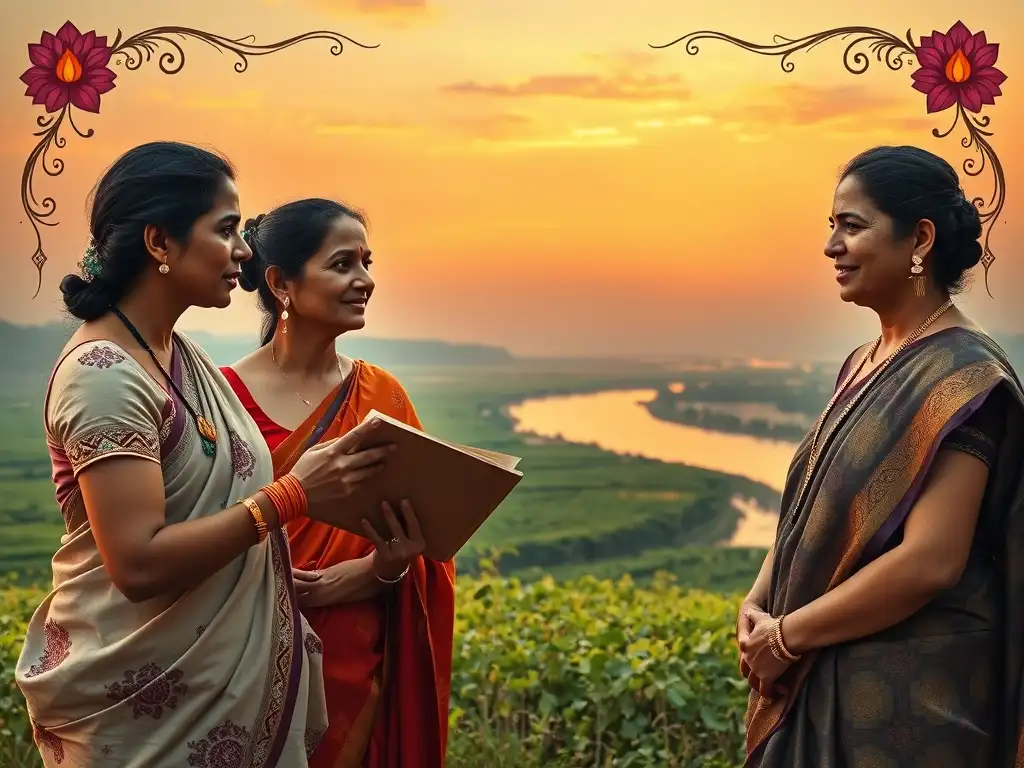
The Vedic Age, a significant period in ancient Indian history, is marked by the emergence of profound philosophical thought and spiritual inquiry. Among the thinkers of this era, women philosophers played a pivotal role, challenging the societal norms of their time and contributing to the evolution of philosophical discourse. This section delves into two prominent women philosophers of the Vedic Age: Gargi Vachaknavi and Maitreyi, whose intellectual legacies continue to inspire.
Contributions to Philosophy and Spirituality
Gargi Vachaknavi is recognized as one of the foremost thinkers of the Vedic period. Her contributions to philosophy are encapsulated in her participation in the philosophical debates known as the "Brahmodya." Gargi's inquiries often revolved around the nature of the self, the universe, and the supreme reality (Brahman).
In the Brahmananda Valli of the Taittiriya Upanishad, Gargi poses profound questions about the ultimate nature of existence, demonstrating her deep engagement with metaphysical concepts. Her famous challenge to the sage Yajnavalkya during the Brahmanas showcases her intellectual prowess. She introduced the idea that the ultimate reality transcends even the most abstract concepts, leading to a nuanced understanding of the universe.
Recognition in Vedic Literature
Gargi's philosophical acumen is well-documented in various Vedic texts, where she is often depicted as a learned sage. The Brahadaranyaka Upanishad highlights her participation in the philosophical dialogues of her time, establishing her as a respected figure among her male contemporaries. Her legacy is not just limited to her contributions to philosophy but also includes her role as a spiritual leader, advocating for women's education and intellectual empowerment.
Maitreyi: The Wise Thinker
Dialogues and Philosophical Contributions
Maitreyi, another eminent philosopher of the Vedic Age, is celebrated for her insightful dialogues and contributions to the understanding of the self and reality. Featured prominently in the Brahadaranyaka Upanishad, Maitreyi poses critical questions regarding immortality and the nature of the self. Her conversation with her husband, Yajnavalkya, reveals her intellectual depth and her quest for understanding the eternal truth.
Maitreyi's philosophical inquiries often centered around the relationship between the individual self (Atman) and the universal self (Brahman). She articulates the idea that knowledge of the self is essential for liberation, thereby influencing later philosophical traditions, including Vedanta.
Influence on Later Philosophical Traditions
Maitreyi's thoughts laid the groundwork for various schools of philosophy that emerged later in Indian thought. Her emphasis on self-knowledge and the pursuit of truth resonates with the teachings of later philosophers and spiritual leaders. The dialogues in which she participated not only highlight her wisdom but also serve as a testament to the integral role that women played in shaping philosophical discourse during the Vedic Age.
Both Gargi and Maitreyi exemplify the significant contributions of Vedic Age women philosophers, challenging the norms of their time and enriching the philosophical landscape of ancient India. Their legacies continue to inspire contemporary discussions on gender and philosophy, reaffirming the importance of women’s voices in the intellectual traditions of humanity.
Other Notable Women Figures
The Vedic Age, often celebrated for its profound spiritual and philosophical advancements, showcased several remarkable women whose contributions extended beyond traditional roles. Among these figures, Gargi Vachaknavi stands out as a prominent philosopher and sage. Renowned for her intellect and wisdom, Gargi engaged in philosophical debates, particularly in the Brahmana texts, where she challenged male sages with her insightful questions regarding the nature of the universe and the ultimate reality, known as Brahman.
Another significant figure is Maitreyi, who is celebrated for her philosophical discussions with her husband, Yajnavalkya. Maitreyi’s inquiry into the nature of immortality and the self reflects the intellectual depth of Vedic women. Her quest for knowledge emphasizes the importance of women in shaping philosophical discourse during this era.
Additionally, Savitribai and Vedic Rishikas, the female seers, played vital roles in preserving and transmitting Vedic knowledge. These women not only participated in rituals but also contributed to the composition of hymns, thereby influencing the spiritual landscape of their time. Their presence in the Vedic texts signifies the recognition of women's intellectual and spiritual capabilities.
Role of Women in Spiritual Leadership
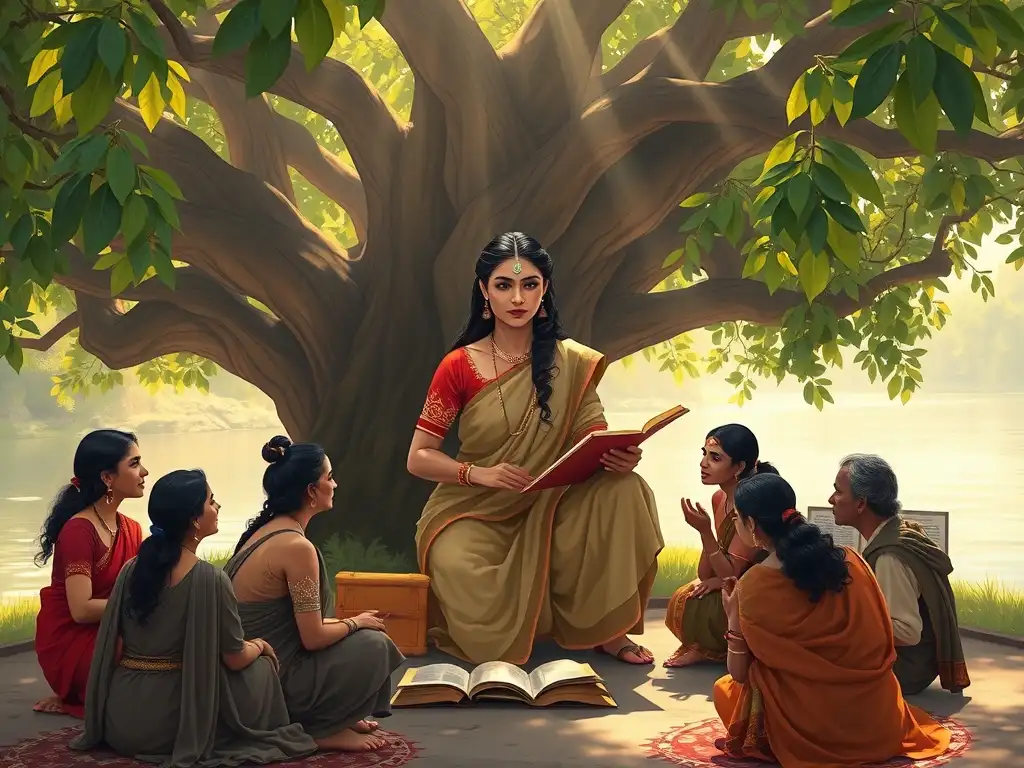
Women in the Vedic Age held a unique position in spiritual leadership. They were not merely passive participants in religious practices; instead, they often acted as spiritual guides and leaders within their communities. The texts indicate that women were involved in the performance of rituals, and many held the title of Rishika, indicating their status as seers and sages.
The spiritual authority of women was recognized through their ability to conduct rituals and perform sacrifices. Women like Gargi and Maitreyi engaged in philosophical dialogues that elevated their status as thinkers and spiritual leaders. These discussions often revolved around complex topics such as the nature of existence and the pursuit of truth, highlighting their capacity to contribute meaningfully to spiritual and philosophical thought.
Moreover, women were seen as custodians of knowledge, often passing down sacred teachings and practices to the next generation. This role was critical in ensuring the continuity of Vedic traditions and philosophies. Through their leadership, they not only shaped the spiritual landscape of their time but also laid the groundwork for future generations of women thinkers and leaders.
Contributions to Vedic Rituals and Practices
In the Vedic Age, women played an integral role in rituals and religious practices, contributing significantly to the spiritual fabric of their society. They were actively involved in various ceremonies ranging from daily worship to grand sacrificial rituals. Their participation was not limited to mere observance; many women took on critical roles in performing and officiating these rituals.
Women contributed to the composition of Sanskrit hymns and mantras, which were essential for Vedic rituals. This involvement is evident in the presence of women poets and sages who authored hymns that expressed spiritual insights and philosophical concepts. The Rigveda, a key text of the Vedic corpus, contains verses attributed to female sages, underscoring their contributions to the religious literature of the time.
Furthermore, women were often responsible for maintaining the household rituals, ensuring that the spiritual practices continued uninterrupted. This domestic role did not diminish their significance; instead, it highlighted the sacredness of everyday life and the intertwining of the spiritual and the mundane. The societal structure of the time recognized the importance of women as both spiritual leaders and practitioners, marking their contributions as indispensable to the Vedic traditions and practices.
Spiritual Leadership of Women in the Vedic Age
Women's Role in Rituals and Sacrifices
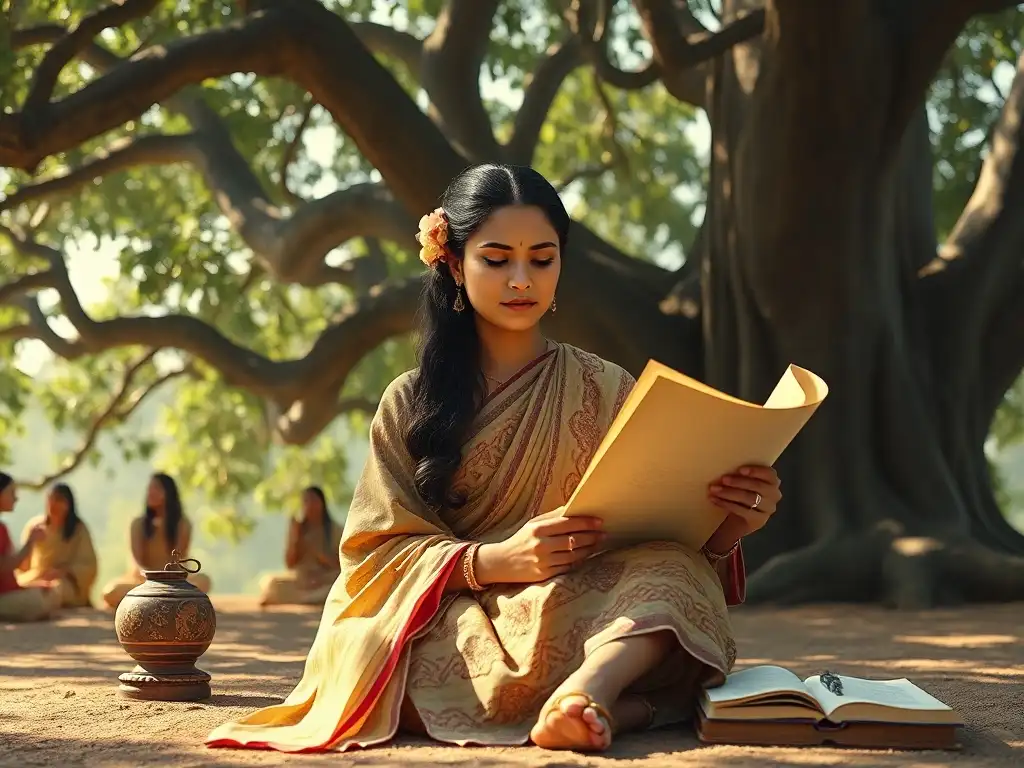
In the Vedic Age, women played a significant role in spiritual practices, particularly in rituals and sacrifices, which were central to Vedic religion. Unlike later periods, where the priestly class became predominantly male, Vedic society recognized the active participation of women in these sacred duties. Women such as Gargi and Maitreyi were noted for their contributions to philosophical discussions and rituals.
- Participation in Yajnas: Women were not only present during yajnas (sacrificial ceremonies), but they also performed specific rituals. They were responsible for preparing offerings and participating in the chanting of Vedic hymns. This involvement indicates their spiritual authority and recognition within the community.
- Rituals of Fertility and Prosperity: Women's rituals often focused on fertility, prosperity, and the well-being of the family. For instance, they performed Soma sacrifices, which were believed to enhance fertility and bring prosperity. This underscores the belief that women were seen as vital agents of spiritual and physical growth within society.
- Educational Roles: The Vedic texts suggest that women were educated in Vedic scriptures and philosophy, enabling them to lead and participate in rituals with competence. This educational aspect is crucial as it reflects the societal acknowledgment of women's intellectual and spiritual capabilities.
The Concept of Shakti: Women as Divine Energy
The concept of Shakti, or divine feminine energy, is fundamental in understanding the spiritual significance of women in the Vedic Age. This notion transcended mere physicality, positioning women as embodiments of dynamic forces essential for creation and sustenance.
- Symbolism of Power: In Vedic literature, Shakti is often associated with goddesses who represent various aspects of life, including knowledge, wealth, and power. This representation emphasizes the reverence for women as sources of strength and vitality in both the spiritual and material realms.
- Philosophical Interpretations: Philosophers like Gargi espoused the importance of Shakti in their discourses. They articulated views that recognized the intertwining of male and female energies, suggesting that balance between the two was necessary for cosmic harmony. This acknowledgment of women's divine role reflects a deeper understanding of gender dynamics in spirituality.
- Cultural Legacy: The recognition of Shakti during the Vedic Age laid the groundwork for future philosophical and religious developments, where the divine feminine continued to be celebrated. This legacy persists in various forms throughout Indian spirituality, illustrating the enduring impact of Vedic Age women philosophers.
The Influence of Women on Spiritual Teachings
Women in the Vedic Age were not just participants but also influential figures in shaping spiritual teachings and philosophies that resonated throughout ancient India.
- Philosophical Contributions: Women like Maitreyi and Gargi are often cited in the Upanishads for their profound philosophical inquiries. Maitreyi's dialogue with her husband, Yajnavalkya, highlights her quest for knowledge about the self and existence, showcasing women's intellectual prowess.
- Transmission of Knowledge: The oral tradition of the Vedic Age allowed women to transmit spiritual wisdom and teachings. They often served as teachers or gurus, passing down knowledge to future generations. This role was crucial in ensuring the continuity of Vedic philosophy and practices.
- Role in Ethical Discussions: Women philosophers also contributed to ethical debates within Vedic texts. Their perspectives on morality, duty (dharma), and the nature of reality added depth to spiritual discussions, influencing the broader understanding of ethics in ancient Indian society.
By recognizing the contributions of Vedic Age women philosophers, we gain a clearer view of their pivotal role in shaping the spiritual landscape of ancient India. Their legacy continues to inspire and inform contemporary discussions on gender and spirituality.
Philosophical Contributions of Women in the Vedic Age
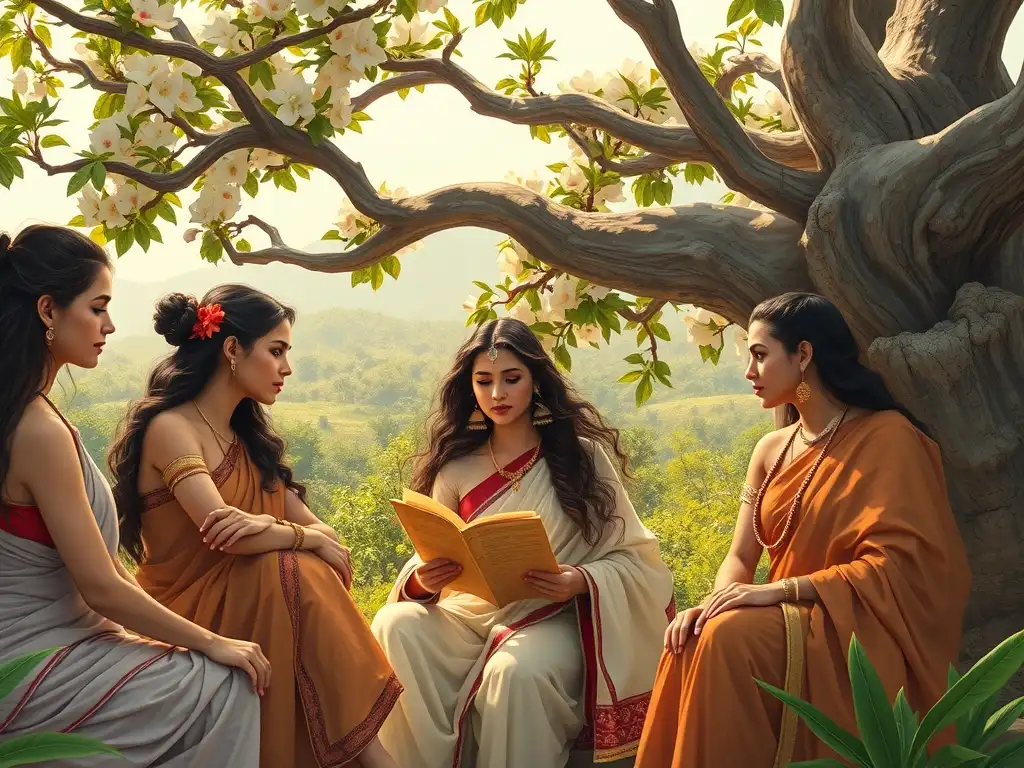
The Vedic Age, spanning from approximately 1500 BCE to 500 BCE, is often characterized by its profound spiritual and philosophical inquiries. While much of the historical narrative has focused on male philosophers and sages, women in this era also played a crucial role in shaping spiritual thought and philosophical discourse. Vedic Age women philosophers contributed not only to the intellectual landscape of ancient India but also influenced religious practices, ethics, and social norms.
Women such as Gargi and Maitreyi, among others, are celebrated for their insightful contributions to philosophy. Their discussions, often held in scholarly debates known as sadas, challenged contemporary views on spirituality, knowledge, and the nature of existence. These contributions were documented in various Vedic texts, illustrating that women's voices were not only present but influential in philosophical discussions of the time.
Key Philosophical Themes Explored by Women
Women philosophers in the Vedic Age explored a range of significant themes, which can be categorized as follows:
- Nature of the Self: Women like Maitreyi delved into the concept of Atman (the self), contemplating the relationship between the individual soul and the universal spirit. Maitreyi’s dialogues emphasized the idea that knowledge of the self leads to liberation, a fundamental tenet of Vedic philosophy.
- Cosmology and Creation: Gargi's inquiries into the nature of the universe and its origins are notable. In her debates, she questioned the limits of knowledge and the essence of the cosmos, pushing the boundaries of philosophical thought.
- Ethics and Morality: Women philosophers often addressed ethical dilemmas, emphasizing the importance of dharma (moral duty) and the role of women within the family and society. Their perspectives contributed to the evolving understanding of ethics in Vedic literature.
- Spiritual Practices: Many women were also practitioners of spiritual disciplines, advocating for various forms of meditation and rituals that integrated philosophical insights with practical applications.
These themes underscore the intellectual depth and diversity of thought that women brought to the philosophical landscape during the Vedic Age.
Intersection of Gender and Philosophy in Vedic Texts
The intersection of gender and philosophy in Vedic texts reveals a complex landscape where women were both philosophers and participants in philosophical discourse. While patriarchal structures were prominent, texts such as the Brahmanas and Upanishads highlight instances where women engaged in philosophical debates, challenging the gender norms of their time.
- Representation in Texts: Women like Gargi and Maitreyi are often depicted as equal interlocutors in philosophical dialogues, showcasing their intellectual prowess. Their presence in these texts serves as evidence of their significant roles in shaping philosophical thought.
- Philosophical Authority: The writings suggest that women were not merely passive recipients of knowledge but active contributors to philosophical traditions. Their authority in discussions about the self, ethics, and the cosmos indicates a recognition of their intellectual capabilities.
- Cultural Significance: The acknowledgment of women philosophers in Vedic texts also reflects broader cultural attitudes towards women’s education and participation in intellectual life. It suggests that women were not excluded from philosophical pursuits, although their contributions may have been marginalized in later historical narratives.
The philosophical engagement of women during the Vedic Age illustrates a nuanced understanding of gender roles in ancient Indian society, emphasizing that women's voices were integral to the philosophical discourse of the time.
Legacy of Women Philosophers in Ancient India
The legacy of women philosophers from the Vedic Age has had a lasting impact on Indian thought and spiritual practices. Their insights not only enriched Vedic literature but also paved the way for future generations of thinkers and spiritual leaders. Key aspects of their legacy include:
- Inspiration for Future Thinkers: Women philosophers served as inspirations for later philosophers and spiritual leaders, encouraging a continued exploration of gender dynamics in philosophy.
- Cultural Memory: The contributions of women such as Gargi and Maitreyi have been preserved in oral traditions and later texts, ensuring that their philosophical insights are recognized and valued in contemporary discourse.
- Advancement of Women’s Roles: The recognition of women philosophers has contributed to a broader understanding of women's roles in spirituality and philosophy, fostering discussions about gender equality in intellectual pursuits.
- Continued Relevance: The themes explored by these women philosophers remain relevant today, as contemporary discussions on gender, ethics, and spirituality continue to draw from ancient wisdom.
The philosophical contributions of women in the Vedic Age are a testament to their intellectual capabilities and their critical roles in shaping ancient Indian thought. Their legacy continues to inspire and inform current dialogues about gender and philosophy, highlighting the importance of inclusivity in the narrative of history.
Challenges Faced by Women Philosophers
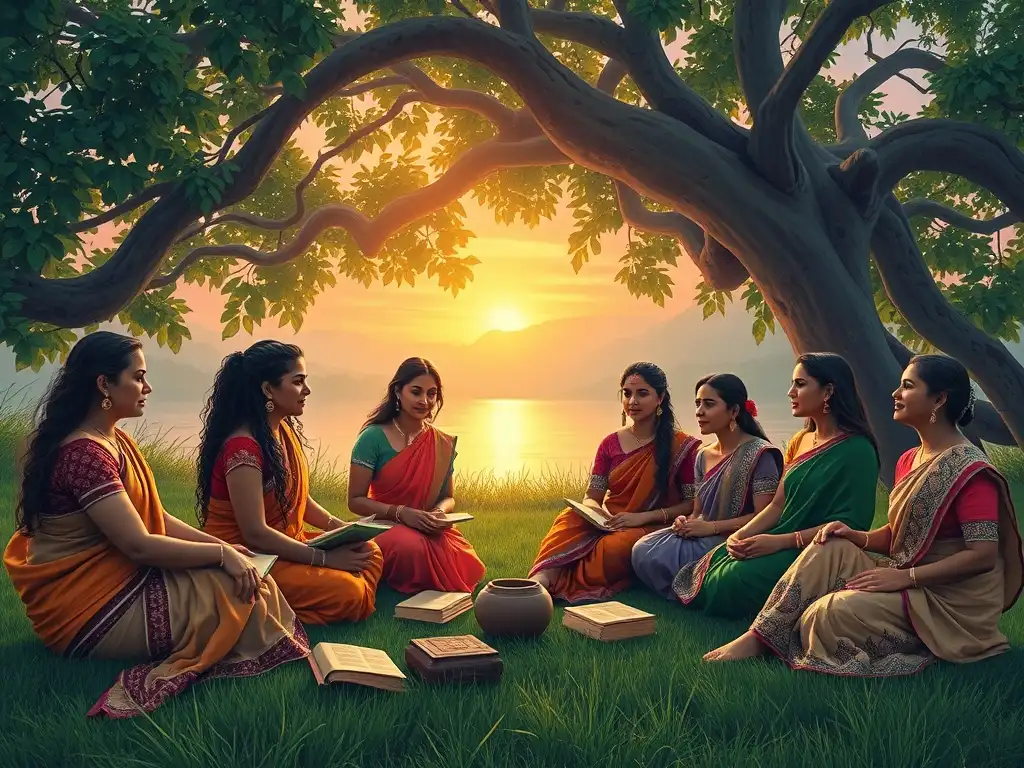
The Vedic Age, while marked by profound spiritual and philosophical advancements, also imposed substantial challenges on women philosophers. These challenges stemmed from deeply entrenched societal constraints and norms that limited their roles and recognition in the philosophical discourse of the time.
Societal Constraints and Gender Norms
During the Vedic Age, society was predominantly patriarchal. Women were often relegated to domestic roles, and their participation in public life, including philosophical discussions, was limited. The prevailing gender norms dictated that women's primary responsibilities were centered around household duties and family care, which significantly restricted their opportunities for education and intellectual engagement.
- Limited Access to Education:
- Women had restricted access to the sacred texts, known as the Vedas. These texts were primarily studied and interpreted by men, creating a significant barrier to women's philosophical development.
- The societal belief that women's primary duties lay in the home discouraged families from investing in their education, leading to a lack of formal training in philosophy and spirituality.
- Cultural Perceptions:
- The cultural perception of women as subordinate to men further entrenched their marginalization. Women were often viewed as sources of distraction for men, which led to the belief that their involvement in serious intellectual pursuits was inappropriate.
- Quote: "The Vedic texts often illustrate the dichotomy between the spiritual aspirations of men and the domestic expectations of women."
- Ritualistic Constraints:
- The ritualistic nature of Vedic practices often excluded women from participating in sacred rituals, which were critical for spiritual authority. This exclusion diminished their visibility as spiritual leaders and philosophers within their communities.
Documentation and Recognition in Historical Texts
Despite the challenges faced by Vedic Age women philosophers, some managed to assert their intellectual presence, although documentation of their contributions is sparse.
- Scarcity of Records:
- Historical texts from the Vedic period primarily focus on male philosophers and sages, leading to a significant underrepresentation of women's contributions. The few references that exist often lack depth and context.
- Women such as Gargi and Maitreyi are noted in the Upanishads, but their philosophical contributions are documented in a manner that often emphasizes their relationship to male figures rather than their independent thoughts.
- Philosophical Dialogue:
- In texts like the Brahmanas and Upanishads, women occasionally appear in dialogues that reflect their philosophical inquiries and insights. For example, Gargi is known for her profound questions during philosophical assemblies, showcasing her intellectual capabilities.
- However, the recognition of these contributions has been overshadowed by the male-dominated narratives of the period, limiting their acknowledgment as philosophers in their own right.
- Legacy of Thought:
- The philosophical thoughts and ideas posited by women in this era, while not extensively documented, laid the groundwork for future generations. The few existing records reveal a nuanced understanding of spirituality, ethics, and metaphysics.
- It's important to highlight their contributions to ensure that the legacy of Vedic Age women philosophers is acknowledged and appreciated.
While Vedic Age women philosophers faced significant challenges due to societal constraints and limited documentation, their intellectual contributions are an essential part of ancient India's philosophical landscape. Recognizing their struggles and achievements is critical in understanding the broader narrative of women's roles in shaping Indian philosophy.
Conclusion
Summary of Women’s Contributions in the Vedic Age
The Vedic Age, spanning from approximately 1500 BCE to 500 BCE, marked a significant period for women in ancient India. During this time, women were not only integral to societal structures but also emerged as philosophers, spiritual leaders, and scholars. They played active roles in rituals, education, and the transmission of knowledge, contributing to the rich tapestry of Vedic culture.
- Philosophical Contributions:
- Women philosophers, such as Gargi and Maitreyi, are noted for their profound insights into metaphysics and the nature of reality. Gargi, for instance, participated in philosophical debates and questioned the sages about the essence of the universe, showcasing her intellectual prowess.
- Maitreyi, on the other hand, is known for her dialogue with her husband, Yajnavalkya, where she explored concepts of self and consciousness, indicating that women's thoughts were both respected and sought after in philosophical discourses.
- Spiritual Leadership:
- Vedic women often assumed roles as spiritual leaders, guiding their families and communities in rituals and sacrifices. Their involvement was not limited to domestic spheres; they were seen as essential participants in sacred ceremonies, thus affirming their status as spiritual authorities.
- Many hymns in the Rigveda attributed to women highlight their roles in worship and devotion, illustrating their active participation in spiritual practices.
- Education and Knowledge Transmission:
- Education was a vital aspect of Vedic society, and women were encouraged to acquire knowledge. The existence of female sages and scholars indicates the presence of educational institutions that welcomed women, allowing them to engage with Vedic texts and philosophy.
The Lasting Impact of Vedic Age Women Philosophers on Indian Thought
The contributions of Vedic Age women philosophers have left an indelible mark on Indian thought, influencing subsequent generations in various ways:
- Philosophical Foundations: The dialogues initiated by women like Gargi and Maitreyi laid the groundwork for later philosophical explorations in Indian philosophy. Their inquiries into the nature of the self and the universe became pivotal in the development of metaphysical thought in subsequent eras.
- Promotion of Gender Inclusivity: The recognition of women as thinkers and spiritual leaders during the Vedic Age challenges long-standing narratives that often marginalize women's contributions in history. Their legacy serves as a reminder of the potential for inclusivity in philosophical and spiritual domains, inspiring modern movements for gender equality.
- Cultural Narratives: The stories of these women philosophers have been woven into the broader cultural narratives of India, encouraging a re-examination of historical texts and traditions. Their contributions highlight the importance of diverse voices in shaping cultural and intellectual heritage.
Reflection on the Importance of Recognizing Women’s Roles in Ancient History
The recognition of women’s roles in ancient history, particularly during the Vedic Age, is crucial for several reasons:
- Comprehensive Historical Understanding: Acknowledging the contributions of Vedic Age women philosophers enriches our understanding of the socio-cultural dynamics of the time. It shifts the focus from a predominantly male-centered historical narrative to a more inclusive one that appreciates the complexities of gender roles.
- Inspiration for Future Generations: The stories of women philosophers from the Vedic Age can serve as powerful inspirations for contemporary society. By shedding light on their achievements, we encourage young women to pursue intellectual and spiritual endeavors without the constraints of gender biases.
- Contextualizing Modern Issues: By studying the historical roles of women in the Vedic Age, we can better understand the evolution of gender roles in Indian society. This understanding can inform current discussions about women's rights and social justice, providing historical context to modern struggles for equality.
The Vedic Age women philosophers were not merely participants in their society; they were active shapers of thought and culture. Their legacy continues to resonate, reminding us of the vital roles women have played throughout history and the importance of recognizing and celebrating these contributions.
Frequently Asked Questions
What role did women play in the Vedic Age?
Women in the Vedic Age held significant positions as spiritual leaders and philosophers, contributing to the rich tapestry of ancient Indian thought and culture.
Were there any notable women philosophers during the Vedic Age?
Yes, several women philosophers, such as Gargi and Maitreyi, are recognized for their intellectual contributions and participation in philosophical debates, highlighting their influence in Vedic society.
How did the status of women in the Vedic Age compare to later periods?
The status of women in the Vedic Age was relatively empowered, with opportunities for education and participation in spiritual and intellectual life, which diminished in later centuries.
What were the primary philosophical contributions of women in the Vedic Age?
Women contributed to philosophical discourse through dialogue and debate, often addressing topics such as existence, knowledge, and the nature of reality, which enriched Vedic literature.
How has the perception of Vedic Age women philosophers changed over time?
Over time, there has been a resurgence of interest in the roles of women philosophers in the Vedic Age, prompting a reevaluation of their contributions and highlighting the need for gender inclusivity in historical narratives.
Final Reflection: The Enduring Legacy of Vedic Age Women Philosophers
The exploration of Vedic Age women philosophers reveals a profound truth about the role of women in shaping spiritual and philosophical discourse. Today, as we navigate a world still grappling with gender inequality, the contributions of these early thinkers serve as a powerful reminder of the potential for women to lead in intellectual and spiritual realms. Their insights and teachings resonate with contemporary discussions on empowerment and equality, highlighting that the voices of women have always been integral to the fabric of philosophical thought.
The influence of Vedic Age women philosophers continues to echo in our cultural and social landscapes, inspiring new generations to challenge norms and seek wisdom beyond traditional boundaries. Their legacy encourages us to recognize the importance of diverse perspectives in shaping our understanding of spirituality and philosophy. As noted by scholar Rukmini Bhaya Nair, “The past is not a dead weight; it is a living force that shapes our present and future.” This sentiment underscores the significance of honoring the contributions of women in history, as their insights remain relevant and transformative today.
As we reflect on the lessons from the Vedic Age, let us commit to amplifying the voices of women in our own lives and communities. Consider how you can embody the spirit of these pioneering philosophers by fostering inclusivity and encouraging dialogue that embraces diverse viewpoints. By doing so, we not only honor their legacy but also pave the way for a more equitable future where everyone, regardless of gender, can contribute to the rich tapestry of philosophical thought.
Unveil the Wisdom of Women in the Vedic Age!
Thank you for taking the time to explore the remarkable contributions of women during the Vedic Age with us! Through this journey, you've uncovered the spiritual leadership and philosophical insights of these incredible figures. Now, let’s turn this knowledge into action!
- Dive deeper into Vedic texts: Explore original scriptures and commentaries to fully appreciate the wisdom imparted by women of this era.
- Share this article with friends and family: Spark conversations about the vital roles of women in history and inspire others to learn more.
- Join a community discussion: Engage with fellow enthusiasts on forums or social media platforms where you can exchange ideas and insights about ancient Indian philosophy.
What aspects of women’s spiritual leadership from the Vedic Age resonate most with you, and how can they inspire your personal journey today?