
The Legacy of Women in Ancient Indian Civilizations: Lessons for Today

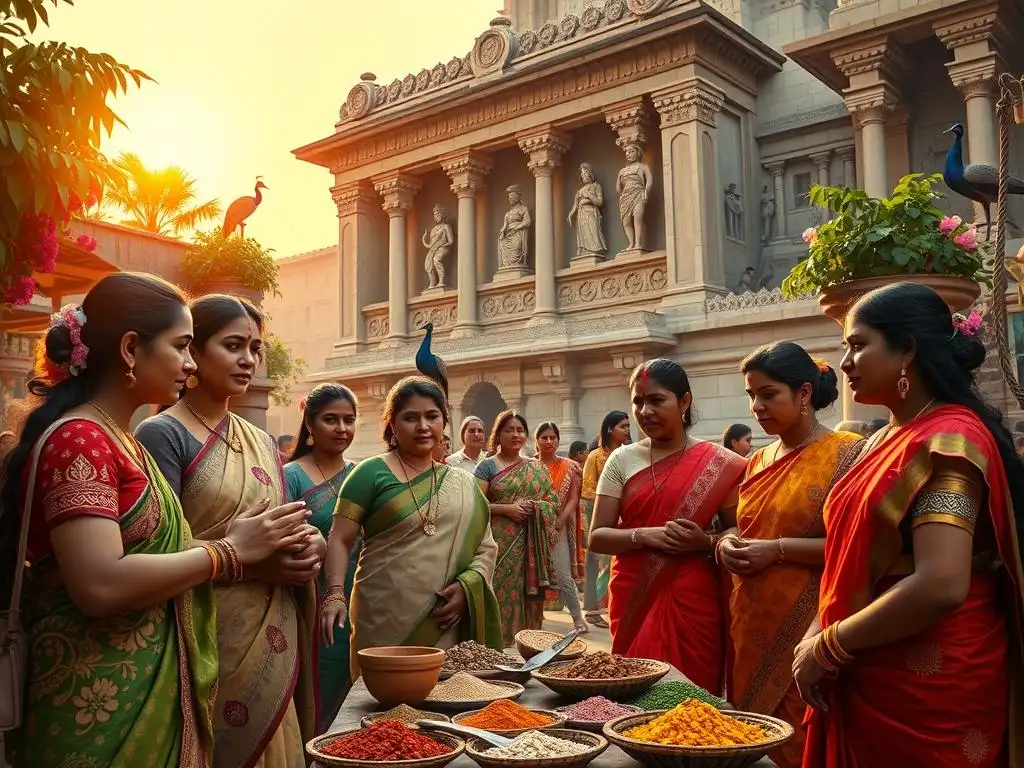
Welcome to Ancient India History, where we embark on a fascinating journey through time to uncover the rich tapestry of cultures and civilizations that shaped the Indian subcontinent. In our exploration today, we delve into the often-overlooked yet vital contributions of women in ancient Indian history. From the resilient matriarchs of the Indus Valley to the intellectuals of the Gupta Empire, their legacies offer profound lessons that resonate even in our modern world. Join us as we unveil the stories of these remarkable women and discover how their influence continues to inspire us today.
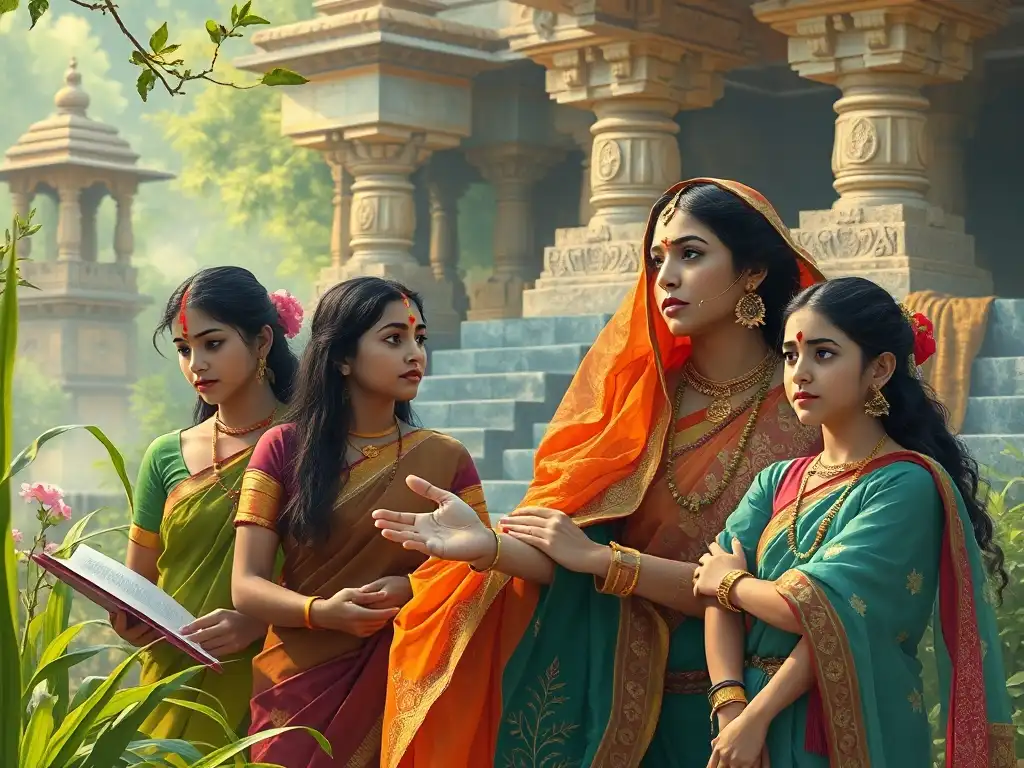
Introduction to Women in Ancient Indian History
The legacy of women in ancient Indian civilizations is a rich tapestry woven with contributions across various domains, from social structures to economic activities and cultural achievements. Understanding the roles of women in these societies not only sheds light on the dynamics of ancient Indian life but also provides invaluable lessons for contemporary discussions surrounding gender equality and women's empowerment.
By exploring the multifaceted experiences of women in ancient India, we can appreciate their resilience and significance in shaping the course of history. This article delves into the roles women played, their societal contributions, and the enduring impact of their legacy, particularly focusing on the Indus Valley Civilization and beyond.
Overview of Women's Roles in Ancient Indian Societies
In ancient Indian societies, women held diverse roles that varied significantly based on geography, class, and historical context. They were often seen as custodians of culture and tradition, responsible for nurturing family values and preserving spiritual practices. However, their contributions extended beyond the household:
- Social Roles: Women participated in religious rituals, festivals, and community gatherings, thus playing a pivotal role in the social fabric.
- Economic Activities: Many women were involved in agriculture, textile production, and handicrafts, contributing significantly to the economy.
- Education and Arts: Women were also engaged in education and the arts, influencing literature, music, and dance.
The complexity of these roles illustrates that women were not merely passive figures but active participants in the shaping of their societies.
Importance of Studying Women in Ancient Indian Civilizations
Studying the roles of women in ancient Indian civilizations is critical for several reasons:
- Understanding Gender Dynamics: It provides insights into how gender roles evolved over time and the societal norms that influenced these changes.
- Cultural Appreciation: Recognizing women's contributions helps in appreciating the cultural heritage of ancient India and its impact on modern society.
- Lessons for Today's Society: The challenges and achievements of women in ancient times can offer guidance for contemporary issues related to gender equality and women's rights.
By examining these factors, we can better understand the importance of women in ancient Indian history and how their legacy continues to resonate today.
Women in the Indus Valley Civilization
The Indus Valley Civilization, one of the earliest urban cultures in the world, provides a fascinating glimpse into the lives of women during this era. The archaeological findings and urban planning of this civilization suggest a complex social structure where women played vital roles.
Social Structure and Gender Roles
In the Indus Valley, evidence indicates that women enjoyed a relatively high status compared to other ancient civilizations. They likely participated in decision-making processes within the family and community. The presence of female figurines and seals suggests that women were revered and possibly held spiritual significance. However, the exact nature of gender roles remains a subject of ongoing research, with some scholars arguing for a more egalitarian structure.
Economic Contributions of Women in the Indus Valley
Women in the Indus Valley made substantial economic contributions, particularly in agriculture and craft production. They were involved in:
- Agriculture: Participating in farming activities, women played a crucial role in sustaining their families and communities.
- Textile Production: Evidence of woven fabrics and dyeing techniques indicates that women were key players in the textile industry.
- Trade: It is believed that women might have participated in trade, enhancing the economic framework of the civilization.
Their involvement in these areas highlights their essential role in the economic development of the Indus Valley.
Artistic and Cultural Achievements of Women
The artistic expressions of women in the Indus Valley are evident in various artifacts, including pottery, jewelry, and sculptures. These works not only showcase the aesthetic skills of women but also reflect their cultural significance:
- Pottery and Crafts: Women likely engaged in pottery making, which was both a domestic necessity and an art form.
- Jewelry: The crafting of intricate jewelry indicates a high level of skill and creativity among women artisans.
- Cultural Symbols: Female figurines found at archaeological sites suggest that women were central figures in the spiritual and cultural narratives of their time.
These artistic achievements underscore the vital role women played in shaping the cultural identity of the Indus Valley Civilization.
By understanding these dimensions of women's lives in ancient Indian civilizations, we can draw parallels and extract lessons relevant to today's discussions on women's roles and contributions in society.
Women in Vedic Period
The Vedic period, spanning from approximately 1500 BCE to 500 BCE, is a significant era in ancient Indian history marked by the composition of the Vedas, the oldest sacred texts of Hinduism. Women during this period enjoyed a relatively high status in society, contributing to various aspects of life, from education to religious practices.
The Role of Women in Vedic Society
In Vedic society, women were not merely confined to domestic roles; they actively participated in social, cultural, and religious activities. Women had the freedom to choose their partners and could even initiate divorce. Notably, the Rigveda highlights women's involvement in rituals and their status as respected members of society.
Women's roles varied across different strata of society, but they were generally considered integral to family and community life. They were often involved in agricultural activities, household management, and the preservation of cultural traditions. The concept of "Grihini" (householder) emphasized the importance of women in maintaining the household and nurturing future generations.
Education and Knowledge: Women as Scholars
Education was highly valued in Vedic society, and women had access to learning, particularly in spiritual and philosophical domains. Prominent female scholars, known as "Brahmavadinis," were respected for their knowledge and wisdom. Figures such as Gargi and Maitreyi are celebrated in Vedic literature for their intellectual contributions.
Gargi, a philosopher, posed profound questions on the nature of the universe during debates with male scholars, demonstrating that women could engage in intellectual discourses. Maitreyi, another esteemed scholar, is known for her dialogues on the nature of the self, highlighting women's active participation in philosophical inquiry.
Rituals and Religious Practices Involving Women
Women played a significant role in rituals and religious practices during the Vedic period. They participated in yajnas (sacrificial rituals), where their presence was deemed essential for the success of the ceremonies. The inclusion of women in such sacred rites underscores their spiritual significance in ancient Indian society.
Moreover, women were involved in the performance of various rituals at home, which were crucial for family well-being and prosperity. The Vedas also contain references to women as priestesses, indicating that they held important positions within religious hierarchies and were responsible for conducting sacred rites.
Women in the Maurya and Post-Mauryan Periods
The Maurya Empire, which flourished from 322 BCE to 185 BCE, witnessed significant changes in the status and roles of women. While some aspects of women's lives remained traditional, there was an emergence of new opportunities for women in political and cultural spheres.
Political Influence of Women in the Mauryan Empire
Women in the Maurya Empire, particularly royal women, wielded considerable political influence. Queens such as Chandragupta Maurya's wife and later, the mother of Ashoka, played pivotal roles in the administration and governance of the empire. Their involvement in political matters was often instrumental in shaping the decisions of their male counterparts.
Furthermore, the presence of women in political spheres can be seen in the form of regents and advisors. The power dynamics within royal families allowed women to exercise authority and influence over state affairs, illustrating their critical role in the political landscape of the time.
Notable Women Leaders and Figures
Throughout the Maurya and Post-Mauryan periods, several women emerged as notable leaders and figures. One such example is the queen of Ashoka, who is credited with promoting Buddhism and social welfare initiatives. Her patronage of Buddhist missionaries and institutions showcases the impact women could have on cultural and religious developments.
Additionally, historical accounts reference women like Pusyamitra Sunga, who led a rebellion against the Mauryan dynasty and later established the Sunga dynasty. Such instances highlight the agency of women during this period and their ability to influence historical trajectories.
Contributions to Arts and Literature
The Maurya and Post-Mauryan periods saw significant contributions from women in the fields of arts and literature. Women were not only patrons of the arts but also active creators of literature and artistic expressions.
The emergence of female poets and playwrights can be traced back to this era, with some texts attributing compositions to women. Additionally, archaeological findings, such as sculptures and inscriptions, reveal that women were depicted in various artistic forms, suggesting their participation in the cultural narrative of the time.
The legacy of women in ancient Indian civilizations, from the Vedic period through the Maurya Empire, reflects a nuanced and multifaceted role that challenges the notion of women's subservience. Their contributions to society, politics, education, and the arts provide valuable lessons for contemporary discussions on gender roles and equality.
Women in the Gupta Empire
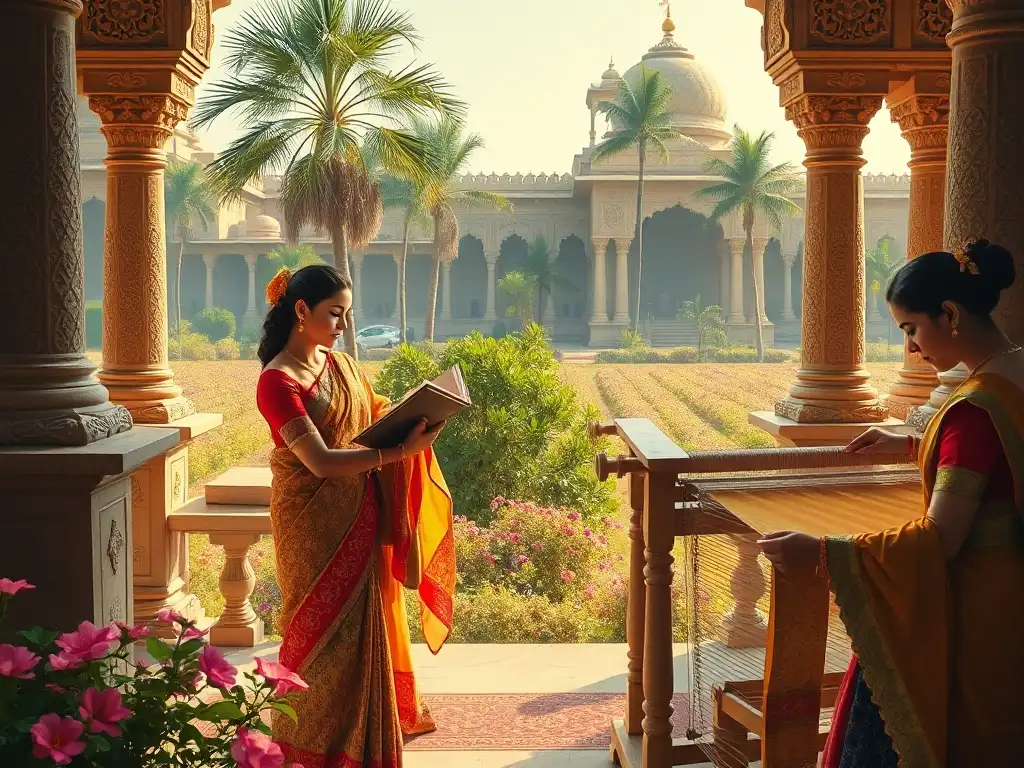
The Gupta Empire, often regarded as the Golden Age of India (approximately 320 to 550 CE), witnessed significant developments in culture, science, and philosophy. Within this flourishing society, the role of women was multifaceted, reflecting both traditional societal norms and progressive ideas. Women during this period enjoyed certain rights and privileges, especially in the realms of education and artistic expression. However, their status varied considerably based on caste and regional differences, leading to a complex portrayal of women's lives in Gupta society.
The Status of Women during the Gupta Era
During the Gupta Era, the status of women experienced a blend of empowerment and restrictions. While women were often expected to adhere to domestic roles, many had access to education, particularly in higher social strata. Texts from this period suggest that women could participate in scholarly pursuits, and some even held positions of influence in their communities. For instance, the famous poetess and philosopher, Vasavadatta, exemplifies the intellectual contributions of women during this time. Additionally, women enjoyed rights to inherit property, which was a notable aspect of their legal status in contrast to later periods in Indian history.
However, the ideal of pativrata (devotion to husband) was also emphasized, leading to societal expectations that women prioritize family over personal aspirations. The practice of child marriage became more prevalent, which often curtailed women's opportunities for education and self-expression. Thus, while the Gupta Era allowed for some advancements for women, it was not devoid of limitations that influenced their autonomy.
Women in Science, Mathematics, and Philosophy
The Gupta Empire is celebrated for its contributions to science and philosophy, and women played a role in these domains, albeit often overlooked in historical narratives. Notably, scholars like Aryabhata and Brahmagupta laid the groundwork for advancements in mathematics and astronomy. While historical records do not explicitly mention many female contributors, it is believed that women were involved in these intellectual pursuits, particularly in the fields of Ayurveda and Vedic studies.
The existence of texts such as the Aryabhata Samhita and Brahmasphutasiddhanta indicates a rich tradition of knowledge that women likely engaged with, whether as students, practitioners, or scholars. Furthermore, the era's philosophical discourses often included discussions on ethics and morality, which would have been relevant to women’s roles in society. The potential for women to contribute to scientific and philosophical advancements during the Gupta period remains an area ripe for further exploration.
The Role of Women in Family and Society
In the Gupta Empire, women primarily fulfilled domestic roles, serving as wives and mothers, which were central to family life. The family unit was considered the cornerstone of society, and women were expected to embody virtues such as loyalty and devotion. They were responsible for managing household affairs, which included not only domestic tasks but also the upbringing of children and the education of future generations.
Despite the domestic focus, women also participated in social and cultural activities. They were involved in rituals, festivals, and artistic expressions, such as dance and music, reflecting their integral role in maintaining cultural continuity. Additionally, some women held positions of power, particularly within royal families, where they could influence decisions and policies. This duality of being both caregivers and cultural custodians illustrates the complex nature of women's roles in Gupta society, highlighting their significance beyond mere domesticity.
Lessons from the Legacy of Women in Ancient Indian History
The legacy of women in ancient Indian civilizations, particularly during the Gupta Empire, offers valuable lessons that resonate with contemporary discussions on gender roles and empowerment. By examining historical practices and societal structures, we can draw insights that inform modern perspectives on women's rights and equality.
Empowerment and Education: Learning from the Past
One of the most striking aspects of women's roles in ancient India, particularly during the Gupta period, is their access to education. This empowerment through learning not only fostered individual growth but also contributed to societal prosperity. The emphasis on education for women, especially in high-status families, serves as a reminder of the importance of education in empowering women today. By advocating for equal educational opportunities, society can harness the potential of women, leading to broader advancements in various fields.
Cultural Contributions and Their Relevance Today
The contributions of women to culture, arts, and knowledge in ancient India highlight the importance of recognizing diverse voices in society. Women were not mere spectators in the cultural narrative; they were active participants and creators. Today, acknowledging and celebrating women’s contributions in arts, literature, and science can inspire future generations and foster a more inclusive cultural landscape. This recognition can help dismantle stereotypes and promote gender equality, encouraging women to pursue their passions and share their talents.
Modern Perspectives on Gender Equality Inspired by Ancient Practices
The historical practices surrounding women's rights and roles in ancient India can inform current movements for gender equality. By examining the progressive elements of women's status during the Gupta Empire, modern society can draw parallels and identify strategies for improvement. Understanding that women once held rights to property and education can inspire contemporary discussions about women's autonomy and economic independence. Furthermore, the legacy of strong female figures in ancient history can serve as role models, empowering women today to challenge societal norms and advocate for their rights.
In essence, the legacy of women in ancient Indian history is a testament to their resilience and contributions, offering profound lessons that remain relevant as we navigate modern challenges in gender equality.
Conclusion
The exploration of women's roles in ancient Indian civilizations reveals a rich tapestry of contributions that often go unrecognized in mainstream historical narratives. From the spiritual leadership of women in Vedic society to their roles as scholars, rulers, and artisans, it is evident that women were integral to the cultural, social, and economic fabric of ancient India.
Their legacies teach us that gender roles have evolved over time and that acknowledging these contributions is vital for a holistic understanding of history. As we reflect on these lessons, it becomes clear that the empowerment and recognition of women in the past can serve as a guiding light for contemporary society, encouraging us to strive for equality and inclusivity.
The Importance of Recognizing Women's Contributions in History
Recognizing women's contributions in history is crucial for several reasons. Firstly, it ensures a balanced perspective of historical events and narratives, allowing us to appreciate the full scope of human achievement. Women have played pivotal roles in various domains such as governance, education, and the arts, and their stories deserve to be highlighted.
Moreover, understanding the historical context of women's roles can provide insights into the ongoing struggles for gender equality today. By acknowledging the achievements of women in ancient societies, we can challenge prevailing stereotypes and biases that continue to persist. This recognition fosters a sense of pride and inspiration for future generations, showing that women have always been agents of change and progress.
Lastly, integrating women's contributions into the broader historical narrative enriches our understanding of cultural heritage and identity. It allows for a more inclusive celebration of the past, where every individual's story is valued, thereby promoting a society that respects and honors diversity.
Call to Action: Embracing the Lessons from Ancient Indian Civilizations
As we delve into the legacies of women in ancient Indian civilizations, it is imperative that we embrace the lessons they impart. Here are some actionable steps we can take:
- Educate Yourself and Others: Seek out literature, documentaries, and resources that highlight women's roles in history. Share this knowledge to raise awareness among peers about the significance of women's contributions.
- Support Gender Equality Initiatives: Get involved in local or global initiatives that aim to empower women and promote equality. Your participation can make a substantial impact in advocating for women's rights.
- Challenge Stereotypes: In conversations and discussions, be proactive in challenging gender stereotypes. Encourage a narrative that recognizes the achievements of women across all fields.
- Celebrate Women's Contributions: Organize events or activities that honor the achievements of women in history, such as exhibitions, lectures, or workshops. Highlight figures from ancient Indian history to inspire future generations.
- Advocate for Inclusive History Education: Push for a curriculum that includes women's history as a critical component of education, ensuring that future generations understand the importance of all contributors to history.
By taking these steps, we not only honor the legacy of women from ancient Indian civilizations but also pave the way for a future that values equality and inclusivity. Let us carry forward their lessons and strive to create a world where every woman’s voice is heard and celebrated.
- Introduction to Women in Ancient Indian History
- Women in the Indus Valley Civilization
- Women in Vedic Period
- Women in the Maurya and Post-Mauryan Periods
- Women in the Gupta Empire
- Lessons from the Legacy of Women in Ancient Indian History
- Conclusion
- What roles did women play in ancient Indian civilizations?
- Were women in ancient India allowed to receive education?
- How were women represented in ancient Indian literature?
- Did women have legal rights in ancient India?
- What lessons can modern society learn from the legacy of women in ancient India?
Frequently Asked Questions
What roles did women play in ancient Indian civilizations?
Women in ancient India had varied roles ranging from household management to participating in religious and cultural practices. Some women also held positions of power and influence in society.
Were women in ancient India allowed to receive education?
Yes, women in ancient India had access to education, particularly in elite families. They were educated in arts, literature, and philosophy, although opportunities varied significantly across different regions and classes.
How were women represented in ancient Indian literature?
Women were often depicted in ancient Indian literature as muses, warriors, and goddesses. These representations reflect their complex roles and the cultural values of the time.
Did women have legal rights in ancient India?
Women in ancient India had certain legal rights, particularly in matters of inheritance and property, though these rights were often limited and varied based on social class and regional customs.
What lessons can modern society learn from the legacy of women in ancient India?
The legacy of women in ancient Indian civilizations highlights the importance of gender equality and the value of women's contributions to society, offering insights that remain relevant in today's quest for social justice and empowerment.
Final Reflection: Embracing the Legacy of Women in Ancient Indian History
The contributions of women in ancient Indian civilizations are not just historical footnotes; they are powerful narratives that resonate with our contemporary society. As we delve into the rich tapestry of women’s roles in shaping culture, governance, and spirituality, we uncover lessons that are profoundly relevant today. The strength, resilience, and ingenuity of these women remind us that their legacies continue to inspire movements for gender equality and empowerment in our modern world.
The influence of women in ancient Indian history is a testament to the enduring spirit of female empowerment. From the scholarly pursuits of Gargi and Maitreyi to the leadership of Rani Durgavati, these figures have paved the way for future generations to challenge societal norms. As we reflect on their stories, we recognize that their struggles and triumphs are echoed in today’s fight for women’s rights. > “The history of women is the history of humanity.” This quote encapsulates the idea that the contributions of women are integral to the broader narrative of civilization itself.
As we conclude this exploration, I invite you to reflect on the lessons from these remarkable women and consider how their legacies can inform our actions today. Let us honor their contributions by advocating for equality, supporting women’s voices, and fostering an environment where future generations can thrive. By embracing the lessons of the past, we can create a more inclusive and equitable future for all.
Unveil the Wisdom of Ancient Women — Take Action Today!
Thank you for diving into the incredible legacy of women in ancient Indian civilizations! By exploring their stories, you’ve uncovered invaluable lessons that resonate even today. Now, it’s time to take that knowledge and transform it into action!
Here’s how you can further engage with this rich heritage:
- Join a local women’s history group to connect and share insights about the powerful roles women played throughout history.
- Read and discuss a book that highlights the lives of women in ancient cultures to deepen your understanding and inspire meaningful dialogue.
- Share your favorite insights from this article on social media to spark conversations among your friends and family about the impact of these remarkable women.
What role do you believe women from ancient civilizations can play in shaping a more equitable future for gender equality today?