
The Power of Sisterhood: Women’s Networks in Ancient India

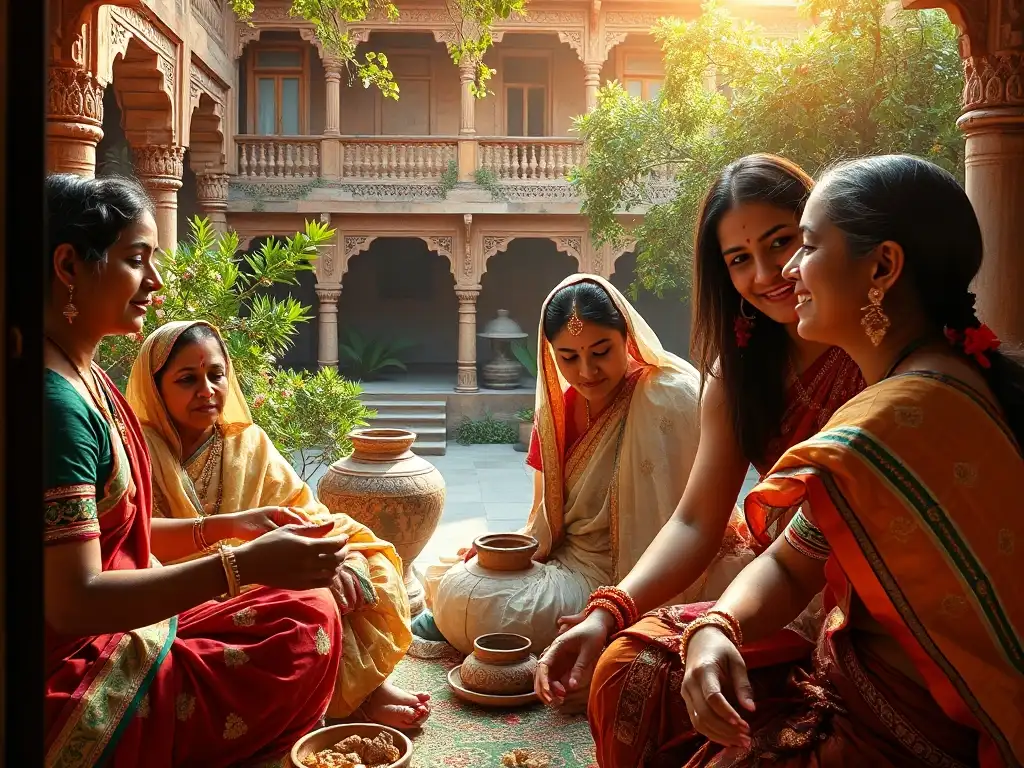
Welcome to Ancient India History, where we embark on a fascinating journey through the rich tapestry of civilizations that shaped the Indian subcontinent. In this exploration, we delve into the intriguing dynamics of women’s roles in ancient India, particularly through our featured article, "The Power of Sisterhood: Women’s Networks in Ancient India."
Discover the stories of resilience, collaboration, and influence that defined the lives of women in a time when their contributions were vital yet often overlooked. Join us as we uncover the essential threads of sisterhood that wove together the fabric of society, inviting you to delve deeper into the legacies that continue to inspire us today.
Introduction to Women’s Roles in Ancient India
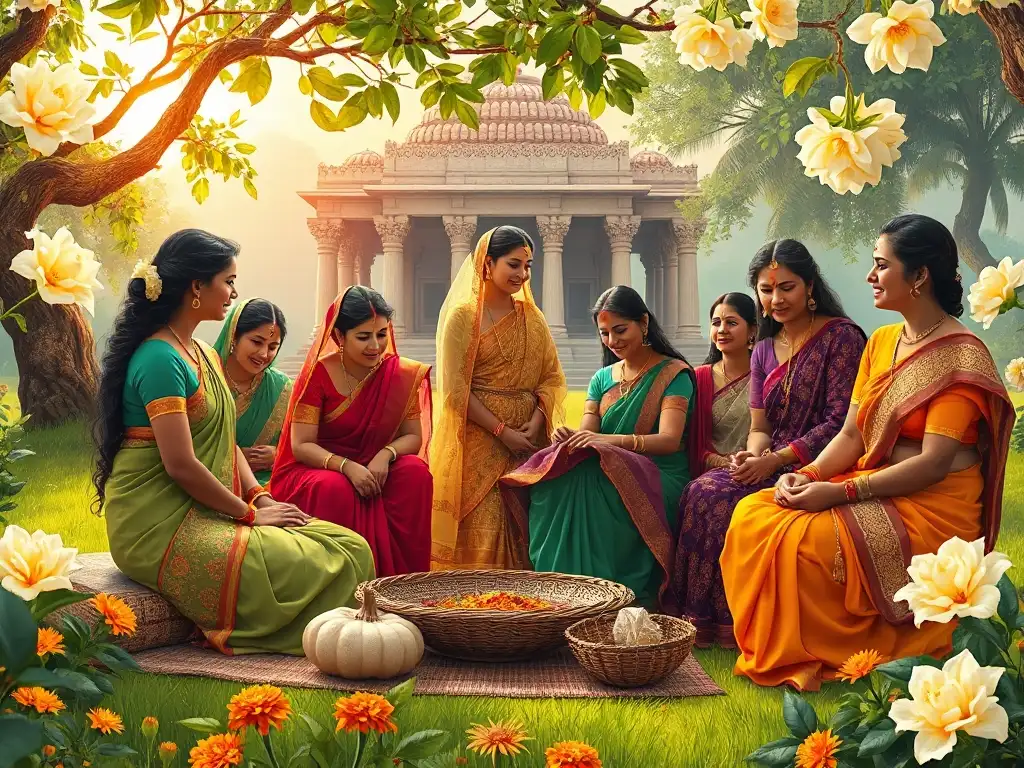
The history of ancient India is not just a tale of kings, empires, and wars; it also encompasses the significant and often overlooked roles that women played in shaping society. The concept of sisterhood and the formation of women’s networks were pivotal in ancient Indian civilizations, allowing women to support each other and assert their influence in various spheres of life.
From the early days of the Indus Valley Civilization to the flourishing Gupta Empire, women participated in economic, social, and religious domains, each contributing uniquely to their communities. Understanding the roles and networks of women in ancient India is essential for appreciating the complexities of their influence and the evolution of gender dynamics throughout history.
Overview of Women’s Contributions in Ancient Indian Society
Women in ancient India made substantial contributions that spanned various domains, including:
- Economic Activities: Many women were involved in agriculture, crafts, and trade, often running family businesses or participating in local markets.
- Art and Culture: Women played crucial roles in the preservation and transmission of cultural practices, including music, dance, and literature. Some even emerged as poets and scholars, influencing the intellectual landscape of their time.
- Religious Practices: Women were active participants in religious rituals and ceremonies, sometimes holding significant positions within spiritual communities. Their roles in rituals could elevate their status within society.
- Political Influence: In certain periods, women wielded considerable power as queens, regents, or advisors, shaping political decisions and alliances.
These contributions highlight that women were not merely passive participants but active agents of change and continuity in their societies.
Importance of Sisterhood and Networks Among Women
The concept of sisterhood among women in ancient India served as a crucial mechanism for fostering solidarity and mutual support. Such networks were instrumental in:
- Sharing Knowledge: Women exchanged information about health, agriculture, and crafts, enhancing their collective wisdom and skills.
- Providing Emotional Support: Sisterhood offered a safe space for women to share their experiences and challenges, creating strong bonds that transcended family ties.
- Facilitating Political Alliances: Marriages often served as strategic alliances, and women networks could help in negotiating terms and strengthening ties between families.
The strength of these networks is evident in various historical texts and archaeological findings, which underscore the vital role of women in maintaining social cohesion and cultural continuity.
Historical Context of Women in Ancient India
To understand the dynamics of women’s roles in ancient India, it is crucial to examine the historical context that shaped their lives. Various periods and civilizations offered different opportunities and challenges for women, influencing their status and contributions.
The Status of Women in Different Periods
The status of women in ancient India evolved through several key periods, including:
- Indus Valley Civilization (c. 3300–1300 BCE): Evidence suggests women enjoyed relative freedom and status, with depictions of women in art and artifacts indicating their involvement in various activities.
- Vedic Period (c. 1500–500 BCE): Women began to experience restrictions, but texts like the Rigveda highlight their roles as scholars and spiritual leaders.
- Maurya and Gupta Periods (c. 322 BCE–550 CE): Women faced increasing social restrictions, yet many rose to prominence as influential queens and patrons of arts and literature.
Each period is characterized by distinct social norms and cultural practices that influenced women’s rights and roles.
Key Civilizations and Their Influence on Women’s Roles
Different civilizations in ancient India contributed to shaping women’s roles in unique ways:
| Civilization | Influence on Women’s Roles |
|---|---|
| Indus Valley | Evidence of women’s independence and participation in trade; depictions of female figures suggestive of societal respect. |
| Vedic Civilization | Emergence of female scholars (Brahmavadinis) and spiritual leaders; texts indicating women’s participation in rituals. |
| Mauryan Empire | Prominent queens like Chandragupta's mother and their political influence; female warriors mentioned in historical records. |
| Gupta Empire | Increased patronage of arts by women; emergence of women as scholars and poets, alongside a rise in educational institutions. |
These civilizations helped shape the narrative of women's roles in ancient India, revealing a complex tapestry of influence and change over time.
The rich history of women’s networks and sisterhood in ancient India reflects their vital contributions and enduring legacy. Understanding these roles not only enriches our knowledge of ancient Indian society but also highlights the importance of women's solidarity throughout history.
The Concept of Sisterhood in Ancient India
The concept of sisterhood in ancient India transcended the mere familial bonds between women; it encapsulated a broader network of relationships that fostered cooperation, support, and collective empowerment. Sisterhood was rooted in the cultural and social fabric of ancient Indian society, where women often relied on each other for emotional, social, and even economic support. This interconnectedness played a pivotal role in shaping women's identities and their contributions to society.
Definition and Significance of Sisterhood
Sisterhood in ancient India can be defined as a communal bond among women that fostered solidarity and unity. This bond was significant not only in personal relationships but also in various social structures, including religious practices, economic endeavors, and political movements. Women's networks were essential for the exchange of knowledge, skills, and resources, which enabled them to navigate the challenges posed by a predominantly patriarchal society.
The significance of sisterhood is further highlighted in texts and historical references, where women banded together to support one another through life's trials. These networks often provided a sanctuary where women could share their experiences, seek advice, and find strength in numbers, reinforcing the idea that they were not alone in their struggles.
Sisterhood as a Source of Support and Empowerment
Sisterhood served as a vital source of support and empowerment for women in ancient India. Women engaged in various forms of collective action, from participating in rituals and festivals to forming guilds and cooperatives. These activities not only strengthened their bonds but also enhanced their social status and economic independence.
For instance, women in many communities would come together to celebrate festivals, which allowed them to express their shared cultural identity and foster a sense of belonging. Additionally, these gatherings often provided platforms for discussing social issues and advocating for change, thereby empowering women to take active roles in their communities.
The power of sisterhood also manifested in the form of mentorship, where experienced women guided younger generations, ensuring the transmission of knowledge and traditions. This mentorship was crucial in cultivating a sense of confidence and resilience among women, enabling them to challenge societal norms and pursue their aspirations.
Prominent Women’s Networks in Ancient India
Throughout ancient Indian history, various women's networks emerged, each leaving a lasting impact on society. These networks were instrumental in promoting women's rights, enhancing their roles within the family, and contributing to the socio-economic development of their communities.
Overview of Notable Women’s Groups and Their Impact
Notable women's groups included guilds, religious sects, and informal associations that played significant roles in different regions of ancient India. For example, women’s guilds in urban centers often focused on trade and crafts, enabling women to gain financial independence and influence.
These groups were not only economic entities but also social ones, where women supported each other in times of need. The collaboration among women in such networks facilitated the sharing of resources, skills, and knowledge, leading to increased empowerment and recognition of women's contributions to various fields.
The impact of these networks extended beyond their immediate surroundings, as they contributed to broader social changes. They challenged the traditional norms that confined women to domestic roles and demonstrated that women could be active participants in economic and social spheres.
Case Study: The Women’s Guilds of Ancient Tamil Nadu
The women’s guilds of ancient Tamil Nadu represent a prominent case study in understanding the power of sisterhood. These guilds, known as "Ayyanar," were formed by women artisans and traders who collaborated to enhance their economic standing. They organized themselves into cooperative societies that allowed for collective bargaining, skill-sharing, and mutual support.
The significance of these guilds extended beyond economic benefits; they also played a crucial role in empowering women socially and politically. Membership in these guilds often provided women with a platform to voice their concerns and advocate for their rights, thereby challenging the patriarchal structures of the time.
Additionally, historical records indicate that these guilds were involved in religious and cultural activities, reinforcing their members' social identities and communal bonds. The success of the women’s guilds in ancient Tamil Nadu serves as a testament to the strength and resilience of sisterhood, highlighting its critical role in shaping women's roles and contributions in ancient India.
The Role of Religion and Spirituality in Women’s Networks
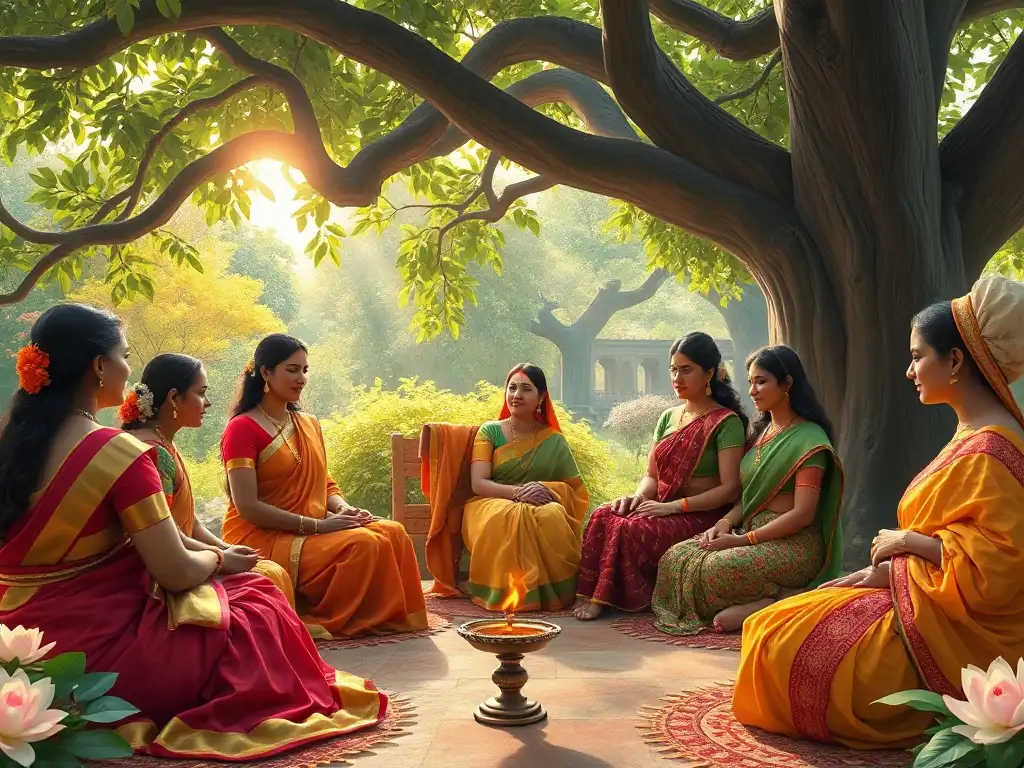
Religion and spirituality played a significant role in shaping women's networks in ancient India. These networks were often formed around shared beliefs and practices, which provided women with a sense of community and purpose. Temples, rituals, and festivals were not only places of worship but also social hubs where women could gather, exchange ideas, and support one another. The presence of female deities in Hinduism, such as Durga and Lakshmi, also inspired women to find strength and empowerment through their spiritual identities.
Women actively participated in religious rituals, which often included the recitation of sacred texts and the performance of specific rites. This participation allowed them to forge connections with other women, creating a powerful network that transcended social and regional boundaries. Additionally, the spiritual teachings often emphasized values such as compassion, nurturing, and strength, which reinforced the importance of sisterhood among women in their communities.
Women in Ancient Indian Religious Practices
In ancient India, women were integral to various religious practices, often taking on roles as priestesses, ritual performers, and educators of religious texts. For instance, in certain sects, women held positions of authority within temple complexes, where they managed rituals and led devotional practices. This involvement was not merely a matter of participation; it often afforded women a degree of influence and respect within their communities.
The participation of women in religious festivals, such as Navaratri and Diwali, further showcased their roles as custodians of cultural and spiritual traditions. Through these festivals, women could bond with one another, share stories, and pass down knowledge, thus strengthening their networks. Moreover, the rituals often emphasized the importance of female power and energy, which women could harness to enact real change within their social spheres.
Influence of Religious Texts on Women’s Roles and Relationships
Religious texts, including the Vedas, Upanishads, and Puranas, have significantly influenced the roles and relationships of women in ancient India. While some texts prescribed traditional roles for women, others offered more progressive interpretations that emphasized education and spiritual empowerment. For example, the Rigveda includes hymns that celebrate women's intellectual and spiritual contributions, highlighting figures like Gargi and Maitreyi, who were revered for their wisdom.
Moreover, the interpretation of these texts has evolved over time, with certain feminist scholars and practitioners re-examining ancient scriptures to extract empowering narratives about women. This reinterpretation has allowed modern communities to foster a renewed understanding of women's roles, leading to a more inclusive view of women's contributions to religion and society.
Sisterhood among women in ancient India was not just about personal relationships; it also encompassed collective action for social reform. Women’s networks were instrumental in advocating for change, particularly in contexts where social injustices, such as caste discrimination and gender inequality, were prevalent. These networks often mobilized around shared causes, leveraging their interconnectedness to influence public opinion and enact reforms.
Women’s Networks in Social Change
Women’s networks in ancient India played a crucial role in various social change movements. For instance, during the late 19th and early 20th centuries, groups of women began to organize to challenge oppressive practices such as child marriage and sati (the practice of widow self-immolation). These movements were often spearheaded by educated women who used their social networks to raise awareness and garner support from both men and women.
The emergence of women's organizations, such as the Brahmo Samaj and the Arya Samaj, provided platforms for women to voice their concerns and advocate for their rights. These organizations facilitated discussions on women's education, health, and legal rights, fostering a sense of solidarity among women from diverse backgrounds. By forming networks that transcended class and caste barriers, women were able to create a united front against social injustices, demonstrating the power of sisterhood in effecting change.
Major Figures and Their Contributions to Women’s Rights
Throughout ancient and medieval India, several key figures emerged who significantly contributed to the advancement of women’s rights. Leaders like Savitribai Phule, who championed women’s education and fought against caste discrimination, exemplified the impact of women’s networks in social reform. Phule's efforts to establish schools for girls were pivotal in challenging societal norms and empowering generations of women.
Similarly, women like Kamaladevi Chattopadhyay played a vital role in the Indian independence movement and focused on promoting women's participation in the arts and crafts. These major figures not only influenced their contemporaries but also left lasting legacies that inspired future generations of women to continue the fight for equality and rights. Their contributions underscore the importance of sisterhood in activism, highlighting how collective efforts can lead to meaningful social change.
The Legacy of Women’s Networks in Ancient India
The legacy of women's networks in ancient India is profound and multifaceted, shaping not only the social fabric of their time but also influencing future generations. These networks often revolved around familial ties, shared experiences, and communal activities, creating a strong sense of solidarity among women. From the Vedic period to the Gupta Empire, women played significant roles in various aspects of life, including religion, economy, and governance.
In ancient texts, we can find references to women who were not only active participants in their households but also engaged in public life. For instance, women like Gargi and Maitreyi were renowned scholars, indicating that intellectual pursuits were accessible to women within certain social strata. Furthermore, the presence of female guilds, such as those involved in weaving and pottery, exemplified the economic networks that empowered women, allowing them to contribute to their family income and societal status.
These networks often provided a buffer against patriarchal constraints. Women could rely on their sisters, mothers, and friends for support, both emotional and practical, which fostered resilience in the face of societal challenges. The bonds formed through these networks facilitated the sharing of knowledge, skills, and resources, ensuring that women had a collective voice and identity.
Lasting Impact on Modern Women’s Roles
The impact of ancient women's networks extends into modern society, where the echoes of these historical connections can still be felt. In contemporary India, women continue to form groups and associations that mirror the sisterhoods of the past. These modern networks serve various purposes, from professional networking and entrepreneurship to social support and activism.
The legacy of sisterhood has contributed to the increasing recognition of women's roles in various fields, including politics, business, and education. Today's women often draw inspiration from the resilience and solidarity exhibited by their ancient counterparts, fostering a sense of empowerment and community. The collaborative spirit that characterized ancient women's networks informs contemporary movements advocating for gender equality and women's rights, highlighting the enduring relevance of these historical connections.
Lessons from Ancient Sisterhood for Contemporary Society
Ancient women's networks provide valuable lessons for contemporary society, particularly in the realms of collaboration and mutual support. The strength found in sisterhood can serve as a powerful tool for women today, encouraging them to unite in pursuit of common goals, whether in personal development, career advancement, or social justice.
Additionally, the emphasis on sharing knowledge and resources among women can inspire modern initiatives aimed at education and mentorship. By fostering environments where women can learn from one another, society can replicate the supportive structures that existed in ancient times, thereby enhancing women's roles and contributions across various sectors.
Furthermore, the historical context underscores the importance of recognizing and valuing women's contributions beyond conventional roles, encouraging a broader appreciation for the diverse capabilities women bring to society. By understanding and celebrating these legacies, contemporary society can work towards dismantling barriers and creating inclusive spaces for all women.
Conclusion: Celebrating Women’s Roles in Ancient India
The exploration of women's roles in ancient India reveals a rich tapestry of experiences and contributions that have shaped the course of history. Celebrating these roles not only honors the women of the past but also empowers current and future generations to recognize the significance of sisterhood and collaboration.
Reflection on the Power of Sisterhood
Reflecting on the power of sisterhood in ancient India reveals its transformative potential. The networks formed by women provided them with the strength to navigate societal challenges and assert their identities. This legacy reinforces the idea that collaboration among women can lead to substantial change and progress, both in personal lives and within society at large.
Final Thoughts on Women’s Contributions and Their Relevance Today
The contributions of women in ancient India serve as a vital reminder of their integral role in shaping history. Recognizing the relevance of these contributions today encourages a deeper understanding of gender dynamics and the potential for women's empowerment. As we celebrate the legacy of sisterhood, we are inspired to create a more equitable and inclusive society where women can thrive, echoing the spirit of those who came before them.
- Introduction to Women’s Roles in Ancient India
- Historical Context of Women in Ancient India
- The Concept of Sisterhood in Ancient India
- Prominent Women’s Networks in Ancient India
- The Role of Religion and Spirituality in Women’s Networks
- Sisterhood and Social Reform Movements
- The Legacy of Women’s Networks in Ancient India
- Conclusion: Celebrating Women’s Roles in Ancient India
Frequently Asked Questions
What were the primary roles of women in ancient India?
Women in ancient India played pivotal roles as mothers, caretakers, and educators, shaping family values and traditions while also participating in economic activities.
How did women's networks influence society in ancient India?
Sisterhood and female networks provided support systems for women, facilitating social cohesion and enhancing their ability to influence cultural and economic practices within their communities.
Were women in ancient India involved in religious practices?
Yes, women actively participated in religious rituals and were often seen as custodians of spiritual traditions, contributing to the preservation of cultural identity.
What legal rights did women have in ancient India?
Women had certain legal rights, including property ownership and inheritance, although these rights varied across different regions and historical periods.
How did the status of women change over time in ancient India?
The status of women in ancient India fluctuated, with periods of relative freedom and empowerment, particularly during the Gupta Empire, contrasting with later restrictions imposed by societal norms.
Final Reflection: The Enduring Legacy of Sisterhood in Ancient India
The exploration of women's roles in ancient India reveals a profound truth: the strength of sisterhood transcends time and continues to resonate in our modern society. The networks of women in ancient India not only shaped their communities but also laid the groundwork for future generations to challenge societal norms and advocate for their rights. Today, as we navigate the complexities of gender dynamics, we can draw inspiration from these historical alliances that empowered women to support one another in their pursuits.
The influence of these sisterhoods is palpable in contemporary culture, where women continue to forge connections that uplift and inspire. The bonds formed among women in ancient India serve as a reminder of the power of collective action and solidarity in the face of adversity. As we reflect on this legacy, we are reminded of the words of Maya Angelou: I am grateful to be a woman. I must have done something great in another life.
This sentiment encapsulates the strength and resilience that women have demonstrated throughout history, reminding us that our shared experiences can foster an unbreakable bond.
As we conclude this exploration of women's roles in ancient India, I invite you to reflect on the sisterhoods in your own life. Consider how you can cultivate these connections, support one another, and carry forward the spirit of collaboration that has empowered women for centuries. By embracing the lessons of the past, we can create a future where sisterhood continues to thrive, enabling us to uplift each other and champion the cause of gender equality in our communities.
Embrace the Power of Sisterhood Today!
Thank you for joining us on this journey through the remarkable influence of women's networks throughout history. We hope you feel inspired by the strength and resilience of sisterhood that has shaped communities and cultures. Now, let’s take that inspiration and turn it into action!
Here are a few steps you can take today to honor the legacy of sisterhood:
- Join or Create a Local Women’s Network: Connect with others in your community to share experiences, resources, and support. If no network currently exists, consider being the catalyst to start one!
- Explore Histories of Women Across Cultures: Delve into how women's networks and sisterhood have influenced societies around the globe. Share your findings with friends or on social media to spread this valuable knowledge.
- Empower Women Through Action: Volunteer your time or skills to support organizations focused on women's issues in your area. Every small contribution can lead to meaningful change!
What will you do today to contribute to the powerful legacy of sisterhood in your own life? We invite you to share your thoughts in the comments below!