
From Rajmahal to Puri: Historical Sites That Define Eastern India

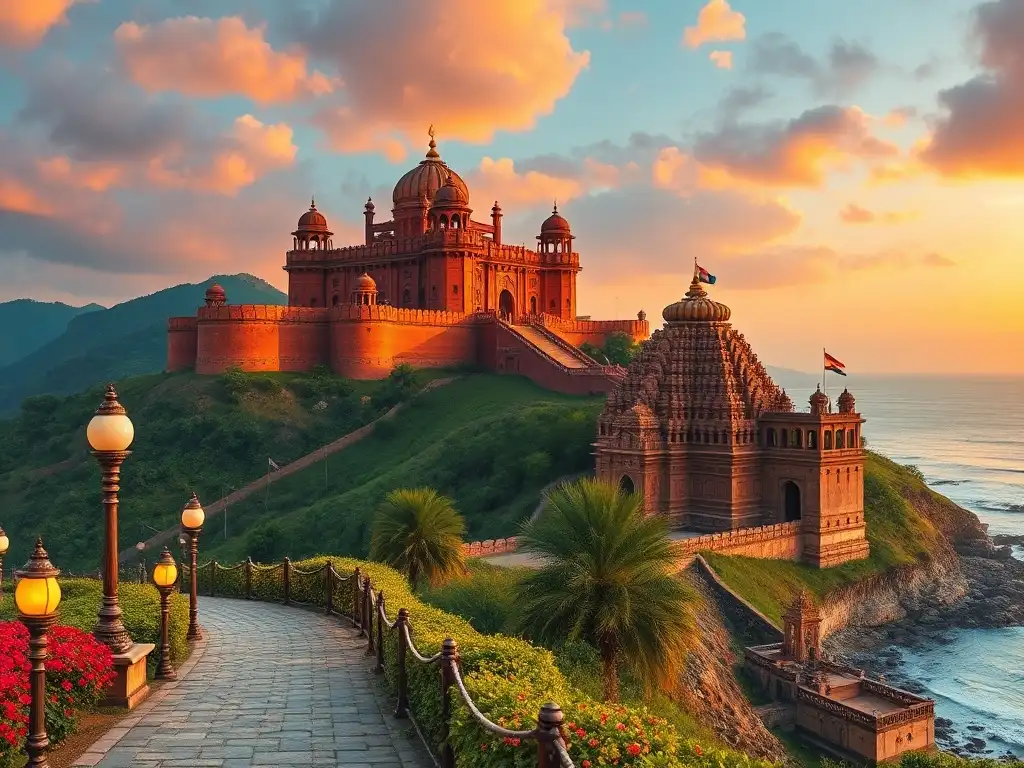
Welcome to Ancient India History, where we embark on a journey through the rich tapestry of ancient Indian civilizations. Today, we invite you to explore the historical sites in Eastern India, from the majestic Rajmahal to the spiritual heart of Puri. These remarkable locations not only tell the tales of their time but also reflect the profound cultural heritage that has shaped the region.
As you delve into our latest article, "From Rajmahal to Puri: Historical Sites That Define Eastern India," prepare to uncover the secrets of the past that continue to inspire and intrigue. Let your curiosity guide you deeper into the wonders of Eastern India's history!
- Introduction to Historical Sites in Eastern India
- Rajmahal: The Ancient Capital of the Mughals
- The Temples of Khajuraho: A Testament to Ancient Art
- The City of Puri: Spiritual and Cultural Hub
- The Ancient City of Nalanda: A Beacon of Learning
- Bodh Gaya: The Cradle of Buddhism
- The Forts of Bengal: A Reflection of Defensive Architecture
- Conclusion: The Legacy of Historical Sites in Eastern India
-
Frequently Asked Questions
- What are some notable historical sites in Eastern India?
- Why is the Rajmahal significant in ancient Indian history?
- How does the Konark Sun Temple reflect the cultural heritage of Eastern India?
- What contributions did the Gupta Empire make to Eastern India?
- How can one explore the historical sites in Eastern India?
- Final Reflection: Embracing the Heritage of Eastern India
- Unveil the Rich Heritage of Eastern India!
Introduction to Historical Sites in Eastern India
Eastern India, a region steeped in history, culture, and spirituality, offers a unique tapestry of ancient civilizations that have shaped the Indian subcontinent. From the majestic ruins of the Rajmahal Hills to the sacred temples of Puri, the historical sites in Eastern India serve as windows into the past, revealing the rich narratives of dynasties, trade routes, and cultural exchanges.
This article embarks on a journey through these remarkable landmarks, exploring their significance and the stories they tell about the diverse heritage of Eastern India. As we delve deeper, we aim to highlight how these sites not only reflect the architectural brilliance of ancient times but also embody the enduring traditions and values that continue to influence contemporary society.
Overview of Eastern India's Rich History
The history of Eastern India is a fascinating saga that stretches back thousands of years, beginning with the early settlements of the Indus Valley Civilization. Over time, this region has witnessed the rise and fall of numerous empires, including the Maurya, Gupta, and Pala dynasties, each contributing to the vibrant cultural mosaic that defines Eastern India today.
- Indus Valley Civilization: One of the world's earliest urban civilizations, known for its advanced city planning and architecture.
- Maurya Empire: Flourished under Ashoka, known for spreading Buddhism and establishing a vast network of trade.
- Gupta Empire: Often referred to as the Golden Age of India, marked by remarkable achievements in science, literature, and the arts.
These historical phases not only enriched the region's cultural heritage but also fostered an environment of intellectual and artistic growth, leading to significant advancements that resonate even in modern times.
Importance of Historical Sites in Understanding Eastern India
Historical sites in Eastern India play a crucial role in understanding the region's complex narrative. They serve as tangible links to the past, offering insights into the social, political, and economic dynamics that have shaped the area over centuries. By visiting these sites, one can:
- Preserve Cultural Heritage: Historical sites act as custodians of the region's rich heritage, preserving traditions and practices that might otherwise be lost.
- Educational Value: These landmarks provide invaluable learning opportunities for historians, archaeologists, and tourists alike, fostering a deeper appreciation for Eastern India's contributions to world history.
- Tourism and Economy: The preservation of historical sites boosts tourism, which is essential for the local economy and helps raise awareness about the significance of these landmarks.
In essence, the exploration of historical sites in Eastern India not only enriches our understanding of the past but also enhances our appreciation for the cultural diversity that continues to thrive in this vibrant region.
Rajmahal: The Ancient Capital of the Mughals
Historical Significance of Rajmahal
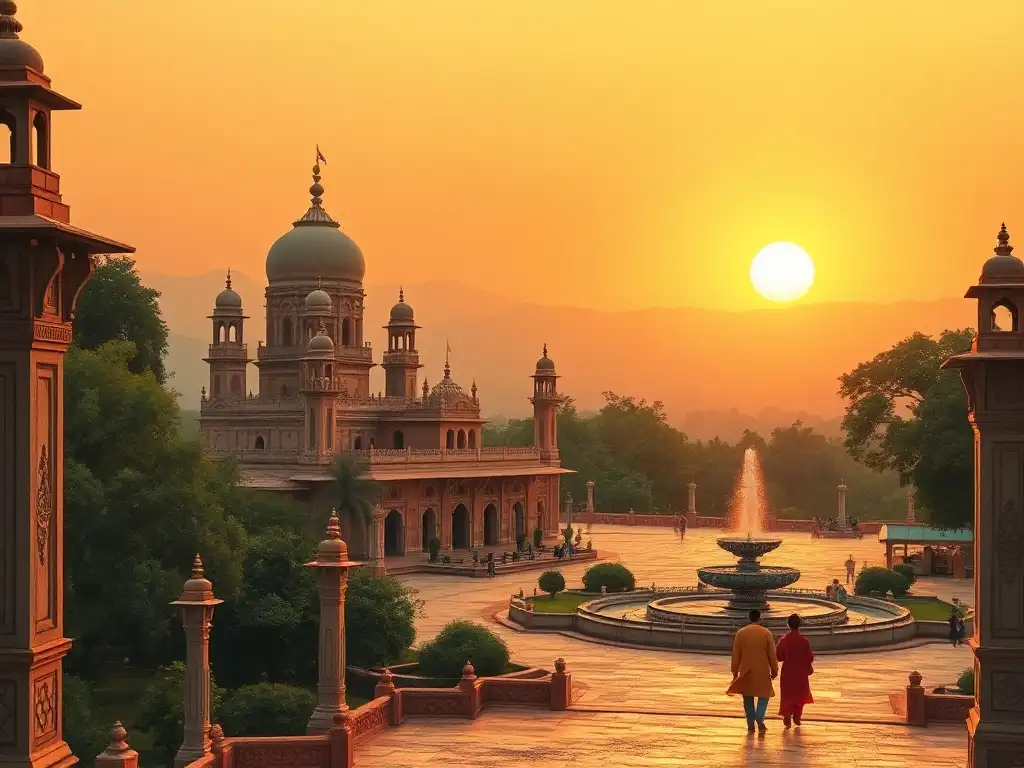
Rajmahal, located in the Sahebganj district of Jharkhand, holds immense historical significance as the ancient capital of the Mughal Empire during the reign of Emperor Akbar in the late 16th century. This town served as a strategic military and administrative hub due to its favorable geographic position along the Ganges River, facilitating trade and communication.
The importance of Rajmahal can be traced back to its role in the Mughal administration. It was here that Akbar established one of his key forts, which later became a center for governance and a site for royal activities. The town's name, "Rajmahal," translates to "Royal Palace," emphasizing its prominence as a royal residence.
The archaeological findings in Rajmahal, including inscriptions and relics, indicate that the region was not only a political center but also a cultural melting pot. The blending of indigenous traditions with Mughal influences is evident in the local customs, art, and architecture.
Key Architectural Features of Rajmahal
Rajmahal is renowned for its unique architectural features that reflect the fusion of Mughal and local styles. Key highlights include:
- Rajmahal Fort: The centerpiece of the town, this fort showcases the grandeur of Mughal architecture with its massive stone walls, intricate carvings, and strategic bastions designed for defense. The fort's layout is emblematic of the military architecture of its time.
- Palaces and Gardens: The remnants of several palaces, including the impressive Badi Mahal, reveal the sophistication of Mughal design. These structures often feature elaborate gardens, reflecting the Mughal love for nature and aesthetics.
- Religious Structures: The area is dotted with various temples and mosques, highlighting the religious diversity of Rajmahal. The Kali Mandir and the Jama Masjid are prominent examples, showcasing intricate designs that embody the spiritual life of the region.
- Natural Landscape Integration: The architecture of Rajmahal is uniquely integrated with its natural surroundings, utilizing the hilly terrain to create a scenic backdrop that enhances the overall grandeur of the structures.
Notable Historical Events Associated with Rajmahal
Rajmahal has been the backdrop for several notable historical events that shaped its legacy. Some significant occurrences include:
- Mughal Conquests: Rajmahal played a crucial role during the Mughal conquests in Eastern India. The fort served as a launch point for further military expeditions into Bengal and beyond, solidifying Mughal control over the region.
- Cultural Exchanges: The establishment of Rajmahal as a Mughal capital facilitated numerous cultural exchanges between the Mughals and local kingdoms. This interaction led to advancements in art, literature, and architecture, enriching the cultural tapestry of Eastern India.
- Decline of Mughal Power: As the Mughal Empire began to decline in the 18th century, Rajmahal witnessed a shift in power dynamics. The fort's strategic importance diminished, leading to its eventual neglect and the rise of new regional powers.
- Colonial Era: During the British colonial period, Rajmahal was significant as a trading post and a center for administrative purposes. Its historical significance continued to be recognized, and it became a focus for archaeological and preservation efforts.
Rajmahal stands as a testament to the rich history of Eastern India, encapsulating the grandeur of the Mughal era and the diverse cultural influences that have shaped the region over centuries. Its architectural marvels and historical narratives continue to attract scholars, tourists, and history enthusiasts alike, making it a vital part of the historical sites in Eastern India.
The Temples of Khajuraho: A Testament to Ancient Art
Overview of Khajuraho's Historical Context
The Temples of Khajuraho, located in the Chhatarpur district of Madhya Pradesh, are a remarkable testament to the artistic and cultural achievements of ancient India. Constructed between 950 and 1050 AD during the rule of the Chandela dynasty, these temples reflect the historical context of a period characterized by political stability and economic prosperity. The Chandela rulers, who were patrons of art and architecture, commissioned these temples as a means to showcase their devotion, power, and sophistication.
The temples were originally part of a larger complex that included over 80 structures, although only about 25 remain today. Khajuraho was strategically located along important trade routes, which facilitated cultural exchanges and the flow of ideas. This interchange contributed to the rich diversity of art forms, philosophies, and religious practices seen in the temples. Historically, Khajuraho was not merely a religious site but a vibrant center of social and cultural life, attracting scholars, artists, and devotees.
Architectural Styles of Khajuraho Temples
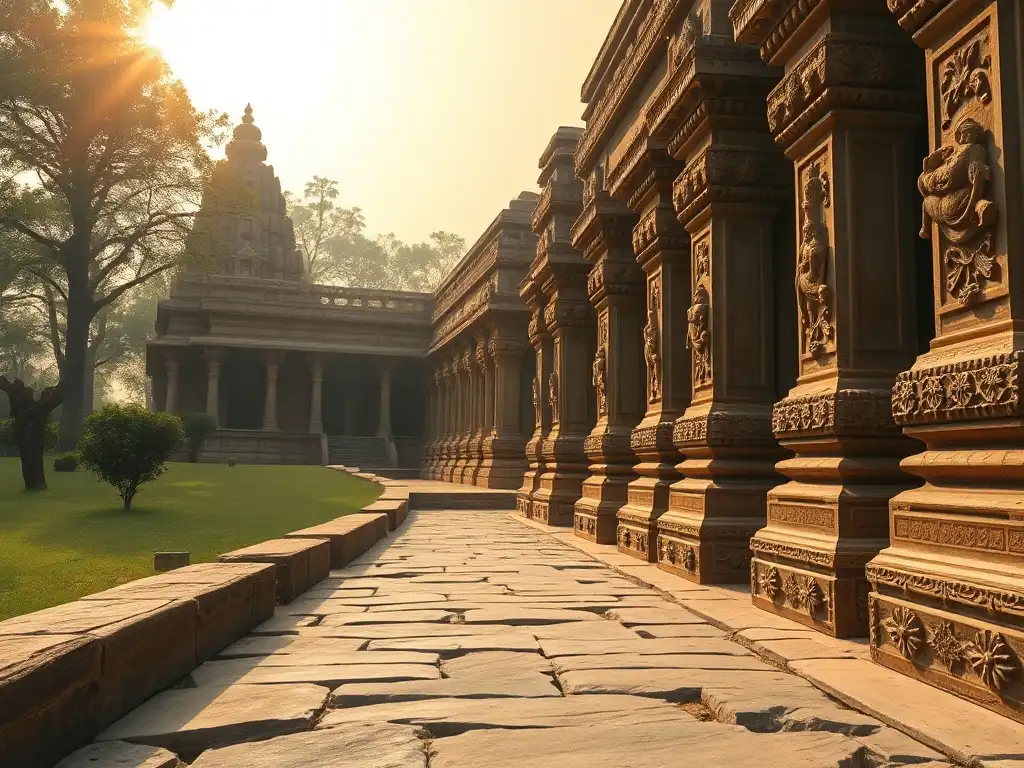
The architectural styles of the Khajuraho temples exhibit a unique blend of Hindu, Jain, and Buddhist influences, showcasing the religious tolerance of the time. The temples are primarily built using sandstone and are renowned for their intricate carvings and sculptures that adorn the walls. The most notable architectural features include:
- Shikhara: The towering spire that rises above the sanctum, symbolizing the mythical Mount Meru, considered the axis of the universe.
- Garbhagriha: The innermost sanctum where the main deity resides, often linked to elaborate entrances and halls known as mandapas.
- Sculptural Detail: The walls of the temples are adorned with thousands of sculptures depicting various deities, celestial beings, and scenes from everyday life. Noteworthy themes include:
- Kamasutra: Many carvings illustrate erotic sculptures that celebrate love and sensuality, reflecting the open-mindedness of the society.
- Mythological Narratives: Scenes from Hindu epics, such as the Mahabharata and Ramayana, are intricately carved, providing insights into the cultural beliefs and values of the time.
The architectural finesse of Khajuraho temples is further demonstrated through the use of proportion, symmetry, and spatial organization, which have influenced subsequent architectural styles across India.
Cultural Significance of Temple Art in Eastern India
The temple art of Khajuraho holds immense cultural significance, not only within the context of Eastern India but also in the broader spectrum of Indian heritage. The temples are a reflection of the philosophical and spiritual beliefs of the time, encapsulating the essence of ancient Indian culture. Key aspects of their cultural significance include:
- Symbol of Unity: The coexistence of Hindu, Jain, and Buddhist elements in the temples signifies the historical religious pluralism and harmony that characterized ancient Indian society.
- Artistic Legacy: The intricate craftsmanship and artistic styles of Khajuraho have left an indelible mark on Indian art, inspiring countless artisans and architects over the centuries. The techniques used in these sculptures continue to influence modern art forms.
- Tourism and Heritage: Recognized as a UNESCO World Heritage Site, Khajuraho attracts visitors from around the globe, contributing to the local economy and fostering a sense of pride in India's rich historical narrative. The temples serve as a vital link to understanding the complexities of Indian civilization, making them an essential part of the study of historical sites in Eastern India.
The Temples of Khajuraho stand as a testament to the artistic brilliance and cultural depth of ancient India, reflecting the values, beliefs, and social dynamics of the time. Their continued relevance in historical discourse underscores their importance in the broader narrative of Eastern India's rich heritage.
The City of Puri: Spiritual and Cultural Hub
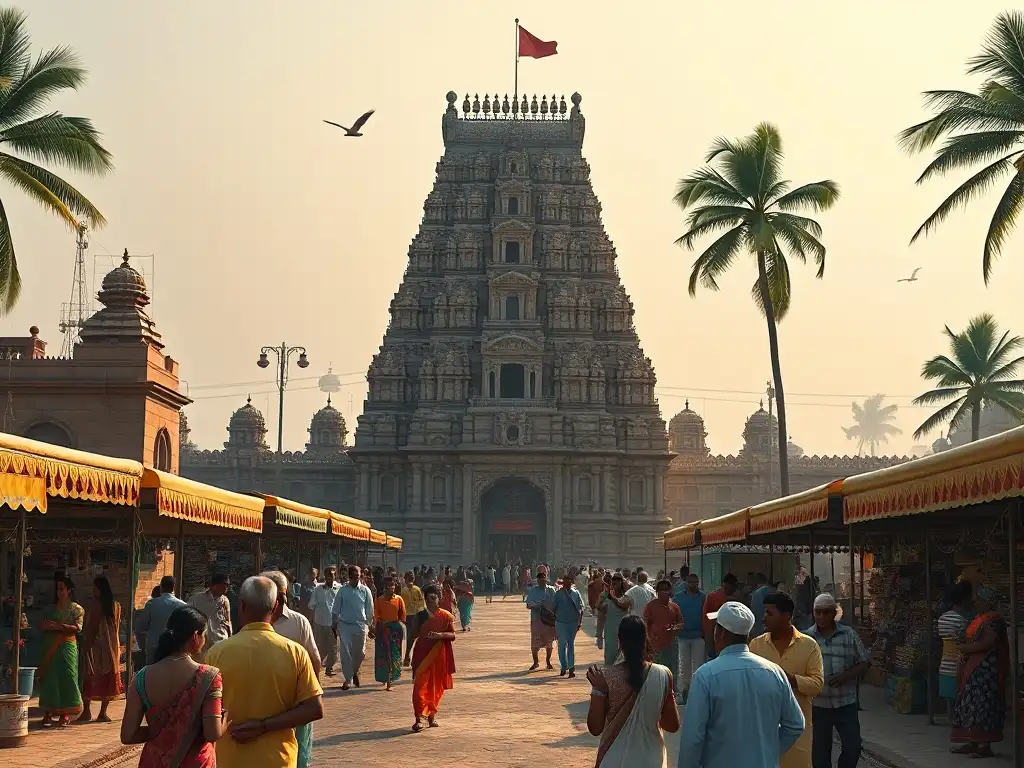
Puri, located on the eastern coast of India in the state of Odisha, is renowned for its rich spiritual heritage and vibrant cultural life. As one of the Char Dham pilgrimage sites, it serves as a significant destination for Hindus, drawing millions of devotees and tourists annually. The city's historical significance dates back to ancient times, where it was known as "Sri Kshetra" or "Shree Kshetra," which translates to "the sacred place." Its strategic coastal location has made it a vital center of trade and cultural exchange over the centuries.
The historical narrative of Puri is intertwined with the evolution of its religious practices and architectural developments. The city thrived under various dynasties, including the Kalinga and Ganga dynasties, who contributed significantly to its cultural landscape. The establishment of the Jagannath Temple in the 12th century marked a pivotal moment in Puri's history, solidifying its status as a major pilgrimage site.
Historical Background of Puri
Puri's history can be traced back to the ancient Kalinga Kingdom, known for its rich cultural and commercial activities. The city was a hub for trade, connecting the eastern coast with other regions, which facilitated the exchange of goods and ideas. The influence of Buddhism can also be observed in the historical context of Puri, as it was home to several ancient monasteries and stupas.
The most significant turning point in Puri's history was the construction of the Jagannath Temple by King Anantavarman Chodaganga Deva in the early 12th century. This temple not only represented the devotion of the people but also embodied the artistic and architectural excellence of the time. The temple complex, with its towering spires and intricate carvings, has become a defining symbol of Puri and a testament to the region's religious fervor.
Puri has also been a center for various sects and philosophical movements, notably the Gaudiya Vaishnavism, which emphasized the worship of Lord Krishna. The teachings of renowned saints and philosophers, such as Chaitanya Mahaprabhu, have influenced the spiritual practices in Puri, making it a melting pot of diverse traditions.
The Jagannath Temple: A Symbol of Eastern India
The Jagannath Temple stands as the most iconic structure in Puri, attracting pilgrims and tourists alike. Dedicated to Lord Jagannath, an incarnation of Lord Krishna, the temple is not only a religious site but also an architectural marvel. Its construction showcases the Kalinga style, characterized by its elaborately carved stonework and towering shikhara (spire).
The temple complex is notable for its three main deities: Jagannath, Balabhadra, and Subhadra. The annual Rath Yatra (Chariot Festival) is one of the most celebrated events in India, where the deities are taken out in grand, elaborately decorated chariots, drawing thousands of devotees from all over the country and beyond. This festival exemplifies the communal spirit and cultural vibrancy of Puri, reinforcing its status as a pivotal historical site in Eastern India.
The temple's significance extends beyond religious worship; it is also a center for art, literature, and music. The rituals, which include daily offerings and elaborate ceremonies, are deeply rooted in tradition and have been passed down through generations. The temple attracts scholars and researchers, eager to study its ancient texts, rituals, and the impact of its teachings on society.
Festivals and Traditions in Puri
Puri is vibrant with festivals and traditions that reflect its rich cultural heritage. The most prominent festival, Rath Yatra, takes place in June or July and lasts for several days. During this time, the chariots of the deities are pulled through the streets, a sight that captivates both locals and visitors. The festival not only showcases the devotion of the people but also highlights the city's communal harmony, as people from various backgrounds come together to celebrate.
Another important festival is the Snana Yatra, which occurs a few weeks before Rath Yatra. On this day, the deities are bathed in holy water, and the event is marked by grand celebrations, music, and dance. The Abakasa ceremony, where the deities are offered a special meal, is an essential part of the temple's rituals and further emphasizes the significance of hospitality and community in Puri's culture.
In addition to these grand festivals, Puri hosts various cultural events throughout the year, including dance performances, music festivals, and art exhibitions, which attract artists and performers from around the country. The city's culinary traditions, particularly its famous prasad (offering) from the Jagannath Temple, are integral to the local culture, showcasing a unique blend of flavors and culinary practices.
Puri, with its historical significance, spiritual essence, and cultural vibrancy, continues to be a defining landmark among the historical sites in Eastern India.
The Ancient City of Nalanda: A Beacon of Learning
Historical Importance of Nalanda University
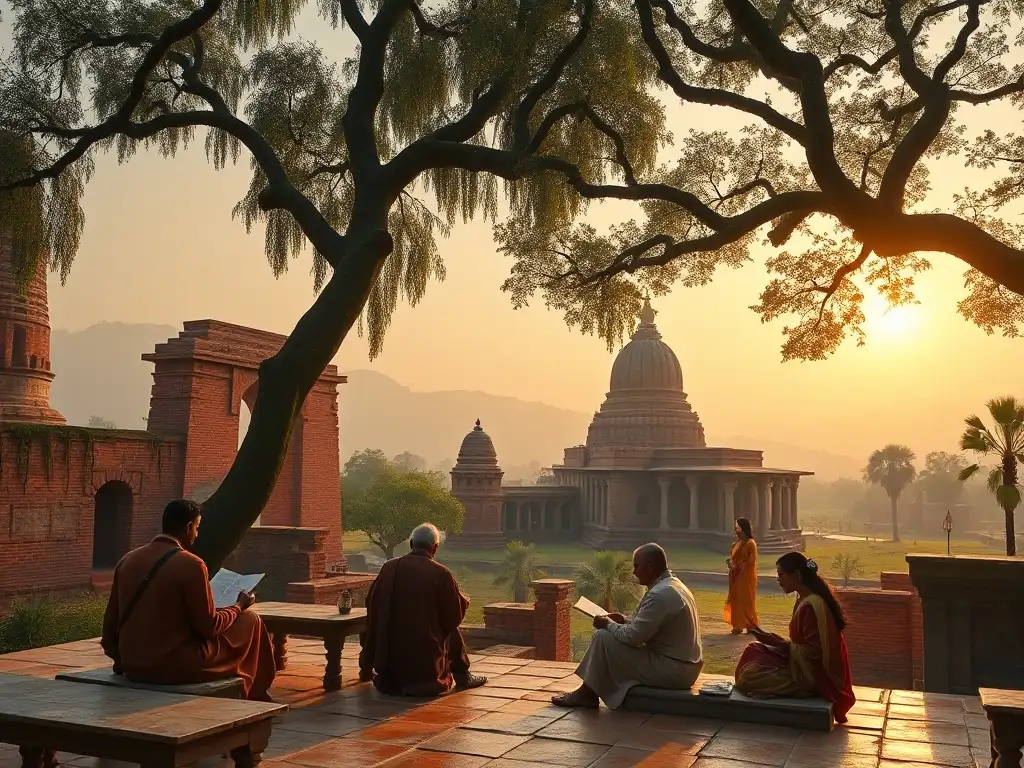
Nalanda University, established in the 5th century CE, stands as one of the most significant historical sites in Eastern India. It was not merely an institution; it was an ancient center of learning that attracted scholars from across the globe, including China, Korea, Japan, Tibet, Mongolia, Sri Lanka, and Southeast Asia. At its zenith, Nalanda housed over 10,000 students and 2,000 teachers, making it a thriving hub for intellectual exchange.
The university was renowned for its advanced curriculum covering various subjects, such as:
- Philosophy
- Mathematics
- Astronomy
- Medicine
- Logic
- Grammar
Nalanda's importance is further underscored by the patronage it received from several rulers, notably the Gupta Empire, which recognized education as a cornerstone of civilization. The site reflects the era's commitment to knowledge and learning, influencing educational systems that followed.
Contributions to Education and Philosophy in Ancient India
Nalanda's contributions to education and philosophy are profound and enduring. The university played a pivotal role in the development of Buddhist philosophy and the dissemination of Buddhist texts. Scholars like Dharmakirti and Nagarjuna shaped philosophical discourse, delving into topics such as metaphysics and epistemology, which had far-reaching implications in both Eastern and Western philosophical traditions.
Moreover, Nalanda was instrumental in the synthesis of various schools of thought. It served as a melting pot where Buddhist, Jain, and Hindu philosophies coexisted, allowing for rich dialogues that fostered intellectual growth. The methodologies of debate and discussion developed at Nalanda laid foundational principles for modern educational practices.
In addition to philosophy, the university made significant advancements in the sciences. The mathematical concepts formulated by scholars at Nalanda contributed to the broader field of mathematics, influencing subsequent generations.
Archaeological Discoveries at Nalanda
Archaeological excavations at Nalanda have revealed a wealth of information about this ancient center of learning. The remains of monasteries, temples, and lecture halls provide insights into the architectural styles and urban planning of the time. Notable discoveries include:
- The Great Stupa: This large, domed structure is believed to have been a significant religious site.
- Monastic Cells: These were simple living quarters for the scholars, indicating a communal lifestyle.
- Sculptural Artifacts: Numerous statues and carvings, many depicting Buddhist themes, showcase the artistic excellence of the period.
The excavation findings have been crucial in piecing together the daily life and intellectual pursuits of those who inhabited Nalanda. They also highlight the site's historical significance as a beacon of learning, reflecting the rich educational traditions of ancient India.
Overall, Nalanda represents a monumental chapter in the history of Eastern India, serving as a reminder of the region's rich contributions to global knowledge and culture.
Bodh Gaya: The Cradle of Buddhism
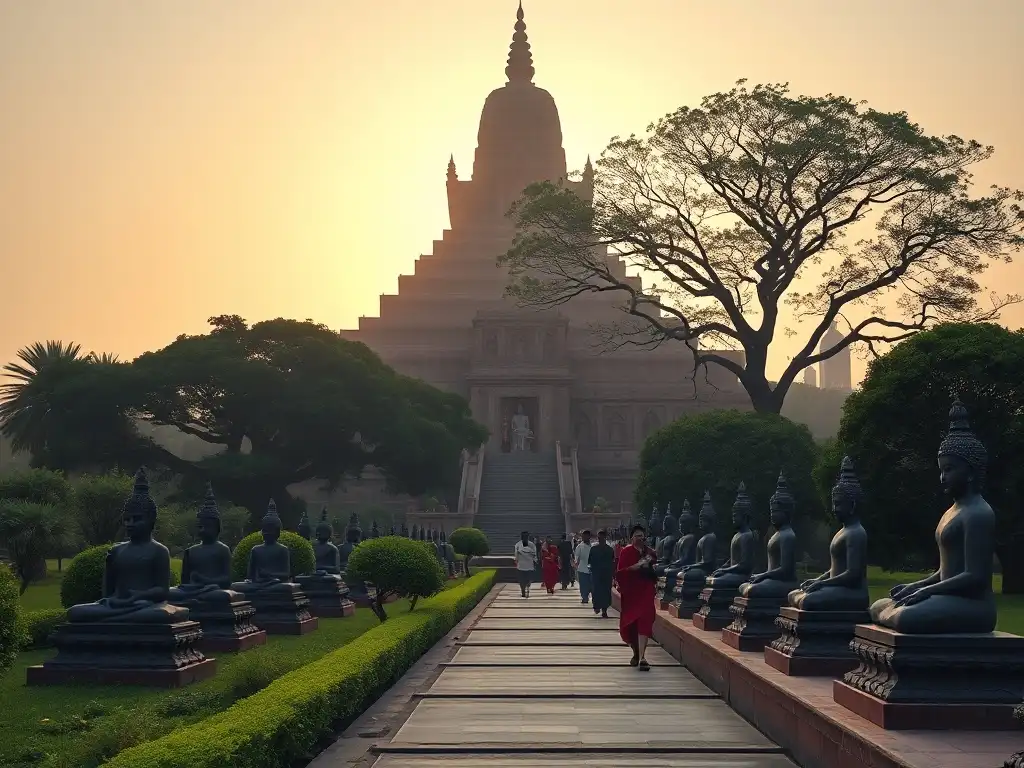
Bodh Gaya, located in the state of Bihar, is one of the most revered historical sites in Eastern India, celebrated as the place where Siddhartha Gautama attained enlightenment and became the Buddha. This sacred site has a profound cultural and spiritual significance, drawing millions of pilgrims and tourists from around the globe. Its rich history, architectural marvels, and vibrant traditions make Bodh Gaya a cornerstone in the study of Buddhism and ancient Indian civilization.
Historical Overview of Bodh Gaya
Bodh Gaya's history is deeply intertwined with the life of the Buddha, who meditated under the Bodhi tree around the 5th century BCE. This pivotal event marked the beginning of Buddhism as a major world religion. The site has undergone numerous transformations over the centuries, influenced by various dynasties and cultures.
- Early History: Archaeological evidence suggests that the area has been inhabited since the 3rd century BCE, with the Mauryan Emperor Ashoka playing a crucial role in establishing Bodh Gaya as a pilgrimage site. He built the first temple at the site, which housed a Bodhi tree sapling, making it a significant location for Buddhist worship.
- Medieval Period: During the Gupta Empire (approximately 4th to 6th century CE), Bodh Gaya flourished as a center of learning and religious activity. The construction of the Mahabodhi Temple during this era solidified its status as a major pilgrimage site.
- Colonial Era: In the 19th century, British archaeologists rediscovered the ruins of the Mahabodhi Temple, leading to significant restoration efforts. The site gained international recognition, attracting scholars and pilgrims alike.
Bodh Gaya's historical narrative is not just about the past; it continues to evolve as it adapts to modern times while preserving its ancient heritage.
The Mahabodhi Temple and Its Significance
The Mahabodhi Temple is the crown jewel of Bodh Gaya and a UNESCO World Heritage Site. This magnificent structure is renowned for its architectural brilliance and spiritual significance.
Key Features of the Mahabodhi Temple:
- Architecture: The temple is an exemplary model of ancient Indian architecture, featuring a towering pyramidal structure (stupa) that reaches up to 55 meters in height. Its intricate carvings depict various Buddhist motifs and narratives.
- Sacred Bodhi Tree: The temple is situated near the original Bodhi tree, under which the Buddha attained enlightenment. This tree is a direct descendant of the original and is revered by pilgrims who come to meditate and pay their respects.
- Pilgrimage Attraction: The Mahabodhi Temple is a focal point for Buddhist pilgrims. It hosts numerous festivals and events, particularly during Buddha Purnima, attracting thousands of devotees from around the world.
The temple not only serves as a place of worship but also as a symbol of peace, enlightenment, and the quest for knowledge.
Influence of Bodh Gaya on Buddhist Pilgrimage
Bodh Gaya holds a unique position in the landscape of Buddhist pilgrimage, often regarded as one of the "Four Sacred Places" alongside Lumbini, Sarnath, and Kushinagar. Its influence extends beyond its geographical boundaries, shaping the spiritual journeys of countless Buddhists.
- Cultural Exchange: As a major pilgrimage site, Bodh Gaya fosters cultural exchange among pilgrims from different countries, including Thailand, Japan, Sri Lanka, and Tibet. This confluence of cultures enriches the local traditions and promotes understanding and dialogue among diverse communities.
- Educational Hub: The presence of various monasteries and institutions in Bodh Gaya has established it as a center for Buddhist learning. These institutions not only teach Buddhist philosophy and practices but also engage in interfaith dialogues, promoting peace and harmony.
- Modern Pilgrimage: In contemporary times, Bodh Gaya continues to attract not just Buddhists but also scholars, historians, and tourists interested in the cultural heritage of India. The site has become a symbol of resilience and continuity, showcasing the enduring legacy of the Buddha's teachings.
Bodh Gaya stands as a testament to the profound impact of Buddhism on Eastern India and the world. Its historical sites, particularly the Mahabodhi Temple, serve as enduring reminders of a rich spiritual legacy that continues to inspire millions.
The Forts of Bengal: A Reflection of Defensive Architecture
Historical Context of Bengal Forts
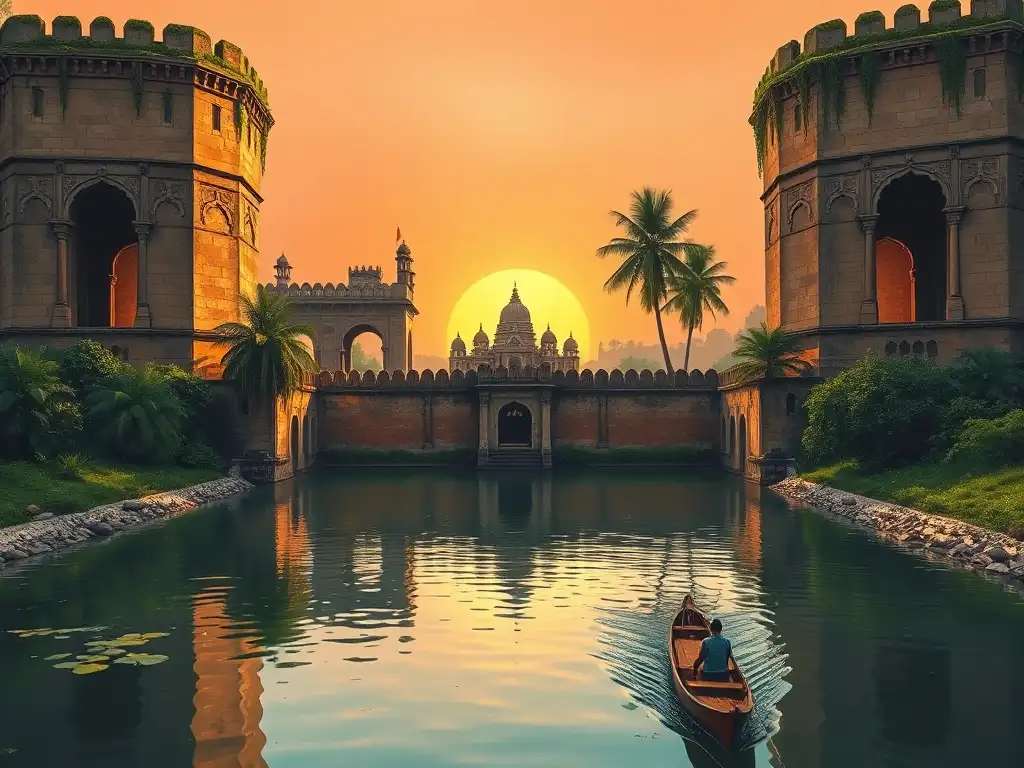
The forts of Bengal stand as monumental testaments to the region's tumultuous history and strategic importance in Eastern India. Originating during the medieval period, these architectural marvels were primarily constructed as defensive structures to protect against invasions and rival kingdoms. The historical backdrop of Bengal, marked by a series of dynasties such as the Palas, Senas, and later the Mughals, played a significant role in the evolution of these forts.
The geographical layout of Bengal, with its rivers and fertile plains, made it a coveted region for various rulers. This led to the establishment of numerous forts aimed at safeguarding trade routes and agricultural lands. Notably, the influx of Islamic influences beginning in the 12th century introduced new architectural styles and military strategies, resulting in the construction of more sophisticated fortifications.
Forts like Chandraketugarh and Madhusudan Fort not only served military functions but also became centers of administration and commerce. The historical context reveals that these forts were more than mere structures; they were symbols of power, control, and cultural amalgamation, reflecting the dynamic interactions among different cultures and communities in Bengal.
Notable Forts and Their Historical Importance
Bengal is home to several notable forts, each with its unique historical significance:
- Fort William (Kolkata): Built in 1696 by the British East India Company, Fort William is a prime example of colonial military architecture. It played a crucial role during the battles against the Nawab of Bengal and later during the Sepoy Mutiny in 1857. Today, it stands as a symbol of British colonial history in India.
- Murshidabad Fort: Once the capital of Bengal under the Nawabs, this fort complex encompasses several historical structures, including the Hazarduari Palace and the Nizamat Imambara. The site illustrates the opulence of the Nawabi era and serves as a reminder of Bengal's rich cultural heritage.
- Madhupur Fort: Situated near the town of Madhupur, this fort was instrumental during the Mughal era. Its strategic location offered a vantage point for monitoring trade routes and protecting against potential invasions.
- Chandraketugarh: An ancient fortification dating back to the Mauryan period, it provides evidence of Bengal’s early urbanization and military architecture. Excavations have unveiled artifacts that highlight the region’s significance in trade and cultural exchanges.
These forts not only reflect the military prowess of their builders but also serve as repositories of the region's history, showcasing various architectural styles and construction techniques that evolved over centuries.
Role of Forts in Eastern India's Defense Strategies
The defensive architecture of Bengal's forts was a vital component of Eastern India's military strategies. These fortifications were designed to withstand sieges and protect the inhabitants from external threats. The strategic placement of forts along key trade routes and riverbanks enabled rulers to monitor and control movements within their territories.
- Geographical Advantages: Many forts were constructed on elevated land or along rivers, providing a tactical advantage. The natural barriers offered by rivers and hills complemented the fortifications, making them harder to breach.
- Military Innovations: The forts also saw the incorporation of contemporary military innovations, including bastions, moats, and thick walls that were designed to withstand artillery fire. The use of local materials, such as laterite stone, added to their durability.
- Symbol of Power: Beyond their military functions, these forts served as symbols of authority and governance. Rulers often resided within these structures, using them as administrative centers. This dual role of forts as both military bastions and seats of power illustrates their significance in the socio-political landscape of Eastern India.
The forts of Bengal not only reflect the defensive architecture of the time but also encapsulate the historical narratives of Eastern India's resilience against invasions and its evolution through various cultural influences. Their enduring presence continues to provide insights into the rich tapestry of Bengal's history, making them essential historical sites in Eastern India.
Conclusion: The Legacy of Historical Sites in Eastern India
The historical sites in Eastern India stand as a testament to the rich tapestry of cultures, religions, and civilizations that have thrived in this region over millennia. From the ancient urban planning of the Indus Valley Civilization to the architectural marvels of the Gupta Empire, these sites are not merely remnants of the past; they are living legacies that continue to shape the identity of modern India.
Each site tells a unique story, offering insights into the socio-political dynamics and cultural practices of their times. The preservation and promotion of these historical landmarks are crucial, as they act as bridges connecting contemporary society to its vibrant history.
Summary of Key Historical Sites
Eastern India is home to a plethora of historical sites that reflect its diverse heritage. Here are some of the most significant:
- Rajmahal: Known for its stunning architecture and ruins that date back to the 17th century, Rajmahal was once the capital of the Mughals in Bengal. The remnants of palaces, temples, and gardens provide a glimpse into its glorious past.
- Bodh Gaya: This UNESCO World Heritage Site is where Siddhartha Gautama attained enlightenment and became the Buddha. The Mahabodhi Temple complex is a pilgrimage site for millions and showcases intricate carvings and stupas.
- Konark Sun Temple: A marvel of medieval architecture, this 13th-century temple is dedicated to the Sun God and is designed in the shape of a giant chariot. Its exquisite sculptures and bas-reliefs depict various aspects of life in ancient India.
- Puri: Renowned for the Jagannath Temple, Puri is a major pilgrimage destination. The annual Rath Yatra (Chariot Festival) attracts millions, showcasing the vibrant traditions and rituals of the region.
- Nalanda University: Once a prominent center for Buddhist learning, Nalanda was home to thousands of students and scholars. The ruins of this ancient university illustrate the architectural brilliance and intellectual vigor of ancient India.
The Importance of Preserving Eastern India's Heritage
Preserving the historical sites in Eastern India is not just a matter of maintaining structures; it is crucial for safeguarding cultural identity and heritage. These sites serve as educational resources, providing insights into the region's history, art, and philosophy. The preservation efforts contribute to:
- Cultural Continuity: Maintaining these sites helps in passing down traditions and stories from one generation to the next, fostering a sense of belonging and pride among local communities.
- Tourism Development: Historical tourism is a significant economic driver. By preserving these sites, Eastern India can attract tourists, providing economic benefits while promoting cultural exchange.
- Research Opportunities: Preserved sites offer invaluable resources for scholars and historians to conduct research, enabling a deeper understanding of ancient civilizations and their contributions to modern society.
Future Prospects for Historical Tourism in Eastern India
The future of historical tourism in Eastern India looks promising, given the growing interest in cultural and heritage travel. Key factors influencing this trend include:
- Increased Awareness: As more people seek authentic travel experiences, the unique stories and heritage of Eastern India are gaining recognition. This trend presents an opportunity to educate visitors about the region’s history.
- Investment in Infrastructure: With ongoing investments in infrastructure and amenities around historical sites, tourists will find it easier and more comfortable to visit these locations, enhancing their overall experience.
- Sustainable Tourism Practices: There is a rising emphasis on sustainable tourism that respects local cultures and environments. Initiatives aimed at preserving historical sites while promoting responsible tourism practices can ensure that these sites remain intact for future generations to enjoy.
The historical sites in Eastern India are not only vital for understanding the region's past but also play a crucial role in shaping its future. By preserving these treasures, we can ensure that the legacy of ancient Indian civilizations continues to inspire and educate for generations to come.
Frequently Asked Questions
What are some notable historical sites in Eastern India?
Several historical sites in Eastern India include the Rajmahal Hills, the Konark Sun Temple, and the Jagannath Temple in Puri, each showcasing unique architectural and cultural significance.
Why is the Rajmahal significant in ancient Indian history?
The Rajmahal region served as a key political and cultural center during the Mughals, featuring ruins that reflect its historical importance and the blend of ancient Indian architecture.
How does the Konark Sun Temple reflect the cultural heritage of Eastern India?
The Konark Sun Temple, a UNESCO World Heritage site, is renowned for its exquisite architecture and intricate carvings, symbolizing the artistry and spiritual devotion of the time.
What contributions did the Gupta Empire make to Eastern India?
The Gupta Empire is known as the Golden Age of India due to advancements in art, science, and literature, which have left a lasting impact on the historical landscape of Eastern India.
How can one explore the historical sites in Eastern India?
Visitors can explore these historical sites in Eastern India through guided tours, local heritage walks, and by engaging with knowledgeable local historians to gain deeper insights into the rich past.
Final Reflection: Embracing the Heritage of Eastern India
The historical sites in Eastern India are not just remnants of the past; they are vibrant narratives that continue to shape our cultural identity today. From the majestic Rajmahal hills to the serene shores of Puri, these locations serve as a testament to the rich tapestry of history, spirituality, and architecture that defines this region. As we navigate through modernity, it becomes increasingly vital to recognize and cherish these sites, for they are the anchors of our heritage and the beacons of our future.
The influence of these historical sites extends far beyond their physical presence; they are the living embodiments of our collective memory and cultural evolution. Each monument tells a story, inviting us to explore the intricacies of our past and understand the values that have shaped our society. As Mahatma Gandhi once said, "> A nation's greatness is measured by how it treats its weakest members." This sentiment resonates deeply when we consider how preserving these sites not only honors our ancestors but also enriches our communities, fostering a sense of belonging and continuity.
As we reflect on the significance of these historical sites in Eastern India, I invite you to take a moment to engage with your own heritage. Consider visiting these sites, learning their stories, and sharing them with others. By doing so, you contribute to the preservation of our cultural legacy and inspire future generations to appreciate the beauty and history that surrounds them. Let us embrace the lessons of the past and carry them forward, ensuring that the stories of Rajmahal, Puri, and countless other sites continue to resonate in our lives and communities.
Unveil the Rich Heritage of Eastern India!
Thank you for exploring the captivating journey of historical sites in Eastern India! We hope you’ve been inspired by the stunning narratives that these incredible locations have to share. Now, it’s time to put that inspiration into action and deepen your connection with this fascinating region.
Here are some practical steps you can take:
- Plan your next adventure: Research and create an itinerary that includes visits to these historical landmarks. Capture their beauty through photographs and personal stories!
- Share your knowledge: Discuss your newfound insights with friends and family! Consider organizing a small gathering to showcase Eastern India’s rich history through a presentation or slideshow.
- Join a community: Connect with fellow history enthusiasts! Seek out local or online groups focused on Eastern India to share experiences, travel tips, and personal stories.
As you embark on this journey of discovery, what site in Eastern India excites you the most, and why? We would love to hear your thoughts!