
Historical Events That Shaped the Identity of Eastern India

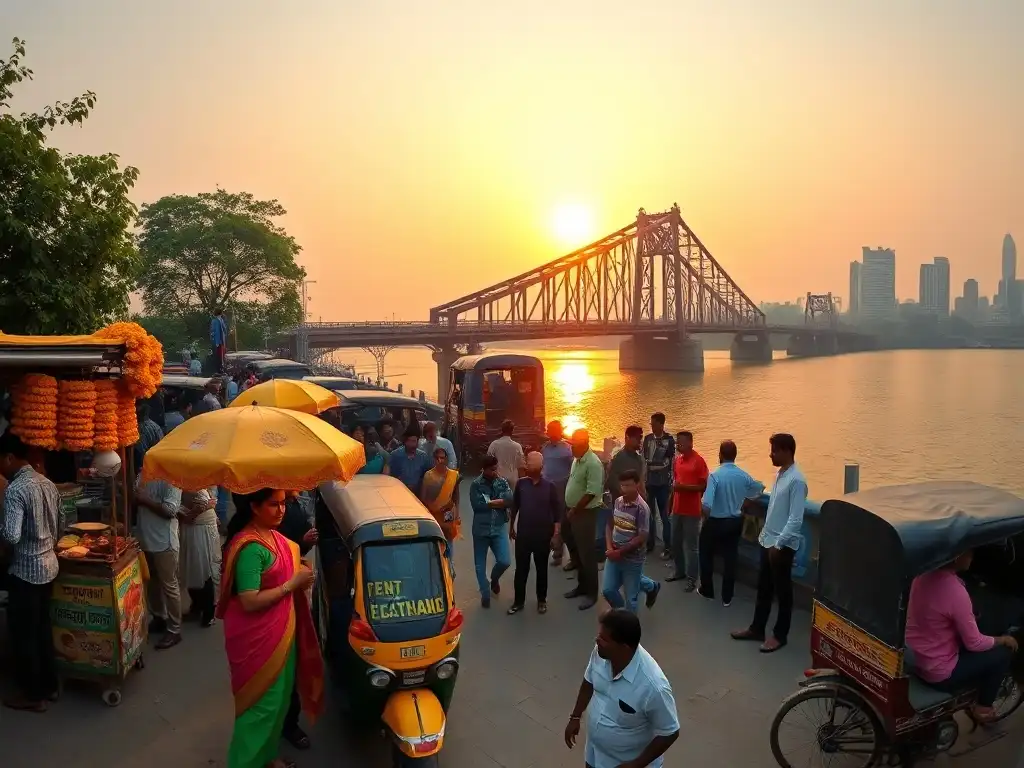
Welcome to Ancient India History, where we delve into the rich tapestry of India’s past! In this article, we explore the historical events of Eastern India that have profoundly shaped its identity and culture. From the enigmatic Indus Valley to the flourishing Gupta Empire, each chapter reveals a story of resilience and innovation. Are you ready to uncover the pivotal moments that defined this vibrant region? Join us on this enlightening journey and discover the legacies that continue to influence Eastern India today!
- Introduction to Historical Events of Eastern India
- Ancient Civilizations of Eastern India
- Key Historical Events that Shaped Eastern India
- Colonial Period and Its Historical Events
- Post-Independence Developments
- Conclusion: The Legacy of Historical Events in Eastern India
- Further Reading on Historical Events of Eastern India
-
Frequently Asked Questions
- What are some key historical events of Eastern India?
- How did the Indus Valley Civilization impact Eastern India?
- What role did the Gupta Empire play in the history of Eastern India?
- How did Buddhism influence Eastern Indian culture?
- What are the contributions of Eastern India to the cultural heritage of India?
- Final Reflection: Understanding the Historical Events that Shaped Eastern India's Identity
- Unveil the Rich Tapestry of Eastern India's History!
Introduction to Historical Events of Eastern India
The history of Eastern India is a captivating tapestry woven from rich cultural influences, significant political developments, and transformative social changes. This region, encompassing states such as West Bengal, Odisha, Bihar, and parts of Assam, has been a cradle of ancient civilizations, where unique traditions and vibrant communities have flourished over millennia.
The historical events of Eastern India not only illuminate the past but also serve as a foundational pillar for understanding the identity and ethos of its people today. From the rise of early urban centers like Pataliputra to the grandeur of the Gupta Empire, each event has played a crucial role in shaping the cultural landscape and socio-political dynamics of this region.
In this article, we will delve into the pivotal historical events that have significantly influenced Eastern India's development. By examining key milestones, we aim to provide a comprehensive understanding of how these events contributed to the rich heritage and identity of Eastern India.
Overview of Eastern India's Historical Significance
Eastern India has been home to some of the most remarkable civilizations in history. The Indus Valley Civilization, one of the earliest urban cultures, laid the groundwork for subsequent advancements in trade, art, and governance. As we progress through history, we encounter the rise of major kingdoms such as:
- Magadha: A powerful kingdom during the 6th century BCE, which played a crucial role in the spread of Buddhism.
- Maurya Empire: Under the leadership of Ashoka, this empire expanded across the Indian subcontinent, promoting peace and social welfare.
- Gupta Empire: Often referred to as the Golden Age of India, this period saw remarkable achievements in art, science, and literature.
These historical milestones have not only influenced the political landscape but also contributed to the rich tapestry of cultural practices, languages, and philosophies that define Eastern India today.
Importance of Historical Events in Shaping Identity
The historical events of Eastern India have had a profound impact on the region's identity, shaping the beliefs, traditions, and social structures of its people. Understanding these events is essential for several reasons:
- Cultural Heritage: Each event has left an indelible mark on the region's cultural landscape, from festivals and rituals to architectural marvels like the Konark Sun Temple.
- Social Evolution: The interactions between various communities and the influence of different religions, such as Hinduism and Buddhism, have fostered a unique social fabric that continues to evolve.
- Political Dynamics: The rise and fall of empires have influenced governance, law, and societal norms, demonstrating the importance of historical context in contemporary political discourse.
By exploring the historical events of Eastern India, we gain valuable insights into the factors that have shaped the region's identity and continue to influence its trajectory in the modern world. Each chapter of its history reveals the resilience and creativity of its people, making it a vital area of study for anyone interested in the intricate narratives of ancient civilizations.
Ancient Civilizations of Eastern India
The Indus Valley Civilization in Eastern India
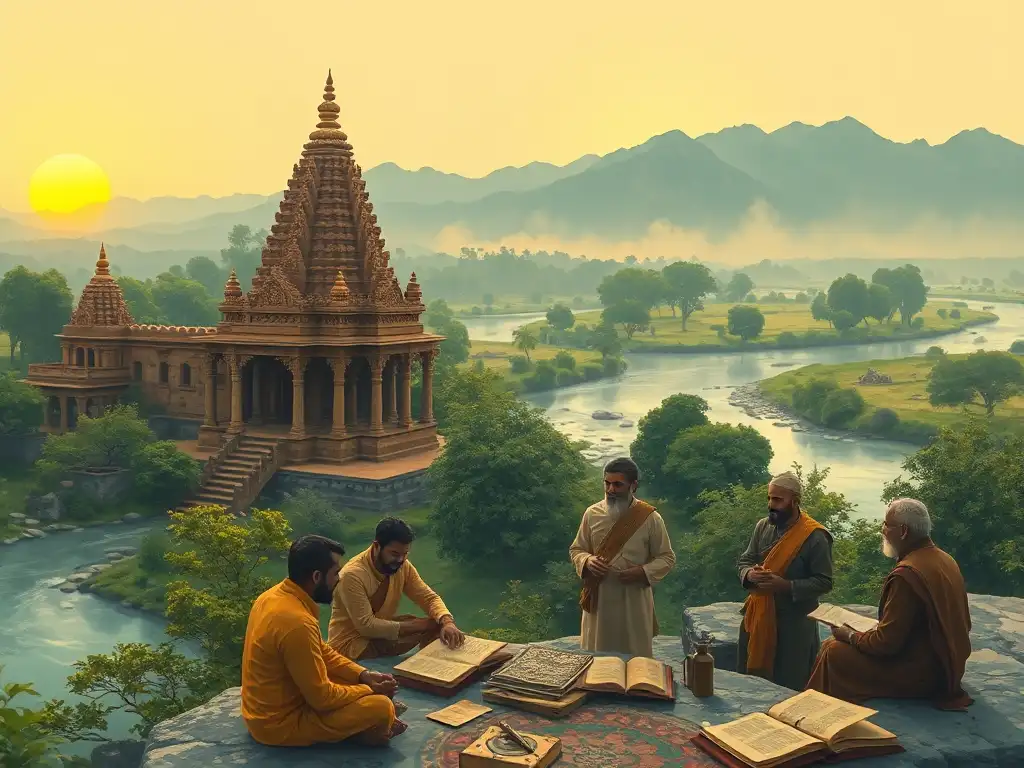
The Indus Valley Civilization (IVC), one of the world's earliest urban cultures, flourished around 2500 BCE. While much of the civilization is associated with present-day Pakistan and northwest India, its influence extended into Eastern India as well. The cities of Mohenjo-Daro and Harappa are often highlighted, but archaeological findings in sites such as Chandraketugarh and Wari-Bateshwar indicate that trade and cultural exchange permeated the eastern regions.
The most notable contributions of the IVC to Eastern India include:
- Urban Planning: The grid layout and advanced drainage systems of Indus cities influenced later urban developments in Eastern India.
- Trade Networks: The IVC established extensive trade routes that connected Eastern India to other regions, facilitating the exchange of goods such as beads, textiles, and pottery.
- Cultural Exchange: Evidence of seals and inscriptions suggests that Eastern India was part of a larger network, sharing ideas, technology, and cultural practices.
The decline of the IVC around 1900 BCE did not erase its legacy; rather, it laid the groundwork for subsequent civilizations in Eastern India.
Contributions of the Maurya Empire to Eastern Indian Identity
The Maurya Empire, which reached its zenith under Emperor Ashoka in the 3rd century BCE, played a crucial role in shaping the identity of Eastern India. The empire's influence is evident in various aspects:
- Political Unification: The Mauryan rule unified diverse kingdoms in Eastern India, creating a sense of identity among its people. This unification under a centralized government allowed for more efficient administration and resource management.
- Spread of Buddhism: Ashoka's patronage of Buddhism led to the establishment of stupas and monasteries throughout Eastern India, including the famous Bodh Gaya. His edicts, inscribed on pillars, promoted moral governance and social welfare, which resonated deeply with the populace.
- Art and Architecture: The Mauryan period saw advancements in art and architecture, exemplified by the construction of intricate stone sculptures and rock-cut caves. The Barabar Caves and the Sanchi Stupa are significant sites that reflect this artistic development.
- Economic Growth: The Maurya Empire's extensive trade networks fostered economic prosperity in Eastern India. Trade routes facilitated the exchange of local products, such as rice and textiles, with regions beyond, enhancing cultural and economic ties.
The Maurya Empire's contributions laid a foundation for Eastern India's cultural and social evolution, leaving a lasting legacy that is still felt today.
The Role of the Gupta Empire in Eastern India
The Gupta Empire, often referred to as the Golden Age of India, flourished from the 4th to the 6th century CE and had a significant impact on Eastern India. Its contributions can be categorized as follows:
- Cultural Renaissance: The Gupta period marked a resurgence in art, literature, and science. Prominent scholars like Kalidasa, who composed works that celebrated the beauty of Eastern India, emerged during this time, reflecting the region's rich cultural heritage.
- Advancements in Science and Mathematics: The period is known for significant developments in mathematics, such as the introduction of the concept of zero and advances in algebra. Scholars like Aryabhata made notable contributions that influenced Eastern India's educational systems.
- Religious Developments: The Gupta Empire played a pivotal role in the resurgence of Hinduism and the establishment of various sects. Temples were constructed throughout Eastern India, which served as centers of worship and community gathering, strengthening local identities.
- Trade and Economic Prosperity: The Gupta Empire revitalized trade routes that connected Eastern India with Southeast Asia, enhancing economic prosperity. The region became a hub for trade in goods such as spices, textiles, and gems.
The legacy of the Gupta Empire not only enriched Eastern Indian culture but also laid the groundwork for its identity in the centuries that followed. The period's achievements in various fields continue to inspire and influence contemporary society in Eastern India.
Key Historical Events that Shaped Eastern India
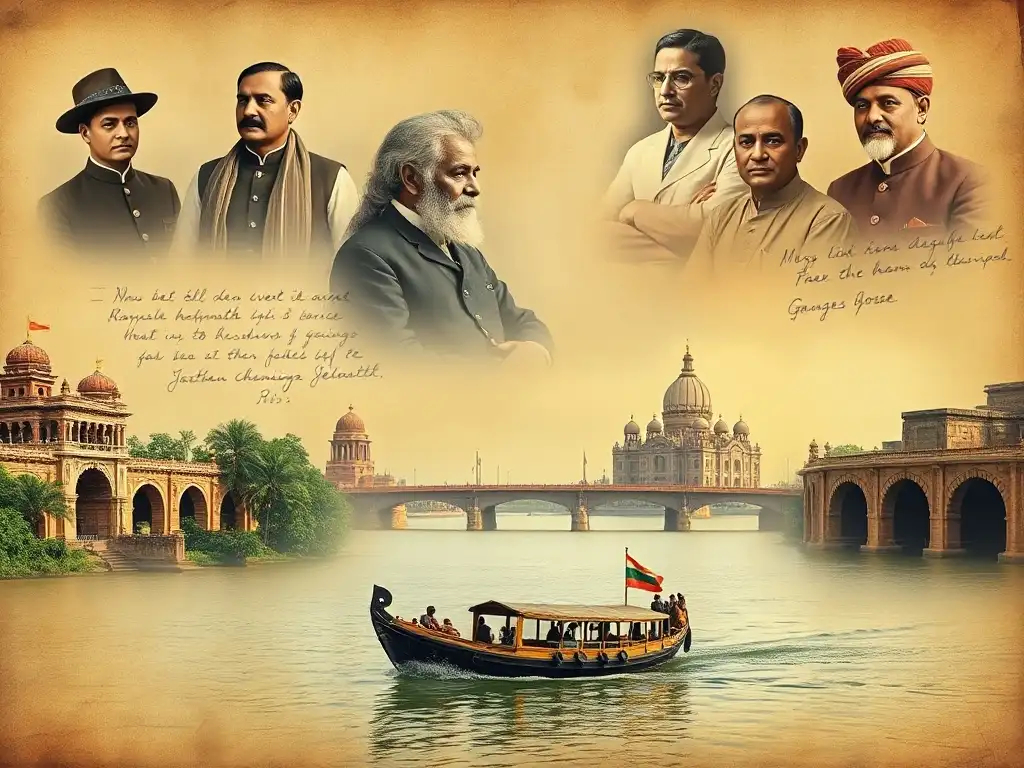
Eastern India has long been a cradle of rich cultural and historical developments, influenced by various significant events that have shaped its identity. From the rise of major religions to the reigns of powerful dynasties, these historical milestones have left an indelible mark on the region's cultural landscape.
The Arrival of Buddhism and Its Impact on Eastern Indian Culture
Buddhism, one of the most influential religions in ancient India, made its entrance into Eastern India around the 6th century BCE. Founded by Siddhartha Gautama, known as the Buddha, this religion quickly gained traction in the region due to its teachings on compassion, non-violence, and personal enlightenment.
- Monastic Institutions: The establishment of monastic centers, such as Nalanda and Vikramashila, transformed Eastern India into a hub of intellectual and spiritual learning. These institutions attracted scholars from across Asia, fostering a rich environment for philosophical discourse and religious studies.
- Art and Architecture: The arrival of Buddhism also led to the creation of unique art forms and architectural styles. Stupas, rock-cut caves, and intricate sculptures depicting the life of the Buddha became prominent. The Great Stupa at Sanchi and the Ajanta Caves are prime examples of this artistic flourish.
- Cultural Integration: As Buddhism spread, it facilitated the integration of various local cultures and practices. The religion's emphasis on moral conduct resonated with existing beliefs, leading to a unique blend of traditions that characterized Eastern Indian society.
The Spread of Jainism and Its Influence on Society
Jainism emerged around the same time as Buddhism and significantly influenced the socio-cultural fabric of Eastern India. Founded by Mahavira, Jainism promotes non-violence (ahimsa) and truthfulness, principles that found a receptive audience in the region.
- Economic Impact: Jain communities became prominent traders and merchants, contributing to the economic prosperity of Eastern India. Their ethical business practices and commitment to non-violence fostered a climate of trust and cooperation among communities.
- Architectural Contributions: Jain temples, with their exquisite carvings and intricate designs, dot the landscape of Eastern India. The Dilwara Temples in Rajasthan, although not in Eastern India, reflect the architectural brilliance that influenced local designs and construction techniques.
- Social Reforms: Jainism's focus on asceticism and renunciation led to significant social reforms. The promotion of self-discipline and ethical living encouraged a more conscientious society, impacting not just individual behavior but also community interactions.
The Chola and Pala Dynasties: A Cultural Renaissance
The Chola and Pala dynasties, although primarily associated with South and Eastern India, respectively, were instrumental in fostering a cultural renaissance that significantly shaped Eastern India's identity.
- The Chola Dynasty: Known for its maritime prowess, the Chola dynasty (9th to 13th centuries CE) expanded its influence into parts of Eastern India, notably through trade. Their temples, such as the Brihadeeswarar Temple, showcased advanced architectural techniques and artistic expression, influencing local styles.
- The Pala Dynasty: The Pala dynasty (8th to 12th centuries CE) is recognized for its patronage of Buddhism and the arts. They established a vast empire in Eastern India, promoting learning and culture through the establishment of universities and monasteries. The Pala sculptures and paintings are celebrated for their intricate detail and spiritual depth.
- Cultural Synthesis: The interactions between the Chola and Pala dynasties facilitated a cultural synthesis that blended elements of art, philosophy, and religion. This cross-pollination enriched Eastern Indian society, contributing to its diverse heritage.
The historical events of Eastern India, including the arrival of Buddhism and Jainism, along with the contributions of the Chola and Pala dynasties, have been pivotal in shaping the region's identity. These events not only influenced religious practices but also had profound effects on art, architecture, and societal norms, leaving a lasting legacy that continues to be felt today.
Colonial Period and Its Historical Events
The Impact of British Colonization on Eastern India
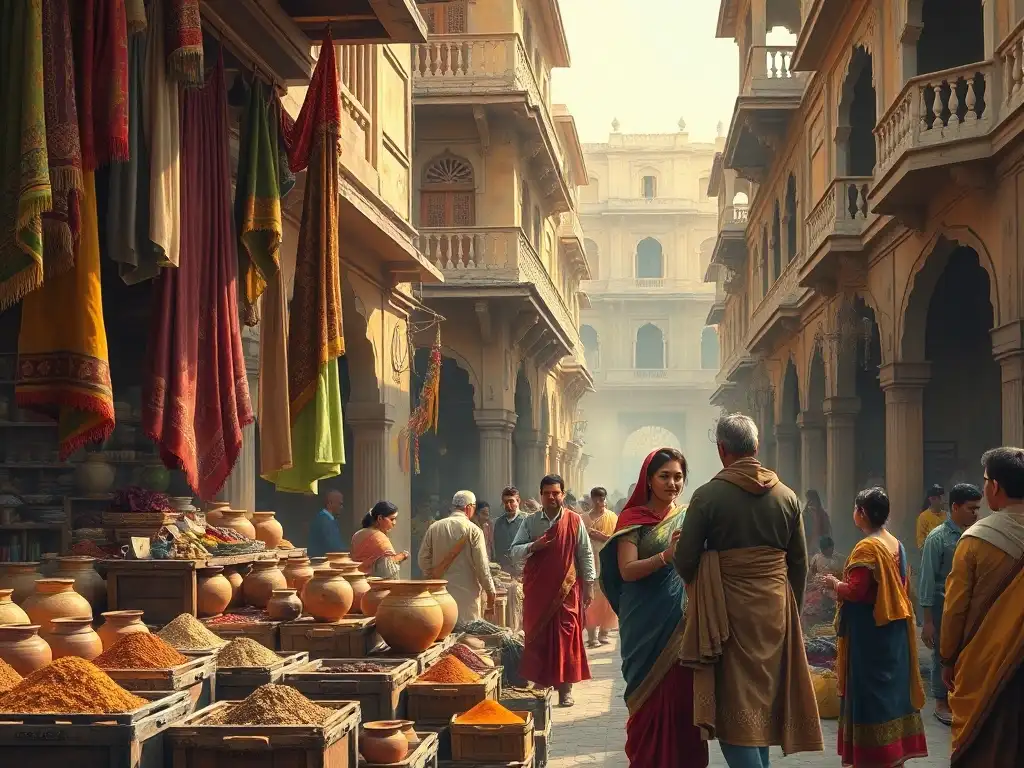
The British colonization of India, particularly in the eastern regions, had profound and lasting impacts on the cultural, economic, and political landscapes of the area. Beginning in the late 18th century, the British East India Company gradually expanded its control over Bengal, Bihar, and Odisha, leading to significant transformations.
- Economic Changes: The British imposed a system of land revenue that favored zamindars (landlords), which altered traditional agrarian structures. This led to widespread rural indebtedness and poverty among peasant classes. The introduction of cash crops, such as indigo and jute, shifted local economies away from food production, causing famines, most notably the Great Bengal Famine of 1943 that resulted in millions of deaths.
- Cultural Shifts: The British brought Western education and the English language, which created a new middle class. This class began to engage with Western ideas, leading to a cultural renaissance in Bengal. Influential figures like Rabindranath Tagore emerged during this period, blending traditional Indian culture with Western literary forms.
- Social Reforms: The colonial government also catalyzed social reform movements. The abolition of practices such as sati (the burning of widows) and the promotion of women's education can be traced back to both British influence and the reformative zeal of local leaders like Ishwar Chandra Vidyasagar.
The Role of Eastern India in the Indian Independence Movement
Eastern India played a crucial role in the Indian independence movement, marked by notable events and movements. The region was a hotbed of revolutionary activities and intellectual discourse that galvanized the masses against British rule.
- The Swadeshi Movement: Launched in 1905 in response to the partition of Bengal, the Swadeshi Movement encouraged the boycott of British goods and promoted indigenous products. Eastern India, particularly Bengal, became the epicenter of this movement, inspiring widespread participation from various social strata.
- Revolutionary Activities: Notable revolutionary groups such as the Anushilan Samiti and Jugantar Party originated in Bengal. These groups engaged in acts of defiance against colonial authorities, including bombings and assassinations aimed at British officials, highlighting the growing resentment against colonial rule.
- The Quit India Movement: In 1942, during the Quit India Movement, Eastern India witnessed significant protests. Leaders like Biplabi Subhas Chandra Bose, who advocated for armed struggle, emerged as pivotal figures, further energizing the independence struggle.
Key Historical Figures from Eastern India During Colonial Times
The colonial period saw the emergence of several key historical figures from Eastern India who contributed significantly to the national discourse and the fight against colonialism.
- Rabindranath Tagore: A polymath whose literary works inspired the Indian national consciousness. Tagore's poetry and songs, including "Jana Gana Mana," became symbols of resistance and unity.
- Subhas Chandra Bose: A prominent leader who advocated for complete independence from British rule. His formation of the Azad Hind Fauj (Indian National Army) and alliances with Axis powers during World War II emphasized his revolutionary approach to gaining freedom.
- Ishwar Chandra Vidyasagar: A social reformer and educator, Vidyasagar played a pivotal role in promoting women's rights and education. His efforts in the abolition of sati and advocating for widow remarriage marked significant social progress during colonial times.
- Satyendra Nath Tagore: An early Indian Civil Service officer and a key figure in the Bengal Renaissance, who contributed to educational reforms and the promotion of modern science in India.
These figures not only shaped the history of Eastern India but also laid the groundwork for the broader struggle for India's independence, marking an era of transformation and resilience.
Post-Independence Developments
The Role of Eastern India in Shaping Modern India
Post-independence, Eastern India has played a pivotal role in shaping the socio-economic landscape of modern India. The region, which includes states like West Bengal, Odisha, Bihar, and Jharkhand, has been instrumental in multiple aspects of national development, from politics to culture.
- Political Influence: Eastern India has been a stronghold of significant political movements and ideologies, contributing to the formation of national policies. Leaders from this region, such as Pramod Dasgupta and Biju Patnaik, have shaped the political narrative, advocating for regional rights and development.
- Economic Contributions: The industrial landscape of Eastern India has seen considerable evolution since independence. The region is home to several major industries, including jute, steel, and coal. Cities like Jamshedpur and Durgapur are central to India’s industrial output, contributing significantly to the national economy.
- Cultural Diversity: The rich tapestry of cultures in Eastern India, characterized by its multitude of languages, festivals, and traditions, has contributed to the cultural identity of modern India. The region has been a hub of art, literature, and music, influencing national culture through movements like the Bengal Renaissance.
Major Historical Events in Eastern India Post-1947
Eastern India has witnessed several historical events post-1947 that have significantly influenced its trajectory and identity.
- Formation of New States:
- The reorganization of states in the 1950s led to the creation of new administrative divisions, such as the bifurcation of West Bengal and the formation of states like Jharkhand in 2000.
- This restructuring aimed to address regional disparities and promote localized governance.
- Naxalite Movement (1967):
- Originating in West Bengal, the Naxalite movement was a significant leftist uprising that aimed to challenge the socio-economic inequalities in rural areas.
- This movement influenced various political ideologies across the country, highlighting issues of agrarian distress and socio-economic justice.
- Kalinga War and Its Aftermath (261 BCE):
- Though this event predates independence, its historical significance resonates in post-independence ideology. The Kalinga War, fought by Emperor Ashoka, marked a turning point in Indian history, promoting the principles of non-violence and Buddhism.
- The ideals propagated by Ashoka continue to influence modern policies concerning peace and diplomacy in India.
The Cultural Reawakening and Its Historical Significance
The cultural reawakening in Eastern India, particularly from the late 20th century onwards, has profound historical significance, impacting both regional and national identity.
- Revival of Traditional Arts: There has been a resurgence in traditional art forms such as Pattachitra, Batik, and Odissi dance. This revival has not only preserved cultural heritage but has also promoted tourism and local economies.
- Literary Movements: The late 20th century saw a flourishing of literature in Eastern India, with authors like Mahasweta Devi and Satyajit Ray gaining national acclaim. Their works often reflect the socio-political issues faced by the region, contributing to a broader understanding of Eastern Indian identity.
- Festivals and Celebrations: Festivals such as Durga Puja and Rath Yatra have gained national and international recognition, drawing visitors and fostering a sense of unity. Such celebrations highlight the region's cultural richness, promoting diversity within the Indian cultural landscape.
The historical events of Eastern India, coupled with its cultural renaissance, continue to shape its identity within the broader narrative of modern India, showcasing how regional histories contribute to national identity.
Conclusion: The Legacy of Historical Events in Eastern India
Summary of Key Historical Events and Their Impact
Eastern India has been a crucible of transformative historical events that have significantly influenced its cultural and social dynamics. Among these, the rise and fall of the Maurya and Gupta Empires stand out as pivotal moments, fostering advancements in trade, philosophy, and governance. The Mauryan period, particularly under Ashoka, established a unified political structure that promoted Buddhism across the region, leaving a profound impact on the spiritual landscape.
Furthermore, the establishment of trade routes during the Gupta Empire facilitated exchange not only within India but also with far-flung regions, enhancing cultural interactions and economic prosperity. The flourishing of art, literature, and science during this period, epitomized by figures like Aryabhata, laid the groundwork for future intellectual pursuits.
The arrival of foreign influences, notably through invasions and migrations, has also been central to shaping Eastern India's identity. The interactions with Persians, Greeks, and later the Mughals introduced new cultural elements and practices, which were assimilated into the local ethos, creating a rich tapestry of identities.
| Historical Event | Period | Impact |
|---|---|---|
| Rise of the Maurya Empire | 322-185 BCE | Unified India, spread of Buddhism |
| Gupta Empire's Golden Age | 320-550 CE | Advancements in science, mathematics, and arts |
| Arrival of Islamic Influence | 12th century | Introduction of new cultural practices and architectural styles |
| Colonial Impact of the British | 18th-20th century | Transformation of social structures, economy, and resistance movements |
The Continuing Influence of Eastern India’s History on Identity Today
The historical events of Eastern India continue to resonate in contemporary society, shaping its identity, culture, and social practices. The region's diverse heritage, rooted in its historical narratives, has fostered a unique blend of traditions that reflect both its ancient past and modern influences.
For instance, festivals like Durga Puja in West Bengal not only celebrate religious beliefs but also reflect a historical synthesis of local customs and influences from various historical epochs. Similarly, the culinary diversity, characterized by both indigenous ingredients and foreign spices introduced through trade and colonialism, showcases the lasting impact of historical interactions.
Moreover, the region's educational institutions, many of which trace their origins back to ancient universities such as Nalanda, continue to play a vital role in nurturing intellectual discourse, fostering a sense of pride in Eastern India's historical contributions to knowledge and learning.
In confronting contemporary issues, such as social inequality and cultural preservation, the lessons derived from Eastern India's historical events offer valuable insights into community resilience and identity formation. The collective memory of historical struggles against colonialism and social injustices galvanizes movements for social change, demonstrating that the legacy of Eastern India's rich history is not merely a relic of the past but a dynamic force shaping its future.
As Eastern India continues to navigate its path in the modern world, the echoes of its historical events remain a powerful influence, helping to forge a collective identity that honors its diverse heritage while embracing the challenges and opportunities of the present.
Further Reading on Historical Events of Eastern India
Suggested Resources for Exploring Eastern India's History
To deepen your understanding of the historical events that shaped Eastern India, several resources offer comprehensive insights and analyses. Here’s a curated list of notable websites, archives, and online platforms where you can find rich information:
- Digital South Asia Library: This platform provides access to a wealth of primary sources and historical documents related to South Asia, including Eastern India.
- Indian History Congress: Offers proceedings and research papers from various historical conferences that delve into specific events and periods in Eastern Indian history.
- National Archives of India: A treasure trove of documents, manuscripts, and records that detail the administrative and cultural history of Eastern India.
- Archaeological Survey of India: This site features findings from excavations across Eastern India, revealing insights into the region's ancient civilizations.
Consider subscribing to historical journals focused on Indian history, such as the Journal of Indian History or Indian Historical Review, for the latest scholarly articles and research findings.
Recommended Books and Articles on Eastern Indian Historical Events
A wealth of literature exists that captures the essence of Eastern India's history through various lenses. Below is a selection of recommended books and articles that provide valuable perspectives:
-
Books
-
"The History of Bengal: From the Earliest Times to the Present" by Edward Thomas
This book provides a detailed account of the socio-political developments in Bengal, contributing significantly to the understanding of Eastern India's historical landscape.
-
"Ancient India: Culture and Civilization" by Ramesh Chandra Sharma
A comprehensive overview that discusses the cultural and historical evolution of ancient Indian civilizations, with a focus on Eastern regions.
-
"Buddhism in Eastern India" by John B. Strong
This work explores the spread of Buddhism in Eastern India and its implications for the region's cultural and social development.
-
-
Articles
-
"The Impact of Colonial Rule on Eastern India"
This article examines the socio-economic changes during the British colonial period, highlighting key historical events that transformed Eastern Indian society.
-
"Trade and Cultural Exchanges in Eastern India"
An insightful exploration of the trade routes and cultural interactions that shaped the identities and histories of Eastern Indian communities.
-
"The Rise and Fall of the Pala Empire"
This piece delves into the Pala dynasty's influence over Eastern India, detailing significant events that marked its rise and eventual decline.
-
By engaging with these resources, readers can gain a deeper appreciation for the complex tapestry of events that have historically defined Eastern India.
Frequently Asked Questions
What are some key historical events of Eastern India?
Some significant historical events include the establishment of the Maurya Empire, the emergence of Buddhism, and the Bengal Renaissance, which all greatly influenced the region's cultural identity.
How did the Indus Valley Civilization impact Eastern India?
The Indus Valley Civilization established early urban centers and trade routes, laying the foundation for agricultural practices and craftsmanship that shaped the development of Eastern Indian societies.
What role did the Gupta Empire play in the history of Eastern India?
The Gupta Empire was crucial in promoting art, science, and philosophy during the Golden Age, enhancing the cultural and intellectual landscape of Eastern India.
How did Buddhism influence Eastern Indian culture?
Buddhism, which originated in the region, fostered the development of monasteries and trade routes, promoting cultural exchange and contributing significantly to Eastern India’s identity.
What are the contributions of Eastern India to the cultural heritage of India?
Eastern India has contributed to the arts, literature, and spiritual traditions, with notable figures such as Rabindranath Tagore and the rich tradition of classical dance, significantly shaping India's cultural heritage.
Final Reflection: Understanding the Historical Events that Shaped Eastern India's Identity
The historical events of Eastern India are not just relics of the past; they are the very fabric that weaves together the rich cultural tapestry of this vibrant region. From the ancient kingdoms to the colonial struggles, each event has left an indelible mark on the identity of Eastern India, influencing its traditions, languages, and social dynamics. Today, as we navigate a rapidly changing world, understanding these historical narratives is crucial for fostering a sense of belonging and continuity in a region that has always been a melting pot of cultures.
Cultural identity is often forged in the crucible of history, and the events that have transpired in Eastern India continue to resonate in contemporary society. The legacy of movements for independence, social reform, and cultural renaissance can be seen in the pride and resilience of its people. As Mahatma Gandhi once said, "> A nation's greatness is measured by how it treats its weakest members." This sentiment underscores the importance of acknowledging our past to build a more inclusive future, reminding us that the struggles and triumphs of those who came before us shape our collective identity today.
As we reflect on the historical events that have shaped Eastern India, I invite you to consider how these lessons can be applied in your own life. Take a moment to explore your roots and understand the stories that have influenced your identity.
Whether through engaging with local history, participating in cultural events, or simply sharing stories with family and friends, you have the power to keep these narratives alive. Embrace the richness of your heritage and let it inspire you to contribute positively to the ongoing story of Eastern India, ensuring that its vibrant identity continues to thrive for generations to come.
Unveil the Rich Tapestry of Eastern India's History!
Thank you for exploring the fascinating historical events that have shaped Eastern India's identity! Your journey through these rich narratives is just the beginning. Now, take the next steps to deepen your understanding and connect with this vibrant culture.
- Dive Deeper: Read more articles on our website to explore each historical event in detail and uncover lesser-known stories.
- Join the Conversation: Share your thoughts on social media or in the comments below about your favorite historical figure from Eastern India!
- Connect with History Enthusiasts: Join our community forum to engage with others who share your passion for the rich history of this remarkable region.
What aspect of Eastern India's history inspires you the most, and how will you delve into it further?