
The Legacy of Shakyamuni: The Buddha’s Impact on Future Generations

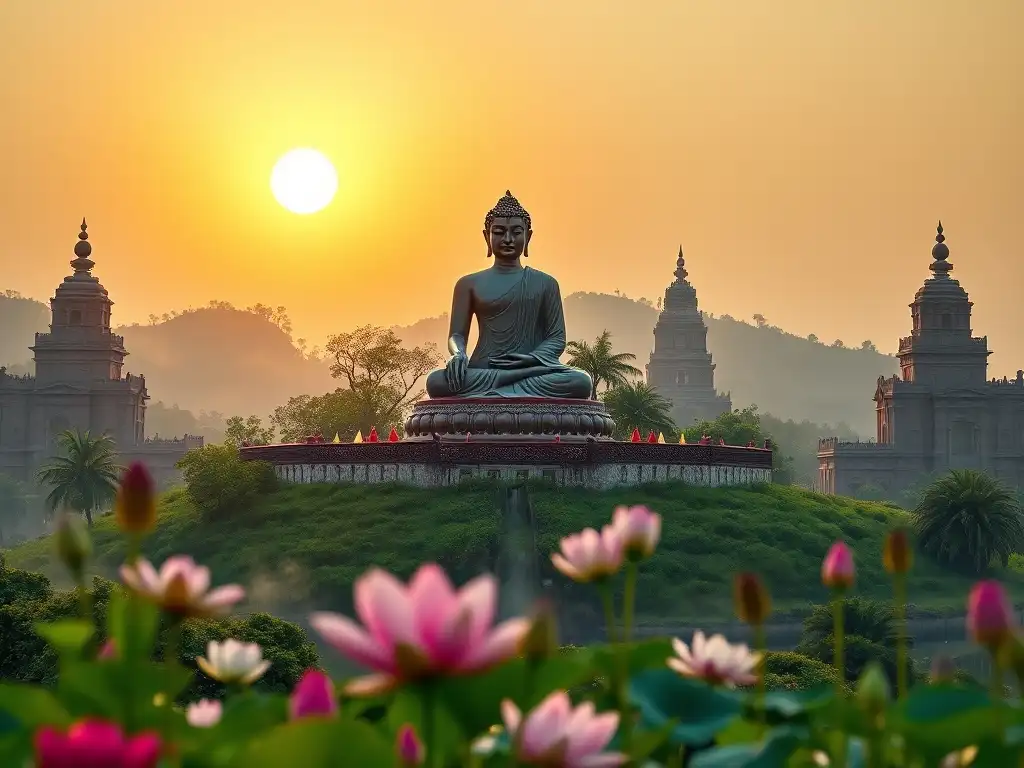
Welcome to Ancient India History, where we embark on a fascinating journey through the rich tapestry of ancient Indian civilizations. As we delve into the profound topic of Buddhism's influence on Indian culture, prepare to uncover the transformative legacy of Shakyamuni and how the teachings of the Buddha have shaped not only spiritual practices but also the very fabric of Indian society.
Join us as we explore the intricate connections between ancient beliefs and their enduring impact on future generations, inviting you to unravel the mysteries that lie within this vibrant history. Dive deeper into the legacy left behind, and discover how the echoes of Buddhism continue to resonate through time.
Introduction to Buddhism's Influence on Indian Culture
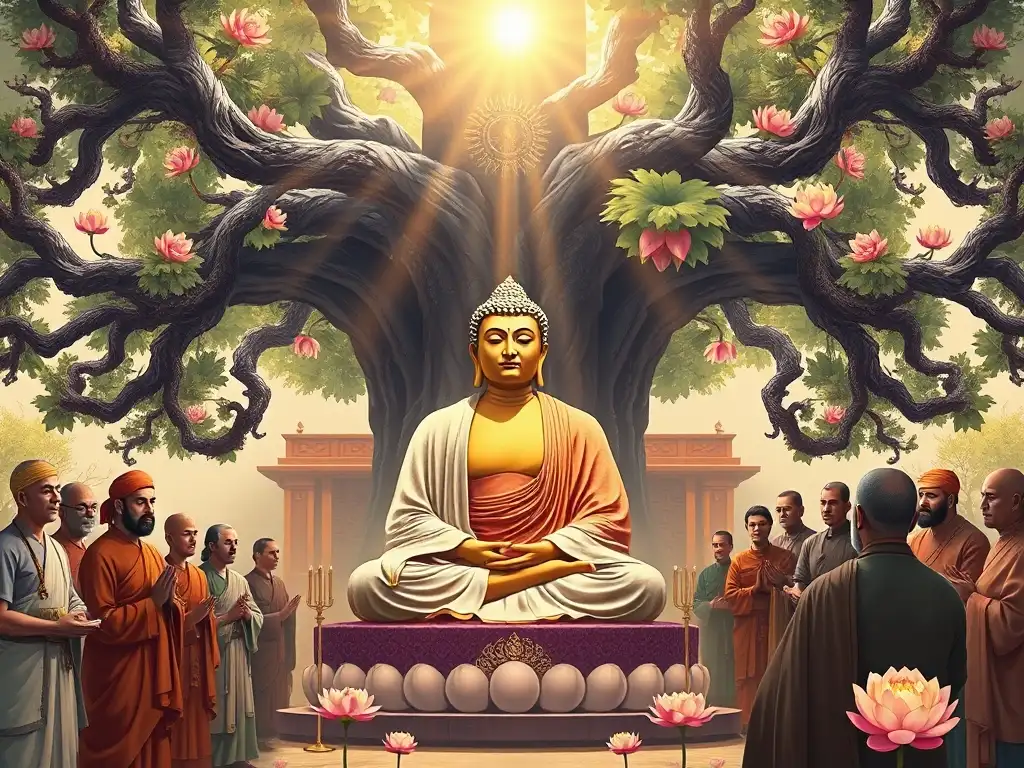
Buddhism, founded by Siddhartha Gautama, known as Shakyamuni Buddha, has significantly shaped the cultural, philosophical, and spiritual landscape of ancient India. Emerging in the 5th century BCE, this profound tradition transcended its initial religious boundaries, influencing various aspects of Indian society and culture that resonate even today.
As we explore the legacy of the Buddha, we can see how his teachings laid the groundwork for a moral framework that emphasized compassion, mindfulness, and the pursuit of enlightenment, which deeply impacted Indian culture and beyond. The intricate tapestry of Buddhism's influence reveals a dynamic interplay between spirituality and daily life, exemplifying how a single figure's teachings can reverberate through generations.
Overview of Shakyamuni Buddha's Life and Teachings
Siddhartha Gautama's journey from a sheltered prince to the Enlightened One is a compelling narrative of transformation. Born into royalty in Lumbini, present-day Nepal, he renounced his luxurious life upon encountering the realities of suffering, aging, and death. This pivotal moment propelled him on a quest for understanding and alleviation of human suffering. After years of ascetic practices, Siddhartha attained enlightenment under the Bodhi tree in Bodh Gaya, where he realized the Four Noble Truths:
- The truth of suffering (Dukkha): Acknowledging that suffering is an inherent part of existence.
- The origin of suffering (Samudaya): Recognizing that desire and attachment are the roots of suffering.
- The cessation of suffering (Nirodha): Understanding that liberation from suffering is attainable.
- The path to the cessation of suffering (Magga): Following the Eightfold Path as a guide to ethical and mental development.
These teachings not only provided a framework for personal development but also established a community focused on spiritual growth, known as the Sangha.
Importance of Buddhism in Ancient Indian History
Buddhism's emergence marked a significant departure from the prevailing Vedic traditions, introducing new perspectives on spirituality and ethics. The religion gained considerable patronage from powerful rulers such as Emperor Ashoka, who embraced Buddhist principles and promoted them across his empire. This led to the establishment of stupas, monasteries, and educational centers, facilitating the spread of Buddhist philosophy and practices throughout ancient India and beyond. Notably, Ashoka's edicts highlight the integration of Buddhist values into governance, emphasizing non-violence, tolerance, and welfare, which laid the foundation for a more humane and ethical society.
Key Aspects of Buddhism's Influence on Indian Culture
Philosophical Contributions of Buddhism to Indian Thought
Buddhism introduced revolutionary philosophical concepts that challenged existing paradigms. The emphasis on impermanence (Anicca) and non-self (Anatta) offered a refreshing viewpoint that encouraged individuals to detach from material possessions and ego-centric pursuits. These ideas deeply influenced various schools of Indian philosophy, prompting dialogues that enriched the intellectual discourse of the time. Additionally, Buddhist notions of compassion (Karuna) and loving-kindness (Metta) became foundational ethical principles that permeated Indian culture, shaping social interactions and community dynamics.
Integration of Buddhist Practices in Indian Society
Buddhist rituals and practices found their way into the daily lives of people across diverse regions in ancient India. The concept of meditation, particularly mindfulness and concentration practices, gained prominence and became integral to spiritual and mental well-being. Furthermore, Buddhism's teachings on ethical conduct fostered a sense of social responsibility, encouraging charitable acts and community support. Festivals and ceremonies originating from Buddhist traditions, such as Vesak, celebrating the birth, enlightenment, and death of the Buddha, became significant cultural events, promoting unity and communal harmony.
Through these multifaceted influences, Buddhism left an indelible mark on Indian culture, encouraging a shift towards introspection, compassion, and a collective pursuit of enlightenment. As we delve deeper into the nuances of Buddhism's legacy, it becomes evident that its impact extends far beyond the historical confines of ancient India, resonating with spiritual seekers and scholars to this day.
The Spread of Buddhism Beyond India
Buddhism, founded by Shakyamuni, has had a profound influence not only on Indian culture but also on various civilizations around the world. After its inception in the 6th century BCE, Buddhism began to spread beyond the Indian subcontinent, largely due to a combination of missionary efforts, trade routes, and the patronage of influential rulers. By the 3rd century BCE, under Emperor Ashoka, Buddhism was actively propagated across Asia, reaching regions such as Central Asia, Southeast Asia, and even parts of the Mediterranean. This expansion facilitated cultural exchanges that significantly shaped the societies that adopted Buddhist practices and beliefs.
The adaptability of Buddhism played a crucial role in its spread. Rather than enforcing a rigid set of doctrines, Buddhism often incorporated local customs and philosophies, allowing it to resonate with diverse populations. The establishment of monastic communities served as centers of learning and spiritual practice, further promoting the teachings of the Buddha. As a result, the legacy of Shakyamuni not only transformed Indian culture but also laid the foundation for a rich tapestry of Buddhist traditions across different cultures.
The Role of Trade Routes in Spreading Buddhist Ideas
Trade routes, particularly the Silk Road, were instrumental in disseminating Buddhist ideas beyond India. These routes facilitated not only the exchange of goods but also the movement of people, including monks and traders who carried Buddhist teachings to various regions. As merchants traveled along these routes, they shared religious texts, art, and cultural practices, contributing to the establishment of Buddhism in countries such as China, Korea, and Japan.
The influence of trade routes is evident in the art and architecture that emerged in these regions, often reflecting Buddhist themes and iconography. For instance, Gandhara art, which developed in what is now Pakistan and Afghanistan, showcases Hellenistic influences blended with Buddhist motifs, demonstrating the intercultural dialogue that occurred through trade. The role of trade routes in spreading Buddhism underscores the interconnectedness of ancient civilizations and the fluidity of cultural exchange.
Influence of Buddhism on Neighboring Civilizations
Buddhism's influence on neighboring civilizations is profound and multifaceted. In regions like Tibet and Mongolia, Buddhism blended with indigenous beliefs, leading to the development of unique traditions such as Tibetan Buddhism, which incorporates elements of Bon, the region's pre-Buddhist religion. In Southeast Asia, particularly in places like Thailand and Myanmar, Theravada Buddhism became the dominant form, deeply influencing social norms, governance, and art.
Moreover, Buddhism's impact can also be observed in the philosophical dialogues it sparked with other major religions, including Hinduism and Jainism in India, and Confucianism and Daoism in China. These interactions led to a rich exchange of ideas, resulting in a more profound spiritual and philosophical landscape across Asia. The integration of Buddhist principles into the societal frameworks of these civilizations highlights its enduring legacy and adaptability to various cultural contexts.
Shakyamuni's Teachings and Their Lasting Impact
Shakyamuni's teachings, centered around the Four Noble Truths and the Eightfold Path, have left an indelible mark on the spiritual landscape of not only India but the entire world. These core tenets emphasize the nature of suffering, the causes of suffering, and the path to liberation, guiding millions towards a more mindful and compassionate way of living. The accessibility of these teachings has allowed Buddhism to flourish in diverse cultural settings, promoting values such as compassion, non-violence, and the pursuit of wisdom.
The relevance of Shakyamuni's teachings persists in contemporary society, where individuals seek meaning and mindfulness amidst the complexities of modern life. The principles of Buddhism continue to inspire various movements focused on social justice, environmental sustainability, and holistic well-being, demonstrating the profound impact of Shakyamuni’s insights on future generations.
Core Principles of Buddhism and Their Relevance Today
The core principles of Buddhism—such as impermanence, interdependence, and the importance of ethical conduct—remain relevant in today’s fast-paced world. The concept of impermanence encourages individuals to embrace change and uncertainty, fostering resilience and adaptability. Interdependence highlights the interconnectedness of all beings, promoting a sense of global responsibility and compassion.
Moreover, the ethical precepts of Buddhism advocate for kindness, truthfulness, and moderation, values that resonate deeply in today’s discussions around personal and societal ethics. As mental health awareness grows, the teachings of mindfulness and meditation, integral to Buddhism, are increasingly recognized for their benefits in managing stress and enhancing emotional well-being. This enduring relevance of Buddhist principles demonstrates their capacity to guide individuals in navigating the complexities of modern life.
The Role of Meditation and Mindfulness in Indian Culture
Meditation and mindfulness have been central to Indian culture for millennia, with Buddhism playing a pivotal role in their development and popularization. The practices of meditation, which are integral to Buddhist traditions, focus on cultivating awareness, concentration, and inner peace. These techniques were not only transformative for individuals but also influenced various spiritual paths within Indian culture, including Hinduism and Jainism.
In contemporary India, there is a resurgence of interest in meditation and mindfulness practices, often viewed as essential tools for mental health and personal growth. Many individuals and organizations promote these practices as a means to cope with the stresses of modern life, emphasizing their roots in ancient traditions.
The Buddhist emphasis on mindfulness as a way of living—being fully present and engaged in each moment—continues to resonate, offering a pathway to deeper awareness and compassion in daily life. This enduring legacy of Shakyamuni underscores the pivotal role of meditation and mindfulness in shaping both individual lives and collective cultural practices in India.
Buddhist Art and Architecture: A Transformative Legacy

Buddhist art and architecture represent a significant aspect of the cultural legacy left by Shakyamuni, or the Buddha. This transformative legacy has not only defined the visual and structural aspects of Indian civilization but has also influenced art and architecture across Asia and beyond. From intricate sculptures to grand stupas, the aesthetic expressions of Buddhism serve as a reflection of its philosophical ideals, encapsulating the essence of enlightenment, compassion, and the transitory nature of life.
The evolution of Buddhist art is characterized by distinct phases, each contributing to a rich tapestry that narrates the teachings of the Buddha. The art forms have been instrumental in spreading the spiritual messages of Buddhism, often employing symbolism and narrative techniques that engage the viewer both emotionally and intellectually. As Buddhism spread beyond India, its artistic expressions adapted to different cultures, leading to a diverse array of styles that still resonate today.
The Evolution of Buddhist Art in India
The evolution of Buddhist art in India can be traced back to the 3rd century BCE, during the reign of Emperor Ashoka, who played a pivotal role in promoting Buddhism. Early Buddhist art was largely aniconic, meaning that it avoided depicting the Buddha in human form. Instead, symbols such as the lotus flower, the dharma wheel, and footprints were used to represent his presence and teachings. This period emphasized the fundamental principles of Buddhism, focusing on the path to enlightenment.
As Buddhism matured, especially during the Kushan Empire in the 1st to 3rd centuries CE, the representation of the Buddha began to take on human form. The Gandhara and Mathura schools of art emerged during this time, producing remarkable sculptures and reliefs that depicted the Buddha in various poses, known as mudras, each symbolizing different aspects of his teachings. The use of naturalistic styles and intricate details characterized this period, reflecting the influences of Hellenistic art and local traditions.
By the time of the Gupta Empire (4th to 6th centuries CE), Buddhist art had reached new heights. The Gupta period is often regarded as the Golden Age of Indian art, marked by the creation of exquisite sculptures and cave paintings, such as those found in the Ajanta and Ellora caves. These artworks not only showcased the technical mastery of Indian artisans but also illustrated the narratives of the Jataka tales, which recount the Buddha's previous lives. The flourishing of Buddhist art during this period laid the groundwork for future artistic expressions throughout Asia.
Notable Buddhist Architectural Sites in Ancient India
Ancient India is home to several notable Buddhist architectural sites that stand as testaments to the grandeur and influence of Buddhism. Among these sites, the Great Stupa at Sanchi is one of the most significant. Commissioned by Emperor Ashoka in the 3rd century BCE, this stupa serves as a reliquary and is adorned with intricate carvings that depict scenes from the life of the Buddha and the Jataka tales. Its design and structural elements have inspired numerous stupas across the Indian subcontinent.
Another remarkable site is the Ajanta Caves, a UNESCO World Heritage site located in Maharashtra. Dating from the 2nd century BCE to the 6th century CE, these rock-cut caves feature stunning frescoes and sculptures that narrate the life of the Buddha and various Buddhist themes. The artistic techniques used here exemplify the high level of craftsmanship that flourished during ancient India.
The Nalanda University ruins also highlight the architectural legacy of Buddhism. Established in the 5th century CE, Nalanda was one of the world's first residential universities, attracting scholars from various regions. The remains of monasteries, temples, and stupas at Nalanda continue to reflect the grandeur of Buddhist educational and spiritual endeavors.
Buddhism's Influence on Other Indian Religions
Buddhism's influence on Indian culture extends beyond its own traditions, significantly impacting other religions such as Hinduism and Jainism. The interactions between these faiths have shaped the spiritual landscape of India, fostering a rich exchange of ideas, practices, and beliefs.
Interactions Between Buddhism and Hinduism
The relationship between Buddhism and Hinduism has been complex and multifaceted. While Buddhism emerged as a reformist movement within the broader context of Indian spirituality, it also engaged deeply with Hindu philosophical concepts. For instance, both religions share core beliefs in karma, dharma, and moksha (liberation), yet they interpret these concepts differently.
Hindu texts, such as the Upanishads, and Buddhist scriptures, like the Tripitaka, exhibit striking similarities in their metaphysical inquiries and ethical teachings. Over time, elements of Buddhist philosophy, such as the notion of compassion (karuna) and non-attachment, found their way into Hindu thought and practice. Conversely, the rise of Bhakti movements in medieval India showcased the influence of Buddhist devotional practices, further intertwining the two traditions.
Despite instances of conflict, such as the decline of Buddhism in India during the medieval period, the syncretism between Buddhism and Hinduism has left an indelible mark on Indian culture, art, and philosophy. Festivals, rituals, and spiritual discourses often reflect the shared heritage of these two major religions.
The Impact of Buddhism on Jainism
Buddhism's impact on Jainism is particularly noteworthy, given their shared historical context and quest for spiritual liberation. Both traditions emphasize non-violence (ahimsa) and asceticism, yet they have distinct theological frameworks and practices. The interaction between Buddhism and Jainism has fostered a mutual exchange of ideas, especially in ethical and philosophical realms.
For instance, the concept of ahimsa, while central to both religions, is articulated differently in Buddhist and Jain contexts. Jains maintain a rigorous adherence to non-violence, extending it to all living beings, which is reflected in their strict vegetarian practices and lifestyle choices. Buddhism, while also advocating for non-violence, incorporates a more pragmatic approach that allows for certain exceptions in the context of compassion and practical realities.
The Jain tradition has also adopted certain narrative elements and artistic motifs from Buddhism, particularly in their temple architecture and iconography. This blending of ideas and practices illustrates the profound influence Buddhism has had on Jainism and highlights the interconnectedness of India's spiritual traditions.
The legacy of Shakyamuni and the impact of Buddhism on Indian culture resonate through art, architecture, and religious interactions, exemplifying a rich tapestry of spiritual evolution that continues to influence modern thought and practice.
The Legacy of Shakyamuni in Modern Context
The teachings of Shakyamuni, known as the Buddha, have transcended time and continue to resonate deeply within modern society. His philosophies on suffering, mindfulness, and the path to enlightenment have found a renewed relevance in the context of contemporary challenges. As individuals navigate the complexities of modern life, the core tenets of Buddhism—compassion, non-attachment, and ethical living—offer profound guidance. This legacy has not only shaped spiritual practices but has also influenced broader cultural and social norms, creating a framework for personal and collective growth.
The integration of Buddhist principles into modern psychology, particularly through mindfulness practices, highlights the adaptability of Shakyamuni's teachings. Techniques such as meditation and breath awareness are now embraced in various therapeutic settings, illustrating the intersection of ancient wisdom and modern science. Thus, the legacy of Shakyamuni extends beyond mere spiritual practice, permeating various aspects of contemporary life, from mental health to ethical leadership in organizations.
The Resurgence of Buddhist Practices in Contemporary India
In recent years, there has been a notable resurgence of Buddhist practices in India, reflecting a growing interest in the teachings of Shakyamuni. This revival can be attributed to several factors, including the efforts of various organizations and leaders who promote Buddhism as a path to social justice and personal well-being. Notably, figures like B. R. Ambedkar played a pivotal role in encouraging marginalized communities to embrace Buddhism, viewing it as a means of empowerment and social reform.
Additionally, the rise of meditation centers and Buddhist retreats across India has facilitated the accessibility of Shakyamuni's teachings. These centers not only offer traditional practices but also incorporate modern interpretations that appeal to a diverse audience. The integration of Buddhist philosophy into educational curricula and community programs has further reinforced the relevance of these teachings, fostering a deeper understanding of their significance in contemporary society.
Shakyamuni's Influence on Global Spiritual Movements
Shakyamuni's impact extends far beyond the borders of India, influencing spiritual movements worldwide. The introduction of Buddhism to the West in the 20th century catalyzed a wave of interest in Eastern philosophies, leading to the establishment of various Buddhist schools and practices. Figures such as Thich Nhat Hanh and the Dalai Lama have played crucial roles in popularizing Buddhist principles, emphasizing compassion and interdependence as vital components of global ethics.
Moreover, the adaptability of Buddhist teachings has allowed for the emergence of syncretic movements that blend elements of Buddhism with other spiritual traditions. This has resulted in a rich tapestry of practices that resonate with diverse audiences, further solidifying Shakyamuni's legacy as a universal symbol of peace and enlightenment. As global challenges such as climate change and social inequality intensify, the relevance of Shakyamuni’s teachings in advocating for mindfulness and ethical stewardship becomes increasingly significant.
Conclusion: The Enduring Impact of Buddhism on Indian Culture
The enduring impact of Buddhism on Indian culture is evident in various facets of life, from art and architecture to philosophy and social practices. Temples and stupas across India serve as testaments to the architectural brilliance inspired by Buddhist ideals, while literature and performing arts reflect the narrative of the Buddha's life and teachings. The cultural infusion of Buddhist values has also contributed to India's rich tapestry of pluralism, fostering an environment of mutual respect and understanding among different faiths.
Moreover, the principles of non-violence and compassion, central to Shakyamuni’s teachings, have permeated Indian society, influencing social movements and ethical frameworks. The teachings have inspired leaders such as Mahatma Gandhi, who integrated Buddhist concepts into his philosophy of non-violent resistance, showcasing the practical application of Shakyamuni's legacy in the struggle for justice.
Reflections on Shakyamuni’s Legacy for Future Generations
As future generations grapple with the complexities of modern existence, the legacy of Shakyamuni offers a timeless compass. His teachings encourage individuals to cultivate awareness, compassion, and understanding in their daily lives. This legacy serves as a reminder of the importance of inner peace and social responsibility in an increasingly fragmented world. By embracing these teachings, future leaders and citizens can foster a culture of empathy, resilience, and harmony.
Moreover, the ongoing dialogue surrounding Buddhism’s relevance in contemporary contexts invites individuals to explore and reinterpret these teachings in ways that resonate with their unique circumstances. Shakyamuni’s legacy is not fixed; it evolves as it is engaged with, allowing each generation to find meaning and purpose within its profound depths.
The Continued Relevance of Buddhism's Teachings in Today’s World
Buddhism's teachings remain profoundly relevant in today’s fast-paced, often chaotic world. Concepts such as mindfulness and the Four Noble Truths provide practical tools for navigating life's challenges, fostering mental clarity and emotional resilience. As individuals increasingly seek alternatives to conventional practices for stress relief and well-being, the teachings of the Buddha offer a holistic approach to personal development.
Furthermore, the global discourse on sustainability, social justice, and ethical living aligns closely with Buddhist principles. The emphasis on interconnectedness encourages individuals and communities to advocate for ecological stewardship and social equity. In this way, Buddhism's teachings continue to inspire transformative action and collective responsibility, ensuring that the legacy of Shakyamuni not only endures but flourishes in the face of modern challenges.
- Introduction to Buddhism's Influence on Indian Culture
- Key Aspects of Buddhism's Influence on Indian Culture
- The Spread of Buddhism Beyond India
- Shakyamuni's Teachings and Their Lasting Impact
- Buddhist Art and Architecture: A Transformative Legacy
- Buddhism's Influence on Other Indian Religions
- The Legacy of Shakyamuni in Modern Context
- Conclusion: The Enduring Impact of Buddhism on Indian Culture
Frequently Asked Questions
What is the significance of Shakyamuni in Buddhism?
Shakyamuni, also known as the Buddha, is revered as the founder of Buddhism, whose teachings profoundly shaped spiritual practices and philosophical thought in India and beyond.
How did Buddhism influence Indian culture?
Buddhism introduced concepts such as compassion, non-violence, and mindfulness, which permeated various aspects of Indian culture, including art, literature, and social ethics.
What are some key contributions of ancient Indian civilizations to Buddhism?
Ancient Indian civilizations played a pivotal role in the development of Buddhism through the establishment of monasteries, scholarship, and the promotion of Buddhist art and architecture.
How did the Gupta Empire support Buddhism?
The Gupta Empire is noted for its patronage of Buddhism, leading to the construction of stupas and temples, and fostering a vibrant community of Buddhist scholars and monks.
What are the enduring legacies of Buddhism in modern India?
The principles of Buddhism continue to influence Indian society today, promoting values of tolerance, ethical living, and spiritual inquiry across diverse communities.
Final Reflection: Embracing the Enduring Legacy of Shakyamuni
The teachings of Shakyamuni, the Buddha, resonate profoundly in today's world, illustrating the timeless relevance of Buddhism's influence on Indian culture. As we navigate the complexities of modern life, the principles of compassion, mindfulness, and interconnectedness that the Buddha espoused serve as guiding lights. In an era marked by rapid change and often divisive ideologies, the essence of Buddhism reminds us of our shared humanity and the importance of inner peace.
Culture is a living tapestry, woven from the threads of history, philosophy, and spirituality. The impact of Buddhism on Indian culture is not merely a relic of the past; it continues to shape societal values, artistic expressions, and ethical frameworks. As we witness the resurgence of interest in mindfulness practices and meditation, it becomes evident that the Buddha's teachings are more than historical anecdotes; they are vital tools for personal and collective growth. The mind is everything. What you think you become.
This quote encapsulates the transformative power of thought and intention, underscoring the relevance of Buddhist philosophy in contemporary life.
As we reflect on the profound legacy of Shakyamuni, I invite you to explore how these teachings can be integrated into your own life. Consider the ways in which mindfulness and compassion can enhance your interactions with others and deepen your understanding of yourself. Let the wisdom of the Buddha inspire you to cultivate a sense of peace and purpose, not only for your own benefit but for the betterment of the world around you. Embrace this journey of self-discovery and connection, and carry forward the teachings that have the power to transform lives for generations to come.
Embrace the Wisdom of Shakyamuni Today!
Thank you for taking the time to explore the profound impact of Shakyamuni, the Buddha, on future generations. We hope you found inspiration and deep insight into his teachings, which continue to shape lives today. Now, it's time to take meaningful steps to integrate this wisdom into your own life.
Here are some actionable ways to connect with the teachings of the Buddha and share his legacy:
- Join a local meditation group: Experience the serenity and mindfulness that Shakyamuni promoted by practicing meditation with others.
- Share your insights: Discuss the Buddha’s teachings with friends or on social media—your conversations can spark a deeper interest in mindfulness and compassion within your community.
- Dive deeper into Buddhist texts: Explore classic teachings and commentaries to expand your understanding of Shakyamuni’s profound impact.
As you reflect on these actions, what aspect of the Buddha's teachings will you embrace in your everyday life? Your journey toward mindfulness and peace could inspire others to follow!