
The Spread of Buddhism: How a Religion Transcended Borders


Welcome to Ancient India History, where we embark on a fascinating journey through the rich tapestry of India’s ancient civilizations. Today, we delve into an intriguing chapter: The Spread of Buddhism in India. Discover how this transformative religion transcended borders, influencing cultures and societies far beyond its origins. As you explore the profound impact of Buddhism, prepare to uncover stories of enlightenment, cultural exchange, and the remarkable ways in which ideas traveled across time and space. Join us in unraveling the mysteries of ancient beliefs that shaped the world as we know it today.
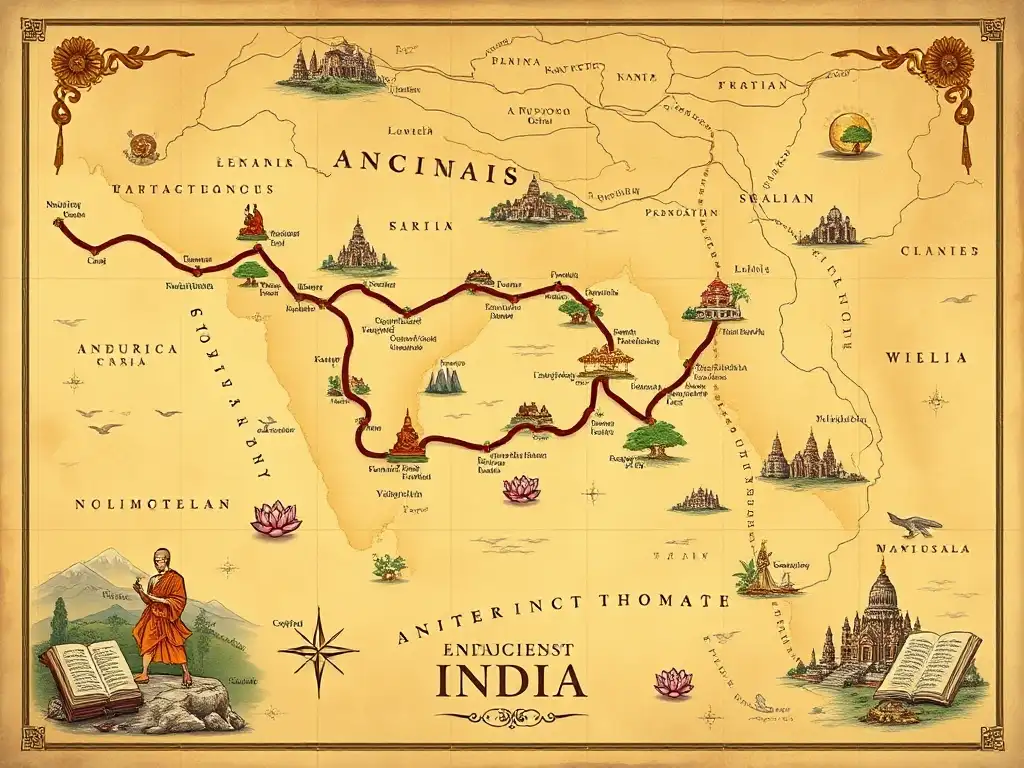
Introduction to Buddhism and Its Origins
Buddhism, one of the world's major religions, has its roots deeply embedded in the ancient landscapes of India. Emerging around the 5th to 4th centuries BCE, Buddhism arose as a spiritual and philosophical response to the prevailing religious practices of the time. Founded by Siddhartha Gautama, known as the Buddha, this religion emphasizes the pursuit of enlightenment and liberation from the cycle of birth and rebirth (samsara).
The teachings of Buddhism promote a path of moderation, ethical conduct, and mindfulness, making it distinct yet compatible with the existing spiritual traditions of ancient India. In this article, we will explore the spread of Buddhism in India, examining its origins, key teachings, and the historical context that facilitated its growth and influence across borders.
The Birth of Buddhism in Ancient India
The emergence of Buddhism can be traced back to the life of Siddhartha Gautama, who was born into a royal family in Lumbini, present-day Nepal. Disillusioned with the materialistic life of luxury, he embarked on a quest for spiritual understanding. After years of ascetic practices and meditation, Gautama attained enlightenment under the Bodhi tree in Bodh Gaya. From that moment, he became known as the Buddha, or "The Enlightened One," and devoted himself to teaching others about the path to enlightenment.
The core of Buddhism revolves around the Four Noble Truths and the Eightfold Path, which provide a framework for understanding suffering and achieving Nirvana—a state of liberation from suffering. This revolutionary approach to spirituality significantly impacted the social and religious fabric of ancient India, attracting followers from various strata of society, including merchants, commoners, and even royalty.
Key Teachings of Buddhism and Their Significance
Buddhism is characterized by several foundational teachings that underscore its philosophical depth:
- The Four Noble Truths:
- The truth of suffering (Dukkha).
- The origin of suffering (Samudaya).
- The cessation of suffering (Nirodha).
- The path leading to the cessation of suffering (Magga).
- The Eightfold Path:
- Right Understanding
- Right Intent
- Right Speech
- Right Action
- Right Livelihood
- Right Effort
- Right Mindfulness
- Right Concentration
These teachings emphasize ethical conduct, meditation, and wisdom, forming a holistic approach to personal development and societal harmony. The significance of these principles lies not only in their spiritual guidance but also in their capacity to foster compassion and mindfulness among individuals, which resonated within the diverse communities of ancient India.
Historical Context of Buddhism's Emergence
The historical backdrop of Buddhism's emergence is crucial to understanding its appeal and dissemination. During the 6th century BCE, India was marked by a flourishing of philosophical and religious thought. The decline of Vedic orthodoxy and the rise of urban centers created an environment ripe for new ideas. Additionally, the Mahajanapadas, or great kingdoms, were evolving, allowing for the exchange of ideas and beliefs.
The socio-political climate, characterized by caste divisions and ritualistic practices, drove many individuals to seek alternative paths, making Buddhism's message of equality and enlightenment particularly compelling. This context set the stage for Buddhism to spread beyond its immediate geographical origins.
The Spread of Buddhism in India
The dissemination of Buddhism across India was a multifaceted process influenced by various factors, including royal patronage, trade, and cultural exchange.
Early Spread of Buddhism in Indian Regions
Following the Buddha's death, his teachings began to spread throughout northern India. Monastic communities, or Sanghas, played a pivotal role in propagating Buddhist ideals. The establishment of monasteries along trade routes facilitated the movement of monks and lay followers, allowing Buddhism to reach diverse regions such as Mathura, Sarnath, and Nalanda. The adoption of Buddhism by influential local rulers further accelerated its acceptance and integration into different cultures.
Role of Ashoka in Promoting Buddhism
One of the most significant figures in the spread of Buddhism was Emperor Ashoka, who reigned from 268 to 232 BCE. After a transformative experience during the Kalinga War, Ashoka embraced Buddhism and dedicated his reign to its promotion. He erected Edicts of Ashoka, inscribed on pillars and rocks, which conveyed Buddhist teachings and ethical guidelines. His efforts not only established Buddhism as a state-supported religion but also encouraged the establishment of monastic institutions and the sending of missionaries to distant lands, further solidifying Buddhism's presence.
The Influence of Trade Routes on Buddhism's Expansion
The intricate network of trade routes in ancient India, including the Silk Road and maritime routes, played a crucial role in the spread of Buddhism beyond its homeland. As merchants traveled for trade, they carried Buddhist texts and ideas, leading to the establishment of Buddhist communities in regions such as Central Asia, Southeast Asia, and eventually East Asia. This cross-cultural exchange not only facilitated the spread of Buddhism but also allowed for the adaptation and integration of local beliefs, resulting in a rich tapestry of Buddhist traditions across different cultures.
This exploration of the spread of Buddhism in India showcases its profound impact on ancient Indian society and its enduring legacy in shaping spiritual landscapes around the world.
Factors Influencing the Spread of Buddhism
The spread of Buddhism in India and beyond was influenced by a variety of interconnected factors that facilitated its adoption and adaptation across different regions. Understanding these factors provides insight into how a regional faith evolved into a global religion.
Cultural Exchange and Interaction with Other Religions
Cultural exchange played a pivotal role in the dissemination of Buddhism. India was home to a multitude of religions, including Hinduism and Jainism, which shared philosophical ideas and practices. This interaction allowed Buddhism to integrate various elements from these religions, making it more relatable to diverse populations. Additionally, as trade routes expanded, such as the Silk Road, merchants and travelers became conduits for not just goods but also religious ideas. The syncretism of beliefs often led to the adoption of Buddhist concepts by neighboring cultures, fostering a spirit of coexistence and mutual respect among different faiths.
The Role of Monasteries and Buddhist Communities
Monasteries served as critical hubs for the spread of Buddhism. They functioned not only as places of worship and meditation but also as centers for education and community support. Monks and nuns played a significant role in teaching Buddhist principles to lay followers and engaging with local populations. Monasteries often attracted patrons from various social strata, which helped in building a network of support that facilitated the growth of Buddhism. Furthermore, these communities were instrumental in translating texts, preserving teachings, and adapting practices to fit local customs, which enhanced Buddhism's appeal and accessibility.
The Impact of Pilgrimages and Sacred Sites
Pilgrimages to sacred sites such as Bodh Gaya, where Siddhartha Gautama attained enlightenment, were vital in promoting Buddhism. These sites became focal points for devotion and learning, attracting followers from various regions. The act of pilgrimage not only deepened the spiritual experience of practitioners but also fostered community among Buddhists. As these sites gained prominence, they became important destinations for international travelers who spread their experiences and teachings upon their return home. The establishment of stupas and monasteries around these sites further solidified Buddhism's presence and significance across different cultures.
The Global Spread of Buddhism Beyond India

As Buddhism grew in India, its influence began to transcend geographic boundaries, leading to a global spread that would shape various cultures and societies.
Buddhism's Introduction to Neighboring Countries
Buddhism began its international journey during the reign of Emperor Ashoka in the 3rd century BCE, who actively promoted the religion beyond Indian borders. Missions were sent to regions like Sri Lanka, where Buddhism took deep root, and further into Central Asia and Southeast Asia. The establishment of trade routes facilitated this introduction, allowing Buddhist monks to travel and share their beliefs. Over time, countries such as China, Korea, and Japan embraced Buddhism, often blending it with local traditions and beliefs.
The Adaptation of Buddhist Teachings in Different Cultures
As Buddhism spread, it encountered various cultural landscapes that necessitated adaptations of its teachings. In China, for instance, Mahayana Buddhism emerged, emphasizing compassion and the bodhisattva path, which contrasted with the more austere practices of Theravada Buddhism prevalent in Southeast Asia. This ability to adapt allowed Buddhism to resonate with local spiritual needs and philosophies, leading to distinct schools and practices that reflected cultural values while maintaining core Buddhist tenets. This adaptability ensured that Buddhism remained relevant across diverse societies.
Key Figures in the Global Spread of Buddhism
The global spread of Buddhism was facilitated by the efforts of key historical figures who played crucial roles in its promotion. Notable among these was the monk Bodhidharma, who is credited with bringing Zen Buddhism to China in the 6th century CE. Similarly, figures like Xuanzang, a Chinese monk, traveled to India to acquire Buddhist texts and teachings, which he later translated and disseminated, greatly influencing Chinese Buddhism.
In addition, the patronage of rulers such as Ashoka and later kings in Asia helped institutionalize Buddhism, providing the necessary support for its flourishing in new lands. These figures not only contributed to the propagation of Buddhist teachings but also showcased the religion's adaptability and resilience across different cultural contexts.
Challenges and Decline of Buddhism in India
The decline of Buddhism in India, where it first flourished, can be attributed to a myriad of challenges that accumulated over centuries. Despite achieving remarkable success during the reign of Emperor Ashoka in the 3rd century BCE, Buddhism faced multiple adversities that led to its gradual erosion as a dominant religious force in the Indian subcontinent.
One of the primary challenges was the internal fragmentation within the Buddhist community itself. Over time, various sects and schools of thought emerged, leading to doctrinal disputes and a dilution of a unified identity. This internal division weakened the collective influence and cohesion that Buddhism had initially enjoyed.
Moreover, the socio-political landscape of India underwent significant changes, particularly during the early medieval period. The rise of regional kingdoms and the subsequent decline of the Mauryan Empire disrupted the patronage that Buddhism had received. As Buddhist monasteries lost royal support, they became increasingly vulnerable to external pressures.
Factors Leading to the Decline of Buddhism in India
Several key factors played a crucial role in the decline of Buddhism in India:
- Political Changes: The fragmentation of the Mauryan Empire led to the rise of local powers, many of which were aligned with Hinduism. These new rulers often favored Hindu temples over Buddhist monasteries, resulting in reduced funding and support for Buddhist institutions.
- Cultural Assimilation: As Hinduism evolved, it absorbed many Buddhist ideals and practices, leading to a syncretic culture that diminished the unique identity of Buddhism. Rituals, philosophies, and even art from Buddhism were adapted into the broader Hindu framework, making it difficult for Buddhism to maintain its distinct presence.
- Invasions and Conflicts: The invasions by foreign powers, particularly the Huns in the 5th and 6th centuries CE, inflicted severe damage on Buddhist sites and communities. Monasteries were destroyed, and the monks faced persecution, which contributed significantly to the decline of Buddhism in its homeland.
- Rise of Other Philosophical Systems: The emergence of new philosophical schools and religious movements within Hinduism, including the Bhakti movement, attracted many followers who found personal and emotional connections that were sometimes absent in Buddhist teachings.
The Rise of Hinduism and Its Influence on Buddhism
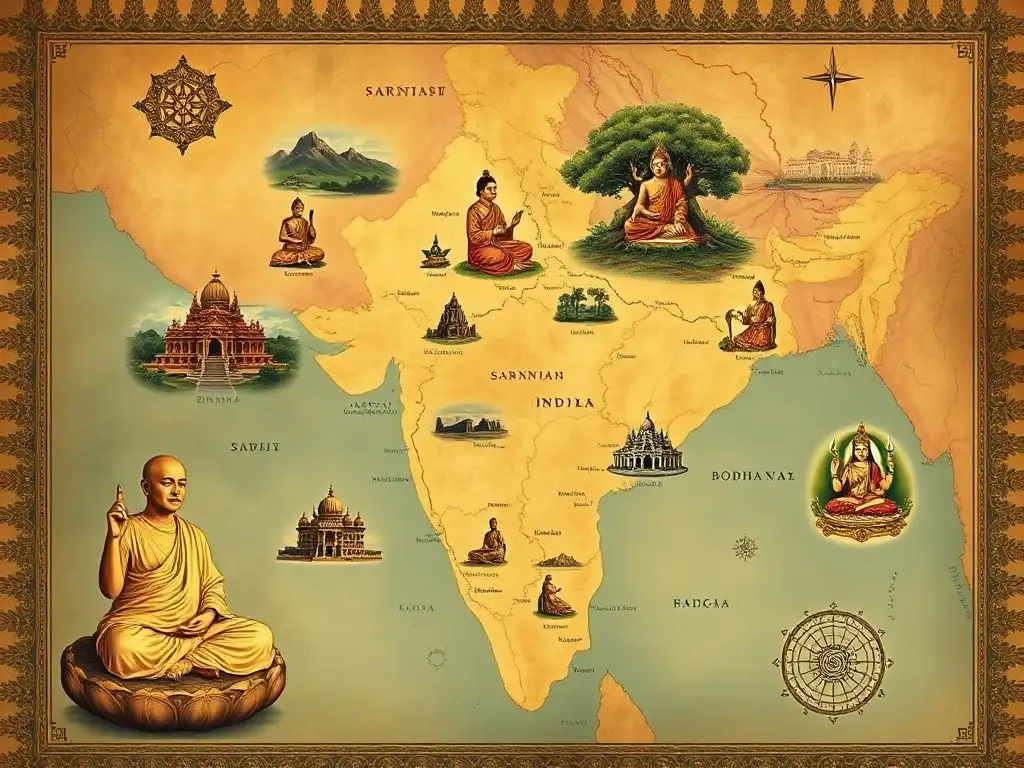
The resurgence of Hinduism played a fundamental role in the decline of Buddhism in India. As Hinduism became more accessible through various devotional practices and the establishment of a more personal connection with the divine, it appealed to a broader populace. The Bhakti movement, promoting personal devotion to deities, resonated with many, overshadowing the more ascetic and philosophical aspects of Buddhism.
Additionally, Hindu reformers incorporated Buddhist ideas into their own teachings, creating a cultural milieu where Buddhist concepts were retained but reinterpreted within a Hindu context. This blending of ideas often led to the perception that Buddhism was no longer a separate religion but rather a subset of Hindu thought.
In many regions, Buddhist monasteries were converted into Hindu temples, and the patronage that once sustained them shifted entirely to support Hindu institutions. This transformation not only marked the decline of Buddhism as an independent faith but also highlighted the adaptability of Hinduism in absorbing and assimilating diverse beliefs.
Modern Resurgence of Buddhism in India
Despite its decline, Buddhism has experienced a modern resurgence in India, particularly since the 20th century. This revival is largely attributed to the efforts of various leaders and organizations that sought to reclaim and promote Buddhist teachings and practices.
Dr. B.R. Ambedkar, a prominent social reformer and the architect of the Indian Constitution, played a pivotal role in this revival. He embraced Buddhism as a means of escaping the caste system and promoting social equality. In 1956, thousands of his followers converted to Buddhism, marking a significant turning point in the religion's presence in modern India.
Furthermore, contemporary Buddhist organizations, such as the International Buddhist Confederation and the Dalai Lama's initiatives, have contributed to the promotion of Buddhist philosophy and practice. They emphasize the relevance of Buddhist teachings in addressing modern societal issues, such as conflict resolution, environmental sustainability, and mental well-being.
As India becomes more interconnected with global movements, the teachings of Buddhism find resonance beyond national borders, attracting individuals seeking spiritual fulfillment and ethical living.
Conclusion: The Legacy of Buddhism and Its Enduring Influence
Buddhism's historical journey in India is a testament to its resilience and adaptability despite challenges and decline. Its legacy, however, remains deeply ingrained in the cultural and spiritual fabric of the nation.
Buddhism's Impact on Indian Society and Culture
The impact of Buddhism on Indian society extends far beyond its religious practices. Its emphasis on non-violence, compassion, and mindfulness has influenced various aspects of Indian culture, including art, literature, and philosophy. The architectural marvels of ancient stupas and monasteries continue to attract visitors, serving as reminders of the profound influence Buddhism once wielded.
Moreover, Buddhist principles have permeated into the social consciousness, promoting values of equality and social justice that resonate with contemporary movements for human rights and social reform in India.
The Continued Relevance of Buddhist Teachings Today
In today's fast-paced world, the teachings of Buddhism offer valuable insights into mindfulness, meditation, and ethical living. Practices like mindfulness meditation have gained popularity as tools for enhancing mental health and well-being. The timeless wisdom found in Buddhist texts continues to inspire individuals seeking peace amidst chaos, illustrating the enduring relevance of its teachings in contemporary society.
Final Thoughts on the Spread of Buddhism and Its Global Significance
The spread of Buddhism beyond India has transformed it into a global religion, influencing millions across continents. Its journey from the Indus Valley to various parts of Asia and beyond reflects its ability to transcend cultural and geographical boundaries. The global significance of Buddhism lies in its core teachings that foster compassion, understanding, and interconnectedness, qualities that remain crucial in addressing the challenges of the modern world. The legacy of Buddhism, rooted in its historical journey, continues to inspire and guide individuals in their quest for spiritual and moral grounding.
- Introduction to Buddhism and Its Origins
- The Spread of Buddhism in India
- Factors Influencing the Spread of Buddhism
- The Global Spread of Buddhism Beyond India
- Challenges and Decline of Buddhism in India
- Factors Leading to the Decline of Buddhism in India
- The Rise of Hinduism and Its Influence on Buddhism
- Modern Resurgence of Buddhism in India
- Conclusion: The Legacy of Buddhism and Its Enduring Influence
Frequently Asked Questions
What is the origin of Buddhism in India?
Buddhism originated in India in the 5th century BCE with the teachings of Siddhartha Gautama, known as the Buddha. His principles focused on the Four Noble Truths and the Eightfold Path.
How did Buddhism spread across India?
Buddhism spread through trade routes, royal patronage, and missionary efforts. Notable figures like Emperor Ashoka played a crucial role in promoting the religion throughout the region.
What role did trade play in the spread of Buddhism?
Trade routes facilitated the movement of Buddhist monks and texts, allowing the religion to reach diverse populations. This exchange often led to the intermingling of cultures and ideas.
How did Buddhism influence Indian culture?
Buddhism significantly impacted Indian culture, contributing to art, architecture, and literature. The construction of famous stupas and monasteries demonstrated this influence, merging spiritual and artistic expression.
What are the major Buddhist sites in India?
Key Buddhist sites in India include Bodh Gaya, where the Buddha attained enlightenment, Sarnath, where he delivered his first sermon, and Nalanda, an ancient center of learning that attracted students from across Asia.
Final Reflection: The Enduring Legacy of Buddhism's Global Journey
The spread of Buddhism in India serves as a powerful reminder of how ideas can transcend borders and cultures, shaping societies in profound ways. Today, as we navigate an increasingly interconnected world, the principles of compassion, mindfulness, and interconnectedness that Buddhism embodies resonate more than ever. In a time marked by division and conflict, the teachings of the Buddha offer a pathway toward understanding and harmony, illustrating that spirituality knows no boundaries.
Culturally and socially, the influence of Buddhism continues to be felt across the globe, inspiring movements for peace and social justice. The teachings of Buddhism have not only enriched the spiritual lives of millions but have also fostered a sense of community and shared purpose among diverse groups. As Thich Nhat Hanh once said, We are here to awaken from the illusion of our separateness.
This quote encapsulates the essence of Buddhism's impact, reminding us that our shared humanity transcends geographical and cultural divides.
As we reflect on the spread of Buddhism and its teachings, I invite you to consider how these principles can be integrated into your own life. How can you embody compassion and mindfulness in your daily interactions? Let the legacy of Buddhism inspire you to foster connections that bridge divides and promote understanding in your community. Embrace the opportunity to learn from this ancient tradition and apply its wisdom to create a more harmonious and compassionate world for future generations.
Thank you for taking the time to explore the fascinating spread of Buddhism with us! Your interest not only enriches your own understanding but also contributes to a wider appreciation of global spiritual journeys. Now that you've uncovered the transformative power of this ancient faith, it's time to take action!
Consider these steps to deepen your engagement and share what you've learned:
- Join a local meditation group or an online community to experience Buddhist teachings firsthand and connect with like-minded individuals.
- Share this article with friends or on social media to inspire others to learn about the significance of Buddhism and its impact on culture and society.
- Explore a thought-provoking book or documentary about Buddhism that captures your interest—this will allow you to delve deeper into its philosophies and practices for a richer understanding.
What aspect of Buddhism resonates with you the most, and how might it influence your own beliefs and practices?