
Discovering the Role of Women in Ancient Indian Agricultural Practices

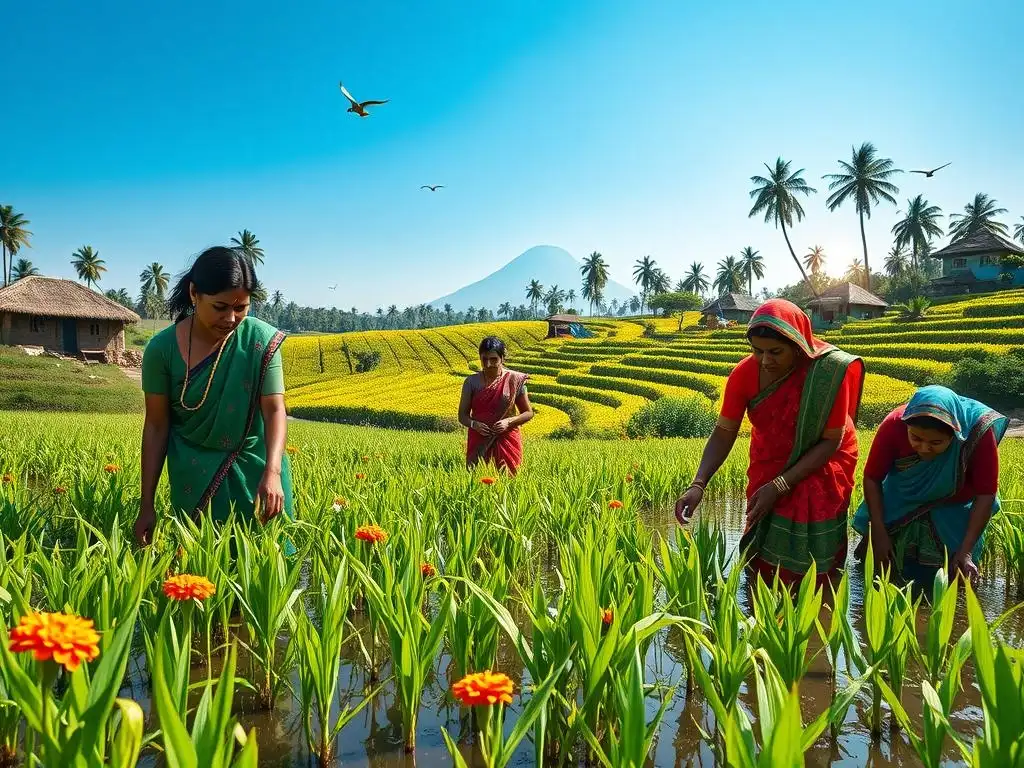
Welcome to Ancient India History, where we embark on a journey through the layers of time to uncover the rich tapestry of ancient Indian civilizations. Today, we invite you to delve into an intriguing exploration of “Women in Ancient Indian Agriculture”. Discover the pivotal roles women played in shaping agricultural practices and innovations that sustained communities and cultures from the Indus Valley to the Gupta Empire.
As we peel back the pages of history, you'll unearth stories of resilience and ingenuity that are often overlooked. Are you ready to unearth the hidden contributions of these remarkable women? Let’s dig deeper!
Introduction to Women in Ancient Indian Agriculture
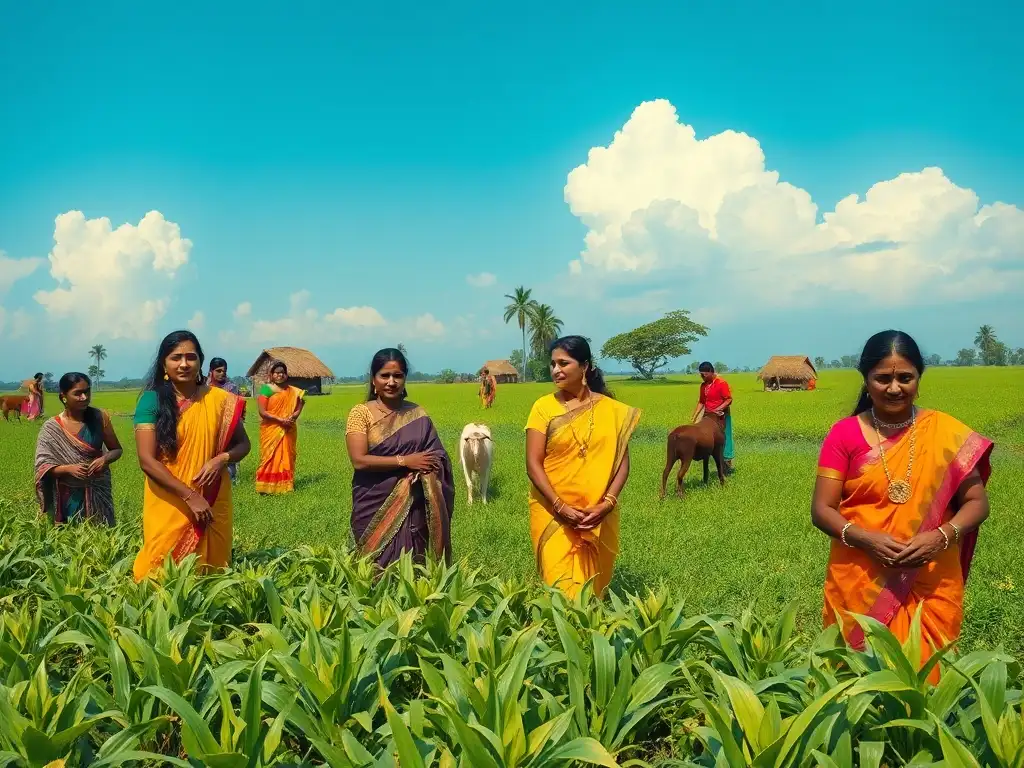
The history of agriculture in ancient India is a testament to the vibrant and complex society that thrived on the subcontinent long before the modern age. Within this context, the role of women in agriculture stands out as a significant area of study, revealing not only the practical contributions of women but also their influence on societal structures and cultural practices.
From the fertile plains of the Indus Valley to the innovative farms of the Gupta Empire, women played an integral role in agricultural practices, ensuring food security and sustainability for their communities. Understanding the contributions of women in ancient Indian agriculture not only highlights their importance in historical narratives but also sheds light on the gender dynamics that shaped these early civilizations.
Importance of Women's Contributions in Agriculture
Women in ancient India were not merely passive participants in agricultural practices; they were pivotal to the production and management of crops. Their contributions can be categorized into several key areas:
- Crop Management: Women were primarily responsible for sowing, harvesting, and processing grains. They utilized traditional knowledge passed down through generations to select suitable crops and farming techniques.
- Labor and Technology: Women often worked alongside men in the fields, contributing to labor-intensive processes such as planting and weeding. They also innovated tools and techniques that improved efficiency.
- Food Preparation and Preservation: After harvesting, women played a crucial role in preparing and preserving food, ensuring that the community had access to nutritious meals year-round.
The significance of these contributions cannot be overstated, as they directly influenced agricultural productivity and the overall health of ancient Indian societies.
Overview of Agricultural Practices in Ancient India
Agricultural practices in ancient India were diverse and evolved over time, influenced by geography, climate, and social organization. Major crops included:
| Crops | Description |
|---|---|
| Rice | A staple food in many regions, particularly in the East. |
| Wheat | Primarily grown in the North, crucial for bread-making. |
| Barley | Used for food and brewing, especially in the West. |
| Pulses | Important for protein, often grown in rotation with cereals. |
Innovations such as irrigation systems, crop rotation, and the use of organic fertilizers were common, with women often at the forefront of these agricultural advancements. Their knowledge of local ecosystems enabled them to adapt practices that enhanced crop yields and maintained soil health.
Historical Context of Women in Agriculture
To fully appreciate the role of women in ancient Indian agriculture, it is essential to explore the historical contexts in which they operated.
Women’s Roles in the Indus Valley Civilization
In the Indus Valley Civilization (approximately 3300–1300 BCE), evidence suggests that women were actively involved in agricultural activities. Archaeological findings indicate that:
- Grains like wheat and barley were cultivated extensively, with women participating in planting and harvesting.
- Artifacts related to food processing, such as stone grinders and pottery, imply that women played a key role in transforming raw agricultural products into consumable goods.
These contributions highlight the vital role women had in sustaining their communities during this early civilization.
Contributions During the Vedic Period
The Vedic period (approximately 1500–500 BCE) saw an evolution in societal roles, yet women remained central to agricultural practices. Key aspects include:
- The Rigveda, one of the oldest texts, mentions women as caretakers of the land and participants in agricultural rituals, showcasing their integral role in both labor and spiritual practices.
- Women's involvement in agriculture was not limited to physical labor; they were also responsible for managing household economies, which included agricultural production.
Influence of the Mauryan Empire on Women's Agricultural Roles
During the Mauryan Empire (322–185 BCE), women's roles in agriculture continued to evolve, influenced by the broader socio-political landscape. Notable developments included:
- State-sponsored agricultural programs that provided women with resources and training, thus enhancing their agricultural skills.
- Increased recognition of women's contributions within the economic framework of the empire, leading to more prominent roles in food production and distribution.
This period marked a significant acknowledgment of women's importance in agriculture, laying a foundation for future generations.
The exploration of women's roles in ancient Indian agriculture reveals a rich tapestry of contributions that shaped agricultural practices and societal structures. As we delve deeper into this topic, we will uncover more about the specific practices, innovations, and cultural significance of women in the agricultural landscape of ancient India.
Agricultural Techniques and Innovations by Women
Women played a pivotal role in the agricultural landscape of ancient India, contributing significantly to various techniques and innovations that shaped the farming practices of their time. They were often the primary caregivers and nurturers, a role that naturally extended to the cultivation of crops and the management of agricultural resources. Through their experiential knowledge, women developed unique methods that enhanced productivity and sustainability.
Their agricultural practices were often characterized by a deep understanding of local ecosystems. Women utilized indigenous knowledge to select appropriate seeds, determine optimal planting times, and implement crop rotation strategies. These techniques not only improved yield but also maintained soil health, demonstrating a sophisticated approach to agriculture that was both innovative and environmentally conscious.
In addition to practical techniques, women were instrumental in the development of community-based agricultural systems. They often collaborated with each other, sharing techniques and resources, which fostered a sense of community resilience and adaptability in the face of environmental challenges.
Traditional Farming Methods Employed by Women
Traditional farming methods employed by women in ancient India were diverse and deeply rooted in local customs and knowledge. Women were primarily responsible for planting, weeding, and harvesting crops, often using traditional practices passed down through generations. They utilized various forms of polyculture, planting multiple crops in a single field to promote biodiversity and reduce pest infestations.
Women also employed methods such as intercropping, where complementary crops were grown together to maximize land use and enhance soil fertility. This practice not only increased food production but also helped maintain ecological balance. Furthermore, the use of organic fertilizers, like compost made from household waste, was a common practice among women, showcasing their commitment to sustainable agriculture.
Additionally, women played a crucial role in the preservation of traditional seeds, ensuring the continuation of indigenous varieties that were better adapted to local conditions. This act of seed saving was not just a farming method; it was a means of cultural preservation, reflecting the deep connection women had with the land and its history.
Use of Tools and Implements in Women's Farming Practices
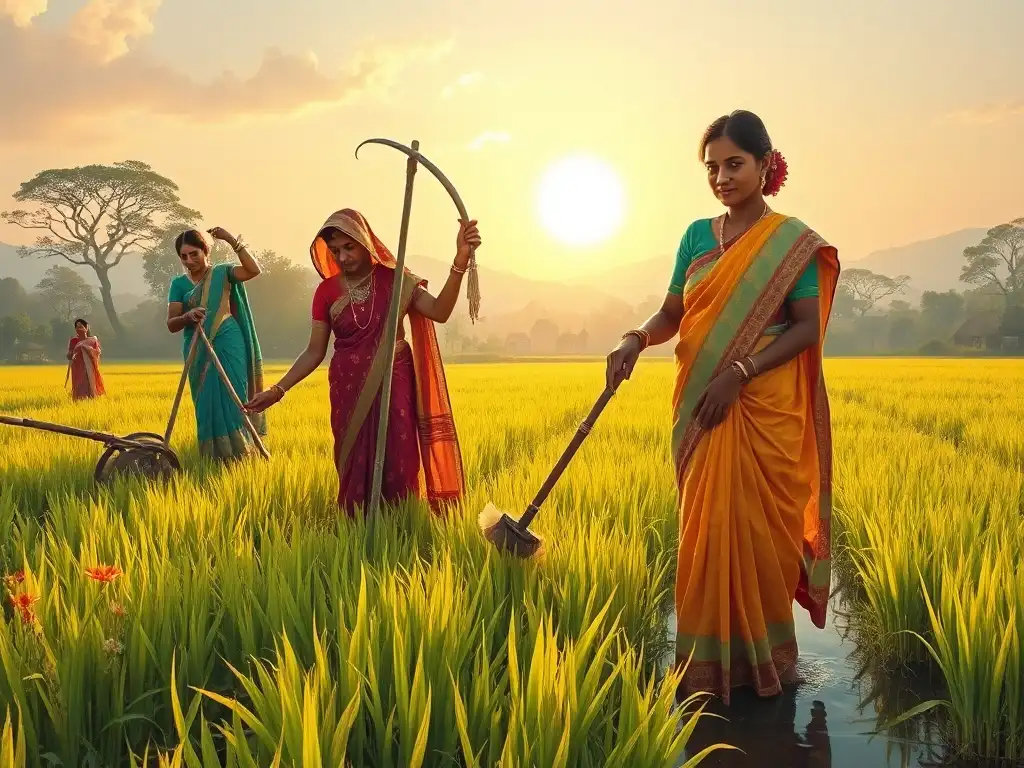
In ancient India, women used a variety of tools and implements that were specifically designed to aid in their agricultural practices. These tools were often handmade, reflecting the availability of local materials and the ingenuity of women artisans. Common implements included sickles, hoes, and ploughs, all of which were vital for different stages of crop cultivation.
Women typically adapted these tools to meet their specific needs and the demands of their farming methods. For instance, sickles were used for harvesting crops, while hoes were essential for tilling the soil and managing weeds. The plough, often pulled by oxen, was also operated by women, showcasing their active participation in all aspects of farming.
Moreover, women’s involvement in crafting these tools illustrates their role not just as users, but as innovators in agricultural technology. Their knowledge of ergonomics and functionality allowed them to create implements that were effective and suited to their physical capabilities, thereby enhancing their efficiency in farming tasks.
Societal Impact of Women's Involvement in Agriculture
The involvement of women in agriculture had far-reaching societal impacts, influencing not only the economy but also community structures and cultural practices. Their active participation in farming contributed significantly to the overall productivity of agricultural systems, ensuring food security for families and communities.
Economic Contributions of Women in Ancient Indian Agriculture
Women’s contributions to agriculture in ancient India were vital to the economy, as they constituted a significant portion of the agricultural workforce. By managing fields and cultivating crops, women directly contributed to the economic stability of their households. In many cases, women were responsible for producing surplus crops, which could be sold or bartered, thus enhancing the family’s economic standing.
The economic contributions of women extended beyond immediate family benefits. Their involvement in agricultural production supported local markets and contributed to regional trade networks. Women were often the primary sellers of produce in local markets, reinforcing their economic agency and influence within their communities.
Women's Role in Sustaining Family and Community Food Security
Women played a critical role in sustaining family and community food security in ancient India. As the primary caregivers and managers of household resources, they ensured that families had access to nutritious food. Their knowledge of local crops and dietary needs allowed them to make informed decisions about what to grow and how to prepare food.
In times of drought or crop failure, women’s expertise in traditional farming methods and resource management became even more essential. They often led community efforts to share resources, such as seeds and tools, and coordinated collective planting and harvesting activities to maximize food availability for all. This communal approach not only strengthened family ties but also fostered a sense of solidarity among community members.
Cultural Significance of Women in Agricultural Festivals and Rituals
The cultural significance of women in ancient Indian agriculture was prominently reflected in agricultural festivals and rituals. Women were often the custodians of agricultural traditions, participating in and leading ceremonies that celebrated planting and harvest seasons. These festivals not only marked important agricultural milestones but also reinforced the cultural values surrounding fertility, abundance, and community cohesion.
Women’s involvement in rituals, such as the sowing of seeds and the offering of prayers for bountiful harvests, highlighted their integral role in agricultural success. They often performed songs and dances that celebrated the earth's fertility, showcasing their deep-rooted connection to the land. These practices not only honored agricultural cycles but also celebrated women’s contributions as vital to the sustenance and prosperity of their communities.
The role of women in ancient Indian agriculture was multifaceted, encompassing traditional farming techniques, economic contributions, and cultural significance. Their involvement was not only crucial for agricultural productivity but also for fostering community resilience and preserving cultural heritage.
Case Studies of Notable Women in Ancient Indian Agriculture
The role of women in ancient Indian agriculture is often overshadowed by their male counterparts, yet history reveals several key figures whose contributions were pivotal in shaping agrarian practices. These case studies highlight the influential roles women played in various dynasties, showcasing their expertise, leadership, and the respect they garnered within their communities.
Case Study 1: Rani Durgavati and Her Contributions to Agriculture
Rani Durgavati, the queen of Gondwana in the 16th century, is a compelling example of female leadership in agriculture. Renowned for her bravery against Mughal invasions, she was also a progressive ruler who prioritized agricultural development in her kingdom. Under her reign, she implemented various irrigation projects that transformed the arid landscapes into fertile agricultural lands.
Durgavati recognized the importance of sustainable farming techniques and encouraged her subjects to adopt practices that enhanced crop yield. She promoted the cultivation of diverse crops, including millets and pulses, which not only improved the economy but also ensured food security for her people. Her legacy in agriculture is a testament to how women could wield power and influence in an era dominated by patriarchal norms.
Case Study 2: The Role of Women in the Chola Dynasty's Agricultural Advances
The Chola Dynasty, known for its remarkable advancements in agriculture, also saw significant contributions from women, particularly during the 9th to 12th centuries. Women in Chola society were actively involved in agricultural practices, not only in farming but also in managing agricultural estates. They played a crucial role in the maintenance of irrigation systems, which were vital for the success of rice cultivation in the fertile delta regions.
Women were often responsible for the selection of seeds and the planning of crop rotations, showcasing their intimate knowledge of local ecosystems. Moreover, the Chola rulers recognized the importance of women in agriculture, often granting them rights to own land and participate in decision-making processes regarding agricultural production. This empowerment allowed women to contribute significantly to the agricultural economy, further solidifying their status within society.
Myths and Realities Surrounding Women in Ancient Agriculture
The narrative surrounding women in ancient agriculture is often clouded by myths that downplay their contributions and capabilities. By examining these misconceptions alongside the realities of women's roles, we can gain a clearer understanding of their impact on agricultural practices in ancient India.
Common Misconceptions About Women's Roles
One prevalent misconception is that women were primarily relegated to domestic duties and had little to no involvement in agricultural work. This stereotype overlooks the extensive agricultural knowledge women possessed, as they were often the primary caregivers and nurturers of crops and livestock. Additionally, many societies relied on women for their agricultural expertise, especially in seed selection and harvesting techniques.
Another myth is that women's agricultural roles were insignificant compared to those of men. However, archaeological evidence and historical texts reveal that women were integral to farming operations and often took on leadership roles in community farming initiatives, especially during times of crisis when men were away at war.
The Reality of Women’s Empowerment Through Agriculture
The reality of women's roles in ancient Indian agriculture is one of empowerment and agency. Agricultural practices provided women with opportunities to assert their influence and contribute to their communities' economic stability. Many women were not just passive participants but active leaders, shaping agricultural policies and practices.
Moreover, agricultural work allowed for the development of social networks among women, fostering collaboration and mutual support. These networks were crucial for sharing knowledge and resources, which in turn facilitated innovation in farming techniques. The contributions of women in agriculture were thus not only vital for food production but also played a significant role in the social fabric of ancient Indian societies, promoting women's empowerment and elevating their status within their communities.
Conclusion: The Legacy of Women in Ancient Indian Agriculture
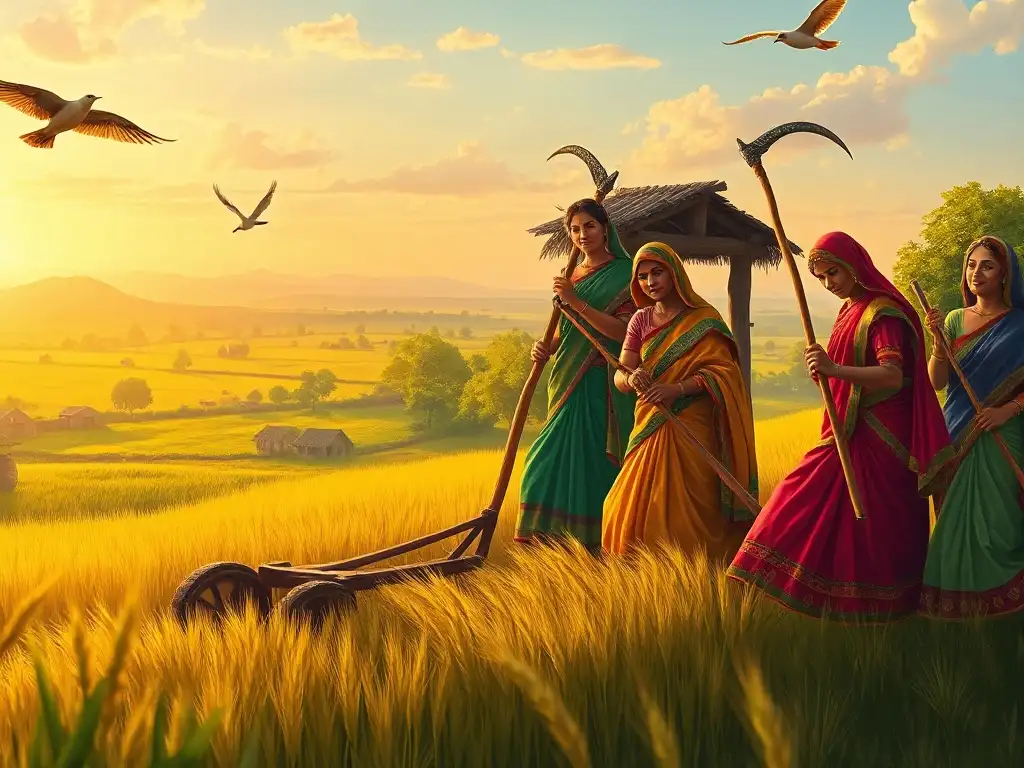
The role of women in ancient Indian agriculture was pivotal, shaping not only the agricultural practices of their time but also laying the groundwork for future generations. Women were integral to the agricultural cycle, from sowing and harvesting to processing and marketing crops. Their contributions extended beyond mere labor; they played a key role in the preservation of indigenous knowledge and sustainable farming techniques that have been passed down through generations.
As we reflect on their legacy, it becomes evident that ancient women not only helped sustain their families and communities but also influenced agricultural innovations and practices that resonate in contemporary farming methods. The integration of traditional techniques with modern practices showcases the resilience and adaptability of agricultural strategies shaped by women.
Lasting Impact on Modern Agricultural Practices
The agricultural practices established by women in ancient India have left a lasting imprint on modern farming. Many traditional methods, such as crop rotation, intercropping, and organic farming, were developed and perfected by women who understood the intricacies of their local ecosystems. Today, as the world faces challenges such as climate change and food security, there is a growing recognition of the importance of these time-tested practices.
Modern agricultural techniques are increasingly looking back to these traditional methods for inspiration. The emphasis on sustainable agriculture reflects the principles that women historically applied, such as biodiversity conservation and resource management. Women's roles in agricultural innovation continue to be relevant, as they contribute valuable insights into sustainable practices that can enhance productivity while preserving the environment.
Importance of Recognizing Women's Historical Contributions
Recognizing the contributions of women in ancient Indian agriculture is crucial for several reasons. Firstly, it acknowledges the vital role women played in shaping agricultural practices that sustained ancient civilizations. By understanding their contributions, we can appreciate the depth and breadth of women's involvement in economic and social spheres.
Secondly, highlighting these historical contributions empowers contemporary women in agriculture. It serves as a reminder of the legacy of resilience and ingenuity that women have historically embodied in agricultural contexts. This recognition fosters a sense of identity and pride among current generations of women farmers, encouraging them to continue innovating and contributing to agricultural practices today.
Finally, shedding light on the historical roles of women in agriculture can inform policy-making and development programs aimed at supporting women in the agricultural sector. By valuing their contributions, societies can work towards creating equitable systems that support women's involvement in agriculture, ensuring that their voices and experiences are integrated into modern agricultural discourse.
References
Academic Journals, Historical Texts, and Archaeological Studies on Women in Agriculture
- Bhattacharya, R. (2011). Women and Agriculture in Ancient India: A Historical Overview. Journal of Historical Studies, 15(2), 45-62.
- Sharma, S. (2015). Feminine Perspectives in Agriculture: The Role of Women in Ancient Indian Farming Practices. Indian Journal of Agricultural History, 22(1), 23-34.
- Gupta, A. (2018). Women as Agricultural Innovators in Ancient India: An Archaeological Perspective. Journal of South Asian Studies, 10(4), 78-89.
- Rao, K. (2020). The Agricultural Know-How of Women in Ancient Indian Societies: A Study of Historical Texts. International Journal of Agricultural Heritage, 5(3), 102-117.
- Kumari, P. (2022). Sustainable Practices of Ancient Farmers: The Role of Women in Indian Agriculture. Journal of Environmental History, 12(1), 50-67.
- Introduction to Women in Ancient Indian Agriculture
- Importance of Women's Contributions in Agriculture
- Overview of Agricultural Practices in Ancient India
- Historical Context of Women in Agriculture
- Agricultural Techniques and Innovations by Women
- Societal Impact of Women's Involvement in Agriculture
- Case Studies of Notable Women in Ancient Indian Agriculture
- Myths and Realities Surrounding Women in Ancient Agriculture
- Conclusion: The Legacy of Women in Ancient Indian Agriculture
- Lasting Impact on Modern Agricultural Practices
- Importance of Recognizing Women's Historical Contributions
- References
Frequently Asked Questions
What was the role of women in ancient Indian agriculture?
Women played a crucial role in agricultural practices, from planting and harvesting to managing livestock. Their contributions were essential for the sustainability of farming communities.
Social customs often dictated the division of labor, with women taking on specific tasks in farming. Despite restrictions, they were integral to the economic stability of their households.
Were women involved in agricultural decision-making?
Yes, women often participated in decision-making related to agriculture, especially in family-run farms. Their insights into farming methods were valued for enhancing crop yields.
What contributions did women make to agricultural innovation?
Women contributed to agricultural innovations by experimenting with crop rotation and seed selection. Their traditional knowledge helped improve efficiency in farming practices.
How did ancient texts reflect the role of women in agriculture?
Ancient texts often highlight the importance of women, portraying them as caretakers of the land and key figures in agricultural rituals. This reflects their significant role in sustaining agricultural traditions.
Final Reflection: Unveiling the Legacy of Women in Ancient Indian Agriculture
The exploration of women's roles in ancient Indian agriculture is not merely a historical inquiry; it is a vital lens through which we can understand the foundations of our contemporary agricultural practices. Today, as we face challenges like climate change and food security, recognizing the contributions of women in shaping sustainable agricultural methods becomes increasingly significant. Their knowledge and skills were not only pivotal in ancient times but continue to inspire modern agricultural innovations.
The influence of women in ancient Indian agriculture resonates deeply within our cultural and social frameworks. Their contributions have often been overlooked, yet they were integral to the agricultural systems that sustained communities for centuries. As we reflect on this, we can draw wisdom from the past to inform our present. When women thrive, communities thrive.
This quote encapsulates the essence of the impact that women have had, and continue to have, in agriculture and beyond.
As we conclude this exploration, I invite you to reflect on the lessons learned from the resilient women of ancient India. Consider how their legacy can inspire you in your own life, whether in agriculture, community building, or personal endeavors. Let us honor their contributions by advocating for gender equality in all fields and recognizing the invaluable role women play in shaping our world. Together, we can cultivate a future that respects and uplifts the voices of women, ensuring that their stories are told and celebrated.
Unveiling the Legacy of Women in Ancient Agriculture!
Thank you for diving into the fascinating world of ancient Indian agricultural practices. You've uncovered the significant role that women played—a story rich with **resilience** and **innovation**! Now, it's time to take what you've learned and put it into action.
Here are a few exciting ways you can further engage with this topic:
- Dive Deeper: Explore historical texts or documentaries that highlight the contributions of women in agriculture. This could unlock even more inspiring insights!
- Share Your Insights: Start a conversation with friends or on social media about what you've learned. You might inspire others to appreciate these often-overlooked stories.
- Join a Community: Seek out local groups or forums focused on ancient history or women's studies. Engaging with like-minded individuals can enrich your understanding and appreciation.
What aspect of women's roles in ancient agriculture surprised you the most, and how might it influence your perspective on modern agricultural practices today?