
How Agricultural Innovations Supported Ancient Indian Civilizations' Growth


Welcome to Ancient India History, where we delve into the rich tapestry of civilizations that shaped the subcontinent. In this exploration, we invite you to uncover the remarkable ancient Indian agricultural innovations that not only revolutionized farming practices but also laid the groundwork for the flourishing cultures from the Indus Valley to the Gupta Empire. Prepare to be fascinated by how these advancements propelled societal growth and transformed the landscape of ancient India. Join us as we embark on this enlightening journey, revealing the ingenuity and resilience of a civilization that continues to inspire generations.
- Introduction to Ancient Indian Agricultural Innovations
- Key Agricultural Innovations in Ancient India
- Influence of Agricultural Innovations on Society
- Technological Advances Supporting Agriculture
- Cultural Impact of Agricultural Innovations
- Conclusion: Legacy of Ancient Indian Agricultural Innovations
-
Frequently Asked Questions
- What were the key agricultural innovations in ancient India?
- How did agriculture contribute to the growth of ancient Indian civilizations?
- What role did the Indus Valley Civilization play in agricultural advancements?
- How did the Gupta Empire influence agricultural practices?
- Are there any ancient texts that discuss agricultural techniques?
- Final Reflection: The Enduring Legacy of Ancient Indian Agricultural Innovations
- Embrace the Legacy of Innovation!
Introduction to Ancient Indian Agricultural Innovations

Agricultural innovations played a pivotal role in shaping the trajectory of ancient Indian civilizations, fostering not only economic prosperity but also cultural and social development. The ingenuity of ancient Indian farmers, who adeptly adapted to their environment, led to advancements that laid the groundwork for some of the earliest and most sophisticated societies in history.
From the fertile plains of the Indus Valley to the expansive fields of the Gupta Empire, these innovations were crucial in enhancing food production, which in turn supported population growth and urbanization. This article aims to explore the various agricultural innovations that emerged in ancient India, examining their significance in the context of the civilizations they helped sustain.
Overview of Ancient Indian Civilizations
Ancient India was home to several remarkable civilizations, each contributing to the rich tapestry of its history. The Indus Valley Civilization, one of the earliest urban cultures (circa 3300–1300 BCE), showcased advanced urban planning and a sophisticated system of agriculture, primarily relying on the fertile land along the Indus River. Following this, the Vedic period (circa 1500–500 BCE) marked the rise of agrarian societies that emphasized a connection between agriculture and spirituality.
The subsequent Maurya Empire (circa 322–185 BCE) and Gupta Empire (circa 240–550 CE) further advanced agricultural practices, integrating innovations that improved crop yields and introduced new farming techniques. Each of these civilizations not only excelled in agriculture but also made significant contributions to trade, arts, and science, influencing the broader region of South Asia and beyond.
Importance of Agriculture in Ancient India
Agriculture in ancient India was not merely a means of subsistence but a cornerstone of societal structure and economy. The agrarian lifestyle dictated social hierarchies and played a crucial role in the development of commerce and trade. Key aspects of agriculture's importance included:
- Food Security: Innovations in irrigation, crop rotation, and seed selection ensured a stable food supply, which was vital for sustaining large populations.
- Economic Growth: Surpluses from agricultural production facilitated trade, leading to economic diversification and the rise of urban centers.
- Cultural Development: Agriculture influenced various cultural practices, rituals, and festivals, deeply embedding it in the societal fabric of ancient Indian life.
Agriculture was the backbone of ancient Indian civilizations, enabling them to flourish and evolve through innovative practices.
Purpose of the Article
The purpose of this article is to delve into the specific agricultural innovations that supported the growth of ancient Indian civilizations. By examining techniques such as irrigation systems, crop diversification, and the introduction of new agricultural tools, we aim to highlight how these advancements not only improved productivity but also played a crucial role in the socio-economic development of the time.
Additionally, this article seeks to underscore the lasting impact of these innovations on contemporary agricultural practices in India, reflecting the enduring legacy of ancient wisdom in modern agriculture. Through this exploration, we hope to provide valuable insights into the ingenuity of ancient Indian farmers and the profound influence of their innovations on society as a whole.
Key Agricultural Innovations in Ancient India

Ancient Indian agricultural innovations played a pivotal role in transforming the agrarian landscape of the subcontinent. The advancements in farming techniques, along with the development of irrigation and crop management practices, significantly contributed to the sustenance and growth of ancient Indian civilizations.
Irrigation Techniques
Irrigation was crucial for the agricultural success of ancient India, given the varied climate and geography of the region. The development and implementation of innovative irrigation techniques allowed for the cultivation of crops in areas that would otherwise be inhospitable to agriculture.
Early Irrigation Methods
Early irrigation methods in ancient India included simple techniques such as:
- Dug Wells: Hand-dug wells provided a reliable source of water for nearby fields.
- Water Harvesting: Farmers utilized rainwater harvesting systems to catch and store rainwater for agricultural use.
- Surface Irrigation: Channels were dug to divert water from rivers and streams directly to fields.
These methods laid the groundwork for more sophisticated irrigation practices that emerged over time.
Development of Canals and Water Management
As agricultural demands increased, ancient Indian societies began to develop more advanced irrigation systems:
- Canal Systems: Extensive canal networks were constructed, particularly in regions like the Indus Valley and along the banks of the Ganges River. These canals enabled the transportation of water over long distances, facilitating irrigation in drier areas.
- Water Management Practices: The implementation of water management techniques, such as the construction of reservoirs and embankments, helped regulate water flow and distribution, ensuring that crops received adequate moisture.
These innovations not only supported agricultural productivity but also contributed to the economic stability of ancient Indian civilizations.
Crop Rotation Practices
Crop rotation is another significant agricultural innovation that played a vital role in ancient India. This practice involved alternating the cultivation of different crops in the same field over successive seasons to enhance soil fertility and reduce pest infestations.
Benefits of Crop Rotation
The benefits of crop rotation were manifold:
- Soil Fertility Improvement: Different crops contribute varying nutrients to the soil, which helps maintain soil health.
- Pest and Disease Control: By rotating crops, farmers could break the life cycles of pests and diseases, leading to healthier harvests.
- Increased Yields: Crop rotation often resulted in higher overall yields compared to monoculture practices, ensuring food security for growing populations.
Examples of Crop Rotation in Ancient India
Ancient Indian farmers practiced crop rotation with various combinations of crops:
- Wheat and Barley: These cereals were often rotated to enhance soil fertility and manage pests effectively.
- Legumes and Grains: The introduction of legumes, such as lentils and chickpeas, in rotation with grains helped fix nitrogen in the soil, thereby enriching it for subsequent crops.
This strategic approach to crop cultivation exemplified the agricultural wisdom of ancient Indian civilizations, which prioritized sustainable practices to ensure long-term productivity and resilience in farming.
Use of Fertilizers
Fertilizers have played a vital role in the advancement of agricultural practices throughout history, and ancient India was no exception. The use of fertilizers in ancient Indian agriculture can be traced back to the Indus Valley Civilization, where farmers recognized the importance of soil fertility in cultivating their crops. They employed various natural substances to enhance soil productivity, ensuring a steady food supply for growing populations. This knowledge laid the foundation for sustainable agricultural practices that would support civilizations for centuries.
Ancient Indian farmers primarily focused on organic fertilizers, which were derived from plant and animal sources. The understanding of nutrient cycles and soil health was embedded in their agricultural practices. These early innovations not only improved crop yields but also fostered a deeper connection between agriculture and the environment, promoting sustainable farming methods that minimized soil degradation.
Types of Natural Fertilizers Used
Ancient Indian farmers utilized a variety of natural fertilizers to enrich their soil and enhance crop productivity. The most commonly used types included:
- Animal Manure: This was one of the primary sources of fertilizer in ancient India. Cow dung, in particular, was favored for its nutrient-rich properties. It was applied directly to fields or used to create compost, enriching the soil with essential nutrients like nitrogen, phosphorus, and potassium.
- Green Manure: Farmers would grow specific plants, such as legumes, and incorporate them into the soil to improve fertility. This method not only added organic matter but also fixed atmospheric nitrogen, enhancing soil nutrient content.
- Bone Meal: Ground animal bones were used as a source of phosphorus. This practice helped in promoting root development and flowering in plants, contributing to better crop yields.
- Ashes and Charcoal: Residue from burned plant material was also employed as a fertilizer. Wood ash provided potassium, while charcoal helped improve soil structure and water retention.
- Composts: A mixture of decomposed organic matter, including kitchen waste and plant residues, was collected and used as a rich source of nutrients for the soil. This practice was a precursor to modern composting techniques, showcasing the ingenuity of ancient Indian farmers.
These natural fertilizers were not only effective in boosting soil fertility but also aligned with the principles of sustainability, preserving ecological balance for future generations.
Impact on Crop Yields
The impact of agricultural innovations, particularly the use of fertilizers, on crop yields in ancient India was significant. By enhancing soil fertility, farmers were able to increase the productivity of staple crops such as rice, wheat, barley, and pulses. This boost in agricultural output had several far-reaching implications:
- Food Security: Increased crop yields contributed to food security in ancient Indian societies. With a more reliable food supply, populations could grow, and cities could develop, leading to the rise of complex civilizations.
- Trade and Economy: Surplus production allowed for trade between regions, fostering economic growth. Agricultural innovations enabled farmers to produce enough food not only for local consumption but also for trade, which played a crucial role in the development of ancient economies.
- Social Structure: The ability to produce surplus food led to the diversification of occupations. As agriculture thrived, it allowed individuals to pursue various trades and crafts, contributing to the development of social hierarchies and urbanization.
- Cultural Development: A stable food supply supported the growth of arts, literature, and science, as communities could dedicate more resources and time to cultural pursuits. The flourishing of civilizations like the Maurya and Gupta Empires can be partially attributed to these advancements in agriculture.
The use of fertilizers in ancient Indian agriculture was a key factor in enhancing crop yields, which had profound implications for the growth and sustainability of ancient Indian civilizations. These innovations not only improved agricultural practices but also shaped the social, economic, and cultural landscapes of the time.
Influence of Agricultural Innovations on Society
Economic Growth Due to Agricultural Advances
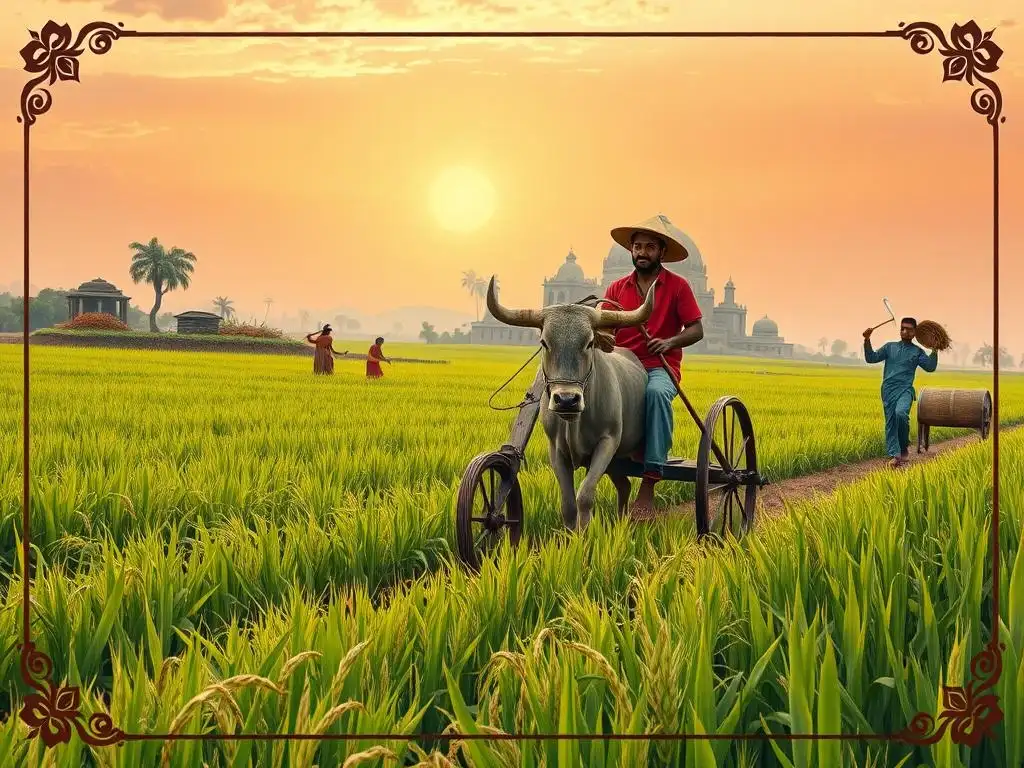
Agricultural innovations in ancient India played a pivotal role in driving economic growth. The introduction of advanced farming techniques, such as crop rotation, irrigation systems, and the use of plows significantly increased productivity. For instance, the use of iron plows allowed farmers to cultivate tougher soils, which expanded arable land and enhanced yields. This increase in agricultural output was crucial in supporting larger populations and fostering urbanization.
Trade and Commerce Expansion
The surplus generated from agricultural innovations led to the emergence of trade and commerce in ancient Indian societies. As communities began to produce more than they could consume, they started to trade excess goods with neighboring regions. This trade not only included agricultural products like rice, wheat, and spices but also facilitated the exchange of ideas, culture, and technology. The establishment of trade routes, such as the famous Silk Route, connected India to distant markets, enriching its economy and promoting cultural exchanges.
| Trade Goods | Regions of Trade |
|---|---|
| Rice, wheat, and pulses | Southeast Asia |
| Spices (e.g., pepper, cardamom) | Middle East and Europe |
| Textiles (cotton, silk) | Central Asia and Africa |
Surplus Production and Its Effects
Surplus production due to agricultural advancements had profound effects on ancient Indian society. It not only supported a growing population but also enabled the development of specialized crafts and professions. With more people engaged in non-agricultural activities, such as artisanship, trade, and administration, societies became more complex. This shift contributed to the rise of urban centers, where commerce and culture thrived. The increased economic stability also allowed for the investment in infrastructure like roads and markets, further enhancing trade.
Agricultural innovations not only influenced the economy but also had a lasting impact on the social structure of ancient Indian civilizations. As farming practices evolved, so did the roles and status of individuals within society.
Role of Farmers in Society
Farmers were the backbone of ancient Indian society, holding a significant position due to their critical role in food production. Innovations in agriculture elevated their status, as successful farming became synonymous with prosperity. The respect afforded to farmers can be seen in various historical texts, where their contributions are celebrated. Additionally, agricultural festivals, such as Makar Sankranti, underscore the importance of farming in cultural traditions, reflecting the reverence for the agrarian lifestyle.
Impact on Population Growth
The advancements in agriculture led to a notable increase in population growth. With reliable food sources and improved nutrition, families could sustain larger numbers, which contributed to demographic expansion. This growth further stimulated the economy, leading to more innovations and advancements in various sectors. As populations swelled, the need for governance, education, and infrastructure also grew, resulting in more organized and complex societies.
The agricultural innovations of ancient India were not just technical advancements; they were the foundation upon which society built its economy, social order, and cultural identity. The lasting impacts of these innovations continue to be felt, highlighting their significance in the historical narrative of ancient India.
Technological Advances Supporting Agriculture

Tools and Implements Used in Ancient Farming
The development of tools and implements was crucial for the advancement of agricultural practices in ancient Indian civilizations. These innovations allowed for more efficient farming, which in turn supported larger populations and the growth of cities.
Plows and Their Evolution
The plow emerged as one of the most significant agricultural innovations in ancient India. Initially, wooden plows were simple and manually operated, but over time, they evolved into more sophisticated designs. By the time of the Indus Valley Civilization, around 2500 BCE, evidence suggests the use of the ard, a type of primitive plow.
- Materials Used:
- Early plows were made from wood, often sourced from local trees.
- Iron plows were introduced later, significantly increasing efficiency and durability.
- Advancements:
- The introduction of the "tilled plow" allowed for deeper soil penetration, improving crop yields by enhancing soil aeration and nutrient access.
- The use of animal power (such as oxen) for plowing marked a significant shift, allowing farmers to cultivate larger areas more effectively.
Harvesting Tools and Techniques
Harvesting was another critical aspect of ancient agricultural practices, and various tools were developed to enhance efficiency.
- Sickles:
- Sickles made from iron or bone enabled farmers to cut crops with greater ease. The curved blade design allowed for a more efficient gathering of stalks.
- Reaping Techniques:
- Early societies practiced a method known as "hand harvesting," where crops were gathered manually.
- Over time, community harvesting techniques emerged, where groups of farmers worked together to expedite the process.
Storage and Preservation Techniques
After harvesting, the preservation of crops became vital to ensure food security and manage supply throughout the year. Ancient Indian civilizations developed several methods to store and preserve food effectively.
Granaries and Their Importance
Granaries served as essential structures for storing harvested grains, safeguarding them against pests and environmental factors.
- Design:
- Granaries were often elevated and constructed with materials such as clay and mud, which provided insulation and protection from moisture.
- Cultural Significance:
- The presence of granaries often indicated a community's agricultural success and was a reflection of their socio-economic status.
- Capacity:
- These structures varied in size, accommodating the needs of small villages to larger urban centers like those in the Indus Valley.
Methods of Food Preservation
Preserving food was crucial for sustaining communities during off-seasons or times of drought. Ancient Indian civilizations employed various techniques:
- Drying:
- Sun-drying fruits, vegetables, and grains extended their shelf life. This method was particularly effective in the warm climates of India.
- Fermentation:
- Techniques such as fermentation not only preserved food but also enhanced flavors and nutritional value. Examples include pickles and yogurt, which were staples in ancient diets.
- Storage in Earthenware:
- Clay pots and containers were commonly used to store grains and pulses, providing a cool, dark environment that slowed spoilage.
These agricultural innovations not only supported the sustenance of ancient Indian populations but also laid the groundwork for the complex societies that flourished throughout the subcontinent.
Cultural Impact of Agricultural Innovations
Influence on Art and Literature
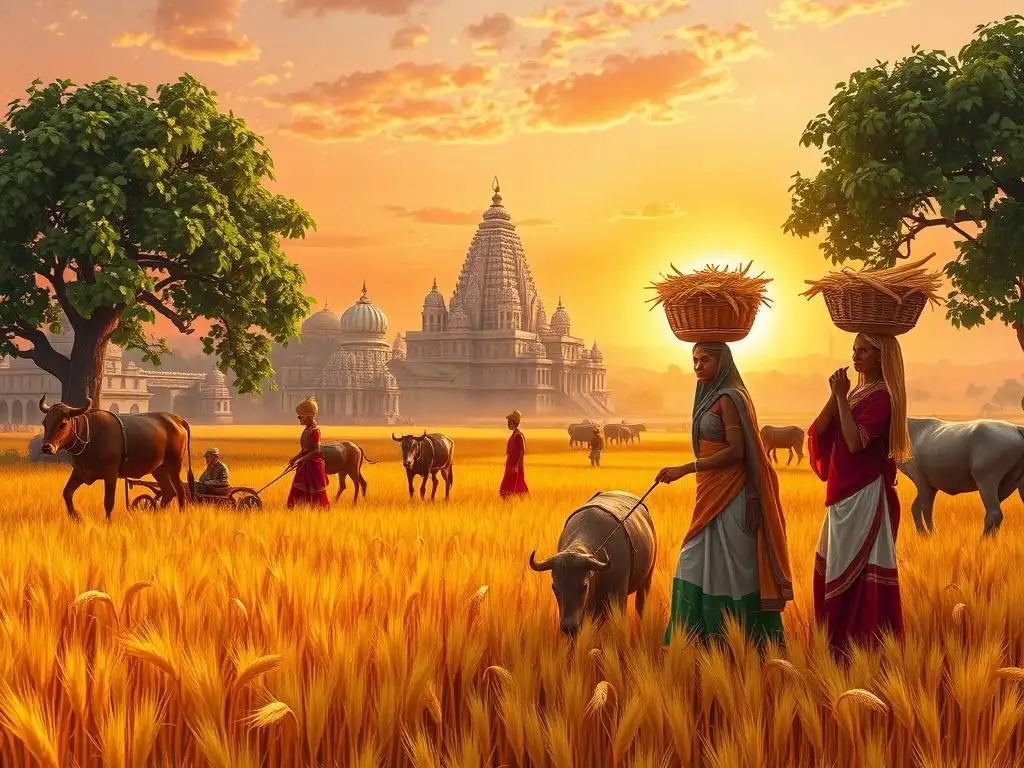
Agricultural innovations in ancient India not only transformed the economy and sustenance of civilizations but also significantly influenced the cultural fabric, especially in art and literature. The ability to cultivate crops more efficiently allowed for surplus production, which in turn enabled the flourishing of various artistic expressions and literary works.
Depictions of Agriculture in Ancient Texts
Ancient Indian texts, such as the Vedas and the Mahabharata, frequently reference agriculture and its importance to society. For instance, the Rigveda contains hymns that celebrate the fertility of the land, emphasizing the relationship between the divine and agricultural prosperity. The Sanskrit epic, Mahabharata, features numerous descriptions of agricultural practices, showcasing the significance of farming in daily life.
In addition, ancient Indian poets and playwrights often depicted agricultural scenes, celebrating the beauty of rural landscapes and the toil of farmers. These literary works serve as a testament to the deep-rooted connection between people and the land, reflecting the values and beliefs of ancient Indian society.
Agricultural Festivals and Celebrations
Agricultural innovations also led to various festivals that celebrated the harvest and the changing seasons. Festivals like Makar Sankranti, Pongal, and Baisakhi are prime examples of how agriculture was woven into the cultural identity of ancient India.
- Makar Sankranti: This festival marks the harvest of winter crops and is celebrated with kite flying and feasting.
- Pongal: A Tamil festival dedicated to the Sun God, it involves cooking a special rice dish and expressing gratitude for a bountiful harvest.
- Baisakhi: Celebrated primarily in Punjab, this festival commemorates the harvest of Rabi crops and is marked by music, dance, and communal gatherings.
These celebrations not only honor agricultural achievements but also reinforce community bonds, highlighting the integral role of agriculture in shaping social and cultural practices.
Spiritual Significance of Agriculture
Agriculture held a profound spiritual significance in ancient Indian civilization, intertwining with religious practices and beliefs.
Agriculture in Religious Practices
Farming was often regarded as a sacred duty, with rituals and offerings made to deities for bountiful harvests. Various agricultural deities, such as Goddess Annapurna, were worshipped to ensure fertility and prosperity.
Farmers engaged in specific rituals before sowing seeds and during harvest, seeking divine blessings for successful farming. For instance, the practice of Gudi Padwa involves the hoisting of a decorated pole symbolizing the beginning of the new year in Maharashtra, coinciding with the harvest season.
Symbolism of Farming in Ancient Beliefs
Farming in ancient India was rich with symbolism, reflecting the interconnectedness of life and nature.
- Cycle of Life: Agriculture was seen as a representation of the cycle of life, where planting, growth, and harvest mirrored human existence and spiritual growth.
- Fertility and Prosperity: The fertility of the land was often associated with the divine, symbolizing abundance and prosperity.
This symbolism permeated various aspects of life, from art to folklore, showcasing how deeply agriculture was ingrained in the spiritual and cultural consciousness of ancient Indian civilizations.
By understanding the cultural impact of ancient Indian agricultural innovations, we gain insight into how these practices shaped not only the economy but also the very essence of society, art, and spirituality.
Conclusion: Legacy of Ancient Indian Agricultural Innovations
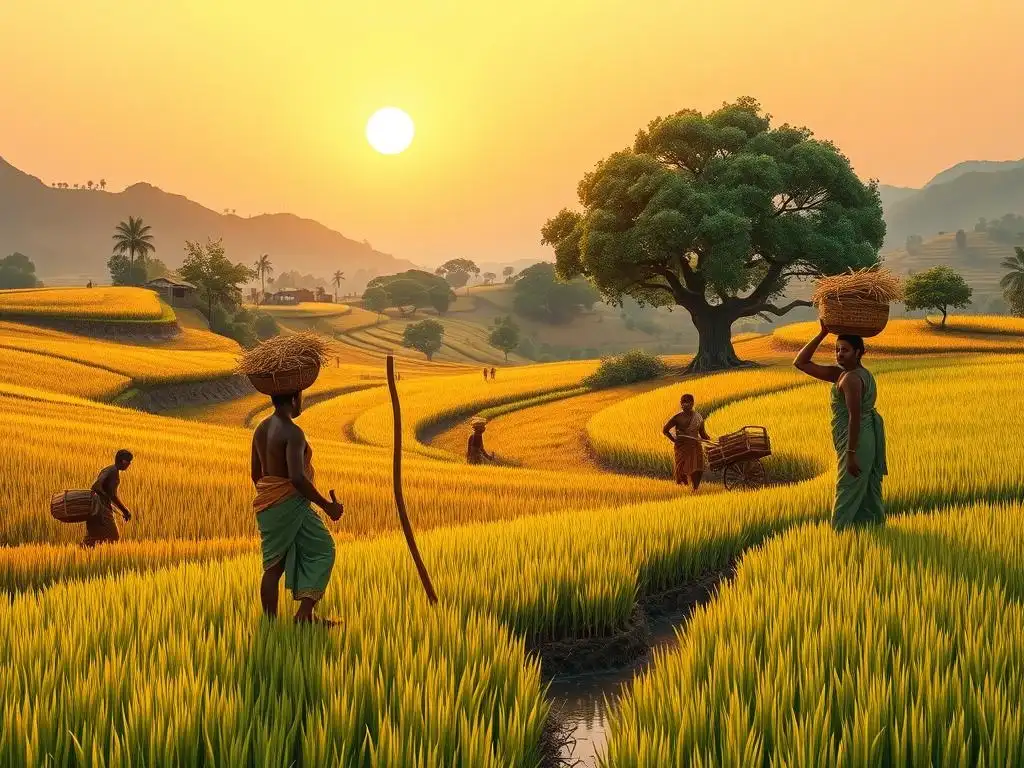
The agricultural innovations of ancient India laid a robust foundation for the growth and sustainability of its civilizations. The advancements made in farming techniques, crop varieties, and irrigation systems not only supported the population but also fueled economic development and cultural richness. As we reflect on the legacy of these innovations, it becomes evident that their influence extends far beyond their time, shaping agricultural practices that continue to resonate in modern farming.
Lasting Impact on Modern Agriculture
The contributions of ancient Indian agricultural innovations are still evident in contemporary agricultural practices. Techniques such as crop rotation and intercropping, which were utilized in ancient times, are now recognized for their role in enhancing soil fertility and maximizing yield. The introduction of various staple crops, including rice, wheat, and pulses, has played a crucial role in the global agricultural landscape.
| Ancient Innovation | Modern Equivalent | Impact |
|---|---|---|
| Plow technology | Mechanical plows | Increased efficiency in tillage |
| Crop rotation | Sustainable farming practices | Improved soil health |
| Irrigation systems | Drip and sprinkler irrigation | Water conservation and efficiency |
| Domestication of crops | Genetic diversity in crops | Resilience against pests and diseases |
These innovations not only enhanced food security in ancient times but also contributed to the biodiversity we see in agriculture today. Farmers across the globe have adopted and adapted these practices, which continue to influence agricultural productivity.
Lessons from Ancient Innovations for Future Generations
The wisdom of ancient Indian agricultural practices offers valuable lessons for future generations. One significant takeaway is the importance of sustainable resource management. Ancient farmers practiced methods that ensured the longevity of their land, such as maintaining soil health through natural composting and using crop diversity to prevent disease outbreaks.
- Sustainability: Emphasizing the preservation of natural resources.
- Community Collaboration: Encouraging cooperative farming and knowledge sharing.
- Innovation through Observation: Learning from nature and adapting practices accordingly.
By understanding and implementing these principles, modern agriculture can address current challenges such as climate change, soil degradation, and food insecurity. The adaptability seen in ancient practices provides a blueprint for resilience in today's agricultural landscape.
Final Thoughts on the Significance of Agricultural Progress in Ancient India
Agricultural progress in ancient India stands as a testament to human ingenuity and adaptability. The innovations introduced during this period not only supported the flourishing of civilizations but also established practices that resonate today. The emphasis on sustainability, community, and innovation has enduring relevance, reminding us that lessons from the past can shape a more secure and productive future.
The legacy of ancient Indian agricultural innovations is profound. By studying these advancements, we not only honor the past but also equip ourselves with the knowledge to tackle modern agricultural challenges. The journey of agricultural innovation in ancient India serves as an inspiration for ongoing progress in the field.
Frequently Asked Questions
What were the key agricultural innovations in ancient India?
Ancient Indian civilizations developed several innovations such as crop rotation, irrigation systems, and the use of plows, which significantly enhanced agricultural productivity.
How did agriculture contribute to the growth of ancient Indian civilizations?
Agriculture served as the backbone of ancient Indian economies, providing food security, supporting population growth, and facilitating the development of trade and urban centers.
What role did the Indus Valley Civilization play in agricultural advancements?
The Indus Valley Civilization was notable for its sophisticated irrigation systems and urban planning, which allowed for efficient farming and the cultivation of diverse crops, laying the groundwork for future innovations.
How did the Gupta Empire influence agricultural practices?
During the Gupta Empire, advancements in agricultural techniques, such as improved fertilization methods and the introduction of new crops, contributed to an era of prosperity and population growth.
Are there any ancient texts that discuss agricultural techniques?
Yes, ancient texts like the Arthashastra and Krishi Parashara provide valuable insights into agricultural techniques, crop management, and the importance of sustainable practices in ancient India.
Final Reflection: The Enduring Legacy of Ancient Indian Agricultural Innovations
The agricultural innovations of ancient Indian civilizations were not merely tools for survival; they were the very foundation upon which thriving societies were built. Today, as we face challenges such as climate change, food security, and sustainable development, the lessons from these innovations resonate more than ever. The ingenuity of our ancestors in harnessing the land and its resources offers a blueprint for modern agricultural practices that can lead to a more sustainable future.
The influence of these agricultural advancements extends beyond historical significance; they have shaped cultural identities and social structures that persist in contemporary India. The methods of irrigation, crop rotation, and the domestication of plants and animals not only enhanced productivity but also fostered community cooperation and trade. As Mahatma Gandhi once said, "> The future depends on what you do today." This sentiment underscores the importance of learning from our past to inform our present and future agricultural practices.
As we reflect on the remarkable achievements of ancient Indian agricultural innovations, I invite you to consider how these lessons can be applied in your own life and community. What steps can you take to promote sustainable practices in your environment?
Whether through supporting local farmers, practicing permaculture, or advocating for policies that prioritize ecological balance, each action contributes to a legacy of innovation and sustainability that honors our past while paving the way for future generations. Let us be inspired by the wisdom of those who came before us and strive to cultivate a world that thrives on harmony between nature and humanity.
Embrace the Legacy of Innovation!
Thank you for diving into the fascinating world of ancient Indian agricultural innovations! You’ve uncovered the incredible ways these advancements shaped civilizations and contributed to their growth. Now, it’s time to take that knowledge and apply it to your own life and community.
Here are some actionable steps you can take:
- Explore local community gardens or urban farming initiatives to enhance food production and promote sustainability in your area.
- Share your newfound insights with friends, family, or on social media to spark interest in ancient agricultural practices and their relevance today.
- Consider researching and experimenting with an ancient farming technique, such as crop rotation or intercropping, to experience the benefits firsthand.
What innovative practices from ancient India inspire you to make a difference in today’s agricultural landscape?