
The Cultural Significance of the Indus Valley's Terracotta Figurines

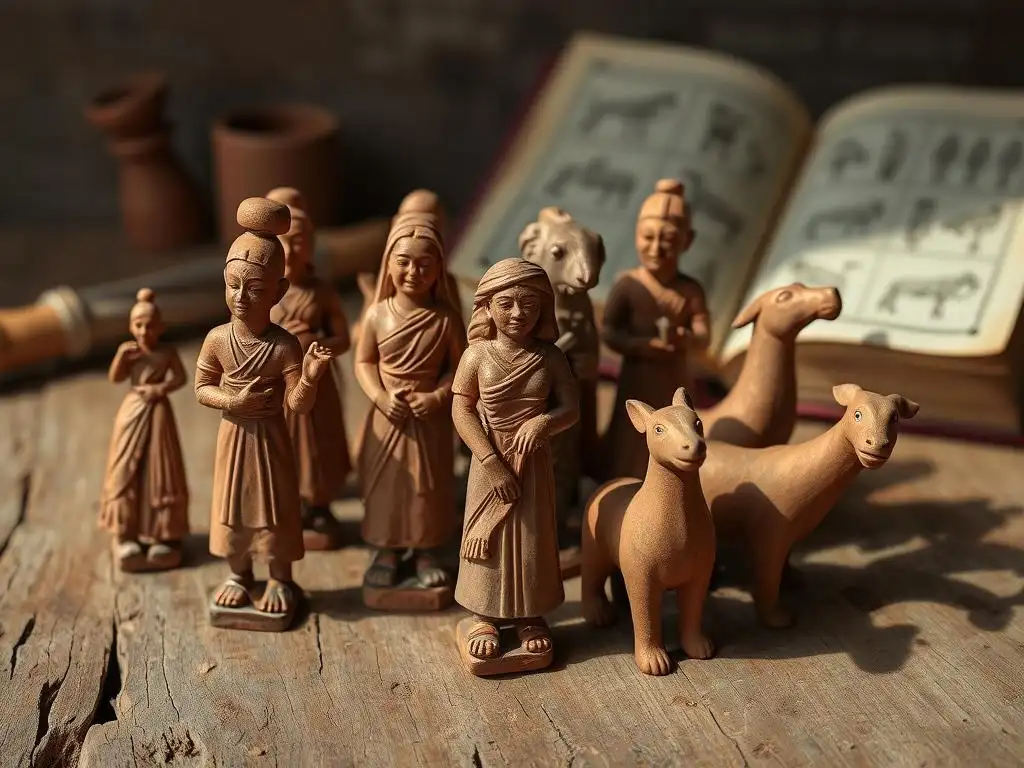
Welcome to Ancient India History, where we embark on a fascinating journey through time to uncover the rich tapestry of ancient Indian civilizations. Today, we delve into the significance of the Indus Valley terracotta figurines, remarkable artifacts that offer profound insights into the culture, beliefs, and artistry of one of the world's earliest urban societies.
As you explore this captivating article, prepare to unravel the mysteries behind these intriguing figurines and discover how they reflect the vibrant life of the Indus Valley people. Join us as we illuminate the past, sparking your curiosity about the enduring legacy of ancient India.
Introduction to Indus Valley Civilization
The Indus Valley Civilization (IVC), one of the world's earliest urban cultures, flourished between approximately 3300 and 1300 BCE in what is now Pakistan and northwest India. Renowned for its advanced urban planning, sophisticated drainage systems, and trade networks, the IVC is also remarkable for its artistic expressions, particularly through terracotta figurines.
These small yet significant artifacts provide invaluable insights into the daily lives, beliefs, and social structures of the people who inhabited this ancient civilization. Understanding the Indus Valley terracotta figurines significance not only sheds light on the artistic prowess of the time but also reveals the cultural and religious nuances that shaped the society.
Overview of the Indus Valley Civilization
The Indus Valley Civilization is characterized by major urban centers like Harappa and Mohenjo-Daro, which exhibited advanced architectural designs and complex societal organization. This civilization is distinguished by its:
- Urban Planning: Grid-like city layouts with well-constructed drainage systems.
- Trade Networks: Extensive trade routes that connected the Indus Valley to distant regions, including Mesopotamia.
- Agricultural Practices: Fertile plains supported a variety of crops, contributing to the civilization's sustenance and growth.
- Writing System: Although undeciphered, the existence of seals and inscriptions suggests a form of communication.
The terracotta figurines, often unearthed in excavation sites, stand as a testament to the craftsmanship and cultural practices of the IVC.
Importance of Artifacts in Understanding Culture
Artifacts such as tools, pottery, and figurines play a crucial role in archaeology, serving as windows into the past. They help historians and archaeologists to reconstruct aspects of ancient life that written records may not fully capture. The significance of these artifacts includes:
- Cultural Insights: Artifacts reveal beliefs, traditions, and social norms of the civilization.
- Economic Understanding: Trade patterns and resource utilization can be inferred from the artifacts discovered.
- Technological Advancements: The materials and methods used in creating these items offer clues about the technological capabilities of the society.
The terracotta figurines, in particular, are pivotal in understanding the spiritual and social dimensions of the Indus Valley people.
Exploring Terracotta Figurines
Terracotta figurines from the Indus Valley are unique artifacts that encapsulate the artistic style and cultural expressions of the time.
Definition and Characteristics of Indus Valley Terracotta Figurines
Terracotta figurines are small sculptures made from clay, which were then fired to create durable objects. The characteristics of these figurines include:
- Material: Made primarily from locally sourced clay.
- Size: Typically ranging from a few centimeters to about 30 centimeters in height.
- Style: Often stylized with exaggerated features, particularly in the representation of human and animal forms.
These figurines often depict a variety of subjects, including humans, animals, and mythological creatures, reflecting the diverse aspects of life in the Indus Valley.
Common Themes and Motifs in Terracotta Figurines
The themes and motifs found in Indus Valley terracotta figurines are indicative of the civilization's complex belief systems and social structures. Common themes include:
- Feminine Figures: Many figurines depict female forms, often interpreted as fertility symbols or representations of goddesses.
- Animal Representations: The presence of animals, such as bulls and elephants, suggests their significance in the cultural and agricultural life of the society.
- Ritualistic Elements: Some figurines appear to have been used in religious or ceremonial contexts, hinting at the spiritual practices of the people.
These motifs not only provide insight into the daily lives of the Indus Valley inhabitants but also illustrate their artistic creativity and cultural values. The exploration of these terracotta figurines is essential for a comprehensive understanding of the Indus Valley terracotta figurines significance within the broader context of ancient Indian civilizations.
The Significance of Terracotta Figurines in Indus Valley Culture
Terracotta figurines from the Indus Valley Civilization (IVC) represent a vital aspect of the region’s cultural landscape, serving as a window into the beliefs, social structures, and daily lives of its people. These artifacts, primarily made from clay, were not merely decorative; they carried profound significance that extends beyond their physical forms. The figurines are believed to have been used in various contexts, including religious practices, domestic rituals, and as toys for children, reflecting the multifaceted nature of life in the IVC.
The sheer variety of terracotta figurines found in archaeological sites such as Mohenjo-Daro and Harappa indicates a rich tradition of craftsmanship and an appreciation for artistic expression. These artifacts present a diversity of subjects, including animals, humans, and mythological figures, each serving different purposes within Indus society. As such, they provide essential insights into the cultural identity of the people of the Indus Valley, illustrating their values, beliefs, and social norms.
Religious and Spiritual Implications of Figurines
The religious significance of terracotta figurines in the Indus Valley is a topic of much scholarly interest. Many of these figurines are thought to represent deities or spiritual figures, indicating a complex belief system that likely included elements of animism and polytheism. Certain models, such as those depicting female figures, are often interpreted as fertility symbols, suggesting that they played a role in agricultural and reproductive rituals.
In addition, some figurines exhibit distinctive features, such as exaggerated body parts or intricate adornments, which may have had specific religious connotations. The presence of these figurines in domestic settings or burial sites further reinforces their significance in the spiritual lives of the Indus Valley people, suggesting that they were integral to both daily worship and funerary practices. This highlights a deeply rooted connection between the material culture of the IVC and the spiritual beliefs that shaped their worldview.
Social and Economic Insights Gained from Figurines
Terracotta figurines also offer invaluable insights into the social and economic structures of the Indus Valley Civilization. The diversity of figures, including artisans, dancers, and animals, reflects the complexity of social roles and the economic activities prevalent during this period. For instance, figurines depicting dancers may indicate the importance of performance and entertainment in society, while those representing animals could suggest the significance of agriculture and trade.
Moreover, the craftsmanship involved in creating these figurines points to a specialized economy where artisans played a crucial role. The presence of figurines in various sizes and styles indicates that there were different market segments catering to diverse social classes, revealing a stratified society. The trade of terracotta figurines, both locally and with neighboring regions, further emphasizes the economic interconnectedness of the Indus Valley with other ancient civilizations, contributing to our understanding of their trade networks and cultural exchanges.
Artistic Techniques and Craftsmanship in Terracotta Making
The artistry involved in the creation of Indus Valley terracotta figurines is a testament to the advanced techniques and skills of the artisans of the time. The production process typically involved shaping clay by hand, followed by drying and firing to create durable artifacts. These figurines often exhibit a high degree of craftsmanship, featuring intricate detailing, such as painted designs and finely sculpted features.
Different techniques, such as coiling and molding, were employed to achieve various forms and sizes of figurines. The use of natural pigments for decoration not only enhanced their aesthetic appeal but also reflects the artistic sensibilities of the Indus Valley people. Additionally, the discovery of kiln remains indicates that these artisans had developed sophisticated firing techniques, allowing for the mass production of figurines, which may have played a role in both domestic and commercial contexts.
Comparative Analysis of Figurines Across Ancient Civilizations
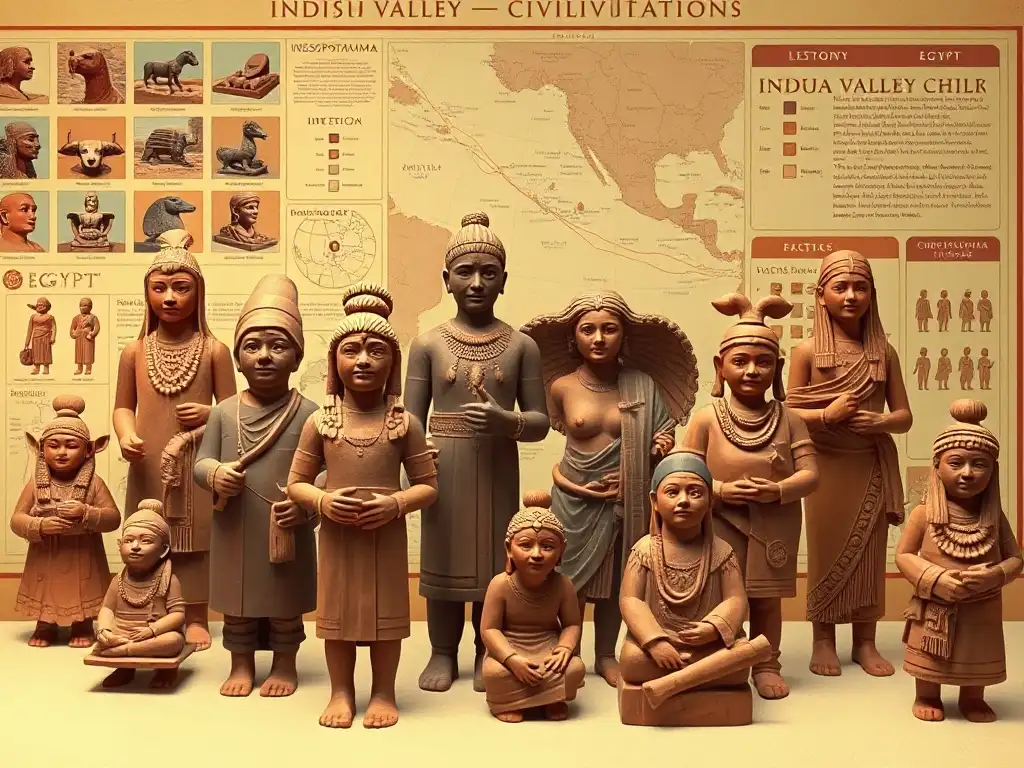
The terracotta figurines of the Indus Valley Civilization can be examined in the broader context of ancient art and culture, revealing both similarities and differences with artifacts from other contemporary civilizations. Such comparative analyses enhance our understanding of the unique aspects of Indus Valley figurines and their cultural significance.
Comparison with Terracotta Art from Contemporary Cultures
When comparing Indus Valley terracotta figurines with those from other ancient cultures, such as Mesopotamia and Egypt, distinct differences emerge in style, purpose, and symbolism. For instance, while Mesopotamian terracotta figures often depicted deities and mythological scenes, Indus Valley figurines showcase a broader range of subjects, including domestic life and animals, indicating a different cultural focus.
Additionally, the artistic techniques used in the IVC, characterized by a more naturalistic representation, set them apart from the more stylized forms seen in Egyptian art. This diversity reflects the varying cultural values and societal structures of these civilizations and highlights the unique contributions of the Indus Valley to the broader narrative of ancient art.
Unique Features of Indus Valley Figurines vs. Other Ancient Figurines
Indus Valley figurines are distinguished by several unique features that reflect the civilization's cultural identity. One notable aspect is the emphasis on realism and expressiveness, particularly in human representations, which contrasts with the more idealized forms found in other ancient cultures. The figurines often exhibit a sense of individuality, with distinct facial expressions and postures, suggesting a deeper exploration of human experience.
Furthermore, the prevalence of female figurines in the IVC, often interpreted as fertility symbols, underscores the significance of femininity in their culture, a theme that may not be as pronounced in the figurines of other ancient civilizations. The diversity in materials, forms, and functions of Indus Valley terracotta figurines highlights their role as both artistic expressions and cultural artifacts, making them a valuable area of study for understanding the broader narrative of ancient human civilization.
Archaeological Discoveries and Their Impact
The archaeological discoveries of the Indus Valley Civilization have significantly reshaped our understanding of ancient Indian societies, particularly through the lens of terracotta figurines. These small yet intricate artifacts have not only provided insight into the artistic expressions of the period but have also served as vital indicators of the socio-cultural dynamics within these ancient communities.
The terracotta figurines, often depicting human and animal forms, reflect the craftsmanship, religious beliefs, and social structures of the time. Their discovery in various archaeological sites has led to a deeper appreciation of the advanced nature of the Indus Valley Civilization and its contributions to the cultural heritage of India.
The impact of these discoveries extends beyond mere aesthetic appreciation. They have prompted researchers to reconsider the narrative surrounding the civilization's daily life, trade practices, and spiritual beliefs. As excavations continue, new findings shed light on the intricate relationship between these figurines and the broader societal context, reinforcing the notion that art and culture are intertwined in human history.
Key Excavations and Findings Related to Terracotta Figurines
Major excavations at sites such as Mohenjo-Daro, Harappa, and Dholavira have unveiled thousands of terracotta figurines, each contributing unique insights into the lives of the Indus Valley inhabitants. For instance, the site of Mohenjo-Daro revealed a variety of figurines, including those representing female deities, animals, and even toys, suggesting a complex belief system and possibly a matriarchal society. The presence of these figurines in domestic and public spaces indicates their significance in both daily life and ritualistic practices.
At Harappa, the discovery of a figurine depicting a dancing girl has become iconic, symbolizing the artistic prowess of the civilization. This figurine not only showcases the advanced techniques used in terracotta crafting but also raises questions about the role of dance and performance in their culture. Additionally, excavations have uncovered numerous animal figurines, which could represent domestication practices or serve as symbolic representations in rituals.
The findings from these key sites highlight the diversity of forms and functions of terracotta figurines, emphasizing their importance in understanding the Indus Valley Civilization's social structure, economic activities, and cultural practices.
Role of Archaeology in Uncovering Cultural Significance
Archaeology plays a crucial role in elucidating the cultural significance of Indus Valley terracotta figurines. Through systematic excavations and the analysis of contextual data, archaeologists can reconstruct the historical narratives that surround these artifacts. The study of their physical characteristics—such as size, style, and material—provides insights into the technological capabilities of the civilization and the aesthetic preferences of its people.
Moreover, the spatial distribution of these figurines within archaeological sites offers clues about their usage. For example, figurines found in domestic contexts may suggest everyday use or personal significance, while those in ritualistic settings could indicate broader spiritual or communal roles. This contextual analysis is essential for understanding how these figurines fit into the larger tapestry of Indus Valley life, from social organization to religious practices.
The interdisciplinary approach that combines archaeology, anthropology, and art history enriches our comprehension of the cultural significance of terracotta figurines. By interpreting these artifacts through various lenses, researchers can appreciate the complexities of Indus Valley society and its enduring legacy.
Conclusion: The Lasting Legacy of Indus Valley Terracotta Figurines
Indus Valley terracotta figurines hold a profound legacy that transcends their physical form. Their discovery has not only illuminated the artistic and cultural achievements of the Indus Valley Civilization but has also fostered an ongoing dialogue about the nature of ancient Indian life. As symbols of creativity and spirituality, these figurines offer a window into the rituals and daily experiences of a sophisticated society that thrived over four millennia ago.
Reflection on Their Role in Understanding Ancient Indian Civilization
The role of terracotta figurines in understanding ancient Indian civilization is multifaceted. They serve as tangible representations of the values, beliefs, and practices of the people who created them. By studying these artifacts, scholars can glean insights into gender roles, social hierarchies, and even trade relations. The figurines are not merely decorative items; they are narratives in clay that speak to the complexities of human experience in the ancient world.
Furthermore, the figurines challenge modern perceptions of ancient cultures as simplistic or primitive. Instead, they underline the sophistication and richness of the Indus Valley Civilization, revealing a society that engaged in artistic expression, spiritual exploration, and social interaction.
Future Research Directions on Indus Valley Figurines and Culture
The future of research on Indus Valley terracotta figurines and their cultural implications is promising, with several potential directions to explore. One area of focus could be the technological advancements involved in figurine production, including the materials and methods used in their creation. Understanding these aspects may shed light on trade networks and interactions with neighboring cultures.
Additionally, comparative studies with terracotta figurines from other ancient civilizations could yield valuable insights into cross-cultural influences and shared artistic traditions. This comparative analysis could enhance our understanding of the broader context of ancient art and its significance across different societies.
Lastly, advances in technology, such as 3D modeling and analysis, may offer new opportunities to reconstruct and analyze figurine features that are not readily observable. These methods could enhance the study of wear patterns, manufacturing techniques, and even the social roles of these artifacts over time.
By pursuing these research avenues, scholars can continue to unravel the mysteries surrounding Indus Valley terracotta figurines and enrich our understanding of ancient Indian civilization's cultural significance.
- Introduction to Indus Valley Civilization
- Exploring Terracotta Figurines
- The Significance of Terracotta Figurines in Indus Valley Culture
- Comparative Analysis of Figurines Across Ancient Civilizations
- Archaeological Discoveries and Their Impact
- Conclusion: The Lasting Legacy of Indus Valley Terracotta Figurines
Frequently Asked Questions
What are Indus Valley terracotta figurines?
Indus Valley terracotta figurines are small clay sculptures created by the ancient civilizations of the Indus Valley, showcasing intricate designs and features that provide insight into their culture and beliefs.
Why are these figurines considered significant?
The significance of these figurines lies in their ability to reveal aspects of social structure, religious practices, and artistic expression of the Indus Valley civilization, helping historians understand their way of life.
How were the terracotta figurines used in ancient times?
These figurines likely served various purposes, including ceremonial, ritualistic, or even as toys, reflecting the diverse functions they held in the daily lives of Indus Valley people.
What materials were used to create the Indus Valley figurines?
The figurines were primarily made from clay, which was then fired to harden the structure. Some were also adorned with pigments to enhance their visual appeal.
Where can we find examples of Indus Valley terracotta figurines today?
Examples of Indus Valley terracotta figurines can be found in various museums around the world, particularly in India and Pakistan, where archaeological sites have unearthed numerous artifacts from this ancient civilization.
Final Reflection: The Enduring Significance of Indus Valley Terracotta Figurines
The exploration of Indus Valley terracotta figurines significance reveals not only the artistic prowess of an ancient civilization but also their profound cultural implications that resonate in today's world. As we delve into the intricate details and meanings behind these artifacts, we uncover a narrative that speaks to our shared human experience, bridging the gap between past and present. These figurines are not mere relics; they are a testament to the creativity and beliefs of a society that thrived thousands of years ago, reminding us of the timeless nature of art and culture.
The impact of these terracotta figurines extends far beyond their archaeological value; they continue to shape our understanding of cultural identity and heritage. The intricate craftsmanship and symbolic representations found in these artifacts invite us to reflect on our own cultural narratives. As we engage with these pieces of history, we recognize the importance of preserving and celebrating our diverse backgrounds. Art is the most beautiful of all lies.
This quote resonates deeply as it encapsulates the essence of how art, like the terracotta figurines, transcends time and speaks to the universal truths of human existence.
As we conclude our exploration of the Indus Valley's terracotta figurines, I invite you to reflect on the significance of cultural artifacts in your own life. Consider how the stories and traditions of your heritage shape your identity and values. Let the lessons from the past inspire you to appreciate and celebrate the diversity around you, fostering a deeper connection with both history and community. Embrace the opportunity to engage with art and culture in a way that honors the legacy of those who came before us, ensuring that their stories continue to inspire future generations.
Thank you for diving into the fascinating world of Indus Valley terracotta figurines with us! You've gained valuable insights into their cultural significance and historical context. Now, it's time to take your curiosity further and explore all that this ancient art has to offer.
Here are some actionable steps you can take right now:
- Delve deeper into the artistry by creating your own terracotta figurine at home—embrace your inner artist!
- Visit local museums or browse online galleries that showcase Indus Valley artifacts, and share your discoveries with friends and family.
- Engage in discussions within online communities or forums dedicated to ancient art, where you can exchange ideas and interpretations with fellow enthusiasts.
What unique aspect of terracotta art surprised you, and how do you think it reflects the culture of its time? We would love to hear your thoughts!