
The Role of Education in the Maurya Empire: Figures Who Shaped Learning

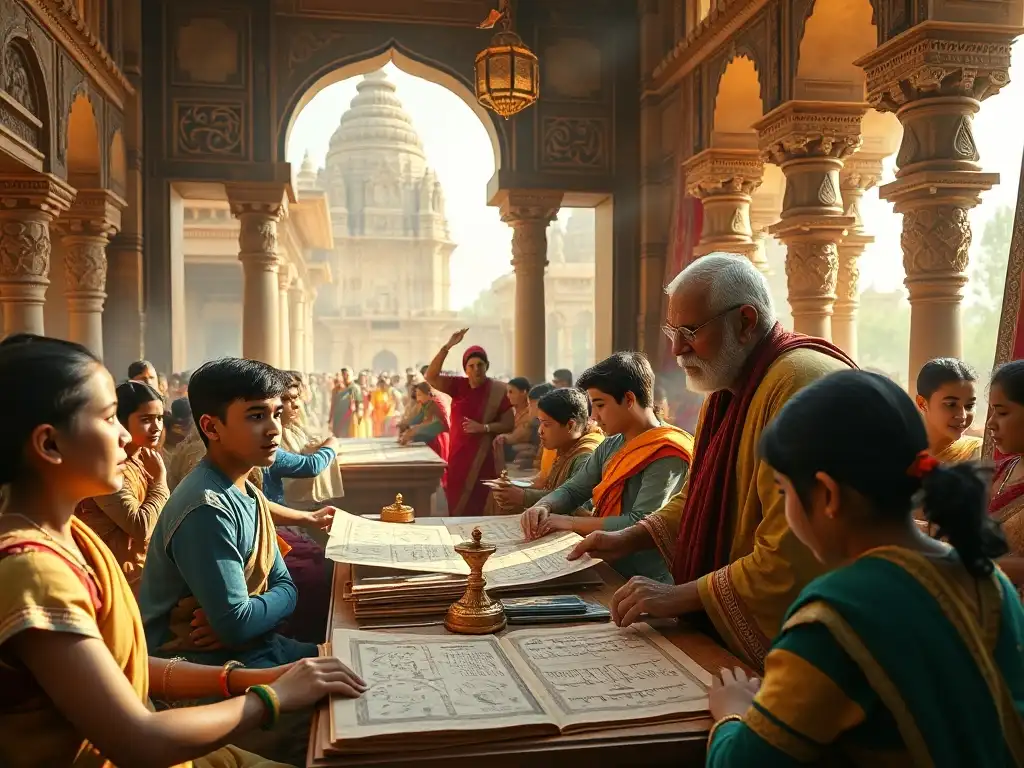
Welcome to Ancient India History, where we embark on a fascinating journey through the rich tapestry of ancient Indian civilizations. Dive deep into the Maurya Empire education history as we explore the pivotal role education played in shaping one of the most influential empires in history. From the illustrious figures who championed learning to the innovative educational systems they established, this article promises to unveil intriguing insights that will ignite your curiosity. Are you ready to uncover the legacies that continue to inspire modern thought? Let’s delve in!
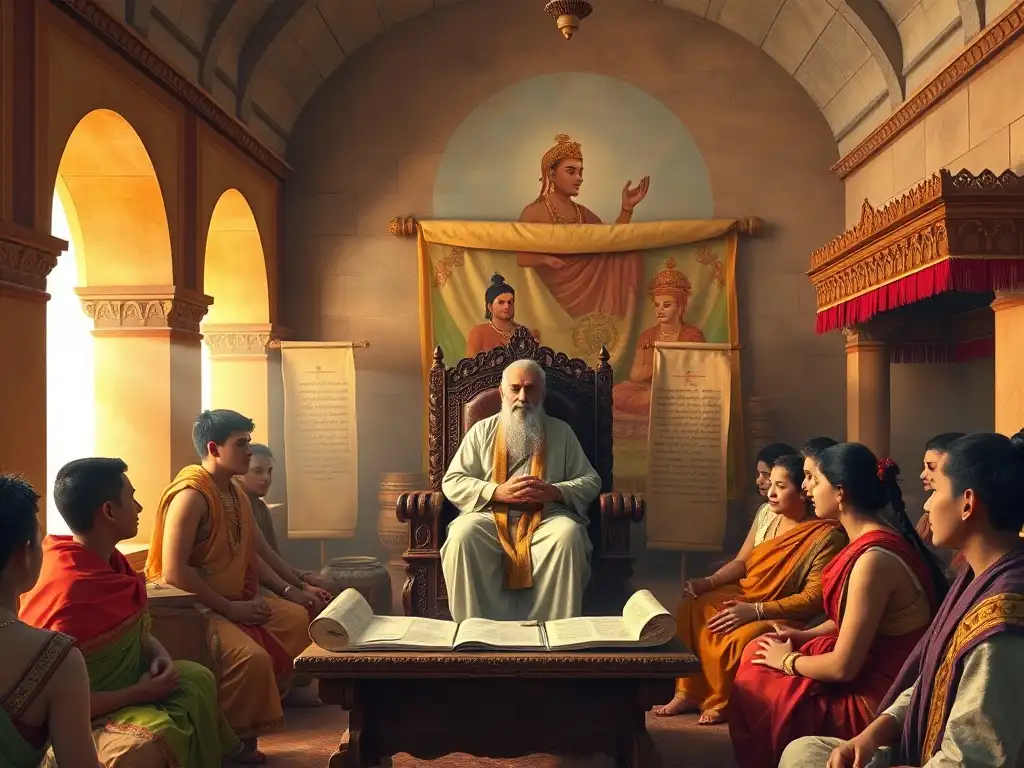
Introduction to Maurya Empire Education History
The Maurya Empire, which flourished between 322 BCE and 185 BCE, stands as one of the most remarkable periods in ancient Indian history, marked by significant advancements in governance, culture, and education. This empire not only played a pivotal role in shaping the political landscape of its time but also laid the groundwork for educational systems that influenced subsequent generations.
Understanding the education history of the Maurya Empire involves examining the key figures who championed learning, the institutions they established, and the philosophical underpinnings that guided their efforts. Through the lens of education, we gain insight into how the Maurya Empire fostered an environment of intellectual growth and cultural richness that has left a lasting legacy in the annals of Indian civilization.
Overview of the Maurya Empire
The Maurya Empire, founded by Chandragupta Maurya, emerged as a powerful force in the Indian subcontinent after the decline of the Nanda Dynasty. At its zenith, the empire extended across vast territories, including parts of modern-day India, Pakistan, and Afghanistan. The empire's administration was characterized by a sophisticated bureaucratic system that facilitated trade, communication, and social welfare.
Key features of the Maurya Empire include:
- Political Unification: For the first time, a significant portion of the Indian subcontinent was united under a single political entity.
- Cultural Flourishing: The Maurya period witnessed advancements in art, architecture, and literature, reflecting a rich cultural tapestry.
- Trade and Economy: The empire's strategic location fostered trade routes that connected it to regions beyond its borders, enhancing economic prosperity.
The emphasis on education during this period was not merely an academic pursuit but a strategic initiative aimed at creating informed citizens and competent leaders.
Significance of Education in Ancient Indian Civilizations
Education in ancient India served as a cornerstone for societal development, reflecting the values and philosophies of the time. The significance of education can be summarized as follows:
- Cultural Transmission: Education facilitated the preservation and dissemination of knowledge, culture, and ethics across generations.
- Social Mobility: It provided avenues for individuals to rise in social status, contributing to a more dynamic society.
- Philosophical Inquiry: The pursuit of knowledge encouraged philosophical debates and discussions, fostering critical thinking and intellectual growth.
In the context of the Maurya Empire, education was integral not only to personal development but also to the empire's stability and governance.
Key Figures in Maurya Empire Education
The Maurya Empire was shaped by several influential figures whose contributions to education and philosophy have been celebrated throughout history. Their legacies continue to resonate in contemporary discussions about learning and governance.
Chandragupta Maurya: Founder and Visionary
Chandragupta Maurya, the founder of the Maurya Empire, was not only a formidable ruler but also a visionary who understood the importance of education in statecraft. He established a centralized administration that emphasized the need for educated officials to govern effectively.
- Establishment of Institutions: Under his reign, educational institutions began to emerge, focusing on various fields including governance, philosophy, and the arts.
- Support for Scholars: Chandragupta recognized the value of scholars and thinkers, inviting them to share their knowledge and contribute to the empire's intellectual landscape.
Ashoka the Great: Patron of Learning and Culture
Following Chandragupta, Ashoka the Great, his grandson, further advanced the educational framework of the Maurya Empire. His reign is often regarded as a golden age of learning and cultural development.
- Promotion of Buddhism: Ashoka's conversion to Buddhism led to the establishment of monastic universities that became centers of learning, attracting scholars from different regions.
- Edicts and Inscriptions: His edicts, inscribed on rocks and pillars, not only disseminated moral and ethical teachings but also encouraged literacy and awareness among the populace.
Kautilya (Chanakya): The Scholar and Strategist
Kautilya, also known as Chanakya, was a key figure in the Maurya Empire, serving as a chief advisor to Chandragupta. His contributions to education and political philosophy were profound.
- Author of Arthashastra: Kautilya's seminal work, the Arthashastra, is a treatise on statecraft, economic policy, and military strategy that remains a crucial text in political science.
- Mentorship: As a mentor to Chandragupta, Kautilya emphasized the importance of knowledge, strategy, and education in governance, shaping the empire's policies and practices.
Through their visionary leadership and commitment to education, these figures not only shaped the Maurya Empire but also left an enduring impact on the educational landscape of ancient India. Their legacies continue to inspire discussions surrounding the role of education in governance and societal progress today.
Educational Institutions during the Maurya Empire
During the Maurya Empire, education was a vital component of society, reflecting the rich tapestry of knowledge and culture that characterized this era. The establishment of various educational institutions laid the groundwork for learning and intellectual growth. The most notable institutions included universities, monasteries, and informal learning centers such as Gurukuls. These institutions not only served to educate the elite but also played a significant role in the dissemination of knowledge across different strata of society.
The Maurya Empire witnessed the growth of formal centers of learning, which attracted students from various regions. These institutions were characterized by their structured curriculums, dedicated teachers, and a focus on a wide range of subjects, including philosophy, mathematics, astronomy, and medicine. The emphasis on education during this period can be attributed to the patronage of rulers like Ashoka, who recognized the importance of an educated populace for the stability and prosperity of the empire.
Nalanda University: A Beacon of Knowledge
Nalanda University is perhaps the most famous educational institution from the Maurya Empire period. Established during the reign of Emperor Kumaragupta I, Nalanda became a pioneering center of learning, drawing scholars from across Asia. It is believed that the university housed thousands of students and faculty, with a curriculum that extended beyond traditional subjects to include logic, grammar, and the arts.
The architectural grandeur of Nalanda is also noteworthy; it featured multiple temples, residential quarters, and libraries filled with manuscripts and texts. Scholars such as Xuanzang, the Chinese traveler, documented their experiences at Nalanda, highlighting the rigorous academic environment and the intellectual exchanges that took place there. The legacy of Nalanda as a center of education continued for centuries, influencing subsequent generations of learners and educators.
The Role of Monasteries and Gurukuls
Monasteries and Gurukuls played a crucial role in the educational landscape of the Maurya Empire. Monasteries, particularly those associated with Buddhism, became centers for both spiritual and intellectual pursuits. They provided a space for monks to study religious texts and engage in philosophical discussions, while also welcoming lay students who sought knowledge.
Gurukuls, on the other hand, were informal educational institutions where students lived with their teachers, learning through a system of mentorship. This tradition emphasized a personal approach to education, with subjects taught in a practical and experiential manner. Students were trained in various disciplines, including arts, sciences, and ethics, fostering a holistic understanding of knowledge that was deeply rooted in the culture of the time.
Curriculum and Subjects Taught in Maurya Empire Schools
The curriculum in educational institutions during the Maurya Empire was diverse and robust. Students were exposed to a wide array of subjects that not only included religious studies but also secular disciplines. Key subjects taught in schools included:
- Philosophy: Philosophical texts from various traditions were studied, allowing students to explore different schools of thought.
- Mathematics: Basic arithmetic, geometry, and astronomy were crucial components of the curriculum, often linked to practical applications in trade and agriculture.
- Medicine: Knowledge of medicinal herbs and healing practices was imparted, reflecting the importance of health and wellness in society.
- Literature and Arts: Poetry, drama, and music were integral to cultural education, fostering creativity and expression.
Overall, the educational systems of the Maurya Empire laid the foundation for future advancements in various fields, with an emphasis on critical thinking and moral values.
The Influence of Religion on Education
Religion played a significant role in shaping the educational landscape of the Maurya Empire. The diverse religious traditions present during this period influenced the curriculum, teaching methods, and the overall philosophy of education. As a result, the educational institutions of the time were not merely places of learning but also centers of spiritual development and ethical training.
Buddhism and Its Impact on Learning
Buddhism had a profound influence on education during the Maurya Empire, particularly through the establishment of monastic schools. Monasteries served as centers for the study of Buddhist texts, philosophy, and ethics. The teachings of the Buddha emphasized the importance of knowledge and understanding as pathways to enlightenment. This focus on intellectual growth led to the creation of a structured educational system that encouraged debate, discussion, and critical thinking.
Additionally, Buddhist scholars contributed significantly to various fields, including logic, linguistics, and metaphysics. The emphasis on compassion and social responsibility within Buddhist education also fostered a sense of community and ethical conduct among students, shaping the moral framework of society.
Jainism’s Contribution to Educational Practices
Jainism also played a significant role in the educational practices of the Maurya Empire. Jain monasteries became centers for learning where students studied religious texts and philosophical doctrines. The emphasis on non-violence, truth, and asceticism in Jain teachings influenced educational practices, instilling values of respect for all living beings.
Jain scholars contributed to various fields, including mathematics and astronomy, and their teachings often emphasized the importance of ethics in education. The Jain approach to learning was characterized by a focus on introspection and self-discipline, leading to a holistic educational experience that combined intellectual and spiritual growth.
Hindu Philosophy and Educational Traditions
Hindu philosophy and traditions also significantly shaped the educational framework of the Maurya Empire. The Gurukul system, where students lived with their teachers, was rooted in Hindu educational practices that emphasized mentorship and personalized learning. Students were taught the Vedas, Upanishads, and other sacred texts, which instilled a deep understanding of ethics, philosophy, and duty.
The curriculum often incorporated subjects like astronomy, mathematics, and arts, reflecting the holistic nature of Hindu education. Additionally, the integration of spirituality and knowledge fostered a sense of purpose and responsibility among students, who were encouraged to contribute positively to society. The philosophical teachings of prominent thinkers of the time contributed to a rich tradition of inquiry and intellectual exploration that continued to influence education long after the Maurya Empire had declined.
Legacy of Maurya Empire Education
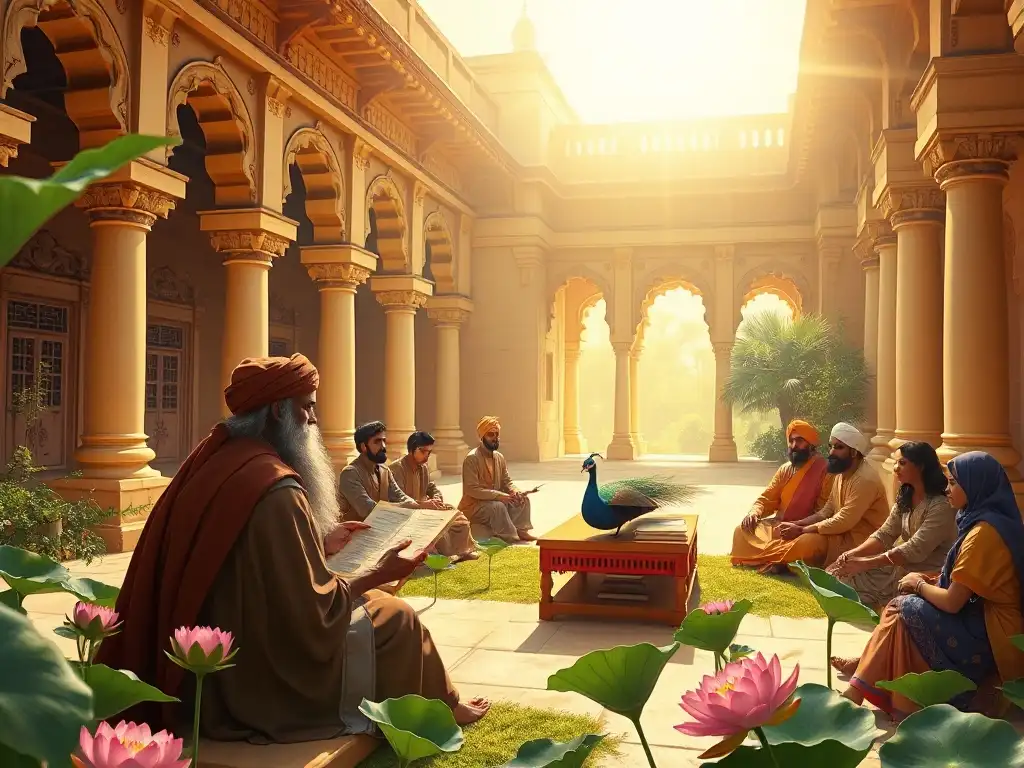
The legacy of education during the Maurya Empire is a testament to the significant advancements in learning and scholarship that flourished during this period. The Mauryan rulers, particularly under the reign of Ashoka, promoted an educational system that emphasized both practical and philosophical knowledge. This approach not only contributed to the intellectual development of the empire but also laid the groundwork for future educational endeavors in India.
One of the most notable aspects of the Maurya Empire's educational legacy was the establishment of centers for learning, such as the famous Nalanda University, which, although founded slightly later, was influenced by the educational practices of the Maurya period. The emphasis on diverse subjects, including mathematics, astronomy, medicine, and philosophy, reflected a holistic educational philosophy that sought to nurture well-rounded individuals. This approach not only advanced individual knowledge but also fostered a society that valued learning and intellectual discourse.
Lasting Contributions to Ancient Indian Learning
The Mauryan Empire made significant contributions to ancient Indian learning, particularly through the promotion of various disciplines. The education system encouraged a curriculum that included the Vedas, grammar, logic, and the arts. This broad-based approach helped cultivate a culture of inquiry and debate, essential for the development of philosophical thought in ancient India.
Moreover, the Mauryan emphasis on literacy and education facilitated the preservation and transmission of ancient texts. The Mauryans recognized the importance of written records, leading to the compilation of significant texts, including the Arthashastra by Kautilya, which remains a crucial source on political science and economics. This emphasis on written knowledge ensured that future generations could learn from the wisdom of the past.
Influence on Later Indian Dynasties and Education Systems
The educational practices established during the Maurya Empire had a profound influence on subsequent Indian dynasties. The Gupta Empire, often referred to as the "Golden Age" of India, adopted many educational principles from the Mauryans, emphasizing the importance of scholarship and the arts. The legacy of Mauryan education is evident in the establishment of universities and centers of learning that flourished during the Gupta period.
Furthermore, the spread of Buddhism, promoted by Ashoka, encouraged the establishment of monastic schools that provided education to monks and laypeople alike. This integration of religious and secular education can be traced back to the Mauryan commitment to knowledge dissemination, influencing educational practices for centuries to come.
Preservation of Knowledge and Texts
The Maurya Empire played a crucial role in the preservation of knowledge and texts, ensuring that the intellectual achievements of previous civilizations were not lost to time. The royal patronage of scholars and the establishment of libraries facilitated the collection and preservation of a vast array of texts, including religious scriptures, legal documents, and literary works.
Inscriptions from the Maurya period, particularly those of Ashoka, highlight the importance of education and ethical governance, serving as both historical documents and educational tools. These inscriptions not only conveyed messages of moral conduct but also served as a means of educating the populace about governance and societal values. The emphasis on written communication during this period established a precedent for the preservation of knowledge that would influence later generations.
Conclusion: The Enduring Impact of the Maurya Empire on Education
The enduring impact of the Maurya Empire on education is evident in the foundational principles and practices that emerged during this period. The empire's commitment to learning, knowledge preservation, and the promotion of diverse subjects laid the groundwork for a robust educational system that would influence future generations.
Reflection on the Importance of Educational Figures
Key figures in the Maurya Empire, such as Kautilya and Ashoka, played pivotal roles in shaping the educational landscape. Their contributions extended beyond governance, as they championed the value of learning and intellectual discourse. Ashoka’s promotion of Buddhist education, in particular, highlighted the intersection of ethics and knowledge, fostering a culture that valued both moral integrity and intellectual pursuit.
The Role of Education in Shaping Ancient Indian Society
Education during the Maurya Empire was integral to shaping ancient Indian society. It fostered a sense of community and civic responsibility, enabling individuals to contribute meaningfully to their society. The emphasis on ethical education, particularly through Ashoka's teachings, encouraged a society that prioritized social welfare and moral conduct. Thus, the educational legacy of the Maurya Empire not only enriched individual lives but also cultivated a society that valued learning, ethics, and culture, leaving an indelible mark on the course of Indian history.
References and Further Reading
The Maurya Empire was a significant period in ancient Indian history, and understanding its education system is crucial for grasping the broader cultural and intellectual developments of the time. Below are some carefully curated resources that delve deeper into the role of education during the Maurya Empire and highlight influential figures who shaped learning.
Suggested Books on Maurya Empire History
-
"The Maurya Empire: A Historical Study" by R. C. Majumdar
This comprehensive book offers insights into the political, social, and educational aspects of the Maurya Empire, exploring how these elements interplayed to foster a rich intellectual environment.
-
"Ancient India" by Romila Thapar
Thapar's work provides a broader historical context, detailing the evolution of education in ancient India, including the foundations laid during the Maurya period and its lasting impact on subsequent generations.
-
"The History of Indian Education" by J. P. S. Bansal
This book focuses specifically on education in India, offering a detailed analysis of the educational practices during the Maurya Empire, the role of significant figures, and the societal implications of their contributions.
-
"The Mauryan Empire" by Michael W. Meister
Meister presents a thorough examination of the Mauryan Empire, highlighting the empire’s educational institutions and the philosophical teachings that flourished during this era.
-
"Education and Society in Ancient India" by R. S. Sharma
This work delves into the interrelation between education and social structures in ancient India, with a focus on the significance of the Maurya Empire in shaping educational practices.
Academic Articles on Education in Ancient India
-
"Educational Practices in the Mauryan Empire: A Historical Perspective" by Aditi Gupta
This article examines the pedagogical methods employed during the Maurya Empire and how these practices influenced the intellectual landscape of ancient India.
-
"The Role of Ashoka in Promoting Education and Learning" by Sudhir Kumar
An analysis of Emperor Ashoka's contributions to education, outlining his initiatives to promote learning and disseminate knowledge throughout the empire.
-
"Philosophy and Education in Ancient India: Insights from the Maurya Period" by Neelam Singh
This scholarly article explores the philosophical underpinnings of education during the Maurya Empire and how these ideas were reflected in the educational institutions of the time.
-
"The Influence of Buddhist Teachings on Education in the Maurya Empire" by Ravi Verma
A study that discusses the impact of Buddhism on educational practices and institutions, highlighting how the Maurya Empire facilitated the spread of these teachings.
-
"Cultural Synthesis and Educational Practices in Ancient India" by Pooja Joshi
This article highlights the synthesis of various cultural influences on the education system during the Maurya Empire, illustrating the diversity and richness of educational practices.
These references and readings will provide you with a comprehensive understanding of the education system in the Maurya Empire and the significant figures who shaped its history.
- Introduction to Maurya Empire Education History
- Key Figures in Maurya Empire Education
- Educational Institutions during the Maurya Empire
- The Influence of Religion on Education
- Legacy of Maurya Empire Education
- Conclusion: The Enduring Impact of the Maurya Empire on Education
- References and Further Reading
- What was the significance of education in the Maurya Empire?
- Who were the notable figures in education during the Maurya Empire?
- How did the Maurya Empire contribute to the development of education?
- What subjects were taught in Maurya Empire educational institutions?
- How did education impact the society of the Maurya Empire?
Frequently Asked Questions
What was the significance of education in the Maurya Empire?
Education played a crucial role in the Maurya Empire, fostering intellectual growth and promoting administrative efficiency. It laid the foundation for a well-informed society.
Who were the notable figures in education during the Maurya Empire?
Key figures included Chanakya, a philosopher and scholar who greatly influenced educational practices. His teachings emphasized the importance of knowledge in governance and society.
How did the Maurya Empire contribute to the development of education?
The Maurya Empire established institutions of learning and promoted literacy among its citizens, creating a legacy that influenced future generations in India.
What subjects were taught in Maurya Empire educational institutions?
Students were educated in a variety of subjects, including philosophy, mathematics, science, and political science, reflecting the Empire's diverse intellectual pursuits.
How did education impact the society of the Maurya Empire?
Education led to a more knowledgeable populace, which in turn contributed to the Empire's administrative success and cultural advancements, fostering a thriving civilization.
Final Reflection: The Enduring Legacy of Education in the Maurya Empire
The exploration of education in the Maurya Empire reveals its profound influence on society, culture, and governance, highlighting that education is not merely a tool for personal advancement but a cornerstone for societal progress. In today’s world, where knowledge is more accessible than ever, the lessons from the Maurya Empire remind us of the transformative power of education in shaping civilizations. The emphasis placed on learning during this era underscores the timeless truth that education is essential for fostering innovation and social cohesion.
The figures who shaped learning in the Maurya Empire, such as Chanakya and Ashoka, not only contributed to the intellectual landscape of their time but also set a precedent for future generations. Their commitment to education as a means of governance and moral development continues to resonate in contemporary discussions about the role of education in society. Education is the most powerful weapon which you can use to change the world.
— Nelson Mandela. This quote encapsulates the enduring belief that education is a catalyst for change, a sentiment that echoes through the corridors of history and into our modern classrooms.
As we reflect on the lessons from the Maurya Empire, let us consider how we can apply these insights in our own lives and communities. Take a moment to think about how education has shaped your own journey and how you can contribute to fostering a culture of learning around you. Whether through mentoring, sharing knowledge, or advocating for educational access, each of us has the power to carry forward the legacy of the Maurya Empire and create a brighter future through the transformative force of education.
Ignite Your Curiosity: Dive Deeper into Ancient Learning!
Thank you for exploring the fascinating world of education during the Maurya Empire with us! We hope you gained valuable insights into the influential figures who shaped learning in ancient India. Now, it's time to take your journey further!
Here are some impactful actions you can take to expand your understanding and engage with this rich history:
- Explore additional resources: Delve into books and documentaries about the Maurya Empire to uncover more stories and perspectives on education.
- Share your findings: Discuss what you've learned with friends or in online forums to foster a broader conversation about ancient Indian education.
- Participate in local historical workshops: Seek out events or lectures in your community that focus on ancient civilizations to deepen your engagement and understanding.
What aspect of education in the Maurya Empire intrigues you the most, and how do you think it influences our understanding of learning today?