
The Mystique of Indian Gemstones in Ancient Chinese Culture

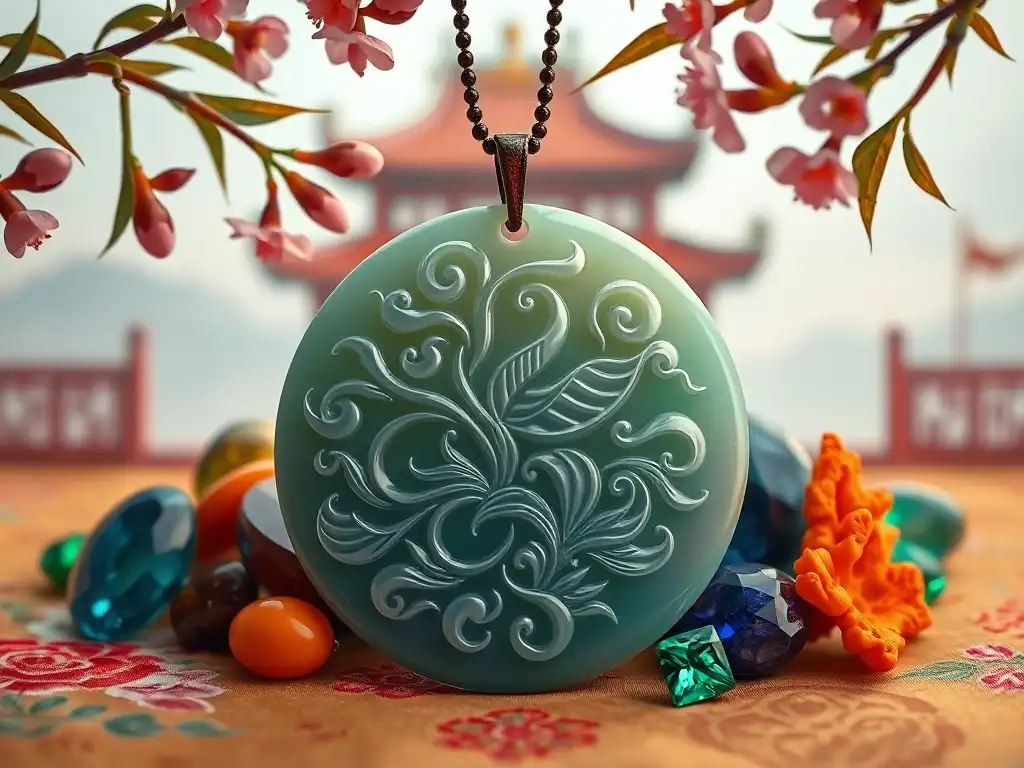
Welcome to Ancient India History, where we embark on a fascinating journey through the rich tapestry of India's past! Delve into the intriguing world of Indian gemstones in ancient culture, and discover how these precious stones not only adorned royalty but also played a pivotal role in the interactions with other civilizations, particularly with ancient China. What secrets do these gems hold about the values and beliefs of our ancestors?
Join us as we unravel the mystique surrounding these exquisite treasures and their significance in shaping cross-cultural ties. Your exploration begins here—read on to uncover the captivating stories waiting to be told!
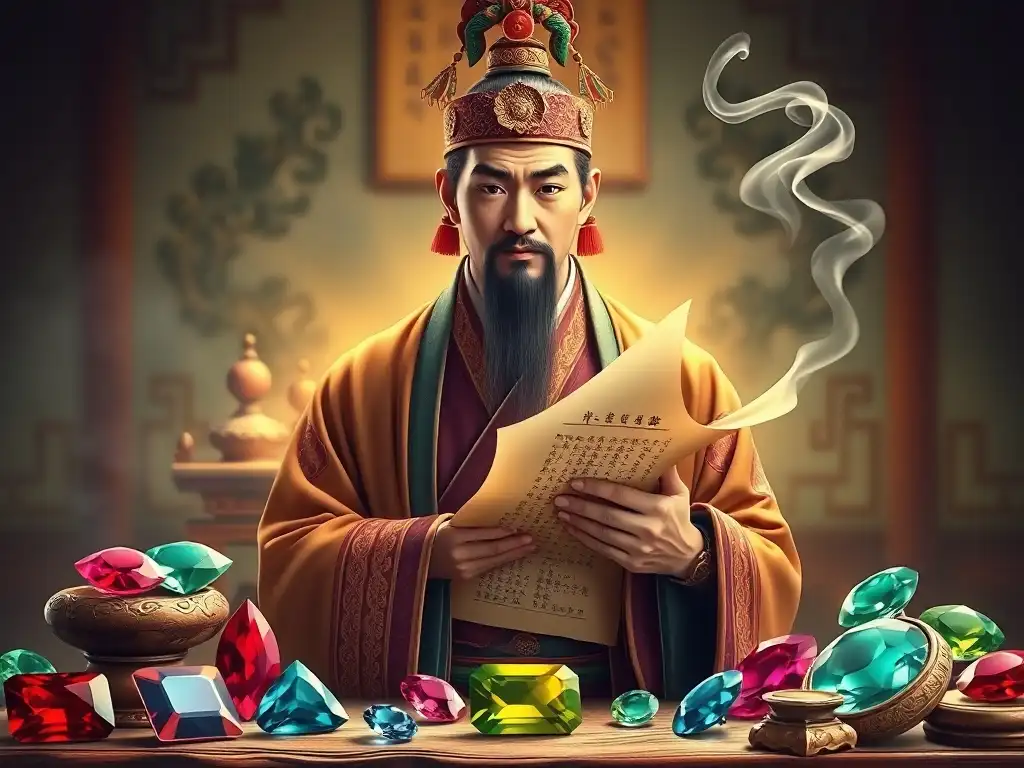
The interplay between ancient Indian and Chinese cultures is a captivating narrative woven with threads of trade, spirituality, and artistry, particularly when it comes to the realm of gemstones. These precious stones, mined from the heart of India's diverse landscapes, were not merely adornments; they held profound significance in various aspects of life, including spirituality, status, and medicinal practices.
As such, Indian gemstones found their way into Chinese culture, enriching its artistic expressions and spiritual practices. This article delves into the significance of Indian gemstones in ancient cultures, highlights their role within Chinese civilization, and explores the historical exchanges that facilitated this fascinating interaction.
Introduction to Indian Gemstones in Ancient Cultures
Indian gemstones have long been celebrated for their beauty, rarity, and purported metaphysical properties. From the dazzling diamonds of Golconda to the rich hues of rubies and emeralds, these gems were integral to the cultural and economic fabric of ancient Indian society. Their allure extended beyond mere aesthetics, often symbolizing wealth, power, and divine favor. The ancient texts and scriptures, such as the Arthashastra and Rajatarangini, frequently reference gemstones, underscoring their importance in royal courts and religious practices.
The Significance of Gemstones in Ancient Indian Culture
In ancient India, gemstones held multifaceted roles in society. They were:
- Symbolic of Power: Kings and queens adorned themselves with gemstones as a display of wealth and authority.
- Used in Medicine: Ayurveda, the traditional Indian system of medicine, often employed gemstones for their believed healing properties.
- Connected to Spiritual Beliefs: Many gemstones were associated with specific deities and were used in rituals to invoke blessings.
The use of gemstones was also prevalent in jewelry making, where craftsmanship reached extraordinary heights, illustrating the artisans' skills and the cultural significance of these stones.
Overview of Gemstone Use in Ancient Chinese Civilization
In ancient China, gemstones were similarly revered but often interpreted through different cultural lenses. Chinese civilization utilized gemstones in various ways:
- Cultural Symbolism: Jade, in particular, held a sacred place in Chinese culture, symbolizing purity and moral integrity.
- Artistic Expression: Gemstones were intricately carved into ornaments, seals, and ceremonial objects, showcasing the high level of artistry.
- Healing Practices: Much like in India, certain gemstones were believed to possess healing properties and were used in traditional Chinese medicine.
The overlapping interests in gemstones between these two ancient civilizations led to a rich tapestry of cultural exchanges.
Historical Context of Indian-Chinese Exchanges
The trade routes that connected India and China were not just pathways for goods but also conduits for ideas, cultures, and technologies. The Silk Road, a network of trade routes that linked the East and West, facilitated extensive exchanges between these two great civilizations.
Trade Routes Linking India and China
- Silk Road: This ancient route was pivotal in the exchange of not only silk but also spices, textiles, and gemstones.
- Maritime Routes: The seas also played a crucial role, with Indian merchants sailing to Chinese ports, further broadening the exchange network.
These trade routes significantly contributed to the dissemination of knowledge and cultural practices, encompassing not only the physical exchange of goods but also the transfer of traditions and beliefs.
Cultural Interactions Between Indian and Chinese Civilizations
The interactions between Indian and Chinese civilizations were rich and varied.
- Philosophical Exchanges: Buddhist texts traveled from India to China, bringing with them concepts that influenced Chinese thought and spirituality.
- Artistic Influences: The aesthetics of gemstone craftsmanship in India inspired Chinese artisans, leading to unique blends of styles.
This cultural amalgamation illustrates how Indian gemstones transcended their geographical roots, becoming integral to the fabric of ancient Chinese culture, further enhancing our understanding of the interwoven histories of these two civilizations.
The Role of Indian Gemstones in Ancient Chinese Culture
Indian gemstones played a significant role in shaping the aesthetic preferences and cultural expressions of ancient Chinese society. During the early exchanges along the Silk Road, gemstones from India were highly sought after for their beauty, rarity, and the mystical properties attributed to them. These stones were not merely decorative but were believed to hold spiritual significance, influencing various aspects of life, including health, fortune, and protection.
The allure of Indian gemstones attracted Chinese artisans, who incorporated these precious stones into their own craft, leading to a fusion of styles and techniques. The cross-cultural exchange fostered by the trade routes allowed Indian designs and motifs to influence Chinese jewelry, paintings, and other art forms, creating a unique blend of aesthetics that reflected the values and beliefs of both civilizations.
Moreover, the presence of Indian gemstones in Chinese culture is indicative of the broader interactions between these two ancient civilizations, highlighting a mutual appreciation for art, craftsmanship, and the spiritual significance of natural materials.
Precious Stones and Their Symbolism in Chinese Society
In ancient Chinese culture, gemstones were imbued with deep symbolic meanings. Each stone was thought to possess unique attributes that affected the fortunes and fates of individuals. For instance, jade was revered for its purity and was often associated with virtues such as wisdom and morality. Similarly, the Chinese associated various colors of gemstones with different elements and emotions, further enhancing their significance.
Indian gemstones, with their vibrant colors and unique qualities, found their place within this symbolic framework. For example, red stones like rubies were linked to power and prosperity, while blue sapphires were considered to offer protection and calmness. The rich symbolism associated with these gemstones made them desirable not just as adornments but as talismans believed to bring good luck and ward off evil.
The practice of embedding gemstones into talismans, amulets, and ceremonial objects reflected the deep-rooted belief in their protective and auspicious qualities, showcasing how Indian gemstones became integral to the spiritual and cultural life of ancient China.
Specific Indian Gemstones Influencing Chinese Art and Jewelry
Several Indian gemstones significantly influenced Chinese art and jewelry, showcasing the artistic interplay between the two cultures. The craftsmanship of Chinese artisans evolved as they adopted Indian styles, leading to innovative designs in jewelry that included intricate settings and a variety of gemstone combinations.
Among the most influential gemstones were rubies, sapphires, and emeralds, each contributing to the rich tapestry of Chinese decorative arts. The deep reds of rubies complemented the traditional Chinese color palette, while the serene blues of sapphires brought a sense of tranquility to the designs. Emeralds, with their lush green hues, were often associated with nature and harmony, resonating deeply with the Chinese ethos.
The legacy of these gemstones can be seen in the surviving artifacts from ancient China, where Indian influences are evident in the aesthetics and craftsmanship of jewelry pieces, sculptures, and ceremonial objects.
Notable Indian Gemstones Traded to China
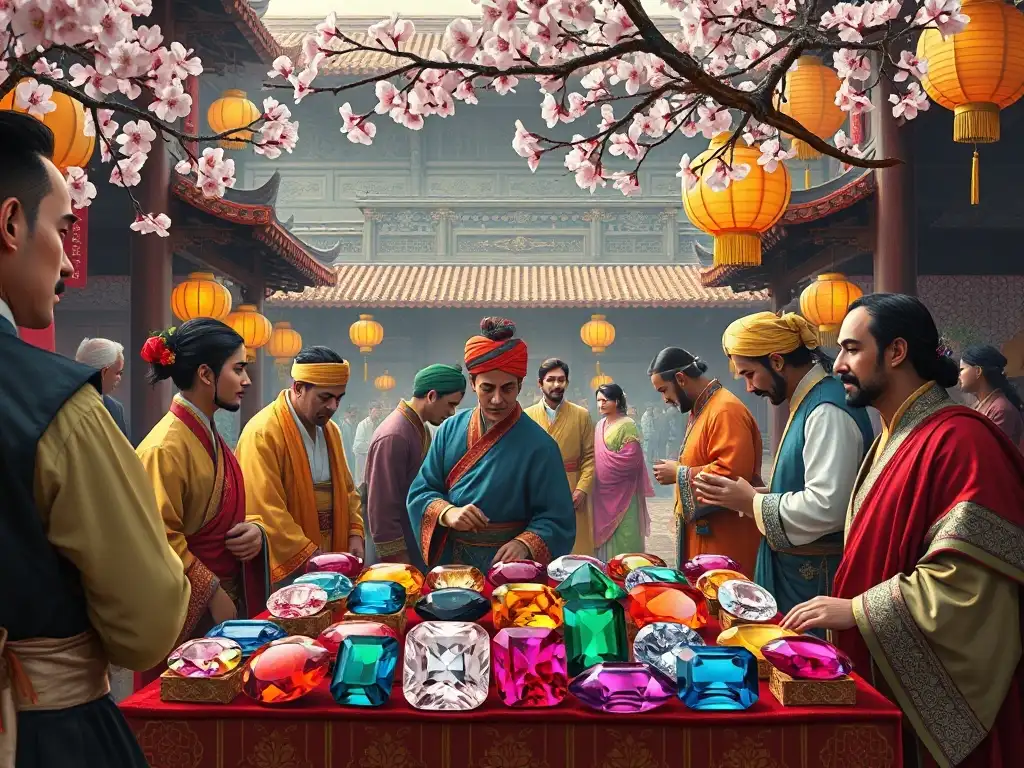
The trade routes connecting India and China facilitated the exchange of not only goods but also cultural values and artistic styles. Among the most notable Indian gemstones traded to China were rubies, sapphires, and emeralds, each carrying its own unique significance and impact on Chinese culture.
Rubies: The Red Treasures of India
Rubies, often referred to as the "red treasures," were among the most coveted gemstones in ancient China. Their vibrant red color symbolized passion, power, and prosperity, making them highly desirable among the elite. The belief that rubies could bring good fortune and protect against misfortune added to their allure.
Chinese artisans skillfully integrated rubies into their jewelry, often setting them in gold or silver, enhancing their brilliance. The popularity of rubies in Chinese culture was also reflected in their use in royal insignia and status symbols, highlighting their significance in the social hierarchy.
Sapphires: The Blue Elegance in Chinese Heritage
Sapphires, with their rich blue tones, were another gemstone that captivated ancient Chinese society. They were associated with wisdom, loyalty, and nobility, making them a favored choice among scholars and officials. The serene hue of sapphires complemented the tranquil philosophies of Confucianism and Daoism that permeated Chinese culture.
The incorporation of sapphires into ornate jewelry pieces demonstrated the intricate craftsmanship of Chinese artisans, who often combined them with other elements like pearls and jade to create stunning visual effects. The elegance of sapphires contributed to their enduring popularity throughout Chinese history.
Emeralds: The Green Charms and Their Cultural Significance
Emeralds, known for their lush green color, were highly regarded in ancient China for their beauty and association with fertility and growth. They were believed to bring harmony and balance, resonating with the Chinese appreciation for nature and its cycles.
Incorporating emeralds into jewelry and artifacts showcased the craftsmanship of ancient Chinese artisans, who utilized these stones to create intricate designs that conveyed a sense of tranquility and prosperity. The cultural significance of emeralds extended beyond mere decoration; they were often used in rituals and ceremonies intended to invoke blessings of fertility and abundance.
The exchange of these gemstones not only enriched Chinese art and culture but also fostered a deeper understanding of the spiritual dimensions of gemstones, illustrating the profound connections forged through trade and cultural interaction.
The Impact of Indian Gemstones on Chinese Art and Spirituality
Indian gemstones, revered for their beauty and metaphysical properties, significantly influenced Chinese art and spirituality throughout ancient history. The rich hues of Indian rubies, sapphires, emeralds, and pearls were not only aesthetically pleasing but also symbolically potent, often associated with various spiritual beliefs and practices. Artisans in China began incorporating these gemstones into jewelry, ceremonial artifacts, and decorative items, reflecting a blend of cultural appreciation and spiritual significance.
The use of gemstones in Chinese art was often linked to the concept of harmony and balance, which are essential principles in both Chinese philosophy and aesthetics. For instance, the color green, as seen in jade and emeralds, was believed to promote growth and prosperity, making it a favored choice among artisans. The intricate designs of gemstone-encrusted pieces often told stories of prosperity and divine connection, showcasing the artisans’ skills while embedding spiritual meanings.
Furthermore, gemstones were used in spiritual practices, where they played a role in meditation and rituals. The Chinese believed that certain stones possessed the ability to enhance energy flow and spiritual awareness, leading to a deeper connection with the universe. This intermingling of art and spirituality not only enriched Chinese culture but also underscored the profound impact of Indian gemstones.
Gemstones in Traditional Chinese Medicine
In traditional Chinese medicine (TCM), gemstones were regarded as more than mere decorative items; they were believed to hold healing properties. Practitioners of TCM often utilized gemstones in various therapeutic practices, integrating them into treatments to promote physical and mental well-being. For example, jade was highly esteemed for its purported ability to cleanse and rejuvenate the body, while turquoise was thought to provide protection and balance.
The principles of TCM align with the metaphysical properties attributed to Indian gemstones. Practitioners believed that the vibrational energies of gemstones could influence the body's meridians, promoting the flow of Qi (life force energy). This belief led to the incorporation of gemstones in acupuncture and massage therapies, where stones would be placed on specific meridian points to enhance healing.
Additionally, the holistic approach of TCM often included the use of gemstones in conjunction with herbal remedies and dietary adjustments. This synergy of practices illustrated the deep-rooted belief in the interconnectedness of physical, emotional, and spiritual health, with Indian gemstones playing a vital role in this ancient medical framework.
Influence on Chinese Mythology and Folklore
Indian gemstones also permeated Chinese mythology and folklore, becoming symbols of power, protection, and divine favor. Stories of celestial beings and legendary figures often featured gemstones as integral elements, symbolizing status and virtue. For instance, the famous tale of the Queen Mother of the West, a prominent figure in Chinese mythology, is often associated with the mythical jade stones that represent immortality and wealth.
The narratives surrounding gemstones in folklore served to reinforce social values and aspirations. They were often seen as talismans that could bring luck, ward off evil, and attract prosperity. The association of Indian gemstones with such powerful myths helped to solidify their place within the cultural consciousness of ancient China.
Moreover, the cross-cultural exchanges between India and China led to a fusion of mythologies, where Indian deities and their attributed gemstones were incorporated into Chinese stories. This blending of cultural elements not only enriched Chinese folklore but also highlighted the significance of gemstones as symbols of cultural exchange and interconnectedness.
Conclusion: The Lasting Legacy of Indian Gemstones in Ancient Chinese Culture
The legacy of Indian gemstones in ancient Chinese culture is profound and multifaceted, impacting various aspects of life, from art and spirituality to medicine and mythology. The appreciation for these gemstones reflects a deep cultural exchange that transcended geographical boundaries, enriching both civilizations in the process.
Summary of Indian Gemstones' Cultural Impact
Indian gemstones played a vital role in shaping ancient Chinese culture, leaving an indelible mark across different domains. Their influences can be seen in the aesthetic practices of Chinese art, the therapeutic approaches in traditional medicine, and the rich narratives of folklore. The unique qualities of these gemstones not only captivated the Chinese but also facilitated a deeper understanding of spiritual and cultural significance.
Reflection on the Interconnectedness of Ancient Civilizations
The historical interactions between India and China underscore the interconnectedness of ancient civilizations, demonstrating how cultural exchanges shaped societies and enriched human experiences. Indian gemstones, as carriers of beauty and meaning, served as a bridge that connected diverse traditions, fostering mutual appreciation and understanding. This legacy continues to remind us of the profound impact of cultural exchanges and the timeless allure of gemstones across civilizations.
- Introduction to Indian Gemstones in Ancient Cultures
- Historical Context of Indian-Chinese Exchanges
- The Role of Indian Gemstones in Ancient Chinese Culture
- Notable Indian Gemstones Traded to China
- The Impact of Indian Gemstones on Chinese Art and Spirituality
- Conclusion: The Lasting Legacy of Indian Gemstones in Ancient Chinese Culture
- What role did gemstones play in ancient Indian culture?
- How were Indian gemstones used in trade during ancient times?
- Which gemstones were most popular in ancient India?
- How did ancient Indian civilizations perceive the value of gemstones?
- What influence did ancient Indian gemstones have on other cultures?
Frequently Asked Questions
What role did gemstones play in ancient Indian culture?
Gemstones were considered sacred, often associated with health, wealth, and spirituality. They were used in jewelry and as part of rituals, reflecting the values and beliefs of ancient societies.
How were Indian gemstones used in trade during ancient times?
Indian gemstones were highly valued and often traded along the Silk Road. Their beauty and rarity made them a symbol of status, leading to extensive trade with other ancient civilizations.
Which gemstones were most popular in ancient India?
Some of the most popular gemstones included diamonds, rubies, sapphires, and emeralds. Each of these was believed to possess unique properties that could influence one's fate and prosperity.
How did ancient Indian civilizations perceive the value of gemstones?
Gemstones were not only valued for their aesthetic appeal but were also thought to have healing properties. They were often used in astrology, where specific stones were linked to planetary influences.
What influence did ancient Indian gemstones have on other cultures?
The fascination with Indian gemstones spread to various civilizations, influencing art, jewelry design, and spiritual practices globally. Their intricacies and symbolism resonated with cultures in China, Rome, and beyond.
Final Reflection: The Enduring Allure of Indian Gemstones in Ancient Culture
The exploration of Indian gemstones in ancient Chinese culture reveals a profound connection that transcends time and geography. Today, as we navigate a world increasingly defined by globalization, the historical significance of these gemstones serves as a reminder of the intricate tapestry of cultural exchange that has shaped our societies. The allure of these stones is not merely in their beauty but in the stories they carry, reflecting the values, beliefs, and artistry of civilizations long past.
Clearly, the impact of Indian gemstones on ancient Chinese culture is a testament to the power of trade and cultural interaction. These gems were not just adornments; they were symbols of status, spirituality, and connection to the divine. As we continue to uncover the layers of history, we find that these gemstones have left an indelible mark on our cultural landscape. Jewels are the most visible expression of a culture's values and aspirations.
This quote encapsulates the essence of how these gemstones have influenced not only aesthetic preferences but also the very fabric of cultural identity.
As we reflect on the significance of Indian gemstones in ancient culture, I invite you to consider their relevance in your own life. How can we draw inspiration from the past to enrich our present and future? Let the stories of these gemstones ignite a passion for cultural appreciation and understanding. Embrace the beauty of diversity and the lessons that history offers, and carry forward the legacy of connection and respect that these ancient treasures symbolize.
Unveil the Radiance of Indian Gemstones in Your Life!
Thank you for diving into the fascinating world of Indian gemstones and their profound influence on ancient cultures! We hope you found the insights enlightening and inspiring. Now, it's time to take that inspiration and harness it in your own life.
Here are some actionable steps you can take to connect further with this mesmerizing topic:
- Explore local gem shops or markets: Seek out Indian gemstones and connect with their rich history. Each piece tells a story waiting to be discovered!
- Join a gemstone enthusiast community: Share your passion and learn from others who appreciate the mystique of these beautiful stones.
- Research a gemstone that intrigues you: Delve deeper by uncovering its historical significance and cultural ties. Consider documenting your findings to share with others.
What gemstone captivates you the most, and how would you incorporate its beauty and meaning into your life? Let’s discuss in the comments!