
The Role of Merchants: How Indian Traders Shaped Chinese Markets

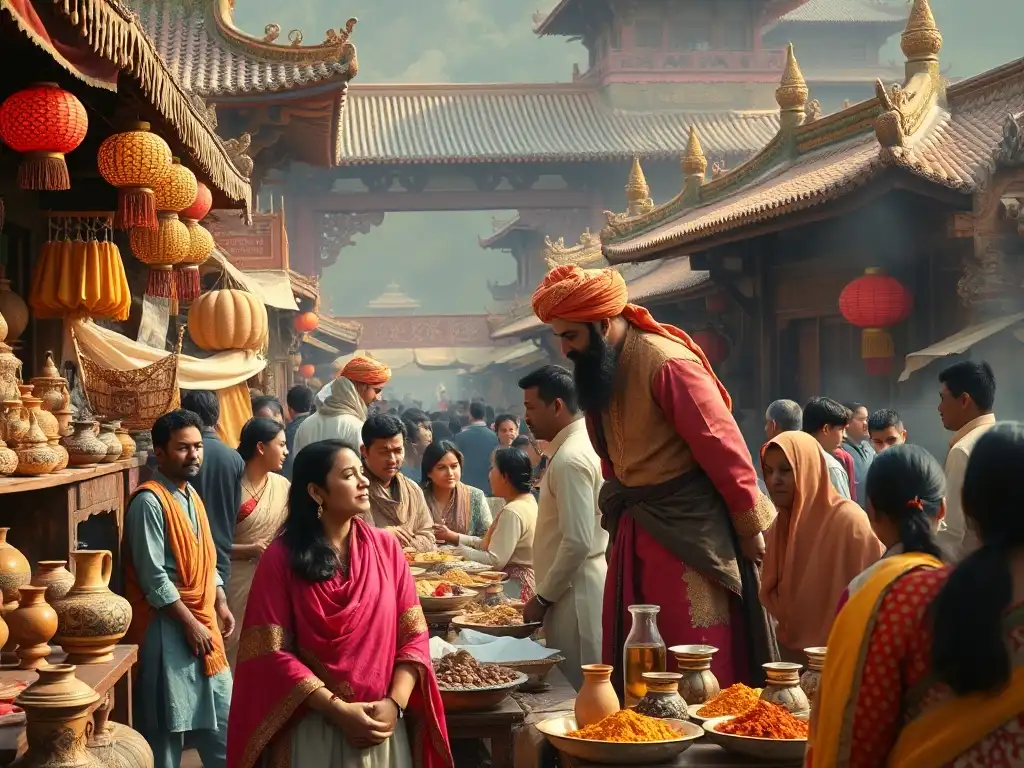
Welcome to Ancient India History, where we embark on a fascinating journey through time to uncover the rich tapestry of ancient Indian civilizations. Today, we delve into the remarkable legacy of Indian traders and their profound influence on China. Explore how these merchants not only navigated vast trade routes but also shaped markets and cultural exchanges, leaving an indelible mark on history. With every click, you’ll discover the intricate connections that defined the interaction between these great civilizations. Are you ready to unravel the stories of trade, culture, and influence? Dive into our main article to find out more!
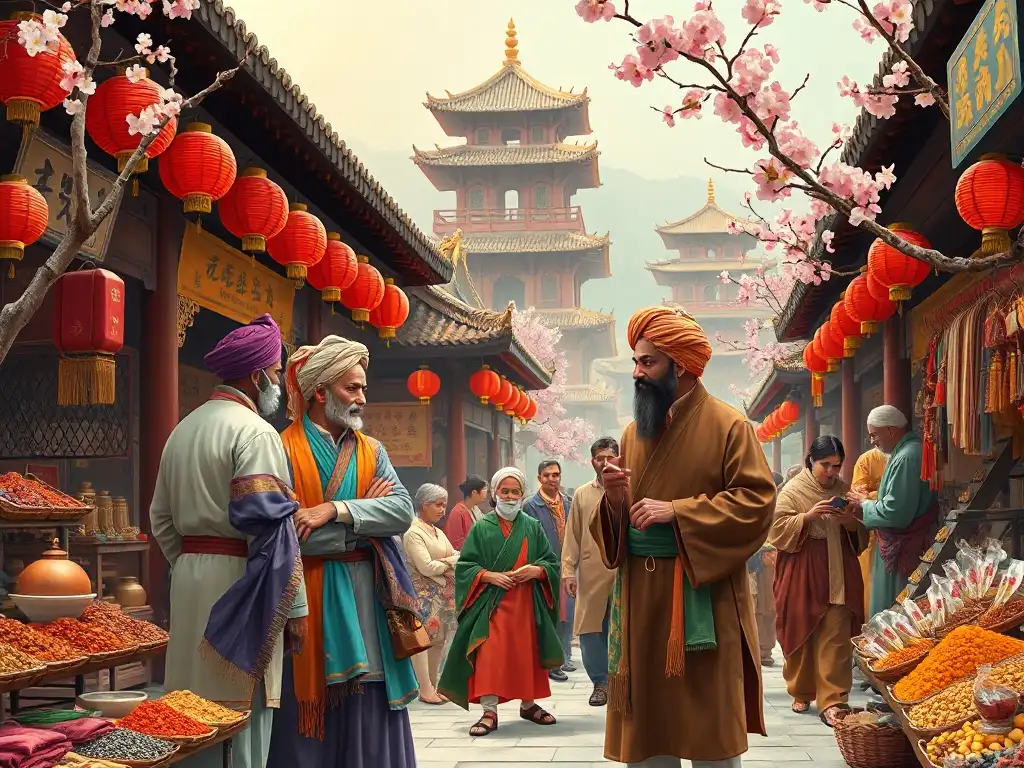
Introduction to Indian Traders Influence on China
The intricate web of trade between ancient India and China is a compelling narrative that highlights the significant role of Indian traders in shaping the economic landscapes of both civilizations. As early as the first millennium BCE, Indian merchants ventured beyond their borders, establishing a vibrant exchange of goods, ideas, and culture.
This article delves into the profound impact of Indian traders on Chinese markets, illuminating how their contributions fostered not only economic growth but also cultural and technological exchanges that resonated through history. The influence of these merchants is evident in various domains, including the spread of commodities like silk, spices, and precious stones, alongside the introduction of philosophies and religious ideas that enriched both societies.
Historical Context of Indian-Chinese Trade
To fully appreciate the role of Indian traders in shaping Chinese markets, it is essential to understand the historical backdrop of their interactions. The foundations of this trade can be traced back to the flourishing civilizations of the Indus Valley and the Han Dynasty, where an exchange network began to take shape. The diverse goods and cultural practices that traversed these routes played an integral part in the development of both societies.
The Silk Road and Maritime Routes
One of the most significant conduits for trade between India and China was the Silk Road, a network of overland routes connecting the East and West. This ancient trade route facilitated not only the exchange of silk but also a variety of goods including:
- Spices: Known for their value, spices were a major part of Indian exports.
- Jewels: Indian traders brought exquisite jewelry that fascinated Chinese elites.
- Textiles: Cotton and woolen fabrics were highly sought after in China.
Additionally, maritime routes emerged as vital arteries for trade, especially during the Tang Dynasty (618-907 CE). These sea routes linked Indian ports with Chinese coastal cities, enabling a flourishing trade in commodities such as:
- Incense: Used in religious and cultural practices.
- Medicinal herbs: Essential for the development of traditional Chinese medicine.
The integration of these routes fostered a dynamic exchange of not only goods but also cultural practices, artistic expressions, and technological innovations.
Early Contacts Between Indian and Chinese Merchants
The interactions between Indian and Chinese merchants were marked by curiosity and mutual benefit. Early accounts suggest that Indian traders often traveled to China to engage in commerce, bringing with them not only goods but also knowledge and cultural influences.
- Buddhism: One of the most notable contributions was the spread of Buddhism from India to China, which transformed Chinese spiritual landscapes.
- Cultural Exchanges: Indian literature and art began to influence Chinese forms, evident in the art of the period.
These early contacts laid the groundwork for a long-lasting relationship that would see the intertwining of cultures, economies, and societies for centuries to come. The role of Indian traders in shaping Chinese markets is a testament to the enduring legacy of these ancient exchanges.
Indian Traders Influence on Chinese Markets
The influence of Indian traders on Chinese markets is a significant chapter in the history of commerce, showcasing the strength of cultural and economic exchanges between two ancient civilizations. From the early centuries of the Common Era, Indian merchants began to establish trade routes that not only facilitated the exchange of goods but also fostered cultural and technological exchanges. These interactions were pivotal in shaping the development of various sectors within China, influencing everything from agricultural practices to the introduction of new commodities and religious ideas.
Indian traders were instrumental in introducing a variety of goods to the Chinese market, including spices, textiles, and precious stones. The demand for these products led to the establishment of trade networks that would connect Indian merchants with their Chinese counterparts. This exchange was not merely one-directional; it involved a dynamic interaction where both cultures adapted and adopted practices from one another, thereby enhancing their respective economies.
Introduction of Goods and Commodities
One of the most notable contributions of Indian traders to the Chinese markets was the introduction of various goods and commodities that were previously unknown or scarce in China. Spices like black pepper, cardamom, and ginger became highly sought after, significantly impacting Chinese cuisine and culinary practices. The vibrant textiles from India, particularly silk and cotton, were not only popular among the elites but also became woven into the fabric of Chinese society through their uses in clothing and ceremonial garments.
Additionally, Indian traders played a crucial role in the introduction of medicinal herbs and plants, which enriched Chinese traditional medicine. Items such as turmeric and various ayurvedic herbs found their way into Chinese pharmacopoeia, contributing to the development of alternative medicinal practices. This exchange of goods was facilitated by the maritime and overland trade routes that formed the backbone of the Silk Road, often referred to as the arteries of cultural exchange between India and China.
Cultural Exchange Through Trade
The trade between Indian merchants and the Chinese population was not limited to material goods; it also encompassed a substantial exchange of culture, ideas, and religious beliefs. As Indian traders settled in various Chinese port cities, they brought with them their customs, languages, and philosophies, which influenced local cultures. This interaction was particularly evident in the spread of Buddhism, which Indian monks introduced to China as a result of trade travels.
Through the exchange of texts and ideas, Indian philosophical concepts began to permeate Chinese thought, leading to a synthesis of beliefs that enriched both cultures. The adoption of certain artistic styles and practices in China can also be traced back to Indian influences, showcasing how deeply intertwined these two civilizations became through trade. Such exchanges resulted in a cultural mosaic that not only enhanced trade relationships but also fostered a sense of mutual respect and understanding.
Case Studies of Prominent Indian Traders
The historical narrative of Indian traders influencing Chinese markets is peppered with remarkable figures who played pivotal roles in these exchanges. Their stories highlight the adventurous spirit and entrepreneurial skills that characterized Indian merchants during ancient times.
Notable Figures in Indian-Chinese Trade
Some of the most notable figures in this trade include merchants like Zhang Qian, who, although Chinese, interacted with Indian traders and played a significant role in establishing trade routes that would benefit both regions. On the Indian side, merchants like Kanishka, a Kushan emperor, are often credited with fostering trade relationships between India and China, particularly through the promotion of Buddhism.
Another prominent figure is Fa-Hien, a Chinese monk who traveled to India in the early 5th century and later returned, bringing with him not only Buddhist texts but also insights about Indian trading practices and goods. His accounts provide a valuable perspective on the mutual influences that shaped the trade landscape of the time.
Trade Networks Established by Indian Merchants
The establishment of trade networks by Indian merchants was crucial in facilitating the flow of goods and ideas between India and China. These networks included both overland routes, such as the Silk Road, and maritime paths that connected Indian ports with Chinese coastal cities.
Indian merchants leveraged their geographical knowledge and navigational skills to establish trading hubs in strategic locations, such as Canton (modern-day Guangzhou) and Chang'an (now Xi'an). These hubs became melting pots of cultural exchange where Indian, Chinese, and other traders interacted, forging alliances that enhanced commerce and cultural ties.
The establishment of these trade networks not only led to economic prosperity but also contributed to the rich tapestry of interactions that shaped the ancient world. The legacy of these exchanges can still be felt today, as they laid the groundwork for modern Sino-Indian relations and the ongoing dialogue between the two nations.
The Economic Impact of Indian Traders on China
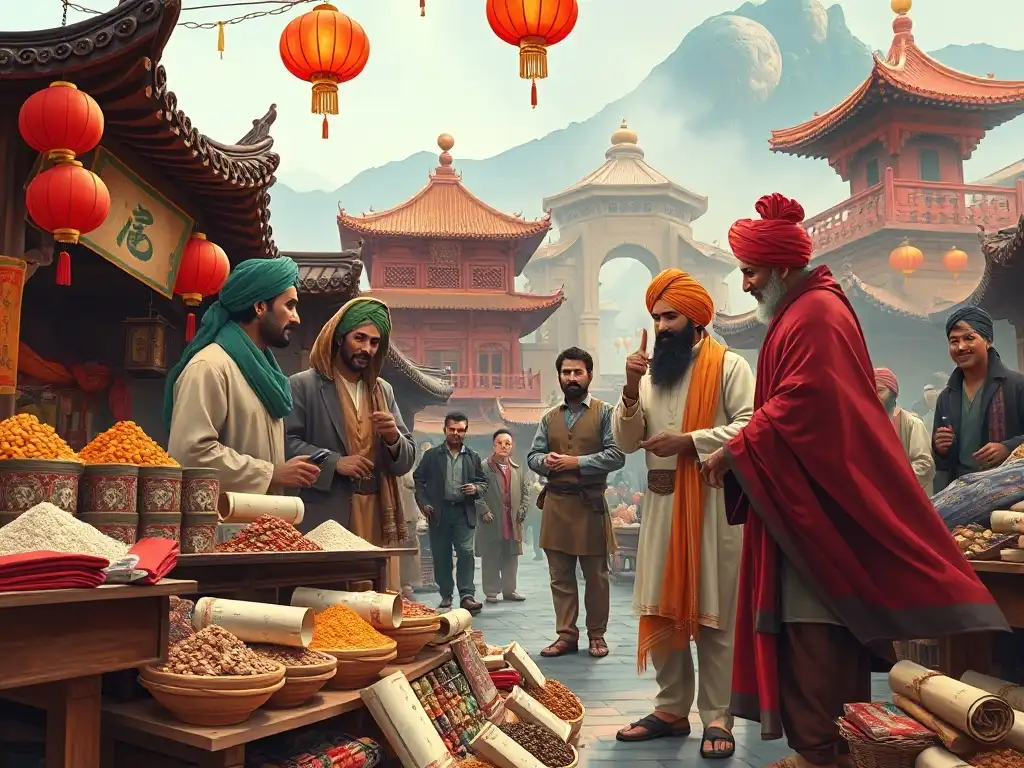
The economic influence of Indian traders on China during ancient times was profound and multifaceted. These merchants played a crucial role in connecting the two civilizations, facilitating not just the exchange of goods, but also ideas, culture, and technology. Their activities significantly contributed to the economic landscape of China, particularly during the flourishing periods of trade along the Silk Road.
Indian traders introduced a variety of commodities to Chinese markets, including spices, textiles, and precious stones. The demand for Indian textiles, especially cotton and silk, surged in China, leading to a vibrant trade network that spanned vast distances. This exchange not only enriched local economies but also stimulated the growth of urban centers along trade routes, creating bustling marketplaces that thrived on the influx of foreign goods.
Moreover, the introduction of Indian coins and currency systems enhanced trade efficiency, promoting a more standardized method of exchange. Indian merchants were adept at navigating complex trade networks, which allowed them to establish trade links with local Chinese traders and integrate into the existing market structures. The economic impact was, therefore, a blend of enhancing local production capabilities and fostering a more interconnected economy.
Transformation of Chinese Markets
The arrival of Indian traders catalyzed significant transformations in Chinese markets. Initially, Indian goods were perceived as exotic luxuries, but as trade expanded, they became staples in the Chinese economy. Spices such as black pepper, cardamom, and cinnamon became integral to Chinese cuisine, while textiles influenced local fashion trends, leading to new styles and preferences among the Chinese elite.
Additionally, Indian merchants brought innovative trading practices and techniques, which transformed local market dynamics. The establishment of trading posts and the exchange of knowledge about navigation and commerce practices helped streamline trade operations. This transformation was not merely economic; it had cultural implications as well, as Indian philosophies and customs began to permeate Chinese society through trade interactions.
Furthermore, the increased demand for Indian goods prompted Chinese artisans to improve their own production techniques, leading to advancements in various crafts. The competition spurred by Indian traders ultimately resulted in a richer and more diverse marketplace, laying the groundwork for a thriving economic exchange that would continue for centuries.
Comparison with Other Influences on Chinese Trade
While Indian traders had a significant impact on Chinese markets, they were not the only influence on trade within China. Other cultures, such as the Persians and later the Arabs, also played substantial roles in shaping Chinese trade dynamics. Compared to these groups, Indian traders were unique in their emphasis on a wide array of luxury goods, particularly in textiles and spices.
Persian traders, for example, were known for their involvement in the silk trade and the introduction of various luxury goods, but their influence was more focused on the trade of raw materials and finished products. The Arab merchants, on the other hand, became prominent in later centuries, bringing not only goods but also Islamic culture and religion, which significantly affected Chinese society.
However, Indian traders distinguished themselves through their long-standing presence in Chinese markets and their ability to adapt and integrate into local economies. Their contributions were essential in establishing long-term trade relationships, which laid the groundwork for continued exchanges, even as other cultures began to exert their influence.
Challenges Faced by Indian Traders in China
Despite the considerable influence Indian traders had on Chinese markets, they faced numerous challenges that complicated their trading endeavors. Navigating these obstacles required adaptability and resilience, as the Indian merchants sought to establish their presence in a foreign land.
Navigating Cultural Differences
One of the primary challenges for Indian traders in China was navigating the cultural differences that existed between the two civilizations. Language barriers posed significant communication challenges, as many Indian merchants spoke languages that were unfamiliar to their Chinese counterparts. This often led to misunderstandings and complications in negotiations.
Moreover, differing customs and business practices created additional hurdles. Indian traders had to familiarize themselves with Chinese commercial etiquette, which emphasized relationships and trust. Building rapport with local traders was essential for successful transactions, and this required patience and cultural sensitivity. The integration of Indian and Chinese cultural practices resulted in a unique blend that benefited both parties but necessitated considerable effort from Indian merchants.
Political and Economic Barriers
Political and economic barriers also posed significant challenges. During various periods, China implemented restrictive trade policies, which limited foreign traders' access to markets. These regulations were often influenced by political considerations, as the Chinese government sought to protect local industries and maintain control over trade practices.
Additionally, fluctuations in political stability could impact trade routes and market accessibility. Indian traders often found themselves at the mercy of changing political climates, which could lead to increased tariffs or even the closure of trade routes. These uncertainties compelled Indian merchants to be strategic in their approach, often requiring them to form alliances or partnerships with local traders to navigate these barriers effectively.
While Indian traders significantly shaped Chinese markets through their economic contributions, they faced numerous challenges that tested their resilience and adaptability. The interplay of cultural differences and political obstacles played a crucial role in defining the nature of Indian-Chinese trade relations during ancient times.
Conclusion: Lasting Legacy of Indian Traders in Chinese Markets
The historical relationship between Indian traders and Chinese markets has left an indelible mark on both civilizations. Indian merchants were not merely conduits for goods; they were cultural ambassadors who facilitated the exchange of ideas, technologies, and religious beliefs. The introduction of Buddhism from India to China is one of the most profound impacts, leading to a transformation in Chinese spiritual life and contributing to the rich tapestry of Chinese culture.
Furthermore, the trade routes established by Indian merchants during the early centuries set the stage for extensive commerce, which fostered economic interdependence between India and China. The silk, spices, textiles, and precious stones that Indian traders introduced into the Chinese market not only enriched Chinese society but also laid the groundwork for future trade relations. This exchange significantly influenced Chinese culinary practices, fashion, and even art forms, showcasing how intertwined the two cultures became.
The legacy of these early interactions is still evident today, as the historical trade routes continue to inspire modern trade policies and economic partnerships between India and China. The mutual respect and understanding developed through centuries of commerce have paved the way for continued collaboration and exchange in various fields, including technology, education, and cultural initiatives.
Future Implications of Historical Trade Relations
The historical trade relations between Indian traders and China provide valuable insights into contemporary economic interactions. As globalization continues to reshape the global economy, the lessons learned from past exchanges can guide current trade policies and diplomatic efforts. For instance, the emphasis on mutual benefit and respect for cultural diversity established centuries ago can inform modern trade agreements.
Moreover, the current resurgence of interest in the ancient trade routes, akin to the Belt and Road Initiative, reflects a growing recognition of the importance of these historical connections. Efforts to revive and strengthen trade ties between India and China can lead to enhanced economic cooperation, benefiting both nations. This could involve the establishment of joint ventures, investment in infrastructure, and collaboration in sectors such as technology and renewable energy.
The historical influence of Indian traders on Chinese markets serves as a reminder of the potential for economic engagement to transcend cultural and political differences. By acknowledging this shared history, both nations can foster a spirit of collaboration that honors their past while looking forward to a prosperous future. The potential for innovation and growth is vast, and leveraging the rich legacy of trade can significantly impact economic strategies in the years to come.
- Introduction to Indian Traders Influence on China
- Historical Context of Indian-Chinese Trade
- Indian Traders Influence on Chinese Markets
- Case Studies of Prominent Indian Traders
- The Economic Impact of Indian Traders on China
- Challenges Faced by Indian Traders in China
- Conclusion: Lasting Legacy of Indian Traders in Chinese Markets
- Future Implications of Historical Trade Relations
- What was the significance of Indian traders in ancient China?
- How did Indian traders influence Chinese markets?
- What were the main trade routes used by Indian merchants to reach China?
- How did the interaction between Indian traders and China affect cultural exchange?
- What legacy did Indian traders leave on modern China?
Frequently Asked Questions
What was the significance of Indian traders in ancient China?
Indian traders played a crucial role in establishing trade routes that connected India with China, facilitating the exchange of goods, ideas, and cultural influences between the two civilizations.
How did Indian traders influence Chinese markets?
Indian traders introduced a variety of products such as spices, textiles, and precious stones to Chinese markets, which significantly enhanced trade dynamics and consumer choices in ancient China.
What were the main trade routes used by Indian merchants to reach China?
The Silk Road and maritime routes were the primary channels used by Indian merchants to transport goods to China, enabling intercontinental trade and interaction between diverse cultures.
How did the interaction between Indian traders and China affect cultural exchange?
The interaction led to a rich cultural exchange, where not only goods were traded, but also ideas, philosophies, and religions, such as Buddhism, significantly influenced Chinese society.
What legacy did Indian traders leave on modern China?
The legacy of Indian traders is evident in the continued cultural ties and trade relations between India and China today, highlighting the historical connections that shaped both nations' economic and cultural landscapes.
Final Reflection: The Enduring Influence of Indian Traders on Chinese Markets
The intricate relationship between Indian traders and Chinese markets is not just a historical footnote; it is a testament to the power of cultural exchange and economic collaboration. Today, as globalization continues to shape our world, the lessons from this dynamic interplay resonate more than ever. The influence of Indian traders on China serves as a reminder of how interconnected our economies and cultures can be, and how these connections can foster mutual growth and understanding.
The legacy of Indian traders in China is a profound example of how commerce can transcend borders, forging bonds that last through centuries. Their impact is evident not only in the economic exchanges but also in the cultural and social landscapes that have been enriched by this interaction. As we reflect on this history, we can draw inspiration from the words of the philosopher Lao Tzu: A journey of a thousand miles begins with a single step.
This quote encapsulates the idea that every significant relationship starts with small, meaningful exchanges, which can lead to transformative outcomes.
As we look to the future, let us take a moment to reflect on our own roles in fostering connections across cultures. Consider how you can contribute to the ongoing dialogue between nations, whether through trade, cultural exchange, or personal relationships. By embracing the lessons of the past and applying them in our lives today, we can honor the legacy of Indian traders and continue to build bridges that enrich our global community.
Unlock the Secrets of Cultural Exchange!
Thank you for immersing yourself in the fascinating world of Indian traders and their significant impact on Chinese markets. Your curiosity about this rich history not only enhances your knowledge but also opens the door to understanding the complex tapestry of trade and cultural exchange.
Ready to take your exploration further? Here are a few actions you can take immediately:
- Join our community: Engage with fellow history enthusiasts by signing up for our newsletter, where you’ll receive exclusive insights and articles directly to your inbox.
- Share the knowledge: Spread the word about the profound influence of Indian merchants by sharing this article with friends and on social media platforms. Let’s inspire more people to dive into historical connections!
- Explore beyond boundaries: Discover more about trade routes and cultural exchanges throughout history through our related articles to uncover even more intriguing stories.
What cultural exchange stories have inspired you the most during your travels or studies? Let's discuss in the comments below!