
The Role of Women in the Rise of Buddhism: A Historical Perspective

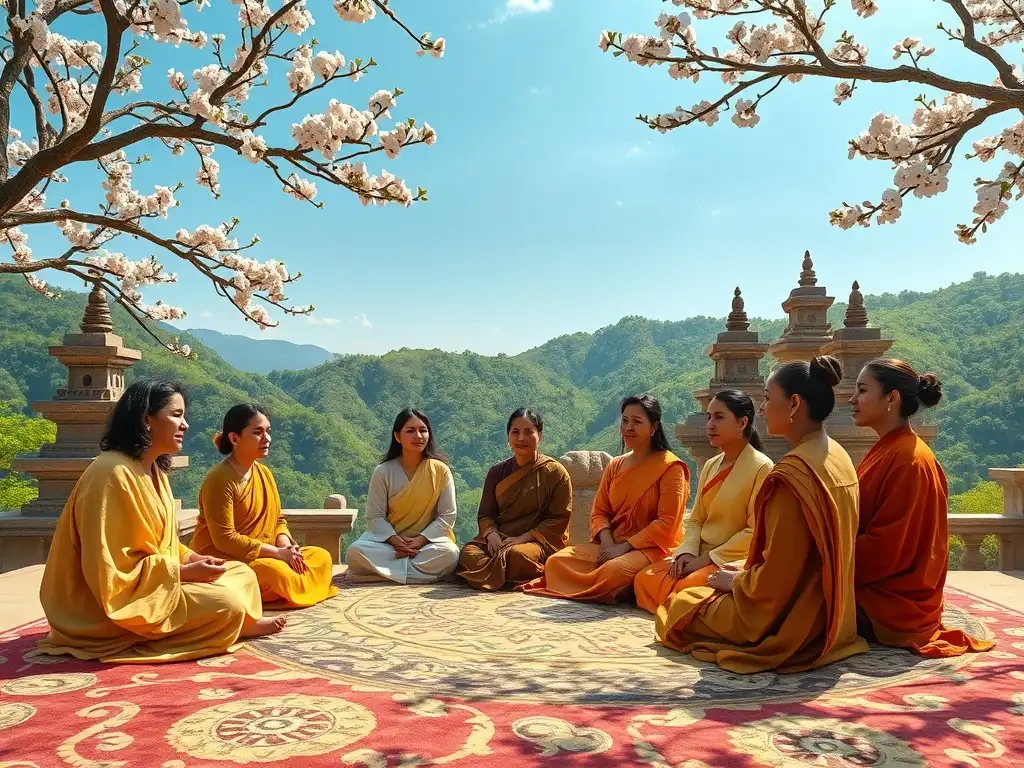
Welcome to Ancient India History, where we embark on an extraordinary journey through time to uncover the rich tapestry of ancient Indian civilizations. In our featured article, "The Role of Women in the Rise of Buddhism: A Historical Perspective," we delve into the often-overlooked contributions of women in ancient Indian Buddhism.
Discover how these remarkable figures shaped spiritual practices and influenced societal norms, revealing the profound impact they had on one of the world's great religions. Join us as we explore the narratives that have shaped our understanding of women's roles and contributions throughout history, and be inspired to learn more about this captivating era!
Introduction to Women in Ancient Indian Buddhism
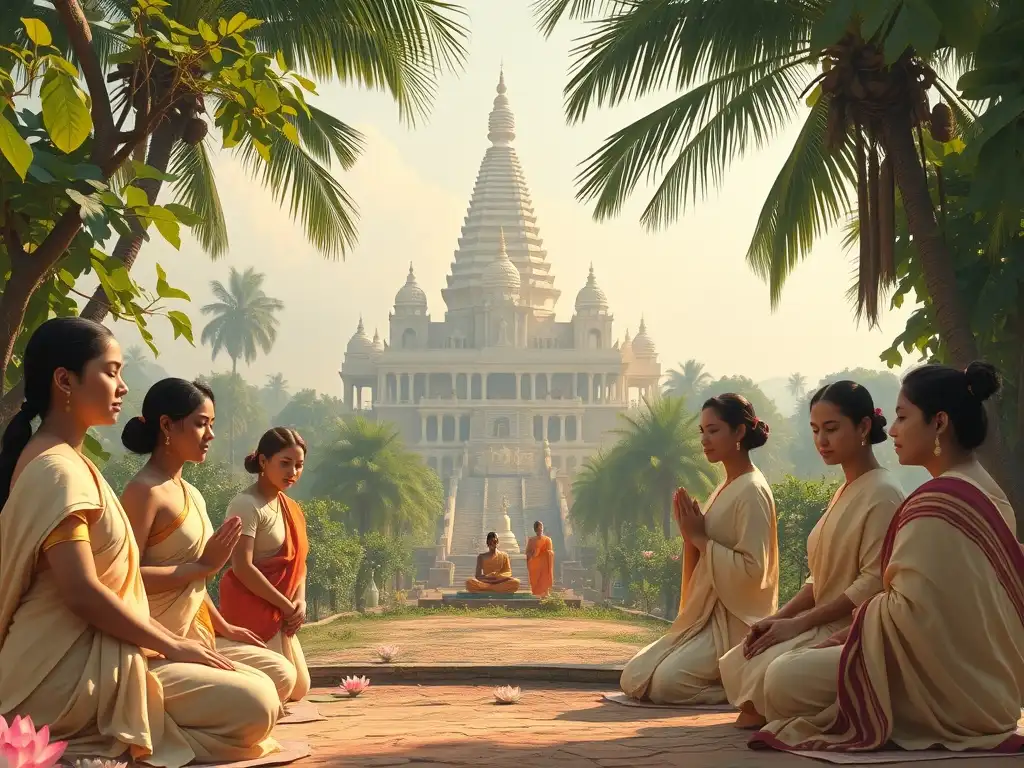
The history of Buddhism is not only a fascinating exploration of spiritual teachings and philosophical doctrines but also a profound testament to the integral roles that women played in its emergence and proliferation. From its inception in the 5th century BCE in ancient India, Buddhism established a unique framework that included women in its community and spiritual practices.
The keyword "Women in ancient Indian Buddhism" encapsulates the significant contributions and transformations that women experienced as Buddhism evolved, highlighting their influence in shaping the religion's values and practices. This article aims to delve into the pivotal role women played in the rise of Buddhism, shedding light on their contributions, struggles, and the cultural contexts that defined their experiences.
Overview of Buddhism's Origin and Growth
Buddhism originated in the northeastern region of the Indian subcontinent, initiated by Siddhartha Gautama, known as the Buddha. The teachings of the Buddha emphasized the Four Noble Truths and the Eightfold Path, providing a structured approach to overcoming suffering and achieving enlightenment. As Buddhism spread across ancient India and beyond, it attracted a diverse following, including women who sought spiritual fulfillment and liberation from societal constraints.
- Key Factors in the Growth of Buddhism:
- The appeal of its egalitarian principles
- The establishment of monastic communities
- Extensive trade routes facilitating cultural exchange
The growth of Buddhism was marked by the formation of the Bhikkhuni Sangha, a monastic order for women, which played a crucial role in legitimizing women's participation in spiritual practices. This not only allowed women to pursue a path towards enlightenment but also provided them with a degree of autonomy and authority within a predominantly patriarchal society.
The Significance of Women in the Early Buddhist Community
Women’s roles in early Buddhism were multifaceted and essential to the religion's development. They were not merely passive followers but active participants who contributed to the establishment of Buddhist values and community life.
- Prominent Figures: Women such as Mahapajapati Gotami, the Buddha's aunt and foster mother, were pivotal in advocating for the inclusion of women in monastic life. Her determination led to the Buddha's eventual agreement to ordain women, marking a significant milestone in Buddhist history.
- Community Builders: Women played crucial roles in sustaining the lay community through their patronage and support of monastic institutions. This sponsorship was vital for the survival and growth of Buddhist teachings and practices.
The engagement of women in the early Buddhist community illustrates a dynamic interplay between gender and spirituality, where women not only sought enlightenment but also shaped the very fabric of Buddhist practice.
Historical Context of Women in Buddhism
Understanding the role of women in ancient Indian Buddhism requires an examination of the historical and cultural contexts that influenced their lives and spiritual pursuits.
Women’s Social Status in Ancient India
In ancient India, women occupied a complex and often contradictory social position. While certain texts celebrated their virtues, such as devotion and fidelity, societal norms generally restricted women’s rights and freedoms.
- Cultural Norms: Women were often confined to domestic roles, with limited access to education and public life.
- Religious Texts: Scriptures from this period reflect the ambivalence towards women's status, portraying them as both revered figures and as subjects of control.
However, the advent of Buddhism provided a counter-narrative, offering a space where women could transcend some of these societal limitations and engage in spiritual practices.
The Influence of Cultural Norms on Women’s Roles in Buddhism
Cultural norms significantly shaped the roles women could assume within Buddhism. While the religion espoused ideals of equality and compassion, the prevailing societal attitudes often influenced the reality of women’s experiences.
- Contradictions: Despite Buddhism's teachings, women still faced challenges in achieving the same recognition and respect as their male counterparts within monastic settings.
- Evolving Roles: Over time, the interpretation of Buddhist teachings regarding women evolved, reflecting changing societal attitudes and the increasing acknowledgment of women's rights within the broader context of Indian society.
This exploration of women in ancient Indian Buddhism reveals not only their critical contributions to the religion but also the ongoing struggles against historical and cultural constraints that shaped their paths. The journey of women in Buddhism serves as a powerful narrative of resilience, transformation, and empowerment that continues to resonate in contemporary discussions about gender and spirituality.
Key Figures: Women in Ancient Indian Buddhism
The role of women in ancient Indian Buddhism is significant, with several key figures emerging as influential personalities who shaped the early Buddhist community. These women not only contributed to the spiritual development of Buddhism but also challenged the societal norms of their time. Among the notable figures were queens, nuns, and laywomen, each playing distinct roles in promoting Buddhist teachings and practices. Their involvement exemplified how women were integral to the growth of Buddhism, often serving as patrons, teachers, and practitioners.
Notable Female Figures in Early Buddhism
One of the most prominent figures in early Buddhism is Mahapajapati Gotami, the aunt and foster mother of Siddhartha Gautama, the Buddha. She is credited with being the first woman to seek ordination and establish the Bhikkhuni Sangha, the order of nuns, which allowed women to live a monastic life and pursue spiritual enlightenment. Her persistence in advocating for women's inclusion in the religious community marked a pivotal moment in Buddhist history.
Another notable figure is Sundari Nanda, the Buddha's half-sister, who became a nun and is often celebrated for her deep devotion and spiritual accomplishments. Additionally, figures like Vimalakīrti, a wealthy laywoman, demonstrated the influence of women in supporting the Buddhist community through patronage and dedication to the teachings of the Buddha.
These women, alongside others, made remarkable strides in establishing a space for women in Buddhism, encouraging future generations to engage in spiritual practices and leadership roles.
Contributions of Women to Buddhist Teachings and Practices
Women in ancient Indian Buddhism contributed significantly to the development of Buddhist teachings and practices. They played critical roles in the transmission of oral traditions and the establishment of monastic rules. The presence of women in the Bhikkhuni Sangha allowed for the interpretation and propagation of Buddhist doctrines from a unique feminine perspective, enriching the overall understanding of the teachings.
Moreover, many women were instrumental in composing texts and commentaries that elucidated Buddhist philosophy and ethics. Their contributions often emphasized compassion, nurturing, and mindfulness—qualities traditionally associated with femininity. This aspect helped to broaden the appeal of Buddhism, making it relatable to a wider audience.
Furthermore, women participated actively in the rituals and ceremonies, providing essential support for the spiritual community. Their involvement helped solidify the practices that are still integral to Buddhism today, demonstrating that women were not mere followers but vital contributors to the faith's evolution.
Women in Buddhist Texts and Scriptures
The portrayal of women in Buddhist texts and scriptures provides critical insights into their roles and significance in the early Buddhist community. These texts not only reflect societal attitudes towards women but also highlight their contributions and spiritual achievements.
Representation of Women in Pali Canon
The Pali Canon, one of the earliest and most authoritative collections of Buddhist scriptures, includes numerous references to women, showcasing their diverse roles within the Buddhist framework. Women are depicted as both lay practitioners and monastic members, with many achieving enlightenment and spiritual realization.
For instance, the Therigatha, a collection of verses attributed to the early female monks, illustrates the personal journeys of these women towards enlightenment. Their stories reveal the challenges they faced and the strength they exhibited in overcoming societal constraints. This canon serves as a testament to the significant presence of women in early Buddhism and their capacity for spiritual leadership.
Additionally, other texts within the Pali Canon often incorporate female characters in various narratives, portraying them as wise, compassionate, and capable of profound insight. This representation challenges the prevailing patriarchal norms and underscores the importance of women's contributions to the Buddhist tradition.
The Role of Women in Buddhist Parables and Stories
In Buddhist parables and stories, women frequently play pivotal roles that convey moral lessons and spiritual truths. These narratives often highlight the virtues of compassion, wisdom, and perseverance, showcasing women's capabilities and their integral part in Buddhist teachings.
For example, the well-known story of Khema, a former queen who became a nun, exemplifies a woman's journey from worldly attachment to spiritual liberation. Her transformation and eventual attainment of enlightenment serve as powerful examples of the potential for women to achieve spiritual success.
Moreover, many Buddhist parables feature women as central characters who teach important lessons about ethical conduct and mindfulness. These stories not only enrich the narrative tradition of Buddhism but also reflect the value placed on women's experiences and perspectives.
Through these narratives, Buddhism acknowledges the importance of women in the spiritual landscape, affirming their roles as teachers and exemplars of the path to enlightenment. In doing so, these stories contribute to a more inclusive understanding of Buddhist teachings, highlighting the diverse contributions of women throughout history.
Impact of Women on the Spread of Buddhism
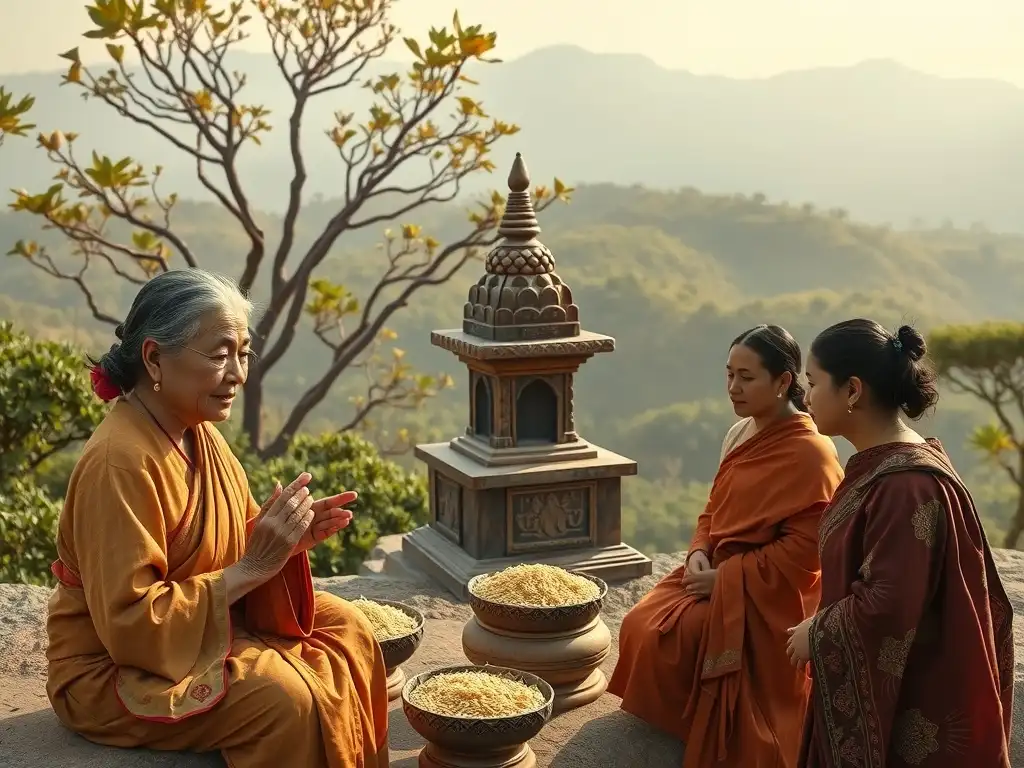
Women played a crucial role in the dissemination of Buddhism across ancient India and beyond. Their involvement was multifaceted, ranging from active participation in religious practices to serving as influential patrons. Historical texts indicate that women were not only followers but also vocal advocates for the teachings of the Buddha, contributing to the faith's appeal among diverse social groups. This engagement helped Buddhism transcend geographical and cultural boundaries, fostering a sense of community and shared values that attracted numerous adherents.
The presence of women in the Buddhist narrative is notable, particularly in the stories of prominent female figures such as Mahapajapati Gotami, the Buddha's aunt and the first woman to seek ordination. Her determination to establish a female monastic order led to the creation of the Bhikkhuni Sangha, which significantly influenced the growth of Buddhism. By establishing a formal structure for female practitioners, these women not only legitimized their roles within the faith but also facilitated the recruitment of new followers, thereby enhancing the religion's reach and stability.
Women as Patrons and Supporters of Buddhism
Women in ancient Indian Buddhism often acted as patrons, providing essential support for monasteries and religious activities. Wealthy women, particularly from influential families, contributed to the construction of stupas and viharas, ensuring that the infrastructure necessary for the practice and propagation of Buddhism was in place. Their financial resources enabled the sustenance of monastic communities, which were critical to the spread of Buddhist teachings.
Furthermore, women's patronage extended to the sponsorship of religious festivals and rituals, enhancing their social status while simultaneously promoting Buddhist values within their communities. This support was not merely financial; women also hosted gatherings that allowed for the exchange of ideas and teachings, fostering a vibrant environment for the growth of Buddhism. By establishing networks of support, women played an indispensable role in sustaining the faith.
The Role of Female Monastic Communities in Promoting Buddhism
Female monastic communities, or the Bhikkhuni Sangha, were pivotal in promoting Buddhism, particularly in the early centuries of the religion. These communities provided women with a space to engage in spiritual practices, education, and social service, thereby creating a unique platform for women's empowerment within a religious context. Female monks were instrumental in teaching Buddhism to other women, breaking down barriers that often restricted female access to spiritual education.
The contributions of female monastic communities extended beyond mere participation; they were active agents in disseminating Buddhist philosophy and ethics. Through their teachings and community engagement, these women not only preserved but also adapted Buddhist doctrines to better resonate with the needs and experiences of women in society. Their efforts contributed significantly to the establishment of Buddhism as a major religious tradition in ancient India.
Challenges Faced by Women in Ancient Indian Buddhism
Despite their substantial contributions, women in ancient Indian Buddhism faced numerous challenges. The patriarchal structure of society often imposed restrictions on their roles and opportunities within the religious framework. While some women attained recognition and respect within monastic communities, many others struggled against social norms that prioritized male authority and leadership in religious matters.
The tension between the ideals of equality espoused by Buddhism and the realities of societal gender roles created a complex landscape for women practitioners. As Buddhism spread and evolved, these challenges became more pronounced, leading to varying degrees of acceptance and recognition for women across different regions and sects of Buddhism.
Social and Institutional Barriers
Social and institutional barriers significantly hindered women's full participation in Buddhism. Traditional norms often relegated women to subordinate roles, limiting their opportunities for ordination and leadership within monastic settings. The reluctance of some male monks to accept women into the Bhikkhuni Sangha reflected broader societal attitudes that viewed women as less capable of spiritual attainment.
Additionally, various Buddhist councils and texts sometimes reinforced these barriers, leading to a dichotomy in the treatment of male and female practitioners. Although some texts promoted the idea of gender equality, practical application varied widely, resulting in a patchwork of experiences for women across different Buddhist communities. This inconsistency often discouraged women from pursuing religious paths, perpetuating the cycle of marginalization.
Historical Changes in Women’s Status within Buddhism
Over time, the status of women in Buddhism has undergone significant transformations, influenced by cultural, political, and religious dynamics. In the early centuries, women enjoyed a relatively prominent position within the Bhikkhuni Sangha, but as Buddhism spread, particularly to regions with more entrenched patriarchal systems, their status began to decline.
The revival of interest in women's roles within Buddhism in recent decades has led to a re-examination of historical texts and practices. Modern interpretations often highlight the contributions of women and advocate for greater inclusivity within Buddhist communities. Contemporary movements are working towards restoring the Bhikkhuni Sangha and addressing past disparities, signaling a renewed recognition of the importance of women in the ongoing evolution of Buddhism.
While challenges remain, the historical journey of women in ancient Indian Buddhism reflects a complex interplay of agency, influence, and struggle for recognition, underscoring their vital role in the faith's development and propagation.
Modern Perspectives on Women in Buddhism
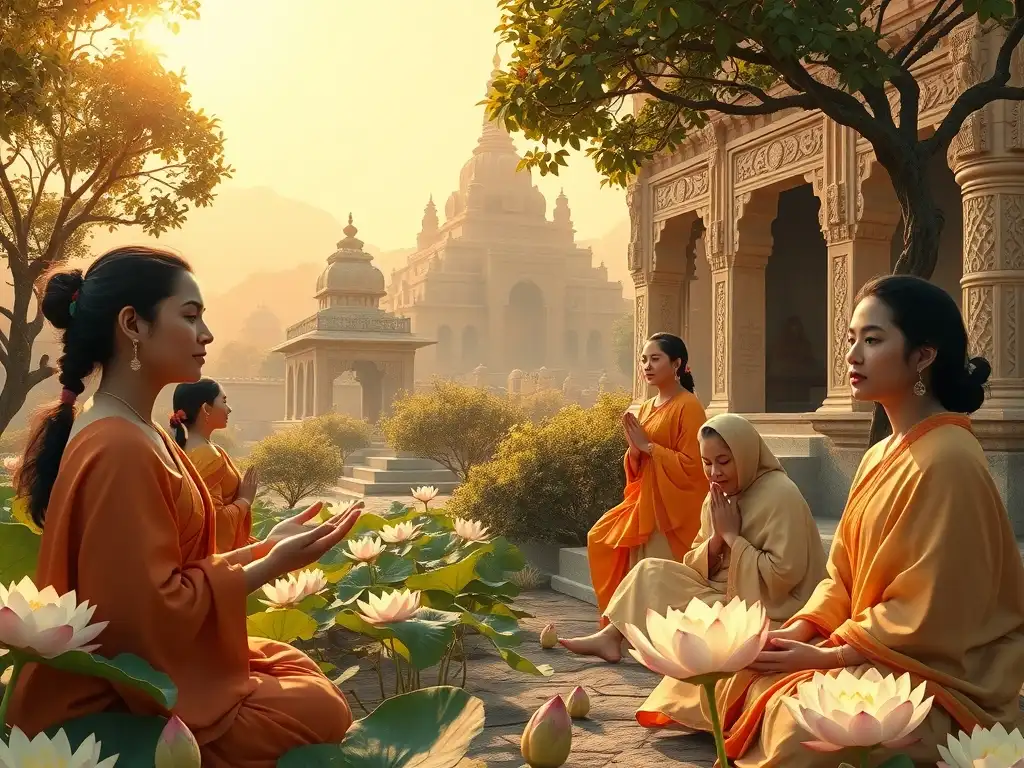
In recent years, there has been a significant shift in how the role of women in Buddhism is perceived. Scholars and practitioners alike are increasingly recognizing the historical contributions of women to the growth and development of Buddhist thought and practice. This reevaluation of women’s roles emphasizes their active participation not only as followers but also as teachers, leaders, and influential figures in the early Buddhist community.
Modern perspectives highlight the need to address the historical narratives that have often marginalized or overlooked women's contributions. This includes an examination of ancient texts and oral traditions that reveal the vital roles women played in the dissemination of Buddhist philosophy and the establishment of monastic communities. By revisiting these narratives, contemporary Buddhism seeks to create a more inclusive understanding of its history and to empower women within the practice today.
The Evolution of Women’s Roles in Contemporary Buddhism
The evolution of women’s roles in contemporary Buddhism reflects a broader societal shift towards gender equality. In various countries, Buddhist women are taking on leadership roles in monastic settings, teaching, and community organizing. This transformation has been particularly pronounced in Western contexts, where women are increasingly founding and leading Buddhist centers, offering teachings that resonate with modern issues, including gender justice and social equality.
Moreover, the establishment of women’s ordination in some traditions has been a pivotal development, allowing women to attain higher levels of spiritual authority and recognition. For instance, movements within Theravada and Tibetan Buddhism have gained momentum, advocating for women's rights to ordain and receive equal status in monastic communities. These changes signify not only a shift in institutional practices but also a reimagining of Buddhist teachings to align with contemporary values of inclusivity and equality.
Current Movements Advocating for Gender Equality in Buddhism
Current movements advocating for gender equality in Buddhism are diverse and dynamic. Organizations such as the Sakyadhita International Association of Buddhist Women work tirelessly to promote the status of women in Buddhism globally. Through conferences, workshops, and educational programs, these organizations aim to raise awareness of the historical contributions of women and to address ongoing challenges related to gender discrimination within Buddhist communities.
Additionally, grassroots initiatives are emerging in various cultures, focusing on local issues faced by women in Buddhist societies. These movements often emphasize the importance of community support and collaboration among women to foster a more equitable environment within Buddhist practice. By advocating for women's rights and representation, these movements are reshaping the landscape of Buddhism, ensuring that the voices and experiences of women are integral to the future of the tradition.
Conclusion: The Lasting Legacy of Women in Ancient Indian Buddhism
Reflecting on the lasting legacy of women in ancient Indian Buddhism reveals a rich tapestry of contributions that have shaped the tradition. Women such as Mahapajapati Gotami, the Buddha's aunt and the first female disciple, established early monastic communities that laid the groundwork for women's participation in Buddhist practice. Their teachings and leadership not only influenced contemporary followers but also established a precedent for future generations of women in the tradition.
Reflection on the Contributions of Women in Shaping Buddhist Thought
The contributions of women in shaping Buddhist thought are profound and multifaceted. Historical texts indicate that women were not only active participants in the early Sangha but also played crucial roles as teachers and custodians of Buddhist teachings. Their insights and experiences contributed to a more nuanced understanding of Buddhist philosophy, emphasizing compassion, wisdom, and the interconnectedness of all beings.
By recognizing these contributions, we can appreciate the depth of women's influence on Buddhist teachings and practices. Their legacies continue to inspire modern practitioners and scholars, fostering a more inclusive and comprehensive understanding of Buddhism's history.
The Importance of Recognizing Women’s Roles in Historical Narratives
Recognizing women’s roles in historical narratives is essential for a balanced understanding of Buddhism’s development. By highlighting the achievements and contributions of women, we challenge the traditional narratives that have often rendered them invisible. This acknowledgment is not only critical for historical accuracy but also serves to inspire future generations of women and men within the Buddhist tradition.
Furthermore, integrating women's perspectives into the broader historical context enriches the discourse surrounding Buddhism, inviting a more diverse range of voices and experiences. By doing so, we can cultivate a more equitable and harmonious practice that honors the contributions of all individuals, regardless of gender, in the ongoing evolution of Buddhism.
Further Reading and Resources
Exploring the contributions and roles of women in ancient Indian Buddhism offers a deeper understanding of the religion's development and the societal structures of the time. Here are valuable resources that provide insights into this significant topic.
Recommended Books and Articles on Women in Ancient Indian Buddhism
- "Women in Early Buddhism: Comparative Perspectives on Gender and Religion" by K. R. Norman
- This book delves into the status and roles of women in early Buddhist texts and explores their contributions to the faith. It provides a comparative analysis that highlights the unique position of women in ancient Indian society.
- "Buddhism and Gender: Reflections on the Role of Women in Buddhism" by Karma Lekshe Tsomo
- Tsomo's work examines the historical context of women in Buddhism, focusing on their roles in various Buddhist traditions, including ancient India. It offers a critical perspective on gender dynamics within the religious framework.
- "The Birth of the Buddha: The Role of Women in Early Buddhism" by Alaka M. Wali
- This article discusses the narratives surrounding the birth and life of the Buddha, emphasizing the significant but often overlooked roles of women in these stories.
- "Women and Buddhism: A Historical Perspective" by Susan Murcott
- Murcott provides insights into the historical and cultural factors that influenced women's participation in Buddhism, with a focus on ancient India. This work is essential for understanding the evolution of gender roles within the religion.
- "Buddhism Through American Women's Eyes" by Anne Carolyn Klein and Nancy Auer Falk
- While primarily focused on modern interpretations, this book provides historical context on how ancient practices shaped contemporary views on women in Buddhism, making it relevant for understanding women’s roles in ancient texts.
Online Resources and Documentaries on Buddhism and Gender
- "Buddhist Women: A New Perspective" – Documentary Series
- This series provides an overview of the roles of women throughout Buddhist history, including significant focus on ancient texts and practices. It highlights the contributions of women in the establishment and spread of Buddhist teachings.
- The Buddhist Women's Association Website
- This online resource offers a plethora of articles, research papers, and community discussions surrounding the roles of women in Buddhism, including historical perspectives from ancient India.
- "Women in Buddhism" – Online Course by Coursera
- This educational course covers the contributions of women in various Buddhist traditions, with modules dedicated to ancient Indian contexts. It features lectures from experts in the field and encourages interactive discussions.
- "The Role of Women in the Development of Buddhism" – Podcast Series
- This podcast series engages with scholars and practitioners to discuss the historical roles of women in Buddhism, providing listeners with a nuanced understanding of their impact on the religion's evolution.
- YouTube Channels on Buddhist History
- Several educational channels focus on the history of Buddhism, often featuring episodes that explore women's roles in ancient Indian Buddhism. These visual resources can provide engaging insights and complement academic readings.
These resources collectively illuminate the vital roles that women played in the early development of Buddhism, offering a rich tapestry of narratives that underscore their significance in ancient Indian society.
- Introduction to Women in Ancient Indian Buddhism
- Historical Context of Women in Buddhism
- Key Figures: Women in Ancient Indian Buddhism
- Women in Buddhist Texts and Scriptures
- Impact of Women on the Spread of Buddhism
- Women as Patrons and Supporters of Buddhism
- The Role of Female Monastic Communities in Promoting Buddhism
- Challenges Faced by Women in Ancient Indian Buddhism
- Modern Perspectives on Women in Buddhism
- Conclusion: The Lasting Legacy of Women in Ancient Indian Buddhism
- Further Reading and Resources
Frequently Asked Questions
What was the role of women in ancient Indian Buddhism?
Women played a crucial role in the development of Buddhism, contributing to its spread and practice. They were not only practitioners but also supporters and patrons of the monastic community.
How were women perceived in early Buddhist texts?
Early Buddhist texts often depicted women in a complex light, showcasing their spiritual potential while also reflecting the societal norms of the time. Some texts emphasized their capability to attain enlightenment.
Did women have opportunities for monastic life in Buddhism?
Yes, women had the opportunity to join the Sangha (Buddhist monastic community) as nuns. The establishment of the Bhikkhuni Sangha allowed women to engage in spiritual practices traditionally reserved for men.
What contributions did women make to Buddhist culture?
Women contributed significantly to Buddhist culture by becoming patrons of art, literature, and education. Their support helped to shape the development and sustainability of Buddhist institutions.
How did ancient Indian Buddhism influence women's rights?
Ancient Indian Buddhism laid the groundwork for the discussion of women's rights by advocating for their spiritual equality. This helped to challenge prevailing views and promote a more inclusive perspective in society.
Final Reflection: The Enduring Legacy of Women in Ancient Indian Buddhism
The exploration of women's roles in ancient Indian Buddhism is not merely a historical inquiry; it is a vital lens through which we can understand the evolution of spiritual practices and social structures today. As we delve into the past, we uncover the profound contributions of women who shaped Buddhist teachings and communities, challenging the notion of gender roles and asserting their place in a predominantly patriarchal society. This historical perspective reminds us that the fight for equality and recognition is an ongoing journey, one that resonates deeply in our contemporary world.
Clearly, the influence of women in ancient Indian Buddhism has left an indelible mark on the cultural and spiritual landscape. Their narratives, often overlooked, serve as powerful reminders of resilience and agency. As we reflect on their stories, we can see parallels in today's movements for gender equality and social justice. The most common way people give up their power is by thinking they don’t have any.
– Alice Walker. This quote encapsulates the essence of our exploration, urging us to recognize the power that lies within each of us, especially women, to effect change and inspire others.
As we conclude this reflection, I invite you to consider how the lessons from the past can inform our actions today. Reflect on the strength and wisdom of women in ancient Indian Buddhism and let their stories inspire you to advocate for equality and justice in your own life. Whether through activism, education, or simply by sharing these narratives, we can honor their legacy and contribute to a more inclusive future. Let us carry forward the torch of enlightenment that these women ignited, ensuring their voices continue to resonate through the ages.
Empower Your Understanding of Buddhism’s Rich History!
Thank you for exploring the incredible role of women in the rise of Buddhism! Your curiosity about this transformative period in history enhances your knowledge and appreciation of diverse cultural contributions. Now, let's take that understanding a step further!
Here are a few impactful ways you can engage with this topic:
- Explore local or online talks on Buddhist history to deepen your understanding of women’s pivotal roles.
- Share this article with friends or on social media to spark a conversation about the influence of women in spiritual movements.
- Consider volunteering or participating in a local Buddhist community to witness and appreciate these historical influences firsthand.
How has your exploration of women’s roles in Buddhism influenced your perspective on spiritual leadership today?